
Kia Seltos review and buyer's guide
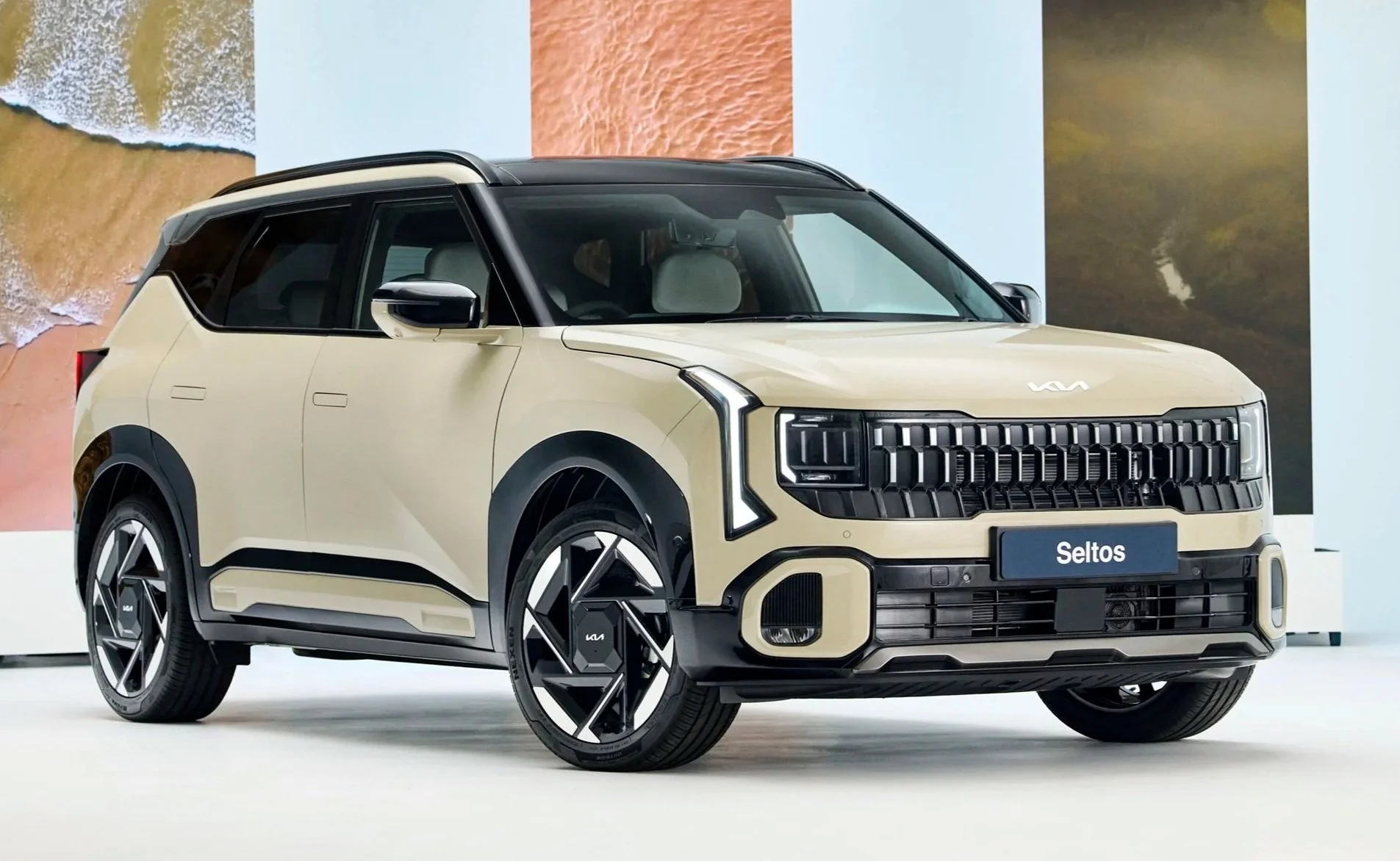
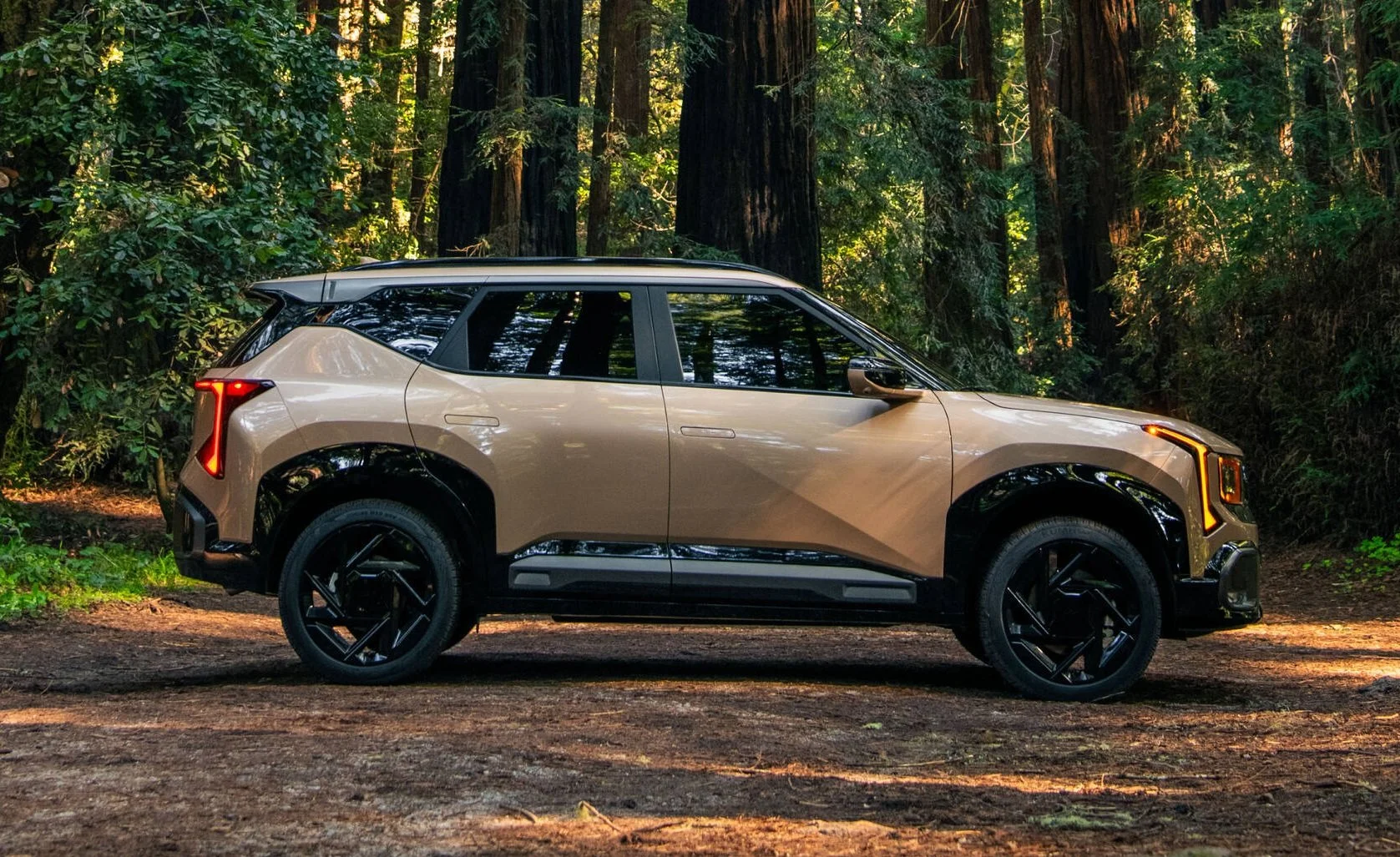
Buying a small SUV should always include the Kia Seltos. It’s a well-built, reliable vehicle, with a perky hybrid engine ideal for ordinary daily commuting or sportier driving. See how well the affordable, frugal Seltos suits you.
Save thousands on a new Seltos
Fill in the form - we’ll get you a great price without the stress
Kia Seltos is an excellent small SUV that is ideal for anyone needing an economical, affordable and modern-looking package that is also practical for daily commuting.
Seltos has an Australian-tuned ride and handling and offers you the choice of a subdued-yet-frugal engine or a more performance-oriented one. But this vehicle does have some niggles we’ll address.
Seltos is an overall high-grade family-conscious vehicle, it won’t annoy you like the old one did, but you’ll need to buy the right one. We’ll get to that.
Check out my full interview with Kia Australia’s genius suspension and handling engineer Graeme Gambold here >> if you want to understand the technical nature of redesigning a car’s underlying on-road behaviour. Otherwise, let’s get stuck into the Seltos.
Kia Seltos sales have been historically pretty good, but the model has struggled to keep up with the likes of Hyundai Kona, MG ZS, and the Chery Tiggo 4, all of which sell roughly twice as many units. Seltos has been on-pay with the Toyota Corolla Cross and the Subaru Crosstrek.
Among the small SUV crowd, including Mitsubishi ASX, Mazda CX-30, the Subaru Crosstrek, Toyota Corolla Cross, MG ZS and the Haval Jolion, the Kia Seltos (and Hyundai Kona) will be the only two vehicles with a unique Aussie ride and handling tune.
This is what makes it compelling value, because it doesn’t just ride nicely over bumps, it also handles like a sporty (but still comfortable) little car.
The overall size of Seltos has gone in the same direction every other new car has gone for the last 25 years: bigger in all dimensions, including mass.
Seltos is 1 per cent longer, 1 per cent wider, 2 per cent taller and 2 per cent longer in the wheelbase. All of this size increase means by default that it’s heavier in the same way the first generation of Hyundai Kona gained about 78kg on the second generation.
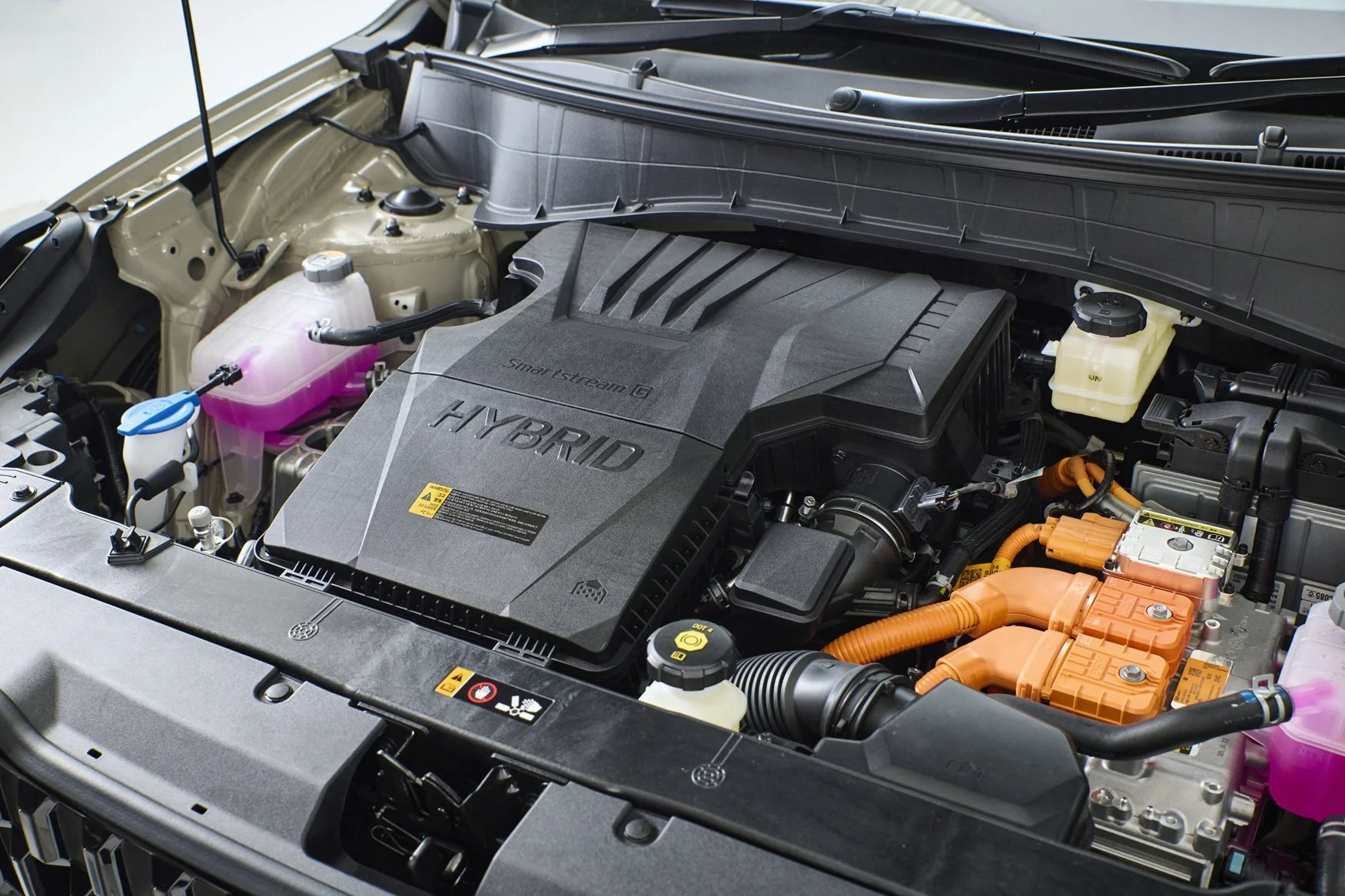
The new Seltos is technically all-new as far as being a Kia product, but it’s still built on the same platform shared with the Hyundai Kona - hence the weight comparison. Kona is currently available in combustion-only, hybrid, and all-electric versions, which is not what you should expect from the new Seltos.
It’s also hybrid only now, but is unlikely to include an electric version because the EV3 > already exists.
The current generation of Kona is a product that launched back in 2022 and was designed from its inception as an electric vehicle platform adapted to accommodate combustion as well. This is in contrast to the combustion-first design of the previous generation which was adapted to a battery-motor powertrain.
Seltos now shares the same powertrain we’ve become familiar with in Hyundai and Kia products in the last five years: the 1.6 turbocharged petrol hybrid. It has a 1.6kWh lithium-ion battery as used in the Kona hybrid. But there’s more.
There’s a sporty 6-speed dual-clutch transmission — with either front-wheel drive, or all-wheel drive using an electric motor on the rear.
Kia Australia has also said (eventually) Seltos will get a ‘standard output’ engine choice, which is what has been announced is going on-sale first. A ‘high output’ tune is being made available later into 2027. The high output powertrain will make 142kW from the same engine, mated to an 8-speed epicycle auto. Seltos will definitely have a performance streak.
For now, the entry-level 109kW powertrain will be the ideal purchase decision for most people, with modest performance and plenty of features for general city and suburban commuting duties.
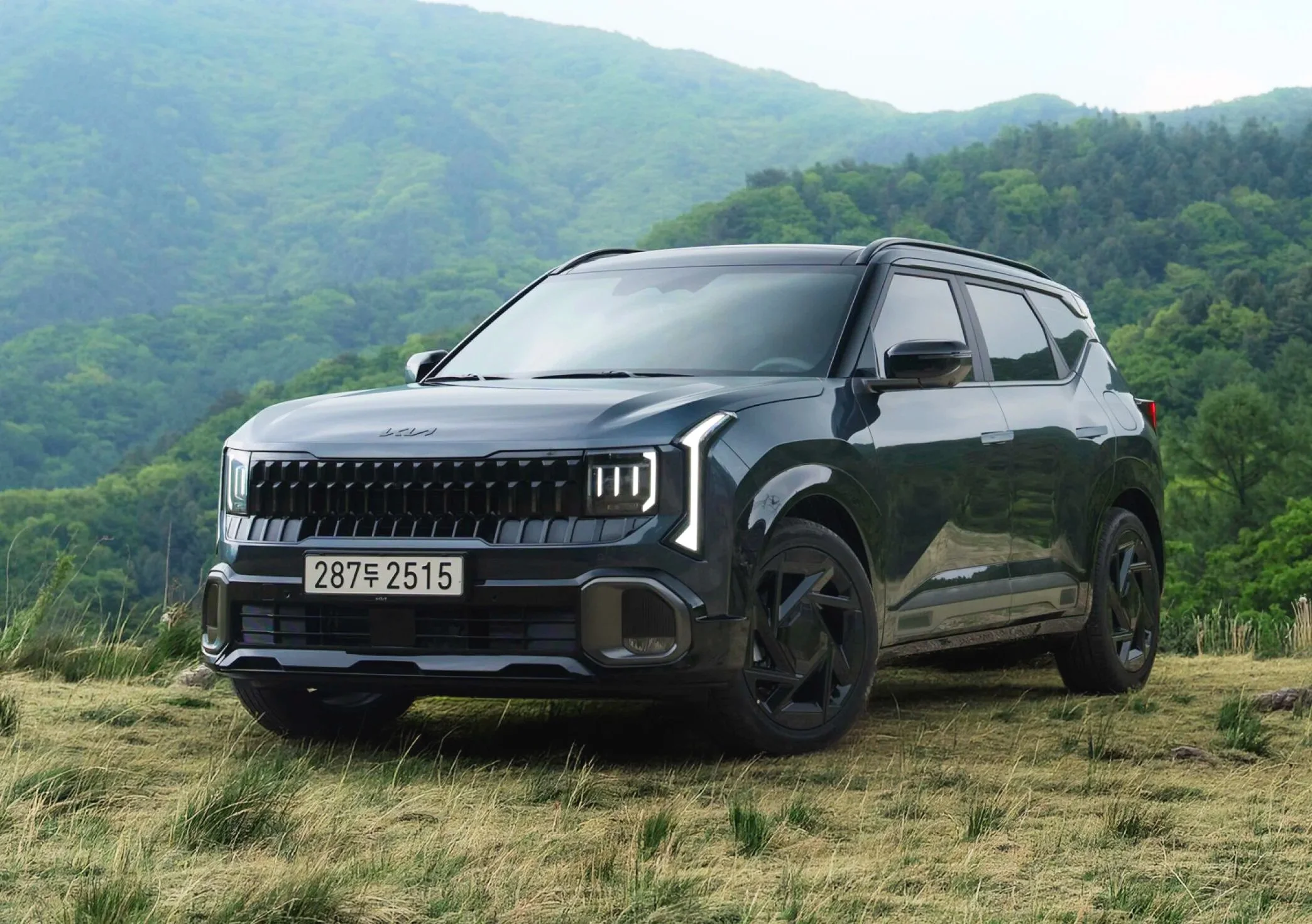
FEATURES AND PRICING
Here is a spec-by-spec breakdown of the 4-tier Seltos range so that you can identify what comes as standard and what you’ll get as you stump up more.
Seltos S | $40,000 approx. driveaway | 1.6L turbo-petrol hybrid, FWD, 6spd DCT
features:
DRIVING
Tyre pressure monitoring
Electric folding door mirrors
Halogen headlights and daytime running lights
Basic cruise control
4.2-inch driver’s display
Front & rear parking sensors, rearview camera with dynamic guidelines
Manual parking brake
Autonomous Emergency Braking
INTERIOR
8-inch infotainment touchscreen
6-speaker stereo
Wireless Apple CarPlay & Android Auto
Manual air conditioning
Row 2 vents
EXTERIOR
16-inch alloy wheels (space-saver spare)
Roof rails
S + Safety Pack +$2500 ($42,490 approx. driveaway)
Seltos Sport | $44,000 approx. driveaway | 1.6L turbo-petrol hybrid, FWD, 6spd DCT
adds:
DRIVING
Auto defog system
10.25-inch driver’s display screen
Windscreen & front window solar treatment
INTERIOR
Dual-zone climate control
DAB+ digital radio, ambient soundscape (Hyundai & Kia call it ‘Sounds of Nature’)
10.25-inch infotainment touchscreen
Satnav with 10-year map updates
‘Premium’ steering wheel and transmission shifter
Auto up/down driver’s window
Dual USB charge ports (front: 1x USB-A, 1x USB-C), dual row-2 USB-C charge ports
EXTERIOR
17-inch alloy wheels (full-size spare)
Sport+ | $47,000 approx. driveaway | 1.6L turbo-petrol hybrid, FWD, 6spd DCT
adds:
DRIVING
Adaptive cruise control
Rear view mirror (auto dimming)
Driver Attention Alert
Lead Vehicle Departure Alert
Autonomous Emergency Braking (incl. junction assist
INTERIOR
Cloth and artificial leather trim seats
Front sliding centre console armrest, rear centre armrest (2 x cup holders)
LED cabin lighting, illuminated vanity mirrors
Row 2 seat-rear storage pocket
EXTERIOR
Smart key with push button start and remote engine start
Heated door mirrors
Rear privacy glass
GT-Line
$53,000 approx. driveaway | 1.6L turbo-petrol hybrid, FWD, 6spd DCT
$55,500 approx. driveaway | 1.6L turbo-petrol hybrid, AWD, 6spd DCT
finishes with:
INTERIOR
DRIVING
Head-up display
Rain sensing front wipers
LED: headlights, parkers, taillights (but still halogen indicators), daytime running lights
Heated & ventilated front seats
8-speaker BOSE premium sound system
Wireless phone charging
Premium flat-bottom steering wheel and transmission shifter
Heated steering wheel
10-way electric driver’s seat adjustment, memory seat position
8-way electric front passenger seat
Leather seat trim
Parcel shelf, ambient lighting
EXTERIOR
Electric tailgate (height adjustable)
Sunroof
18-inch alloys (full-size spare)
Specifications and price may change at any time: always check before signing any contract or paying a deposit.
INTERIOR
Inside, analogue gauges are gone and fully digital displays are in, across all variants. You get a proper round steering wheel, Kia’s signature panoramic driver’s display and infotainment screens, nice wide door mirrors and buttons on the dashboard.
But there’s more to the Seltos cabin that just equipment that ticks boxes.
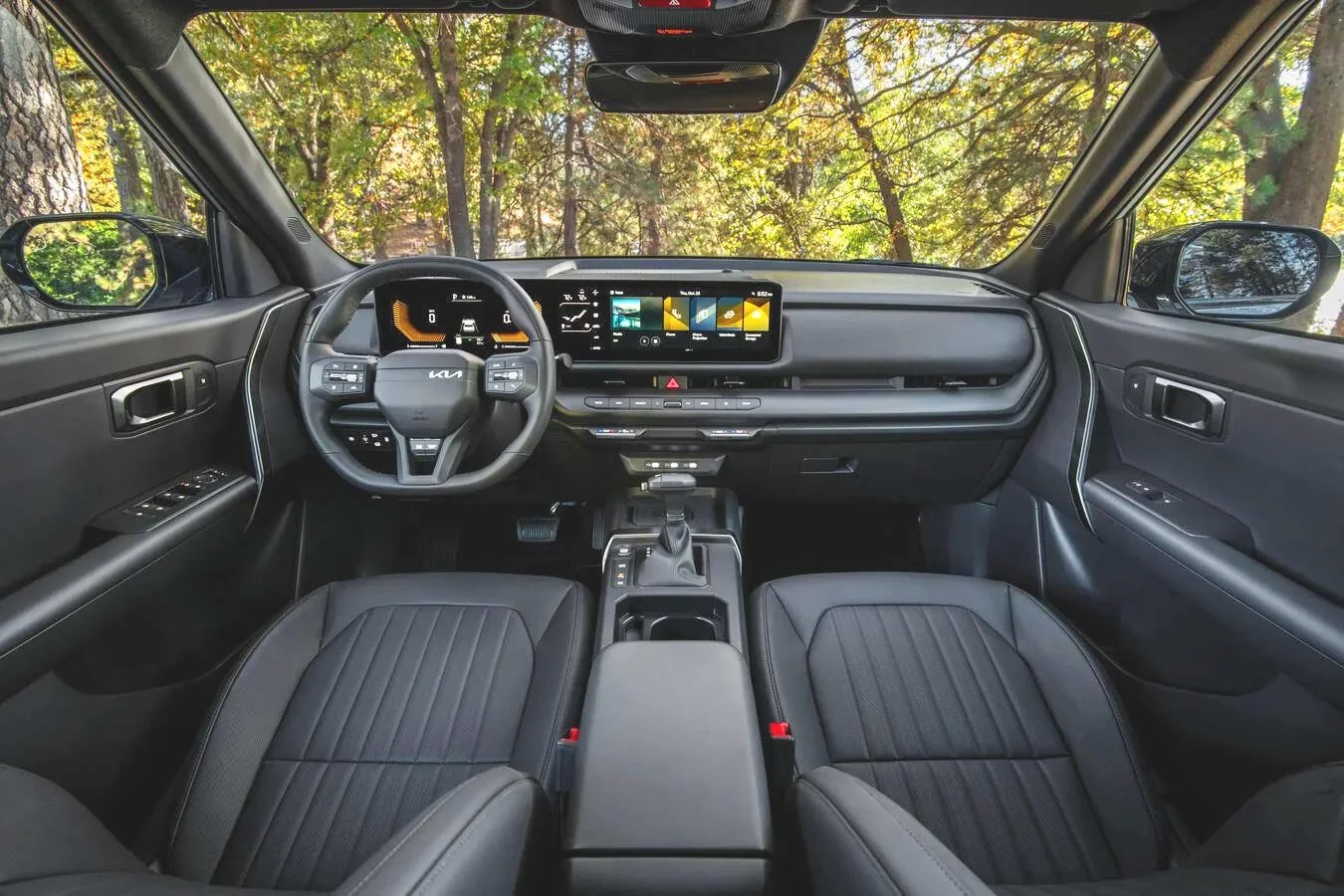
Top-spec US-model GT-Line interior shown here (hence LHD)
Something Kia does very, very well with its interiors is make them feel both modern and yet inviting. There are plenty of new cars that offer stylish designs, there are many examples of warm, welcoming interiors such as Mazda’s CX-60.
Safety assistance features like parking sensors front and rear make low-speed manouvering
Something called ‘intelligent speed limit assist’ which is just recognition of speed limit signage;
Lane following assist, which should be called ‘lane centring’ because that’s what it does - it centres the vehicle in your current lane (plus, following is when you’re proceeding something else, or something else precedes you);
Rear-cross traffic collision avoidance, which will apply the brakes if you’re about to crash while reversing; and
Blind-spot collision avoidance, which is basically the same thing, but for unwittingly merging into another vehicle already in your blind spot.
Some initial observations about how the new version differs from the first-generation Seltos.
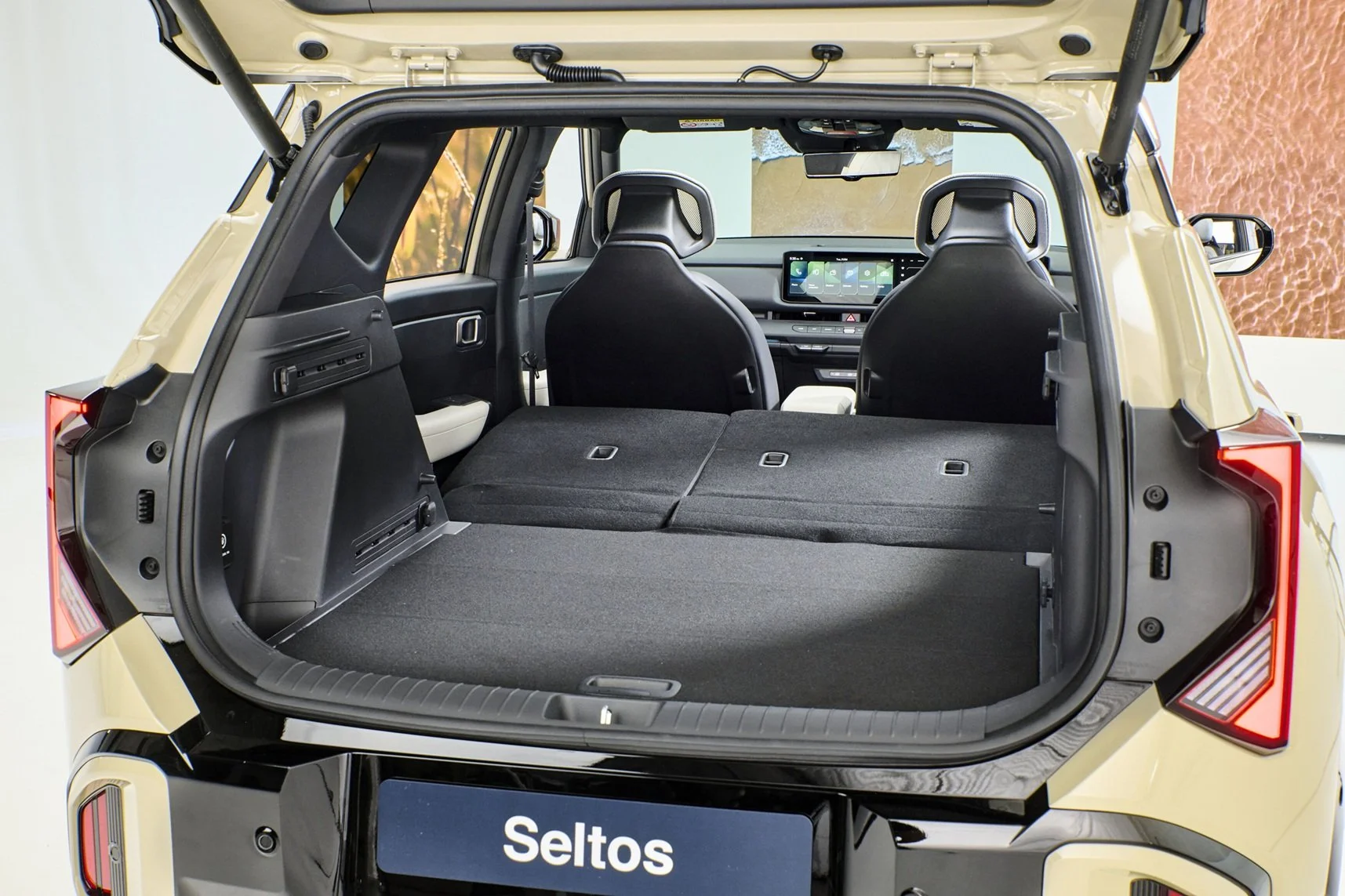
In the base model ‘S’ you get more luggage space, particularly in normal 5-seat mode (with the rear seats up) - you get 8 per cent more cargo volume than the ‘Sport’, ‘Sport+’ and ‘GT-Line’, owing to the lower floor courtesy of the space-saver and the fractionally greater overall length compared with the previous version.
The ‘GT-Line’ also now gets a powered driver’s seat with two memory positions, a ‘smart’ power tailgate and a flat-bottom steering wheel, in addition to things like heated/cooled front seats, heated steering wheel, wireless phone charging, a premium eight-speaker Bose stereo, what Kia calls ‘Sound Mood Interior Lighting’, and a heads-up display.
For some strange reason, on GT-Line you can also have a tilt/slide sunroof, but not with the (no-cost) two-tone paint option, despite paying a $5700 premium over the Sport+. Thou shalt not have both. One must choose and stick with it. My suggestion: always go sunroof - at least it’s functional, where two-tone colour will date.
In S and Sport you still get an old school folding turn-key and corresponding ignition, whereas in Sport+ up - it’s push-button start, proxy key and remote engine start.
You can also choose to have Seltos in GT-Line front-wheel drive (with the two-litre engine) for $44,590 (driveaway) or GT-Line all-wheel drive (with the turbo 1.6) for another $3100 which also gives you a lockable AWD system to keep all four wheel turning independently until deactivated.
Here’s the original full-length road test report on Seltos, back when it was entirely new to market in 2019.
Most of these evaluations still pertain to the current model. For those that don’t, there’s a shortlist of what’s changed for the Seltos in the years since, written report below.
But it’s essentially the same fundamental vehicle underneath.
DRIVING
The original drive program for Seltos, back in 2019, was on mainly these B and C roads around Noosa, and it remains true today that the body control and steering feedback is excellent. There was probably 90 minutes of freeway driving as well - it’s quiet and composed at 110km/h.
Interestingly enough - this vehicle has a next-generation motor driven power steering assistance system. That means an electrical servo motor provides the steering assistance. It detects input from you, and a computer tells it how much to help. That’s when you’re turning in.
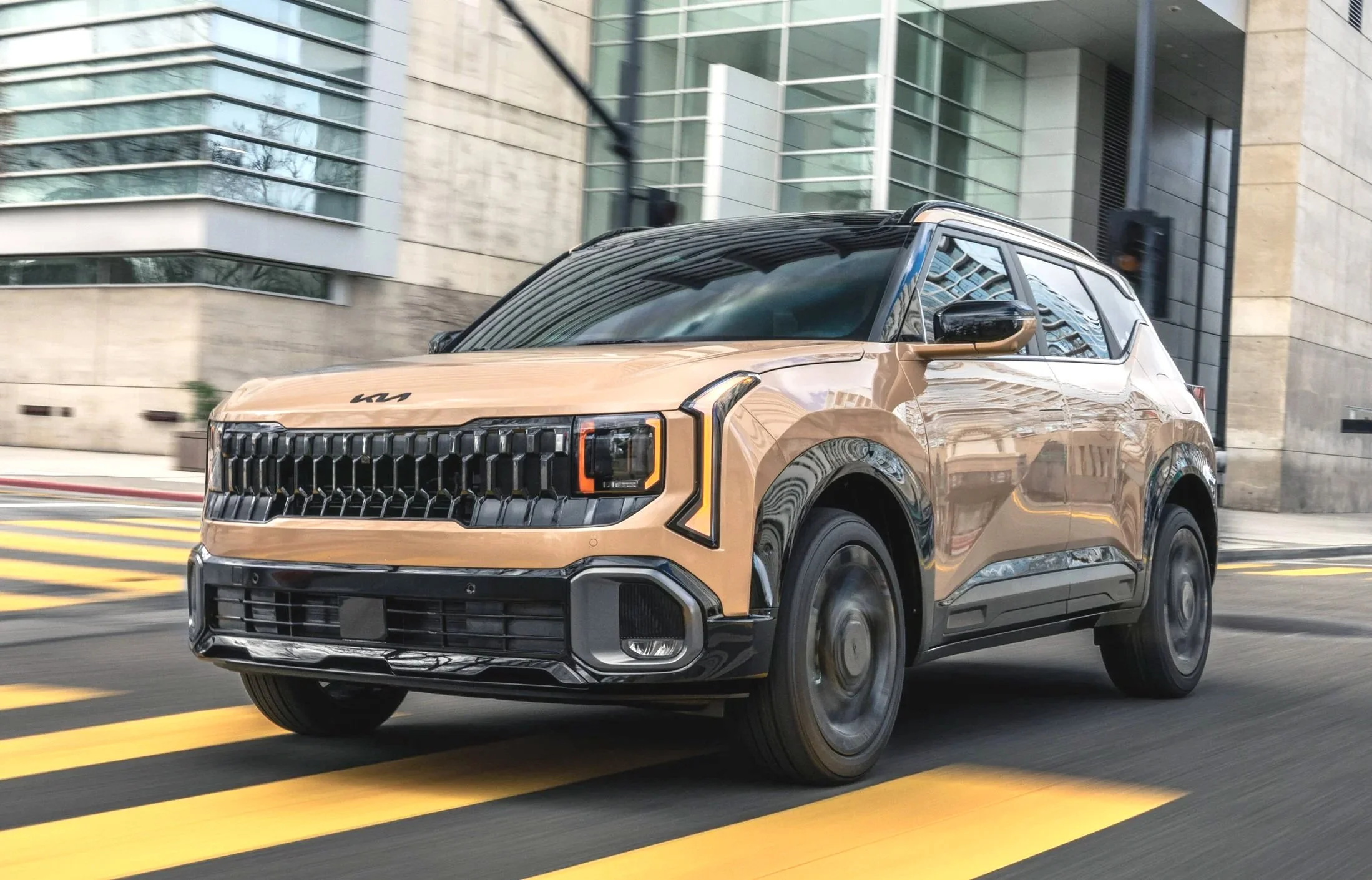
US-market GT-Line shown here
But when you’re on the way out of a bend, the Australian-calibrated electric steering provides self-centring feedback assistance. It’s really an excellent step up from previous MDPS systems, which sometimes feel as if there’s insufficient self-centring - which is what many motoring so-called journalists describe as feeling ‘numb’.
What they’re often poorly describing is how often the electric steering system does too much of the work for you, which feels unnatural, and sometimes unnerving depending on the make and model - and the primary market they’re calibrated for. Kia Australia invests a lot of money locally to getting this right and it’s absolutely worth the price premium you might pay over other small SUVs - because their experience here matters.
It’s well worth a Seltos if you’re a private buyer for the base model. You get loads of equipment and really comfortable, natural driving experience, including nicely sculpted seats, alloys, a full-sized spare, the big centre infotainment screen, SUNA live traffic and 10 years of free map-care updates (and, I’m assured, there are no strings attached to that - you just get the updates when they’re available).
Sport+ is probably the pick of the range because you get a few more features, a slightly nicer interior without going fully posh, some more conveniences like electric seats and it’s a few grand cheaper than GT-Line, which is loaded with all the nice toys, certainly, but you probably don’t need.
I'll help you save thousands on a new Kia Seltos here:
Just fill in this form.
No more car dealership rip-offs.
Greater transparency.
Less stress.
ENGINES
Seltos gets two choices of pwoertrain. The engine you’re most likely going to be interested in, regarding the pursuit of fuel economy and general daily use in traffic, dropping the kids at school and maybe occasionally taking the longer drives, is the 1.6 petrol hybrid. The hybrid is also turbocharged for thermal efficiency, but we’ll stick to referring to is as petrol-hybrid because there’s also a 1.6 turbo coming next year that will be the distinctly performance option.
There is a 2-litre engine in the US which is okay, but is a bit sluggish and underwhelming when you compare it to the 1.6 turbo - and Kia Australia has told us we’re getting a spicier version of Seltos.
This is all good news because not only have sales dampened for Seltos since the Chinese brands dropped all their sharply priced competitors, but also because the CVT transmission 2-litre versions of old Seltos was asthamtic. Taking off quickly from blind junctions often meant it would hesitate far too long to be deemed healthy for one’s blood pressure as any parent would feel putting their young-adult kids into it to go to/from uni in. The old DCT combo with the 1.6-turbo-petrol was also hesitant and overall unrefined, which has been outlined by AutoExpert previously.
Thankfully, the wrong-footed DCT and CVT have been significantly updated and improved (in the case of the DCT) and dropped entirely (the CVT) in favour of the smoother but thirstier epicyclic auto in the case of the hybrid.
Making the DCT more intelligent in the way it interprets incoming data from the driver (throttle, steering angle) and the road-speed, means it does a better job pre-selecting the gear you’re going to need next (either accelerating or slowing down).
A nicer-driving epicyclic auto means Seltos hybrid can afford to consume a touch more fuel now that the fuel economy of the hybrid is so good now, meaning the transmission is ideal for city stop-start driving whereby a dual-clutch needs one small tweak in driver adaptation...
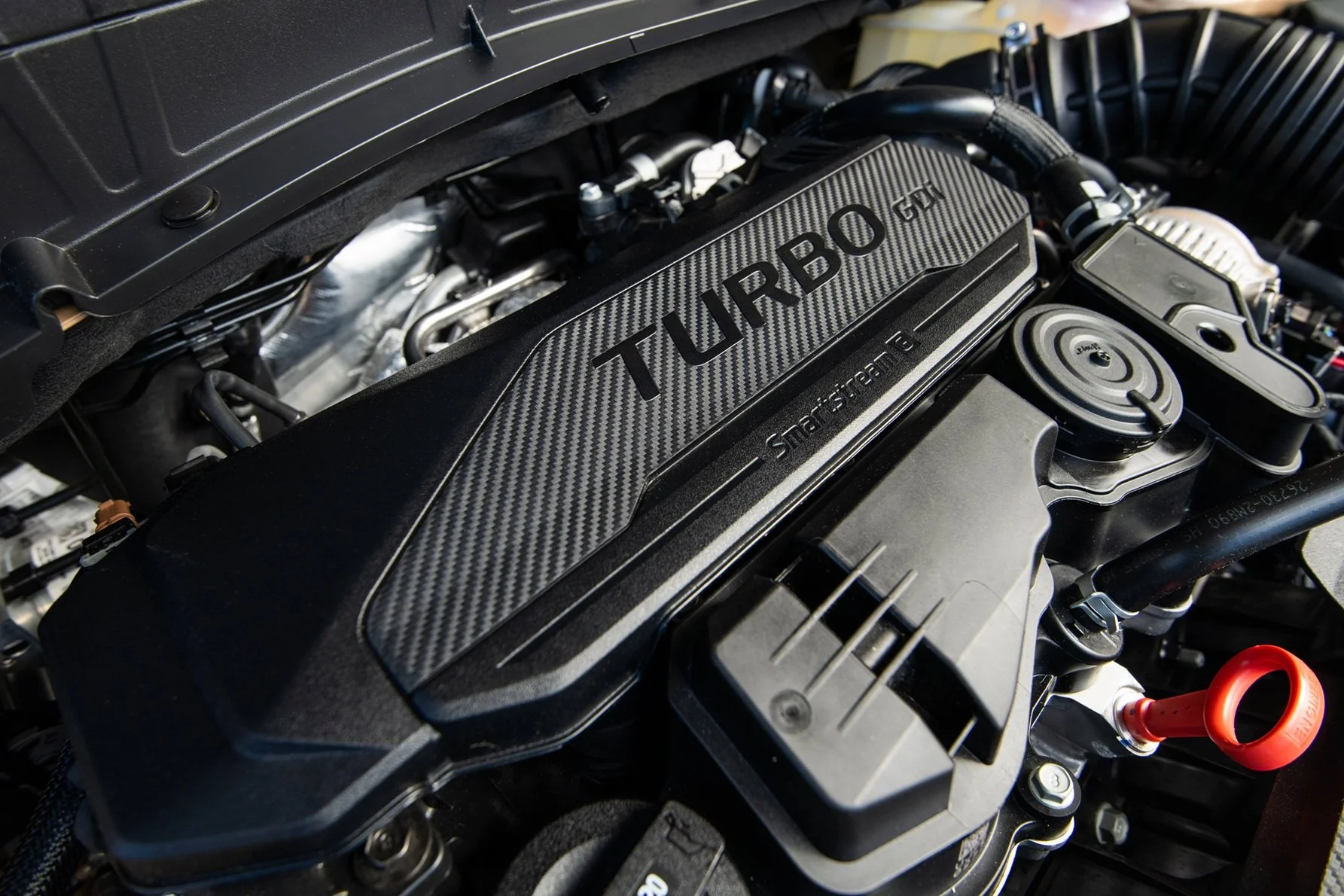
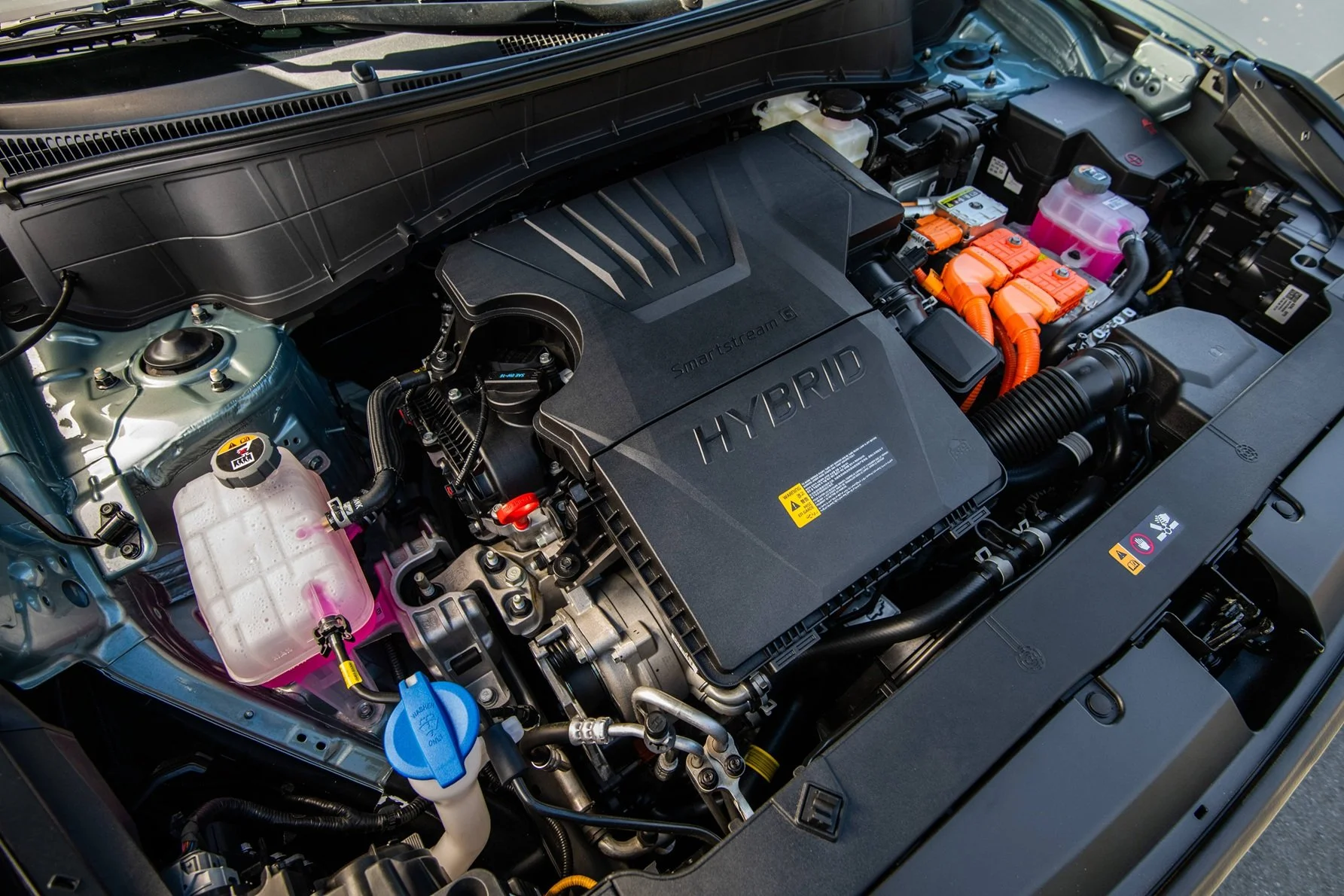
The DCT requires you to come to a complete stop in built-up traffic, and just sit there patiently before setting off when the traffic moves forward. If you continuously creep forward at low-speed, you’re going to, long-term, prematurely wear out the clutch (which happens even in epicycle autos). So try to make this small change and you’ll enjoy thousands of event-free, happy motoring.
Try to remember that the vehicle is constantly being fed information by you, via the throttle, which tells the engine and transmission what you need it to do. If you’re constantly feeding the computer wrong signals, based on the road environment ahead of you, like throttle input when the traffic isn’t moving, it naturally thinks you intend to start accelerating, so the DCT will start preparing the next gear.
But if you are continually altering your throttle position and reacting to traffic ahead, the computer can be in the middle of answering to your previous demand while you’re already issuing another command. This isn’t a flaw - it’s just the nuance of a DCT, which is only responding to what you tell it to do. This is why the hybrid 1.6 with epicycle auto is the ideal transmission if you have to commute to work in the city multiple days per week.
Smooth, predictable driving inputs will mean you get excellent fuel economy and the vehicle will be a peach to drive in traffic, around the suburbs and along the highway.
If you prefer spritely driving dynamics and you live in the outter suburbs or perhaps you work from home or only a short drive to the office, then the sharper-driving Seltos with its six-speed dual-clutch transmission is great for sporty, smooth gear-changes and has been proven a winning combination with the 1.6 hybrid powertrain in terms of refinement and good predictability.
What we mean by predictability is that is makes the right gear-changes in a swift manner without getting bamboozled by sudden changes in input from the driver.
SAFETY
If you want a thorough safety analysis of the Kia Seltos, you have two sources, one which is far more competent at this caper than the other.
There’s the very good IIHS Kia Seltos crash testing report here >> or the overly complicated rating system implemented by ANCAP (and paid for by Australia taxpayers) which you can find here for Kia Seltos >>
Put simply, the Seltos meets all of the key crash testing safety standards of both organisations. Only the IIHS provided actual footage and images of its most recent rating, whereas ANCAP has seemingly used old 2019 testing data to compile the rating for the models 2022-onwards when a different set of testing protocols applied.
The IIHS tested Seltos in 2021 in the small overlap test, and updates its rating every year to maintain relevance. In 2021, the bulky of Seltos testing was conducted and found Seltos only received a ‘poor’ rating for certain lower-trim models in regard to headlights. In all destructive tests, it received a full board of ‘good’ scores - green across the board.

Pictured above is a shot of the small overlap test conducted in the US on Seltos, where it passed with good marks. and below is what that kind of common crash might look like at 60km/h where two vehicles clip each other heading in opposite directions down a main street, for example.
Below is what the cabin space’s crash structure does to save your life in the event of such a momentary lapse in competence, attention and cognition, whoever’s fault that may be.
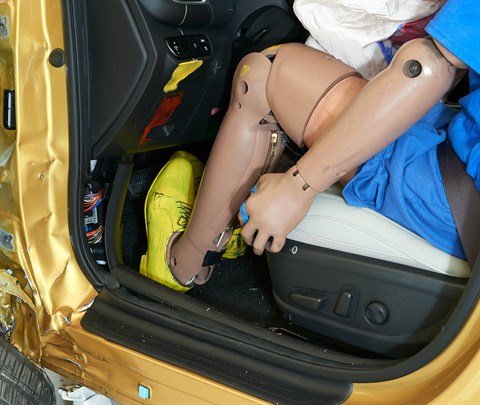
According to the IIHS, the safety cell did its job, meaning the:
driver's space was maintained well, and risk of injuries to the dummy's legs and feet was low
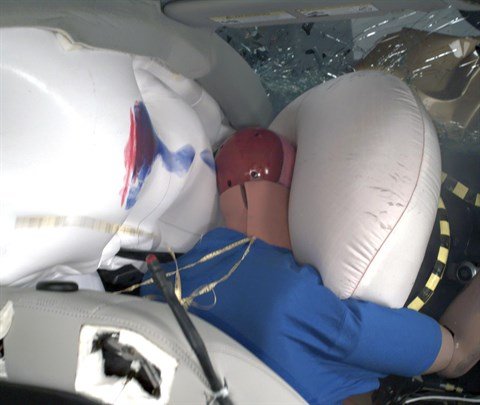
Meanwhile, during the 300 milliseconds a typical crash lasts for, engineering saved your bacon. The perfectly executed pyrotechnic choreography between the airbags, and the seatbelt tensioners, meant they:
worked well together to keep the head from coming close to any stiff structure or outside objects that could cause injury
But over at ANCAP, Seltos does not get quite the same rap sheet. Firstly, the frontal offset crash test was conducted back in 2019 at the 64km/h parameter, which is reduced to 50km/h in the two more recent updated protocol sets (2020-22 & 2023-25). This means Seltos was, in this specific test, subjected to a much harsher and more destructive condition in 2019 than its contemporaries kicking it today which have been tested 21 per cent slower. Keep that in mind.

Seltos passed in the frontal offset test but with a ‘weak’ score for the driver’s lower leg protection. In the 50km/h full width test, the driver’s pelvis was not restrained enough to prevent it from submarining under the lap section of the seatbelt.
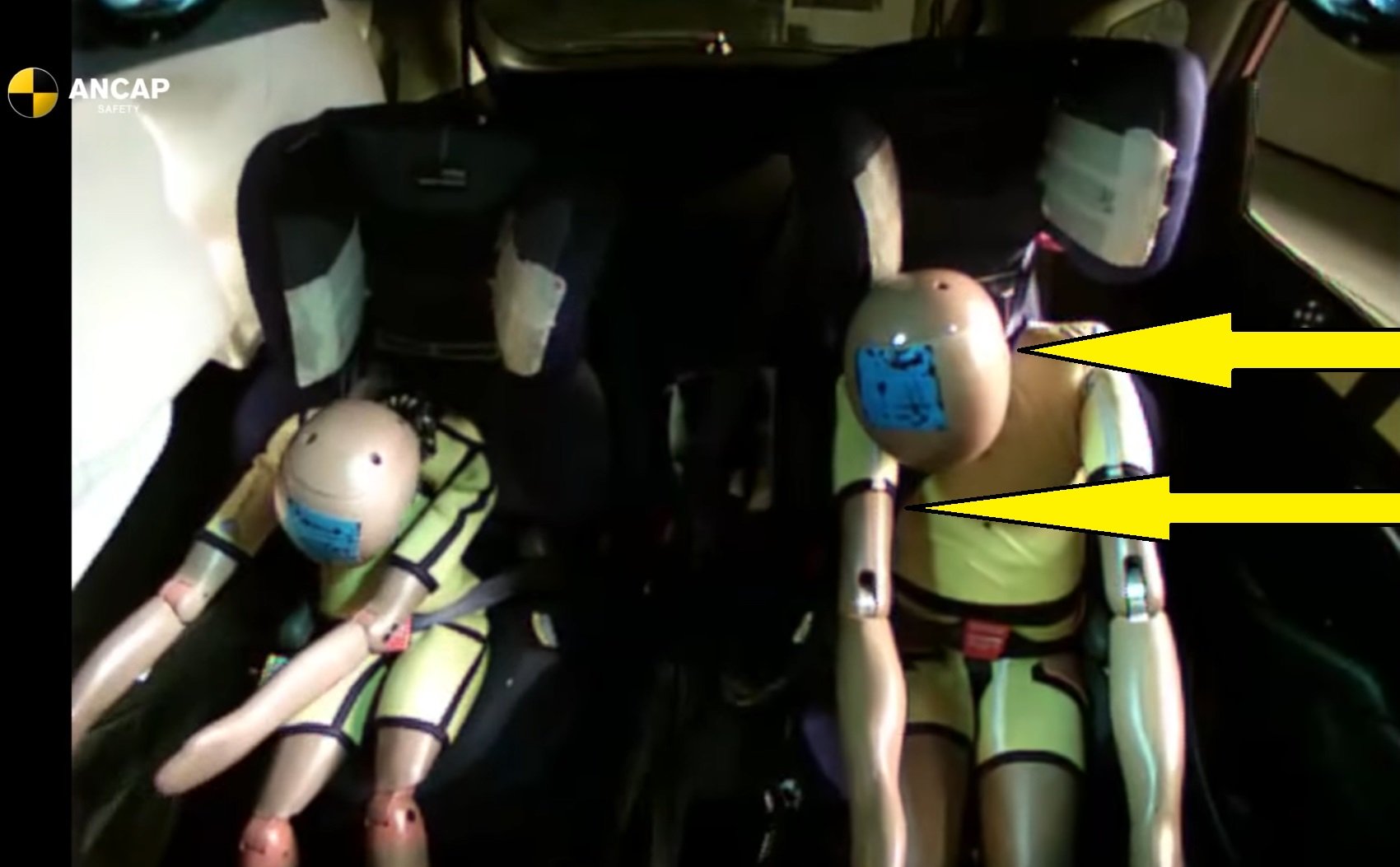
There were also points deducted for child protection in that same frontal offset test where neck injuries would’ve been sustained, as per the loads imposed on the 10-year-old child dummy. You can see below how the seatbelt slips up high over the shoulder and into the neck and collar bone region.
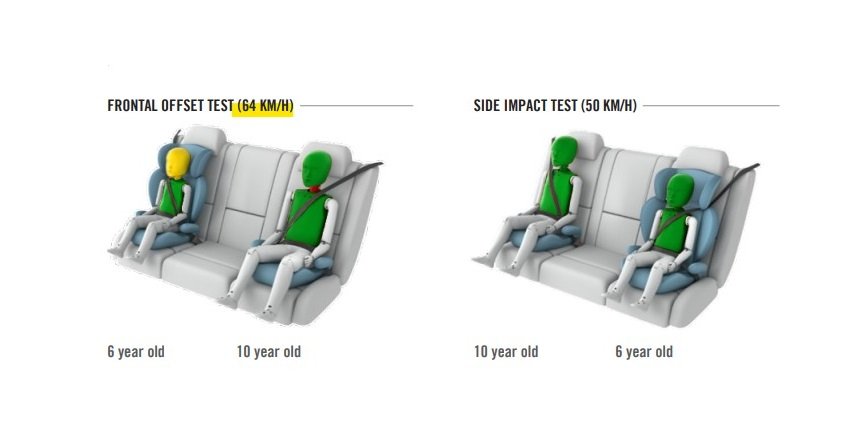
Again, this doesn’t strictly relegate Seltos to deathtrap status overall because what’s bean measured here is survivability. And both dummies do survive, albeit with greater injuries and longer recovery than would be ideal.
For what it’s worth, in the side impact test, which simulates being struck side-on by another car (emphasis on car, not an SUV or ute like they do in the US) weighing 1400kg at 50km/h, Seltos passed with all green on child protection. Ditto for the driver in that test as well, and you could argue that the side impact test is quite relevant in the context of city driving.
The oblique pole test also saw decent results, although not the perfect full-green verdict. The chest saw a ‘marginal’ score (meaning 1.7 points deducted) and just over half a point was deducted for loads on the pelvis. But again, everybody would walk away.
Even in safety assistance tests, Seltos did really well. A score of 78 per cent is pretty good for such and affordable vehicle. to put all the yellow into context in the report card below, remember that Seltos did actually pass these tests, which are conducted at a variety of speeds between 30-80km/h, with varying levels of overlap, and varying states in the dummy vehicle up ahead.

Seltos passes here and did pretty well, if not excellently. There are no indications Seltos hit the test rig vehicle, because in that 12-metre headway test where the brown box denotes a ‘weak’ score, the parameters for the test related to how quickly the vehicle-under-test (Seltos) can match the speed. So it must’ve just taken a bit longer than is required for a ‘good’ score.
Overall, Seltos is a very safe little SUV with plenty of crash avoidance gear that does actually work and only needs to perform out in the real world once to make itself worthwhile. It’s also your job as a driver to mitigate risk and avoid crashes to begin with. Driving headlong into a concrete wall at 50km/h is il-advised for obvious reasons.

Competitors
Hyundai Kona:
Boot space is 361 litres (rear seats up) / 1143 litres (rear seats down) - both less than Seltos Sport to GT-Line (433L/1393L).
Temporary space saver spare wheel across the range
Ground clearance 170mm, shorter than Crosstrek/Seltos at 1565mm with roof rails.
CVT very well sorted in much the same way the 1.6 turbo-petrol with dual-clutch transmission is.
Base Kona and Active are affordably good alternatives, but Kona N-Line will be more performance focused than Seltos GT-Line.
Get the latest Hyundai Kona review here >>
Subaru Crosstrek:
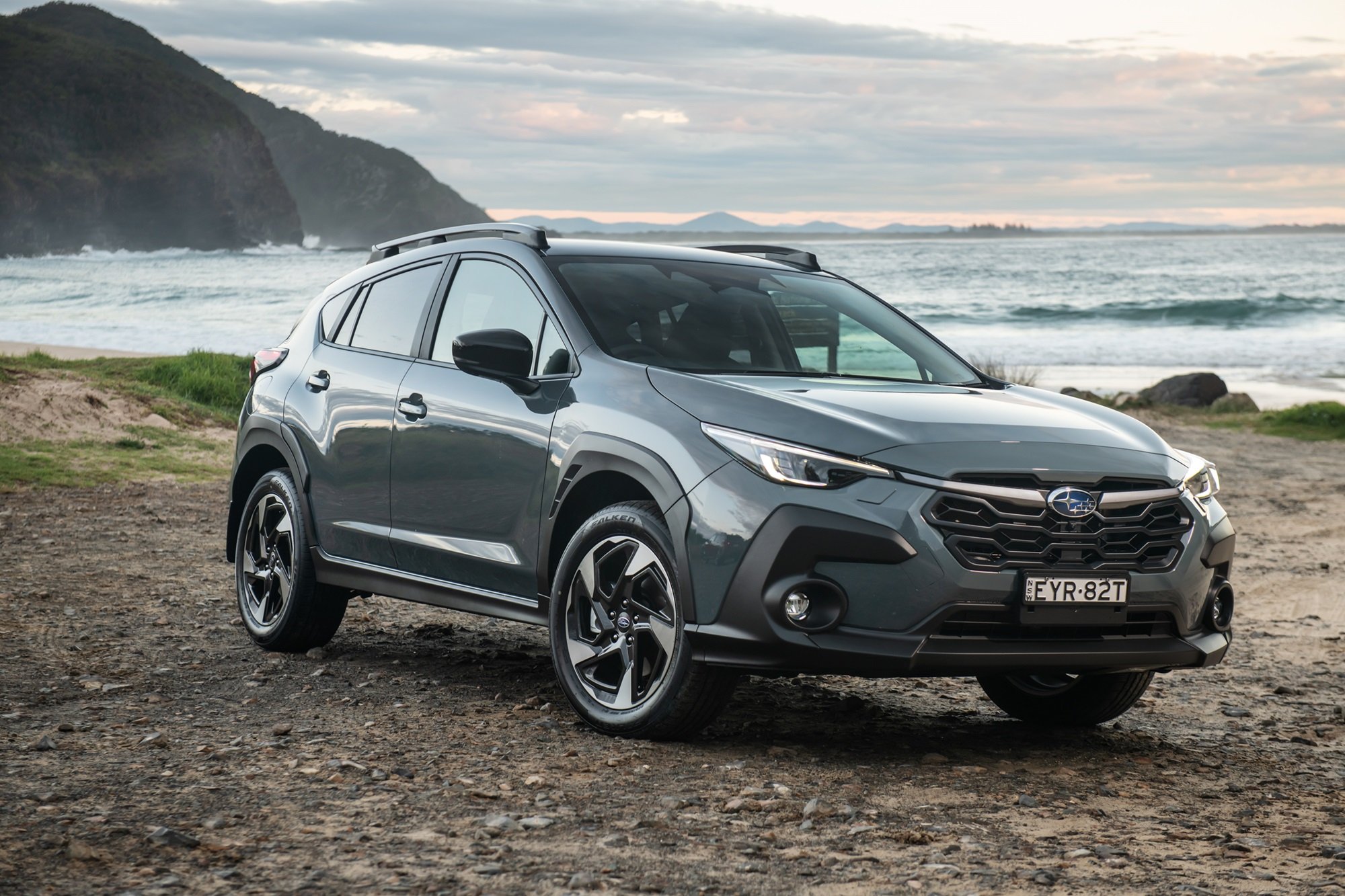
Compelling case against Seltos if you have a steep driveway, get lots of rain, if you ever visit regional areas with dirt roads, gravel tracks or where frosty mornings can leave black ice on innocent-looking corners.
The luggage space is below average, but the permanent symmetrical AWD system (with X-Mode) is one of the best, especially among small SUVs.
Good ground clearance at 220mm, pretty much the same height as Seltos 1615mm with roof rails.
Subaru’s EyeSight safety suite is also pretty good, but the auto stop-start is unrefined.
View more on Subaru Crosstrek here >>
Mazda CX-3:
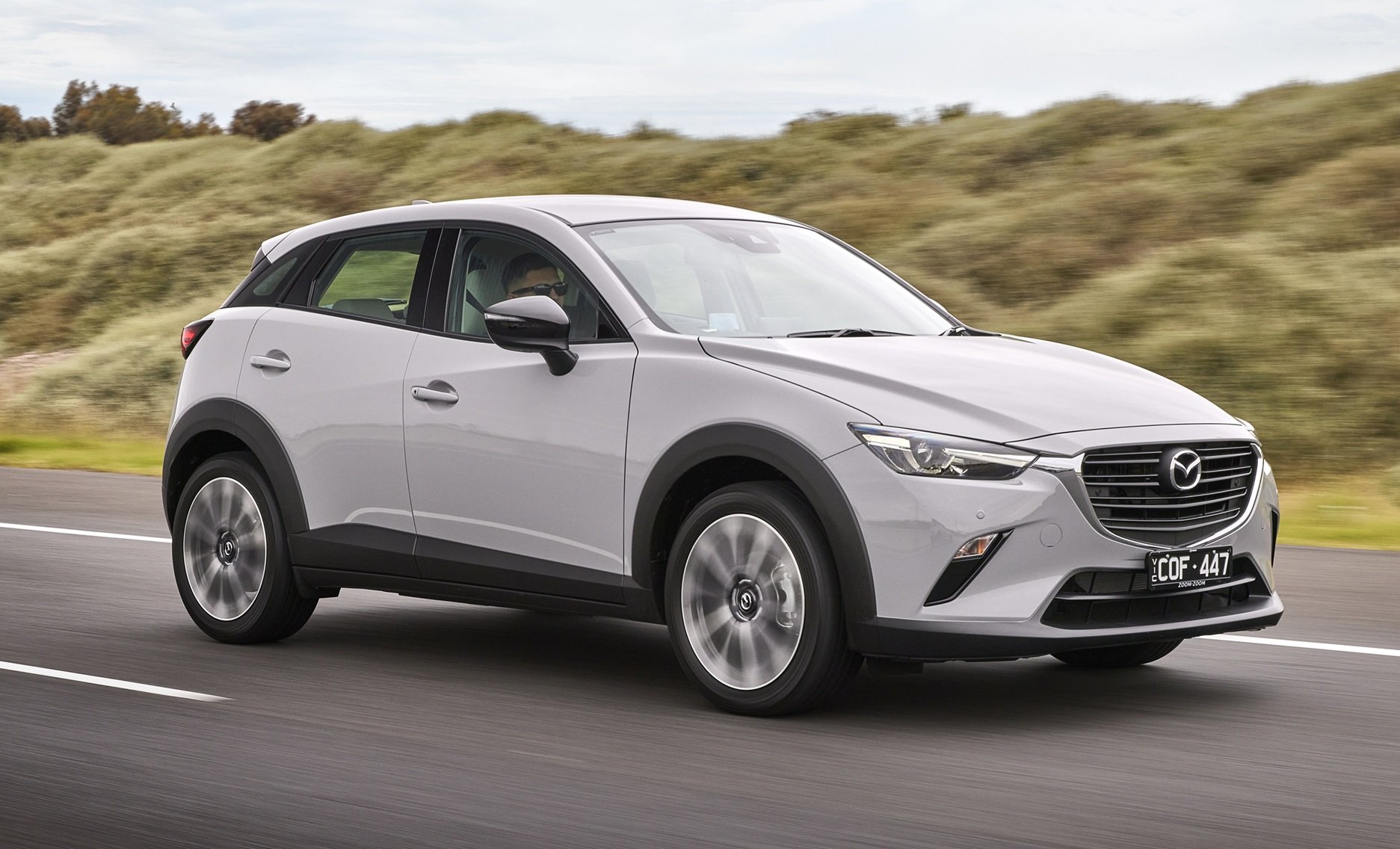
CX-3 is a Mazda 2 jacked up, basically, and despite being what is a very small SUV, it’s decent, especially inside.
The interior is what does the most for people in current-day Mazdas; very comfortable, rather refined, and it’s certainly a nice car to look at from the outside.
The boot is much the same as Crosstrek: compromised. But that’s okay if you need a sophisticated, frugal, agile city car that’s quite comfortable taking weekend trips on the freeway or being reverse-parallel parked in tight cobblestoned laneways beside coffee shops.
Similar fuel economy, if slightly dear.
Should you buy a medium SUV instead?

Kia Sportage: Seltos is unequivocally not a Sportage replacement; there’s no diesel Seltos and you get less towing capacity despite a greater towball download limit. A diesel Sportage ‘S’ drinks 6.3L per 100km, Seltos does 6.9 (2L CVT) or 7.4 (1.6 turbo-petrol).
Sportage is 275mm longer than Seltos, 65mm narrower and wheelbase is 125mm longer - so passenger space is far more abundant. Boot space is also superior at 543 litres (seats up) / 1829 litres (seats down) - that’s 16 per cent more boot in a Sportage.
Safety assistance features (AEB, radar cruise, lane keeping, forward collision warning) standard across range, but Sportage also gets the front-centre airbag, a post-collision steer/brake function that helps avoid secondary crashes.
So basically, unless you actually need the physical space - specifically - you’re no better off spending more on a Sportage because you’ll derive no actual benefit.
Check out the full Sportage review here >> or my dedicated Sportage powertrain analysis here >>
Seltos gets by default two ISOFIX child restraint anchor points in addition to three top tether points - but good luck getting three across the narrow back seat of any small SUV.
DRAWBACKS
S is for the poverty pack, and a temporary spare is all you get for changing a flat. However, given this is a city car in its primary usage case, you shouldn’t go making this a deal-breaker. Tyre shops are never far off in metro areas, so you’ll likely have multiple opportunities to either get a new tyre or have the old one plugged if possible.
The CVT has noticeable engagement lag when exiting corners and feeding-in throttle - however it is totally adequate for normal driving (as discussed in the transmission section of this report).
Smaller brake rotors front and rear on S and Sport should be noted if you’re going to do lots of city driving and if you (or the primary driver) has a particularly heavy foot. The faster you go, the sooner and harder you’ll have to stop. This means earlier brake pad wear, accelerated wear on brake rotors, more cost. If you drive like a nanna, don’t stress about it.
This current generation of Seltos gained 20kg over the previous model, and the GT-Line version is an extra 25kg heavier. Weight is the car industry’s dirty little secret they don’t want to talk about (because it consumes more fuel etc. Shh…)
Towing capacity
Unbraked, you’ll tow just 600kg and braked you’re limited to 1250kg with the 1.6-litre turbo (because apparently this is the little engine that could). Max. towball download is limited to 130kg
So you get less tow capacity than Sportage but more towball download limit, so depending on your trailer, you might be able to tow a trailer with Seltos which you can’t with Sportage.
In Sportage, (braked) it’s 1600kg in the 2.0-litre petrol and 1500kg in the 2.4-litre petrol, and 1900kg in the 2.0-litre diesel, but only 100kg towball download limit versus 130kg in Seltos.
Conclusion
A really tidy SUV which isn’t actually that small and doesn’t do much wrong at all, while handling our roads very nicely.
Seltos, even with a silly name, in 1.6-litre turbo guise goes harder than any Sportage could ever hope to, but just remember it is a big jump in price to go up from the 2.0-litre.
Sport+ is probably the pick of the range, but if you’d prefer getting a kick driving around everyday, the Cerato GT will be far sportier than either SUV.

More reports




Buying a small SUV should always include the Kia Seltos. It’s a well-built, reliable vehicle, with a perky hybrid engine ideal for ordinary daily commuting or sportier driving. See how well the affordable, frugal Seltos suits you.