
Mitsubishi Outlander PHEV review and buyer’s guide
Family SUVs aren’t meant to tackle rocky, dusty trails and steep climbs. But Mitsubishi Australia set out to prove the Outlander plug-in hybrid was more than a soft, suburban school tractor. Here’s what the Outlander PHEV is truly capable of…
Save thousands on a new Kona
Fill in the form - we’ll get you a great price without the stress
Mitsubishi Outlander plug-in hybrid really is a rugged-ready soft-roading beast, but it’s dressed up to look like a civilised, smart and sophisticated family SUV.
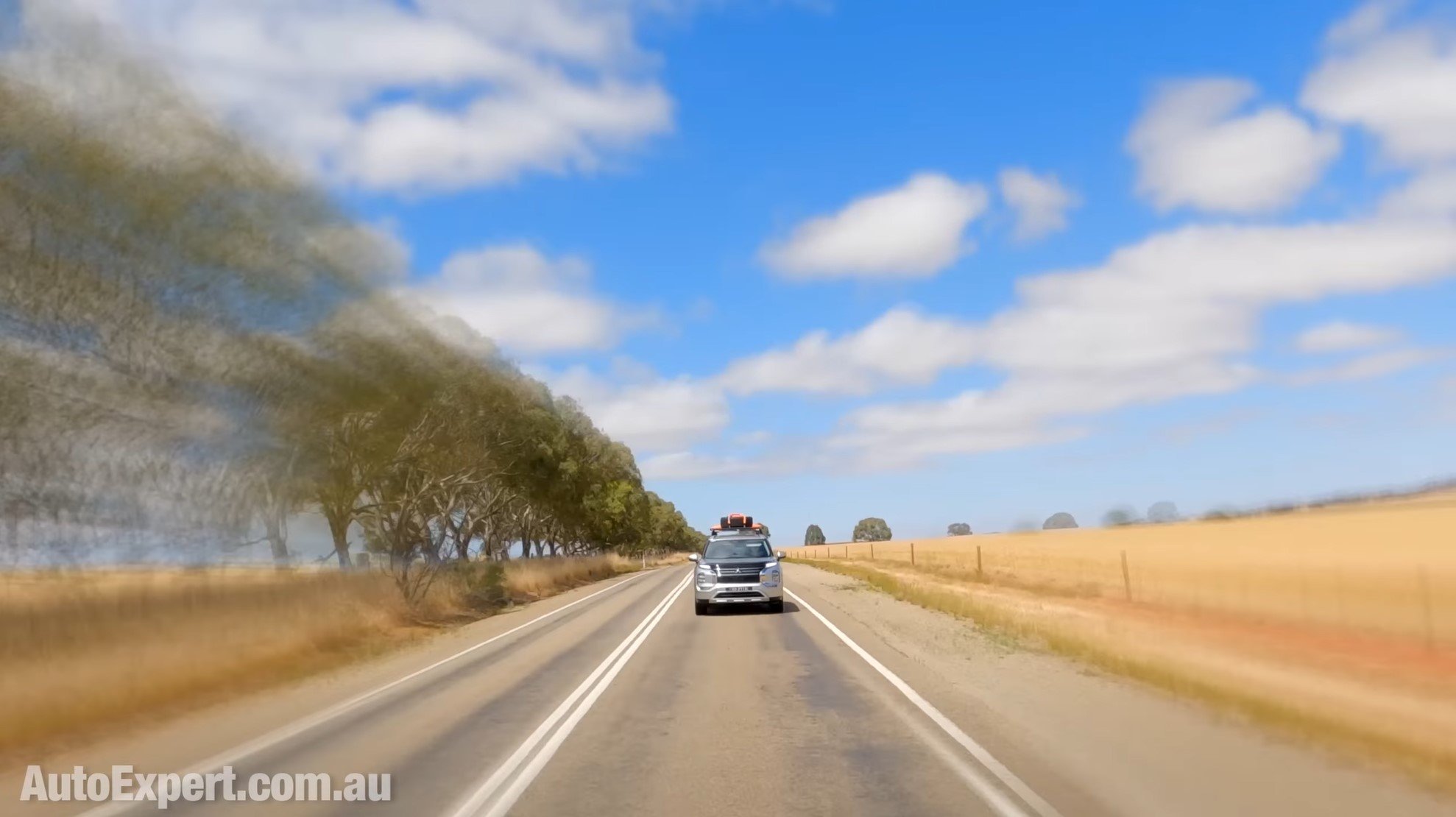
Let's tear this thing away from the trappings of civilization and take it way way out here to the stark beauty of the Flinders Rangers (and the endless busted ass scrub) which is much further in the outback than most Outlander plug-in hybrid owners would ever go.
AutoExpert was given exclusive access to torture test the Outlander PHEV in the Flinders Ranges, so that you can determine (or is that confirm?) for yourself that you truly do get what you pay for…
Why have we taken the Outlander PHEV into the Flinders Ranges in South Australia, when the average potential owner is never going to undertake such a driving endeavour?
It's fair to presume that Mitsubishi Motors Australia had a series of intense discussions when they watched this report on the outback adventure readiness of Outlander PHEV (inset right).
Given that it comes out of the factory with no spare tyre, to me, that is the red flag for outback adventuring, because you’ve got to have not one, but often but two spare tyres.
This report is the most dignified response to a roast that I think I've ever experienced from a car company. They said to me, words to the effect of, ‘we think the car is a lot better than that, and we want to address your concerns by equipping this car for outback adventuring - and then we want you to go and drive it on some pretty rough tracks in the Flinders Rangers’.
‘And you can tell us what you think.’ That’s the important part here, because Mitsubishi Australia has no input on what I say here, and nor did they get to see this video report before it was published.
WHY BUY AN OUTLANDER PHEV?
It’s one thing for a car company to advertise its vehicle in an inflationary way - that’s what marketing and advertising is for.
But it’s entirely another thing for them to take the vehicle out of marketing LaLa Land and put it into the uncharted territory of the real world, and it’s something entirely special when that world is at the extreme end of the spectrum. Now having said that, this is not what the blue singlet brigade would call proper off-roading, but it is very close.
The premise of this overlanding expedition is to prove that the underlying Outlander with its Super All-Wheel Control system could handle the rough country by getting off the bitumen, and going beyond the well-maintained gravel in-roads of most national parks, and putting a part-time battery-powered electric family SUV into hot water, so to speak.
Cocking wheels is not what you’d expect a plug-in hybrid to cope with, yet here we are…
The reason for doing this is also to prove that the Outlander PHEV can successfully be outrigged with enough accessories to actually take it into some harsh Australian bush, and come out the other side. It also means you can take solace in the fact your PHEV will be not only well-suited to driving in EV mode in the suburbs to and from work, but it can also take the family out the back of beyond.
So exactly how does this fairly advanced powertrain manage when it’s taken completely out of its native habitat? Here's the Outlander plug-in hybrid doing a bunch of stuff that most probably falls well outside the design brief. Watching the video above, I'm going to leave it to you to decide how well it's going in the context of eco-friendly family SUVs, except to say that subjectively it's a pretty stress-free driving experience below 70 km an hour.
This is an all-wheel drivetrain and it's a pretty sophisticated one. I actually think the off-road ability on offer here is serendipitous, like a happy accident.
Here’s what the (former) managing director of Mitsubishi Australia, Shaun Westcott, said while on the road:
I'm not surprised about the YouTube report you put out because this car is built for the city, and riding in it, you can experience how quiet it is; it's got some really good features - it's a great city car…
It’s important for you, the consumer, to understand here that the big boss of a car company does not just spend a week or so hanging out with motoring journalists just for kicks. So clearly he had a point to prove with the Outlander PHEV and what it could do - and he didn’t just pay some marketing agency to make pretty pictures.
I quietly drove one across the Simpson Desert… I took a pre-production car and was pleasantly surprised…because we realised that this car, in our opinion, is capable of doing things that most people wouldn't imagine
When a typical new car buyer thinks of a family SUV that can kind of go a little bit off road, or which might be good to drive to the snow, or take camping in well-maintained, just-off-the-main-road type regional areas, you would typically think of Subaru.
Subaru is the soft-roading version of a farmer’s ute being a white Hilux - that’s the brand your mind goes to. But Mitsubishi has done something remarkable here, proving that not only are they quite capable of making a family SUV go soft-roading, they can make a plug-in hybrid do it on sketchy goat tracks that a Subaru would be challenged by.
So exactly how does Outlander perform in soft-roading environments?

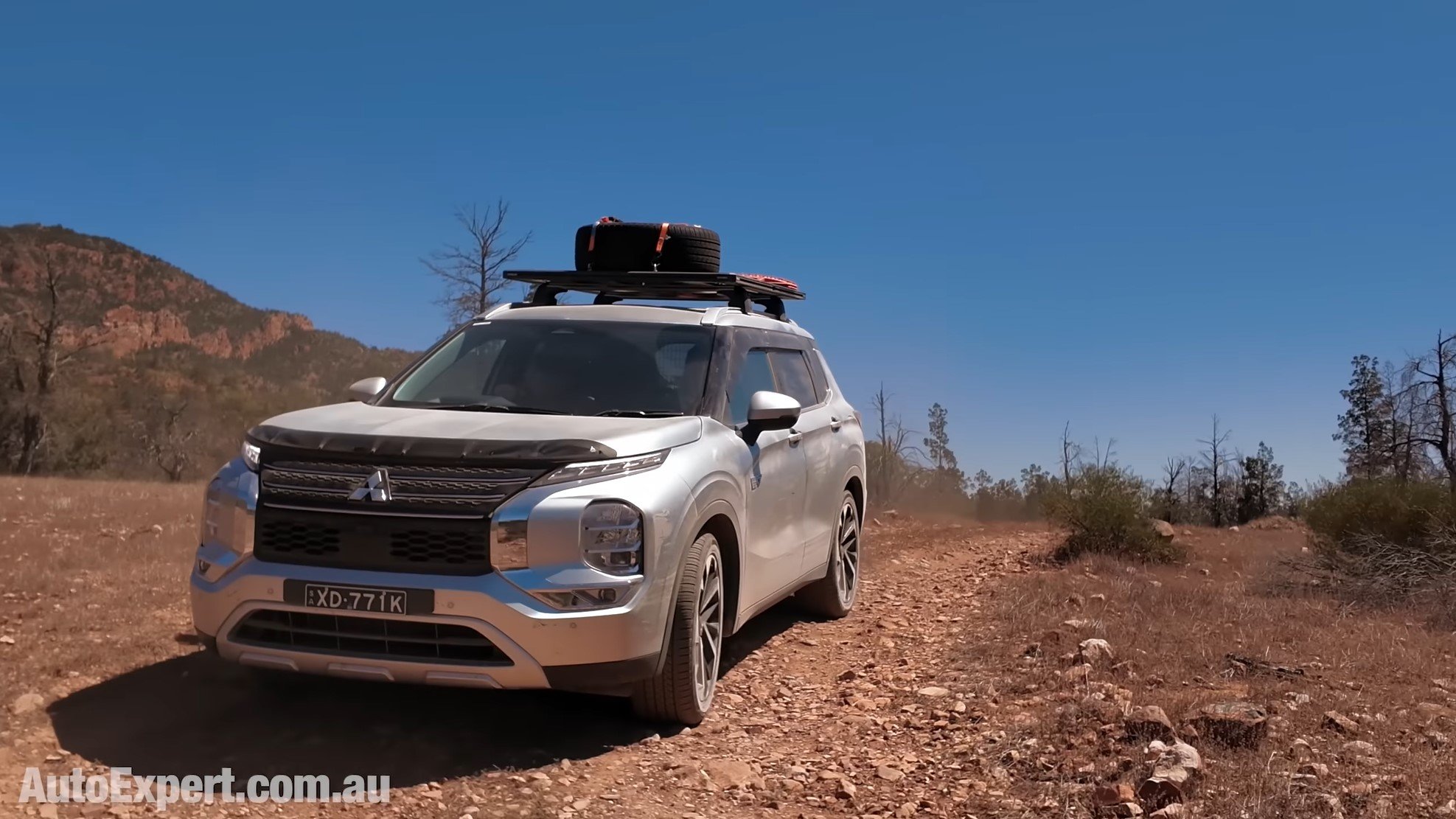
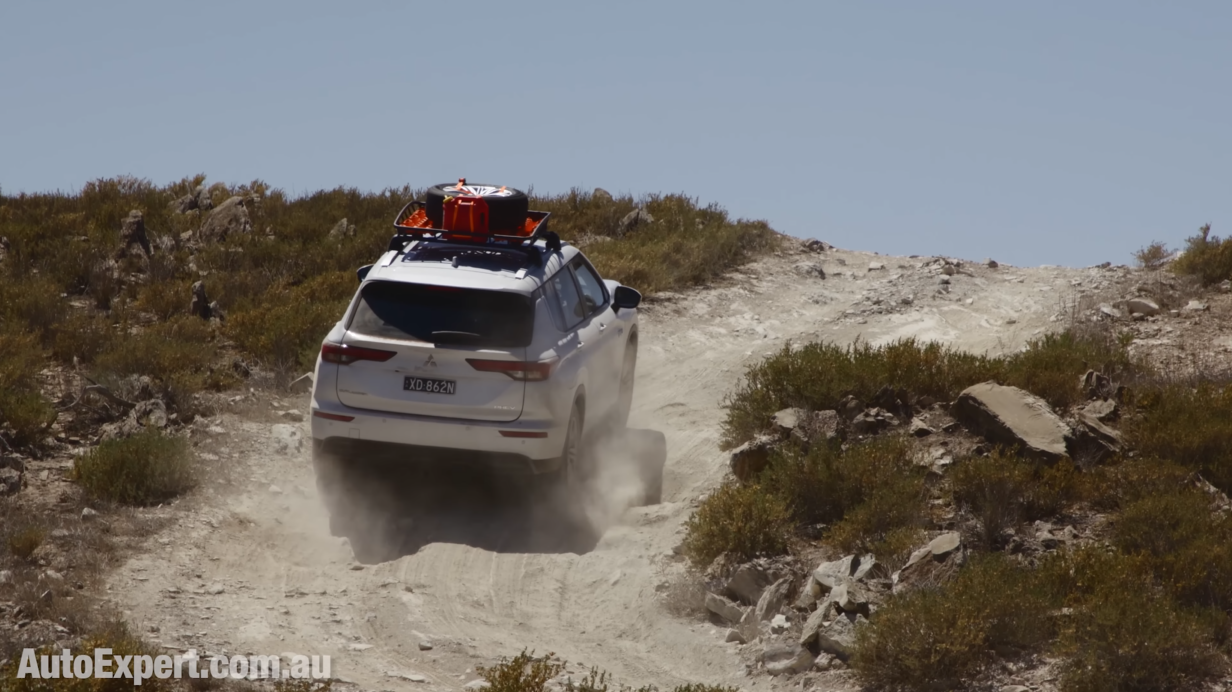
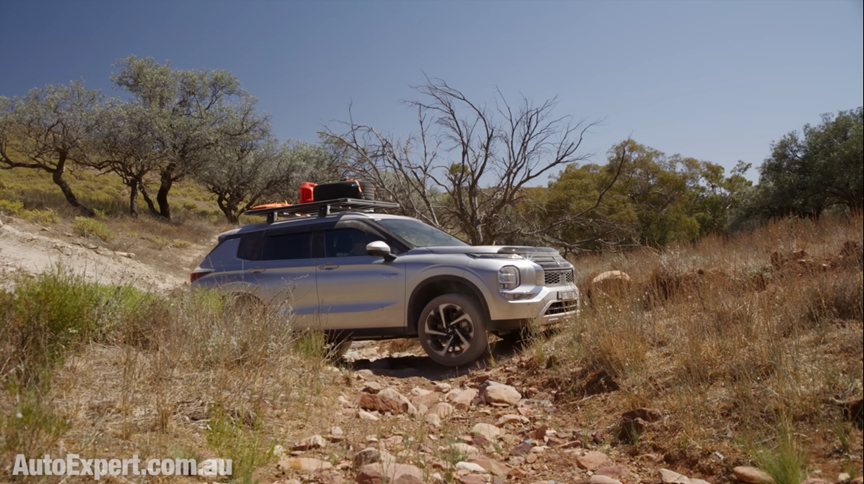
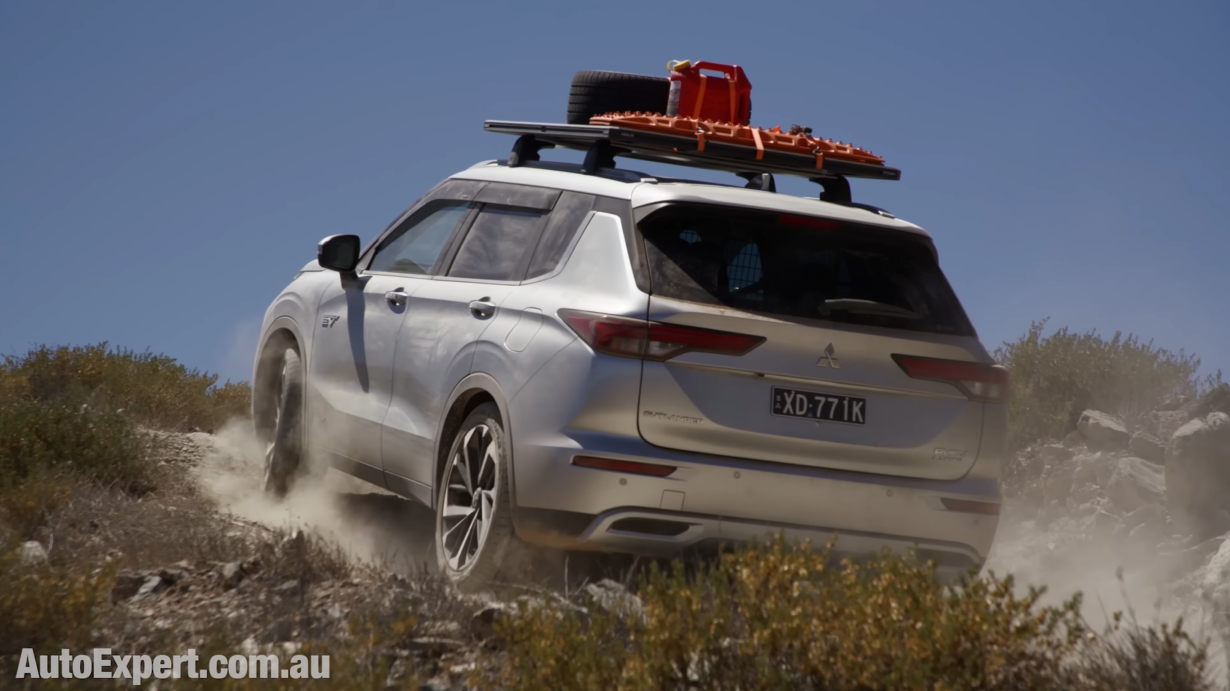
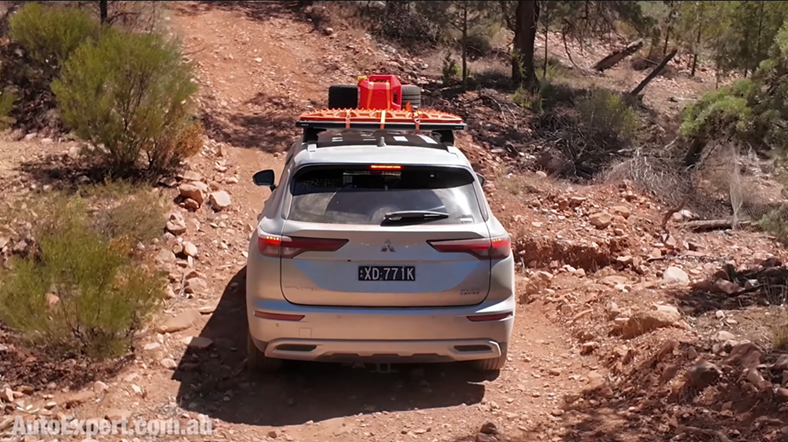
Super All-Wheel Control is an interesting technical achievement here, because from that engineering perspective, it's a purely electric powertrain. It's one of the first times you, the consumer, has had the ability to electrically motivate/power the wheels, but at the same time have individual torque vectoring. (That’s when the computer redirects drive from a spinning wheel, or one that has low grip, and sends it to the other wheels with plenty or grip.)
And the relative ease at which the Outlander PHEV handles this kind of driving is what’s so impressive, because in four-wheel driving, the reason diesel is the preferred powertrain, generally speaking, is because you can apply gentle, progressive throttle inputs and not overwhelm the tyres with their limited grip. In an electric vehicle, there are no revs because it’s not a reciprocating engine underneath, so the power is instant.
The nature of this kind of instant-power driveline is, you’d surmise, is too much for these kinds of delicate, low-grip driving situations. But in fact, Mitsubishi has accounted for this, unlike what happened to the Cybertruck or the first iteration of BYD Shark 6 which couldn’t get up even moderate slopes without spinning its wheels.
Mitsubishi, by tailoring the throttle sensitivity and power management to these conditions, has made the Outlander PHEV do what hasn’t really been technically possible until now. And they did it before any of the Chinese brands had even arrived.
Download the official Outlander PHEV brochure & spec sheet here >>
FEATURES & PRICING
If you like the option of a 7-seat Outlander PHEV, you’ll need to look specifically at the Aspire.
OUTLANDER ES
$59,000 (approx. driveaway) | AWD, 5 seats
features:
12.3-inch smartphone-link display audio and navigation system
8-speaker Dynamic Sound Yamaha Premium
New drive battery with increased 22.7kWh capacity
Black cloth upholstery
Climate Control Engine Start System
Connected Car Service (CCS)
Driver Monitor System
Electrochromatic frameless rear-view mirror
FCM Haptic Brake Warning
Improved Blind Spot intervention and Lane Departure Prevention systems
Improved drive battery cooling system
LED interior lighting
LED rear turn and backup lamps
Multi-around view monitor – Bird’s eye view
New front and rear bumpers
Newly designed 18-inch alloy wheels
Rear automatic braking linked with rear-view camera
Steel bonnet and front fenders for improved NVH
Traffic Sign Recognition with ACC Speed Limit Link
Wireless Apple Car Play and Android Auto
How frequently are you going to use all seven seats?
If your kids are in primary school or high school, where it’s fairly common to have their mates over for the afternoon or sleepovers on weekends, or maybe you’re taking the odd straggler to sport on weekend mornings, then the sixth and seventh seats are likely to get good use, in which case, your budget needs to be able to land in the $45-$55K bracket.
OUTLANDER ASPIRE
$66,800 (approx. driveaway) | AWD, 7 seats
adds:
5+2 seating
Slide and recline manual seat adjuster
‘Walk-in’ system
Black Granlux/PVC upholstery
Heated front seats and steering wheel
Improved wireless phone charger design
Mi-pilot additional features including:
Lane Keep Assist (LKA)
Touch sensor steering vibration
Traffic Jam Assist (TJA)
Newly designed 20-inch alloy wheels
OUTLANDER EXCEED | $71,600 (approx. driveaway) | AWD, 5 seats
adds:
Aluminium accelerator and brake pedal design
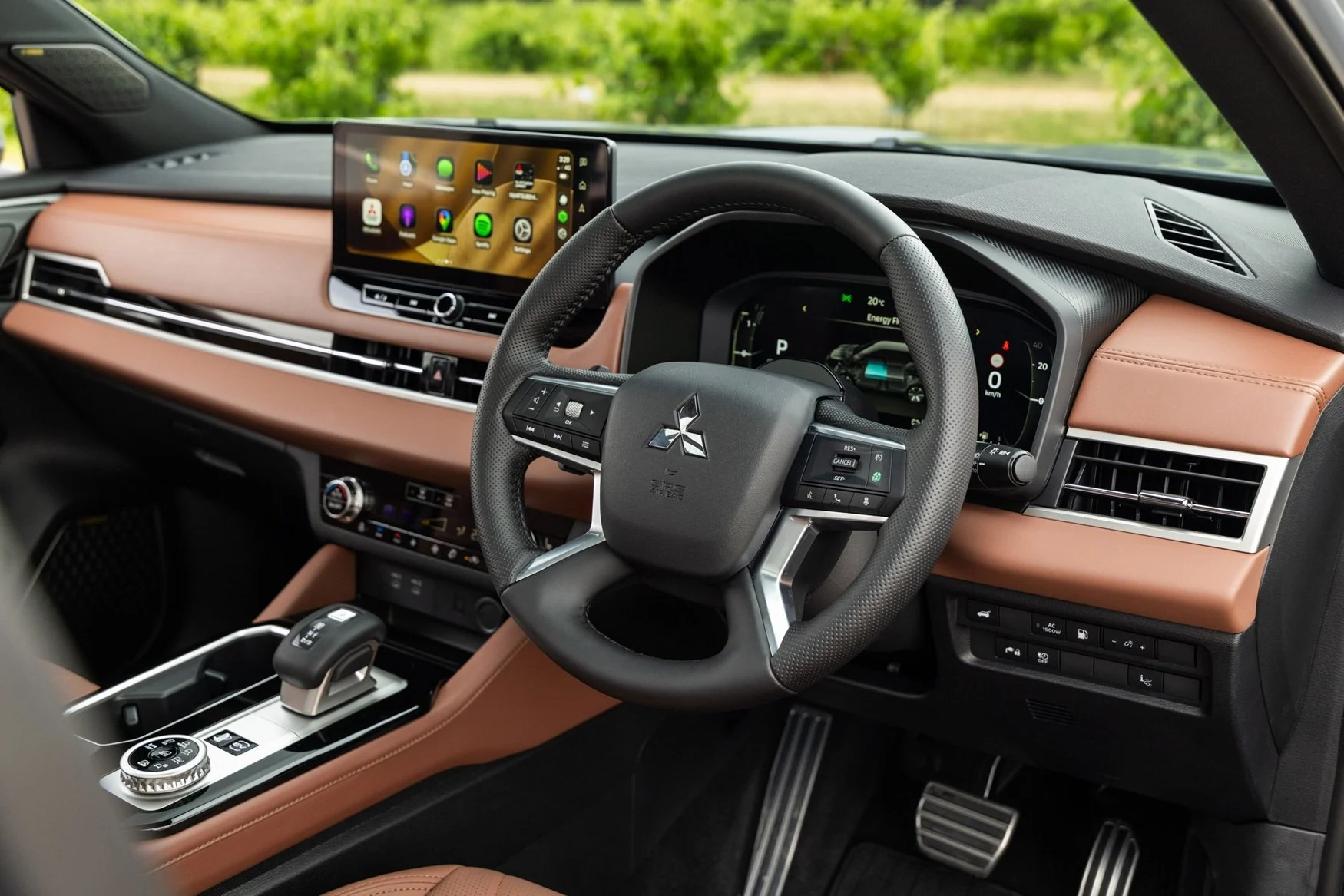
Choice of black or grey leather upholstery
Frameless interior rear-view mirror with digital monitor
Ventilated driver and front passenger seats
OUTLANDER EXCEED TOURER | $74,500 (approx. driveaway) | AWD, 5 seats
finishes off with:
12-speaker Dynamic Sound YAMAHA Ultimate Audio System
Brick Brown semi-aniline premium leather upholstery
Massage function for driver and front passenger
Heated 2nd row passenger seats
Specifications and price may change at any time: always check before signing any contract or paying a deposit.
DRIVING
Let’s start with the fundamentals here, because Outlander absolutely does not belong in the same company as a big 4X4. It does not have a low-range transmission gearset designed to trudge up steep ascents and crawl delicately down the hairiest, most butt-puckering slopes.
Instead, Outlander PHEV has a CVT - a continuously variable transmission - that is optimised for fuel economy in suburban driving, not restraining the forward momentum of its (minimum) 1.8-tonne mass downhill.
However, it’s a pretty good CVT, one that has a foot in Subaru’s territory thanks to the very clever Super All-wheel Control system, which is essentially a tricked up traction control system that manages tractive effort through braking. If one wheel is detected to be spinning (due to loss of traction), the brakes are engaged to stop that spin and redirect drive to the other wheels with traction. You can see this in effect here:
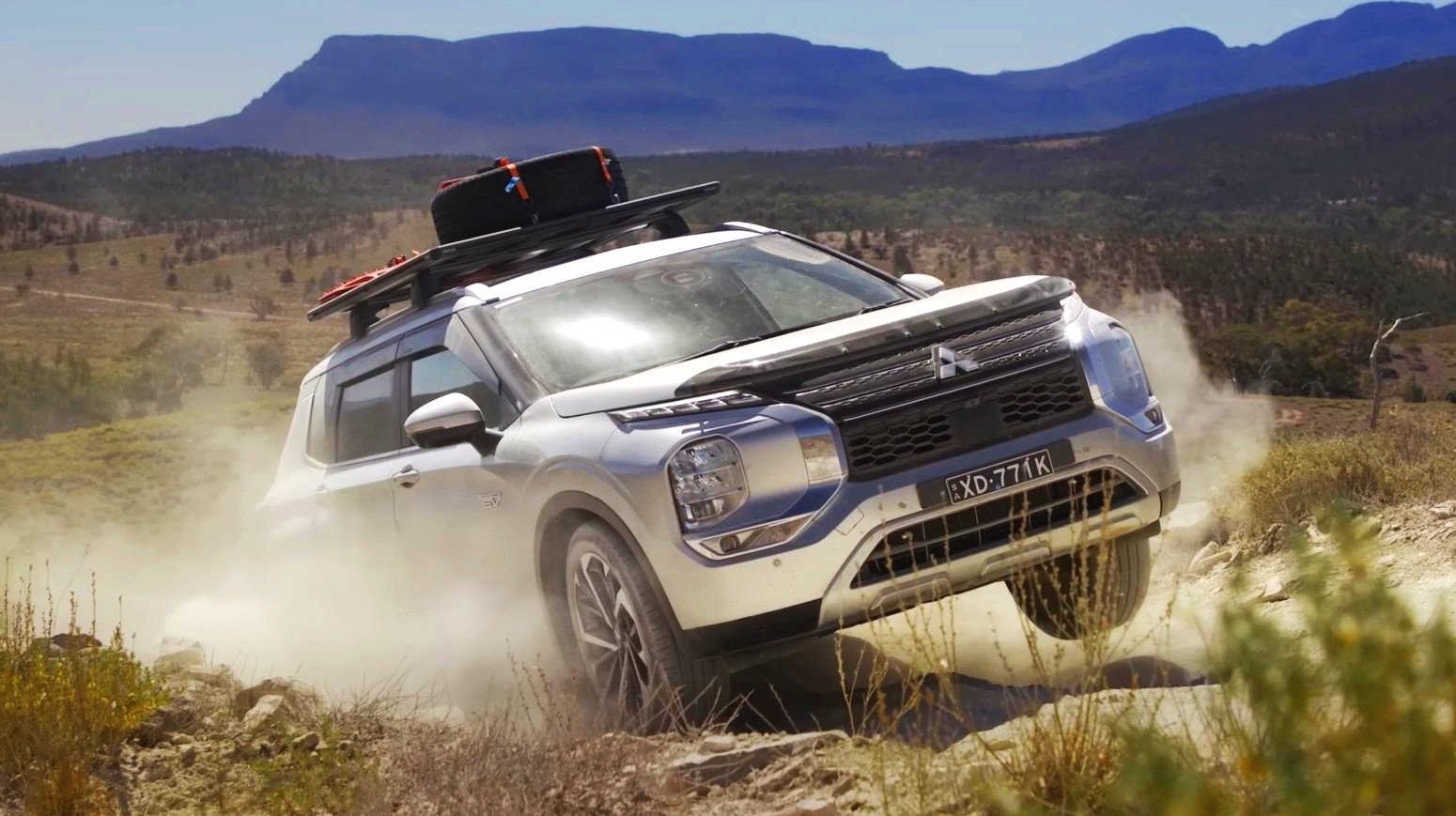
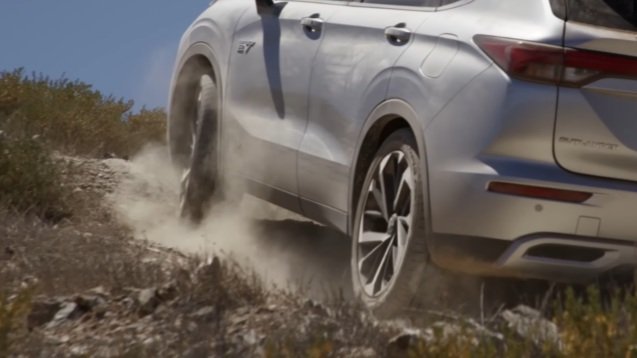
Obviously, in order to perform this kind of driving on a regular basis, the Outlander’s driveline would need to be purpose-built. But it is not going to be sufficiently beefy enough to handle this in a routine, sustained manner where wear and tear would increase drastically in the way a Pajero Sport would do it without breaking a sweat.
it simulates what you would get with a low-range transfer case in a proper four-wheel drive, which is, trying to give you a lot more torque with much less wheel speed
-Tim Clark, Mitsubishi Australia
Tim Clark is Mitsubishi Australia’s head of alternative powertrains, he’s their Yoda, he’s also an engineer, so he lives and breathes this stuff. Mr Clark is also quite right:
the beauty of this electric powertrain in this sort of driving condition is you've got 100 per cent torque from standstill
And in this environment, it’s what makes the Outlander PHEV so much more efficient than an internal combustion vehicle which needs revs to start producing that torque. Hence when we talk about diesel engines, particularly in harder driving conditions like towing or off-roading, we want as much low-RPM power as possible, because that’s what we want and where the torque is found. But in a combustion 4WD, you need a whole other transmission to get that torque without the wheel speed.
A Pajero Sport, for example, has that low-range transfer case that can, essentially, drip-feed power to each wheel independently, in a much more gradual manner. That’s what the low-range transmission does; it reduces how much power is going to the wheels, to minimise overwhelming the tyres and their ability to grip whatever they’re touching. To understand more deeply this process of how tyres grip the road, click here >>
But the kind of driving Outlander can do, is quite remarkable against the set of medium SUVs all trying to convince consumers they’re some rock crawler dressed in a dinner jacket - which they absolutely are not. A Mazda CX-5, Hyundai Tucson, Kia Sportage, Toyota RAV4, Volkswagen Tiguan, MG HS, the Nissan X-Trail, or a Honda CR-V cannot do what the Outlander is doing in most of this video. But they all can drive down well-maintained gravel and hard dirt roads, that’s a fact.
What we’re doing in this test is that next step beyond winery and farm driveways, but before getting to the point where a Pajero Sport needs to engage 4L.
And one of my primary concerns with the purported rugged readiness with Outlander PHEV is the lack of full-size spare tyre, and the lack of anywhere to retroactively fit one under the boot floor. This reason for this is completely justified, due to the vehicle’s packaging restraints with being a very good, fully functional plug-in hybrid, because obviously the rear traction motor, inverter and all of that electrical and battery related plumbing has to go somewhere.
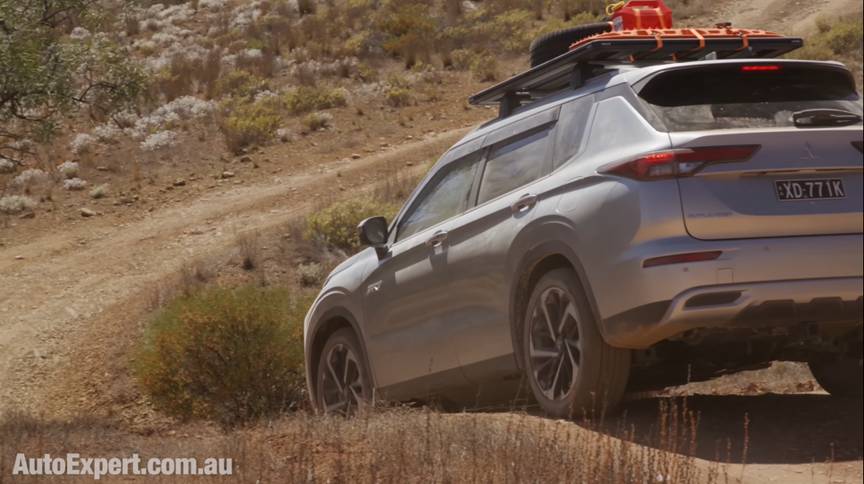
Outlander’s rear loadspace is already walking a delicate balance between being big and practical enough while also compromising cubic-inches of space in order to facilitate its powertrain. So for this test, and so that Mitsubishi Australia could practically demonstrate the vehicle’s ability to carry two spares, not only was a roof rack fitted to carry both fuel and recovery tracks in addition to the first full-size spare, the luggage space also received a cargo barrier in addition to that second spare, strapped down to mitigate its ability to become a ballistic projectile in the event of a rapid deceleration event (AKA crash).
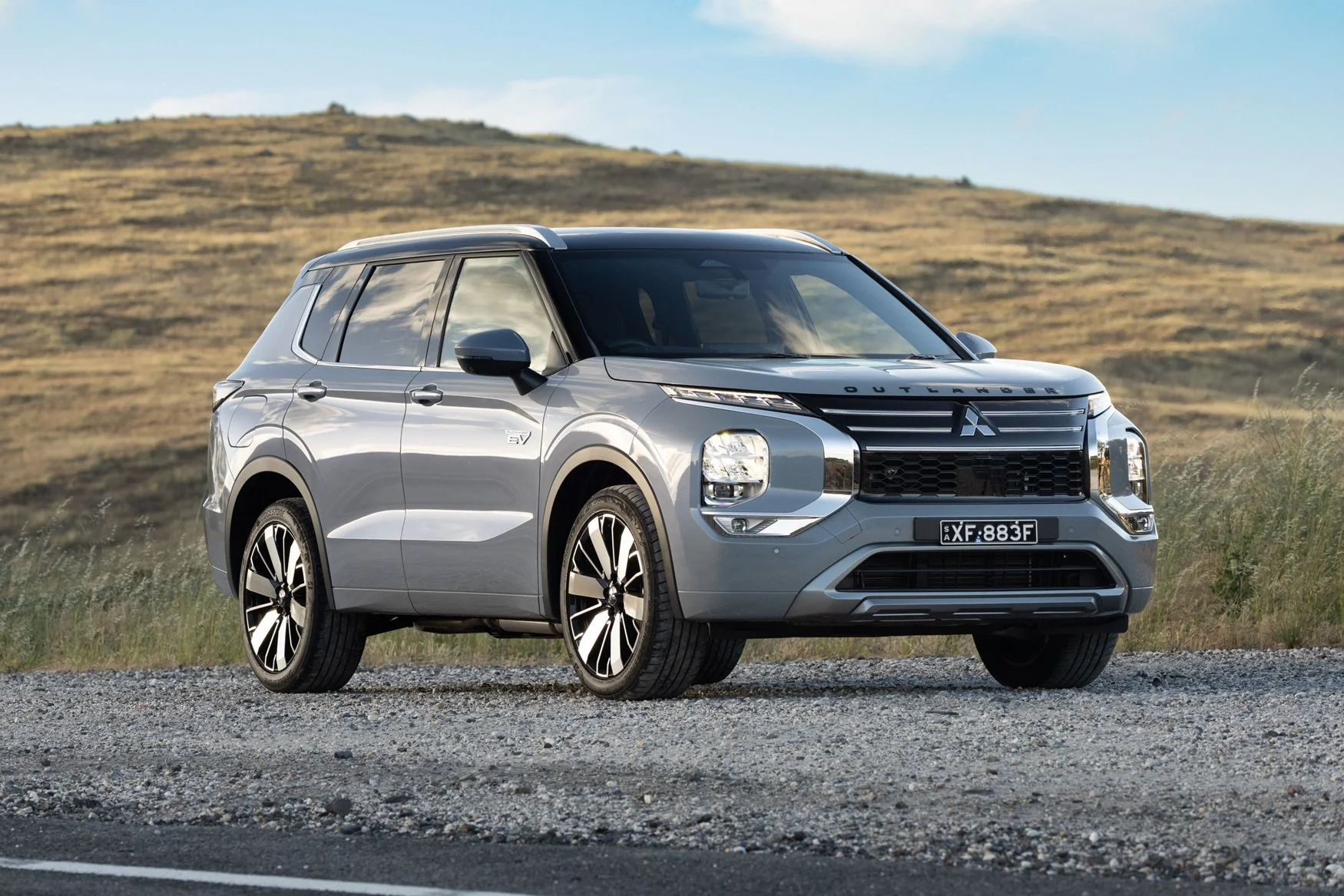
However, just be aware that the Outlander PHEV (and it’s combustion-only counterpart version) runs on 20-inch wheels and tyres. So the potential gain of lowering pressures here is minimal because there is not much tyre sidewall to play with, and it’s always a good rule of thumb to avoid lowering tyre pressures unless strictly necessary because of several factors. (Sidenote: Outlander PHEV ES variant has 18-inch wheels and tyres which are much better suited to harsher driving conditions like you see here in the Flinders Ranges; they go back up to 20s on Aspire and higher grades).
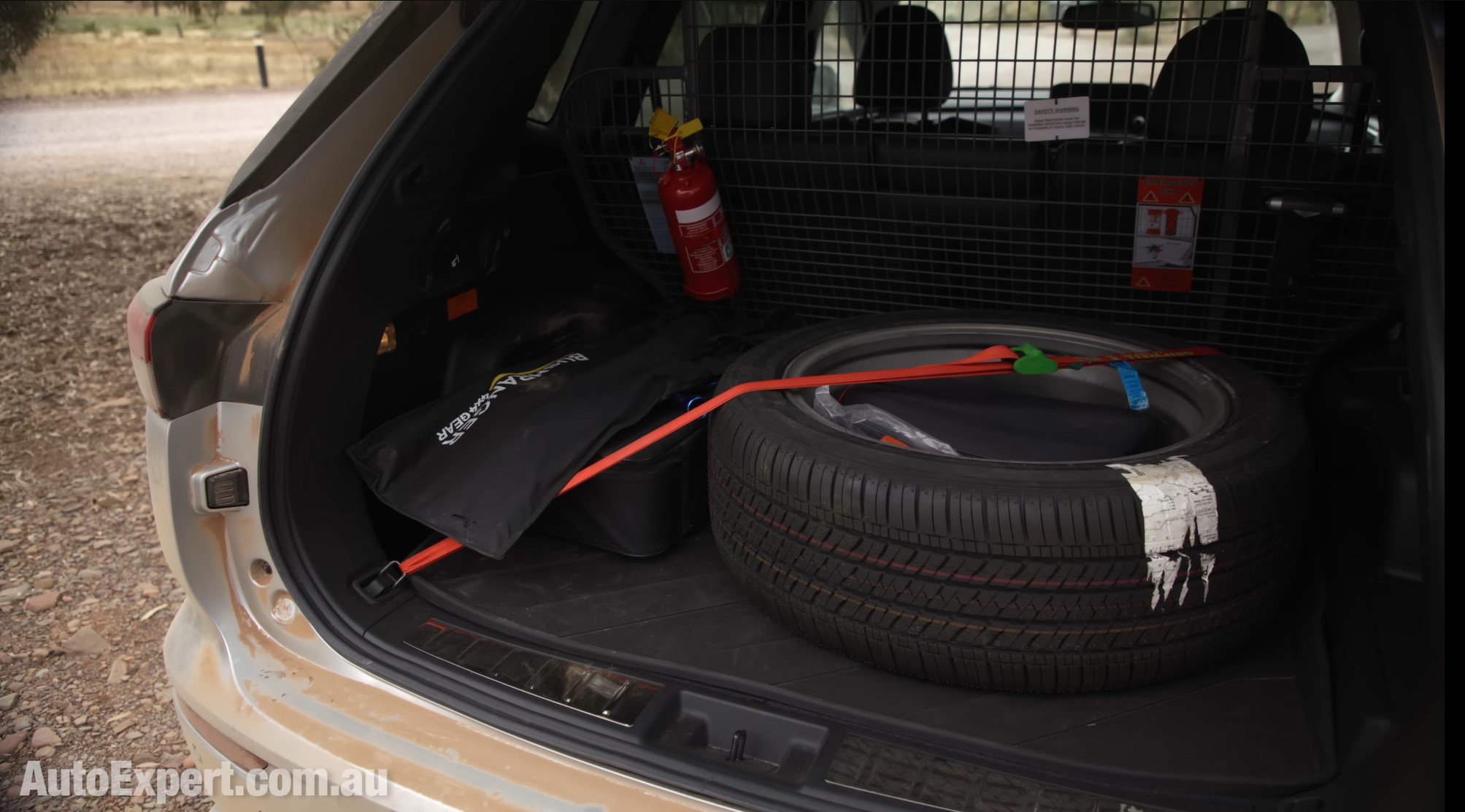
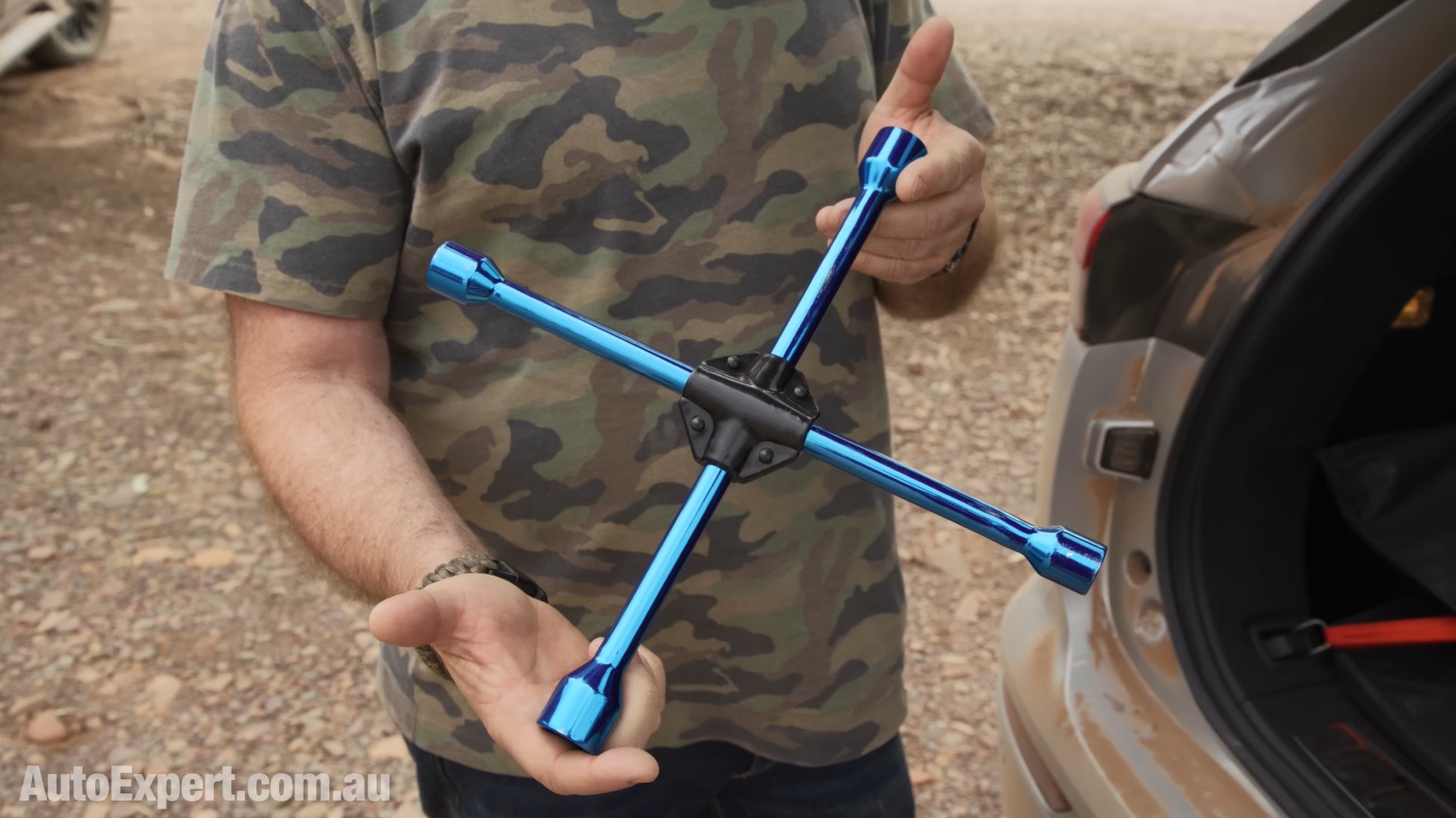
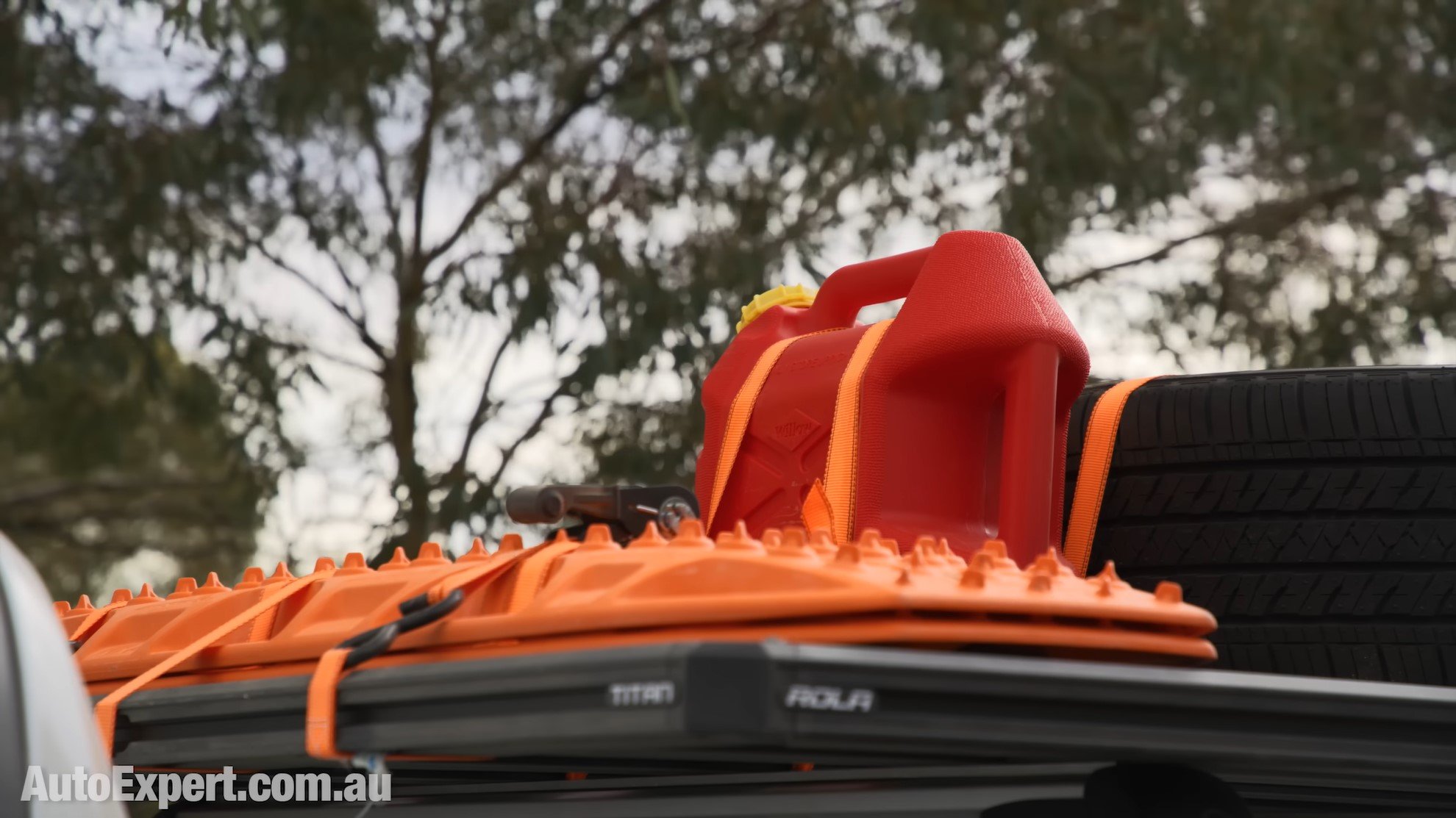
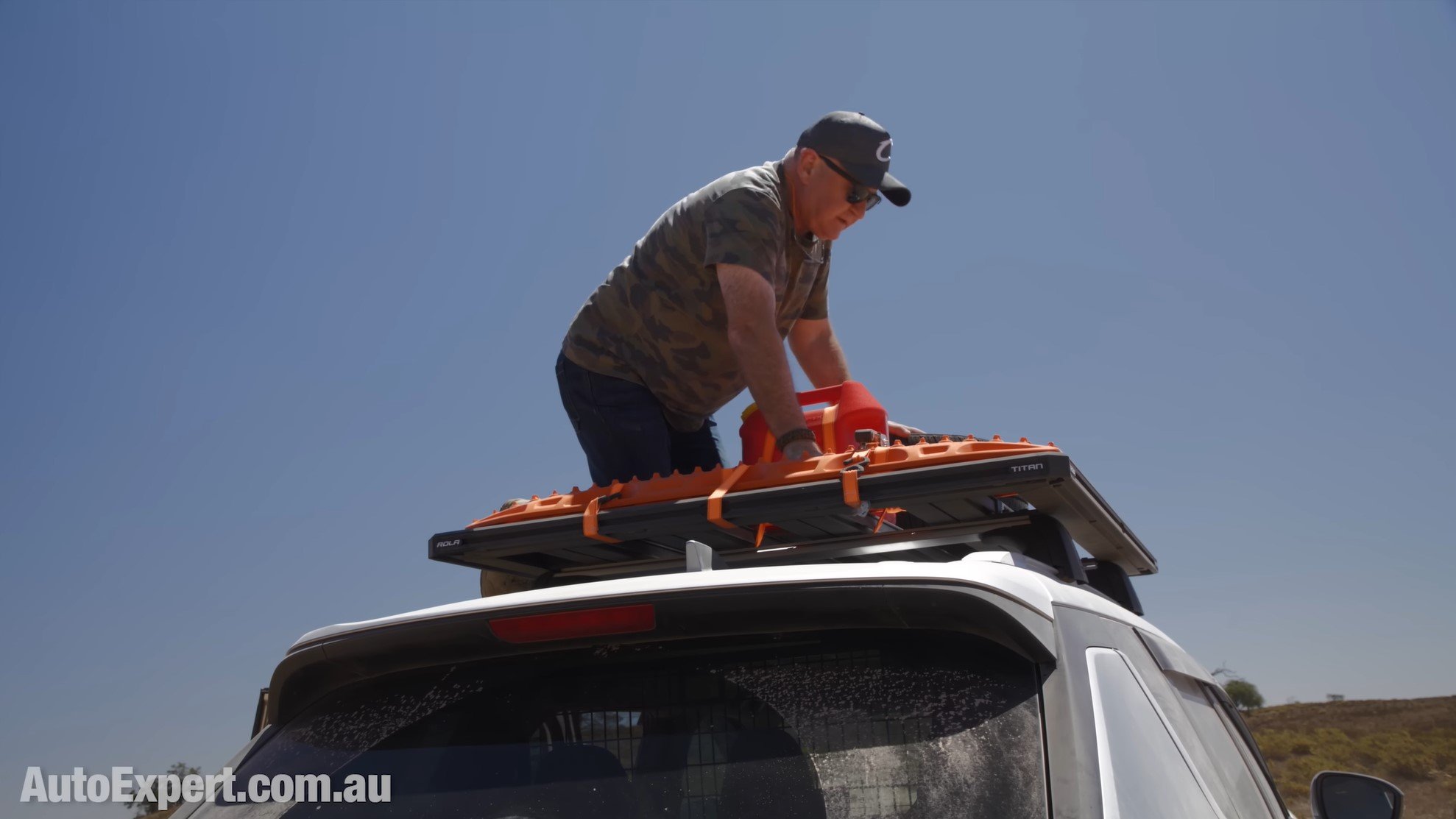
Basic tools off-road: wheel brace, good quality rated ratchet straps to restrain loads, and appropriate footwear are all essentials and all contributes to not only lowering risk, but also improve your capabilities to help yourself (or others) in harsh, remote and potentially life-threatening environments.
It goes without saying that ample supplies of food and water, not just for the days worth of travelling but for emergency supply (that do not get consumed during regular programming) are of life-saving import. Same goes with first aid.
Puncture repair is also a very good idea in environments like there where sharp rocks can punch a nice big hole in your tyres. Now, in ES Outlander (incl PHEV) it’s running on 18-inch rims, which means you have a bigger sidewall that’s vulnerable to puncture, but the tyre itself is much more durable in the context of deflating to maximise grip. And 18-inch tyres are much easier to find stocked in regional area tyre shops than 20s.
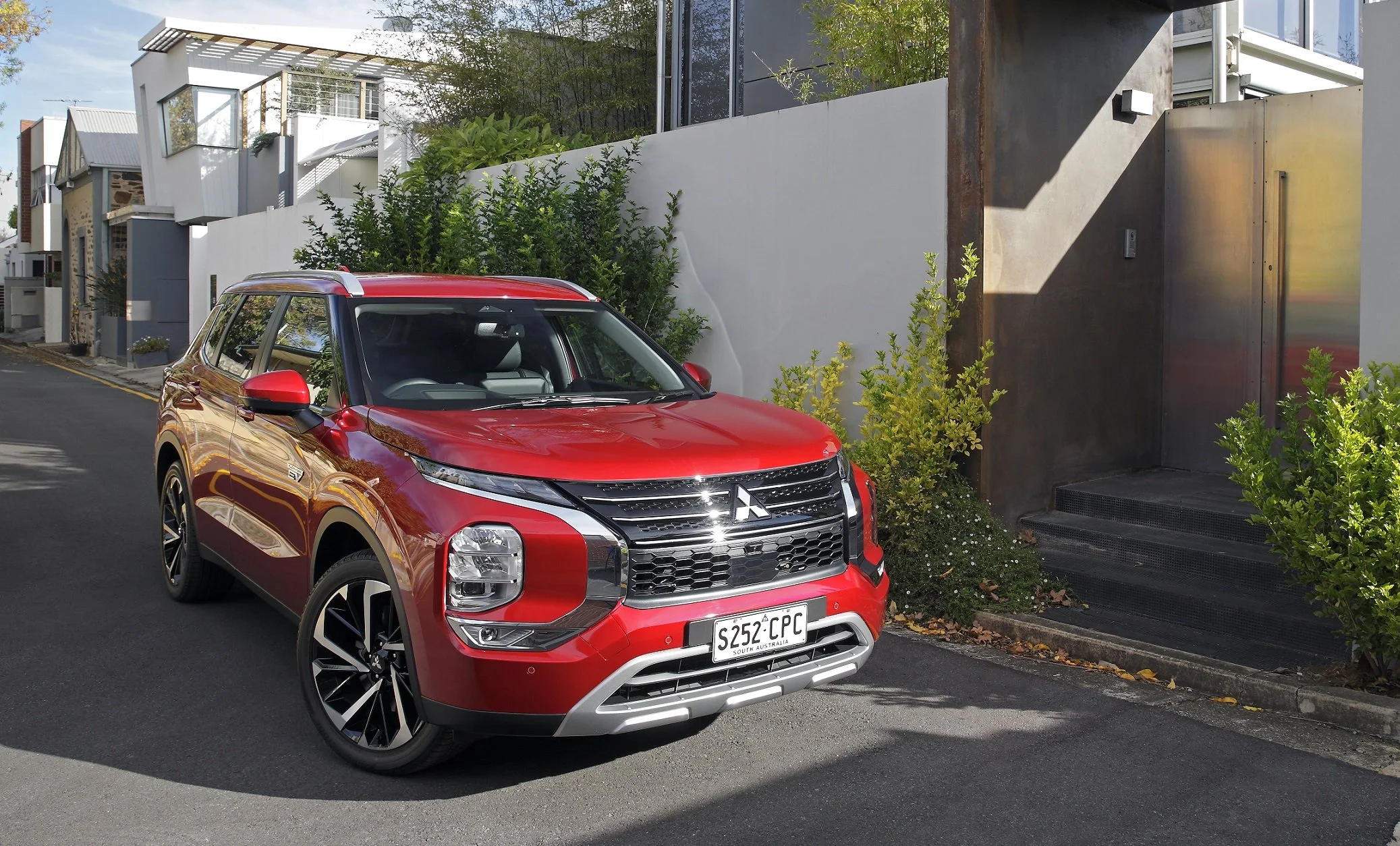

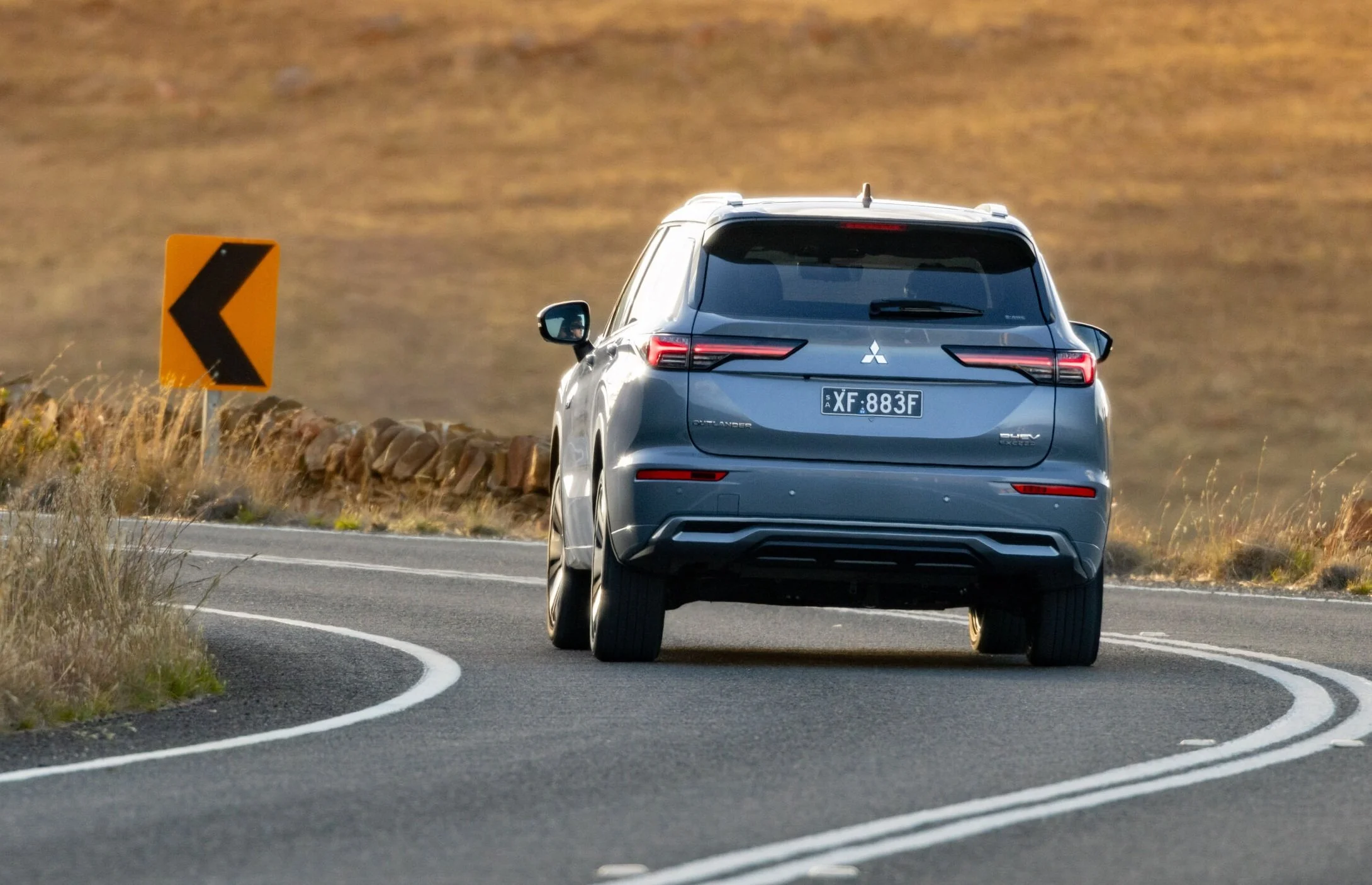
As for everywhere else on-road, the Outlander PHEV is smooth, quiet, comfortable and plenty powerful enough in the wide array of situations you’re likely to encounter.
Driving an Outlander PHEV is actually a pretty comfortable experience without being especially luxurious. You’ve got on-demand all-wheel drive which is good at detecting any minute wheelspin and compensating with some rear-drive to assist.
Outlander already handles in the corners pretty tidily for such a heavy medium SUV at over 2.1 tonnes, and as a result, you won’t find it particularly sporty or powerful in hybrid-combustion mode. In the EV mode its performance is decent without being zippy, which is how the majority of people drive anyway.
But that same Super All-Wheel Control system sending the drive to the rear also works especially well if you decide to venture onto gravel roads, soggy wet grassy carparks or even if you live in an especially steep area with aggressive slopes, such as Lane Cove in Sydney or the Dandenongs in Melbourne.
These same sentiments extend to the combustion-only Outlander as well, making it one of the most capable soft-roading medium SUVs you can buy given it can be had in combustion-only or used as a commuter-friendly plug-in hybrid with EV-only driving mode.
The thing to remember here about Outlander’s clever powertrain is: Don’t get out of your depth.
I'll help you save thousands on a new Mitsubishi Outlander PHEV
Just fill in this form.
No more car dealership rip-offs.
Greater transparency.
Less stress.
FUNCTIONALITY
WEIGHTING GAME: Payload, kerb weight & handling
In its heaviest possible combination, an Outlander PHEV Exceed Tourer bends the scales at 2.145 tonnes. That’s 2145kg with a full tank of 91 RON fuel. The combustion-only Exceed Tourer is 385kg lighter at 1760kg.
Just to put this into perspective, a Pajero Sport GSR (the one with all the black bits) weighs 2200kg - it’s a 2.2-tonne diesel 4WD with heavy-duty off-road driveline and transmission designed for 800mm of wading, deep muddy ruts, aggressive rocky climbs and soft sand. You can see, feel and hear where the money has been spent to develop such a vehicle in the same way you cannot see the same things in the Outlander PHEV, but you can observe where the compromises are.
While the Outlander PHEV doesn’t have that more durable and more articulate suspension, it has a supremely more comfortable ride on-road. Not only is the PHEV impressive in what it can do considering its mass, the ability to be as good to drive before you get to the rougher stuff out here in the Flinders Ranges is what makes it a very good compromise.
Comparatively, a Pajero Sport feels very ordinary to drive on sealed roads, around town and in traffic. It handles basic mountain roads with less refinement than the Outlander which has suspension and steering tailored to what the Pajero Sport has been left compromised on. This is the engineer’s fundamental process when tuning a vehicle >>
The softer you make it, the better it is on-road. The harder you make it, the better it is off-road. If you make it handle great on-road, it suffers off it. If it’s a weapon off-road, it’s harsh on sealed roads. That’s how this works.
The heavier the vehicle, the harder the powertrain has to work to overcome the terrain. The more equipment you add, the heavier the vehicle becomes. As you add the cargo barrier, roof racks, the two spare wheels, the extinguisher, fuel and water, you’re going to eat into the available payload.
On Outlander PHEV, the Aspire version is an aspirational mid-grade variant in the regular Outlander, but it’s the base model PHEV and it’s the lightest in the range at 2188kg (kerb). The payload is decent. It has a 677kg payload in the Aspire variant (the 7-seater), and 527kg in the Exceed.
If you and your dearly beloved weigh about 80kg each, say, that’s 160kg and 517kg remaining. Add your two kids at 30kg each, that’s 457kg left. Now if you pack two large 20kg suitcases for you both, and two 10kg bags for each kid, that’s 60kg of luggage from the 457kg left, leaving you with 397kg of payload.
Now add a large tent (10kg), the cooking equipment (10kg), some food for the long weekend (10kg) and stick a few bikes on the roof racks (100kg + 10kg for the roof racks), that’s another 140kg you’ve added, leaving you with 257kg of payload remaining.

Regional EV charging is poor, so while Tesla owners are sitting around waiting for a vacant, functioning Supercharger, PHEVs can keep on driving…
So, how much do you and your family weigh? Because they factor in here, too, and so does all their stuff. The camp stove (4kg), the five-man tent (35kg), their luggage (10kg x 2 kids = 20kg + 15kg for your Other Half = 35kg), and their accoutrement: total about 75kg. Now you’re down to 317kgof remaining payload.
Now, people are payload. Therefore, if you weigh 90kg, let’s say, and your other half comes in at 80kg (170kg net), the kids might weight 30kg and 50kg respectively - that’s 250kg net - and just 67kg of remaining payload on your Outlander PHEV Aspire. That’s a tight margin without having packed any food yet.
If you went for the PHEV ES, the base model with 630kg of payload capacity, you’ll gain an additional 88kg of payload, meaning that 67kg of remaining payload limit we just worked out with Aspire goes up to 155kg.
What’s quite awesome about even an Outlander PHEV ES variant at this point is you still get the same powertrain performance as the fully-loaded Exceed versions which are an additional $15-20K, but you get more payload, a lighter vehicle and you get the Super All-Wheel Control transmission. That’s pretty good, especially because once you get home from the long weekend, hose off all the dust and unpack, you can stick it on charge and be ready for electric only school drop-off on Monday morning.
Another genuine option here in regard to weight, is to opt for a light 6x4 trailer to carry some of the burden of such an adventure. But as with all good things, there is a limit here too. Happily, they’re pretty reasonable limits.
Braked towing capacity on Outlander PHEV in all trim levels is 1600kg, with a towball download limit of 160kg - meaning if you take a bunch of stuff out of the vehicle and put it in a trailer, you’re only burdening the towbar with 10 per cent. Why? Because typical pig-type trailers (learn more here >>) place 90 per cent of the load onto the road via its axles and tyres, and only 10 per cent onto the vehicle.
Even if the trailer is only carrying the dirty, non perishable things like fuel, (tools: spade, jack, wheelbrace etc), the tent, the second spare, fire extinguisher and emergency water, that’s a good 50-100kg of weight removed from the primary vehicle.


DON’T JUST ADD WATER
The wading depth on an internal combustion-only Outlander is unknown, for a very good reason. You absolutely should not go anywhere near bodies of water beyond what you might describe as a puddle. Same for the PHEV

That’s not because Outlander can’t go near water, it definitely can, but even allowing you to derive some notion that it can wade through anything over the height of the underbody is something Mitsubishi Australia would like to avoid. You cannot go crossing rivers and creeks in this vehicle, but anything up to the mudflaps should be fine.
There’s exactly 210mm of ground clearance on an Outlander Exceed and 203mm on the PHEV Exceed Tourer; in an official capacity and without knowing exactly the height of the various vital organs on these vehicles (including the primary air intake), you should use these measurements as a conservative guide as to just where the aquatic limits lie.
Big puddles, standing water and fixed low-level creek crossings are all going to be quite okay, just as they are for every other midsize SUV, but that’s about where the waterline is on Outlander PHEV. Use the mudflaps as a guide.
ENGINE
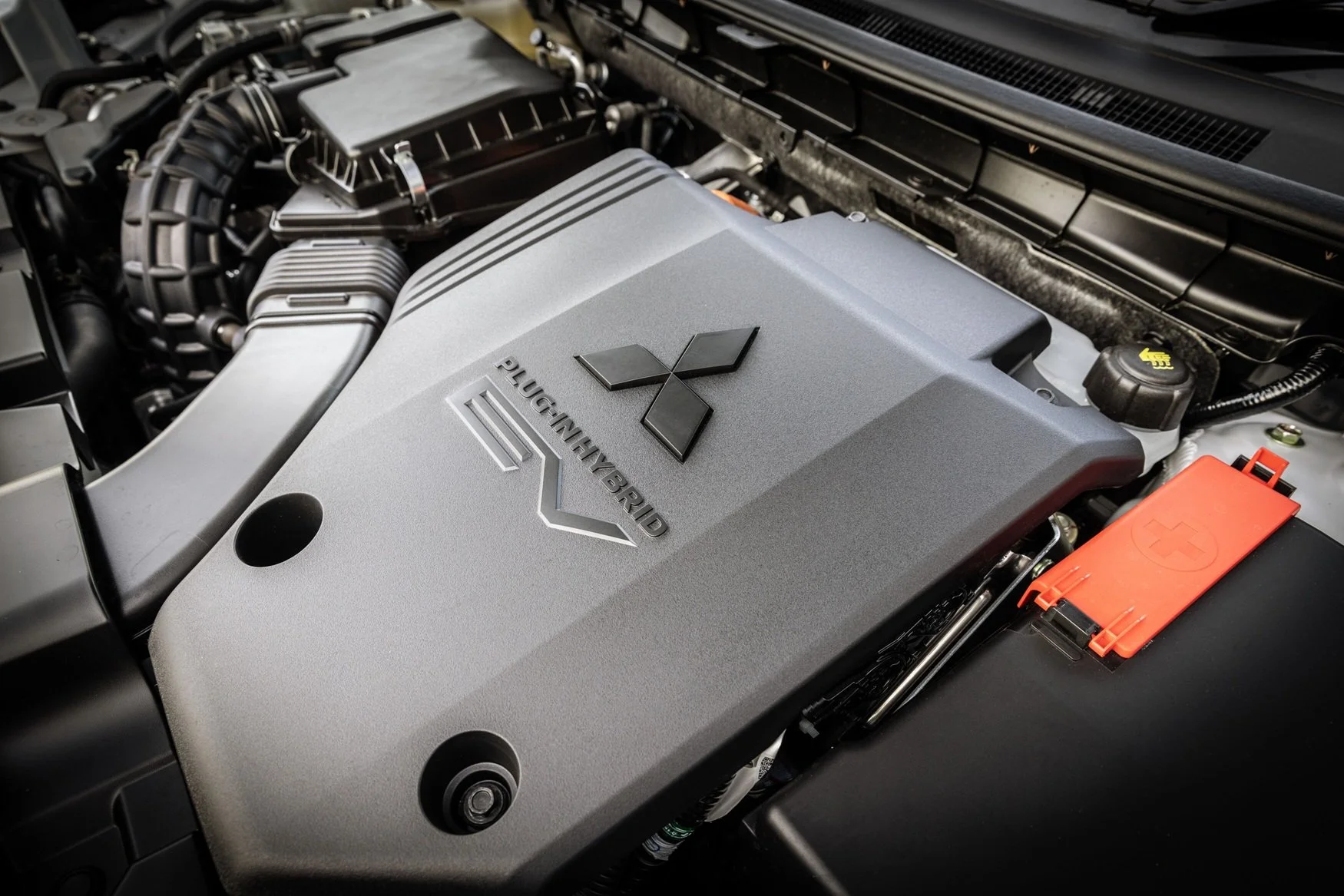
Outlander PHEV, for example, has a rather large 20kWh battery pack on board, sandwiched down below your backside between the 56-litre fuel tank. Most PHEVs are designed in a similar way here because ultimately the available space (in terms of fundamental design and packaging) is very similar across many models.
Not all PHEVs are compatible with taking the cheapest 91 RON regular unleaded petrol either, so make sure to check this when you’re researching. Other PHEVs taking 91 RON fuel include: GWM Haval H6 GT PHEV, GWM Cannon Alpha PHEV, BYD Sealion 6, MG HS Super Hybrid, and the Mitsubishi Eclipse Cross PHEV.
Toyota RAV4 PHEV takes 95 (when it arrives), as do the Kia Sorento PHEV, Mazda CX-60 and Mazda CX-80 PHEVs.
Typically a PHEV battery is connected to two motors, one at the front for the majority of the driving in regular traffic on sealed surfaces. The rear motor is typically used in high-demand driving, such as when you put your foot down to pull out of a junction quickly, or overtake on the freeway.
This is where plug-in hybrids tend to offer the advantages of both a full battery EV in terms of taking off using stored energy in the battery to drive the front motor where this is typically be the most energy intensive part of drive and would consume the most fuel. Using electricity from the grid and/or recovered through the regenerative braking system is a victory for efficiency.
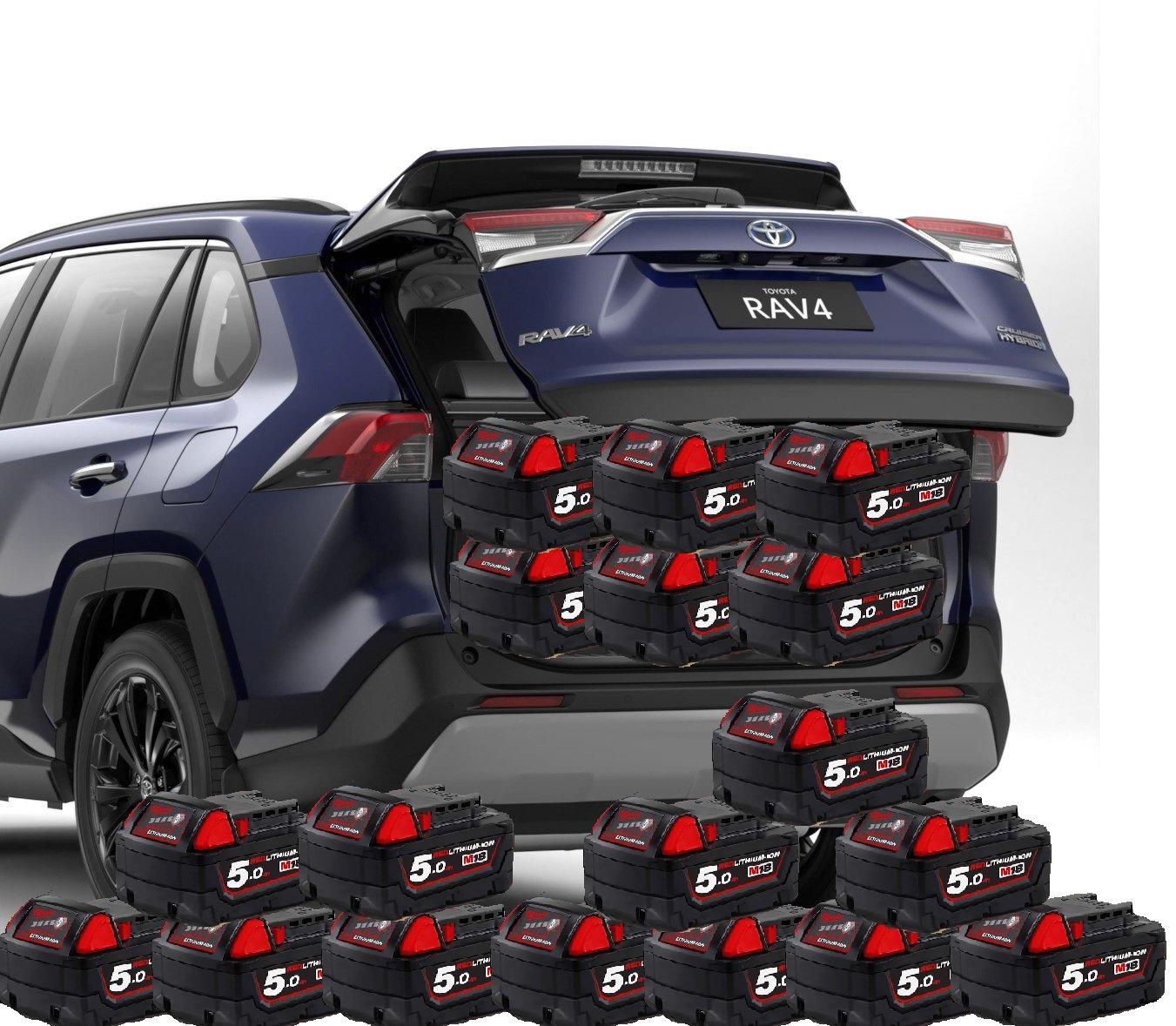
Just for comparison, a Toyota RAV4 hybrid (not the PHEV) has 1.6kW of total electric power output, so it relies heavily on the glorious flatness of the petrol 2.5 to assist, with a total system output of 143kW. The RAV4 Hybrid’s battery can only contribute about 10kW to the system moving the whole vehicle forward, which is why the petrol engine kicks in so soon after taking off from the lights. At about 30km/h it fires up.
However, the new RAV4 PHEV is a different cat altogether, offering 200kW, or 220kW in the upcoming GR Sport version. This is thanks to a 22kWh battery pack.
Outlander or RAV4 PHEV models have a battery substantially bigger in size than a regular hybrid, therefore they are capable of doing so much more.
Regenerative braking is lauded as some awesome breakthrough in-car tech, but the reality is it only contributes a small amount toward recharging a typical PHEV or hybrid battery - which is why the RAV4 can only use it to recharge its tiny battery. Sure, recovering kinetic energy helps for the sake of efficiency and yes, the Outlander PHEV recovers a substantial sum of it, but the ability to plug the car in to charge overnight is a huge advantage not available to the Toyota or Nissan’s ridiculous e-Power hybrid, which can be found in the absurd X-Trail e4ORCE hybrid >>.
The RAV4 Hybrid’s 1.6 kWh battery is made using comparatively heavy (and old-tech) nickel–metal hydride battery cells, which are naturally much less energy dense than lithium-ion in the Outlander PHEV, which is also 12 times the size, therefore capable of far greater performance. For illustrative purposes, it’s like this:
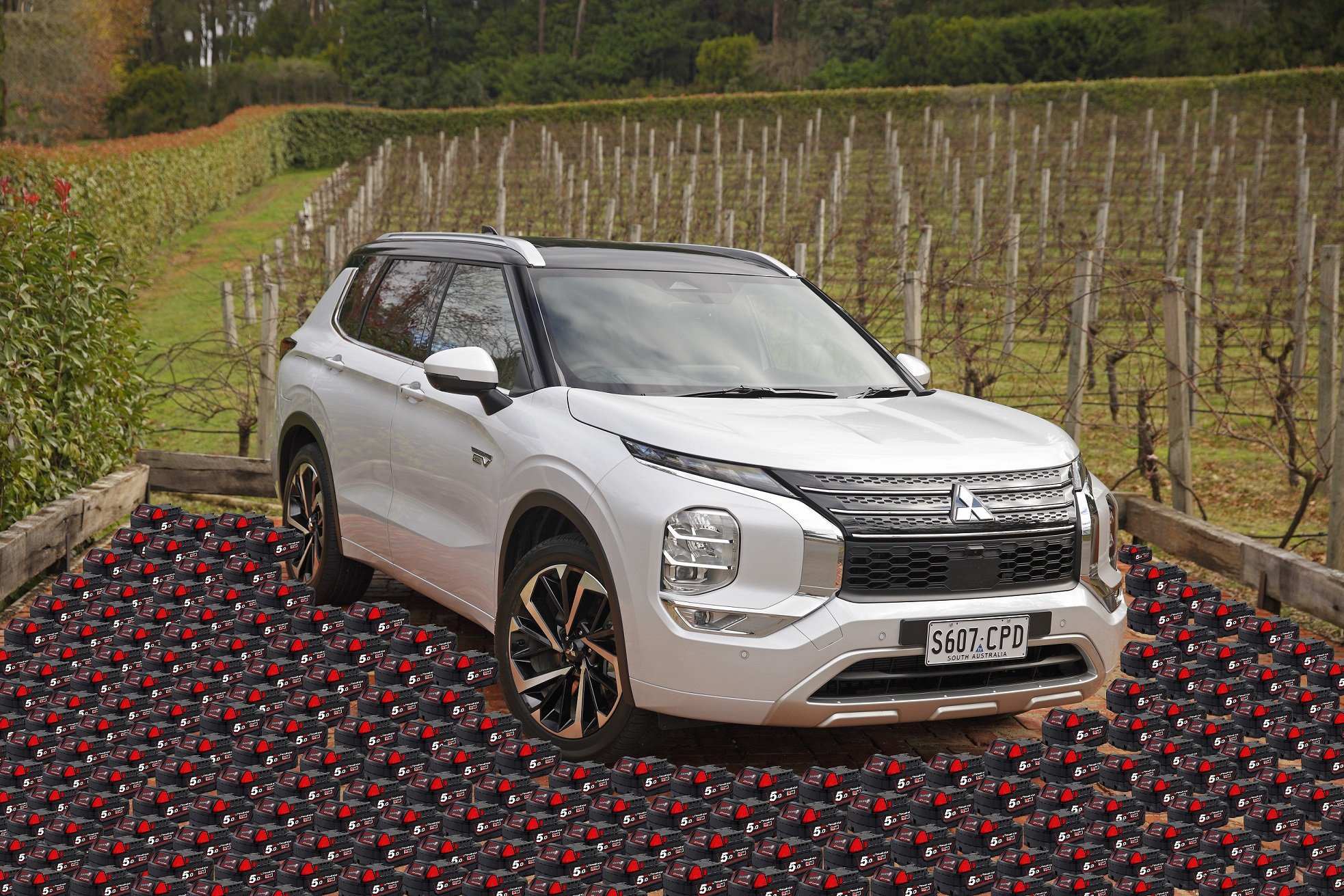
Every opportunity to lift your foot and start tipping something back into the battery is great, but so too is having the internal plumbing that allows you to pull electrons out of the wall when the car is switched off and doing nothing.
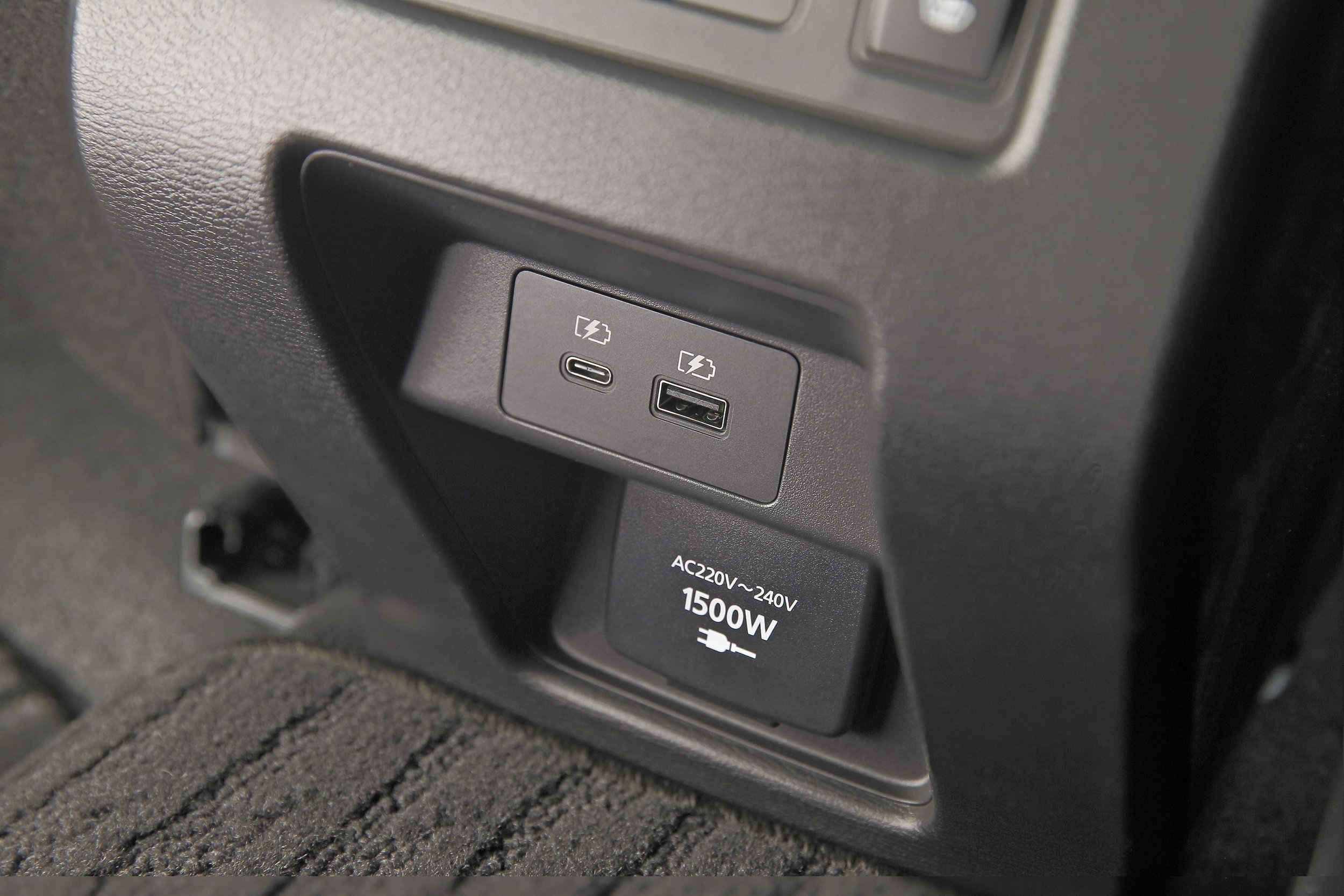
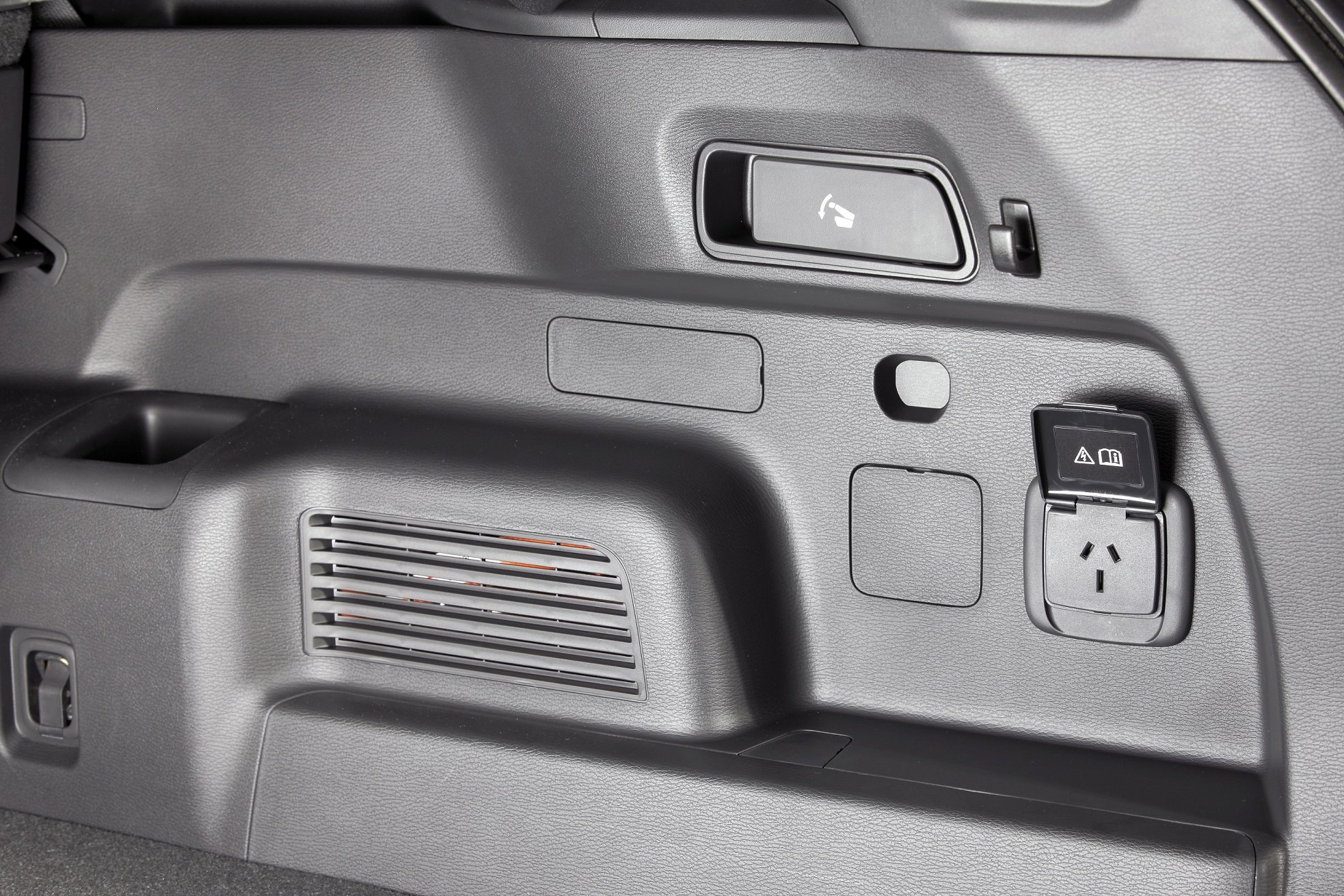
A 240-volt adapter that comes under the boot floor with the Outlander PHEV, to use in a standard 10-amp wall outlet for 2.3kVa max, or thereabouts. It’ll take about 10 hours to go from de facto empty (26 per cent state of charge) to full. So, you can sleep on it, with the charging solution that comes with the car, and you’ll be full (or close enough) for heading to work in the morning.
All you need to understand, as a consumer, is that Outlander PHEV is more a comparison for the Kia Sorento PHEV.
Sorento PHEV’s battery capacity is 14 kWh with an EV-only mode capable of up to68 km, according to Kia. But you can easily expect a good 50-60km if you work hard to recoup as much kinetic energy as possible and you drive with a conservative right foot.
With the combined power of the 1.6 turbo-petrol engine making 132 peak kilowatts, you get 195 kW of total system output. To simplify the numbers for you, Sorento PHEV has a power-to-weight ratio of 94.8 kilowatts per tonne in GT-Line form. Outlander PHEV returns 86.2 kW/t - a 10 per cent performance gap that means the Sorento PHEV will perform slightly better, because the Kia uses a much smaller and therefore lighter combustion powertrain. The Outlander also has heavier 20-inch wheels versus the 19s on Sorento.
Sorento PHEV GT-Line, with a full 47-litre tank of 91 RON petrol, weighs 2091kg, whereas Outlander PHEV Exceed Tourer is 2145kg - an additional 53kg. But you need to ask yourself if that matters, because both are seven-seaters, (as squashy as the Outlander’s row three is) yet the Mitsubishi is potentially still the outright winner here. How you ask?
Outlander PHEV in its highest specification is $12,000 cheaper than the Sorento PHEV and the compromises you make with the Mitsubishi are relatively low-key, such as row-three legroom and a few kays in manufacturer-quoted EV Mode driving capability.

Big battery means more work can be done; but it’s not so unnecessarily big that it becomes impractical in real life.
Now, just as a quick aside, the Sorento is a much more refined vehicle than the Outlander, it needs to be said. The interior of Sorento is debatably nicer to touch, sit in and drive within - but that’s not to say Outlander is rubbish, because it absolutely isn’t. In fact, for the price, Outlander in Exceed-or-above is a seriously dangerous proposition to its competitors in terms of nicking potential sales because it is good enough. The key difference is in the smaller details, where Kia has clearly polished a little bit harder. But most ordinary new car buyers will be quite comfortable and catered for in the Outlander PHEV - it’s certainly above any Toyota product.
Interestingly, as you go back down the Outlander PHEV range, obviously as you start sacrificing features which all add weight, like the panoramic sunroof, heated and power-adjusted seats etc., you start to reduce the overall kerb weight, which increases performance and therefore available EV-only driving range - as well as the purchase price, obviously. Mitsubishi quotes 84km of battery-only range, which is more than the 68km Kia quotes for Sorento PHEV GT-Line - and that’s the only model grade you can get.
The Aspire PHEV is 95kg lighter. So, with all variables made equal, if you fully charged up both Exceed Tourer and Aspire and drove them line astern until they ran out of electrons, physics says the Aspire would go further. And it’s about $8000 cheaper.
The 2022 sales comparison between Outlander PHEV and Sorento PHEV should tell you enough. According to VFACTS data, PHEVs made up about 1 per cent of all SUV sales. For the Sorento PHEV, which went on sale October 2021, it sold roughly 66 units by the end of November ‘22. Outlander PHEV went on sale August 2021, and in the same 11-month period of 2022, it’s sold approximately 174 units. Having said that, Kia has also had supply constraints holding it back this year.
One good thing about all this pricing comparison is that there is a way you can eliminate the back-and-forth.
If you wanna know the most affordable way to get an Outlander or Sorento PHEV in yo’ driveway, scroll down.
FUNCTIONALITY
Fortunately, most PHEVs seats #6 and #7 when shopping Outlander plug-in - the five-seat version is not available in PHEV configuration.
With all rear seating rows folded down, 1414 litres of cargo space is available. Deploying row two brings that back to 494 litres, and with row three up, it dwindles to 163 litres - which is two-fifths of bugger all.
To actually use row three - which is strictly for kids only in terms of available legroom - you must slide row two forward, insert kids into row three (all of whom need to be of weight and height to be out of restraints), then roll back row two until everybody will fit. Let’s be honest here, it’s squashy.
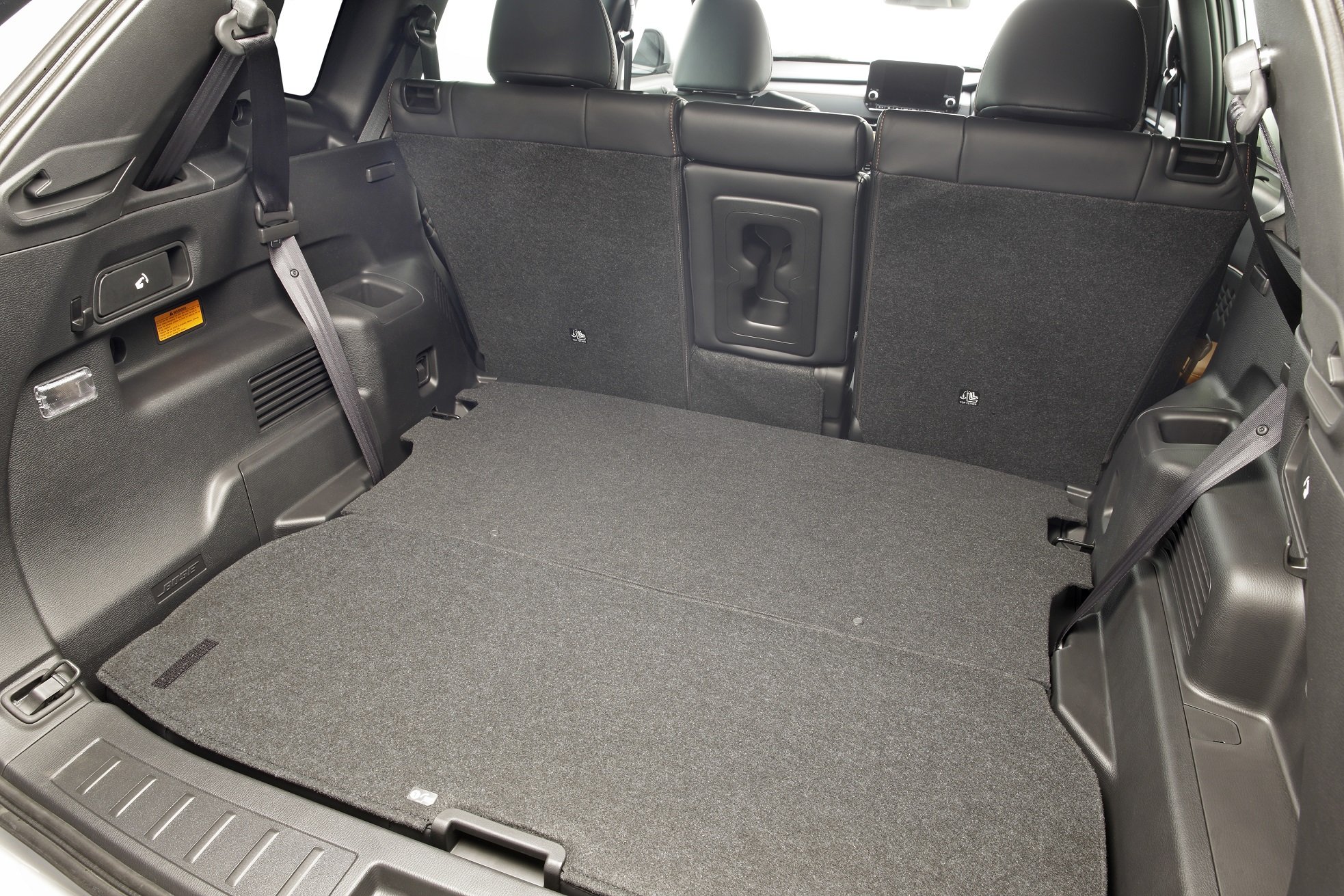
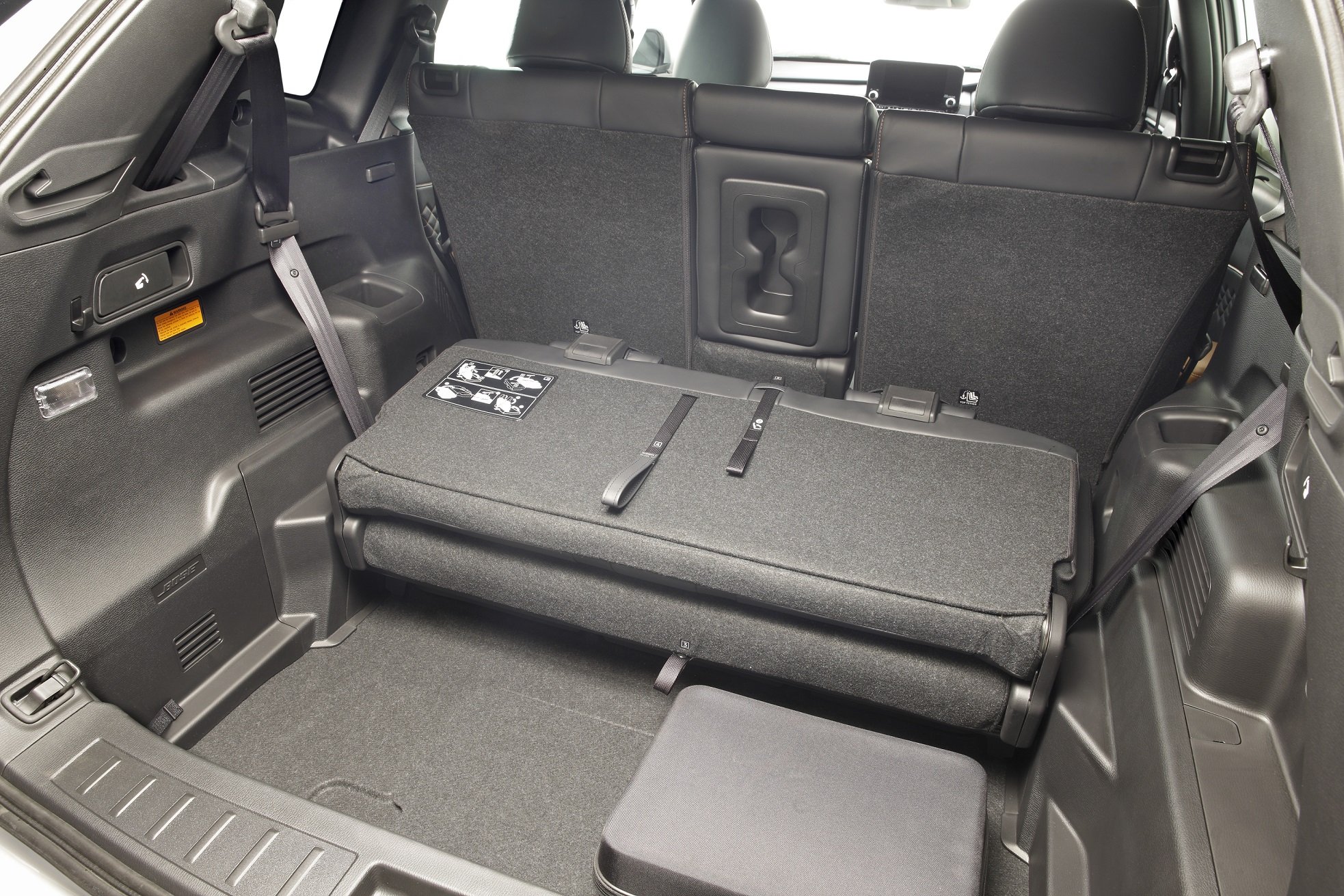
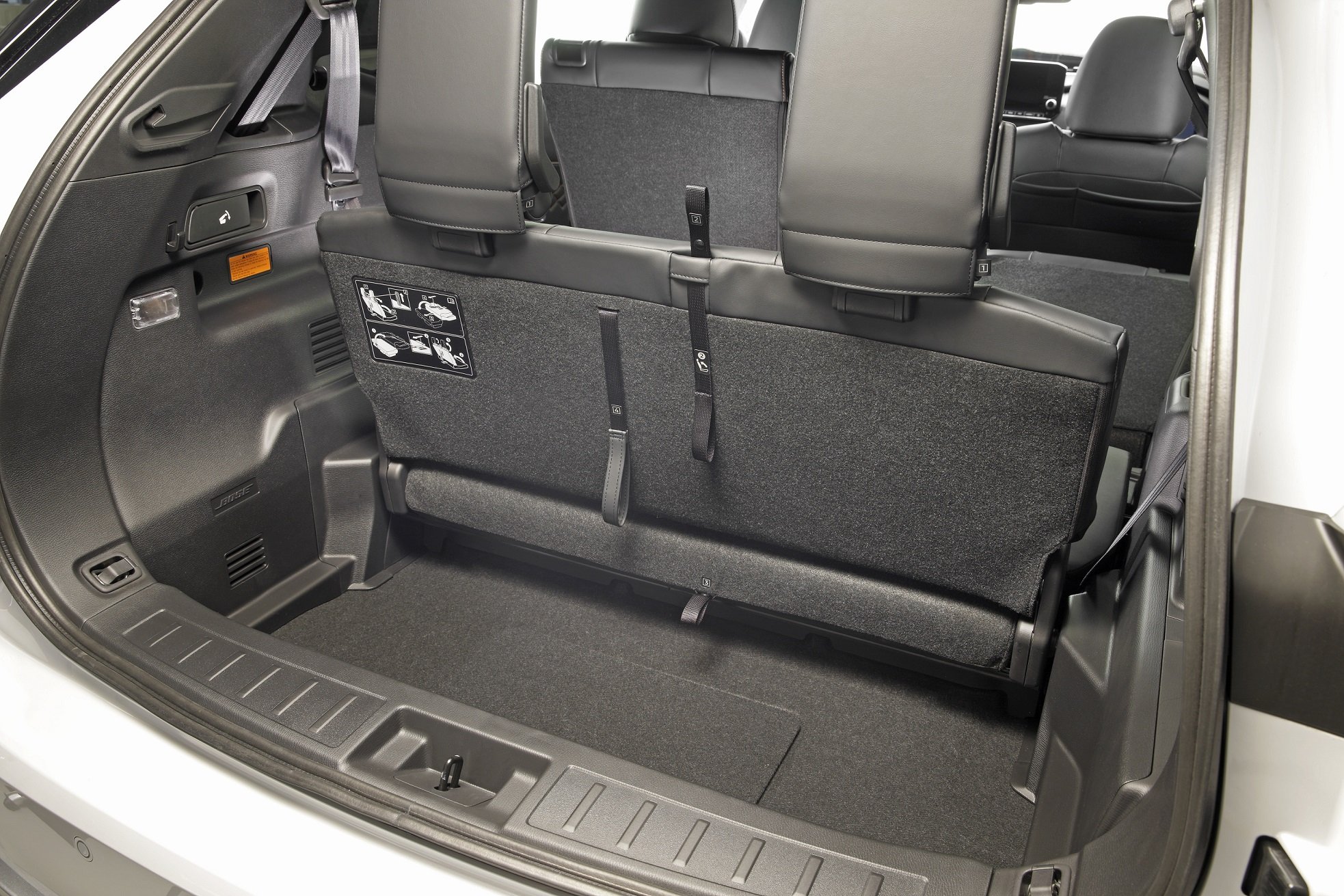

There is virtually no headroom for an average height adult in row three, and there are no child restrain anchor points of any description.
What Mitsubishi has managed to do really well with this vehicle is package a plug-in hybrid with that big battery, those additional motors, an inverter, all the orange high-capacity cabling, plus the seven seats (or 5+2 as they confess), and still manage to offer you a flat floor when row three is down.
Although, be aware that like virtually all hybrids, PHEVs and full EVs, there’s no full-size spare wheel, not even a space saver.
There’s also virtually no wheelarch intrusion into both boot space and row three elbow room, but there is just enough real estate to bung in some cupholders and air conditioning vents.
The rear D-pillar is massive, however. And it’s right beside a porthole window for row three occupants, and the roofline is noticeably impinged by the sloped roofline and tapered-in tailgate design where it hinges to the roof. Row two is also headroom compromised, only this time by the panoramic sunroof if you’re considering the Exceed Tourer. It’s only going to be noticed by kids over six feet tall, but with any luck, by the time they’re that tall, they’ll be in row one, seat #1, with a big black and yellow L plate slapped on the bonnet.
You can read the full Mitsubishi Outlander review and buying guide for more details.
CHARGING
A flat Outlander PHEV battery becomes a liability - so you must keep it charged and in-use at all times. Otherwise, you’re expecting the combustion engine to constantly drive around with the additional weight of a big heavy rock on board which isn’t helping propel the vehicle.
Unlike hybrid, which is constantly chopping and changing and cutting into and out of battery driving, kinetic energy recovery, combustion engine interruption and an all-round confusing and at times unrefined driving experience, you get a fraction of that in a PHEV.

Left socket is for home charging, right socket is for fast-charging.
Quick direction changes or sudden performance demands you make with a hybrid can leave some powertrains dim-witted, unresponsive and confused about the hell you want it to do - when a regular combustion-only powertrain would be dropped a gear and pissing off up the road. A PHEV doesn’t suffer this stuttering performance to anything like the same degree, because it behaves more like an all-battery electric vehicle, while ordinary hybrid is still preferencing the combustion engine with the tiny battery used as garnish.
That’s not to say hybrids are rubbish. They’re not. They do serve a purpose and that is to slash emissions and fuel consumption where it is most profound in the conventional, real-world internal combustion driving scenario - acceleration from stationary. As in, city driving: stop-start, high-congestion traffic. Getting up to speed, from standstill, is the most uneconomical moment of a vehicle’s journey. Thanks a lot, Laws of Motion.
The total range you’ll ultimately get from a PHEV will vary depending on how and where you drive. Regional roads, freeways, long distances with the cruise control on will all be substantially less than in the city where you can roll back the electrons consumed by putting more in using kinetic recovery (regenerative braking) at the lights, downhill etc.
Most Australians are going to be able to commute easily to and from work in EV mode, daily, with recharging at work and/or home. It’s more like a part-time EV.
And happily, if you do put your foot down to overtake something, the combustion engine will activate to offer additional performance. Below about 65km/h, if the combustion engine is on, it’s charging the battery approaching empty or running a generator to make electricity to give you additional performance. Under 65km/h the combustion engine does not drive the wheels ever.
Above 65, the combustion engine can actually engage to drive the wheels, but in practice it’s fairly rare. If the battery is depleted, the engine will put about five percent of total possible charge into the battery, incrementally, over and over again, until it’s close to full. That’s its default setting.
You can actually manually adjust the system to fully charge the battery using the engine, but that’s a very wasteful way to do it, because of the second law of thermodynamics which basically says: every process you do with energy, some of it is inherently lost doing that process. Essentially, it’s more efficient to just drive the wheels with the engine than to recharge the battery to then drive the wheels.


With the Outlander PHEV, you can just leave the car to do what it’s designed to do. It’s rather unremarkable, in a good way, so you let it figure out how to regenerate and use which power plant at what time. Meanwhile, you can pay attention to the conversation you’re forced to have with whomever’s in the seat beside you.
For the wide majority of potential buyers, you’re going to find an Outlander PHEV far more convenient when it comes to regional long drives and the fact you do not have to do any planning whatsoever, nor wait in the service station complex buying Big Macs and warm-milk-posing-as-coffee, while waiting to recharge an EV. Regional charging for electric vehicles is shit - and you only have to look at a Tesla Supercharging depot en route, during the height of the holidays to see why PHEVs rock.
Just don’t go buying a PHEV for an additional $15,000-$25,000 extra, just to save chump change on fuel - it’s an absurd idea that will never return the results you hope for.
But if you like the idea of breathing in less carbon dioxide, oxides of nitrogen and sulfur dioxide owing to the almost non-existent tailpipe emissions, again: PHEVs rocks.
MAIN COMPETITORS

GWM Haval H6 PHEV
Combined maximum power ouput: 321 kW
Kerb weight: 2075 kg
Luggage space: 392 L
Driveaway Price (approx.): $56,000
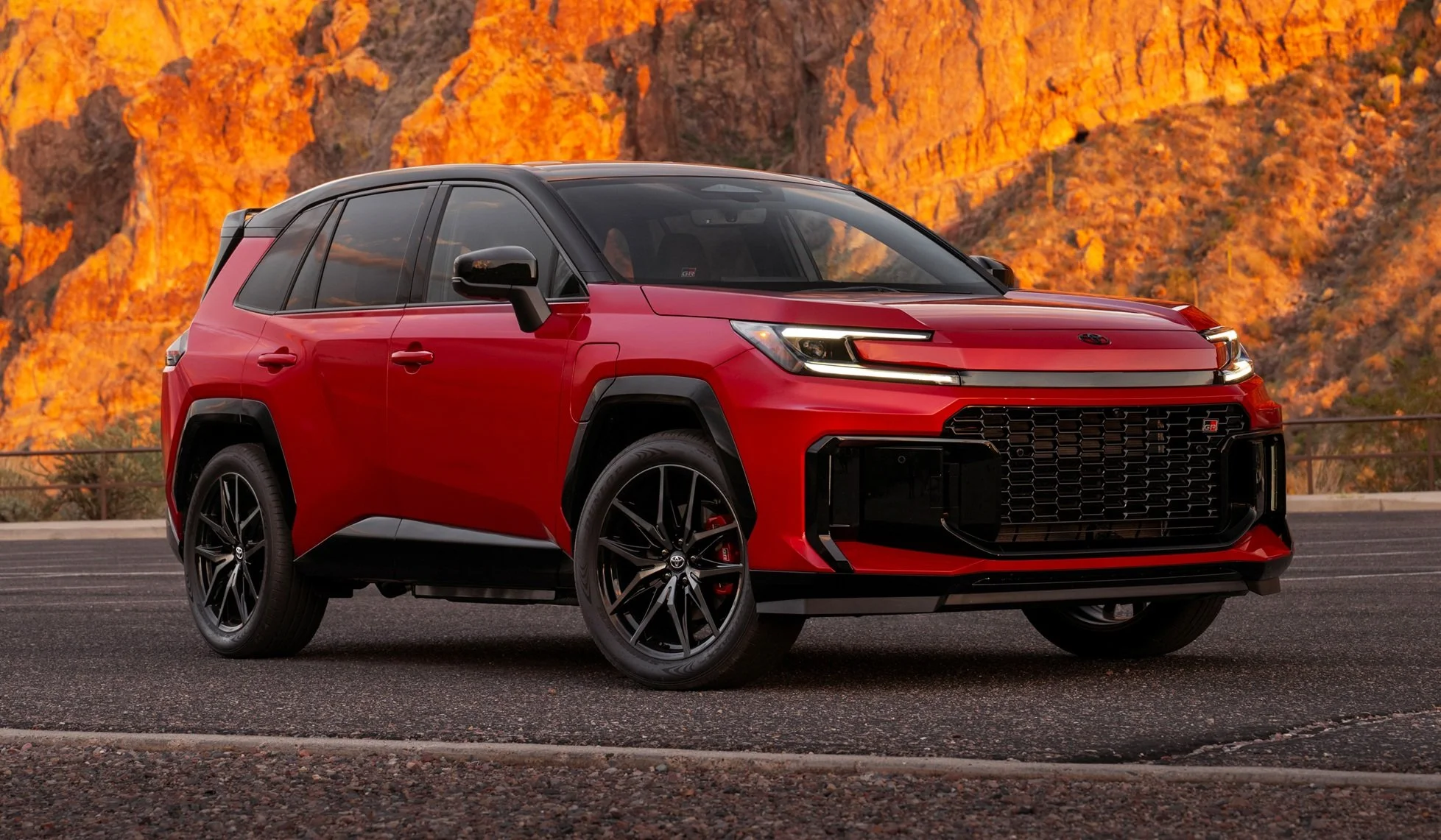
Toyota RAV4 Prime
Combined maximum power ouput: 227 kW (AWD)
Kerb weight: 1950–2050 kg
Luggage space: 655 L
Driveaway Price (approx.): $72,000
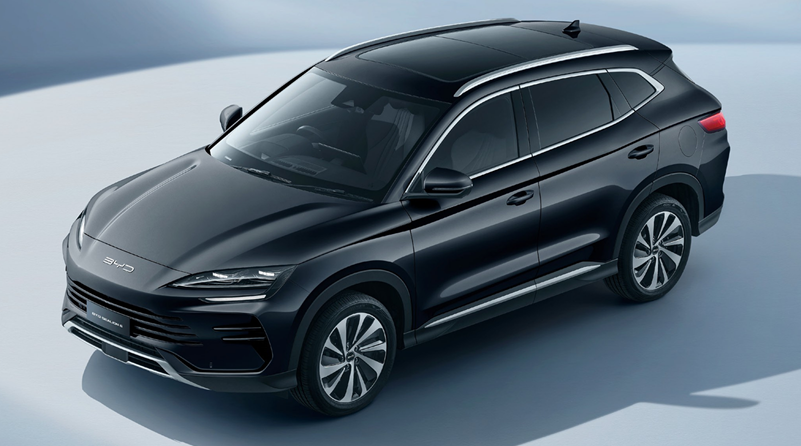
BYD Sealion 6
Combined maximum power ouput: 238 kW
Kerb weight: 2100 kg
Luggage space: 425 L
Driveaway Price (approx.): $53,000
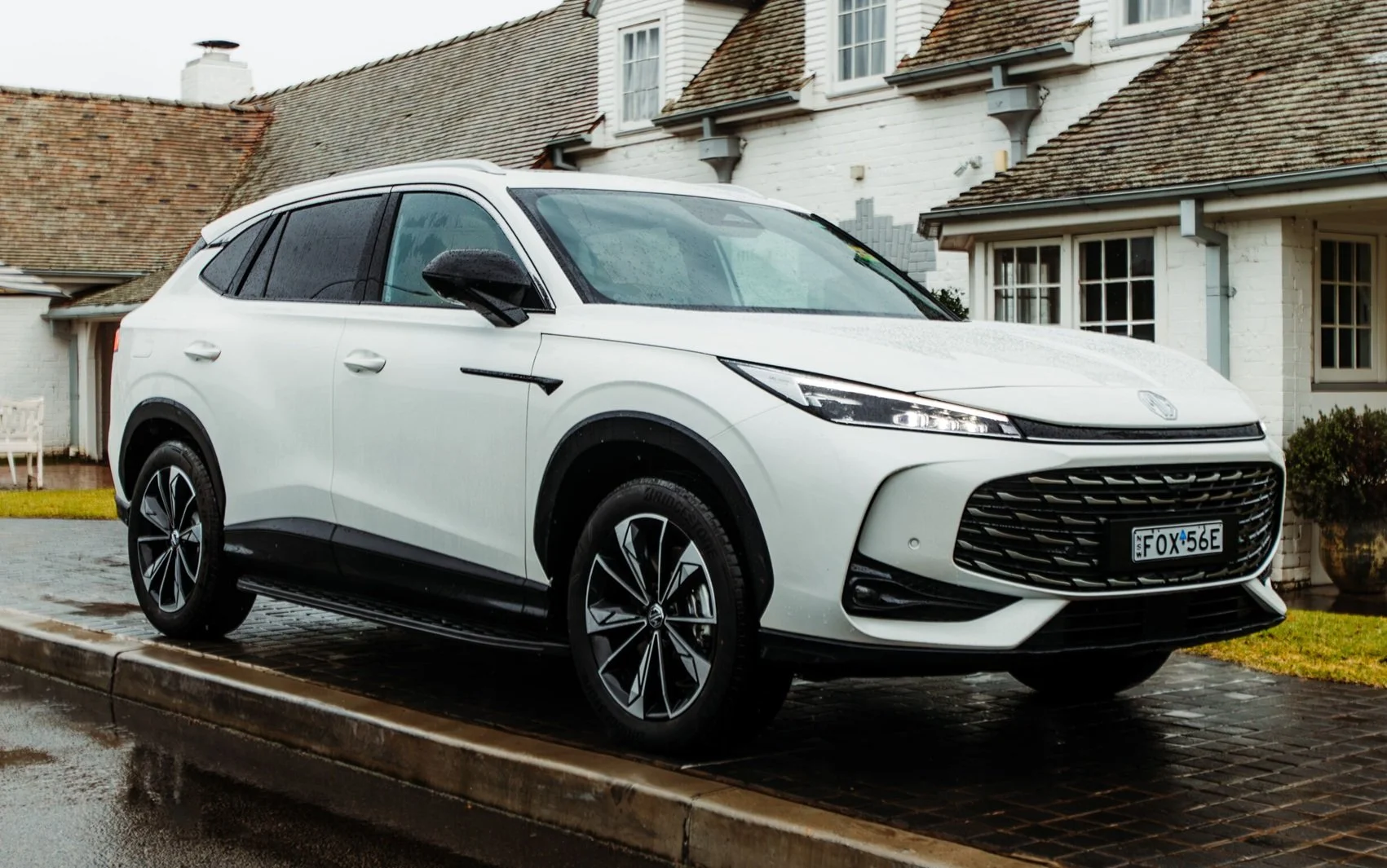
MG HS Super Hybrid
Combined maximum power ouput: 220 kW
Kerb weight: 1830 kg
Luggage space: 507 L
Driveaway Price (approx.): $51,000
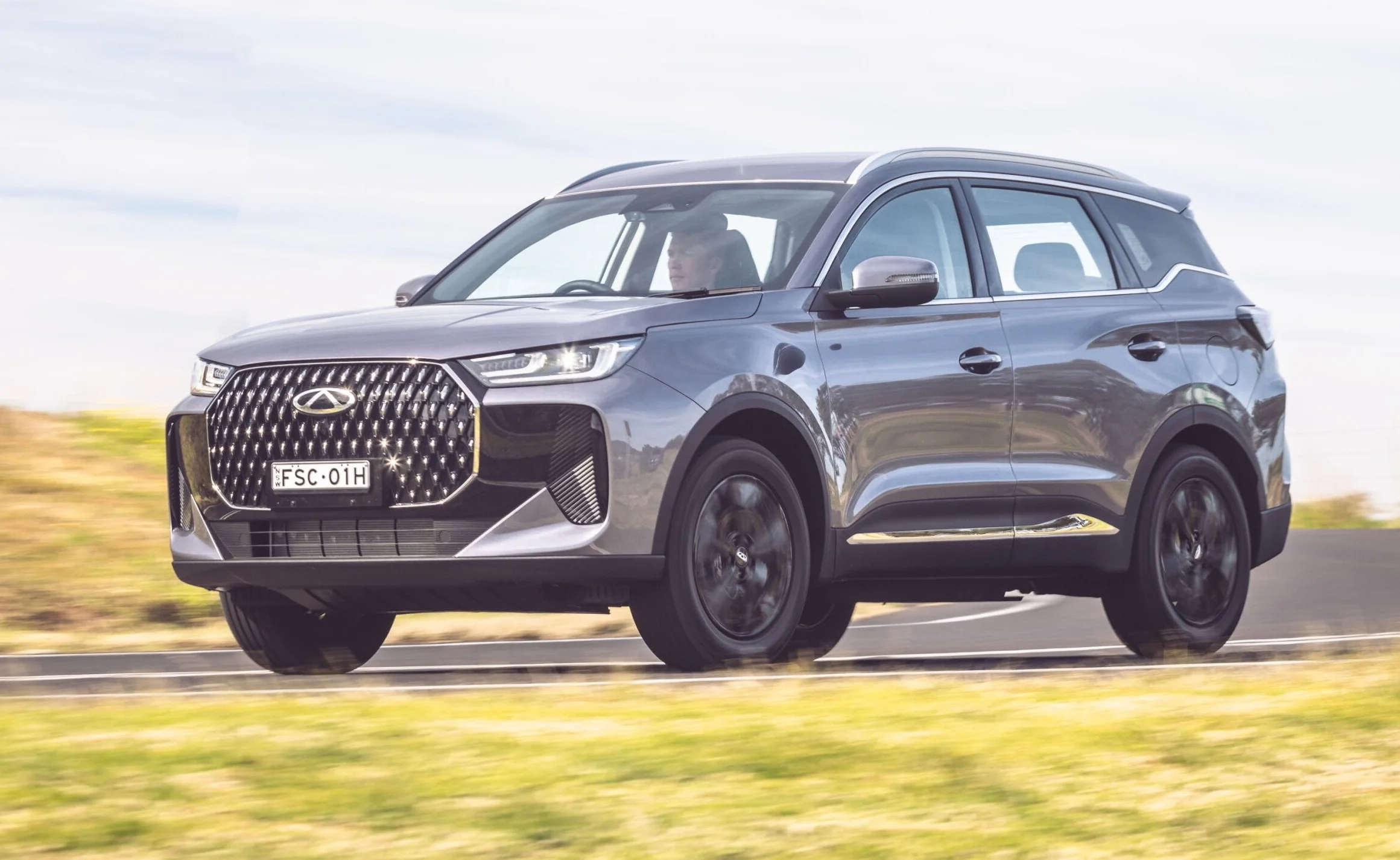
Chery Tiggo 7 Super Hybrid
Combined maximum power ouput: 255 kW (same powertrain as Jaecoo J7 SHS)
Kerb weight: 1825 kg
Luggage space: 356 L
Driveaway Price (approx.): $43,000
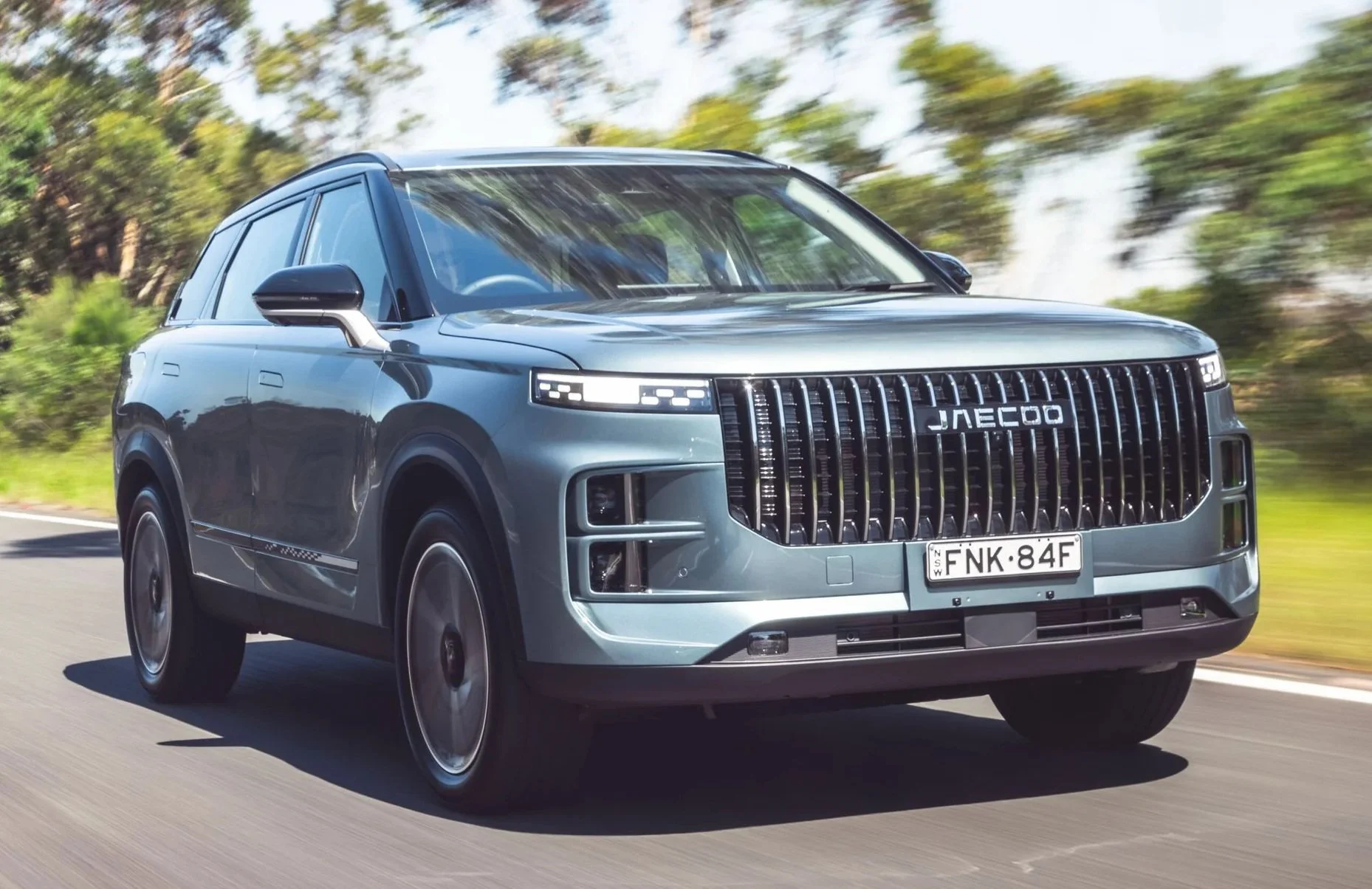
Jaecoo J7 SHS
Combined maximum power ouput: 255 kW
Kerb weight: 1795 kg
Luggage space: 340 L
Driveaway Price (approx.): $45,000
OUTLANDER PHEV vs NORMAL OUTBACK
Subaru has its X-Mode and symmetrical all-wheel drive system, while Mitsubishi has Super All-Wheel Control (SAWC) and doesn’t this rivalry hark back to a golden era of rallying. WRX versus Lancer Evo and so on…
These days it’s all about SUVs and their very limited abilities in harsh driving conditions, as both Subaru and Mitsubishi try to engineer their vehicles out of the school-run mediocrity the Outback and Outlander have been handcuffed to. So which is the best vehicle to put your money on? Well that depends on you.
Exactly how hard to you intend to push this prospective new Subie or Mitsi? Reason for asking is because you could be barking up the wrong tree if you intend to do more than what’s being depicted in this report. This torture test is not an endorsement for you to find the Outlander PHEV’s limits, but it is a demonstration of what it can survive.

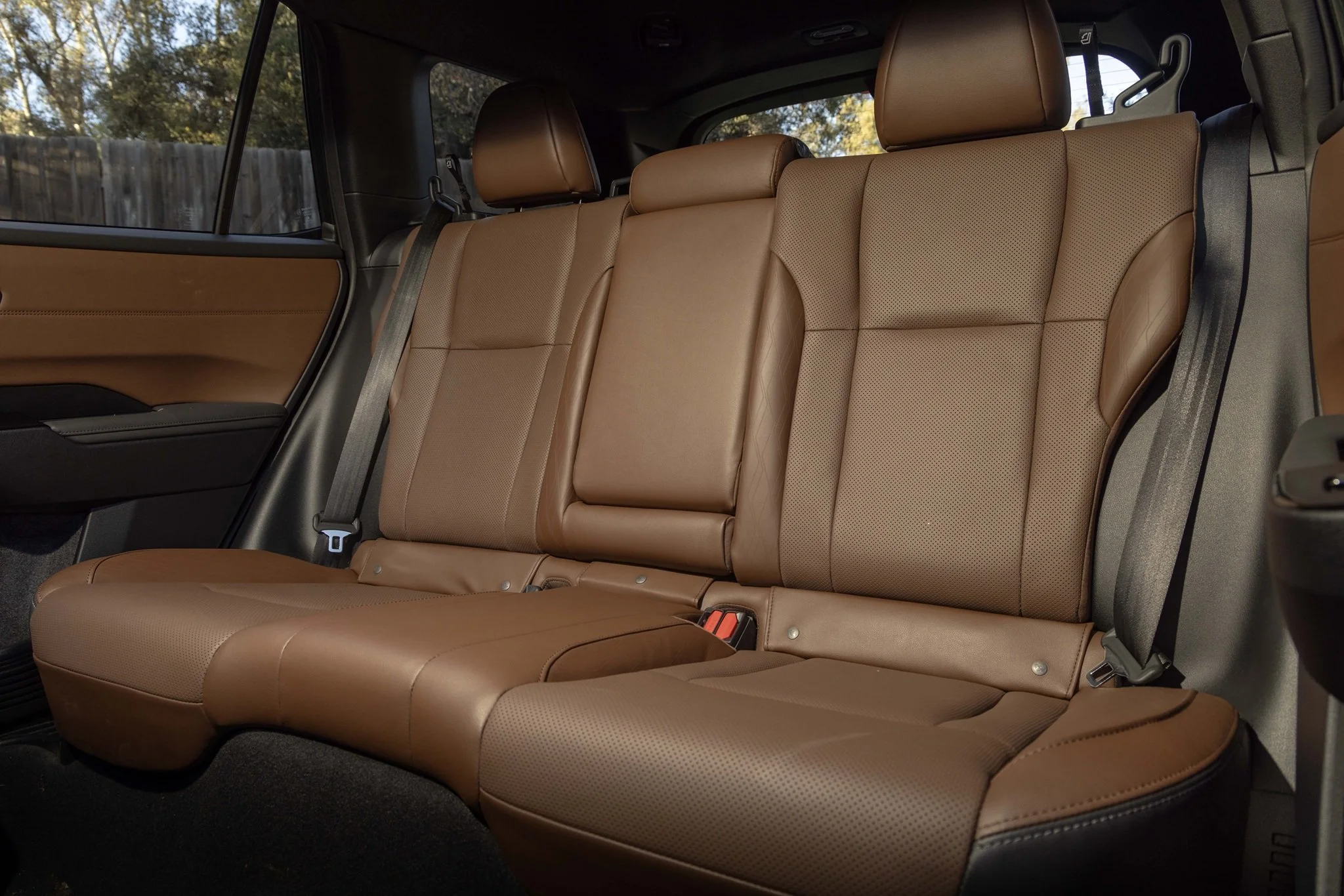
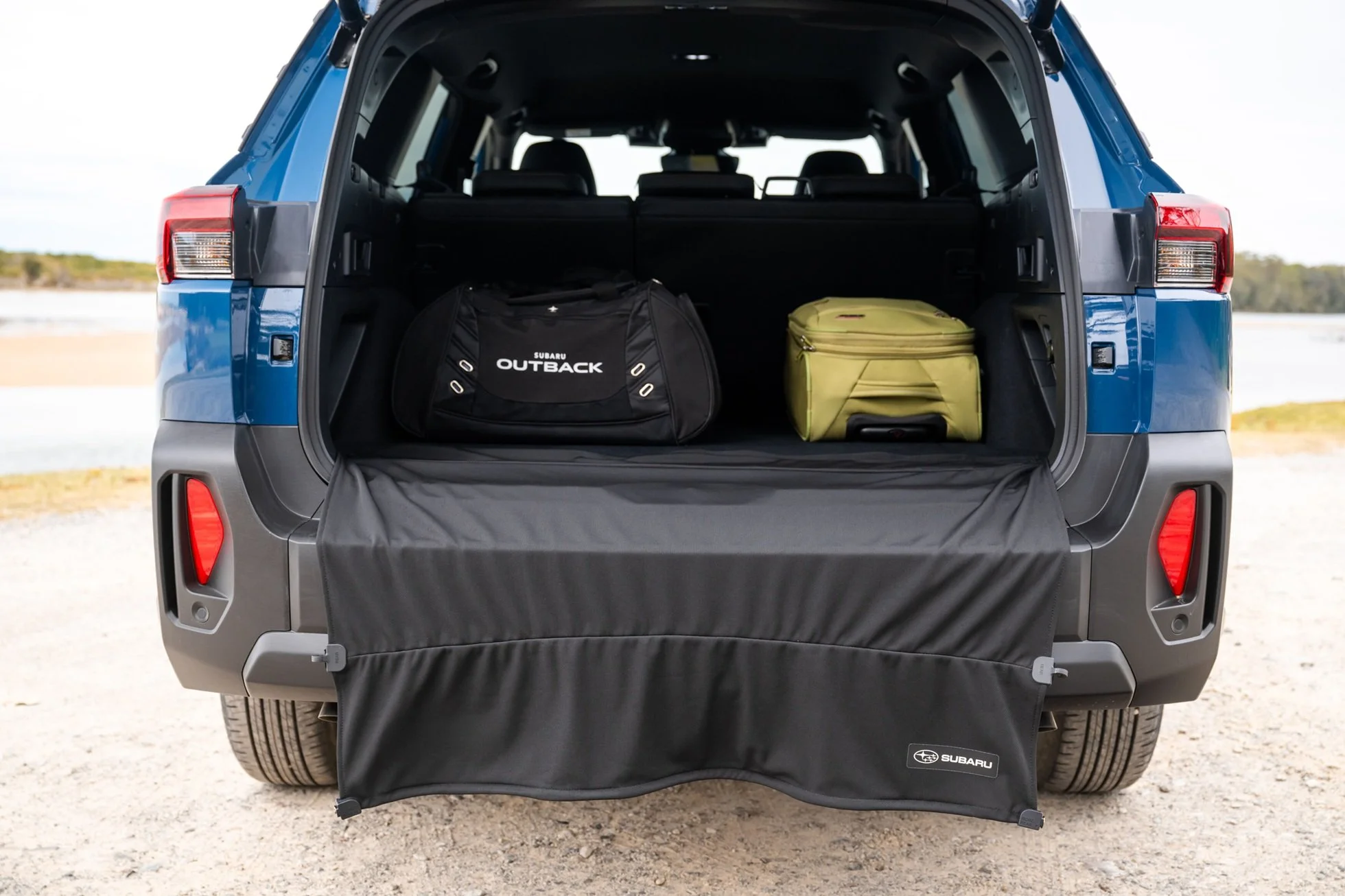
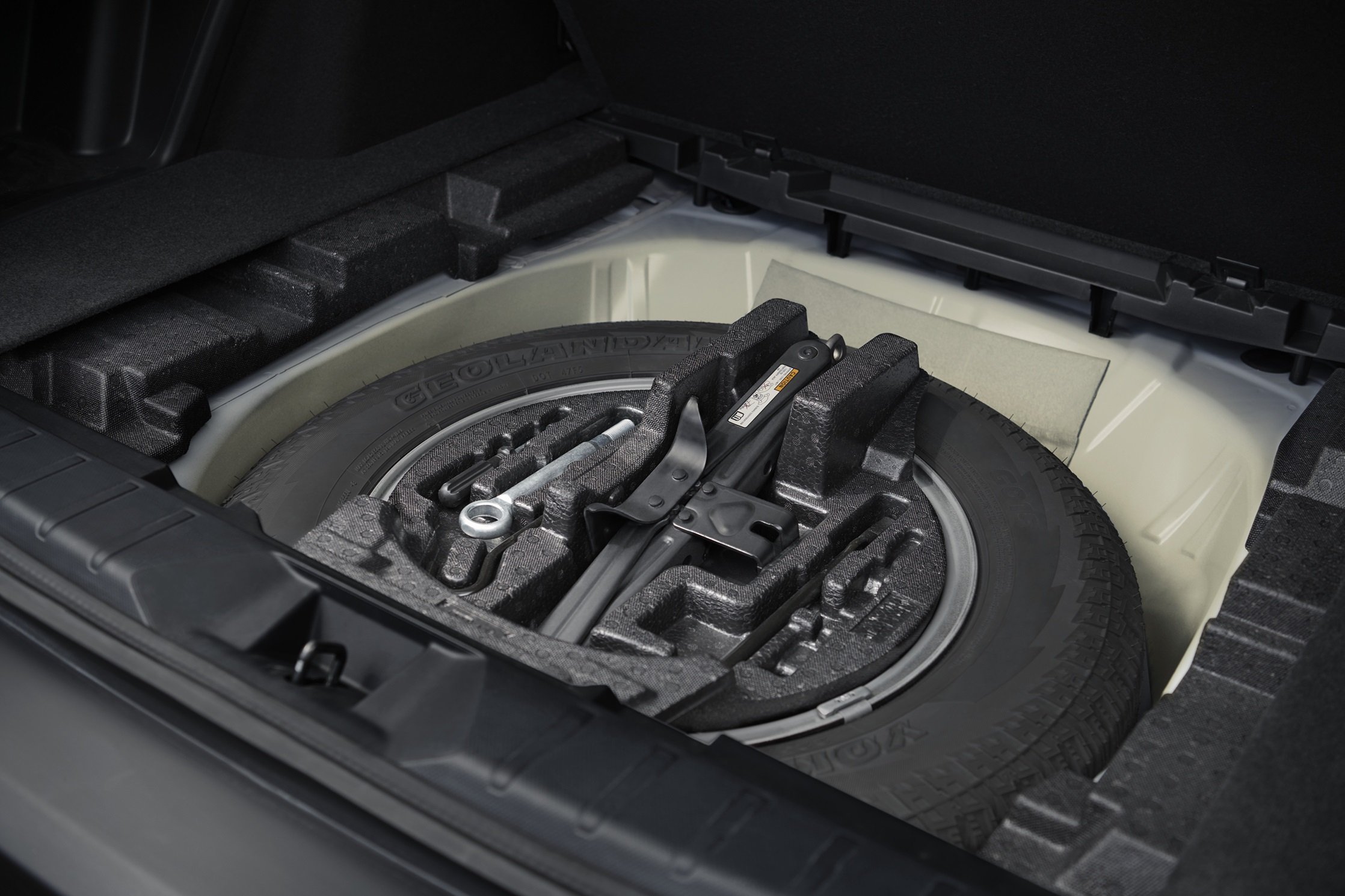
In the US market, an Outback Wilderness version has been around for about a year now, with slightly chunkier tyres, a more aggressive two-stage X-Mode, extra ground clearance and a light-duty bash protection plate underneath the vehicle to protect the sump and CVT. This gnarlier version of Outback is not available in Australia (yet) but it does indicate the kind of driving Subaru suggests could be possible in an ordinary XT or atmo Outback.
Check out the detailed Subaru Outback buyer’s guide for more >>
X-Mode dulls the throttle to simulate the effect of a low-range transfer case on reducing effectiveness of pushing the accelerator via reduced gearing. It also deactivates the traction control function which blocks throttle inputs in the event of traction loss (such as TC is designed to do during extreme cornering like swerving).
Certainly a change to all-terrain tyres >>, instead of the standard highway tyres on any normal Outback, is going to substantially improve its soft-roading capabilities - which you should consider doing if dirt roads and grassy campgrounds are going to be your thing.
The additional ground clearance is good in Outback, at 213mm on the heaviest spec, the Touring XT, making it one of the best choices for this kind of adventurous, remote travel. The Outlander varies between 199mm in the PHEV ES to 210mm maximum in the combustion-only Exceed.
The good thing is there’s an enormously vast area of Australia you can visit in a standard Outback with all-terrain tyres and the standard X-Mode as a concealed back-up. The same sentiment does extend to Outlander, and particularly the PHEV, with I think it’s fair to say, some limitations.
Outback runs on 18-inch standard tyres anyway, and gets a full-size spare wheel mounted under the boot floor, which makes it already substantially better equipped off the showroom floor than an Outlander with its temporary spare, let alone a PHEV with nothing but a bottle of slime.
But the Mitsubishi SAWC system is arguably better than the Subaru X-Mode, because its pre-programmed terrain settings give you greater precision about the kind of surface you’re on. You can switch between ‘Power mode’ (draws on the PHEV battery for improved acceleration when overtaking), ‘Normal mode’ (mediocre performance for daily suburban driving), ‘Eco mode’ (dulled throttle response and earlier gearchanges for economy), and ‘Tarmac mode’ (meaning more sensitive throttle response and . It’s a bit more sophisticated than X-Mode, but there is a good case for simplicity in X-Mode which does either ‘Snow/Dirt’ or ‘Deep Snow/Mud’.
Outback no longer gets built-in roof racks which is a step back that Outlander hasn’t taken, but the Subaru’s wheelbase is about 40mm longer, meaning there’s a fraction more legroom.
Obviously the Wilderness variant gets the WRX-derived 2.4 turbocharged Boxer engine that offers 183 peak kilowatts, with the powerband kicking in at just 2000 revs - that’s only relevant on the open road however, because soft-roading isn’t just about max power. It’s about progressive throttle, the gentle application of power and good driving skills, all of which can be accomplished with the Outlander’s naturally aspirated 2.4-litre petrol four-cylinder.
But the PHEV is something else again, even against the powerhouse turbo Boxer, because being able to run the Outlander in electric-only mode is a serious win for efficiency, smoothness and gradual power demands. You don’t want surges of grunt from a spooling up turbo. In off-roading, a temperate throttle is what you want, gently fettered - minimising the potential for overwhelming the tyres and their limited grip.
The key difference in driving the Outlander PHEV in these light- to medium-duty soft-roading conditions compared to the Outback is quite stark. The PHEV is going to be in EV mode with quite, smooth immediately available torque, and the Subaru is going to be revving its head off as the CVT tries to give you peak power and keep you in that optimal zone.
An Outback might have a less complicated viscous clutch with a propshaft sending drive to all four wheels, making a bunch of growling Boxer engine-related noises at the same time which might excite you, but the Outlander PHEV is doing it in a much more subdued, calm manner that I think is a greater triumph of engineering overall here.
DRAWBACKS
The limited capacity of the battery means Outlander PHEV is proportionally limited in how much range it can offer in EV mode, but that does make it ideal for commuting to and from most CBDs to suburban areas with enough time for recharging overnight.
In a similar vain it does also mean that on longer trips you’ll be utuilising the combustion engine more, with the battery being drawn on for high loads, such as steep hills, overtaking and accelerating away from roadside services.
The need for engineers to package a rear AC electric motor means the space typically reserved for even a space-saver spare wheel-and-tyre is taken up. So instead, you get a tyre puncture repair kit. These are generally okay, except they don’t work on large gashes in a tyre’s treadface, or punctures in a tyre’s sidewalls.

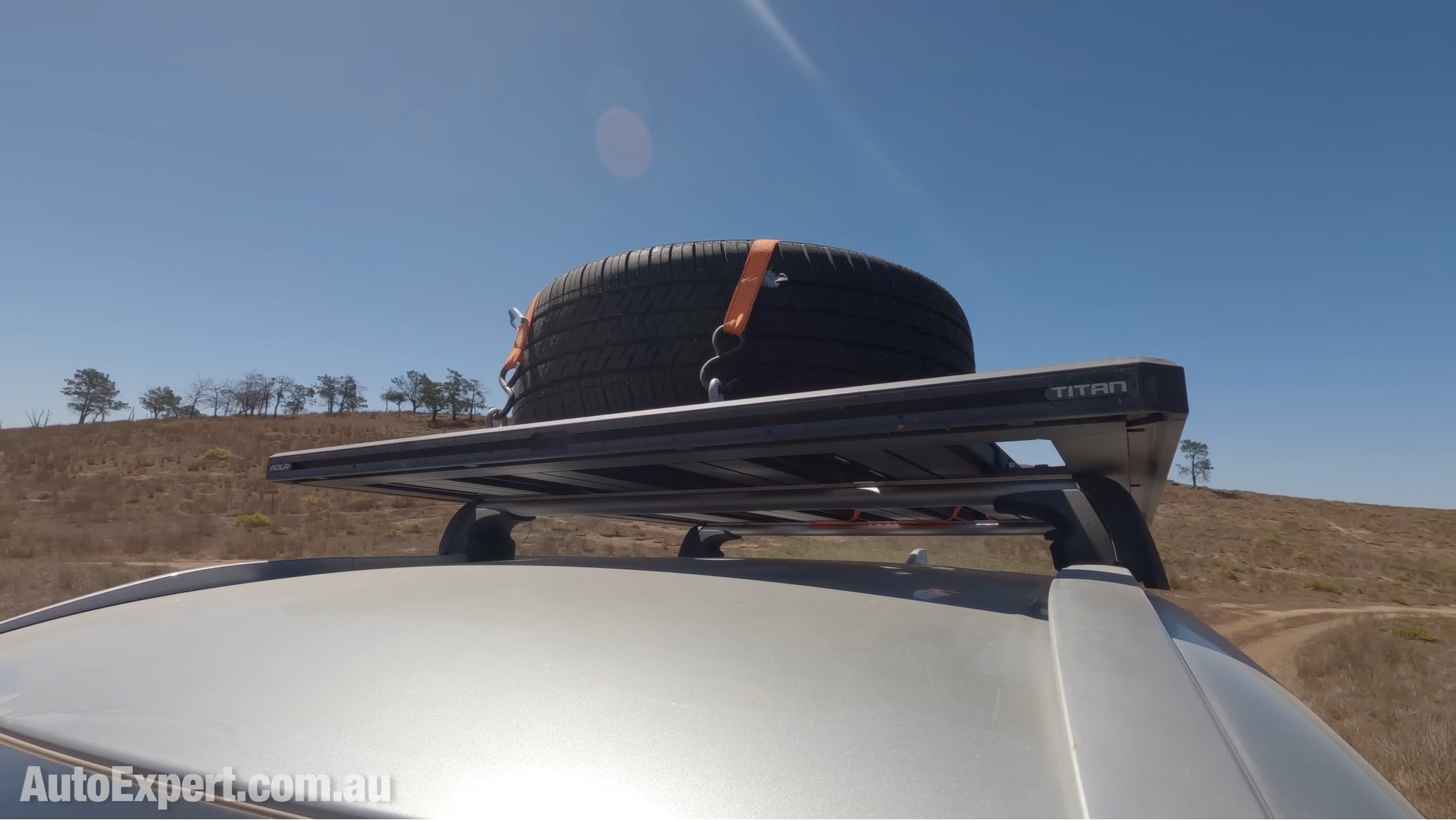
As capable as the Outlander PHEV is in any driving scenario, but particularly in unsealed off-roading type conditions, the big 20-inch wheels with their licorice strap low-profile tyres - while fantastic for dynamic cornering stability and wet-weather grip - they are not ideal in gravel, rocky or aggressive terrain. Their thin sidewalls are vulnerable to damage, so bare that in mind.
These drawbacks for Outlander PHEV aren’t actually especially unique to this vehicle and in fact, they are typical of the breed. Meaning, you should absolutely not let any of them stop you from taking serious consideration when buying a plug-in hybrid. And to be fair, these disadvantages are far outweighed by the advantages inherent in the Outlander PHEV’s design and capability.
You’re definitely getting more bang for your buck here than problems or faults, not to mention Outlander PHEV is quite capable of having additional all-terrain tyres fitted and stowed safely in a way that they can be used in unsealed driving conditions other PHEVs cannot.
CONCLUSION
The Outlander plug-in hybrid is more than just another PHEV, it actually has a history and this is its third generation here in Australia with a track record of reliability and good brand support.
Mitsubishi has not just backed the product with a 10-year-warranty but has also proven they’ve built it to be capable of far more than just sitting in bumpoer-to-bumper commuter traffic from Monday to Friday. While it doesn’t pretend to be an off-road warrior, it is certainly more competent in sketchy terrain where the rest of the plug-in hybrid competitors would struggle, and these are situations where it’s quite realistic you might want to visit.
Whether it’s casual long-weekend camping, music event carparking in a soggy field, regional touring or heading to the snow, and Outlander PHEV is going to get you there and abck in the same manner of anything made by Subaru.
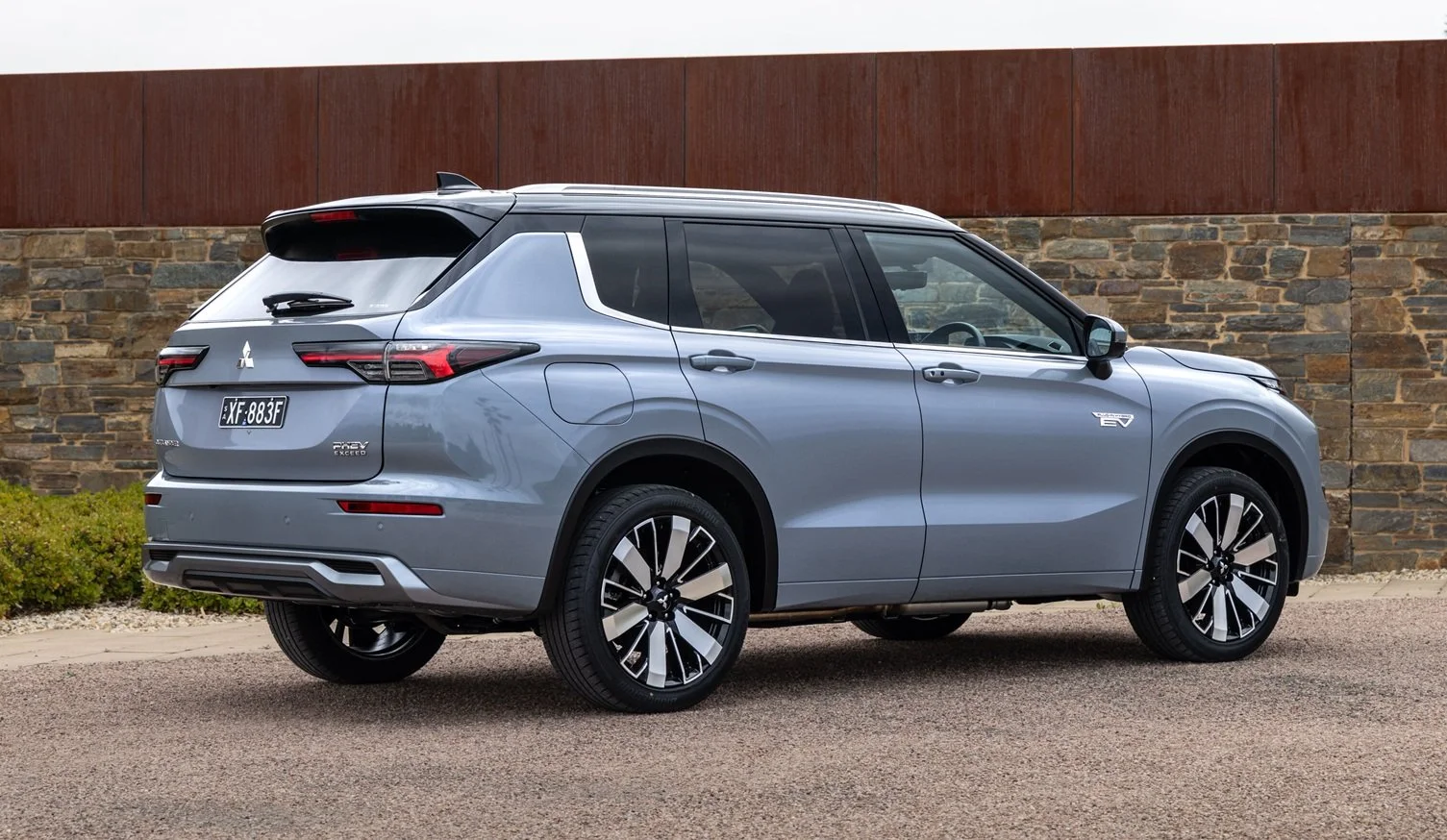
The pricetag for an Outlander PHEV might initially seem off-putting, but use that as an indicator of how much capability you’re getting with a package like this. Keeping in mind you are actually getting what you pay for.

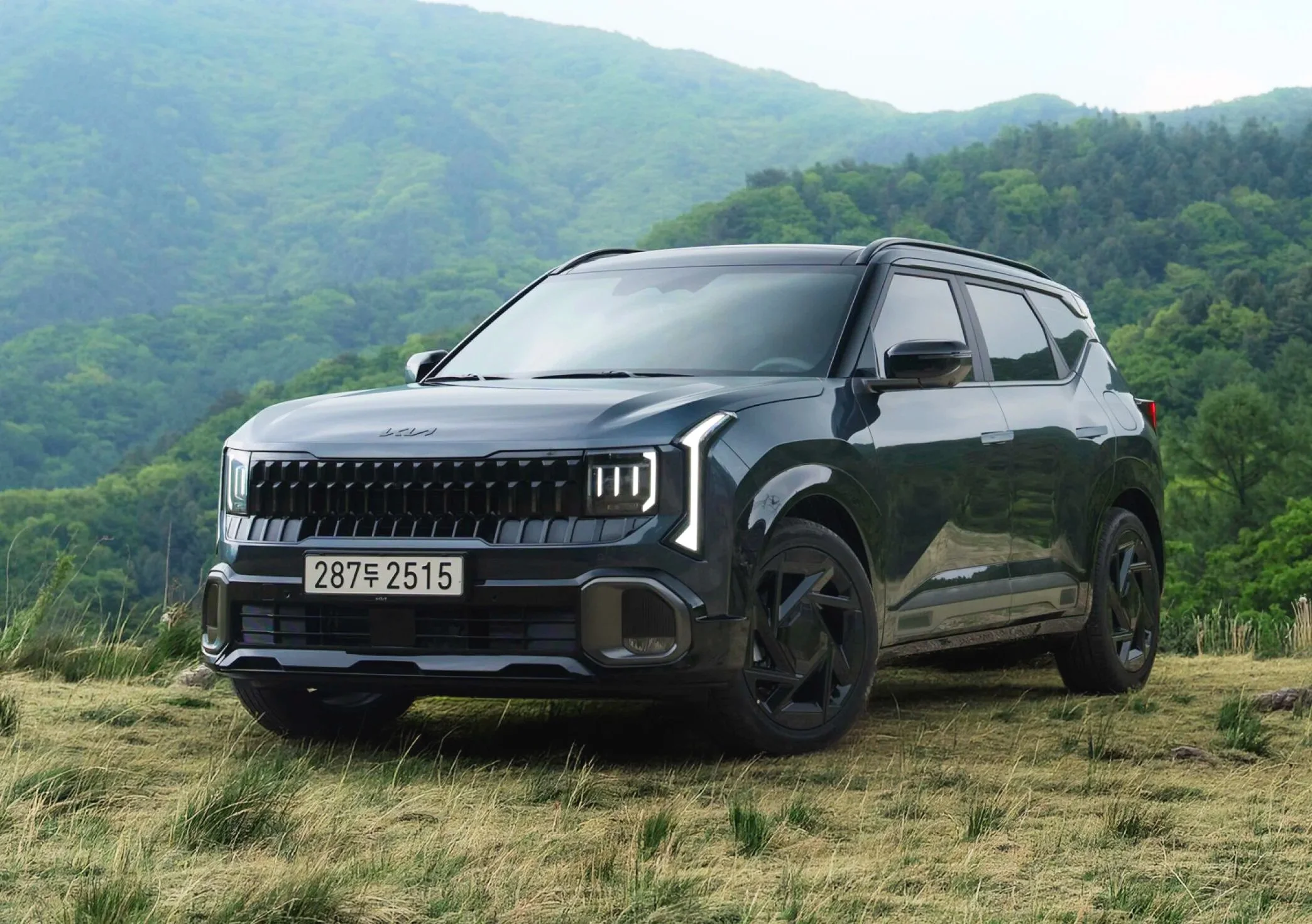
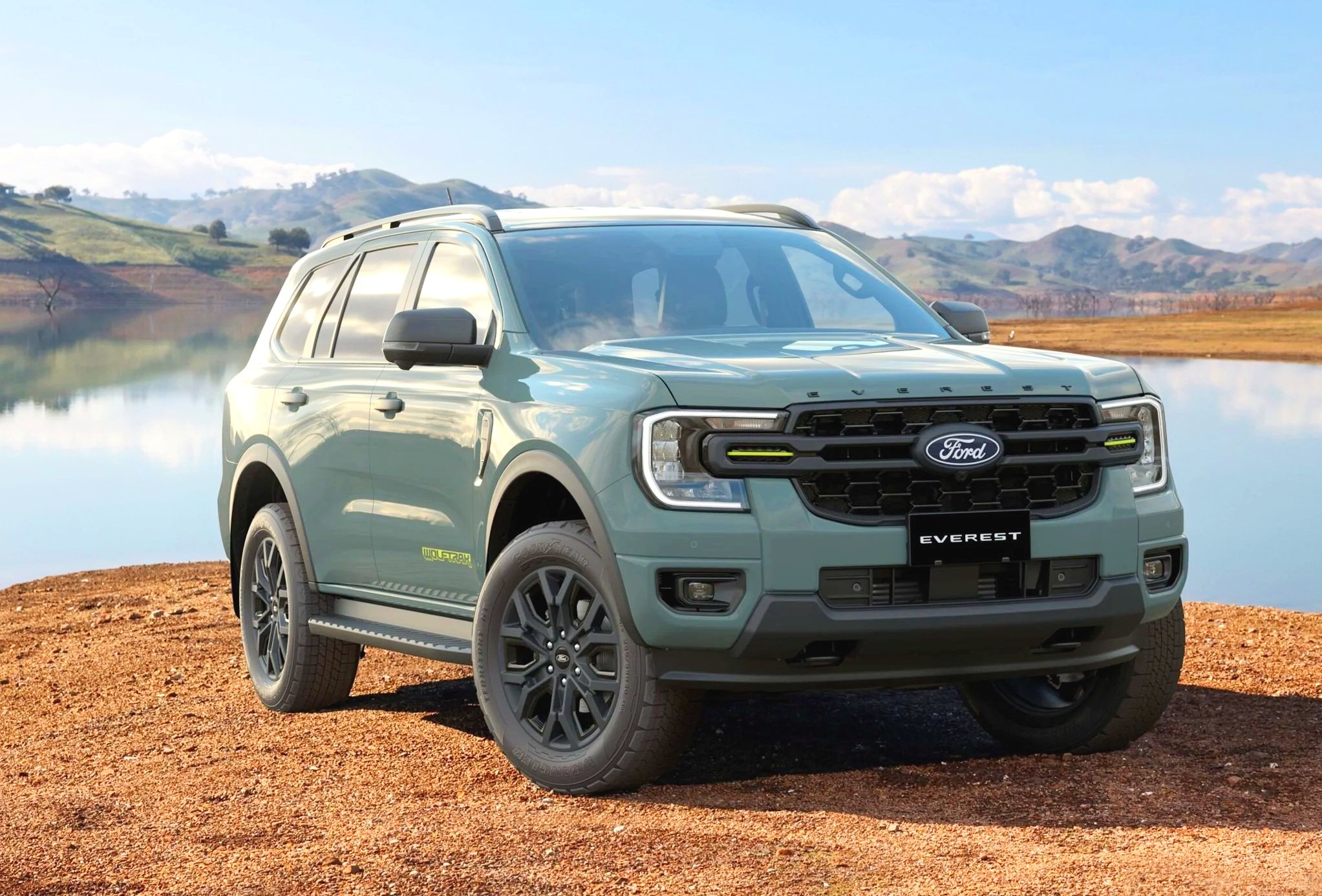
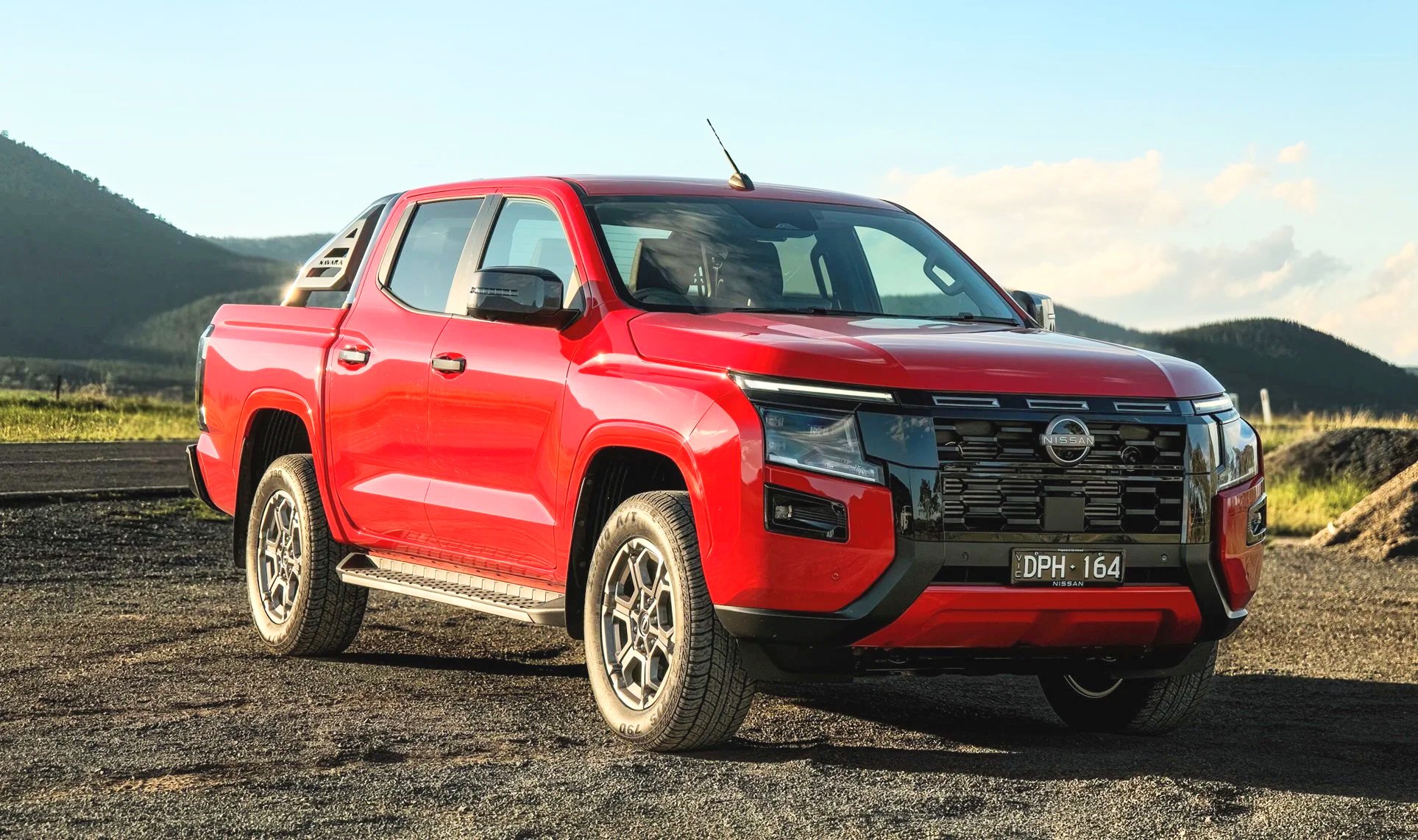
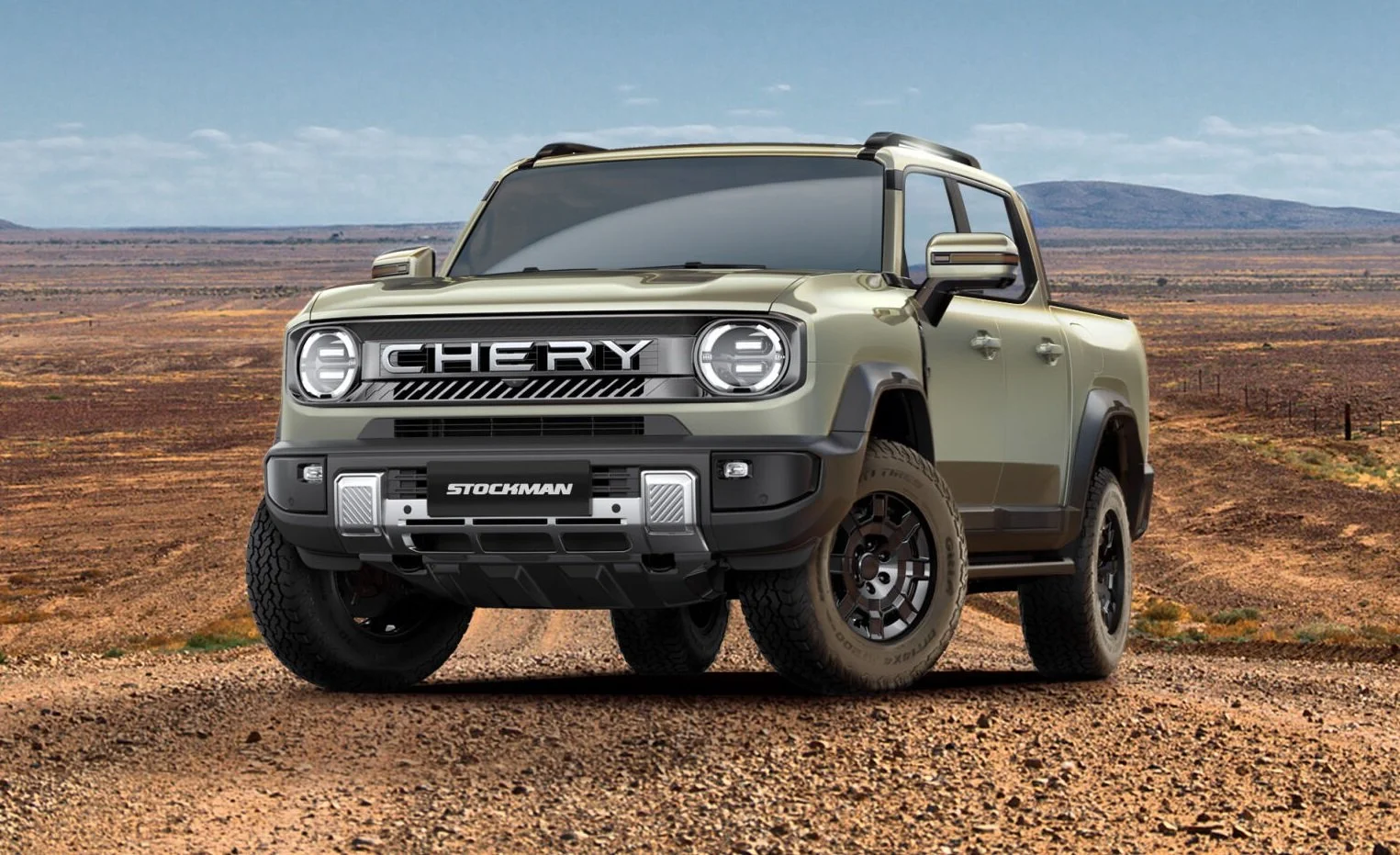




Hyundai Tucson looks futuristic and drives very nicely on Australian roads. It offers grunty, reliable engines, plenty of features and 5-seat practicality at a modest price that makes it an ideal, safe family SUV.