
Chery Tiggo 9 Super Hybrid review and buyer’s guide
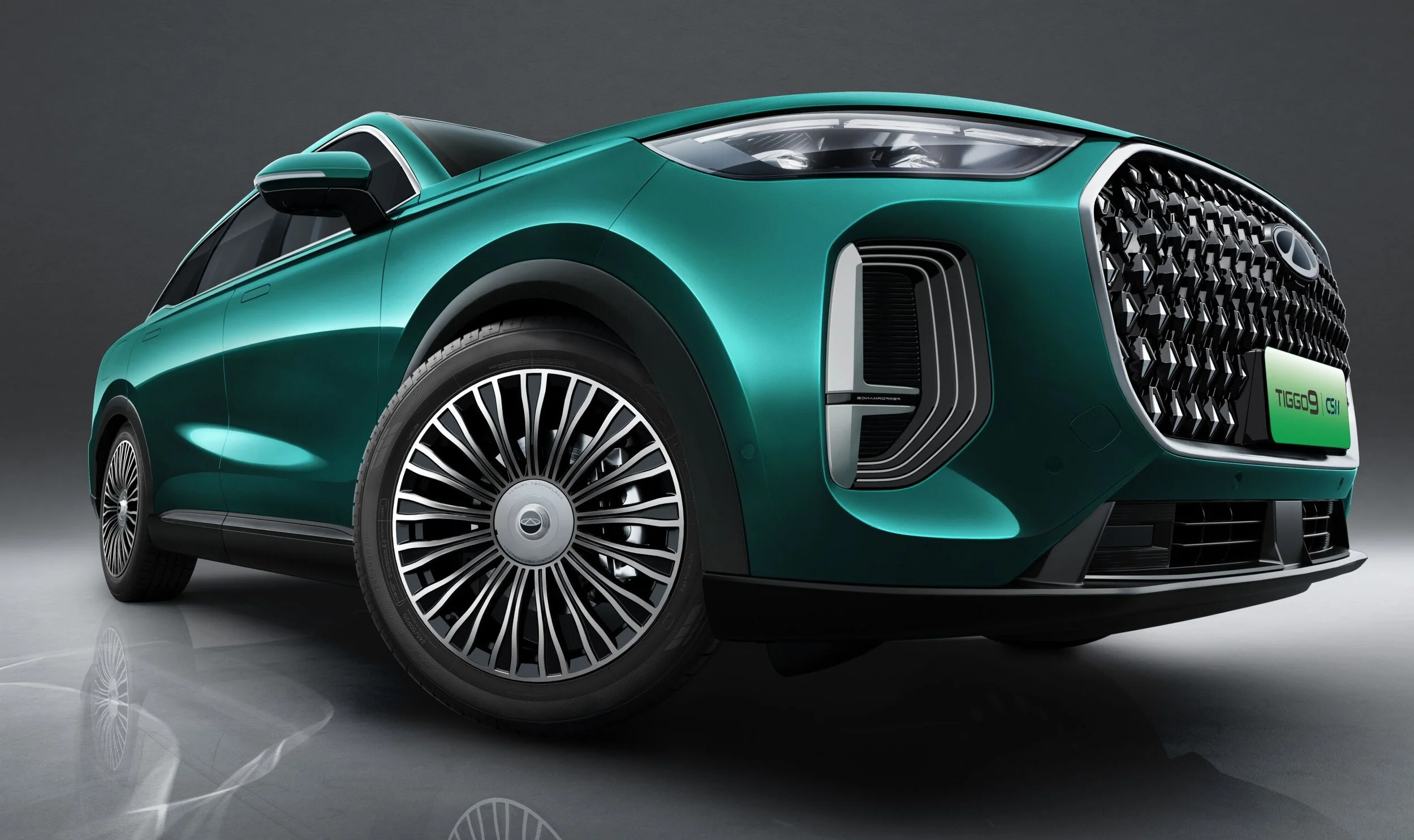
Chery Tiggo 9 Super Hybrid is a plug-in hybrid 7-seat family SUV offering compelling value, astonishing performance and all the luxury features. Let’s see how it compares to the rest of the PHEVs on offer.
Save thousands on a new Tiggo 9
Fill in the form - we’ll get you a great price without the stress
The Chery Tiggo 9 is a large SUV with 7 seats and a plug-in hybrid powertrain that offers performance that defies its profile as a budget-conscious family luxury bus.
But despite the compelling price, the Chery brand is still finding its feet in Australia, so to speak and a lot has changed in 15 years since the brand first tried for commercial success.
Let’s find out if the Tiggo 9 plug-in hybrid will be a bargain for you.
The Chinese brands are coming for conventional Japanese and Korean sales at an alarming rate (for them), which presents an opportunity to get your hands on some very affordably-priced new cars in 2026.
The Chery Tiggo 9 is one of the contenders you might consider along with the likes of a Mitsubishi Outlander PHEV (plug-in hybrid), Kia Sorento PHEV, and even some conventional hybrid 7-seaters like Toyota Kluger and Hyundai Santa Fe.
Sales
If we look at the current sales trajectories, there’s a trend happening where, despite our modest annual market sales of about 1.1 million new cars, the emerging brand Chery is clearly pinching sales from the big players like Toyota, Ford, Mitsubishi, Mazda and Hyundai/Kia. They’ve also done serious long-term sales damage to the likes of Volkswagen, Subaru, Nissan and Honda.
Toyota, Mitsubishi, Mazda, Hyundai and Kia are all losing tiny, incremental sales to these not-so-new arrivals, and it’s especially noticeable in the SUV segment, because that’s the bulk of the market - albeit split into varying size/price categories.
If we look at the large SUVs (that are not 4X4s), Kluger, Santa Fe, Sorento, and the CX-80, they’ve all crept up in price in the last 5 years. While simulteneously the Chinese-brand counterparts like the Chery Tiggo 9, the LDV D90, the new MG QS and the Jaecoo J8 are now taking sales away by offering better perceived value.
The LDV D90 sold about 3300 units in 2025, which was about 1000 up from 2024. Put those two years together and we’re looking at over 5000 sales that didn’t go to the likes of Hyundai, Kia, Mitsubishi, Mazda or Toyota.
The Chery Tiggo 9 costs $65,500 in its top-specification, the ‘Ultimate’. Selling the same number of base-model Santa Fes at $59K, is an increasingly difficult task against a Tiggo 9 PHEV with all the features you could possibly want and 83 per cent more power.
To get to the same equipment level as the Tiggo 9 Ultimate, you’d need a Santa Fe Calligraphy costing another $10,000.
However, there is still a very strong argument for customer support where established brands like Hyundai, Kia, Toyota and Mazda, for example, still have an enormous commercial footprint and have amassed substantial brand loyalty and have the reputation of offering technical support and onshore parts availability.
Click here to download the official Chery Tiggo 9 specifications >
FEATURES & PRICING
TIGGO 9 Elite FWD
$58,300 driveaway approx.
18-inch alloy (235/55 R18 tyres, space-saver spare)
Tyre pressure monitoring
Auto locking (walk away)
ISOFIX (2 Positions)
Front & rear parking sensors
360-degree camera
Driver knee and front-centre airbags
Forward collision warning, autonomous emergency braking, lane: emergency lane keeping, departure warning, change assist and departure prevention; rear collision warning, rear cross-traffic alert, rear cross-traffic braking
Adaptive cruise control
Door opening warning
Driver monitoring system
Black synthetic leather
6-way electric driver's seat adjustment, 4-way electric driver's seat lumbar, driver’s seat position memory (3 settings) with ‘welcome’ function
4-Way Power Front Passenger Seat (Front Passenger Seat Auxiliary Control)
Heated and ventilated (cooled) front seats
Auto dimming rearview mirror
LED: headlights, taillights, DRL, rear foglight, interior lighting (colour selectable), auto high beam
Dual-Zone Air Conditioning, Air Quality Management System, N95 Air Purification, Negative Ion / Ozone Air Freshener Function, Second Row Air Vents
Dual 12.3-inch infotainment touchscreen
8-speaker Sony sound system
Android Auto & Apple CarPlay
2 x USB-A (1 front, 1 rear), 2 x USB-C (1 front, 1 rear)
Wireless phone charging
Roof rails
Auto rain-sensing front wipers
Electric adjusting, folding door mirrors with reverse auto-dipping
4 x auto up/down windows, proxy smartkey with push-button start
TIGGO 8 ULTIMATE
$65,500 driveaway approx.
20-inch alloy wheels
Remote open/close windows
Power tailgate
Brown synthetic leather (optional)
Row 3 air vent with fan speed control, fragrance system (with optional leather option)
Sony 2-speaker headrest added to sound system
Puddle lamps, illuminated front door sills, welcome light (animated headlights & taillights)
Remote open & close windows
Privacy glass
Head-up display
Panoramic sunroof (slide & tilt function) with powered sunshade
Heated & ventilated rear leather seats (outboard)
INTERIOR
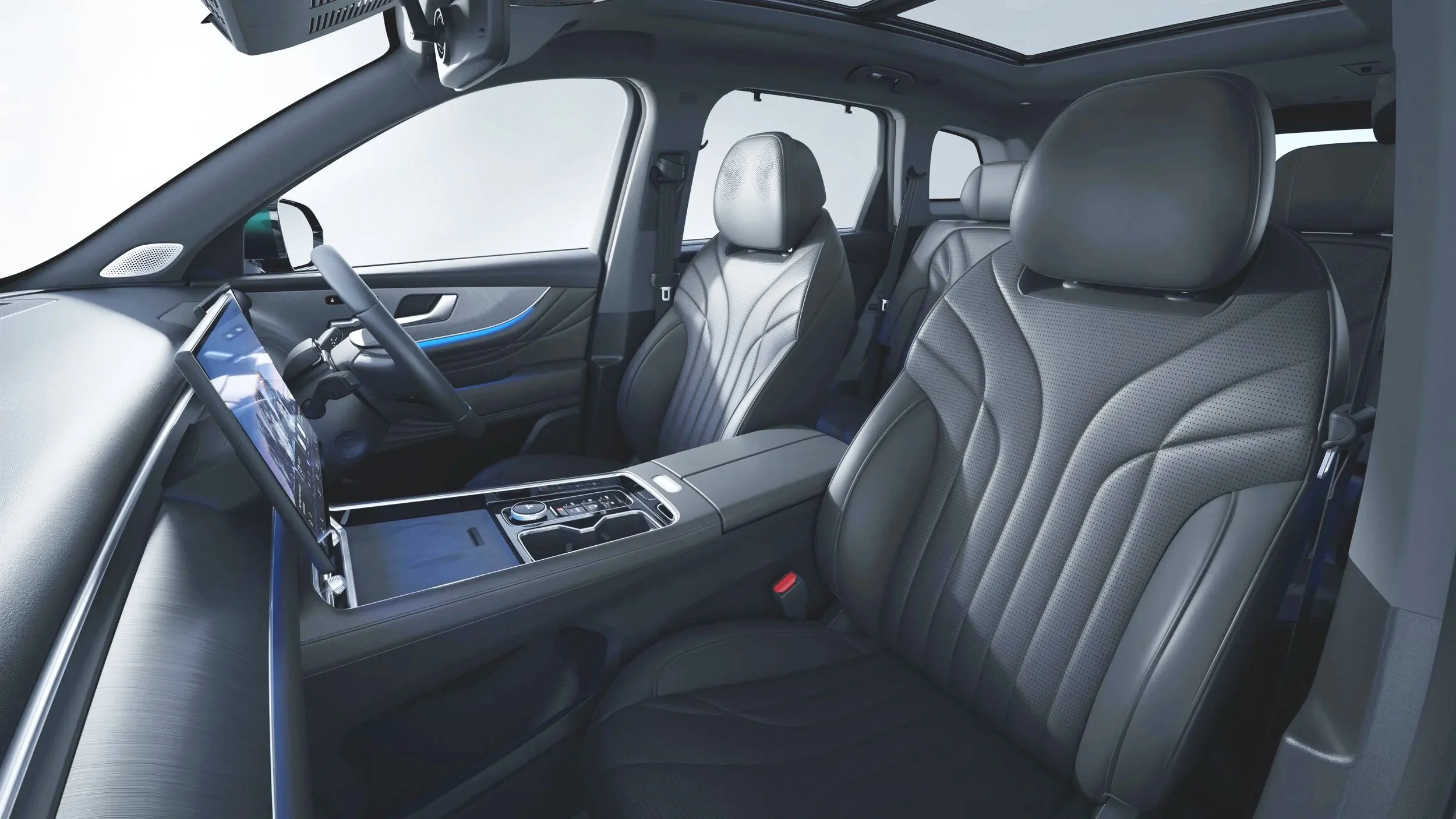
Acknowledging the elephant-sized touchscreen in the room here, the Tiggo 9 Super Hybrid’s cabin is absolutely dominated by the enormous 15.6-inch screen. There is no poverty pack small screen if you get the ‘Elite’ variant, it’s the big screen all the way.
If you like this kind of thing, you’ll be glad to know there’s also a 10-inch driver’s display screen as well (on both the hybrid and non-hybrid), both of which look like they’ve been placed there with very little consideration for driver distraction, ergonomics or taste.
What you’ll notice is that there isn’t much in the way of design aesthetic in the interior. There’s no ‘language’ or theme going on here, it just looks like everything has been placed in a reasonably logical sense and made to look, at the very lest, inoffensive.
For most people, this is going to be more than okay. It just depends on your sensibilities and how much or little you care for these aspects of new-car ownership.
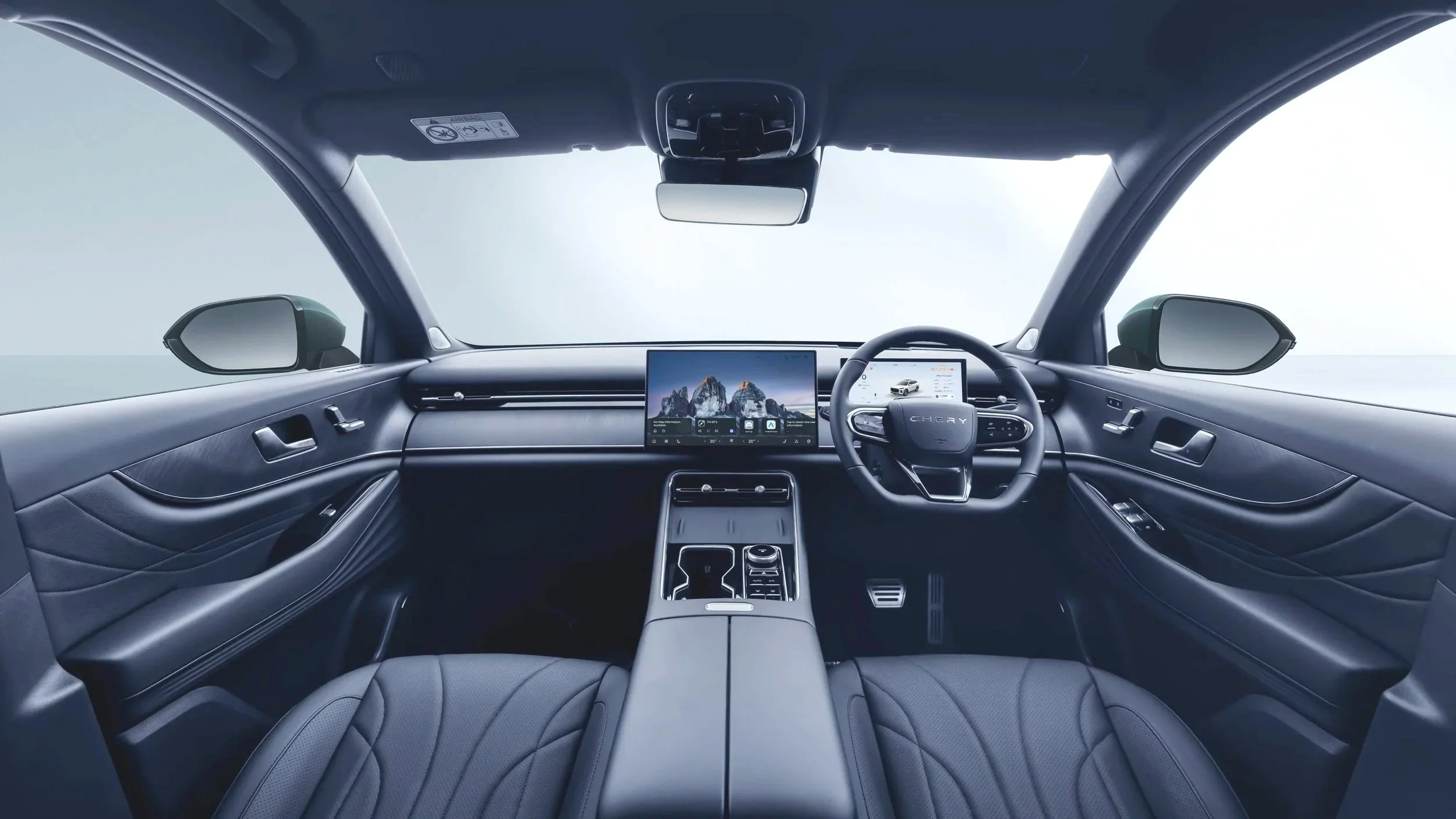
Big screens can be very bright at night and often don’t adjust low enough, so ask for an overnight test drive to find this out for yourself and make sure the dealership shows you how to turn down the brightness
The steering wheel controls are not buttons, they’re touch-sensitive controls, which means you can accidentally activate them with a palm or an errant finger, adding to driver distraction. It’s worth noting that plenty of other carmakers have used similar on their vehicles; it’s not just Chery.
Having said that, they’re not necessarily a drawback. ‘Touch buttons’ as they’re called, are just different. You simly tap with your finger which signals to activate that feature. This means they can smudge and do need cleaning regularly. But the conventional buttons return if you look at the non-hybrid version and they are reasonably normal in terms of their location; adaptability is always key.
Furthermore, the fact that essential functions like the HVAC system, which includes the front and rear demister, is adjusted only via the primary touchscreen is a concern. Typically there needs to be some kind of button as a redundancy in the unlikely scenario the screen fails.
The rest of the interior is actually quite pleasant in terms of being well equipped, with plenty of soft-touch areas about the doors where you lean, push and pull.
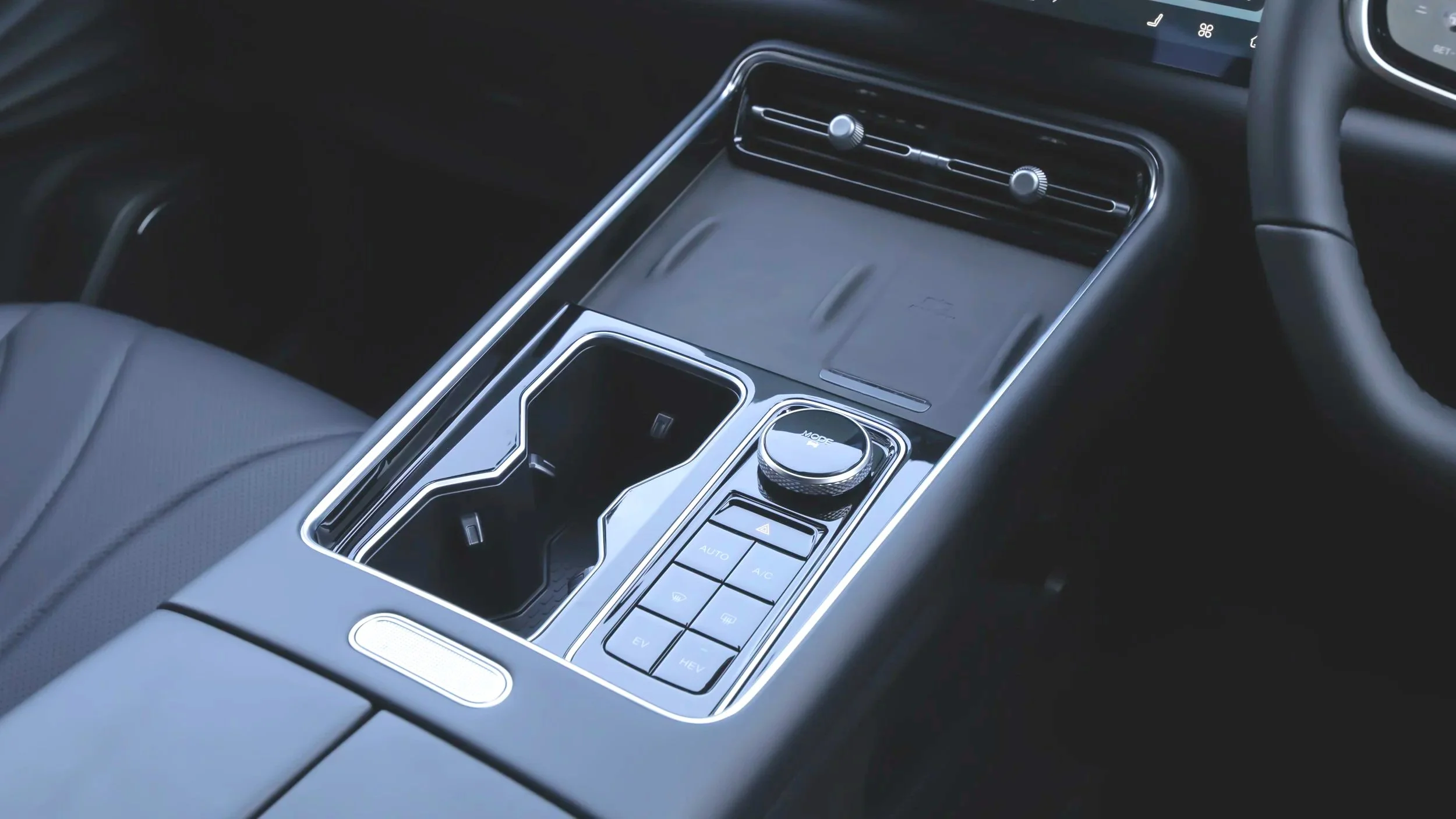
The high centre console is actually partly hollow with a basement style storage area not unlike the Hyundai Palisade, and the dual smartphone stowage areas includes a wireless charging pad on the driver’s side. Although the design of the lip edge surrounding this pad means if you want to use your charging cable instead, the phone won’t sit flat and actually rests on the cable’s plug.
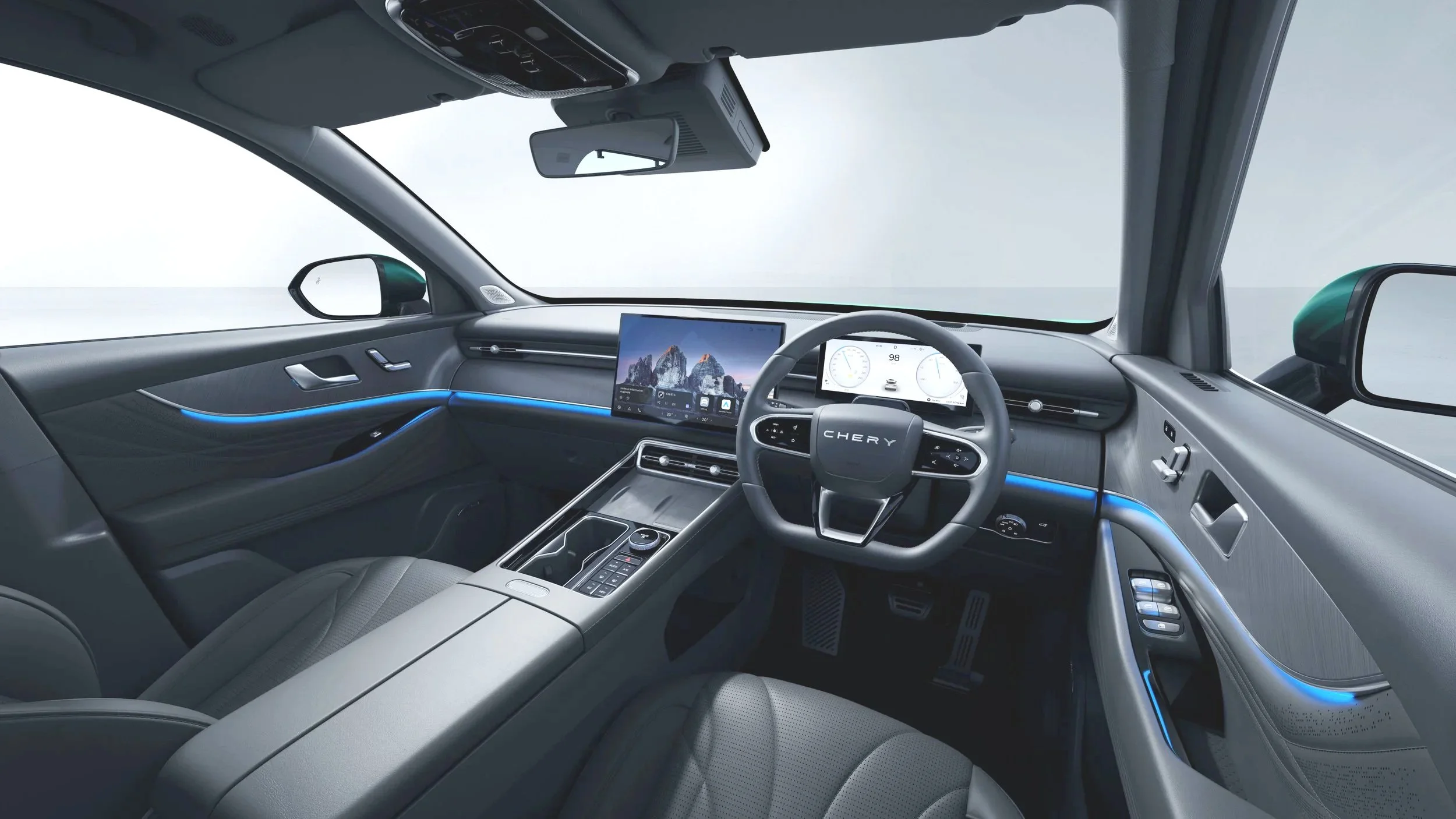
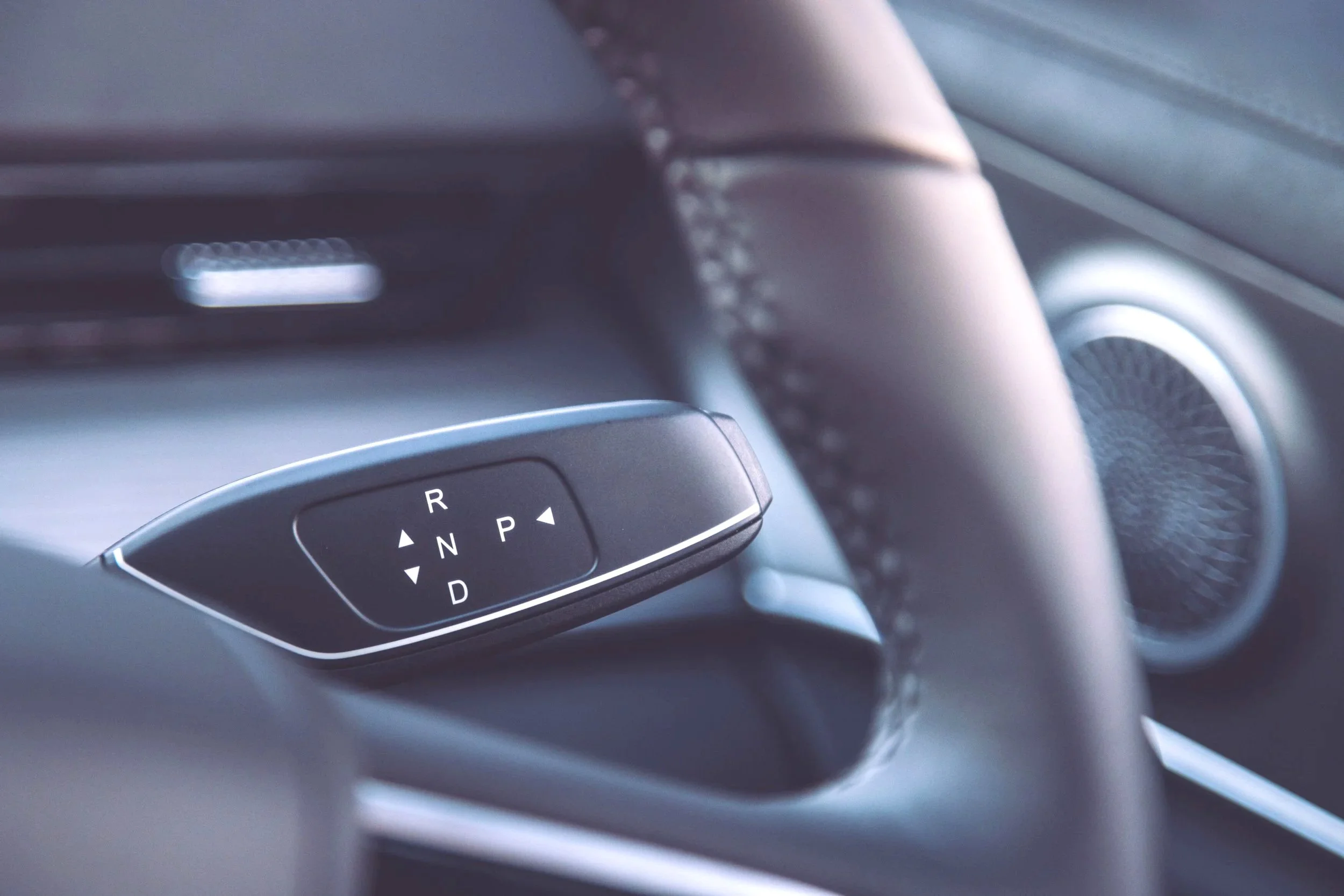
The steering wheel has a flat bottom for some unknown reason, and the stalks on the column look identical to those in a previous-iteration Tesla Model 3 (or similar).
The steering wheel buttons are the same as in the Tiggo 8, meaning they are hard to read in certain lighting situations and their backlighting is insufficient. Also, the icons they use can be easily misread for something else, or just don’t make sense, even if you’re a car nerd. The same buttons aren’t the most intuitive to use.
You get a fairly conventional centre console layout with a wireless charging pad (with closable lid) foreward of two cupholders, then the transmission selector and adjacent buttons before the lid/armrest of the console storage box.
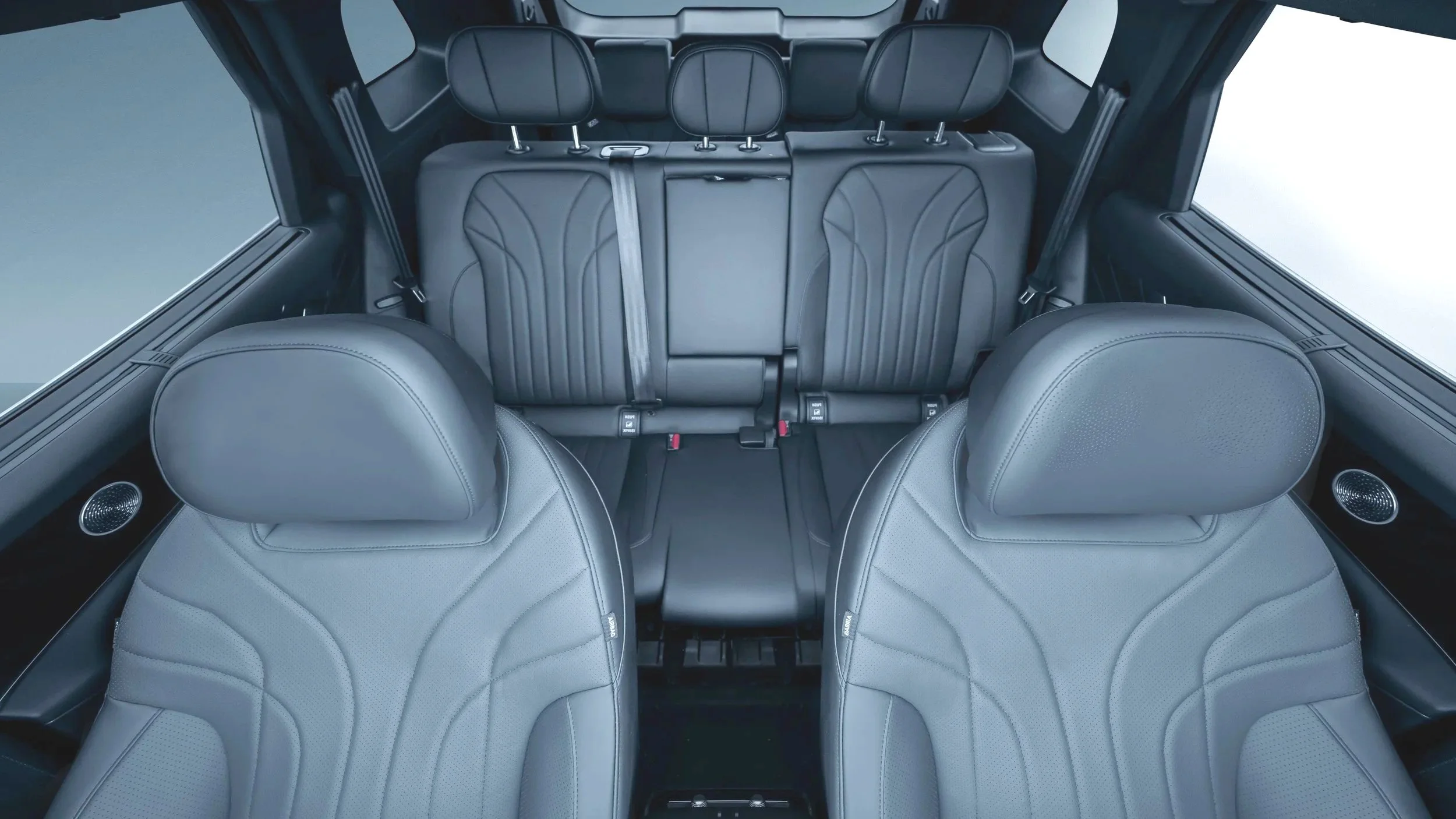
You do get three rows of seats, of course, and all of them get the quilted treatment and even on the base model ‘Elite’ you get synthetic leather upholstery - and massaging front seats which do not exist on the equivalently priced Santa Fe, Mazda CX-70 or -90, or a Toyota Kluger.
Rows 2 and 3 are not the same in terms of child restraint suitability, however. You get ISOFix points in the second row, but none in the third meaning it’s only for kids over the age of roughly 9-10 years where the seatbelt sits correctly over the shoulder. But you do get third row air vents ideal for a car full of kids on hot beach days or cold snow days.
SAFETY
The Chery Tiggo 9 is current’y not rated by ANCAP. However, its similarly size, similar weight and similarly designed Tiggo 8 sibling was assessed in 2025 using crash data acquired in the Tiggo 7 testing in 2025. Unfortunately for consumers who might like to see the Tiggo 8 in action, there are no images or videos supplied by ANCAP of this testing.
Instead, we can rely on the technical report which you can download here >.
While you absolutely should not assume the Tiggo 9 is going to protect you in a crash the same way a Tiggo 8 does (or doesn’t), it is reasonable to expect they might be similar, so use this as a guide, not a conclusion upon which to rest your purchasing decision. You might want to wait until the Tiggo 9 gets a proper, official rating.
Tiggo 8 does pretty well in the adult occupant protection section, but not great, it must be said, in the frontal offset test at 60km/h into the 1400kg mobile sled.
With a 40 per cent overlap, the Tiggo 8 only managed a 4.2 out of 8 in this mobile sled test, earning an ‘adequate’ chest and lower leg protection score, and a ‘weak’ score for the upper legs. Front passenger legs were very similar; ‘marginal’ for upper legs, and ‘adequate’ for lower legs and chest.
The reason this is an undesirable score is that leg injuries have potentially deadly consequences, even when they’re ‘marginal’, because it’s very easy to have internal leg injuries like ruptured arteries, without any visibile sign from the outside.
Highlighting this is necessary because this is, notionally, one of the most common road crash types on our roads.
Furthermore, Chery seems to have two issues with its knee airbag. Firstly, the pre-March 2025 models had one, and the March 2025-onwards models do not have one - including the hybrid. Knee airbags are not mandatory, but they are pretty much a car industry standard now; certainly a benchmark.
Secondly, regarding Tiggo 8 airbags, according to ANCAP:
The originally-tested vehicle was fitted with a driver’s knee airbag, however it did not deploy properly in the test, and did not fully cover the knee impact zone. Penalties were applied.
Additional testing was undertaken on a vehicle without the knee airbag and results from this test showed levels of protection were similar with or without the knee airbag.
Actually it would probably be easier to explain that in the adult occupant protection category it was only the side impact test, where the sled hits at 60km/h into the side of the vehicle, that the Tiggo 8 didn’t get marked down.
Even in the oblique pole test at 32km/h the chest readings for the dummy were ‘marginal’, this is despite having side and curtain airbags.
The ‘safety assist’ category showed mixed results with auto emergency braking and lane systems doing pretty good. Although, it has a ‘poor’ rated reverse emergency braking system that, according to the report, was not tested because the test vehicle didn’t have the system fitted - and yet there are results showing a ‘poor’ outcome at both 4km/h and 8km/h regardless of the overlap and standing or walking.
In summary, it really is worth looking at the Tiggo 8 if you’re going to be driving around school zones, in the city and in the suburbs. For such a modern vehicle, the performance in this area seems disappoting, regardless of earning a 5 star rating overall.
I'll help you save thousands on a Chery Tiggo 9 Super Hybrid (plug-in)
Just fill in this form.
No more car dealership rip-offs.
Greater transparency.
Less stress.
ENGINE
There is one powertrain in the Tiggo 9, regardless of whether you get the ‘Elite’ or the ‘Ultimate’. Both model grades get the same, so there’s no performance upgrade if you opt to spend a little more on the top-spec variant.
The Tiggo 9 has a 1.5-litre turbocharged 4-cylinder unit that makes 180 kilowatts and produces 375 Newton-metres as a result.
The Elite comes as a front-wheel drive and the Ultimate gets an on-demand all-wheel drive system which responds when it detects wheelspin, by sending some drive to the rear wheels in addition to the front. Otherwise it’s primarily a front-drive vehicle.
The SupervHybrid’s 1.5-litre turbocharged petrol 4-cylinder engine, by itself, makes 105kW - this is the same as in the Tiggo 8, by the way.
But It’s actually the capacity and size of the battery pack that changes between the two model grades. You get a 19kWh lithium-iron phosphate battery pack (often abbreviated to LiFePO4 or LFP) in the Elite, or you get a 34kWh battery pack in the Ultimate.
Both model grades use a 75kW AC electric motor at the front and a 90kW motor at the rear. Combustion and electric sides of the powertrain together you’re looking at (combined) 225 kilowatts for the Elite and 315kW for the Ultimate.
This being a plug-in hybrid powertrain, you can charge it at home, work or using public charging. It also means you can drive it in electric mode for a short distance, officially quoted at 90km for the Elite (which is gonna be more like 70km in the real world), or 170 (officially) which is more like 130-150km for the Ultimate.
With a maximum torque output of 580 Newton-metres in the Ultimate, that’s an astonishing amount of grunt going through the tyres, which is why it’s good to see they’ve actually put some Continental 235/50 R19s over the 19-inch alloys.
What’s important to note here is that both the hybrid and the combustion-only Tiggo 8 powertrains take 95 RON petrol as a minimum, so you will be paying for premium fuel every time you fill up the 60-litre tank (70L in the non-hybrid).
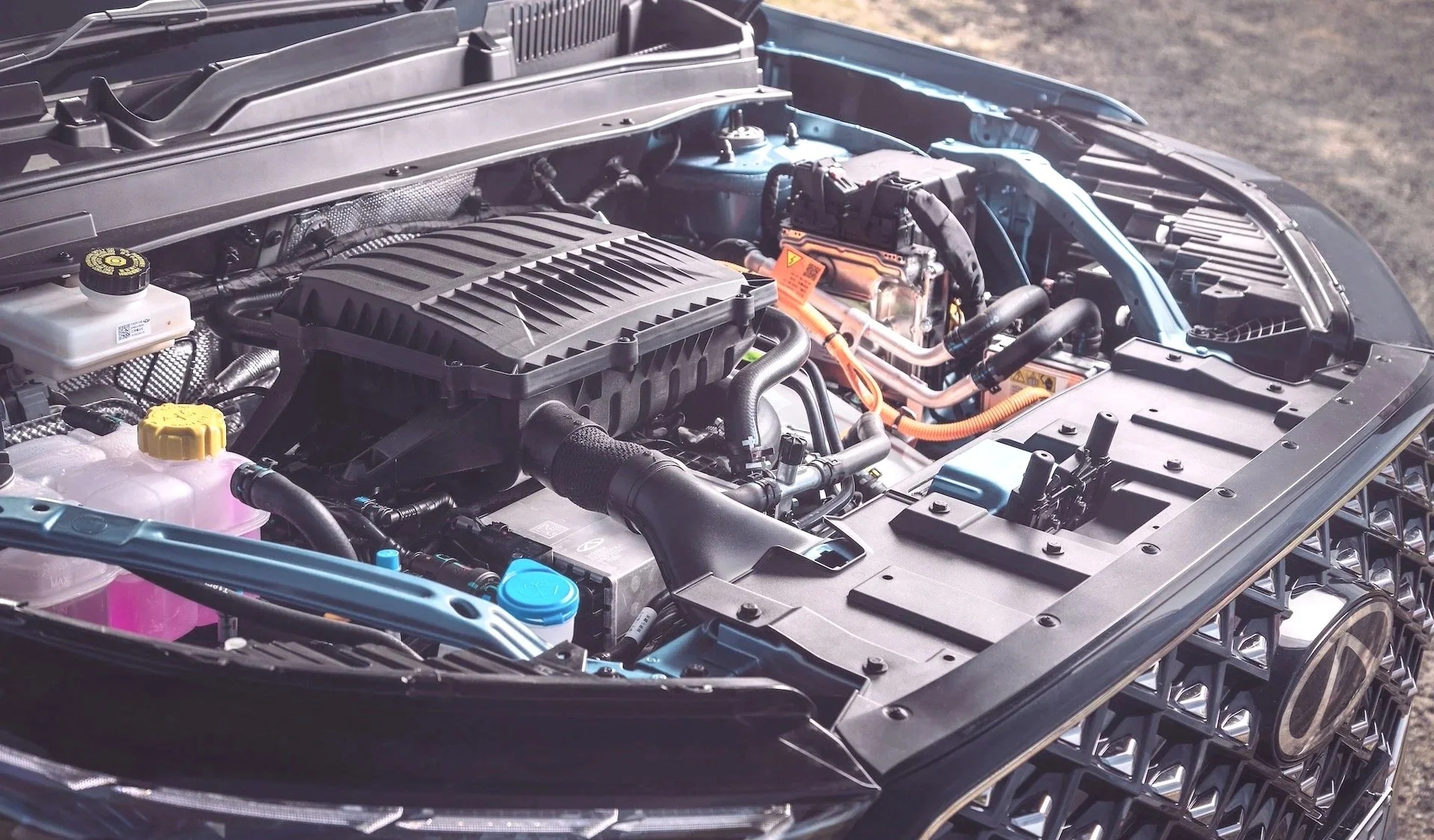
Tiggo 9 plug-in hybrid offers big power figures, but demands 95 octane premium petrol (which is not actually as expensive as we’ve all been told)
The 3-speed transmission is unique in that it offers you the efficiency advantage of higher gearing on freeways when you’re using the combustion engine, and lower gearing for getting around town. This is pertinent because typically a plug-in hybrid, take the BYD Shark 6 for example, does not get a conventional set of gears and instead gets a single reduction gear that spins up or down depending on the road speed demands of the driver.
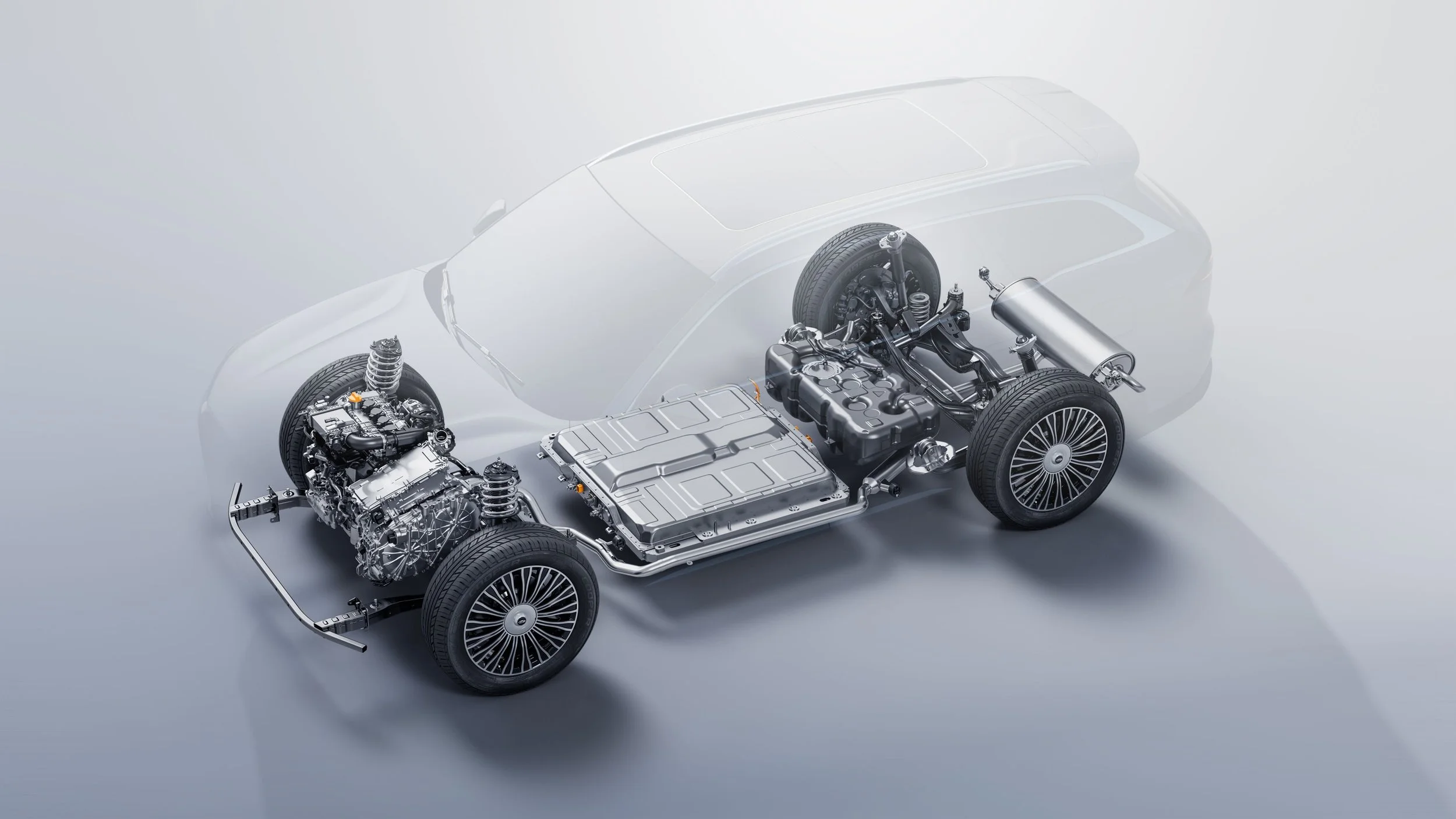
But here, we get to use the 3-speed transmission as it is connected to the 1.5L petrol 4-cylinder engine, which then drives the electric motor/s, which in-turn drives the rear wheels via a differential. But it ‘s so well integrated that you barely notice it working beneath you as you drive along.
So typically, you’ll be driving in EV-only mode in low-speed scenarios from zero to about 40-50km/h, then it’ll change to the middle ratio or second gear and use that ratio up to about 70-80km/h. Then, if you get on the freeway for example, it’ll change up to the tallest gear for economical cruising from 80 to whatever its top speed is or whatever the legal speed limit is.
It will also seamlessly switch between EV mode and hybrid mode (both electrical and petrol sides of the powertrain together) as the car’s brain determines is necessary, and it does this by, again, seamlessly engaging or disengaging the clutch.
With a power-to-weight ratio of 142kW per tonne, the ‘Ultimate’ Tiggo 9 PHEV has plenty of grunt on-tap for whatever overtaking or acceleration you might demand. Even the 107kW/t on the Elite ratio makes it very quick to take off from a standing start.
As you drive you’re using, in the vast majority of driving scenarios you’re likely to ever encounter, the electric motor to get going from stationary, because that’s the most efficient use of an electric motor, and then you get the petrol engine kicking in with its 105kW.
Only when you absolutely rag the thing is it going to give you full power, at which point you’d be breaking the speed limit very quickly.
What this powertrain is going to do is offer a very smooth, confidence-inspiring and linear acceleration, which brings us to the next surprising aspect of the latest Chery products.
DRIVING
Chinese brands were no where near the Japanese or Korean brands in terms of performance, ride and handling, or steering feel - about 15 years ago, that is.
Today, it’s a very different story, because for the most part the bigger, more established brands have in fact gotten remarkably close to the rest of the world in terms of how they drive.
Chery is one of those brands breaking that mould. They are now making vehicles of noticeably better quality than the Korean brands were making about 15-20 years ago. And they’re making cars that are superior than Japanese brands from 20-30 years ago.
But they’ve done it in a much shorter timeframe than either of those two manufacturing powerhouses. They’ve done it in the space of 10 years. And when you get behind the wheel of a Tiggo 9, you’s struggle lay out a reasonable argument against the notion that it’s actually pretty well behaved.
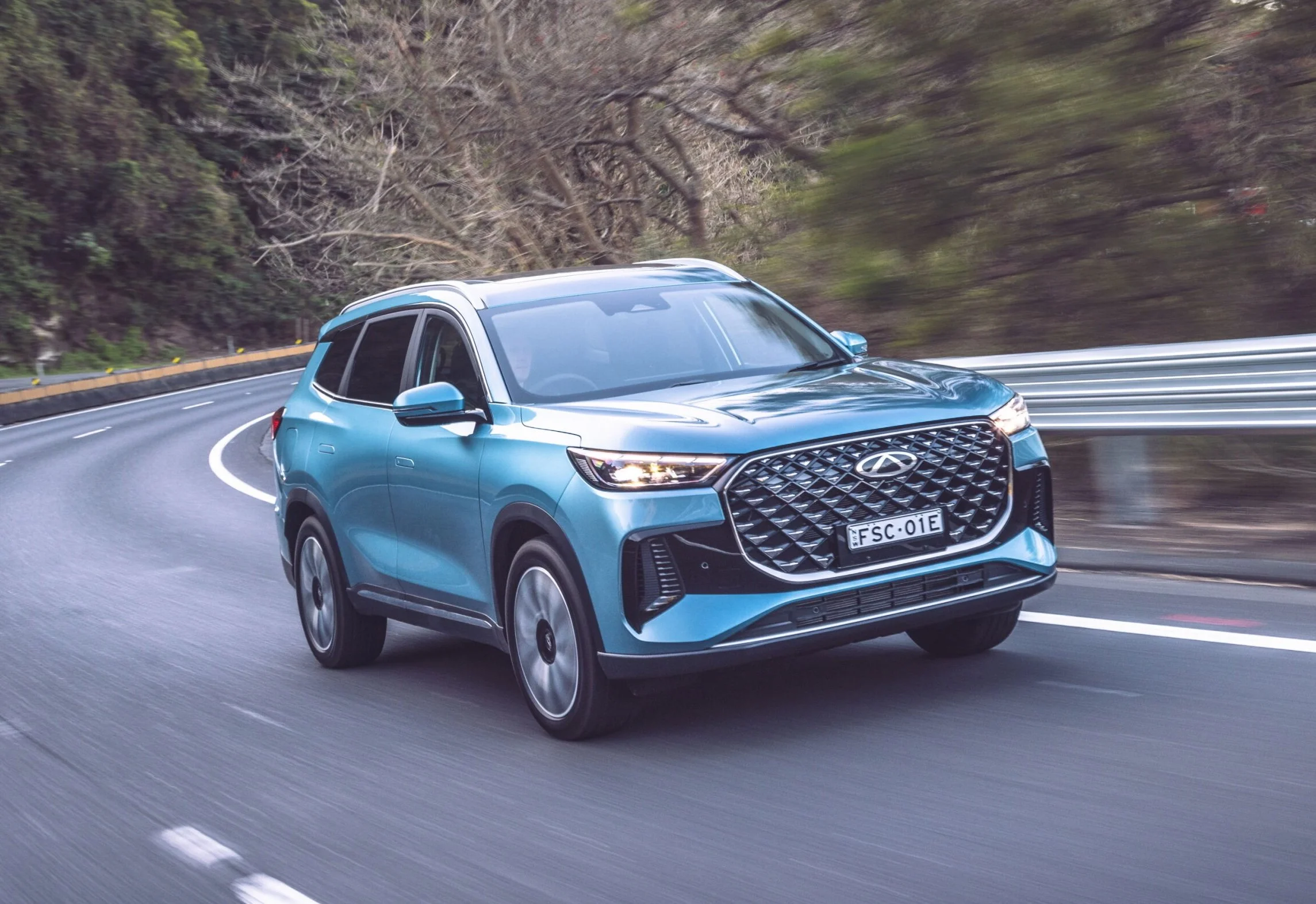
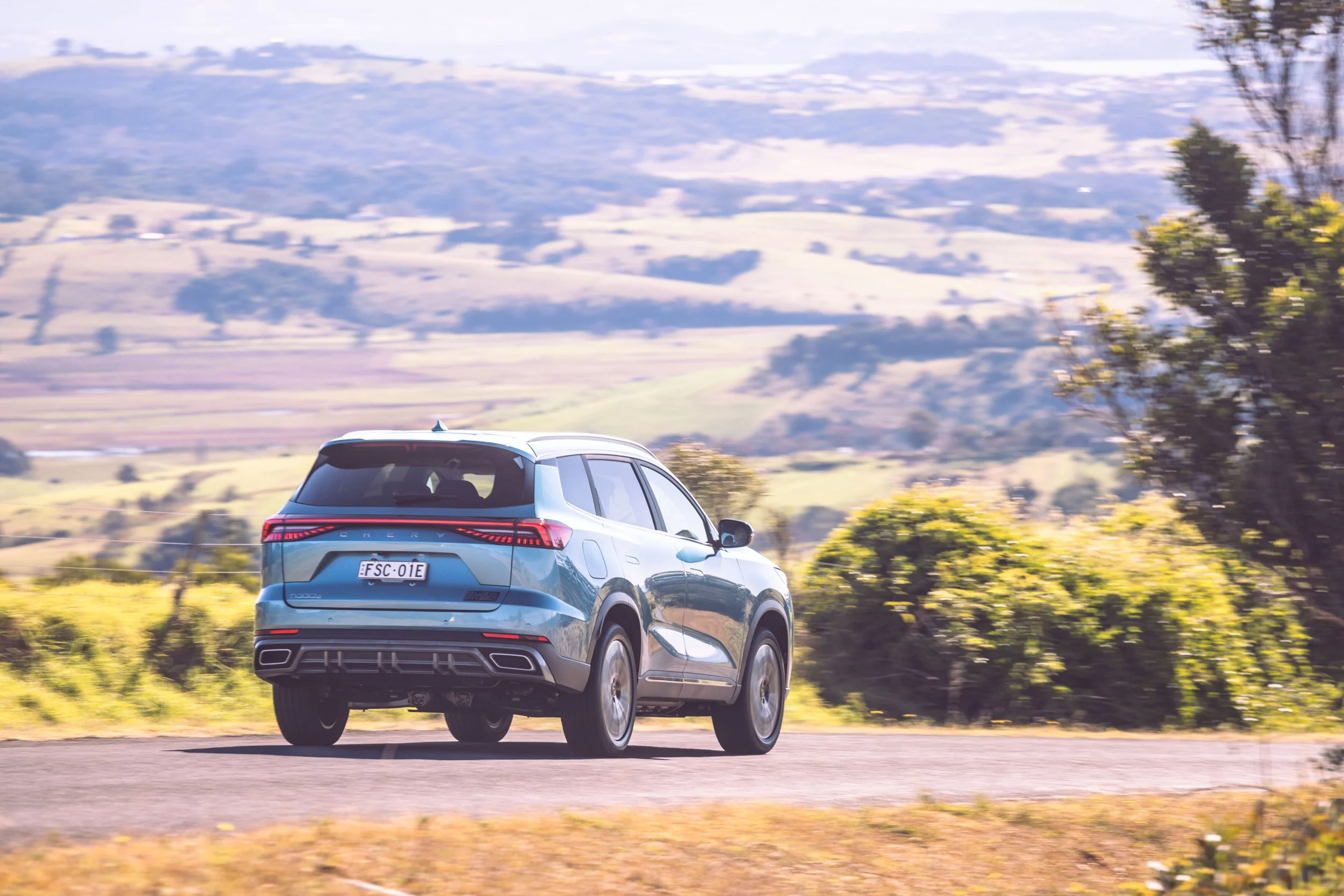
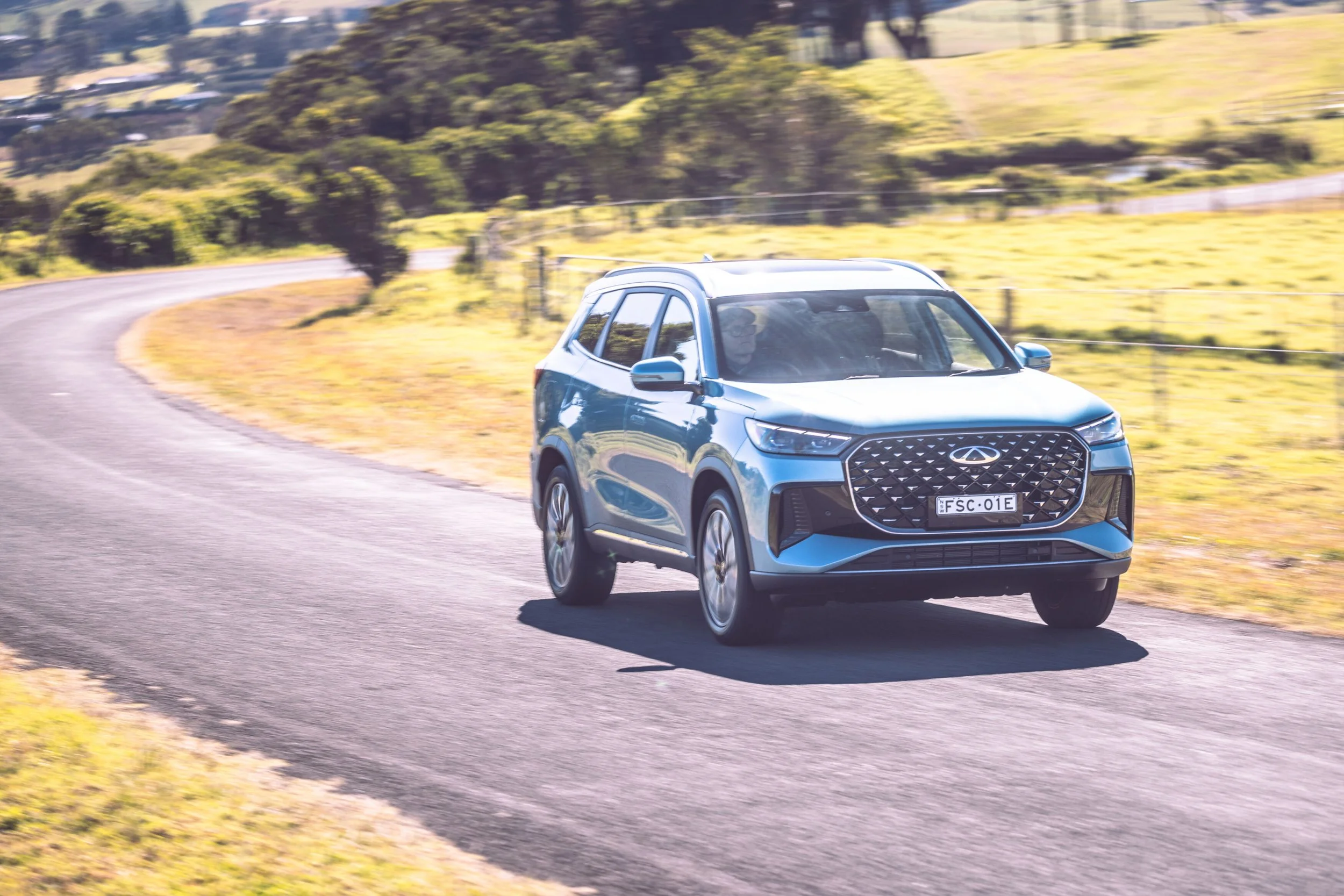
Until recently, Chinese cars were notoriously devoid of feel in the steering. This is a similar pbservation people would make about Lexus vehicles about 15-20 years ago.
But today, a Tiggo 8 or Tiggo 9 PHEV, which is a 2-tonne to 2.2-tonne, 7-seat family SUV - it’s a big unit. Surprisingly, it handles its bulk with decent ‘bump and rebound’ which is basically how well it responds to hitting a lump in the road and a pothole before settling. Closeing the doors it truly does have that bank vault feeling, and when you turn into a sharp corner you do feel that heft you’re trying to make change direction.
The steering is moderately weighty, which is what you want when you’re on a regional, twisty backroad; you want to feel the car turning when you load up the wheel. And it’s also light enough that parking and tight manouvres in driveways don’t feel like you’re trying to rotate a Soviet-era tank.
This is a difficult balance to get right. But clearly the Chery engineers at the mothership in Wuhu, China aren’t too far off. It doesn’t quite handle as silky smooth as a Kia Sorento or Hyundai Santa Fe, but gosh it’s close. Impressively so.
The main reason Tiggo 9 PHEV feels nice to drive is the immediacy of the electric motors that offer that famed ‘instant torque’ from the get-go. When you get to a corner, it’s the distribution of the mass that makes it feel stable. This is because the heavy battery, motors, combustion engine, transmission and differentials are all low down in the chassis - the battery and motors in particular.
The main issue with this vehicle, as with many of is counterparts, is the driver monitoring software which continues to be invasive. Some gorilla tape over the camera helps. But even today, you might find it’s not as invasive or full of false-positives like some established brands (like Kia or Mitsubishi).
Apart from this, the brakes work pretty well without being face-pulling, the handling is good enough and the take-off is pretty smooth.
But you should be encouraged to take your own test drive and interact with the vehicle in some level of similarity to your daily life. Plug in your phone, make a call while driving, adjust the radio and set the air-conditioning as if you were driving your regular car.
Keep an open, adaptable mindset and see if you can learn to be okay with its idiosyncracise, or if it’s a downright deal-breaker.
Ensure you do a 3-point turn, drive down some unusual streets (don’t just stick to the main roads), have a go on the freeway and have a go fitting a child restraint to see if you can live with this thing before dropping $50K on it.
FUNCTIONALITY
Legroom in the third row of Tiggo 9 is not nearly as limited as it is in the similarly sized but smaller Tiggo 8. In Tiggo 8 it’s about as restricting as the Mitsubishi Outlander’s row 3 layout. But the Tiggo 9 offers an additional 95mm of length in the body, an extra 110mm of wheelbase (which directly translates into legroom for passengers) and it’s about 70mm wider.
There’s also enough legroom that using the row 3 seats isn’t an emergency-only use scenario. You might actually consider taking additional people on a 30-60 minute drive. This just means it’s going to be feasible for taller teenagers and flexible adults.
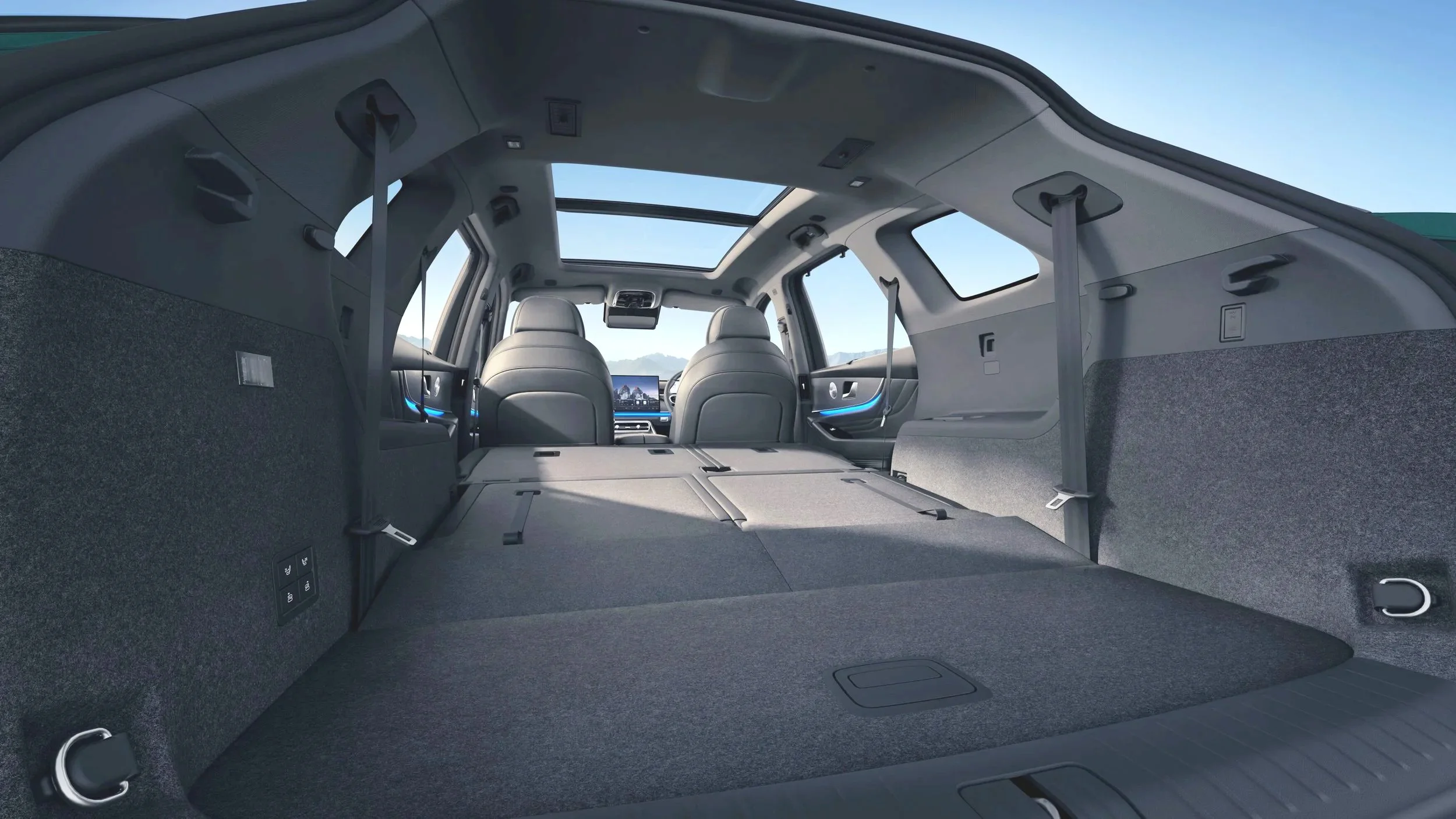
Without letting the camera angle fool you, it isn’t hard to see that there is close to (but not quite) a metre of boot floor between the tailgate aperture and the row 3 seats
The luggage space in Tiggo 9 is pretty decent. With all three rows of Tiggo 8 seats up, you get 117 litres behind the third row, but with a Tiggo 9 PHEV it’s 148 litres - that’s 26 per cent more cargo space.
With a Tiggo 8’s row 3 collapsed, you get 479 litres up to the top of the row-2 seats, and with rows 2 collapsed but packing to the roof, there’s 739 litres available - according to Chery. In the Tiggo 9 PHEV, you get 448 litres as measured to the cargo blind, but removing that you’ll obvously get more. This is most likely because under the row 3 seats sits the rear electric motor.
But in 2-seat mode, with rows 2 and 3 down, Chery states the internal cargo volumeat over 2000 litres, 2065 litres to be exact. For context, that’s more than any other plug-in hybrid on sale in Australia currently. That’s more than Outlander PHEV, Sorento PHEV, Mazda CX-80 and -90 PHEVs, and Volvo CX90 Recharge.
There is one downside to all this internal cargo space and that is the complete lack of any form of spare tyre; no space-saver, certainly no full-sizer. Just a ‘repair kit’ with a mini compressor. Now, these oftentimes do a decent job to get you to a tyre shop, however…
If you get a flat in regional areas on a Sunday evening (when everything is closed), or en route to somewhere before Monday morning daybreak (before everything opens), or if you get a sidewall puncture, or if the puncture is in fact a large gash, then compressed goop is not going to cut it. You can’t drive around on this kind of repair for long periods; it’s designed to get you home or to the nearest tyre shop for a replacement.
Also, sidewall punctures are problematic because the goop does not stick to the internal sidewall of the tyre, only on the treadface, aided by rotation of the wheel to distribute it. In this instance, or in the case of a large rip or gash in the tyre, it’s going on a towtruck.
The advantages of having a plug-in hybrid that can venture into regional Australia and its city commuting convenience are punctured by the lack of full-size spare tyre in the event of a flat…
In the unlikely event of needing to tow with your plug-in hybrid Tiggo 9, you’re restricted to 2000kg of braked capacity and limited to 100kg of towball download. That’s a 5 per cent download on the vehicle which is generally a pretty light, meaning ideally you would want more like 200kg (10%) of towball download, so the encouraged conservatism here is not towing more than about 1500kg with 100kg on the towball.
This is in the middle of the main PHEVs on sale, with Mazda CX-80 and -90 rated for 2500kg but only 100kg on the towball, which is frankly unsafe and not a limit you should be going anywhere near. The Mitsubishi Outlander PHEV has the most reasonable towing capacity rating here at 1650kg of braked capacity and 160kg of towball download, making for a much safer and less dangerous combination.
The less weight you tow is also going to have positive implications for the long-term reliability of the powertrain as well.
Impressively, the payload capacity for the Tiggo 9 PHEV is as much as 620kg for the Ultimate (with all the features) and 650kg for the Elite, which is about the same as a $160,000 Toyota LandCruiser Sahara, by the way.
DRAWBACKS
The lack of full-size spare under the boot floor is a concern for a vehicle that is, notionally, going to have six or seven people on board with a bunch of luggage. Sidewall punctures are relatively easy to suffer when you’re parallel parking and pinch the tyre on a kerb, in which case a canister of compressed goop is not going to repair the hole.
Even worse here is if you’re stranded on the shoulder of a busy motorway in 40-degree heat or torrential rain and in danger of being hit by other road users. For this reasons, it’s nice to know the Mitsubishi Outlander and Mazda CX-70 have a space-saver spare, and Hyundai Santa Fe and Kia Sorento both get full-size spare wheels.
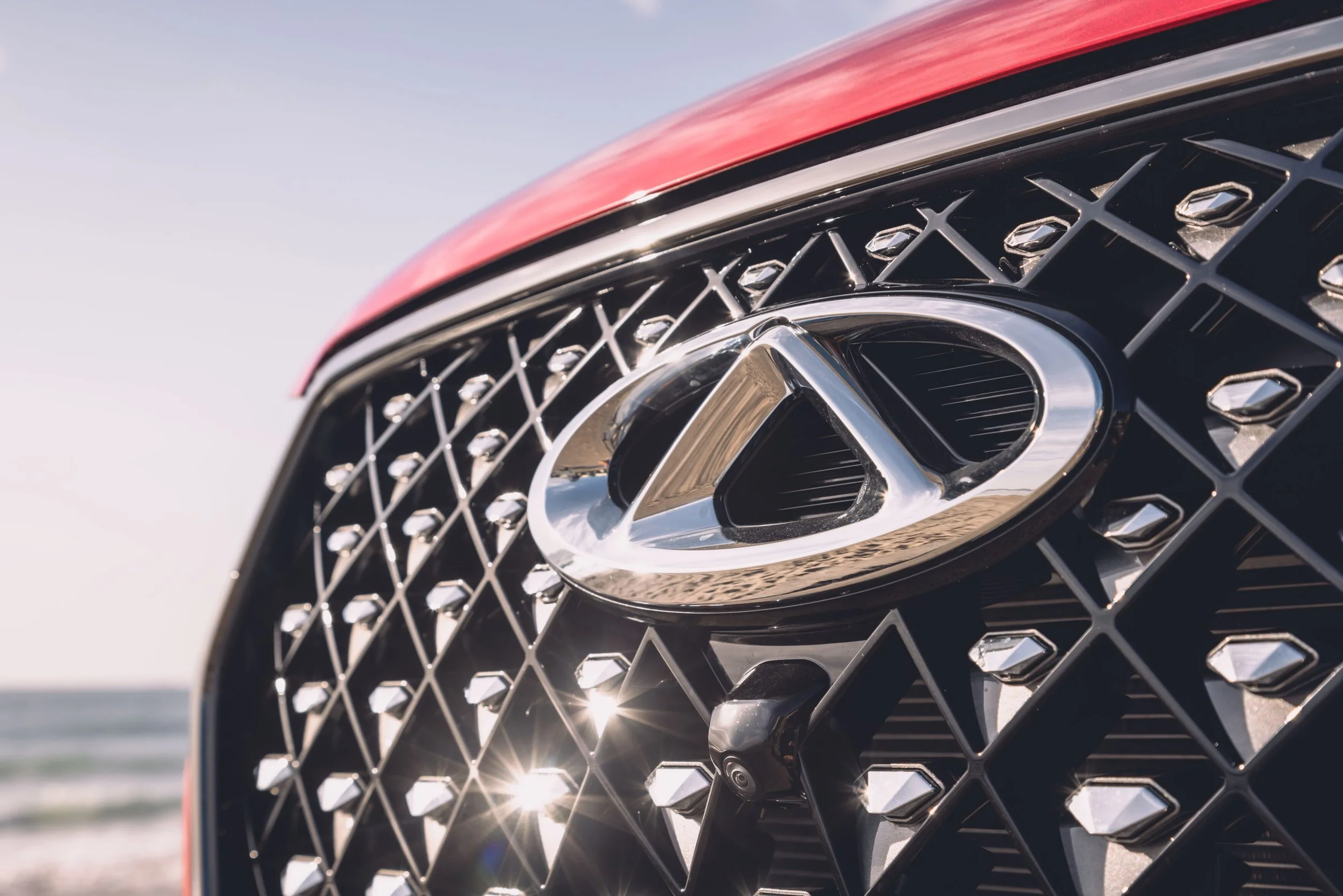
One last thing to consider here, although it’s less critical than it was the first time Chery tried to make it in the Australian market is the brand’s longevity.
In real terms, Chery has only been back selling cars here since 2023. In just three years, admittedly, they’ve grown substantially in terms of dealer footprint, sales volume and without doubt the quality is a space-program ahead of its cars from nearly two decades ago.
But it is worth just keeping in mind that brands like Honda, Nissan and Volkswagen are struggling and could leave Australia too, meaning that even big brands can collapse. So too can new players in a relatively small commercial market like ours.
With such a short track record of less than five years to go on, Chery isn’t quite there yet in terms of being unable to fail and leave you with no technical support, no onshore spare parts and a worthless warranty status.
This is not to suggest it will happen, and nor is this a willness for it to happen either. Just beware, they’re not a top 10 carmaker yet, and for this reason, you need to make an informed choice.
Tiggo 8 is also heavily compromised in terms of towing with just 75kg of towball download permitted and only 1300kg of braked capacity available. That’s just 5 per cent of the rated trailer load restrained by the vehicle and frankly, that’s pretty poor.
At 10 per cent of the maximum trailer weight capacity restrained by the Tiggo 8, you’d be restricting yourself, for safety’s sake, to just 750kg of braked capacity - so lax are Australia laws and road safety advocacy that you can leagally put just 5 per cent of 1.3 tonnes on the towball.
If you only ever do very light towing assignments, then this is actually going to be okay, but it is worth noting it’s a considerably lower working safety limit compared with its rivals.
MAIN COMPETITORS
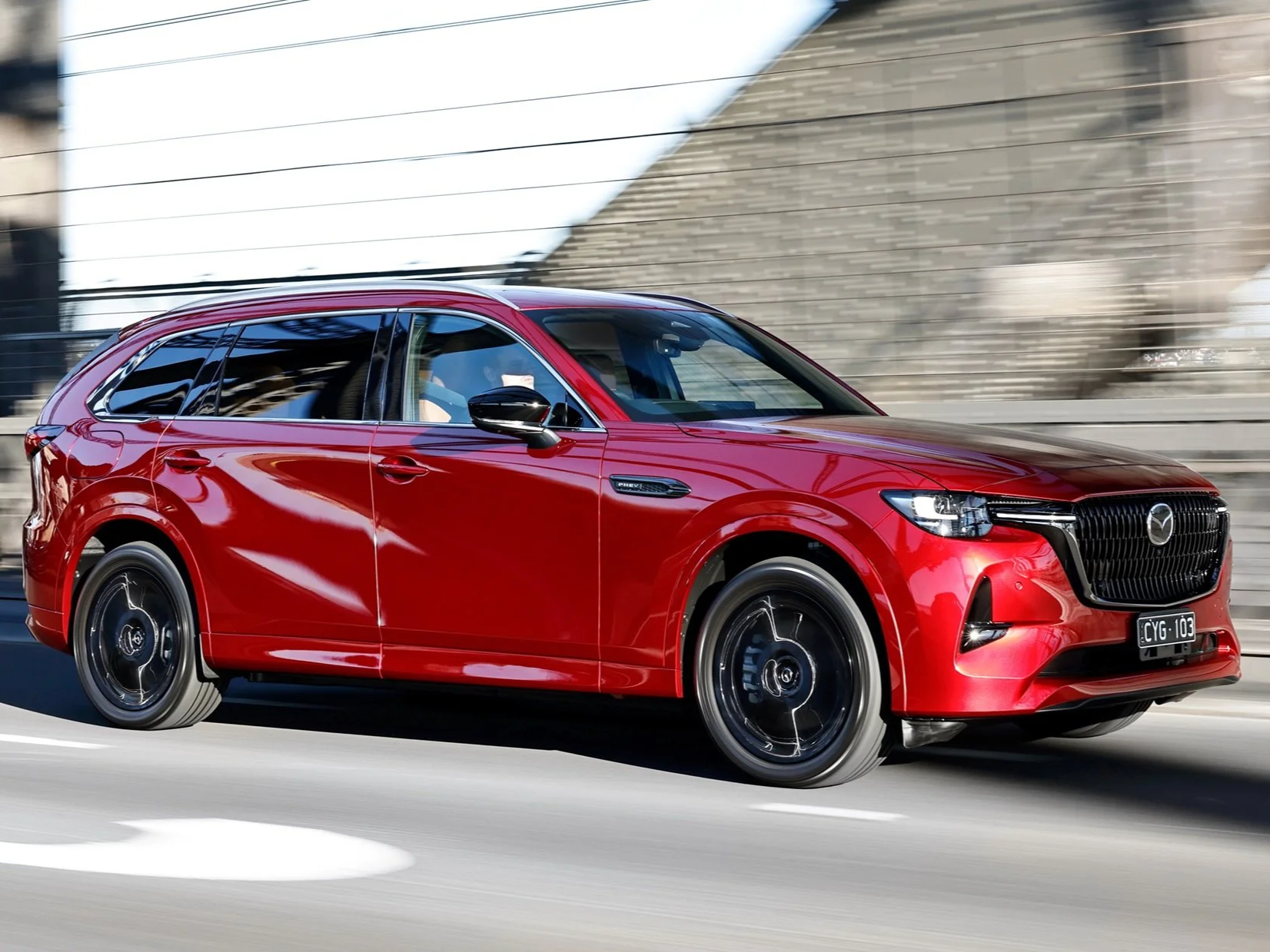
MAZDA CX-80 PHEV (AZAMI)
Combined power output: 241 kW
Kerb weight: 2267 kg
Power-to-weight ratio: 106 kW/t
Battery capacity: 17.8 kWh
Wheelbase 3120 mm
Luggage capacity: 258 L / 1971 L
Spare tyre: Temporary space-saver
Driveaway price: $86,000 (approx.)
Click here for more on Mazda CX-80 PHEV >>
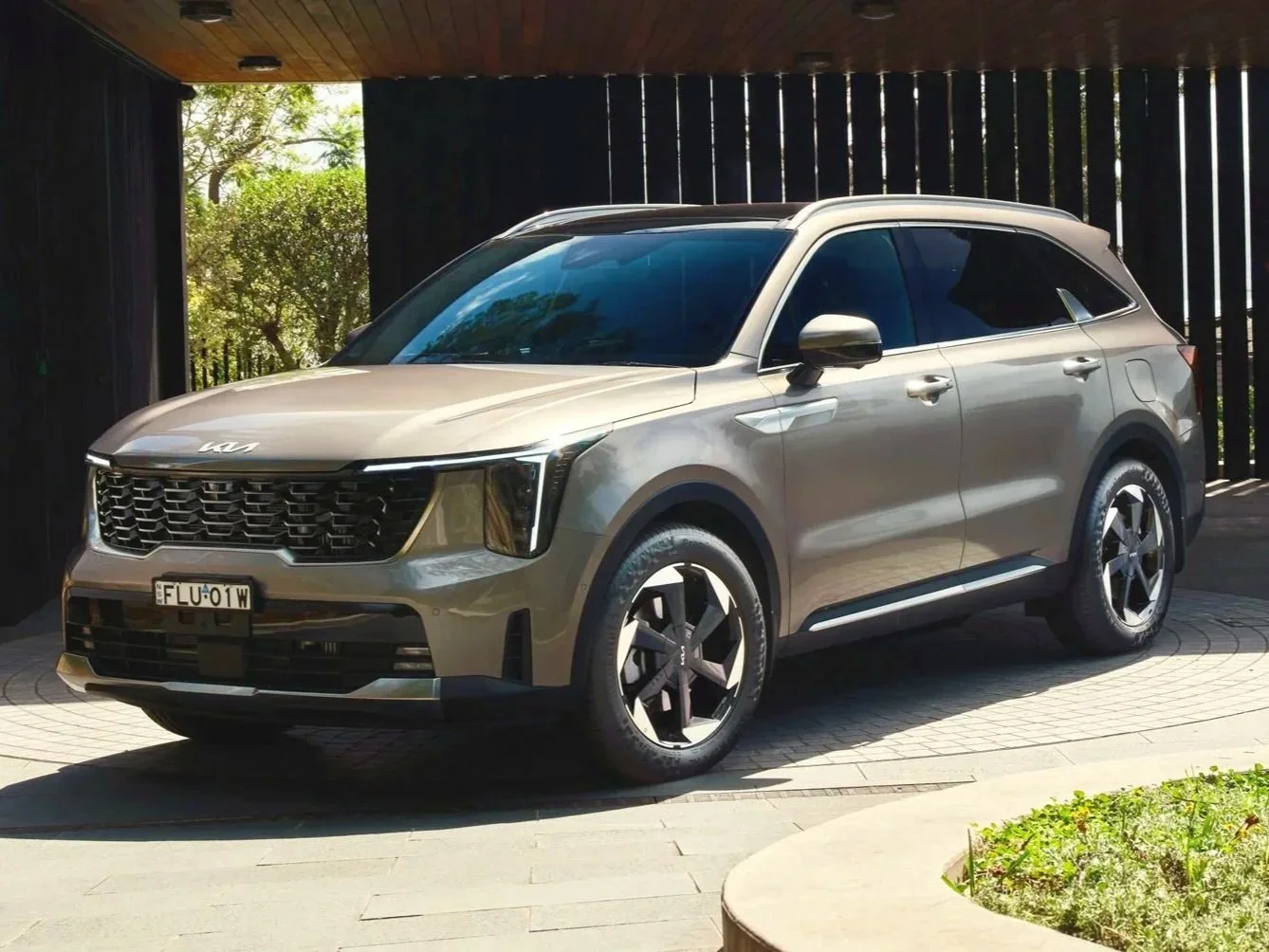
KIA SORENTO PHEV (GT-LINE)
Combined power output: 195 kW
Kerb weight: 2030 kg
Power-to-weight ratio: 96 kW/t
Battery capacity: 13.8 kWh
Wheelbase 2815 mm
Luggage capacity: 175 L / 604L / 1988 L
Spare tyre: Full-size spare matching alloy wheel & tyre
Driveaway price: $86,000 (approx.)
Click here for more on more on Kia Sorento PHEV >>
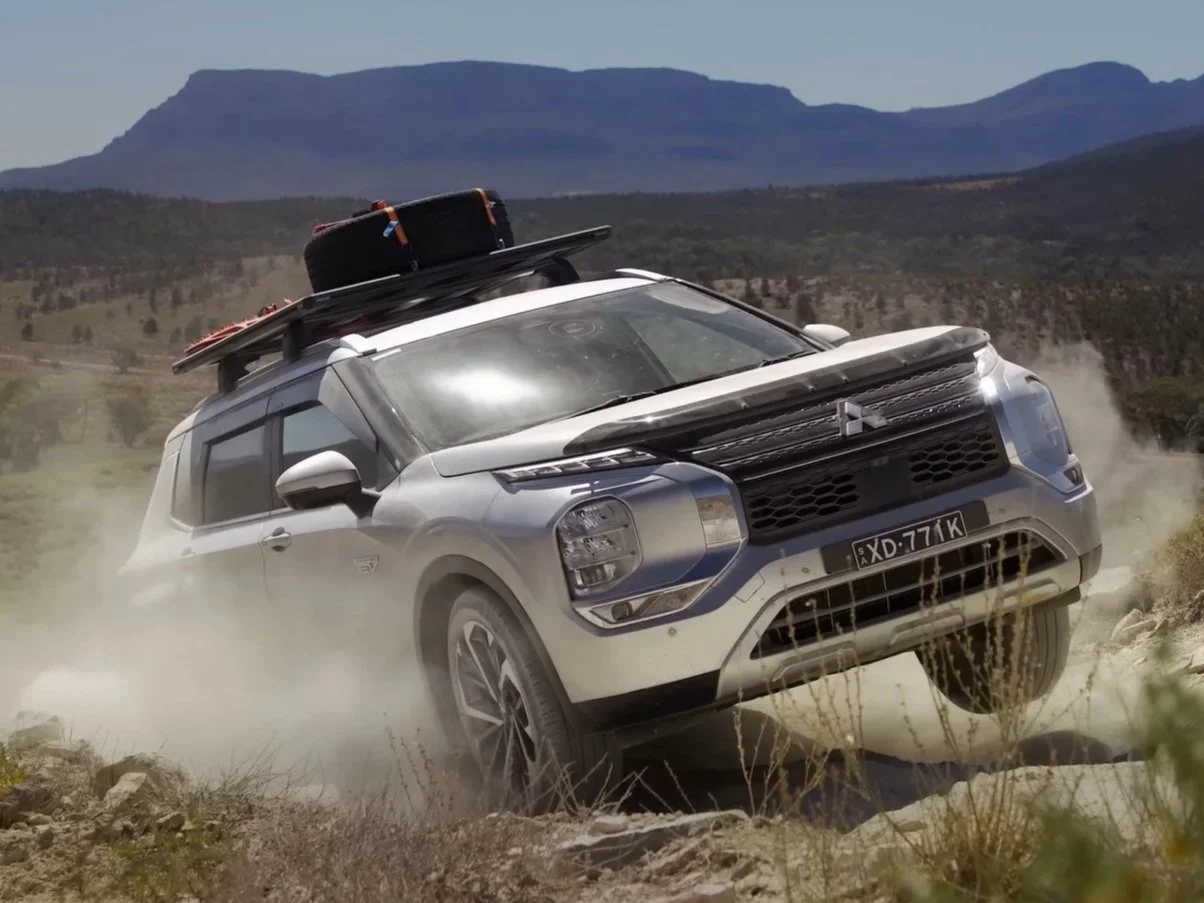
MITSUBISHI OUTLANDER PHEV (EXCEED TOURER)
Combined power output: 185 kW
Kerb weight: 2145 kg
Power-to-weight ratio: 86 kW/t
Battery capacity: 20 kWh
Wheelbase 2706 mm
Luggage capacity: 191 L / 461L / 1387 L
Spare tyre: Tyre repair kit
Driveaway price: $75,000 (approx.)
Click here for more on Mitsubishi Outlander PHEV here >>
CONCLUSION
The Tiggo 9 offers compelling value for money - there’s absolutely no doubting that - if you need to get your big family around town for a very tight budget.
But if the budget isn’t quite that tight and you do have some room to wriggle, there are more options within a similar price range that offer you better residual value over the life of the vehicle. Depreciation isn’t always going to be an issue for everyone, but it can be a hidden cost when buying such an affordable family vehicle, because having a very low base price means you will lose value quicker than the more established brands’ products.
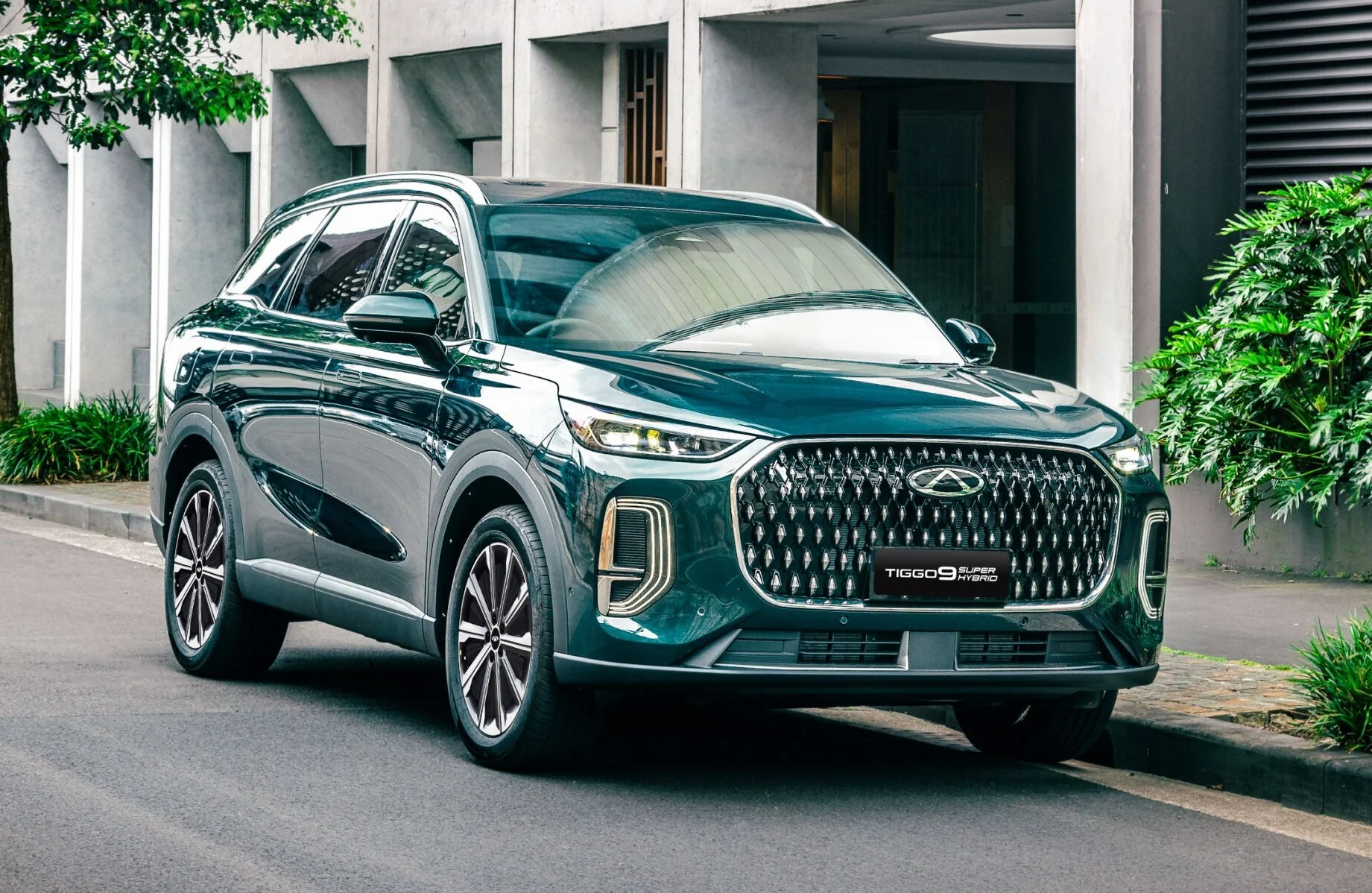
Tiggo 9 drives okay, it rides okay and it has pretty decent space and capability for plenty of Aussie families who need to get out of their old tank and into something more modern, more economical and safer. It also goes like stink.
But it would be doing yourself a massive disservice to just buy based on price alone, because as the old adage goes, you do get what you pay for, especially when you’re shopping for a new family SUV. Kia and Mitsubishi have their rock-solid reputations for customer support for a reason, and Chery doesn’t quite have the same level of suport infrastructure in place - yet.
Tiggo 9 PHEV is not the best value in its class, it’s astonishingly good value. The performance and capability it offers as a 7-seater that can commute to the city, visit the regions, offer all-wheel drive and all the equipment you could possibly want, makes it compelling.
You just have to decide if spending an additional $10,000 for less power and fewer features is worth it in favour of stronger aftersales support and a brand you know with a longer track record.
More reports
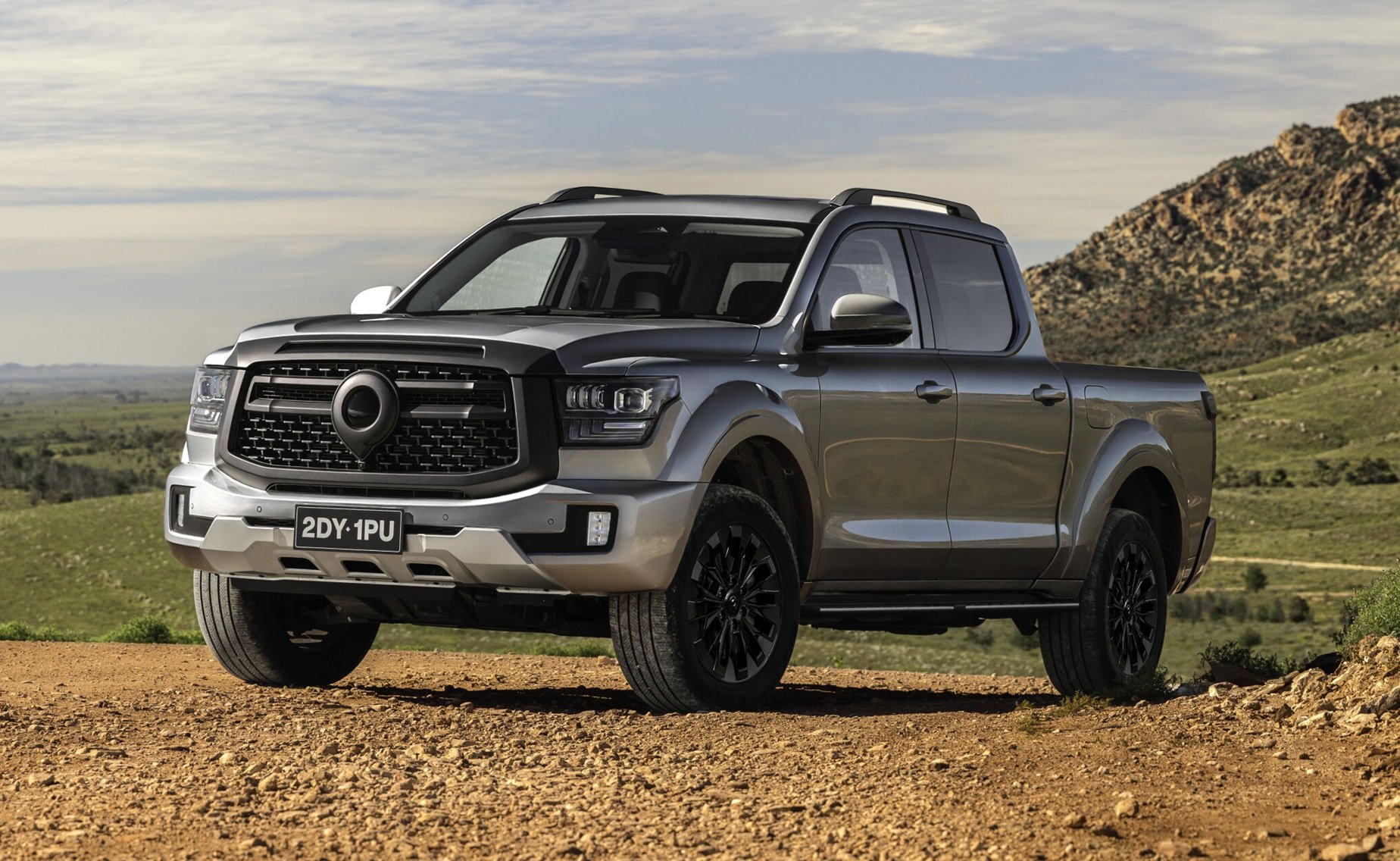


The GWM Tank 500 is so much more than just a copycat Toyota Prado. It offers genuine off-road chops, a serious powertrain capable of heavy towing and a cabin interior that looks a decade more modern than the lady LandCruiser it resembles.