Suzuki Jimny Dealer Said ‘No Fault Found’: Here's What to Do Next
In this Q&A: If your Suzuki Jimny develops transfer case or differential noise but the dealer says it's "normal", here's what to do if an independent mechanic later confirms a genuine fault and what your rights are under Australian Consumer Law.
Short version: If an independent mechanic confirms your vehicle has a genuine mechanical fault, a dealer's earlier "no fault found" diagnosis does not automatically defeat your rights. The key is independent evidence, written records, and understanding your protections under Australian Consumer Law and the manufacturer's warranty.
QUESTION
Hi John,
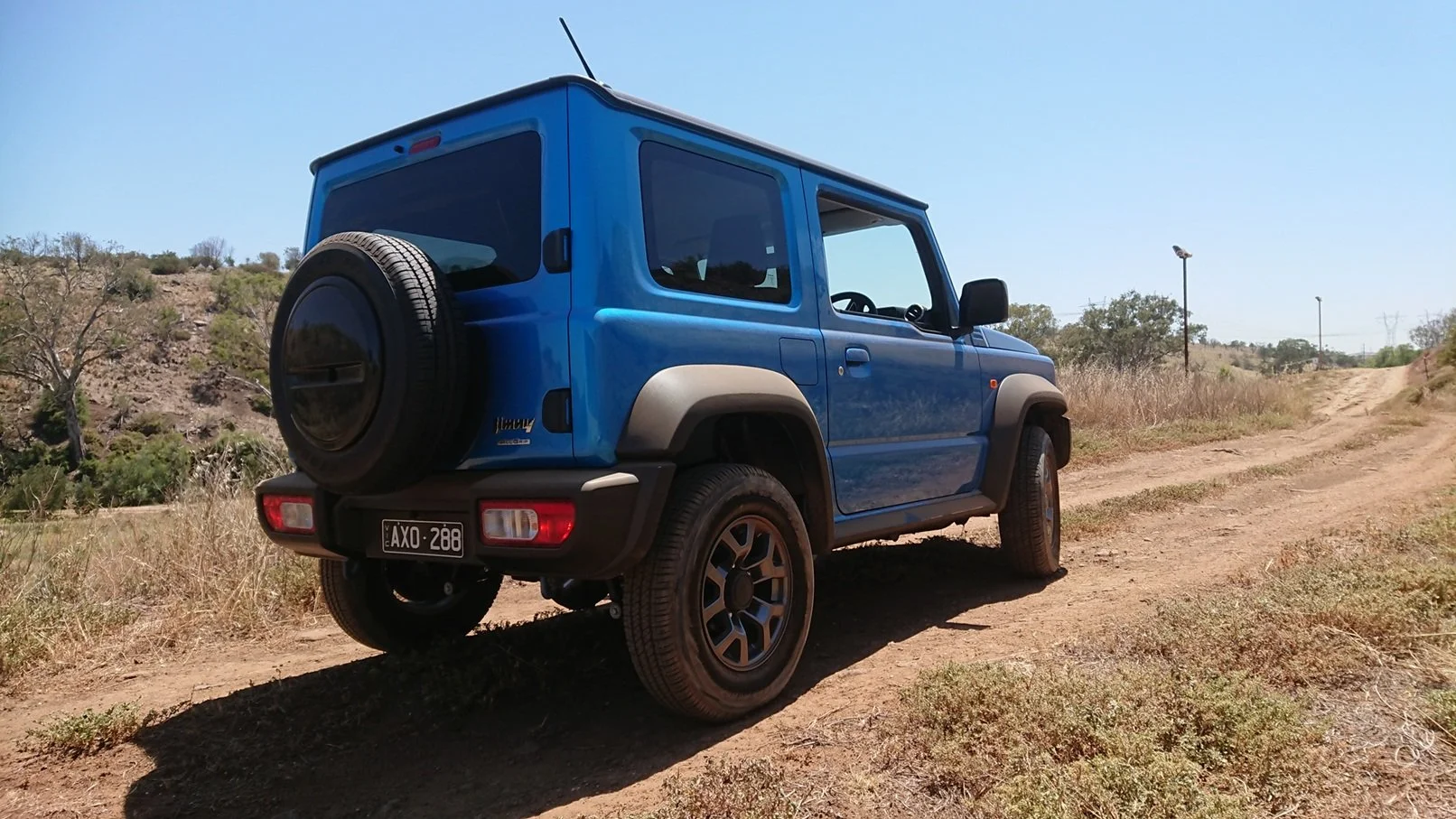
I own a 2022 Suzuki Jimny manual. It has developed two driveline noises: a grinding noise that appears to be coming from the transfer case, and a whining noise from the rear differential that gets louder with road speed.
I took the vehicle to a Suzuki dealership and asked them to investigate. I also took a technician for a test drive, during which both noises were identified.
The vehicle was later returned to me with the explanation that the noise was “just a Jimny thing”, and that a rattle was caused by an aftermarket exhaust. The exhaust is actually stock.
My concern is that the vehicle may not have been properly inspected. If I now pay an independent, reputable mechanic to examine it, and they confirm that the noise is caused by internal wear or a developing failure, where does that leave me with Suzuki? Can they refuse to honour warranty or consumer law obligations simply because their dealer claimed they found nothing wrong?
What would be the best course of action?

ANSWER
Here’s the practical four-step process.
Step one: establish whether the fault actually exists.
Not every noise, vibration or harsh shift is a defect. Some things are just normal operating characteristics. But “they all do that” is not a diagnosis.
Get the vehicle checked by a competent independent mechanic — preferably one who works on plenty of similar vehicles, or in this case, plenty of 4X4s. A 30-minute road test and inspection should often be enough to confirm whether the noise is real, repeatable and abnormal.
Most importantly: get the mechanic’s findings in writing. It does not need to be War and Peace. It just needs to say what was inspected, what was observed, under what conditions the fault occurs, and whether the mechanic considers it abnormal for the age, kilometres and type of vehicle.

Step two: get an independent view on the likely cause.
You need to know, on the balance of probability, whether this is a manufacturing or durability issue, normal wear and tear, accident damage, poor servicing, abuse, or modification-related.
If you caused the problem — by not servicing the car, driving huge kilometres, running 4H on dry bitumen, bolting on a dirty big turbo and doing endless four-wheel burnouts — that’s on you. Consumer law is not idiot insurance.
But if the vehicle is young, properly serviced, unmodified in any relevant way, and a driveline component is grinding or whining because it is wearing prematurely, that is a very different conversation.
Again, ask the mechanic to include this view in the written report: likely source of the noise, likely cause, and whether the fault appears consistent with premature wear or failure.
Step three: decide whether you probably have a claim.
This is where you separate emotion from evidence. If the independent diagnosis says the fault is real, abnormal, and not caused by the owner, then you may have recourse under the manufacturer’s warranty and/or the Australian Consumer Law.
Under the ACL, the key issue is not whether the dealer feels like helping you. The question is whether the vehicle meets the consumer guarantee of acceptable quality — including being durable, free from defects, safe, and fit for normal use, having regard to things like age, kilometres, price and how the vehicle has been used.
Step four: decide whether it is worth fighting for.
Ask the independent mechanic for a rough estimate to fix the problem, and include that estimate with the written report if possible.
If it’s a minor noise with no clear defect and a low-cost fix, you might choose not to die in a ditch over it. But if it’s a transfer case, differential, gearbox, engine or other expensive failure, then it is probably worth escalating.
From that point on, do everything in writing. Write to the dealer that sold you the car, because under the ACL the selling dealer is the supplier and has direct obligations to you. Attach the independent report. State what you want: diagnosis, no-cost repair, or another appropriate remedy. Give them a reasonable deadline to respond.
And stop relying on verbal conversations with service advisers. If it is not in writing, it basically did not happen.
The Bigger Lesson
Whether the dispute involves Hyundai, MG, Toyota, Ford, Mitsubishi or any other brand, the biggest mistake consumers make is assuming the outcome will depend on who's "right".
It rarely does.
Manufacturers and dealers work within systems. They have processes, documentation, policies and legal obligations. If you want the best chance of a successful outcome, you need a system too.
That means keeping good records, communicating in writing, understanding the difference between a manufacturer's warranty and your rights under Australian Consumer Law, and knowing how to present your case professionally.
Most consumers don't lose because they have a weak case.
They lose because they have a weak process.
That's exactly why I created my Consumer Rights course.
It walks you through the record-keeping system I recommend, explains how manufacturers, dealers and Australian Consumer Law actually fit together, and shows you how to maximise your chances of achieving a practical, commercial outcome—without unnecessary conflict or expensive legal action.
If you're currently dealing with a warranty dispute, or simply want to be properly prepared before one ever happens, it's well worth a look.
Learn more about my Consumer Rights course here.