Hyundai Kona transmission failure after warranty: what should you do?
In this Q&A: A major transmission failure just after the factory warranty expires can leave used-car owners facing an enormous repair bill. Before accepting an expensive dealer quote, there may be more practical and affordable options worth exploring.
Short version: A dealer's $10,000-plus transmission replacement isn't always the only solution. An independent transmission specialist may be able to rebuild or repair the gearbox for much less, while the long-term lesson is to favour conventional torque-converter automatics and always obtain a pre-purchase inspection when buying used.
QUESTION
Hi John,
Firstly, my husband and I love your videos and always get your opinion on anything automotive, but we're in a huge bind and would appreciate your advice.
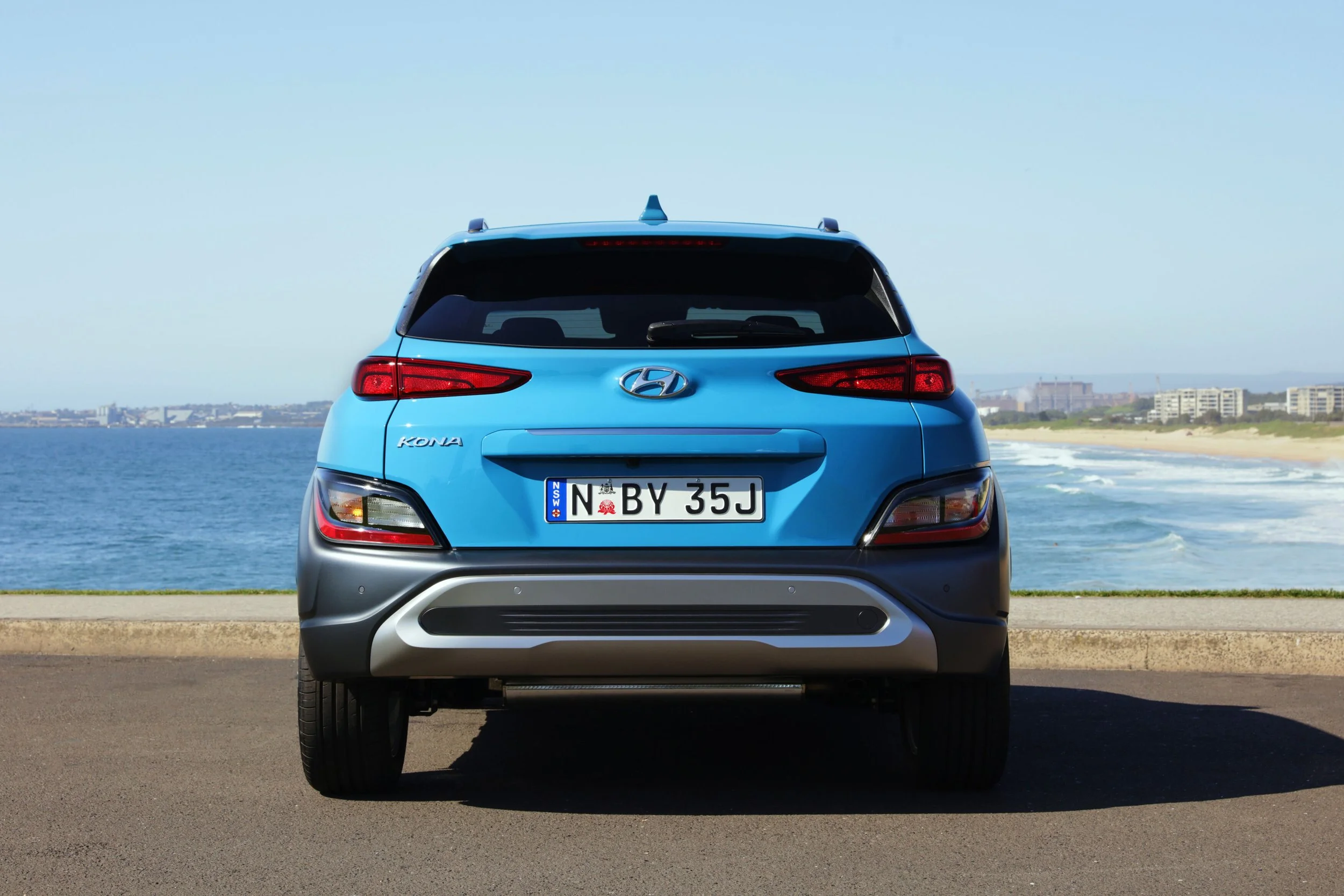
About a year ago we bought a 2021 Hyundai Kona for our daughter through a private sale. It still had about a year of the factory warranty remaining and appeared to be in excellent condition.
Just one month after the warranty expired, our nearest Hyundai dealer told us the gearbox had suffered "premature wear and tear resulting in major gearbox failure". They said it wasn't safe to drive and kept the vehicle to submit a warranty claim to Hyundai, believing it would probably be approved.
Unfortunately, we've since been told that because we bought the car privately we have no protection, and we've been quoted more than $10,000 to replace the transmission.
We've contacted Hyundai Customer Care but haven't had much success, and from what we've read, pursuing the matter legally doesn't appear particularly promising.
We genuinely thought we were doing the right thing by buying a relatively new used car for our daughter, and we simply can't afford a repair bill like this.
Do you have any suggestions?
ANSWER
I'm sorry to hear you and your family are dealing with this.
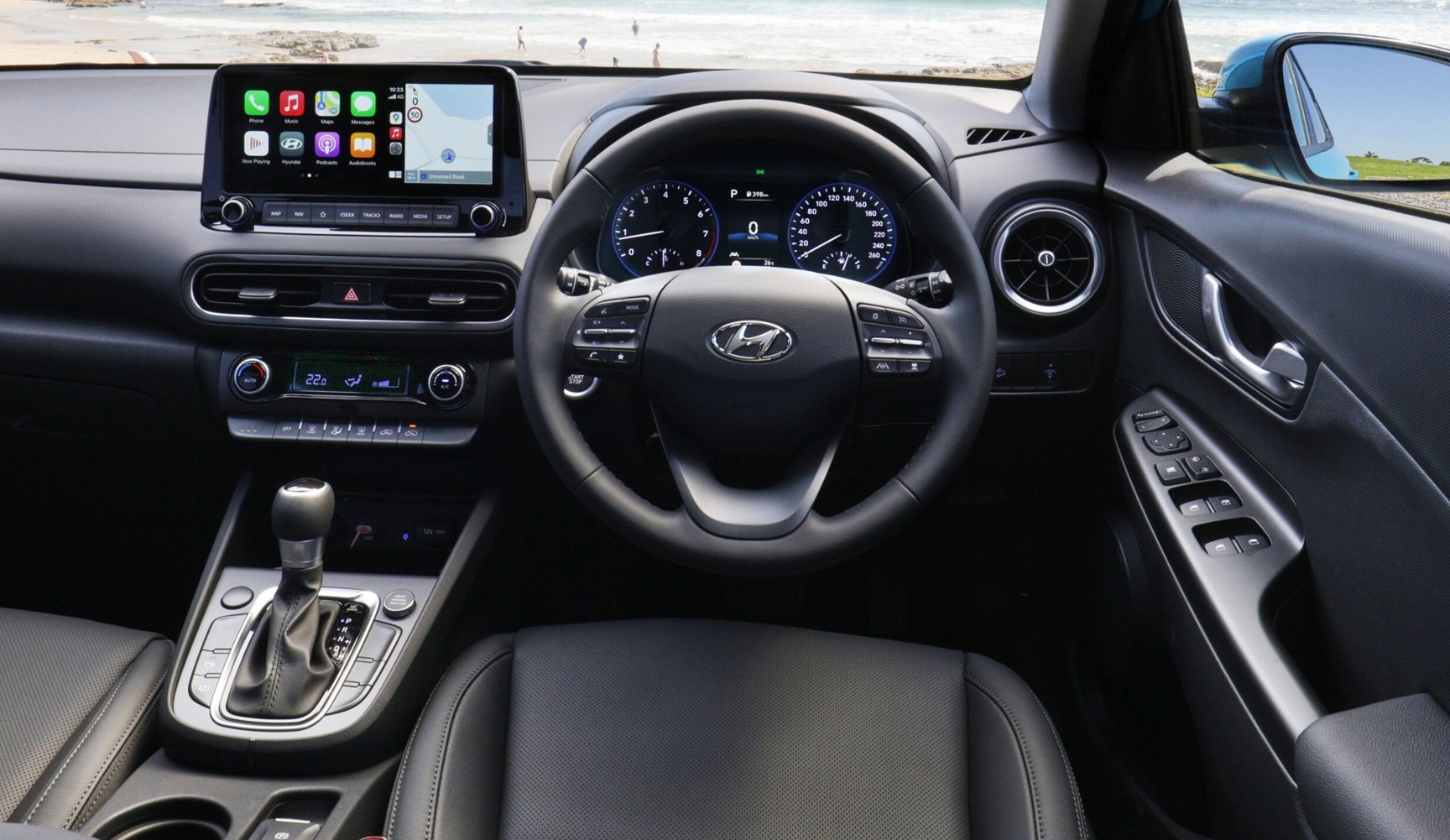
Based on your description, my first suspicion is that the vehicle has either a continuously variable transmission (CVT) or a dual-clutch transmission (DCT), depending on the exact Kona variant.
If it's a dual-clutch transmission, one possibility is premature clutch wear. DCTs don't tolerate creeping in traffic the way conventional torque-converter automatics do. Allowing them to inch forward continuously under load is effectively the same as riding the clutch in a manual, and it can significantly shorten clutch life.
Conventional epicyclic (torque-converter) automatics are much more forgiving. That's one reason I generally recommend them over CVTs and DCTs if long-term durability is your priority.
The other thing that caught my attention was the quoted repair cost. More than $10,000 is, unfortunately, not unusual at a dealership, where replacing the complete transmission is often the default repair strategy.
Before committing to that, I'd strongly suggest speaking with one or more reputable independent transmission specialists. Depending on the nature of the failure, rebuilding the transmission or fitting a quality rebuilt unit may be substantially more economical than replacing it with a brand-new assembly through the dealer network.
As for Australian Consumer Law, I can't tell you whether you have a viable claim based only on an email. There are too many variables, including the exact circumstances of the purchase and the nature of the failure.
For future purchases, my general advice is to favour vehicles fitted with conventional epicyclic (torque-converter) automatic transmissions. They're generally more robust, more tolerant of everyday driving conditions and less likely to result in extremely expensive transmission repairs.
Whatever you buy, I'd also recommend arranging an independent pre-purchase inspection before handing over your money.
Follow-Up
QUESTION
Hi John,
I thought I'd let you know how everything turned out. Fortunately, Hyundai and the selling dealer agreed to replace the transmission as a goodwill gesture, sharing the cost between them.
I also wanted to clarify something I didn't mention originally.
The Kona actually has a CVT, not a dual-clutch transmission, and the dealer found metal fragments in the transmission oil.
After everything happened, I spent quite a bit of time reading owner forums and social media. I found many other Kona owners reporting exactly the same problem. Some owners said they'd had multiple transmission replacements while still under warranty, with some failures occurring when the vehicles were less than six months old.
When I asked Hyundai whether they were aware of any issue, they told me they weren't.
Ironically, we're now looking to replace our Kia Sportage with something smaller, and your Kona recommendation had been on our shortlist. We're now having second thoughts.
Have you heard of this issue, and has your advice changed?
ANSWER
Firstly, thanks for taking the time to let me know how it turned out.
I'm genuinely pleased Hyundai and the selling dealer stepped up. A shared goodwill replacement is a far better outcome than being left with a five-figure repair bill.
The additional detail about the CVT is also useful.
Finding metal debris in the transmission oil is generally consistent with an internal mechanical failure rather than simply a calibration or software problem.
As for the owner reports you've found online, I don't doubt that many people have experienced similar failures. However, it's important to remember that owner forums and Facebook groups are anecdotal by nature. They can identify patterns worth investigating, but they don't, by themselves, prove the existence of a widespread manufacturing defect.
Likewise, I'm not especially surprised Hyundai says it isn't aware of a broader issue. Manufacturers rarely acknowledge systemic problems publicly unless there's a formal recall or some other compelling reason to do so.
My buying advice remains the same: Rather than focusing solely on the badge, I'd focus on the drivetrain.
If long-term durability is your priority, I'd generally choose a conventional epicyclic (torque-converter) automatic over either a CVT or a dual-clutch transmission.
It's also worth remembering that Hyundai and Kia are, for practical purposes, sister brands within the same automotive group. They share a great deal of engineering, including platforms, engines, transmissions and electronic systems. The styling and marketing differ, but many of the mechanical components underneath are substantially the same.
That doesn't mean I'd avoid every Hyundai or every Kia. Both companies build some very good vehicles.
It simply means I'd pay much closer attention to the specific powertrain than the badge on the bonnet. That's where the biggest long-term reliability differences usually lie.
Just keep in the back of your mind the fact Hyundai has actually done the right thing here, where many other brands (the ones we don’t recommend) would have maintained their position and hung you out to dry, so to speak.
The Bigger Lesson
Whether the dispute involves Hyundai, MG, Toyota, Ford, Mitsubishi or any other brand, the biggest mistake consumers make is assuming the outcome will depend on who's "right".
It rarely does.
Manufacturers and dealers work within systems. They have processes, documentation, policies and legal obligations. If you want the best chance of a successful outcome, you need a system too.
That means keeping good records, communicating in writing, understanding the difference between a manufacturer's warranty and your rights under Australian Consumer Law, and knowing how to present your case professionally.
Most consumers don't lose because they have a weak case.
They lose because they have a weak process.
That's exactly why I created my Consumer Rights course.
It walks you through the record-keeping system I recommend, explains how manufacturers, dealers and Australian Consumer Law actually fit together, and shows you how to maximise your chances of achieving a practical, commercial outcome—without unnecessary conflict or expensive legal action.
If you're currently dealing with a warranty dispute, or simply want to be properly prepared before one ever happens, it's well worth a look.
Learn more about my Consumer Rights course here.