
Preventing DPF and injector death in your modern diesel engine
Modern diesel vehicles are brilliant things — until they’re not.
A dual-cab ute or diesel SUV today has come a long way from grandad’s Massey-Ferguson. We’re talking computer-controlled injection, high-pressure piezo injectors, variable-geometry turbos, EGR systems, catalytic converters and DPFs.
That complexity gives you spectacular torque, decent economy and far cleaner emissions than the diesels of old. Unfortunately, that complexity is also the enemy of long-term reliability.
And when things go wrong in a modern diesel, they tend to go wrong expensively. DPF problems, injector issues, turbo contamination, EGR soot build-up — none of that is the kind of news you want from the service department.
So I’ve adopted a simple, cost-effective preventative maintenance protocol for my own diesels: every three months, I treat the fuel system. That’s two different treatments for two different problems, each twice a year. Let me explain:
Right now, I’ve also done a deal with Nulon and Auto One to get you 35 per cent off my two specific Nulon diesel treatments until Friday 10 July 2026.
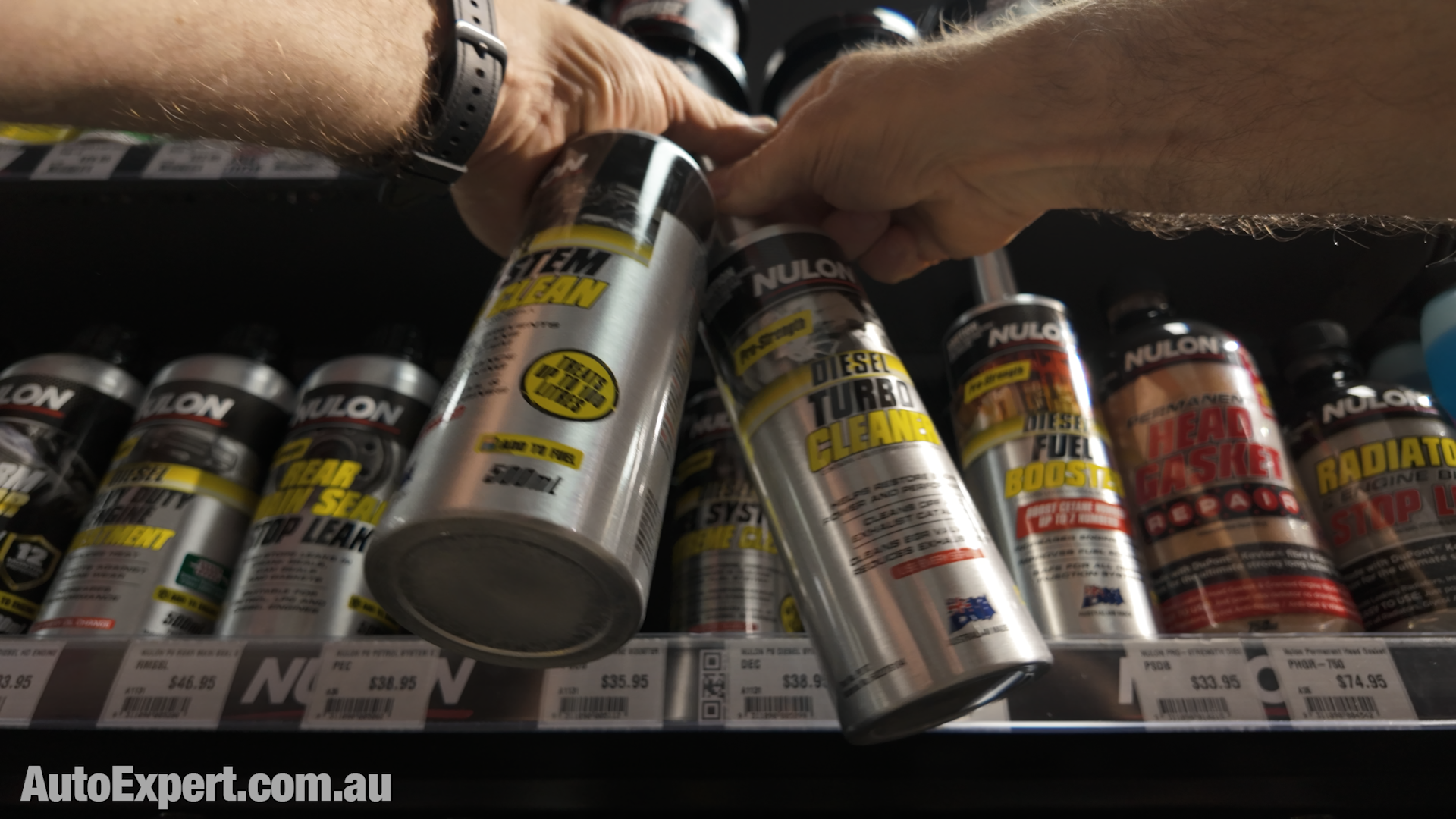
The two products are:
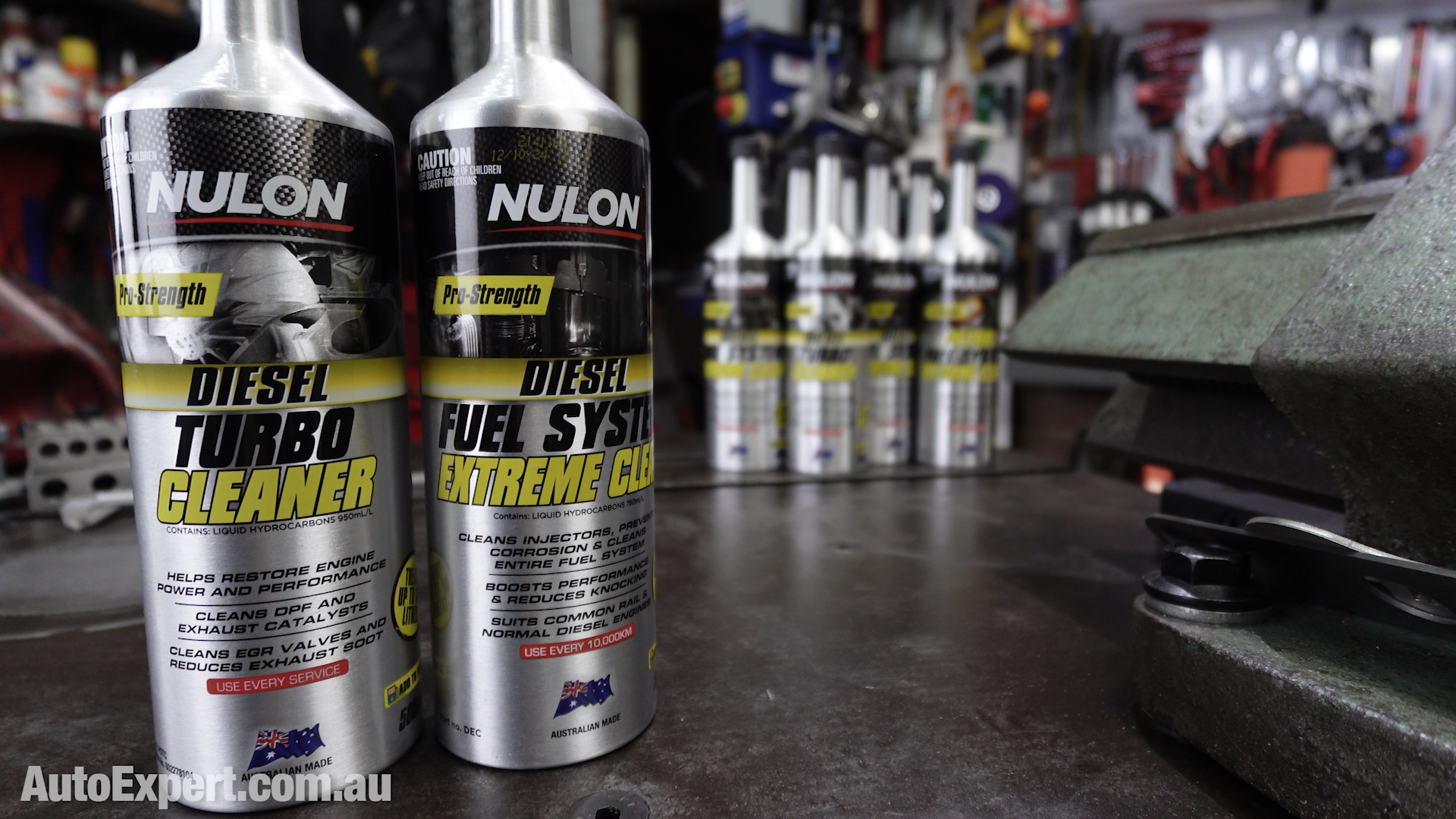
My recommendation is simple: buy four bottles while the discount is live — two of each — and you’ve essentially got a full year’s treatment program sitting on the shelf in your shed.
Get 35% off now (before 10 July)
That works out to about $100 for the year, or roughly $25 every three months.
Compared with the cost of a DPF, injectors, turbo, or — worst case — a new engine, that’s very cheap insurance.
Buy the Nulon diesel additives at Auto One before Friday 10 July.

Why modern diesels need help
Diesel fuel is not just “diesel”. It’s a chemical cocktail refined from crude oil, with various additives blended in before it reaches the bowser.
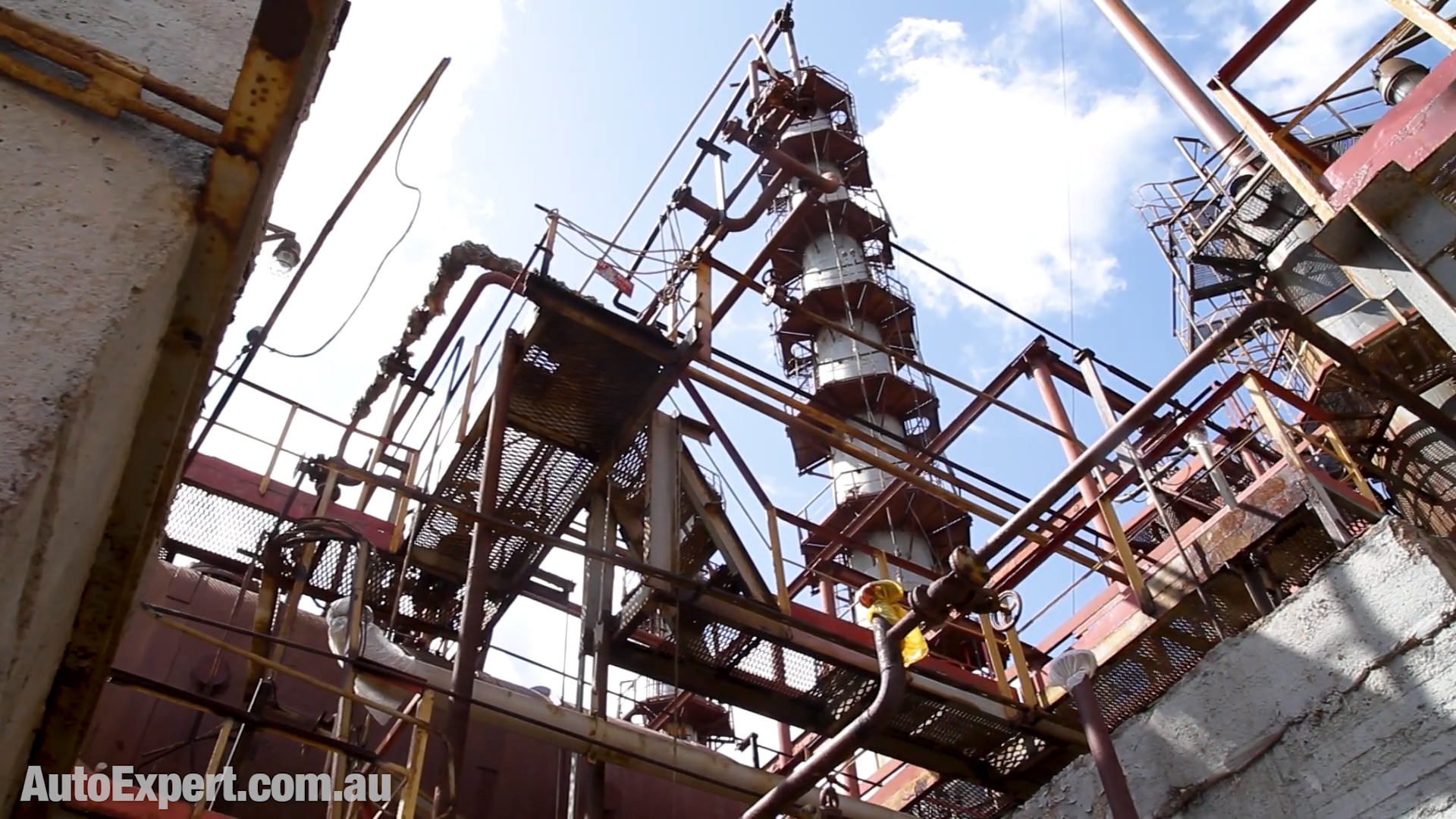
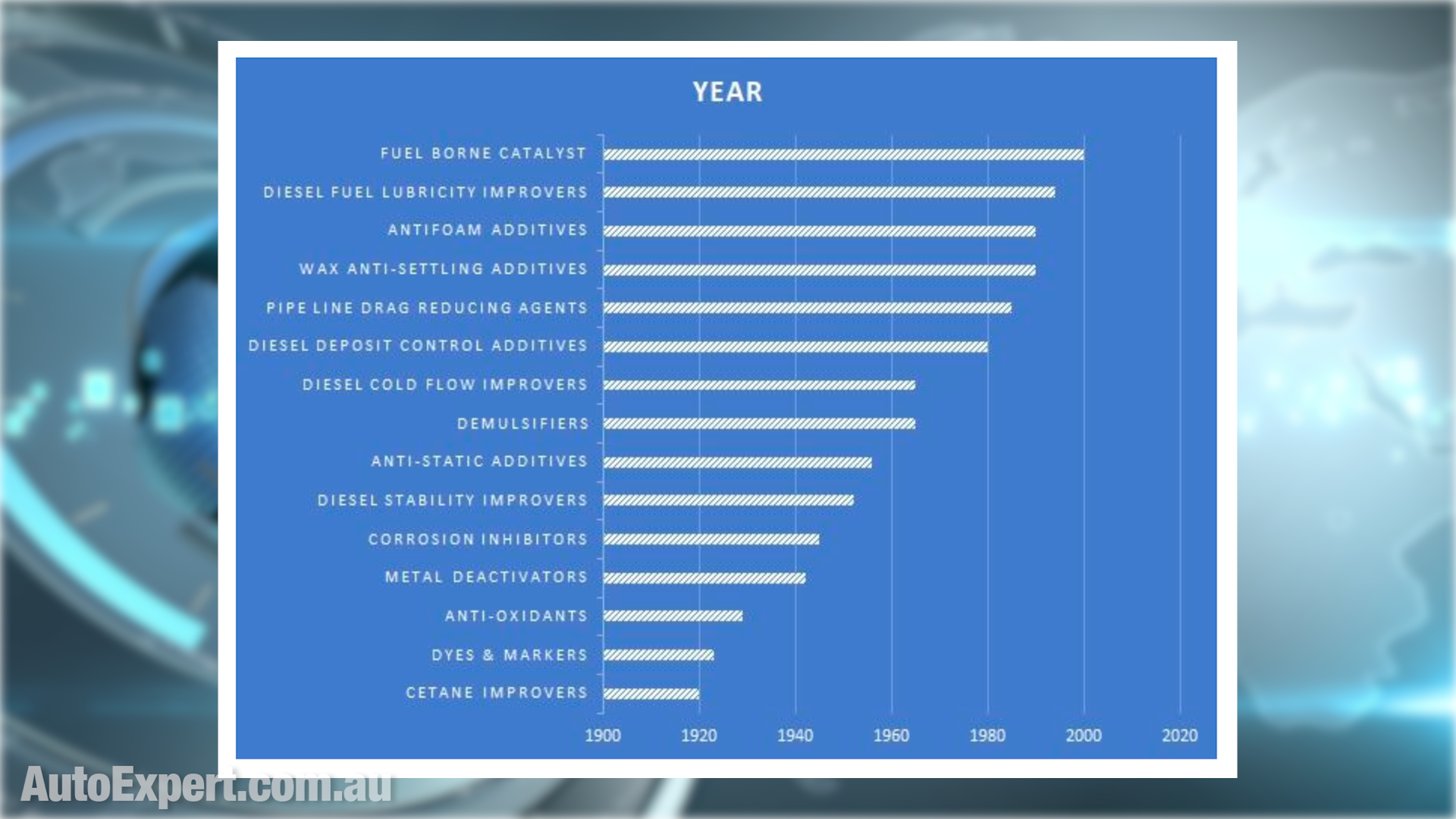
That can include anti-foaming agents, biocides, cetane improvers, stabilisers, corrosion inhibitors and other chemistry designed to make the fuel behave properly in storage, delivery and combustion.
The problem is that modern diesel engines ask a hell of a lot from that fuel.
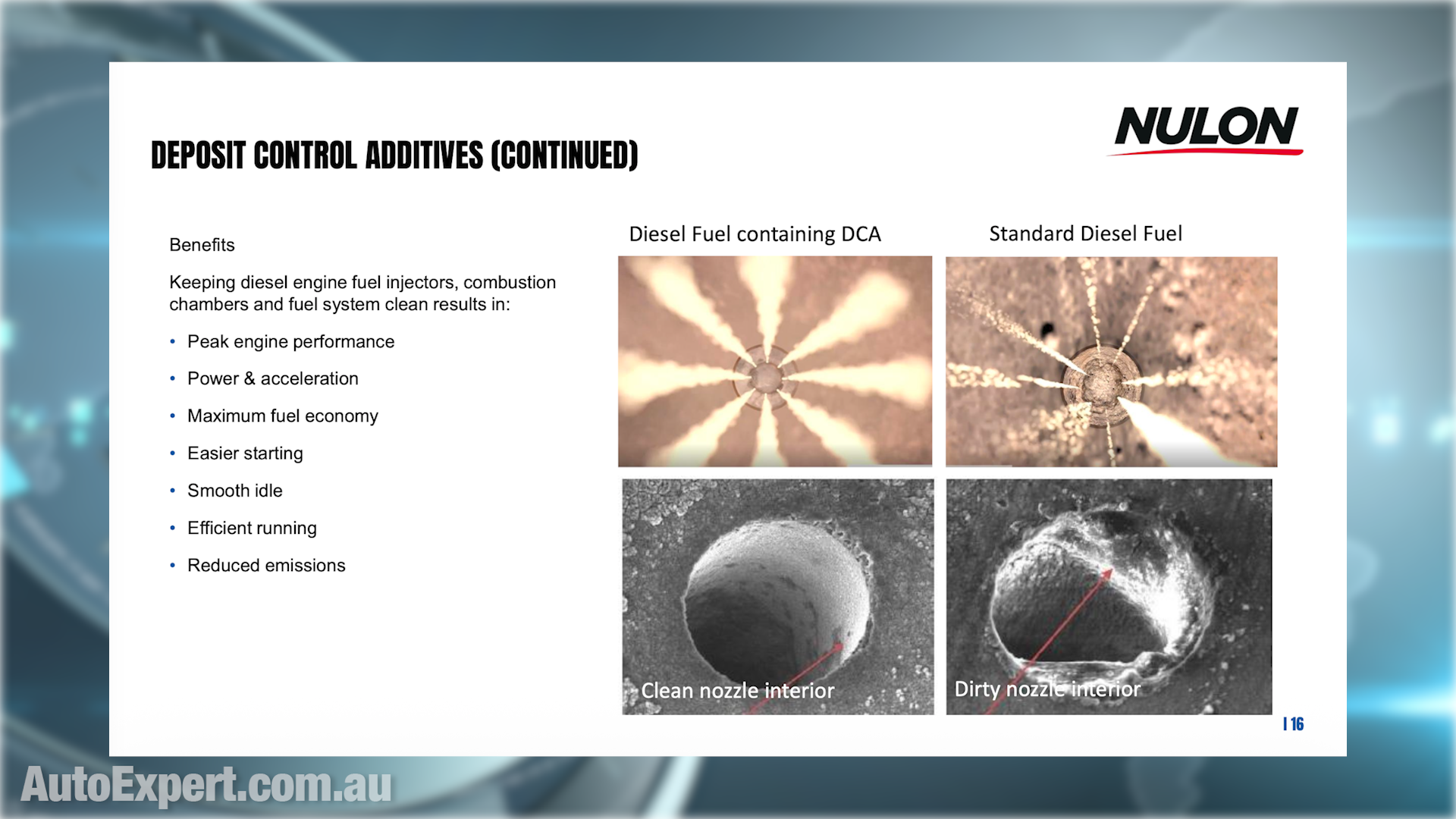
Injector nozzles can have holes roughly the diameter of a human hair. High-pressure injection systems are intolerant of deposits. DPFs rely on the controlled oxidation of soot. EGR systems and variable-geometry turbos live in a world of heat, carbon, oil vapour and unpleasantness.

So the fuel matters.
And according to Nulon, standard diesel fuel in Australia does not contain the full chemical support package you might reasonably want if your priority is long-term ownership.
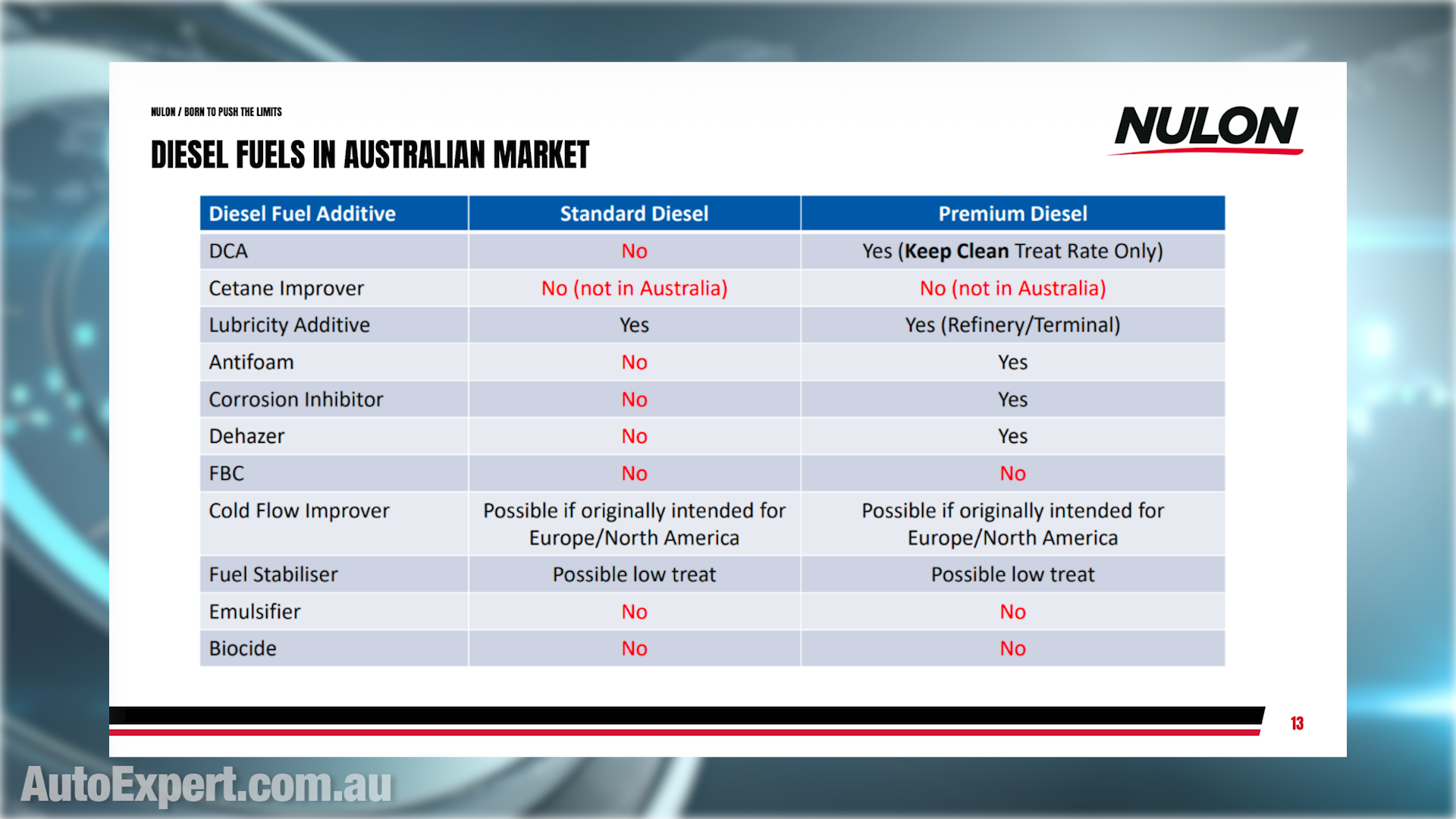
Premium diesel may include a maintenance dose of deposit-control additive, but it does not include a fuel-borne catalyst. Standard diesel contains neither the injector-focused deposit-control additive nor the catalyst chemistry aimed at post-combustion soot management.
That’s the gap these two products are designed to address.
What the two Nulon products actually do
These two bottles attack two different parts of the diesel problem.
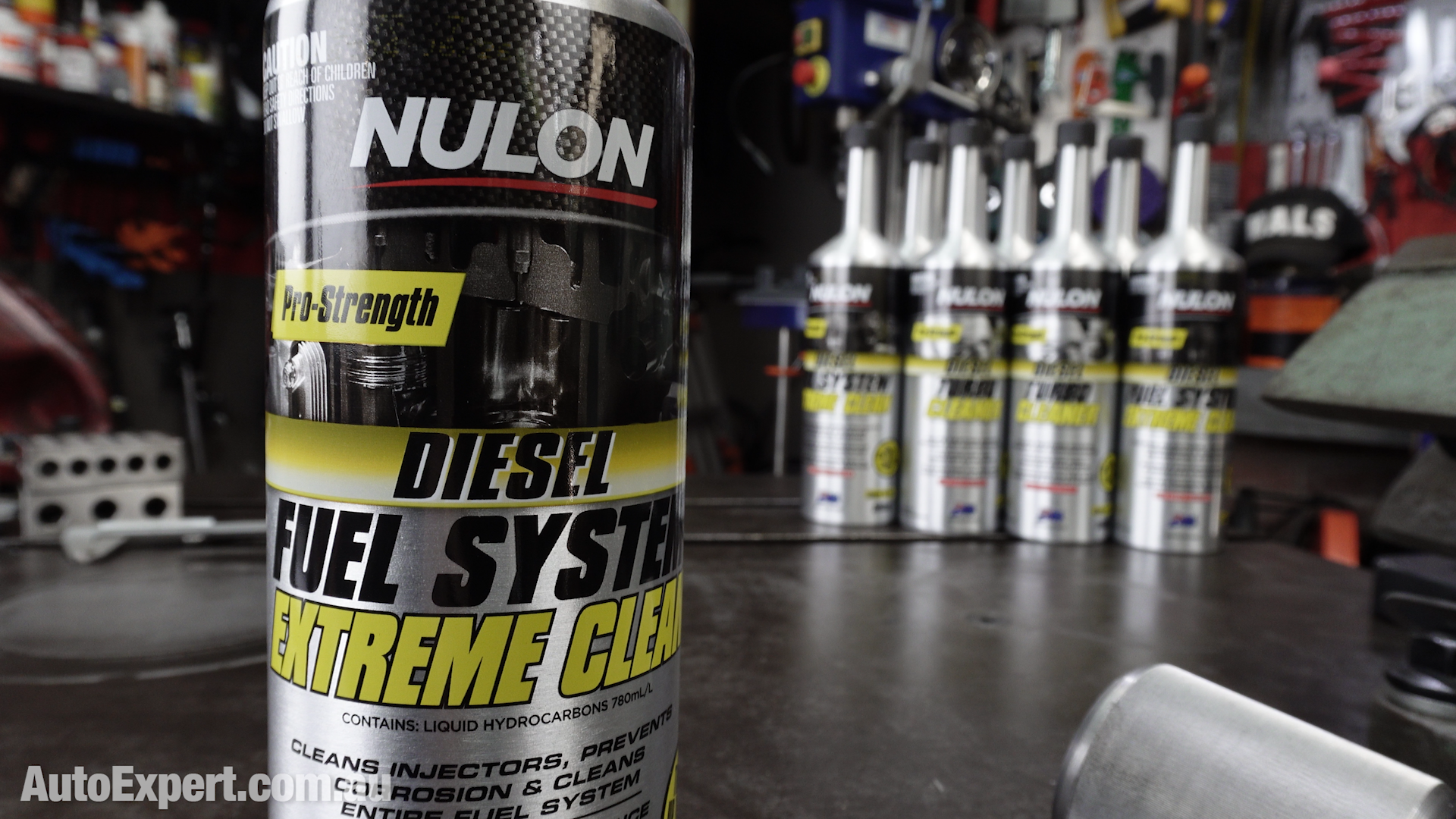
1. Nulon Pro-Strength Diesel Fuel System Extreme Clean
This is the fuel-system side of the treatment.
Think of it as detergent for diesel. Its job is to help clean and control deposits in the fuel system, especially around injectors.
That matters because modern diesel injectors are incredibly precise, and they do not need much contamination or deposit build-up before spray pattern, flow and combustion quality start going downhill.
Poor injector performance can mean rough running, smoke, poor economy, excess soot production and higher stress on the DPF downstream.
In other words: if the injectors are having a bad day, the rest of the system probably gets dragged into the fight.
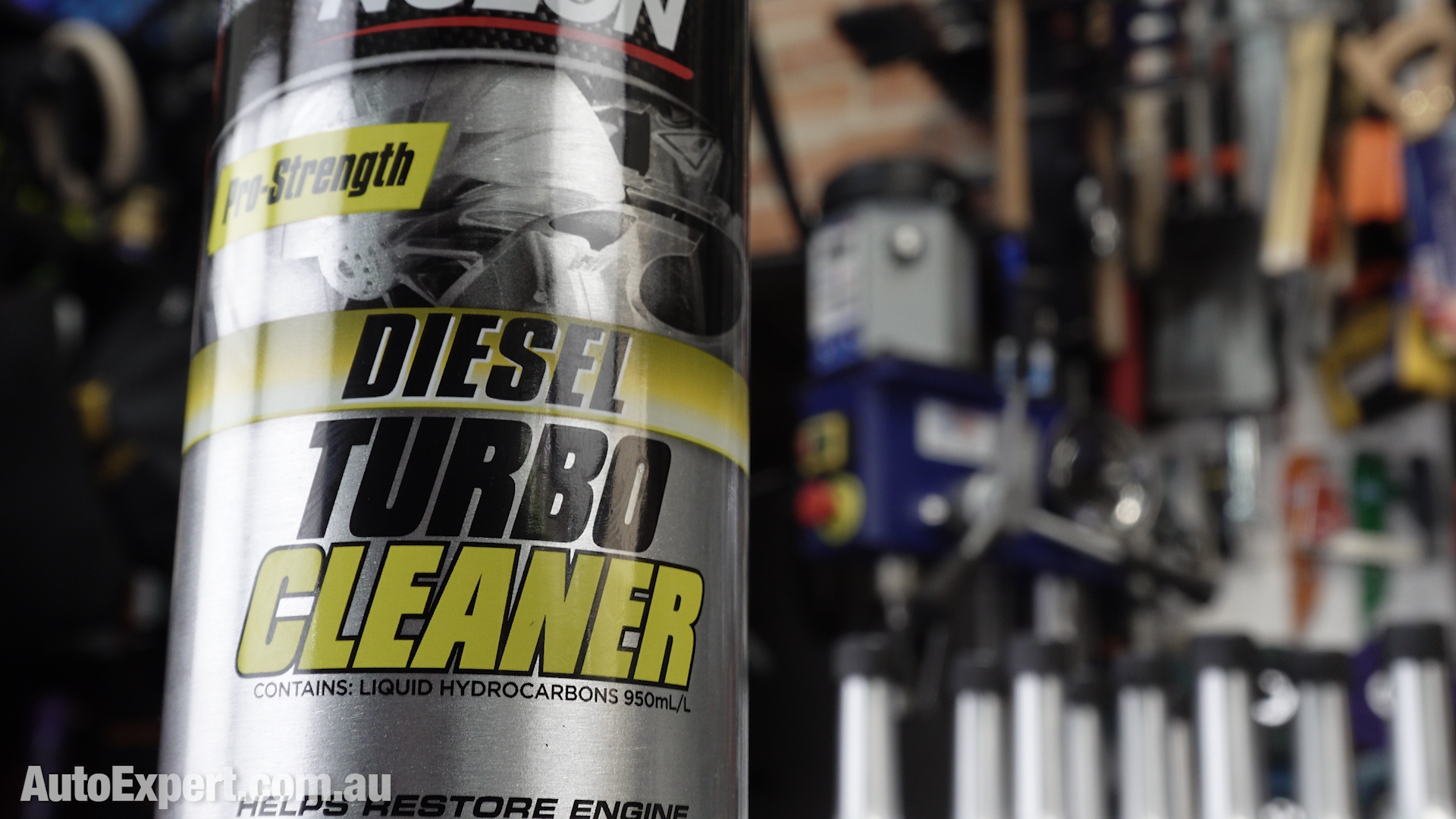
2. Nulon Pro-Strength Diesel Turbo Cleaner
This is the post-combustion side of the treatment.
The turbo cleaner uses fuel-borne catalyst technology. Fuel-borne catalysts are not magic, and they are not a “pour this in and fix your destroyed DPF” miracle cure.
But the underlying chemistry is real.
A fuel-borne catalyst can help lower the temperature at which soot oxidises, which can assist DPF regeneration when the DPF is structurally healthy and the engine/emissions system is otherwise working properly.
That distinction matters.
If your engine is over-fuelling, your EGR system is malfunctioning, your turbo is passing oil, your DPF pressure sensor is lying, your ash load is excessive, or your vehicle only ever gets driven cold down to the shops, no bottle of anything is going to magically repeal physics and chemistry.
But as preventative maintenance? As a way of giving the system some chemical support before it becomes an expensive problem?
That makes sense.
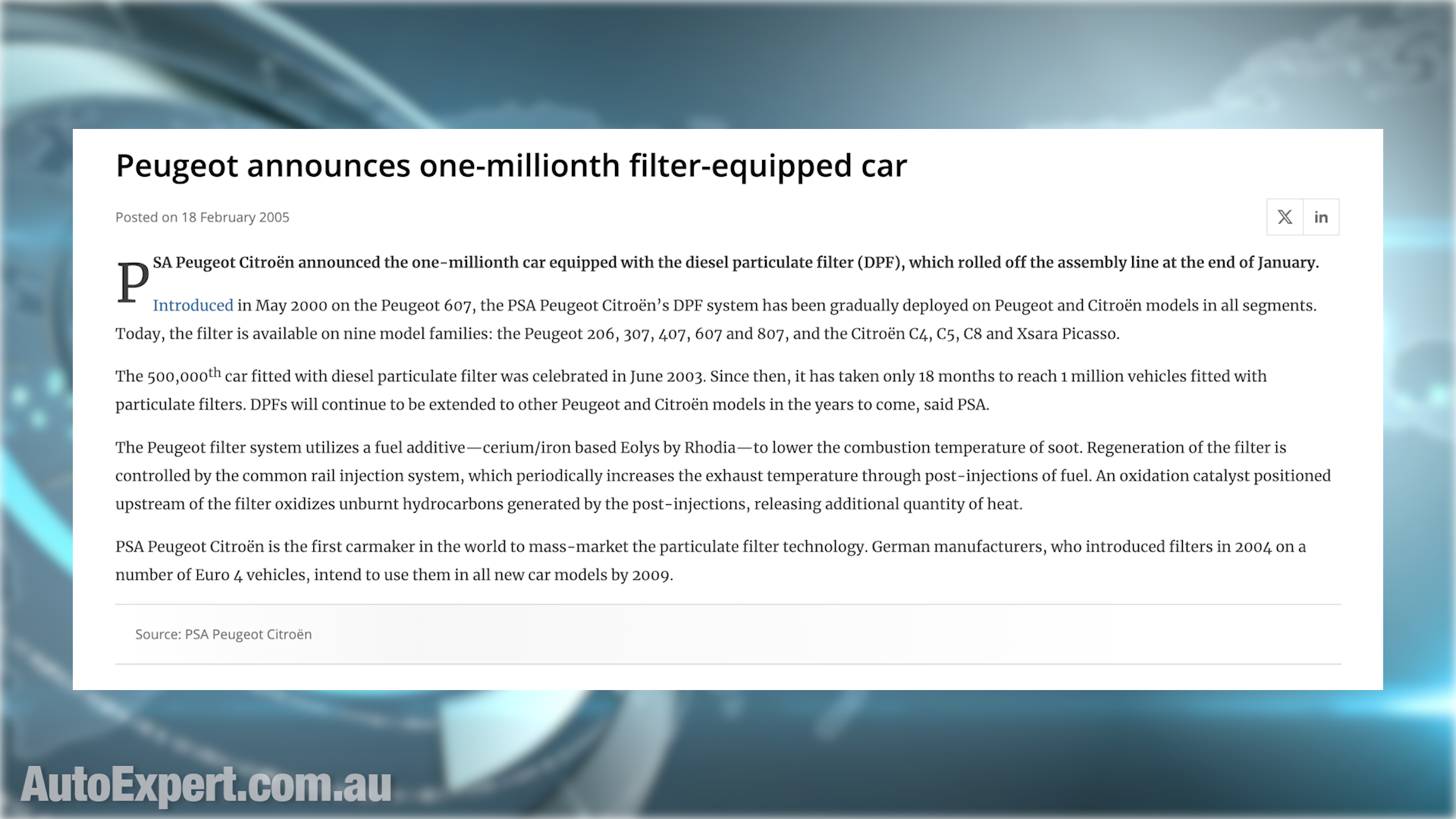
Fuel-borne catalysts have been used in OEM diesel emissions systems before. Peugeot pioneered commercial use of this technology around the turn of the century to help reduce the temperature needed for DPF regeneration. So this is not mystical unicorn juice. It’s actual chemical engineering.
My quarterly diesel treatment protocol
Here’s the simple version.
Four times a year, treat the vehicle. Once every three months.

For a full year, buy:
2 × Nulon Pro-Strength Diesel Fuel System Extreme Clean
2 × Nulon Pro-Strength Diesel Turbo Cleaner
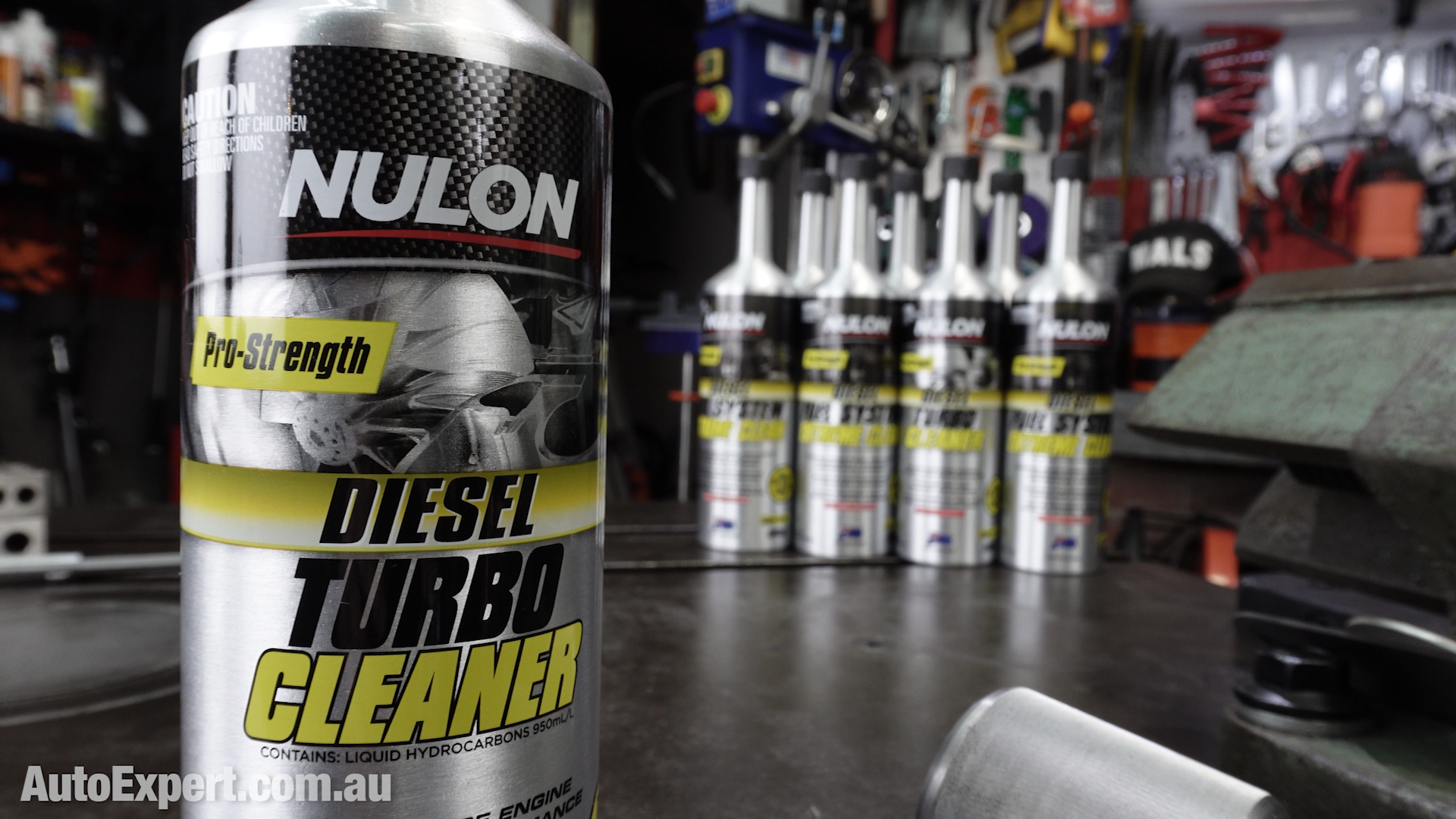
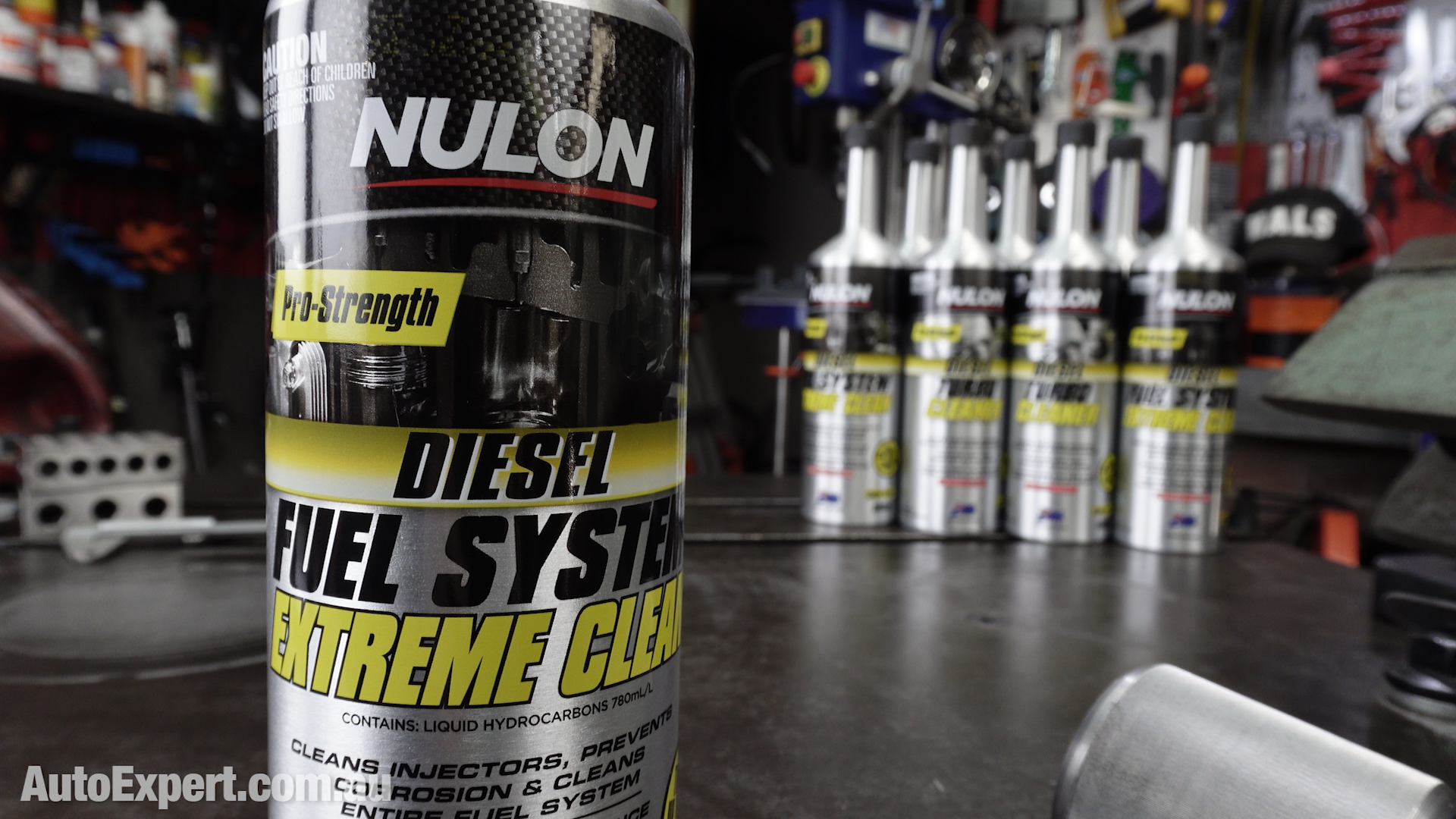
Use one bottle per quarter, alternating between the two treatment types.
For example:
Summer: Diesel Turbo Cleaner
Autumn: Diesel Fuel System Extreme Clean
Winter: Diesel Turbo Cleaner
Spring: Diesel Fuel System Extreme Clean
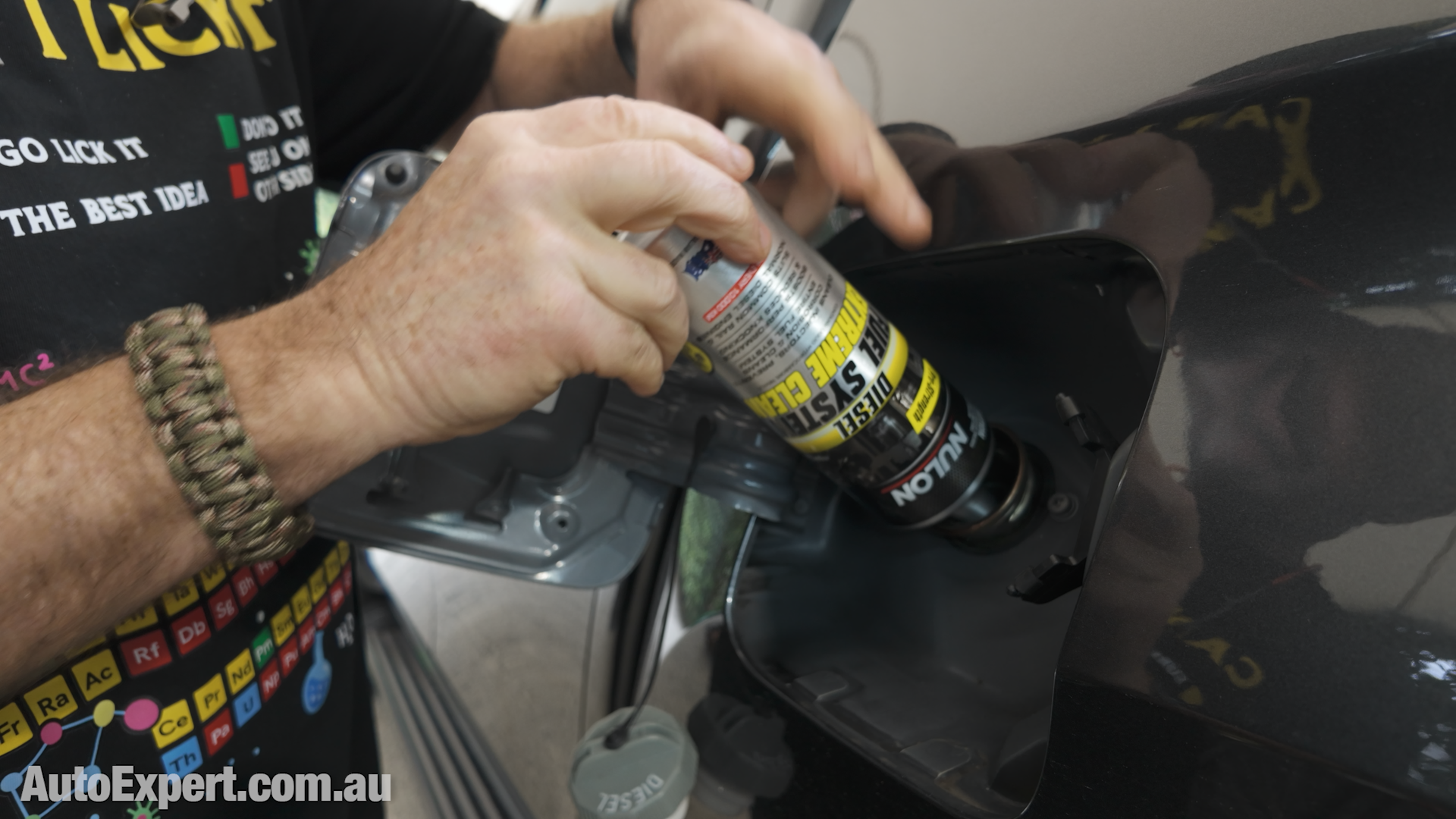
Or, if you prefer to think like an insufferable nerd like me, dose the diesel chariot every solstice and equinox. The point is not the calendar poetry. The point is consistency. Four doses per lap of the sun.
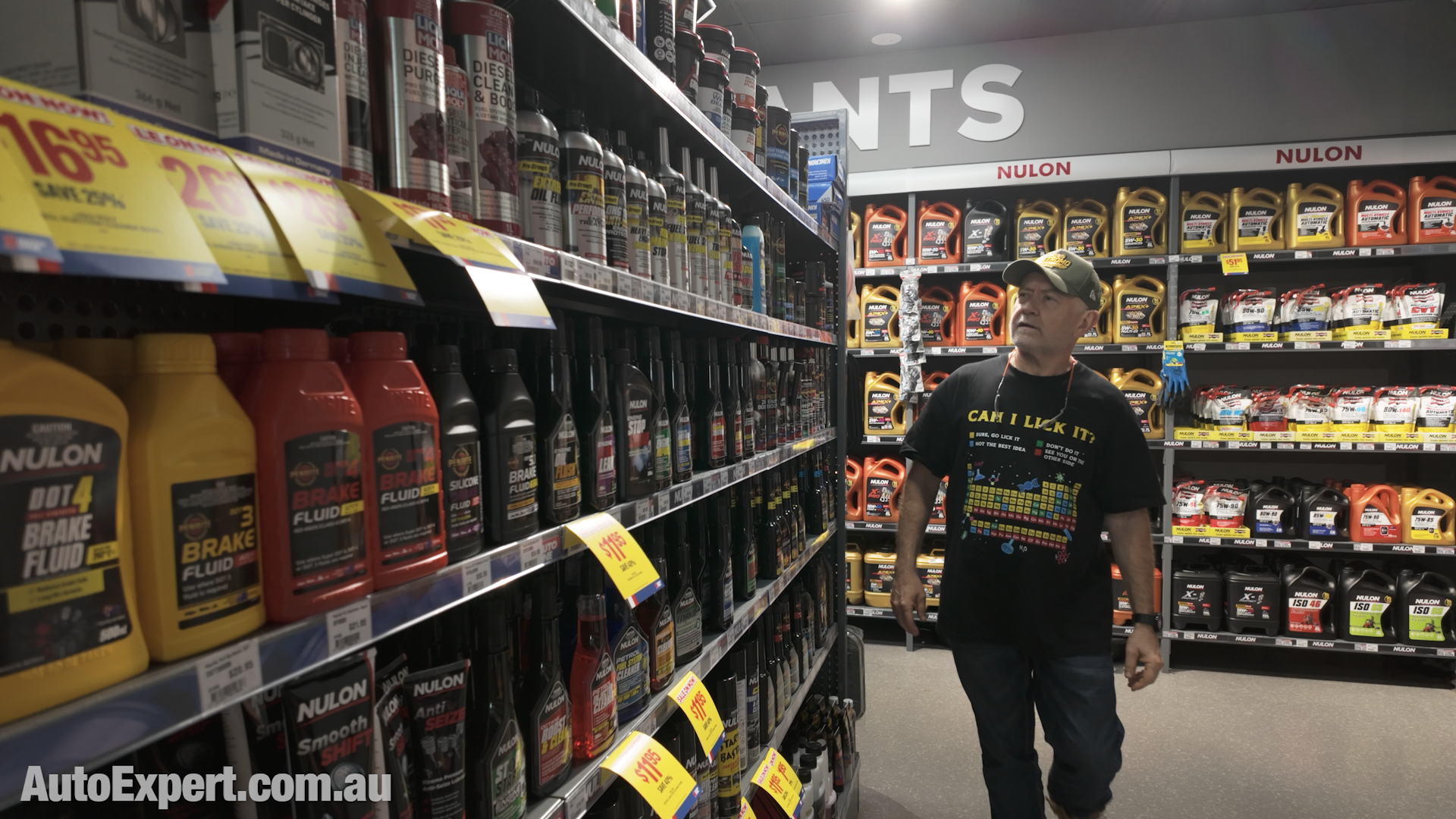
Nulon and Auto One have arranged 35 per cent off these products until Friday 10 July. So rather than buying one bottle and forgetting about it, grab the full year’s supply: two of each product. That should come in around $100 for the year, which is about $25 per quarterly treatment.
That is chump change compared with what a modern diesel can cost you when the DPF, injectors, turbo or emissions hardware decide to take an expensive unscripted dump in the bed.

Additives cannot fix everything
Important point: additives are not magic.
They are chemical support for a healthy or basically healthy diesel system. They are not a substitute for diagnosis, mechanical repair, or sane vehicle use.
For example, if your engine has a hardware defect — say, a hole or split in the inlet plumbing downstream of the mass airflow sensor — the engine computer thinks one amount of air is entering the engine, but in reality, some of that metered air is escaping before it gets to the cylinders.
Potential result: over-fuelling, excess soot, higher DPF loading, more frequent regens, oil contamination, and a diesel emissions system having a very bad day.
No bottle of additive fixes that.
The cure is not chemistry. The cure is finding the air leak and fixing the hardware.

Same deal with other mechanical or control-system faults: dodgy sensors, failed EGR components, oil getting into the intake, a turbo problem, excessive injector leak-back, a blocked or ash-loaded DPF, or a cooling system that never lets the engine reach proper operating temperature.
Additives can help a system that is fundamentally working. They cannot make a defective system non-defective.
The other big one is your driving pattern. If your diesel only ever does short trips — cold start, three kilometres to the shops, stop; cold start, five kilometres home, stop — you are basically training the thing to hate you. Diesels need heat, load and time.
Short-trip operation is bad for oil quality because the engine may not get hot enough, for long enough, to drive off fuel dilution, moisture and other combustion by-products. It is also bad for DPF regeneration, because the exhaust system may not reach the temperature and operating conditions needed to burn soot effectively.
The fix there is not just additives. The fix is operational: get the thing out on the highway occasionally. Give it a proper run. Let it reach full operating temperature and stay there for a while.

And if your usage is dominated by short trips, consider increasing the servicing frequency. Don’t blindly rely on the maximum factory interval if your vehicle lives a harder-than-average life doing stop-start, cold-running, urban diesel duty.

So the rational position is this:
Use the additives as preventative support.
Fix hardware defects properly.
Drive the vehicle in a way that occasionally lets the diesel system get toasty warm and do what it was designed to do.
Service it more often if you do mostly short trips.
The bottom line
Modern diesels are powerful, efficient and impressively clean compared with the old stuff.
But they are also complex, soot-producing machines with extremely precise fuel systems and emissions hardware that can be expensive to fix.
So my position is simple: a quarterly chemical support program is cheap insurance. It will not fix a defective engine. It will not save a dead DPF. It will not undo years of abuse, neglect, short-trip driving and mechanical indifference. But as preventative maintenance, on a healthy diesel, it makes complete, economically rational sense.
Grab two bottles of Nulon Pro-Strength Diesel Fuel System Extreme Clean and two bottles of Nulon Pro-Strength Diesel Turbo Cleaner from Auto One while the 35 per cent discount is live.
That gives you a full year’s diesel treatment program for roughly $100.
Buy four units at Auto One before Friday 10 July and give your injectors, turbo and DPF a fighting chance.