
Don’t Throw Out This Empty Bottle — Turn It Into a Spill-Proof Cutting Lube Dispenser
Sometimes the best workshop tools are built, not bought.
Sometimes they are rescued from the bin five seconds before you do something stupid, like throwing away a ridiculously over-engineered aluminium container from Nulon.
That’s exactly what happened here. Like, at the moment (until Friday July 10) these premium additives are 35% off - so, about $25 a throw (details below). If you bought a purpose-built spill-proof cutting lube dispenser, a machine tool shop would probably slug you $50 for it.
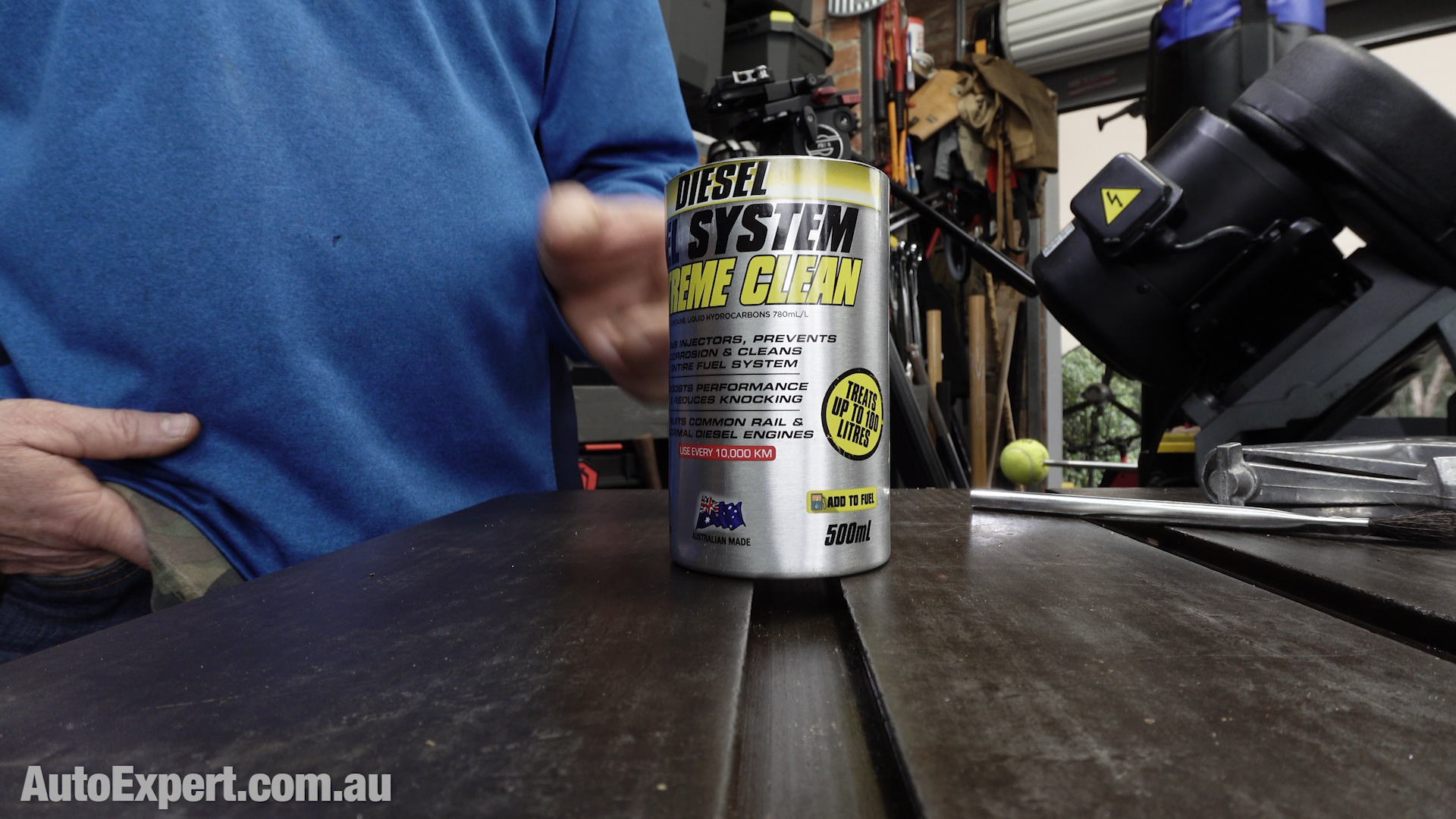
After using the contents of a Nulon diesel treatment bottle in my recent diesel maintenance video, I looked at the empty container and thought: hang on — this thing is actually too good to throw away.
It’s aluminium.
It’s malleable.
It has a great shape.
It sits nicely on the bench.
And it has exactly the right “Fat Cave/DIY” vibe.
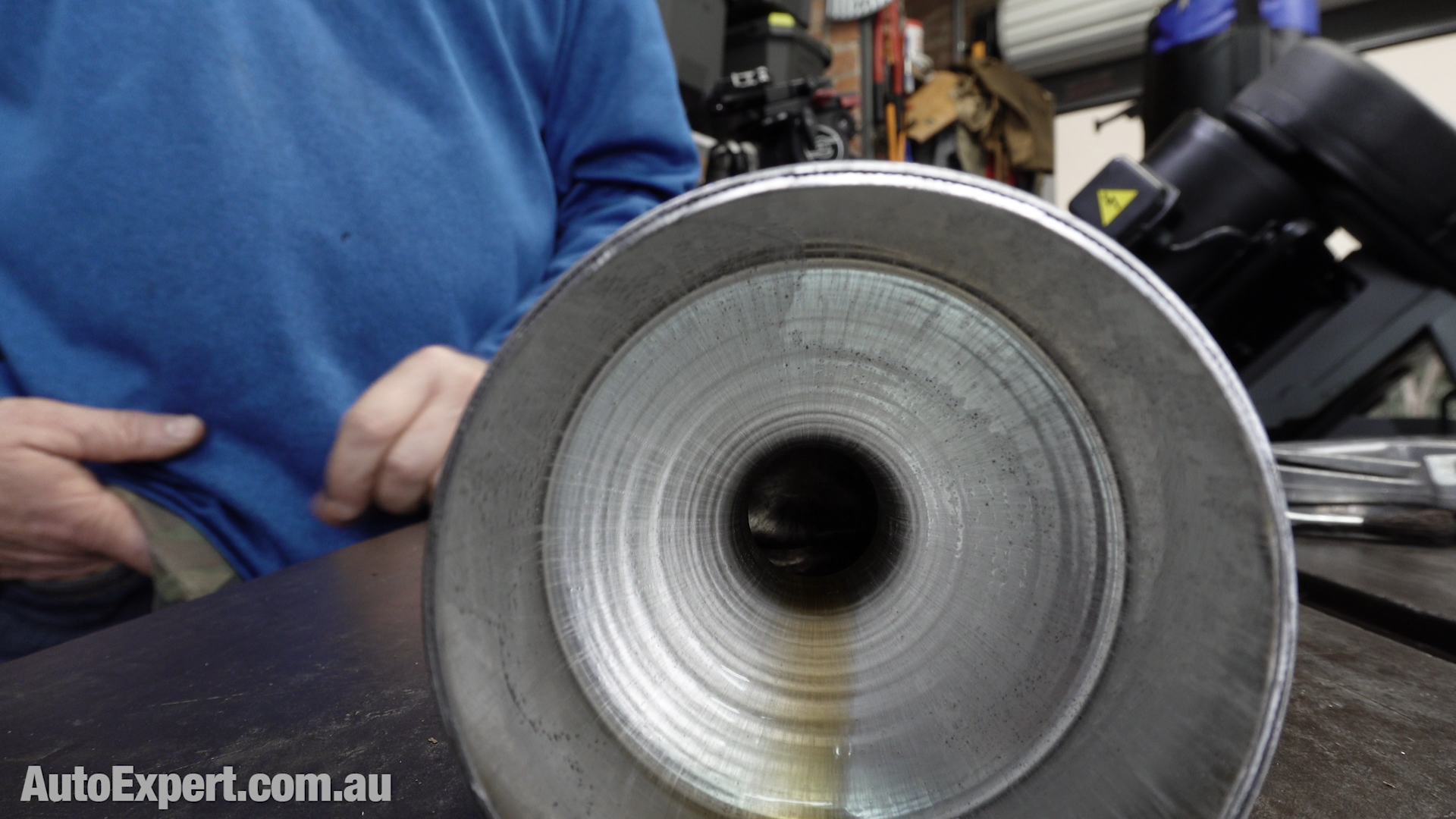
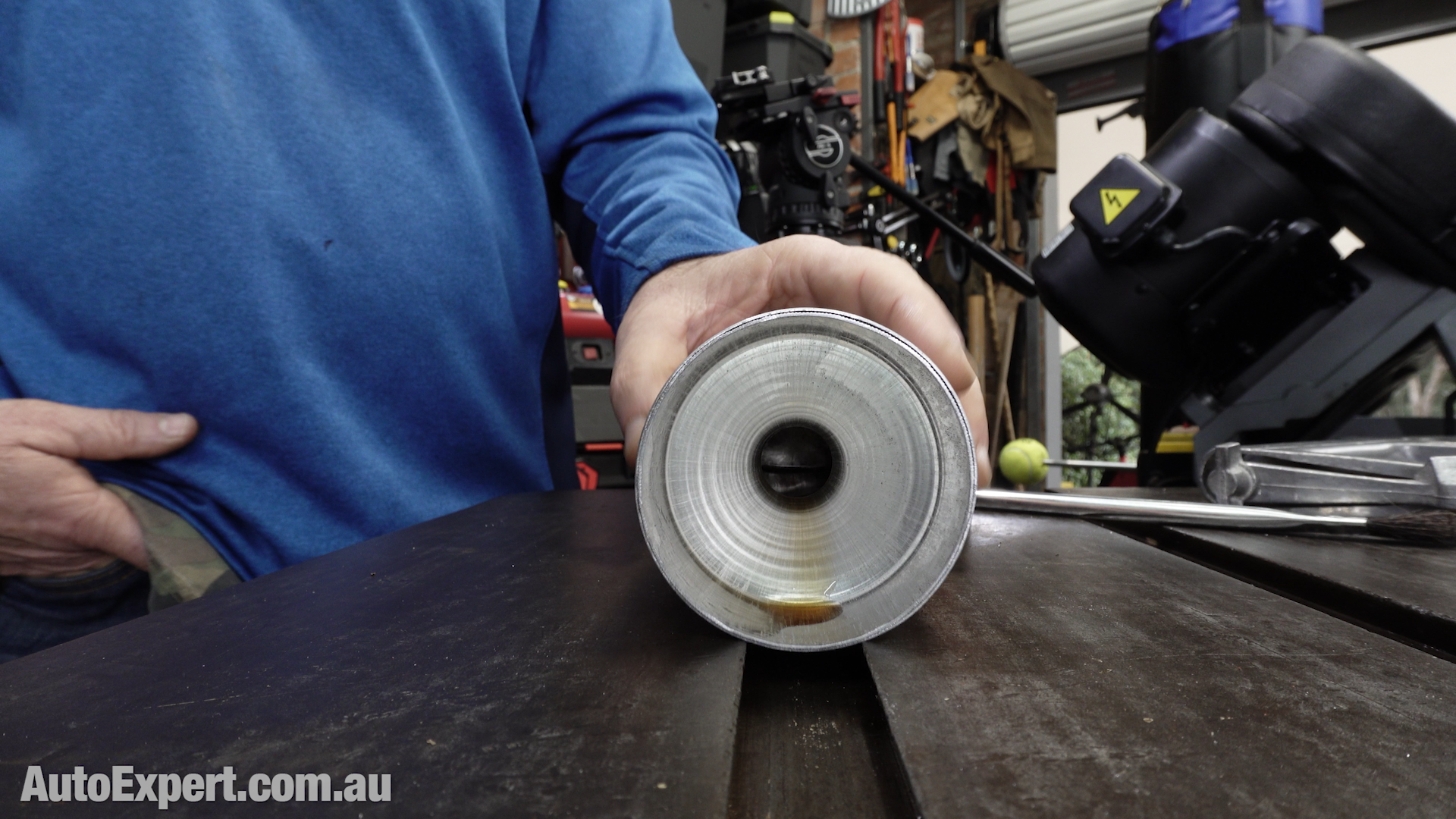
So I turned it into a spill-resistant cutting lube dispenser.
This is a dead-simple shed conversion: slice, trim, lop off the spout, invert the top, press it back in, deburr, fill, use. Done.
One empty Nulon bottle becomes a genuinely useful workshop tool for drilling, tapping, countersinking and general metalworking.
And the video did better than expected, too: 13,000 views in a week on what is, let’s be honest, a deeply obscure (some would say ‘tragic nerd’) topic. Apparently I’m not the only loser who looks at an empty aluminium bottle and sees untapped DIY gold...
The bottle
The original bottle came from the Nulon Pro-Strength diesel additive range.
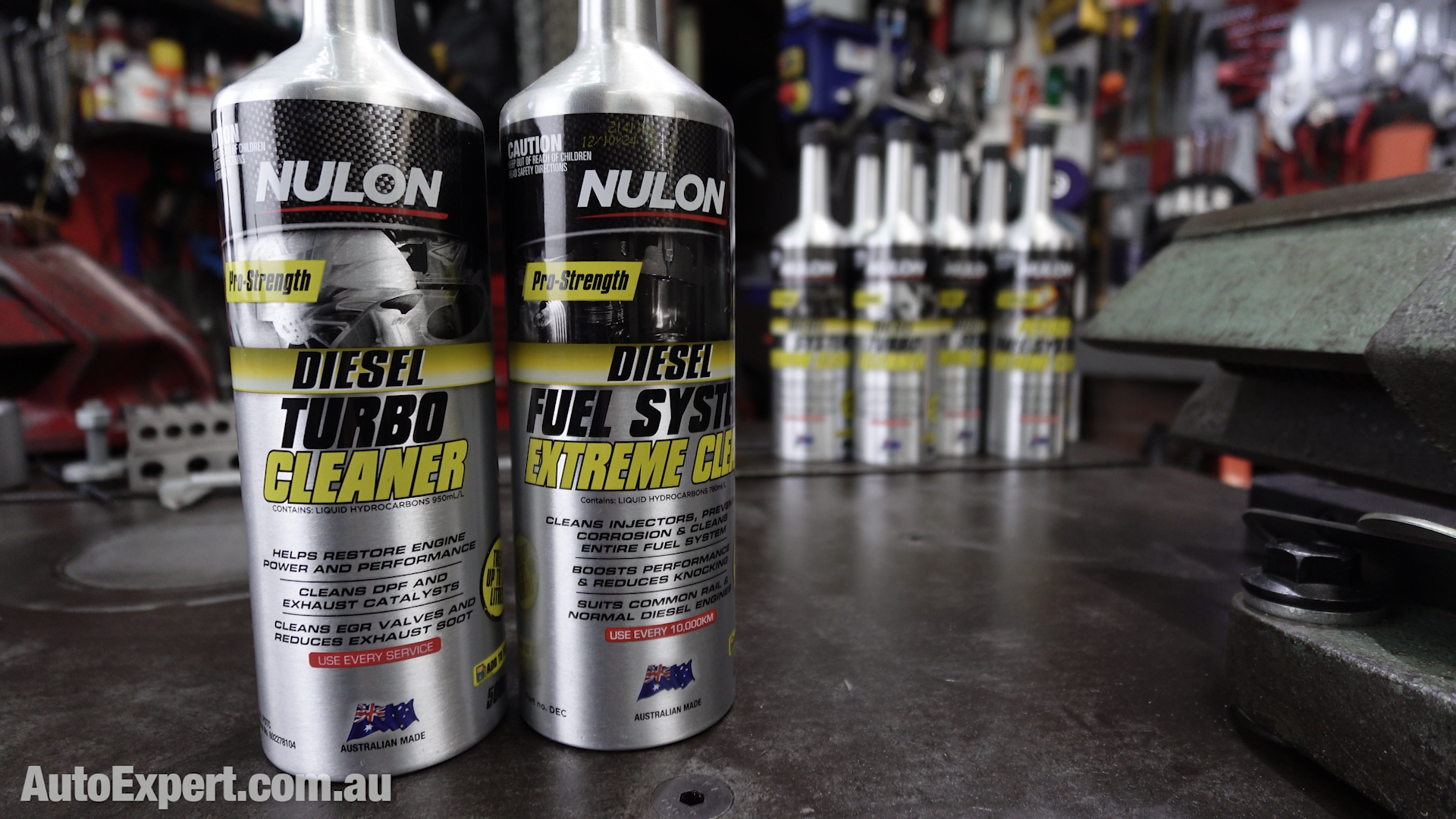
Specifically, you can do this with the bottles from:
These are the quarterly preventative treatment protocol I use on my modern diesel fuel systems, as cheap insurance for my expensive (to replace) injectors, turbos and DPFs. They’re 35% off at Auto One until tomorrow (10 July 2026) via the link above.
The contents are useful. But the empty bottle is also a keeper.
Why this works
A cutting lube dispenser does not need to be complicated.
For drilling, tapping, countersinking and general shed work, you really just need a small stable container that holds a modest amount of cutting fluid, gives you easy access with a brush or applicator, and does not immediately dump oil all over the bench the first time you bump it.
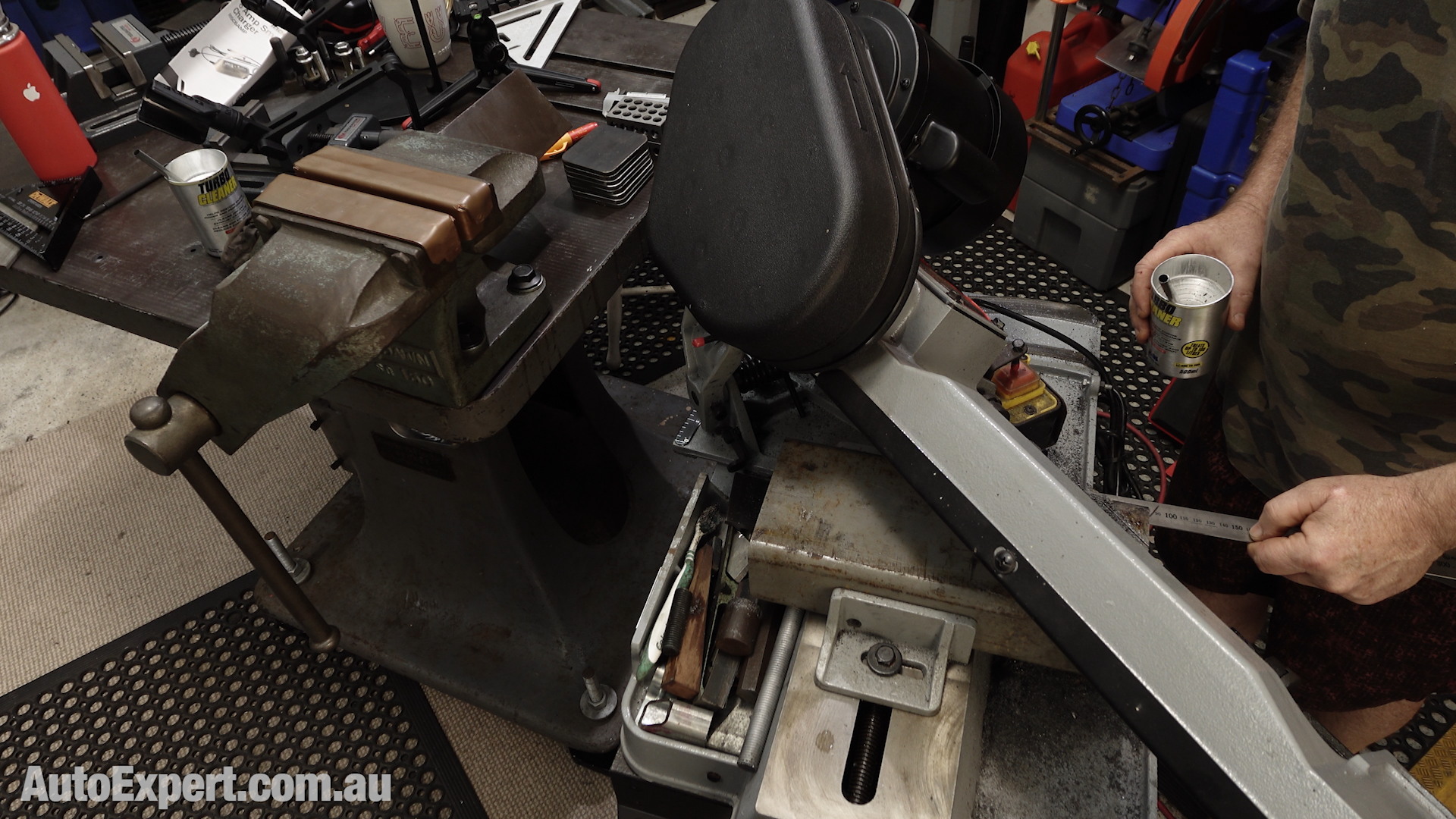
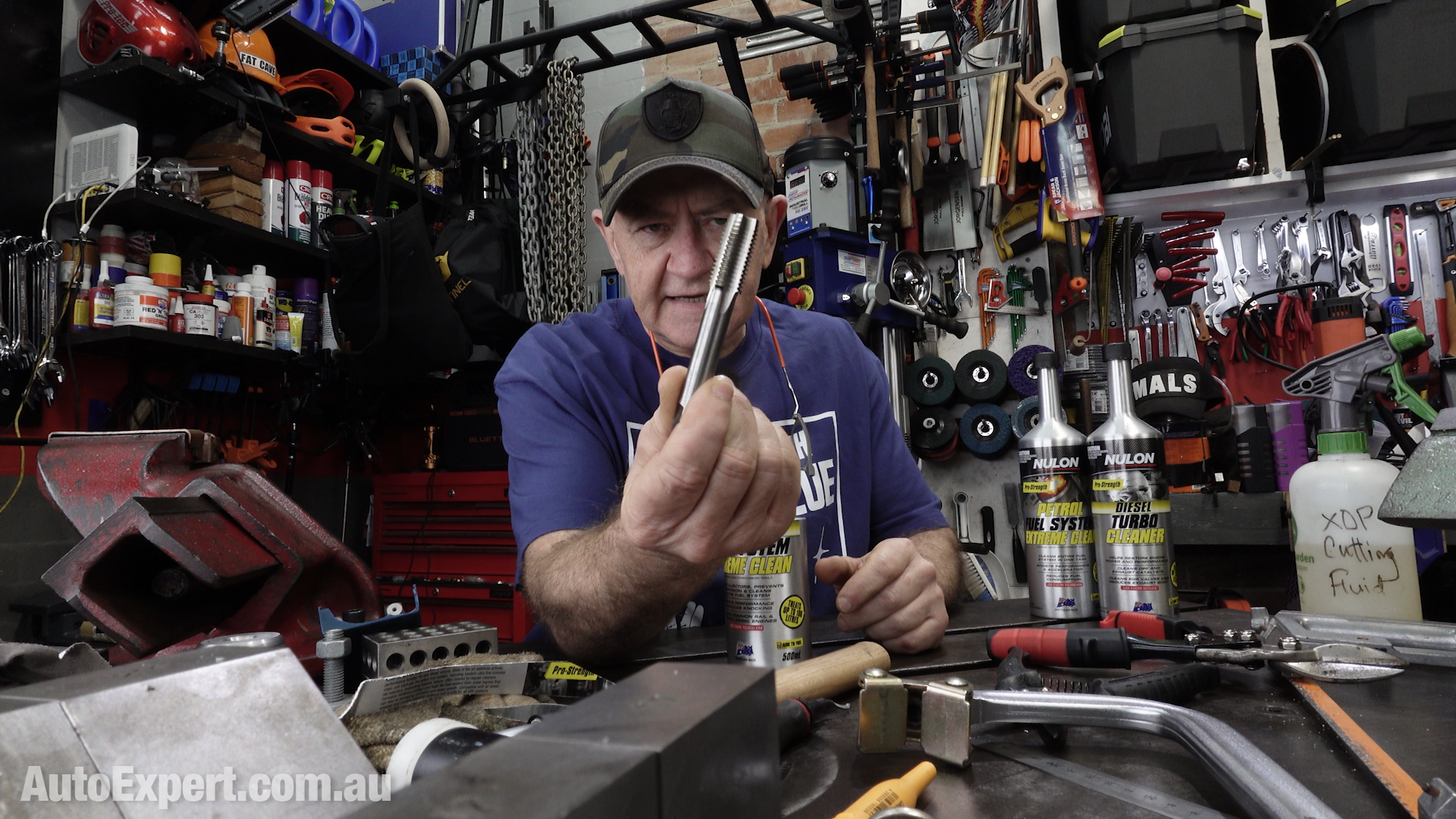
This Nulon bottle is almost perfect for that.
Once modified, the inverted top section becomes a kind of internal splash baffle. It makes the container much more spill-resistant than just cutting the top off a random tin and calling it a day. It is not hermetically sealed. It is not NASA. It is not a precision oil-delivery apparatus for the international space station.
It is a practical, compact, stable, workshop-grade cutting-lube pot made from something you were otherwise going to throw away.
The conversion
Here’s the brutally simple process.
Step 1: Lop off the spout
Remove the spout from the top section.
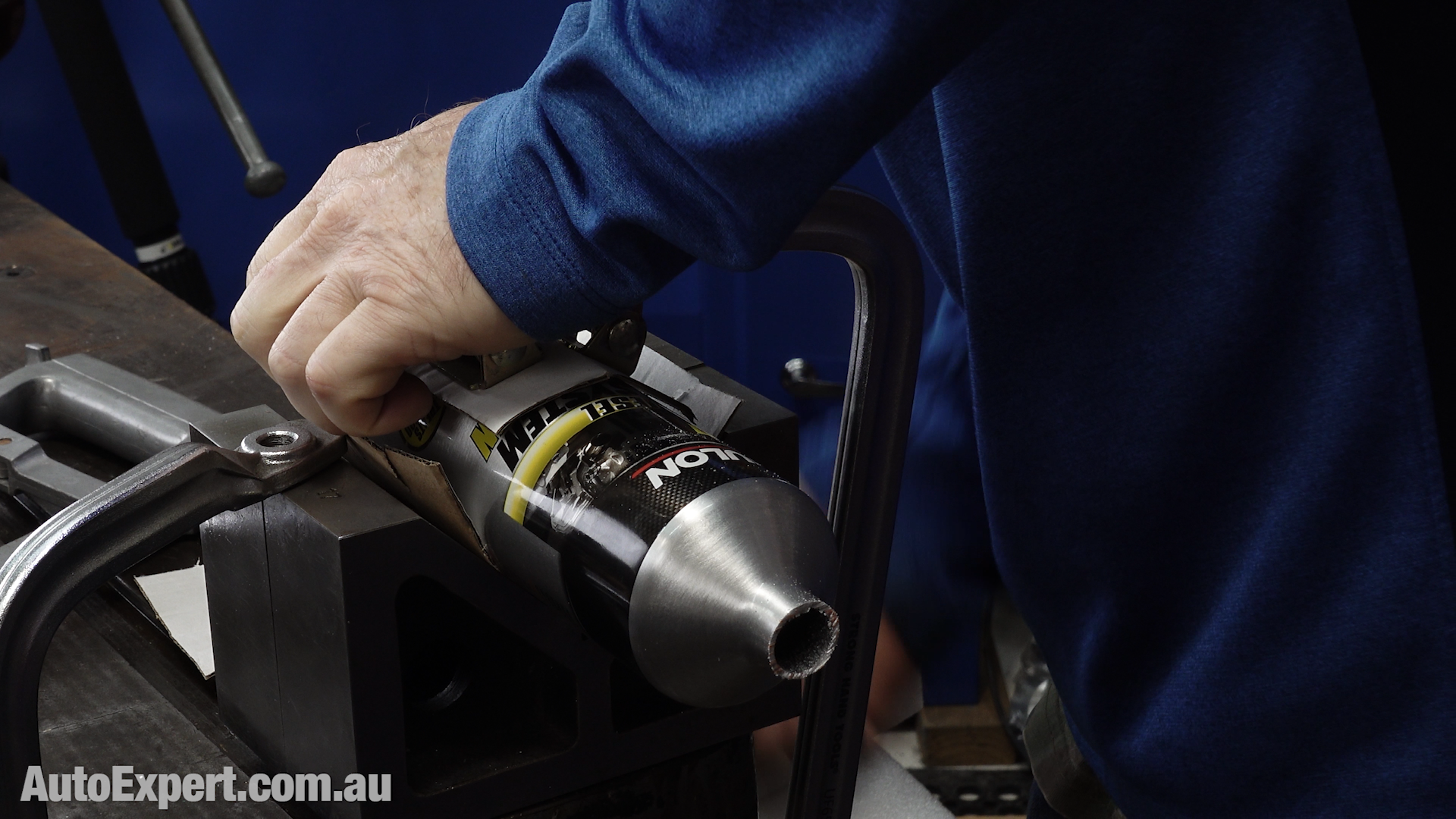
This is the bit that turns the top of the bottle into the internal funnel/baffle component.
The exact cut is not hyper-critical. You are just creating a practical opening and removing the original dispensing neck so the top can be inverted and pressed back into the base.
Step 2: Slice the bottle horizontally
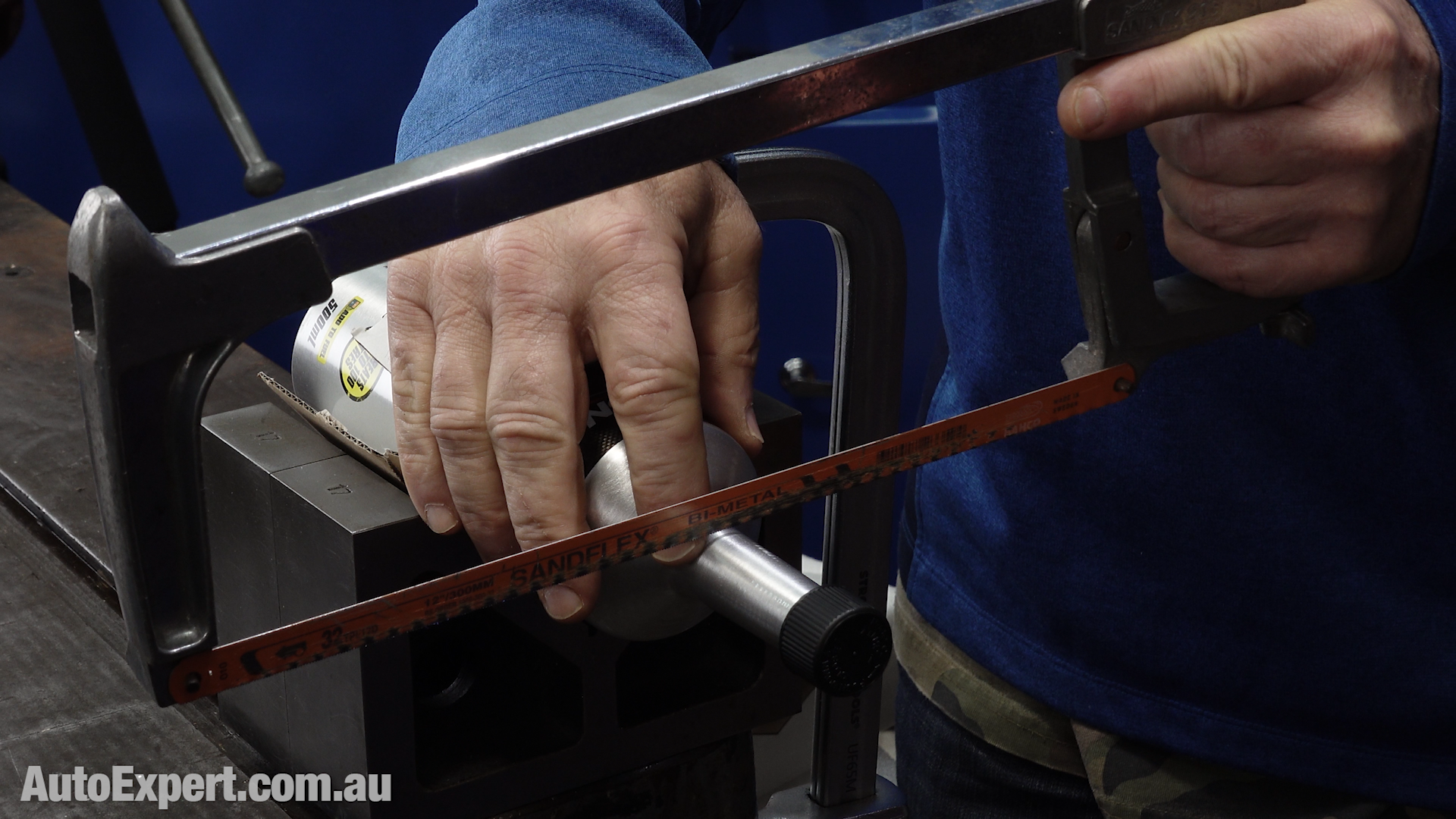
Cut the bottle around its circumference.
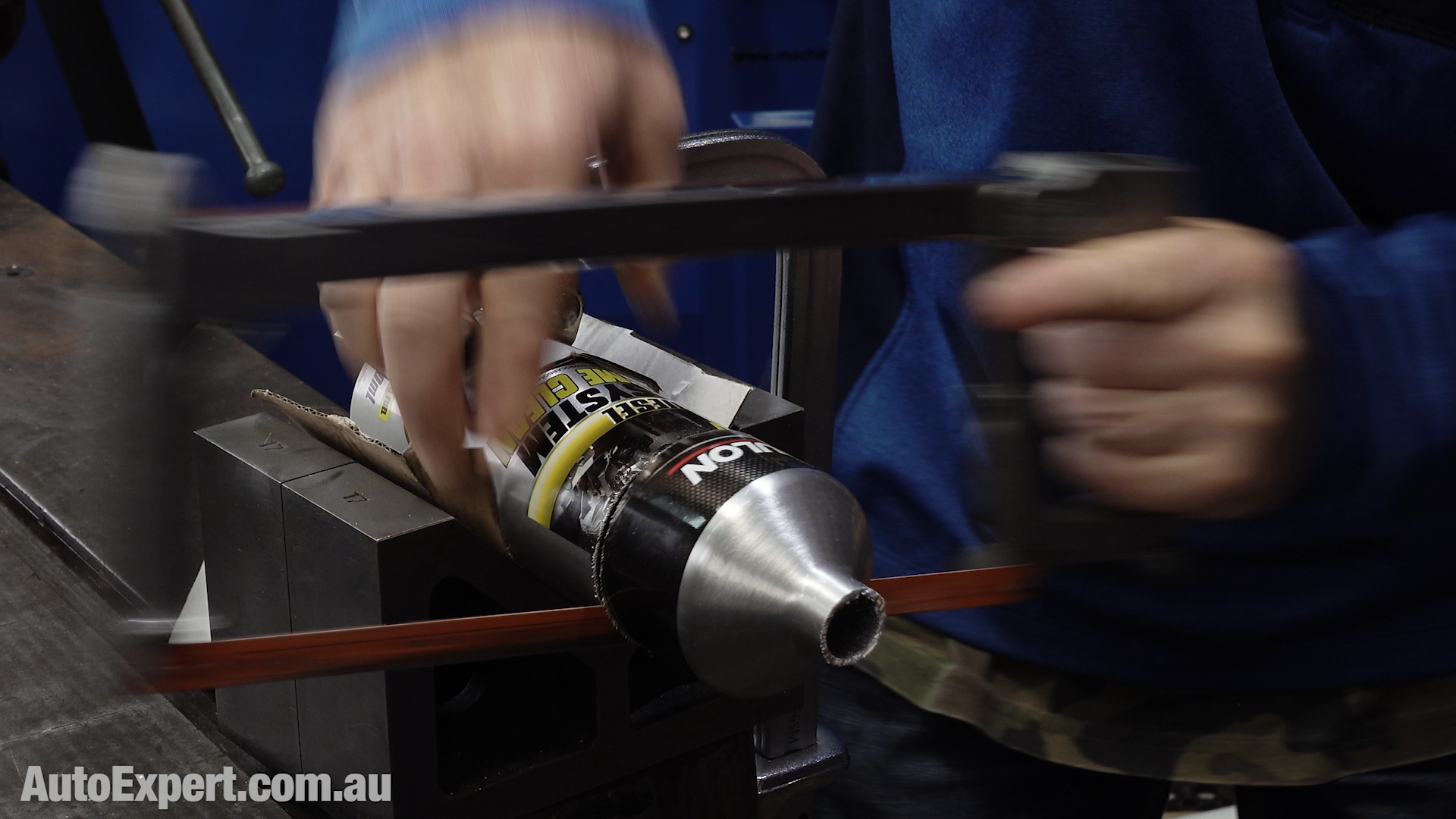
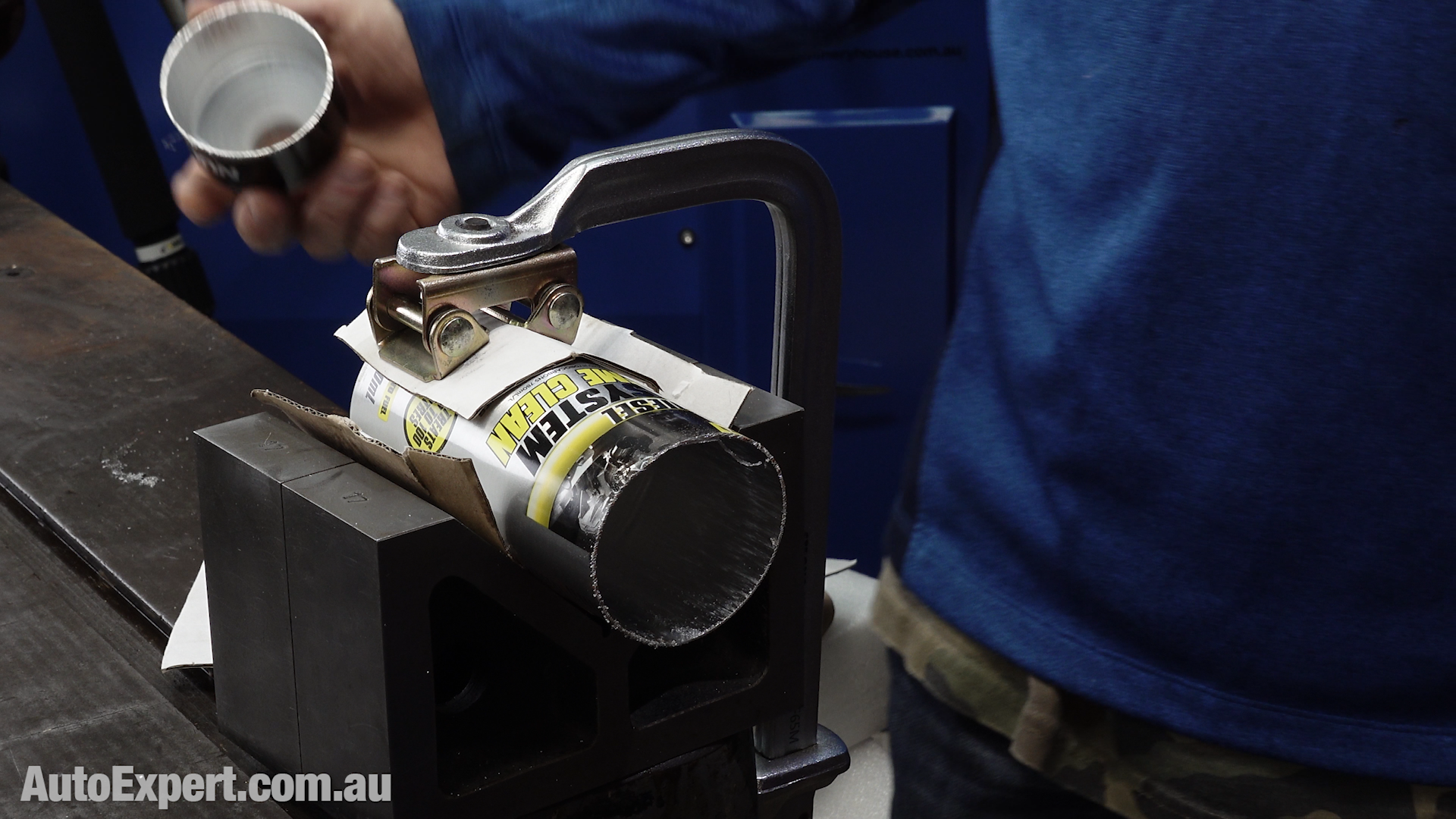
You want to separate the top section from the lower body of the bottle.
A hacksaw will do the job. Just remember: it is thin aluminium, so it does not need a massacre. Controlled cutting beats caveman enthusiasm. And the contents is flammable, so a cut-off wheel on a grinder: Bad idea. You could drill a hole and cut it with scissors - aluminium doesn’t put up much of a fight.
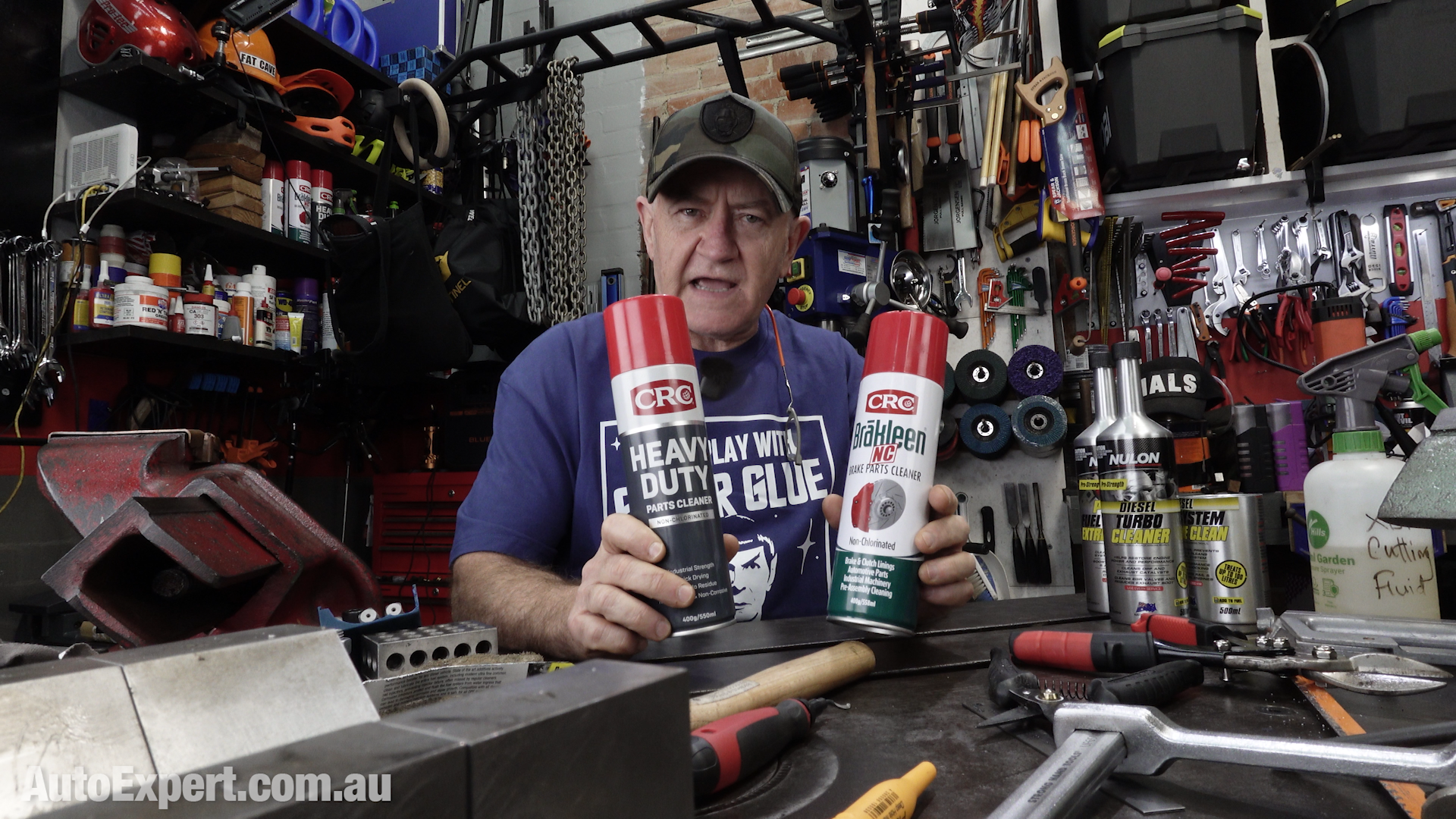
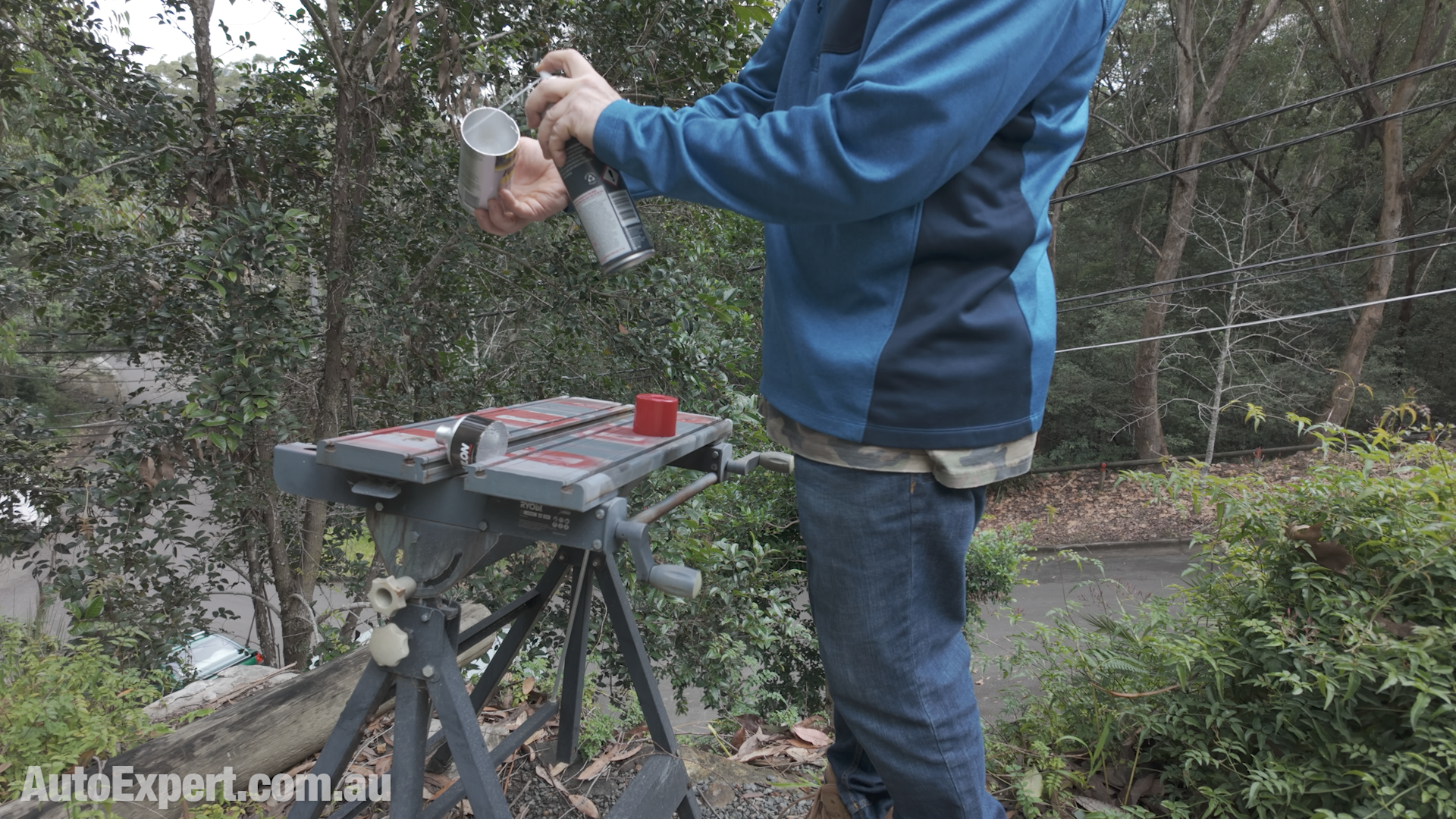
Once it was in pieces, I flushed it out with CRC solvent (the chlorine-free ones).
Step 3: Trim the cut edges
Once the bottle is opened up, clean up the cut.
You want the two sections to fit back together neatly, without ragged edges, torn aluminium or random sharp bits waiting to open you up like a tuna can.
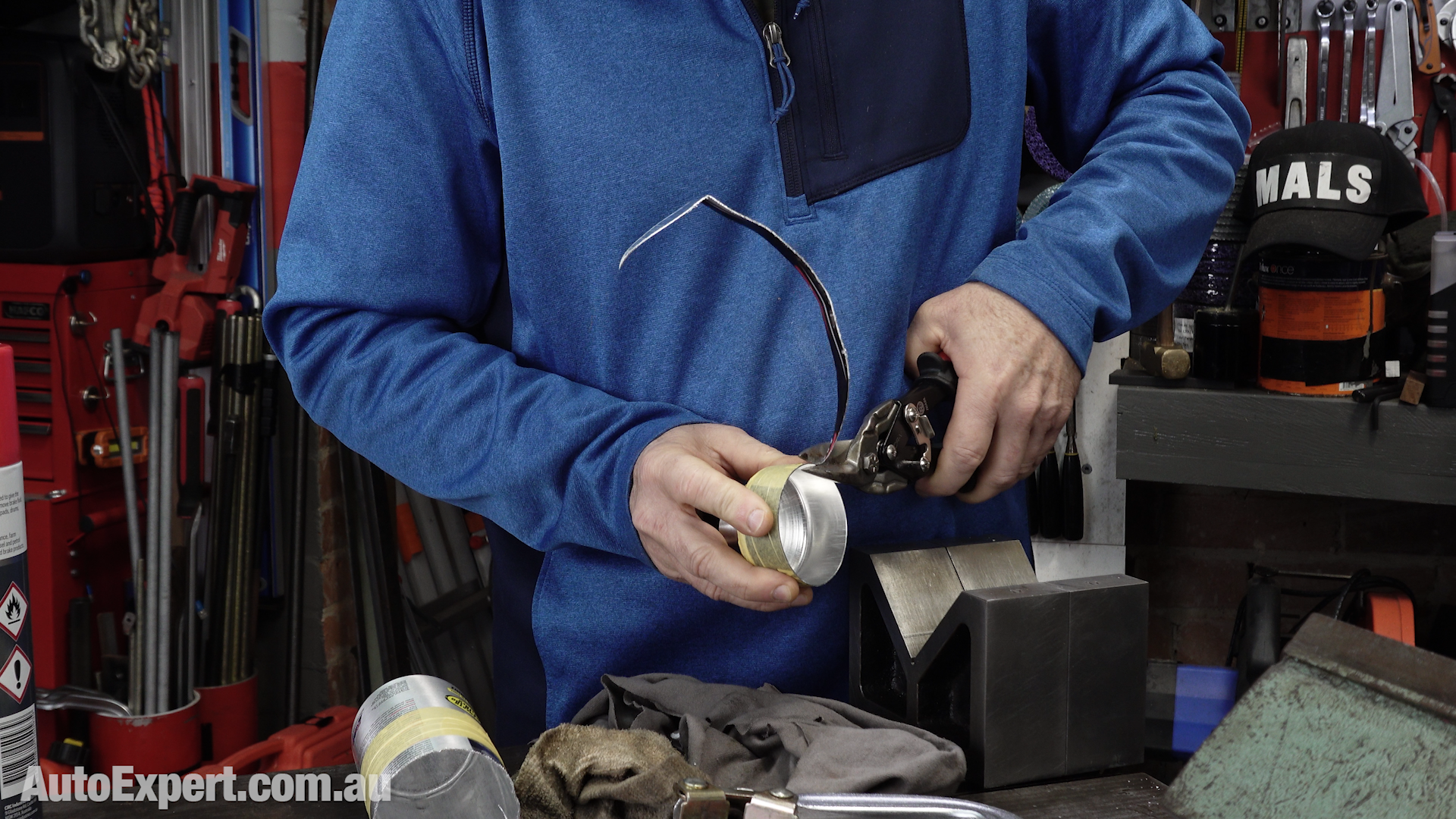
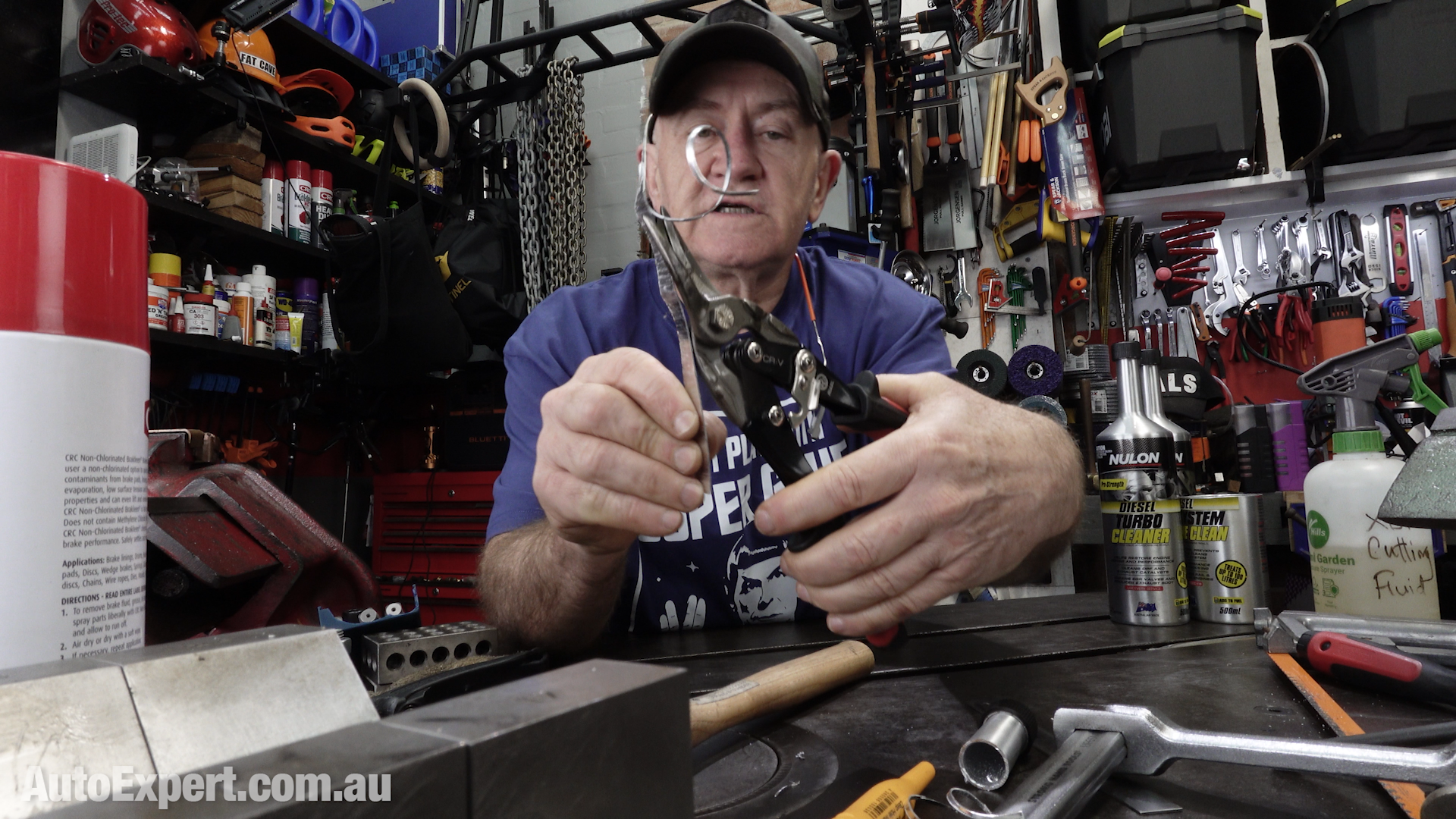
I used masking tape to mark the line, and aircraft shears to trim down to it. The thing with sheetmetal: Do a rough cut first, then a final trim to the line. Neatness and lack of distortion will thank you later.
Step 4: Invert the top section
Turn the top section upside down.
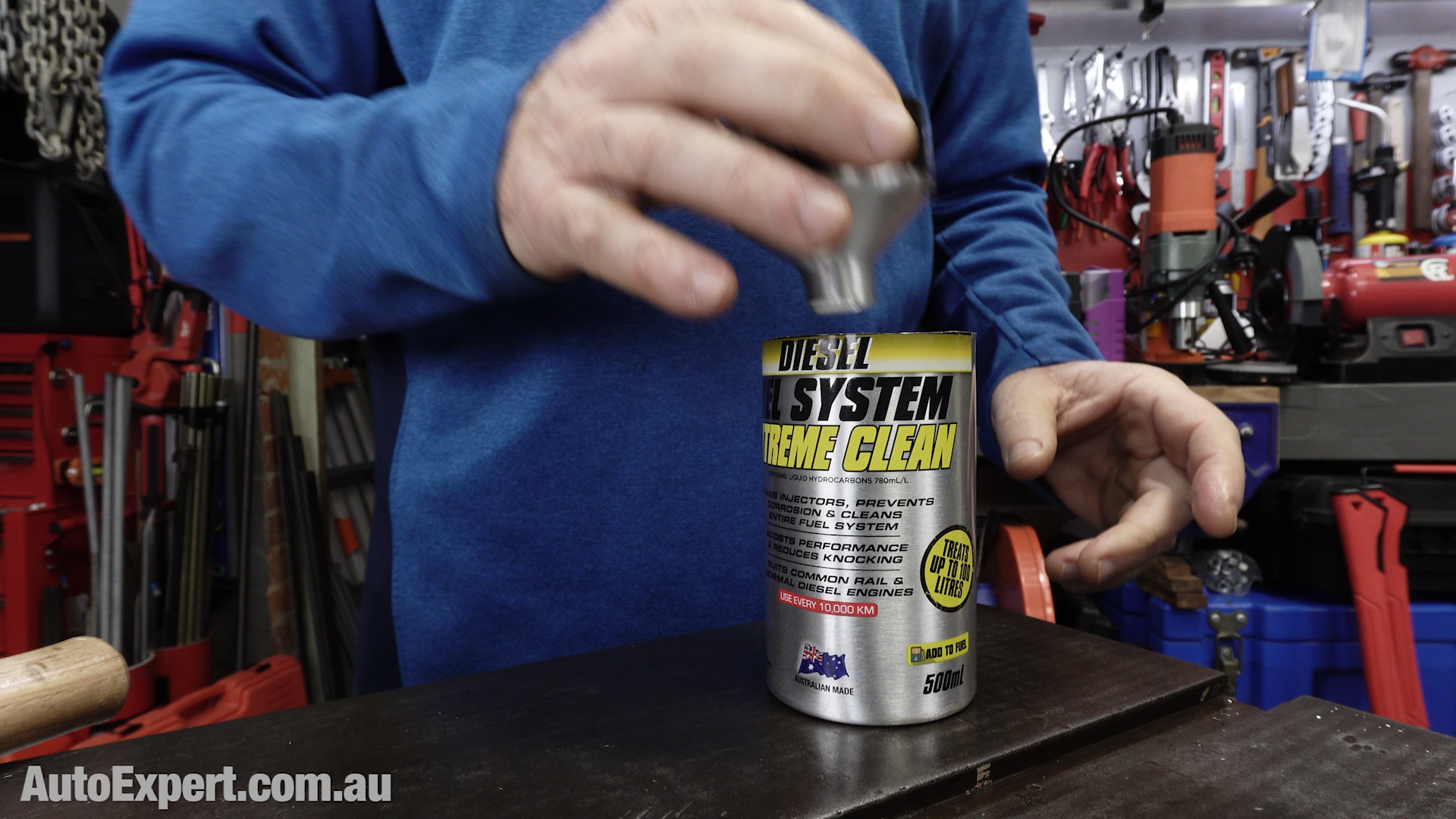
This is where the little bit of workshop magic happens.
The upper section of the bottle now becomes an internal baffle to prevent spills. It drops back into the lower section and helps stop the cutting lube from sloshing straight out if the container gets knocked over.
Step 5: Press it back into the lower section
Push the inverted top section into the lower body of the bottle.
Because the aluminium is malleable, it can be persuaded into position without too much drama. You want a reasonably snug fit. I used the hi-tech miracle of a dead-blow hammer and a block of scrap plywood.
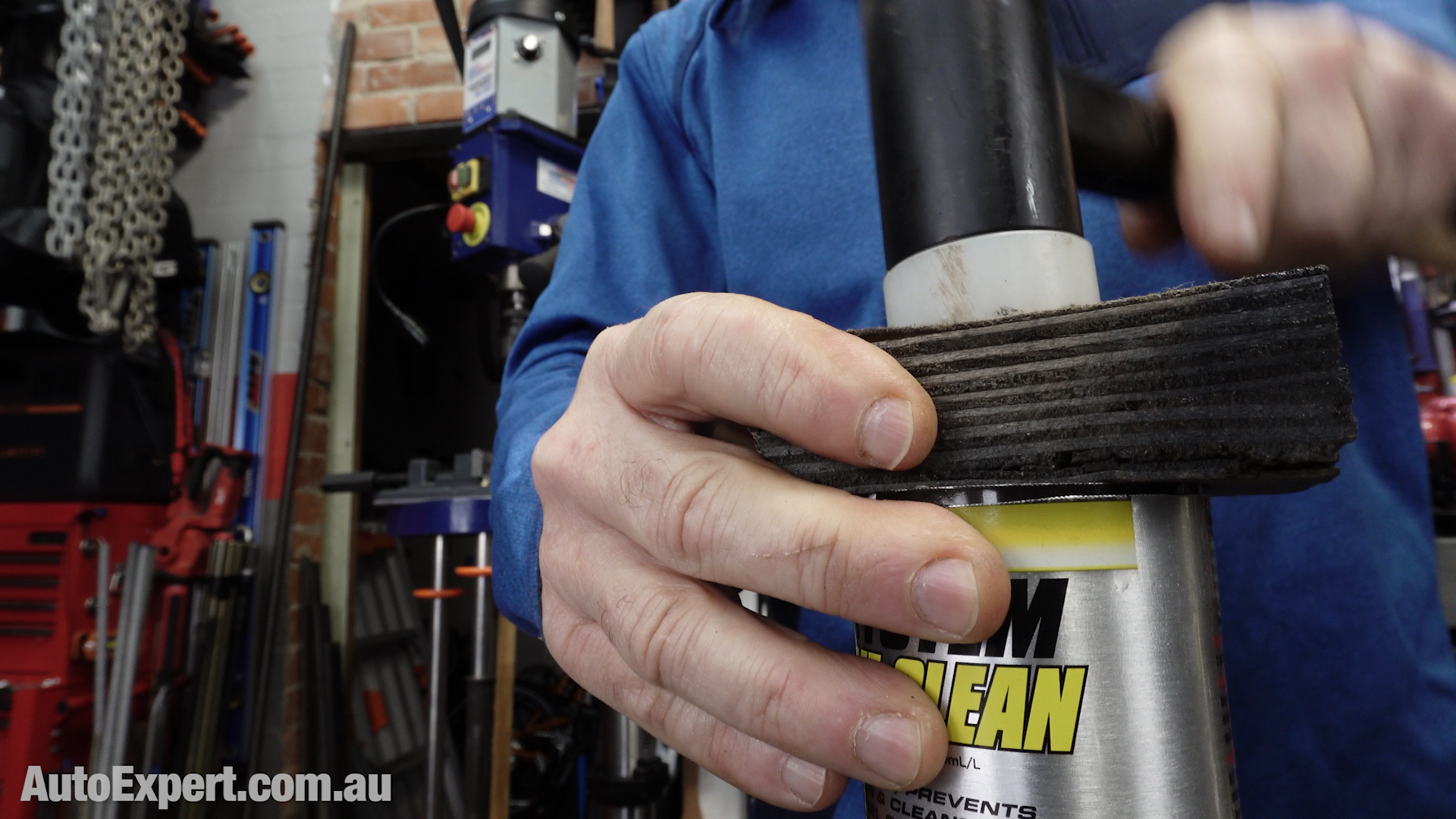
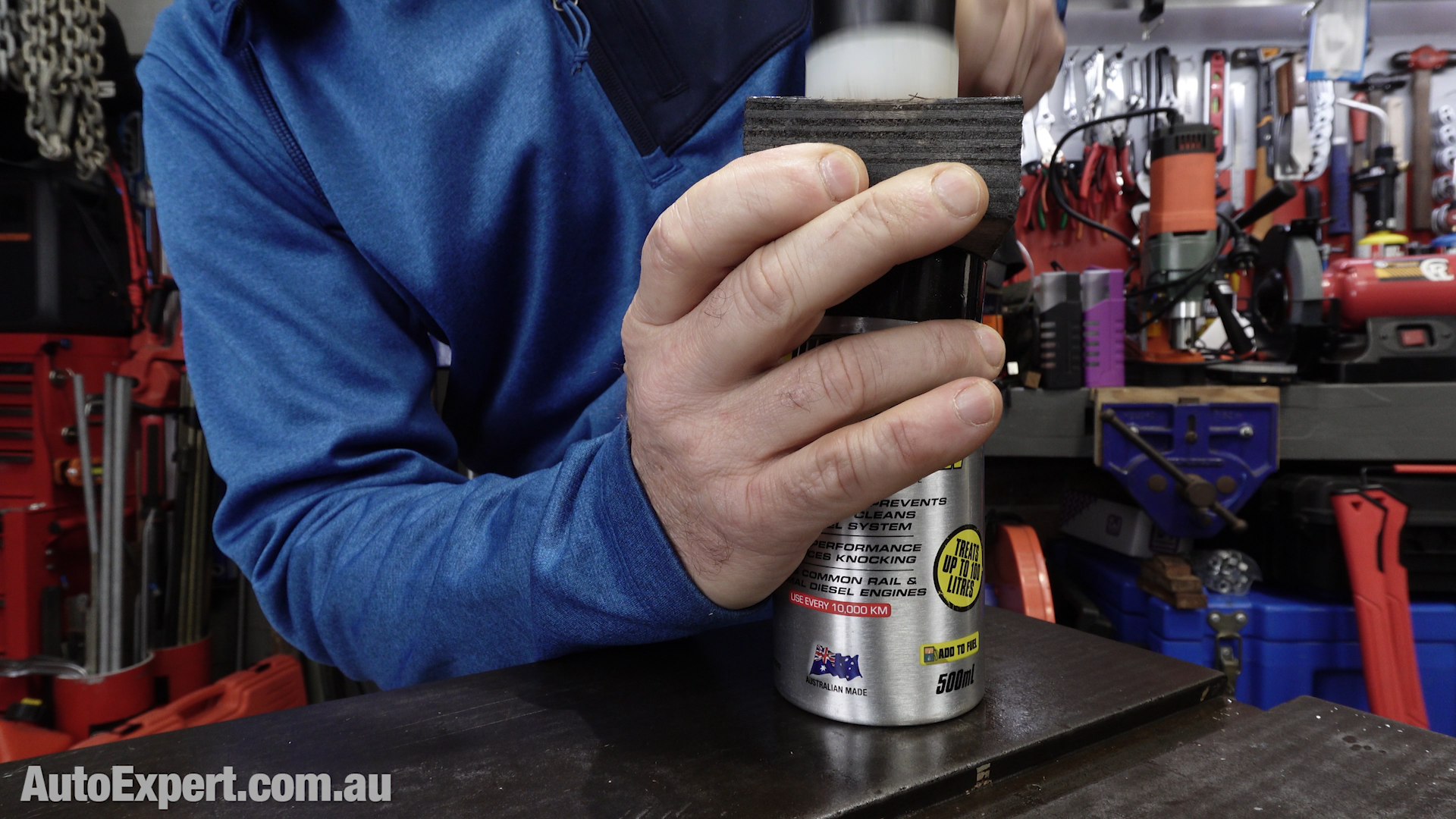
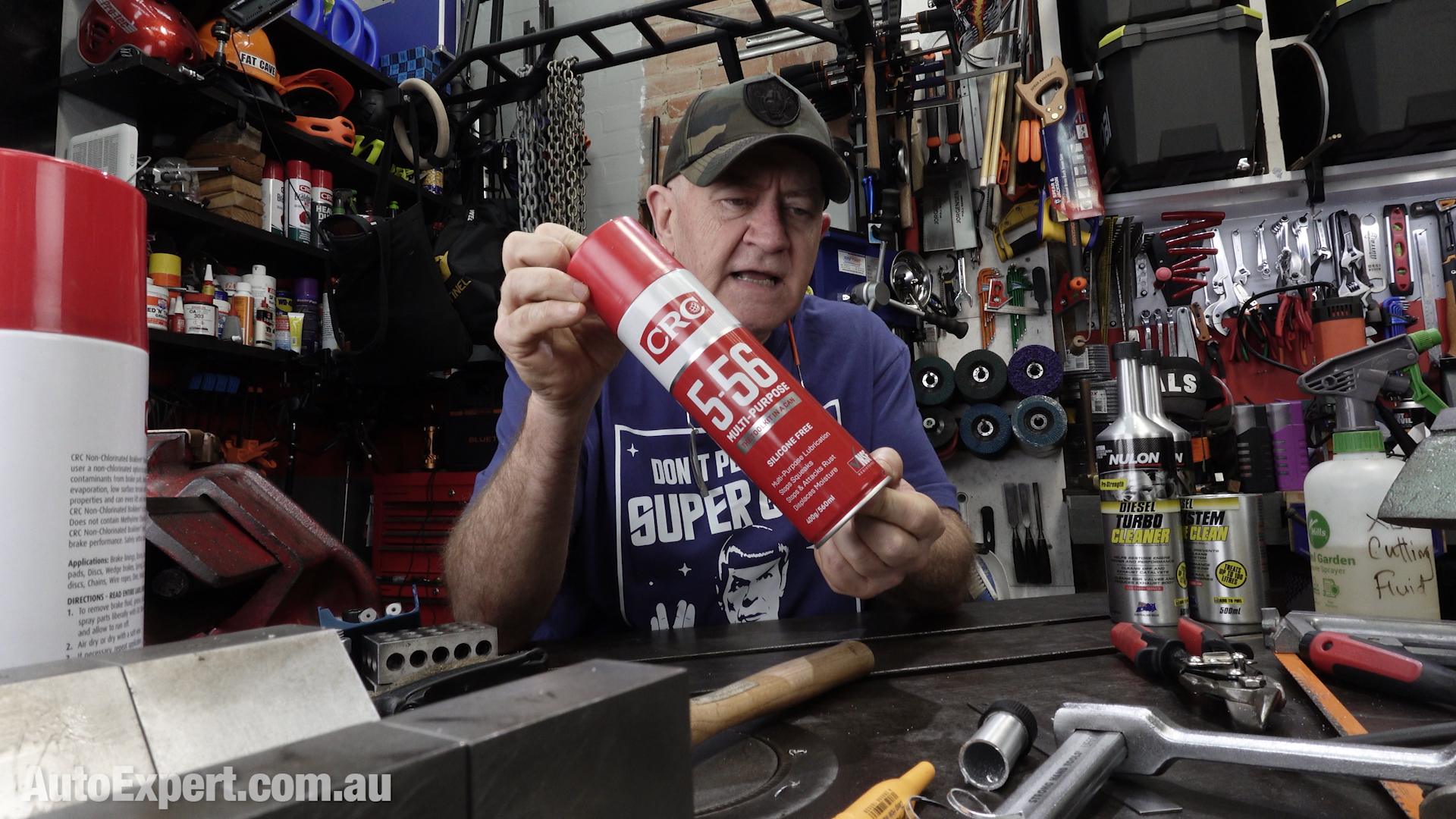
Pro tip: Most pressing ops in the home shed go better with a little lube - I used basic CRC 5-56 and it worked a treat.
Not jewellery-grade craftsmanship. Not billet aerospace nonsense. Just a neat, practical press fit that stays put and makes the thing useful. The lowest tech option: Mallet and a block of wood, plus gentle persuasion. You could squeeze it together in a vice, or (overkill) hydraulic or arbor press.
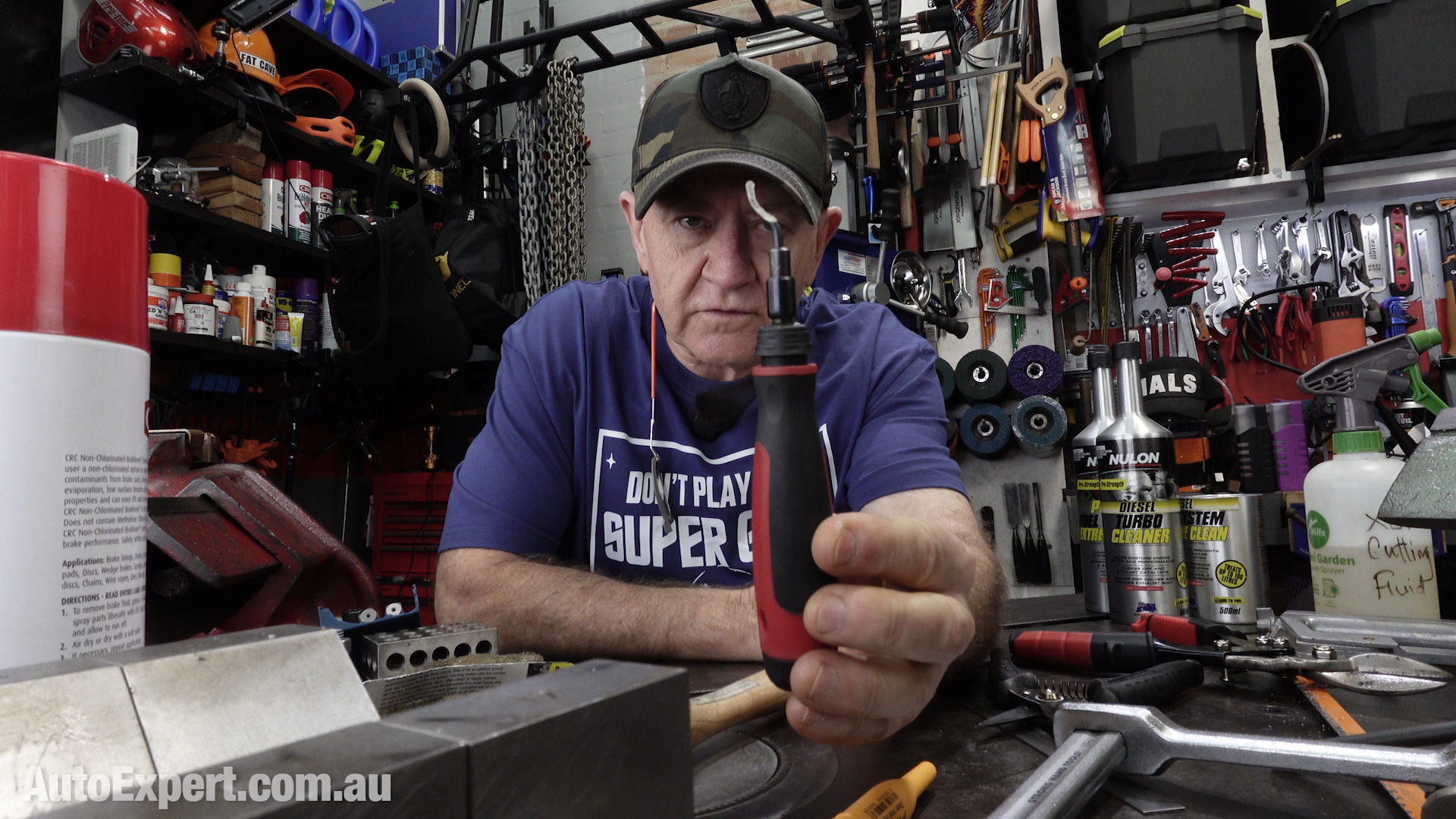
Step 6: Deburr everything
This is the important bit.
Deburr the edges properly.
Any time you cut thin aluminium, you create sharp edges. Sharp edges in a workshop are just future blood donations.
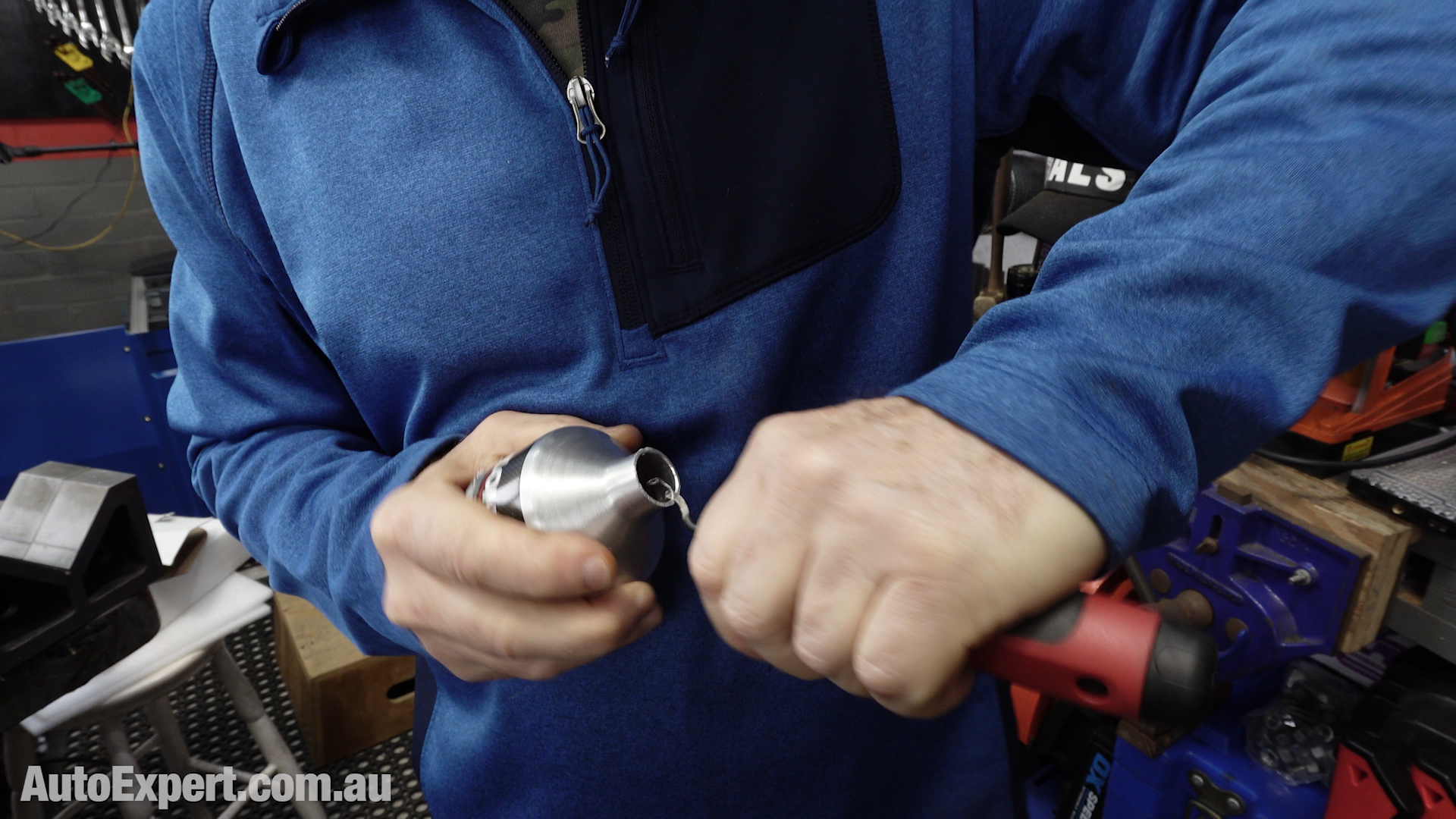
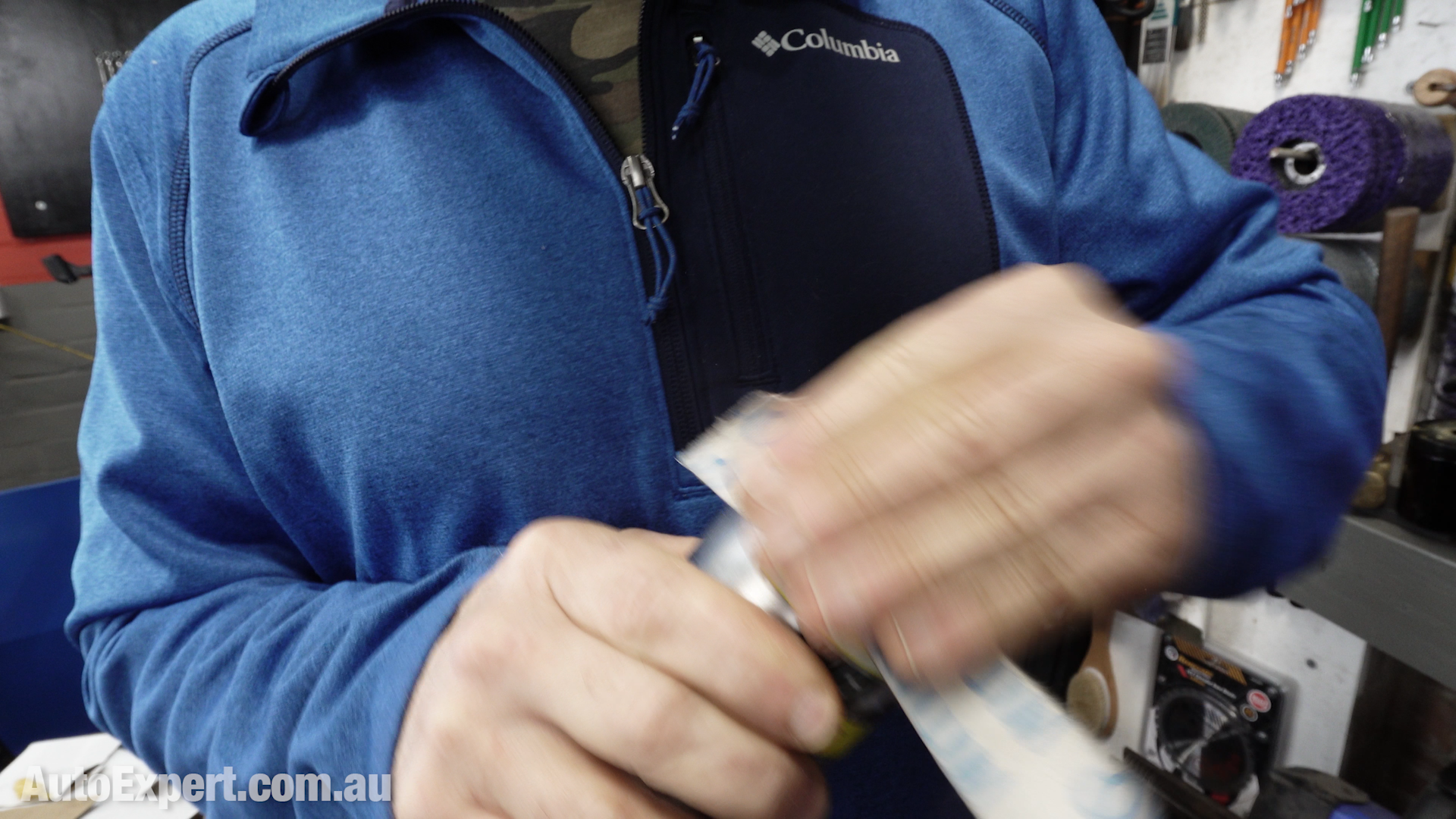
File it. Sand it. Scrape it. Scotch-Brite it. Do whatever you need to do so the finished tool is safe to handle. A HSS deburring tool on the inside edge works brilliantly, but is unnecessary.
Step 7: Fill it with cutting lube
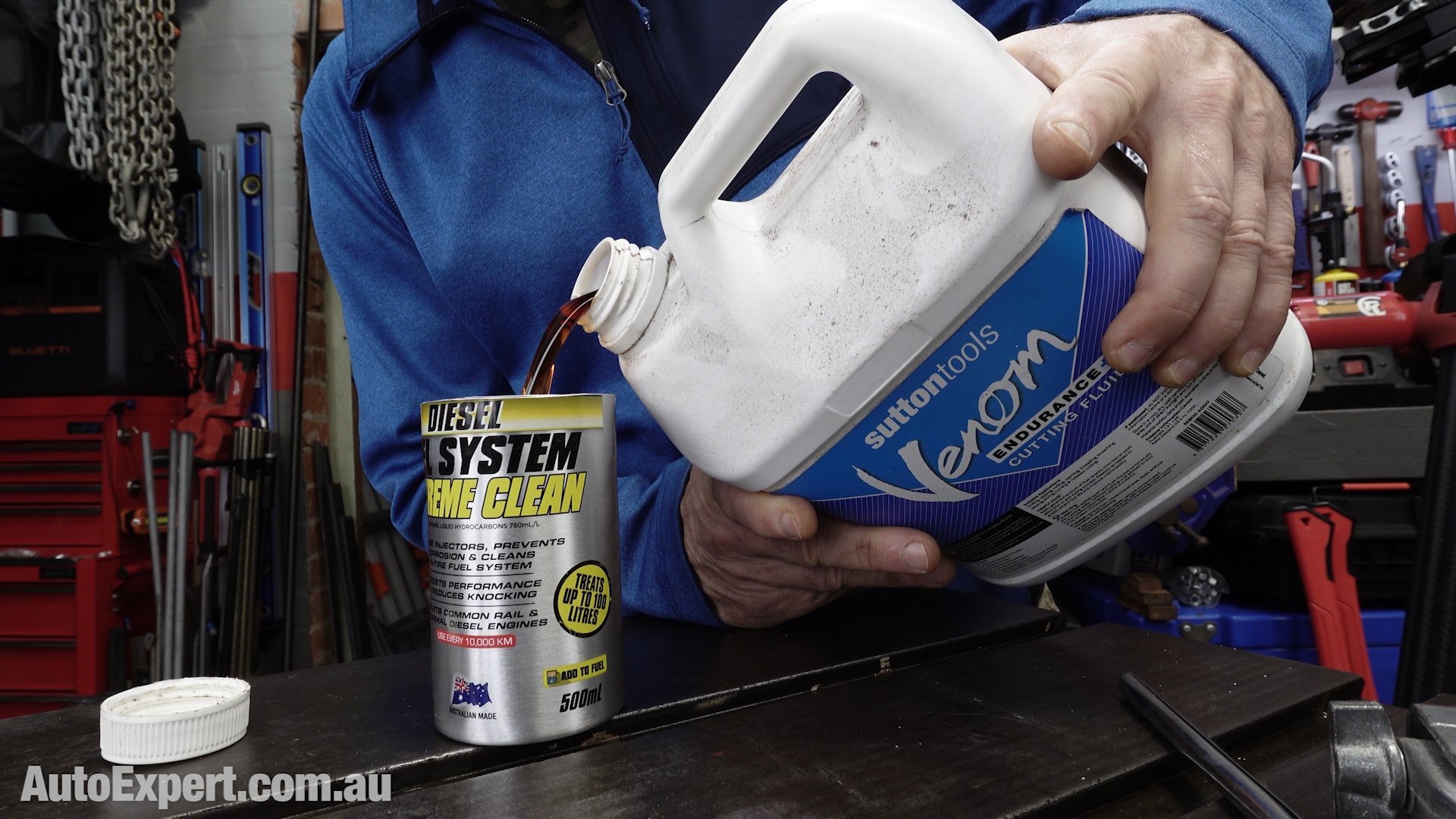
Add your preferred cutting fluid. then tip it horizontally and let anything that washes back out return to the parent container. Good to go.
Use it for drilling, tapping, countersinking, thread cutting, or any job where you need a small amount of lubricant close at hand without dragging out a giant container. Cutting lube reduces tool pressure, so it boosts tool life (like, blades and ground edges last longer) and it takes the load off the machine, boosting motor life and/or allowing more feed.
Step 8: Use it
That’s it.
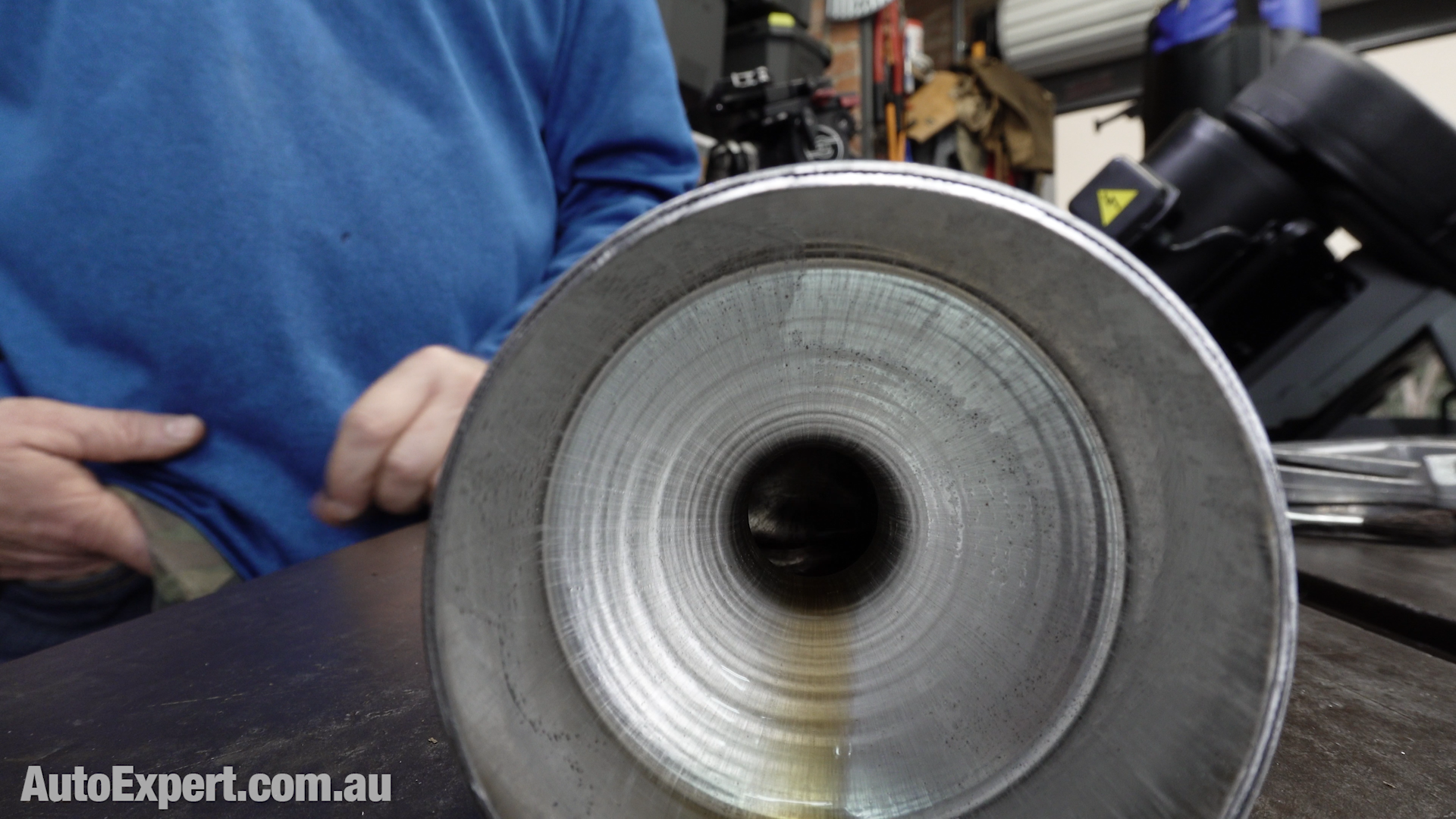
You now have a compact, stable, spill-resistant cutting lube dispenser made from an empty Nulon bottle.
It costs essentially nothing, takes only a few minutes, and works better than it has any right to.
Why re-use beats recycling
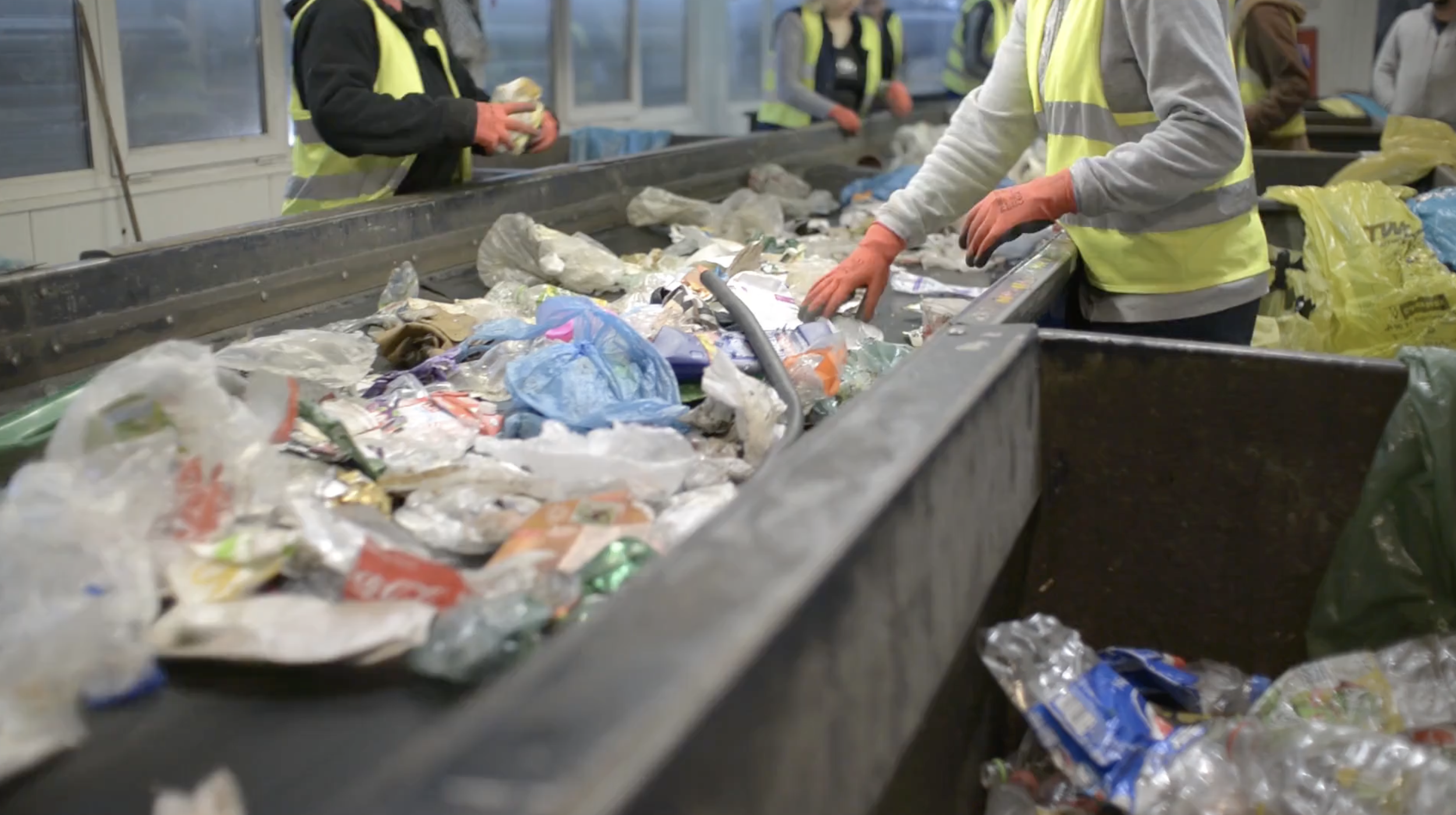
Recycling is better than landfill, obviously. But re-use is often better than recycling.

Recycling still requires transport, sorting, processing, melting, remanufacturing and all the usual industrial faffing around required to turn old material back into new material.
Re-use keeps the object in service with almost no extra energy.
In this case, the bottle does not need to be melted down and reincarnated as something else. It just needs five minutes of shed attention and a modest refusal to throw away useful stuff. That is the entire philosophy.
If an object can be re-used directly, and the result is genuinely useful, that is often the highest-value outcome. Years of additional usefulness - hardly any additional burden on energy systems or primary resources.
One empty aluminium additive bottle becomes a useful cutting lube dispenser for the workshop.
Simple. Practical. Cheap. Effective.
The perfect shed project, basically.