Kia Tasman Towing: Why It Sits on the Bump Stops (And Why That’s Not a Defect)
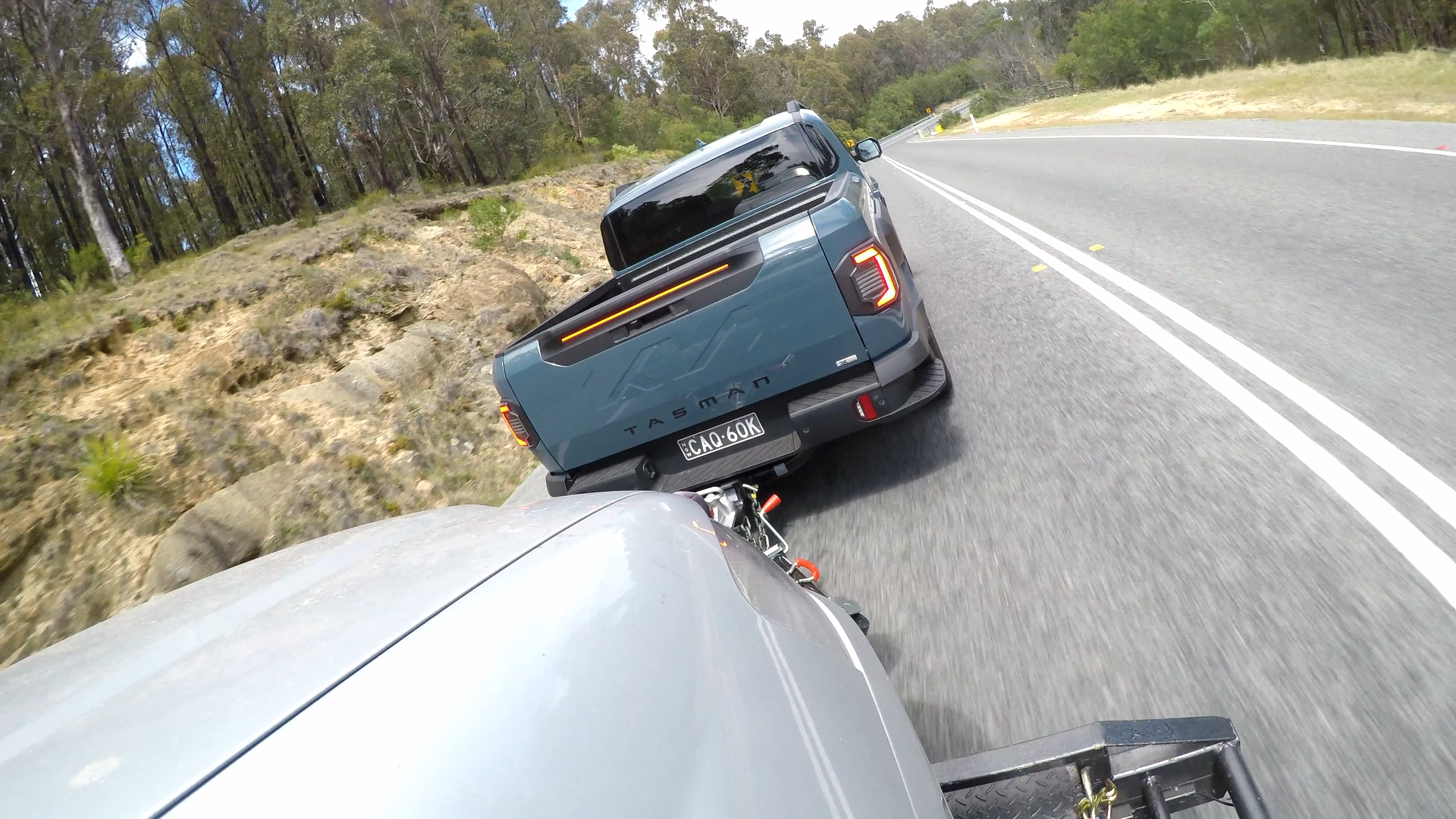
In a recent tow test, we hooked a Kia Tasman X-Line up to a 2.3-tonne trailer with approximately 260kg of towball download.
What we observed raised an obvious red flag:
👉 The rear suspension appeared to be sitting on the bump stops.
Not occasionally. Not momentarily. Consistently—under load.
At face value, that looks like a design failure.
But it isn’t.
Alternatively, watch the video on YouTube
I save people thousands on new cars and home solar - there’s heaps less stress and no obligation in either case. Just help if you want it. New cars here. Home solar here.
What We Observed
With that ~2.3T trailer attached:
The rear suspension compressed significantly
The bump stops appeared to be in constant contact
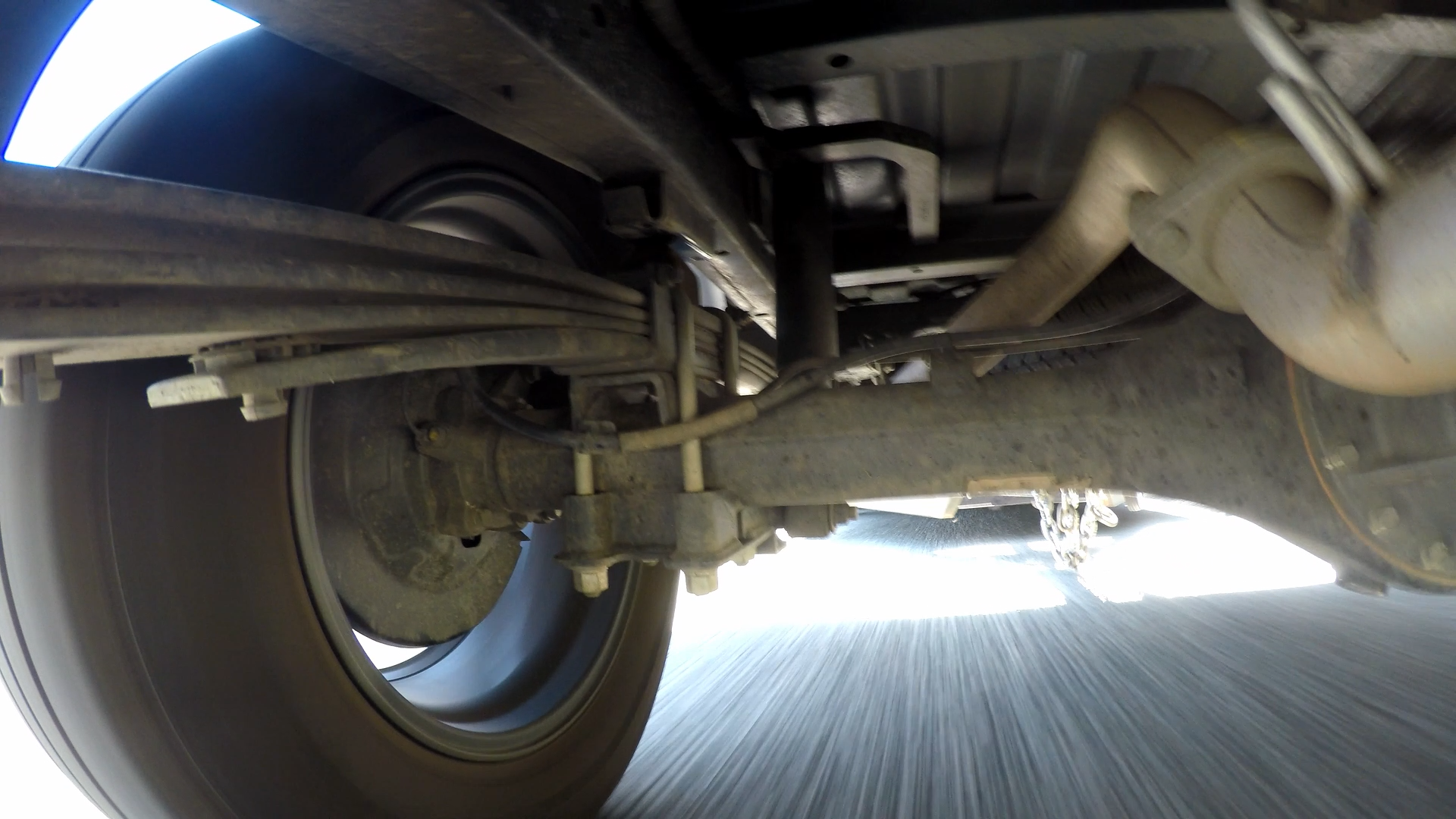
The chassis showed clear signs of sustained load (polishing from repeated contact)
There was also a secondary effect:
👉 Noticeable NVH (noise, vibration, harshness) in the cabin while towing
That’s important—because it’s consistent with reduced isolation between the axle and chassis. In simple terms, when you’re effectively “on the stops,” you’re reducing the suspension’s ability to absorb vibration.
So the question becomes:
Why would any manufacturer design it this way?
I save people thousands on new cars and home solar - there’s heaps less stress and no obligation in either case. Just help if you want it. New cars here. Home solar here.
The Key Detail Most People Miss
Unladen, the Tasman only has about three fingers of clearance between the bump stop and the chassis.
That’s not much.
Which tells you something critical:
👉 This system is designed to engage early.
Not as a last resort—but as part of normal operation under load.
Kia’s Explanation (From the Engineer Who Tuned It)

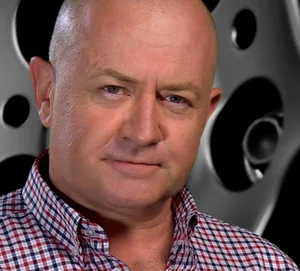
Graeme Gambold is the engineer with actual cred in this shot (right)
I spoke with Kia’s local suspension engineer, Graeme Gambold.
His explanation was direct:
This is not a defect. It’s intentional—and baked into the design.
That “bump stop” isn’t just a bump stop.
👉 It’s a tertiary spring first, and a bump stop second.
I save people thousands on new cars and home solar - there’s heaps less stress and no obligation in either case. Just help if you want it. New cars here. Home solar here.
How the Rear Suspension Actually Works
The Tasman doesn’t rely on a single spring rate.
Instead, it uses a multi-stage load strategy:
1. Primary Springing (Unladen / Light Load)
Four-leaf variable-rate spring pack
Designed for comfort and compliance
This is why the unladen ride quality is surprisingly good
2. Secondary Engagement
Additional leaves progressively come into play
Polymer “engagement dampers” smooth the transition
Prevents harsh step-changes in spring rate
3. Tertiary Spring (Heavy Load / Towing)
The bump stop engages deliberately
Acts as an additional spring element
Increases effective spring rate to support load
At this point, the vehicle is designed to be in contact with that component.
I save people thousands on new cars and home solar - there’s heaps less stress and no obligation in either case. Just help if you want it. New cars here. Home solar here.
Why Kia Went This Way
Originally, the Tasman was engineered more like a traditional work truck—with very stiff rear springs.
That works for payload.
But it’s terrible for ride quality.
For Australia, the suspension was reworked to:
Improve unladen comfort
Maintain towing capability
Avoid the “empty ute rides like a brick” problem
The solution is this staged system, where:
👉 Comfort comes from softer primary springs
👉 Load capacity comes from additional spring stages—including the bump stop
The Trade-Off (And It’s Real)
This approach solves one problem—but introduces another.
When the tertiary spring engages:
You increase stiffness significantly
You reduce compliance
You transmit more vibration into the cabin
Which explains the NVH observed during towing.
👉 That “direct contact” feeling isn’t your imagination
👉 It’s a consequence of how the system works under load
I save people thousands on new cars and home solar - there’s heaps less stress and no obligation in either case. Just help if you want it. New cars here. Home solar here.
Structural Considerations
This isn’t just a rubber block doing a job it wasn’t designed for.
According to Kia:
The bump stop’s geometry and material are tuned for this role
The chassis is reinforced locally to handle the load
So from a durability standpoint, this is engineered—not accidental.
So… Problem or Not?
If you define the issue as:
“The vehicle is on the bump stops while towing”
Then yes—that’s happening.
But if you define the issue properly:
“Is the suspension operating as designed within its load envelope?”
Then the answer is:
👉 Yes.
I save people thousands on new cars and home solar - there’s heaps less stress and no obligation in either case. Just help if you want it. New cars here. Home solar here.
The Real-World Takeaway
If you’re towing in the ~2–2.5 tonne range with meaningful towball download:
Expect the rear to sit down
Expect early bump stop engagement
Expect increased NVH
This is normal for how the Tasman is engineered.
What matters more is:
Staying within towball and GVM limits
Managing load distribution properly
Understanding that ride quality under load will degrade
Bottom Line
The Kia Tasman isn’t “bottoming out” in the conventional sense.
It’s transitioning into its final spring stage—where the bump stop becomes part of the suspension system.
That’s how it delivers:
Good unladen ride quality
Acceptable heavy towing performance
But it comes with a cost:
👉 More vibration and less refinement when heavily loaded
Not a defect.
A design decision.
I save people thousands on new cars and home solar - there’s heaps less stress and no obligation in either case. Just help if you want it. New cars here. Home solar here.