
Taxpayer-Funded EV Charging for Luxury Apartments Is Not Progress
There’s a new EV charging success story, and apparently we are all supposed to clap.
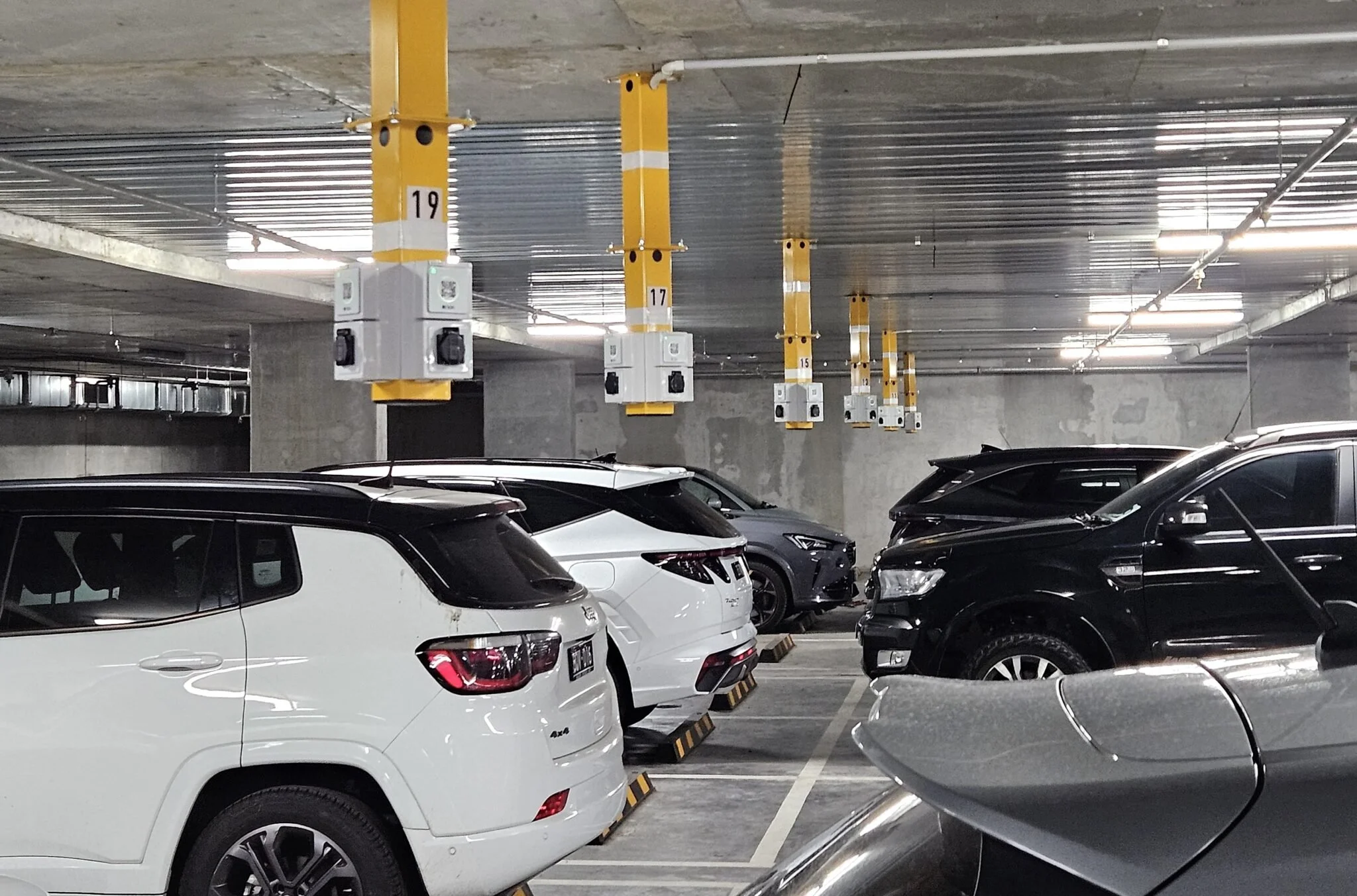
At the Sierra apartment complex in Hawthorn, a company called NOX Energy has installed 251 EV charge points in the basement car park, backed in part by $1.5 million in taxpayer funding. The project is being pitched as a glimpse of the future — a clever, scalable solution to the challenge of charging EVs in apartment buildings.
It is not that.
It is a highly compromised workaround, subsidised by you, the taxpayer, for the benefit of a relatively affluent group of apartment owners in an upscale building. And once you strip away the ministerial and corporate spin, the PR language and the activist media coverage, what remains looks a lot less like progress and a lot more like theatre.
I save people thousands on new cars and home solar - there’s heaps less stress and no obligation in either case. Just help if you want it. New cars here. Home solar here.
What was actually installed (standard powerpoints)
The first thing worth understanding is that these are not 251 proper EV chargers in the way most people would imagine. ($300k of the $1.5M on the taxpayer to NOX Energy was spent on the Sierra project. )
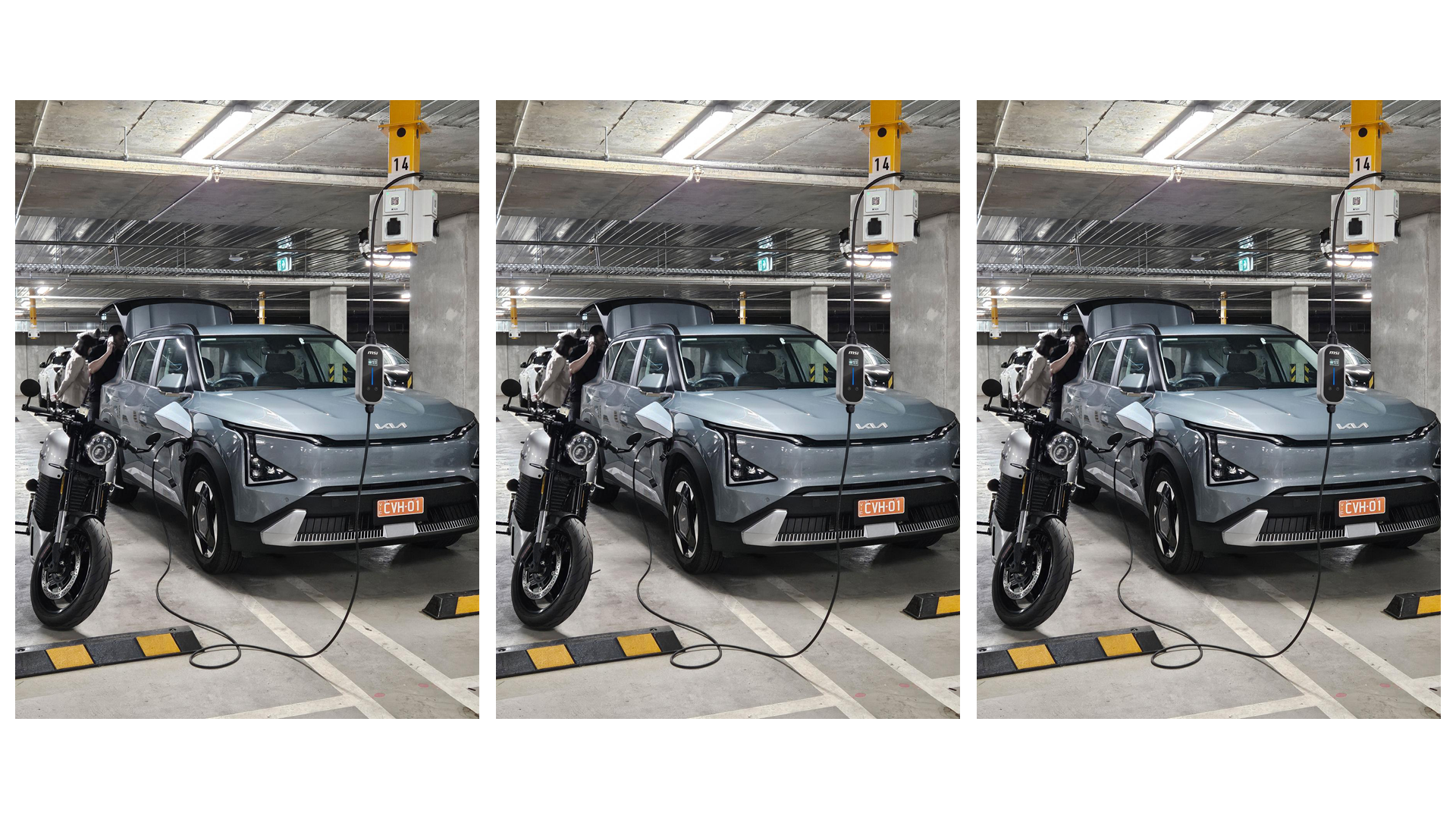
They are essentially ordinary power outlets — “Level 1” charging points — mounted on bollards suspended from the ceiling of the car park. They are managed by software that limits how many vehicles can charge at once, rotating charging access between different zones in roughly 10-minute intervals when demand is high.
I save people thousands on new cars and home solar - there’s heaps less stress and no obligation in either case. Just help if you want it. New cars here. Home solar here.
So if a large number of residents get home in the evening, plug in at once and expect to recharge, the system does not simply deliver power to all vehicles simultaneously. Instead, it meters the available electrical capacity by allowing a subset of cars to charge briefly, then switching them off and passing that capacity to another group, and so on.
That might sound clever on paper. But in practical terms it means each EV gets only a fraction of the already modest energy available from a standard household-style outlet.
And that matters, because Level 1 charging is slow even when it is continuous.



The problem with Level 1 charging
Level 1 charging typically adds only about 10 kilometres of range per hour of continuous charging. That is not a typo. Ten.
So even a modest EV battery pack — say 60kWh — can take well over 24 hours to recharge from flat on a continuous Level 1 supply. If that charging is being interrupted and rationed across dozens or hundreds of vehicles, the effective recharge time stretches out even further.
That is the engineering reality.
This system only makes sense if most residents drive relatively little, arrive home with a decent state of charge already in the battery, and are happy to recover energy slowly over a long period. It is not robust, high-capacity charging infrastructure. It is a workaround designed to avoid a much bigger problem: the building cannot realistically support proper charging at scale.
I save people thousands on new cars and home solar - there’s heaps less stress and no obligation in either case. Just help if you want it. New cars here. Home solar here.
I save people thousands on new cars and home solar - there’s heaps less stress and no obligation in either case. Just help if you want it. New cars here. Home solar here.
Why they are doing it this way
The reason for the rotating charge schedule is obvious enough. If 251 EVs were all connected to proper Level 2 chargers and drawing meaningful power at the same time, the building’s electrical infrastructure would be overwhelmed.
To support large-scale apartment charging properly, a building like this would likely require a major electrical upgrade — potentially involving a very substantial increase in supply capacity from the street, new switchgear, new distribution infrastructure, and extensive retrofit work throughout the building.
That would be expensive, disruptive and technically difficult. So instead of building infrastructure capable of doing the job properly, the project relies on demand throttling, software scheduling and the very low power draw of Level 1 charging.
In other words: this is not a genuine solution to the apartment charging problem. It is an attempt to avoid the true cost of solving it.
And taxpayers are helping pay for it
That would already be questionable enough if the owners’ corporation had funded it entirely out of its own pocket.
But public money has gone into the project.


I save people thousands on new cars and home solar - there’s heaps less stress and no obligation in either case. Just help if you want it. New cars here. Home solar here.
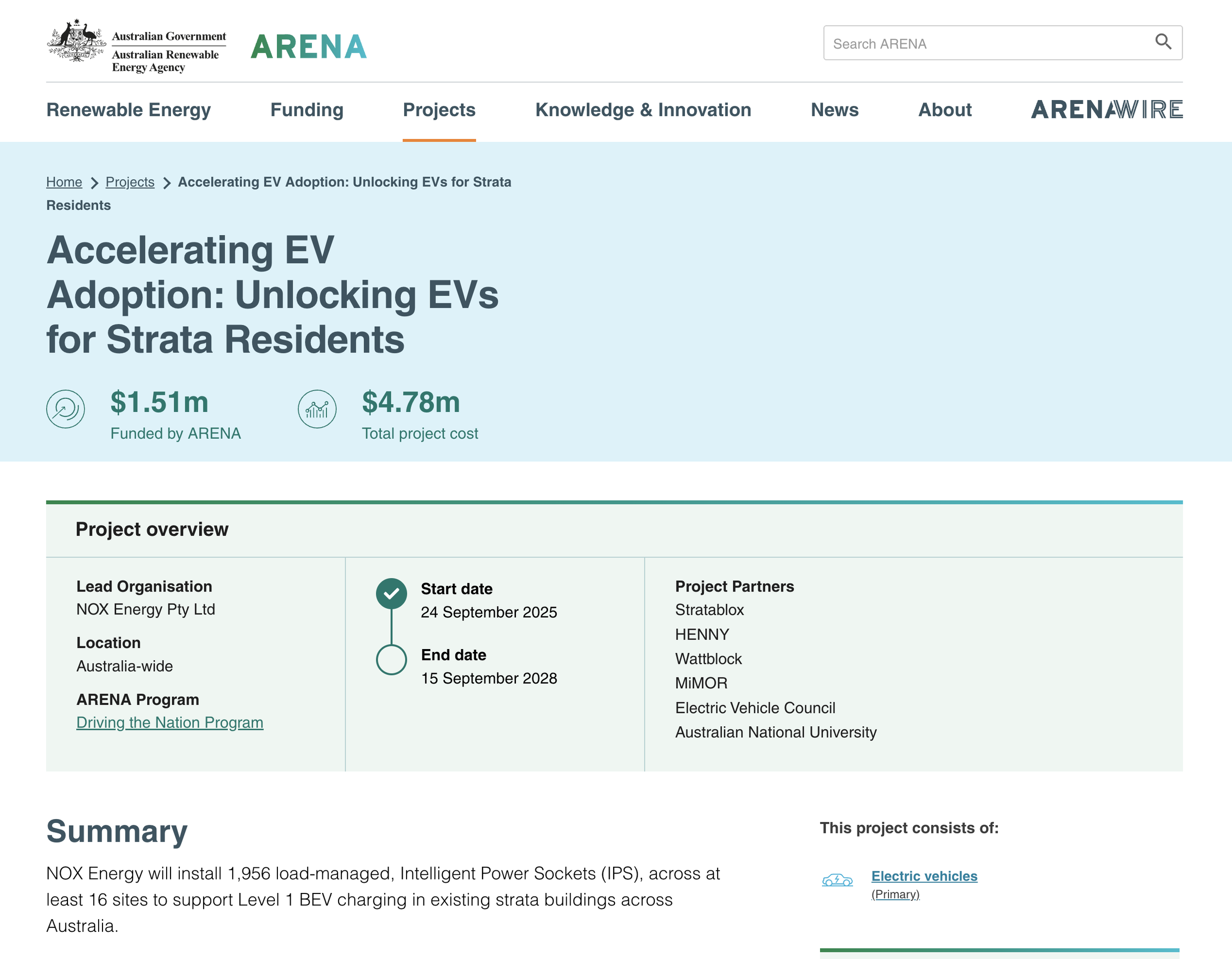
So the taxpayer is helping underwrite a charging retrofit for residents of a premium apartment building in Hawthorn — one of Melbourne’s more affluent suburbs — despite EVs still representing only a small fraction of the national vehicle fleet.
That is where the politics becomes impossible to ignore.
Governments keep presenting these projects as if they are laying the foundations for a mass-market transport transition. In reality, they are often subsidising highly specific, highly constrained infrastructure that benefits a narrow slice of relatively wealthy people who already live in expensive inner-urban developments.
That is not broad-based public interest infrastructure. It is targeted subsidy dressed up as nation-building.
The “EV future” claim does not survive contact with reality
We are constantly told that EVs are inevitable, that the transition is accelerating, and that the job of government is simply to clear away the barriers.
But the numbers do not support the rhetoric.
Even with generous government incentives and constant media cheerleading, EVs remain a minority share of vehicle sales. And sales are not the same thing as fleet transition anyway. Replacing the national vehicle fleet takes time — a lot of time. Australia has roughly 16 million light vehicles on the road. Against that backdrop, these kinds of apartment retrofit projects look less like the dawn of a new era and more like boutique signalling exercises.
This matters, because every dollar spent pushing impractical edge-case infrastructure is a dollar not spent on solving problems that affect everyone.
Fuel security would be one example. Grid reliability would be another. Actual productivity-enhancing infrastructure would be another again.
I save people thousands on new cars and home solar - there’s heaps less stress and no obligation in either case. Just help if you want it. New cars here. Home solar here.
The emissions case is not nearly as clean as advertised
The usual fallback in favour of EV infrastructure is emissions reduction. But that argument also deserves scrutiny.
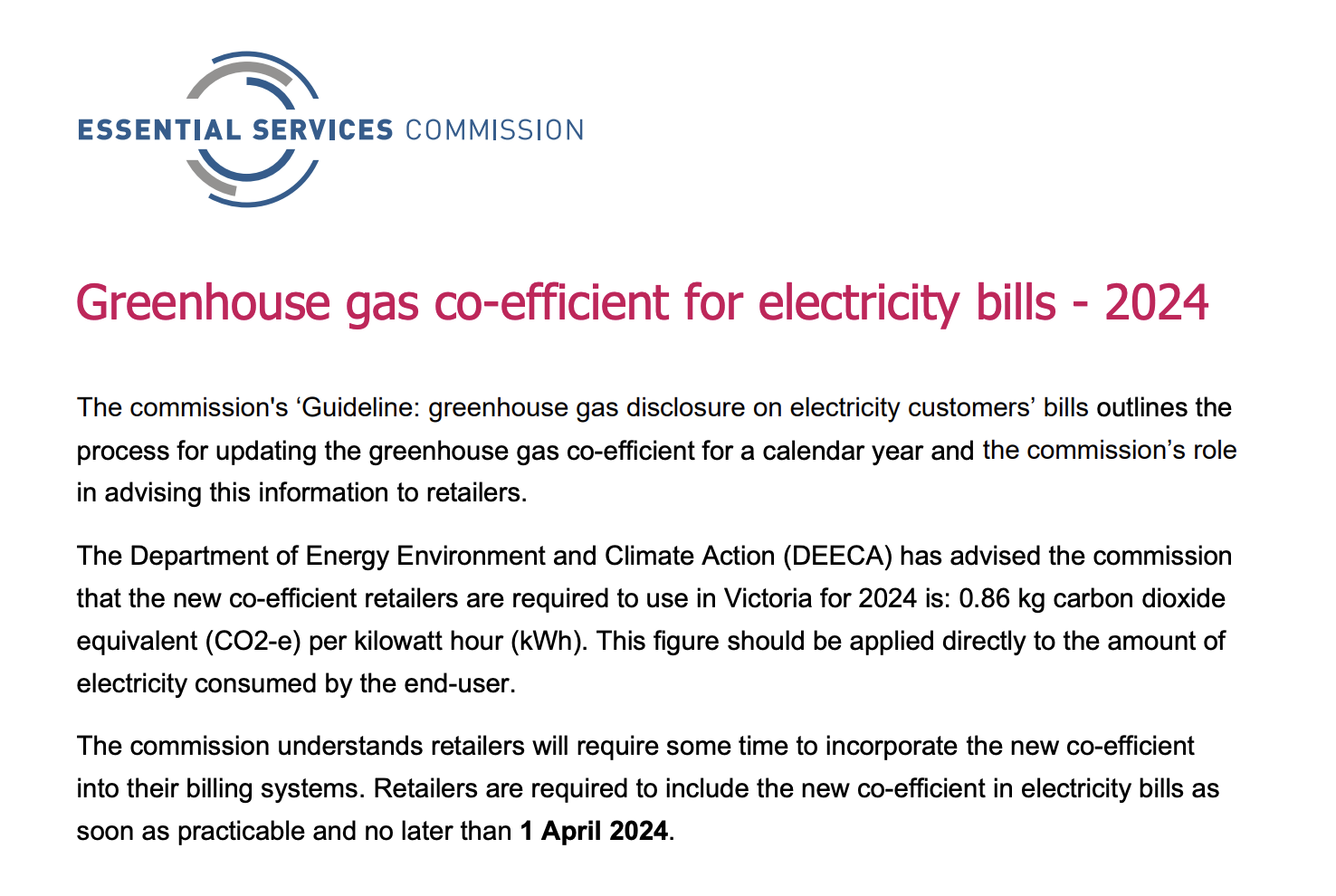
An EV is only as clean as the electricity used to charge it. In Victoria, grid electricity still carries a significant carbon intensity. So while EV advocates love to imply that plugging in means “zero emissions”, that is simply not how physics works.
If the electricity is generated with a heavy fossil-fuel component, the emissions are simply relocated upstream to the power station.
That does not mean EVs can never reduce emissions. It means the emissions outcome depends heavily on the grid, the charging pattern, and the actual vehicle in question. And in some real-world comparisons — especially against efficient hybrids — the emissions advantage is nowhere near as decisive as the activists pretend.
This is one of the biggest problems in the EV debate generally: slogans are substituting for engineering.
Then there is the fire-risk question
The project’s backers reportedly claim that integrating the charging system with the building fire alarms somehow improves the fire safety profile of the building, because charging shuts off if there is a fire.
That is not a serious answer to the real concern.
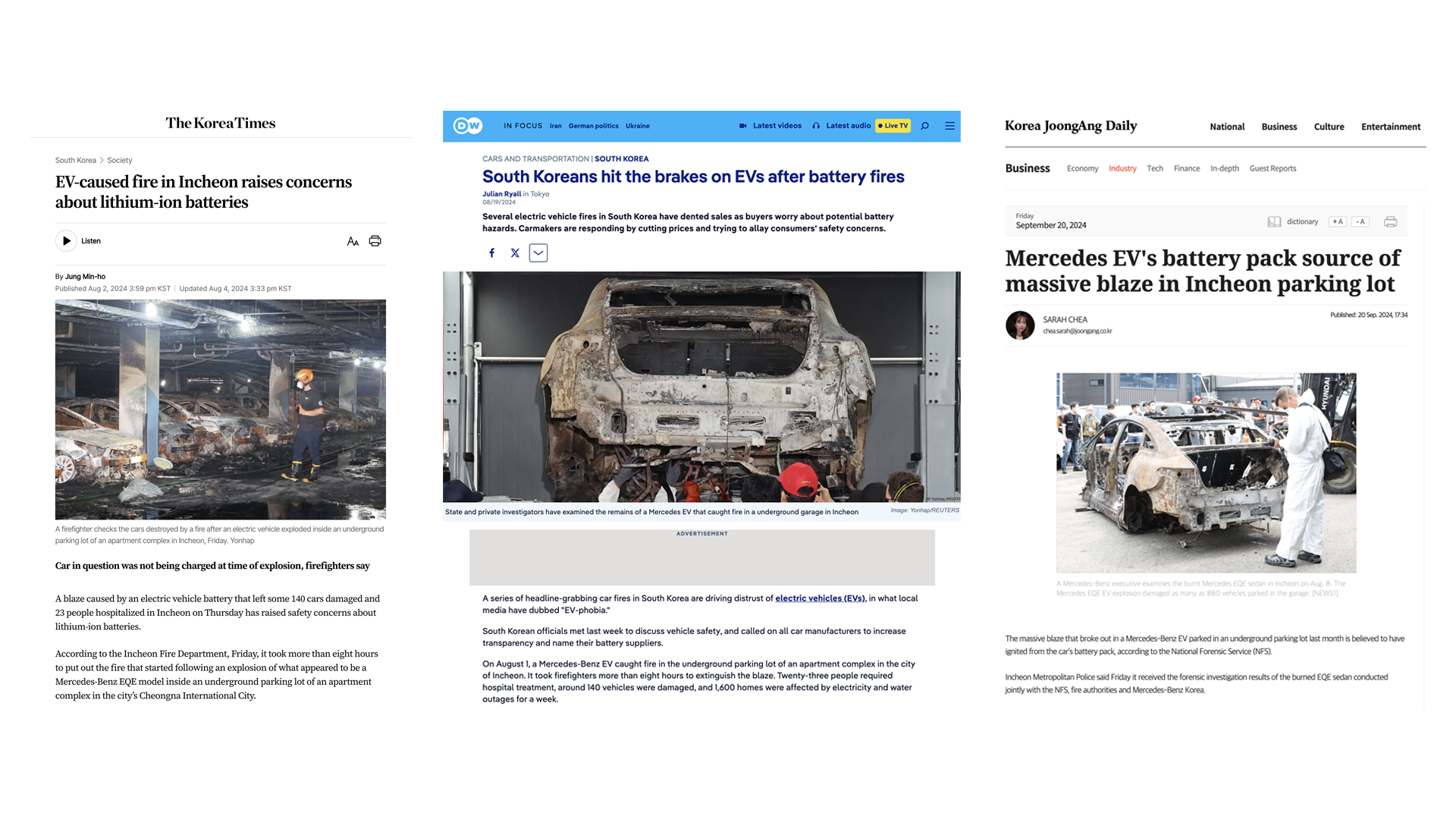
The concern is not whether charging stops after a fire starts. The concern is what happens when you concentrate a large number of vehicles with large lithium-ion battery packs in an enclosed basement, many of them connected to charging equipment, in a space that is inherently difficult to access and defend if something goes badly wrong.
This is not some fringe fantasy. Recent high-profile EV fires in underground parking structures overseas have demonstrated just how disruptive and dangerous such incidents can be. Long-duration fires, toxic smoke, difficult extinguishment, major property damage, displacement of residents — these are not imaginary risks. They are real considerations in the design and management of dense urban parking environments.
Pretending that this concern is just “fear campaigning” is not analysis. It is spin.
I save people thousands on new cars and home solar - there’s heaps less stress and no obligation in either case. Just help if you want it. New cars here. Home solar here.
This is what green theatre looks like

There are elegant ways to improve charging access in some multi-residential buildings. I am not arguing that apartment EV charging is impossible in every case.
But this particular setup is being celebrated as though it proves a broad, scalable and practical pathway forward. It does not.
What it proves is that if you combine enough public money, enough ideological commitment and enough willingness to ignore engineering constraints, you can indeed hang a lot of power outlets from the ceiling and call it transformation.
That is not the same as solving the problem.
This project is, at best, a constrained workaround for a narrow use-case. At worst, it is a greenwashed public subsidy for well-heeled residents in a premium suburb — sold to the rest of us as visionary nation-building.
And that is the part that should annoy you.
Because when government uses your money to underwrite symbolic infrastructure for affluent early adopters, while pretending it is building the future for everyone, the message is pretty clear:
You pay. They win.
I save people thousands on new cars and home solar - there’s heaps less stress and no obligation in either case. Just help if you want it. New cars here. Home solar here.