
The Hidden Trap In Your Owner’s Manual
Most people think buying a car is simple (and it mostly is, superficially).
You pay for it. You register it. You insure it. You service it every so often. And if something big breaks, you assume warranty or consumer law will come charging over the hill to save the day.
But that is not really the whole deal.
The real deal is this: when you buy a car, you also buy a book full of caveats and conditions. And if you ignore them, your legal position can collapse in a heap.
I save people thousands on new cars and home solar - there’s heaps less stress and no obligation in either case. Just help if you want it. New cars here. Home solar here.
A recent NSW tribunal case is a neat example of this hidden trap.
A customer bought a Mercedes-Benz AMG E53 new in May 2019. The engine failed in November 2022. He brought a consumer law claim.
He lost.
That matters, because I quite often report on cases where the consumer is right and the company behaves like the Galactic Empire. This one is the inversion. It is a case study in what can happen when the owner appears to have undermined his own position.

Low kilometres did not save him
According to the judgment, the car had done only 3224 kilometres when the engine failed.
On the surface, that sounds like a pampered car. Most people hear “very low kilometres” and think “careful owner.”
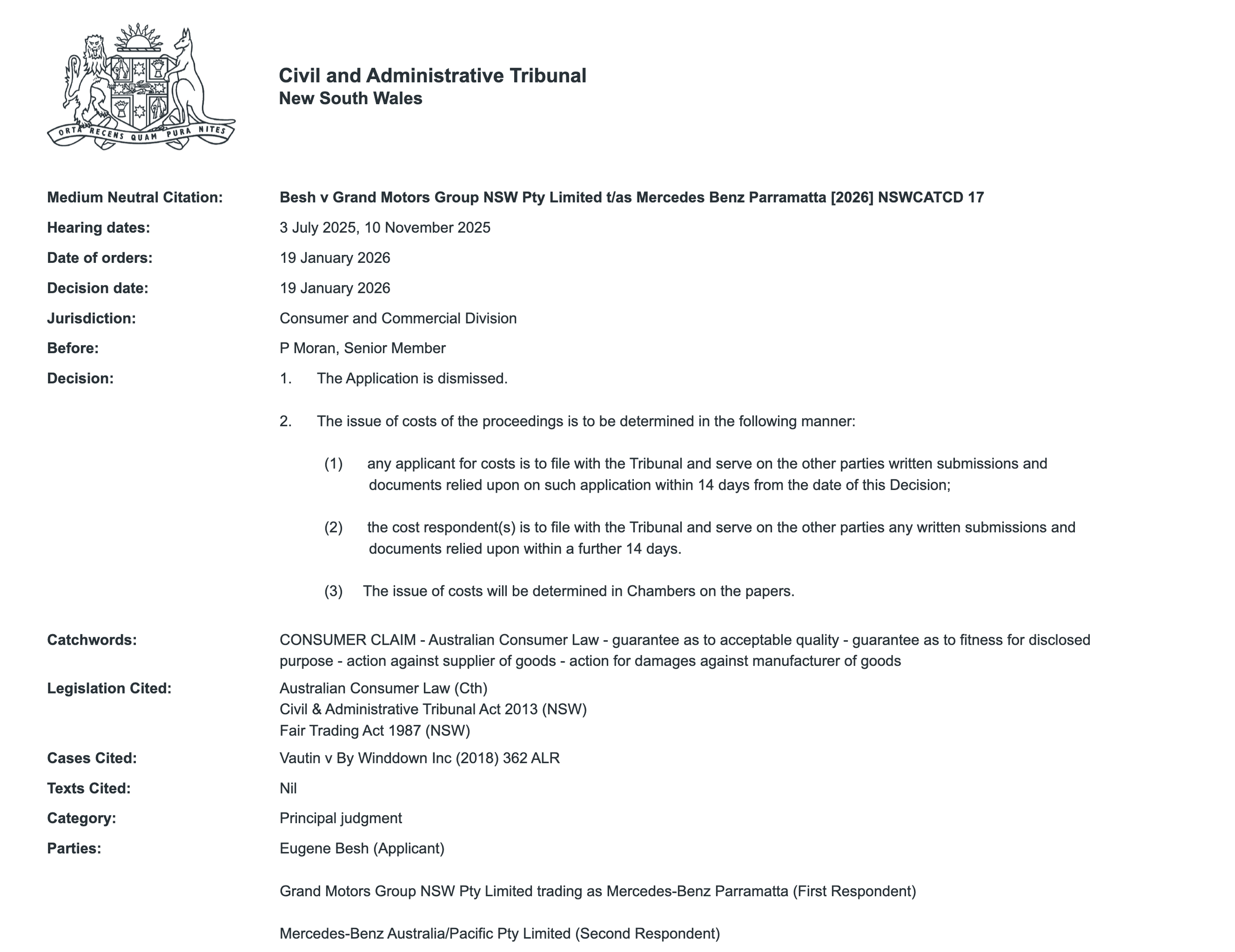
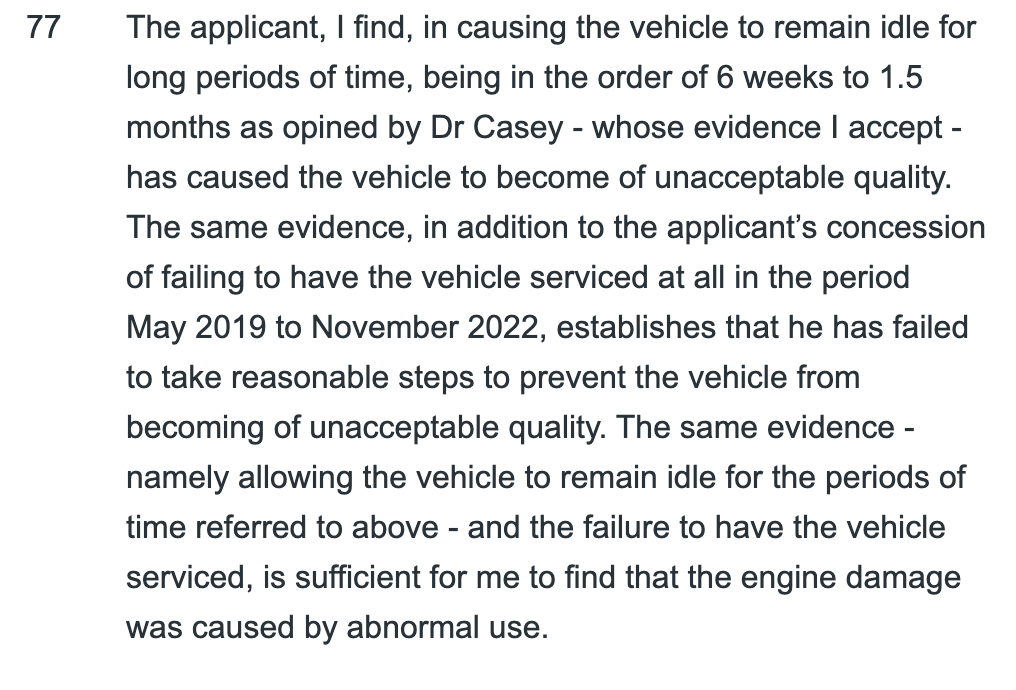
But the tribunal accepted expert evidence that the vehicle had been left idle for long periods, in the order of roughly six weeks at a time. That mattered because the operating manual warned that if the vehicle was left parked for longer than six weeks, it “may suffer disuse damage”.
That is the first big lesson.
The owner’s manual is not just there to explain Bluetooth pairing, warning lights and other miscellaneous dashboard mysteries. Buried in there can be conditions that become very important when something expensive lets go.
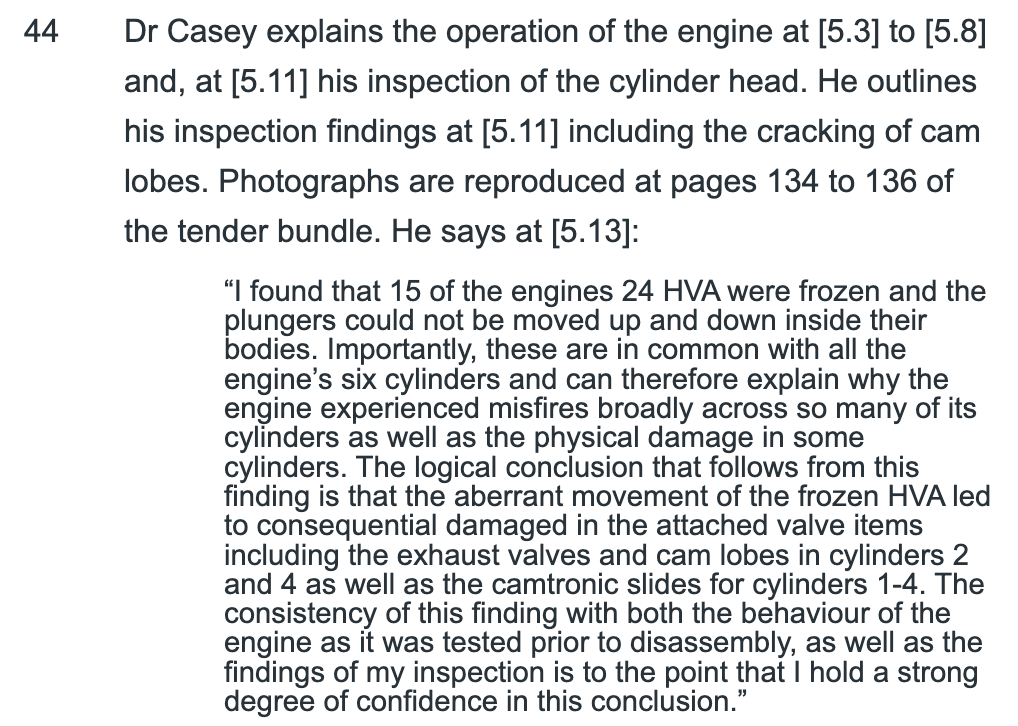
Below are some direct excerpts from the case. (Click to open in ‘lightbox’ mode.)
I save people thousands on new cars and home solar - there’s heaps less stress and no obligation in either case. Just help if you want it. New cars here. Home solar here.
The three-and-a-half-year red flag
The second big problem was servicing.
The tribunal found the owner had not had the vehicle serviced between May 2019 and November 2022.
That is not “a bit late on the service”.
That is about three and a half years of non-servicing.
It is a giant red flag in any mechanical dispute, especially when the owner is later trying to argue that a major failure should be sheeted home to the manufacturer or supplier.
In this case, the tribunal accepted the respondents’ expert evidence that the engine damage was caused by the vehicle standing idle for long periods. It also found the owner had caused the car to become of unacceptable quality, or failed to take reasonable steps to prevent that.
So the claim failed.
The broader lesson is simple enough: consumer law is not a magic force field. It does not protect owners from the consequences of ignoring the maintenance conditions attached to the product.
I save people thousands on new cars and home solar - there’s heaps less stress and no obligation in either case. Just help if you want it. New cars here. Home solar here.
This is not just a Mercedes story
It would be easy to write this off as some weird one-off involving a prestige car.
That would be a mistake.
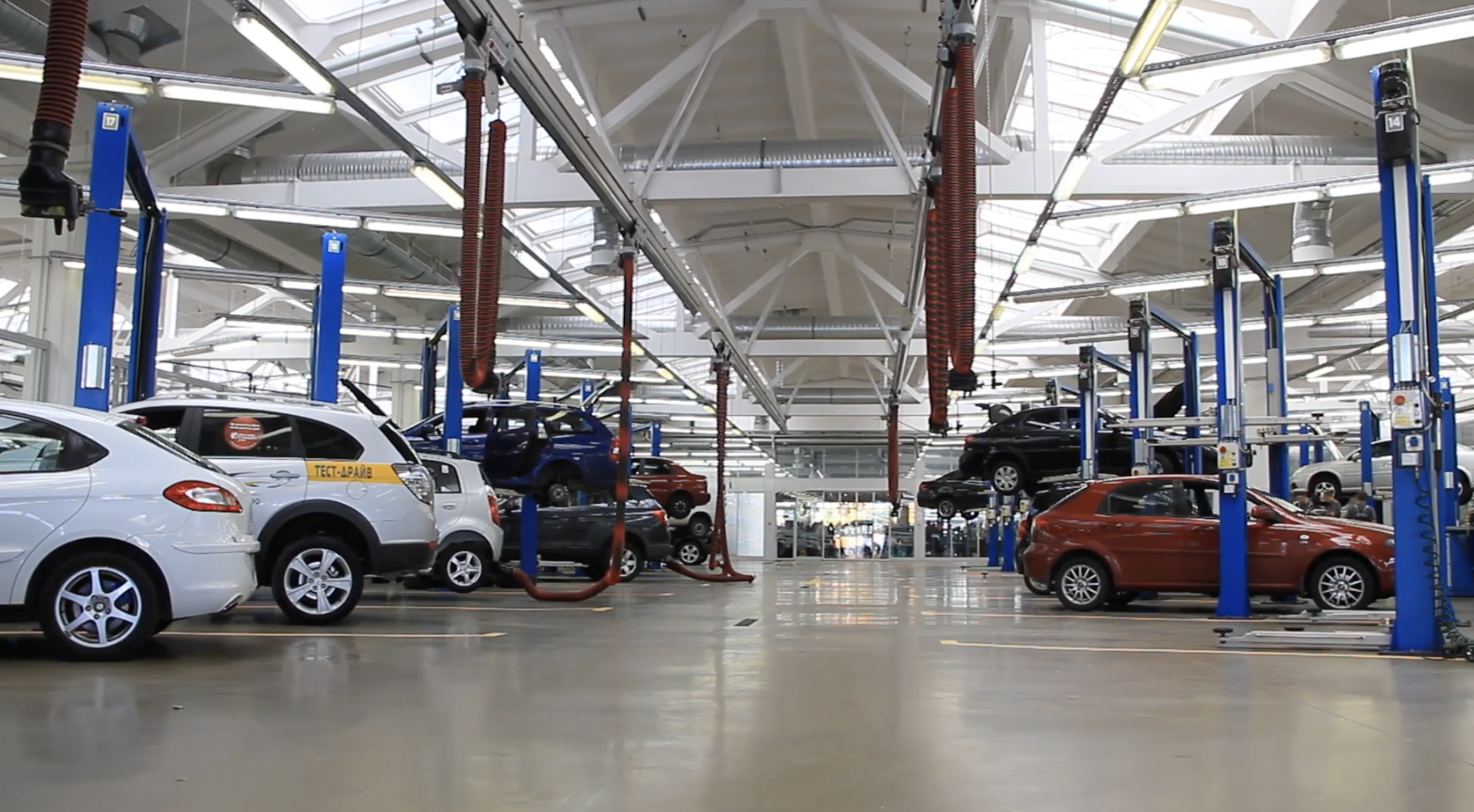
This is really a story about the convoluted path to compliance with modern car ownership.
Manufacturers often say something like this: service the vehicle annually, or every 10,000 or 15,000 kilometres, whichever comes first.
Simple enough.
But then comes the catch: if the vehicle is used in “severe” or “harsh” conditions, it often needs more frequent servicing.
And this is where many owners get ambushed.
Most people hear “harsh conditions” and think of a brutal outback crossing, towing a bulldozer across the Pilbara, or some other heroic mechanical ordeal.
But that is often not what the manufacturer means at all.
I save people thousands on new cars and home solar - there’s heaps less stress and no obligation in either case. Just help if you want it. New cars here. Home solar here.
“Harsh” can mean ordinary suburbia
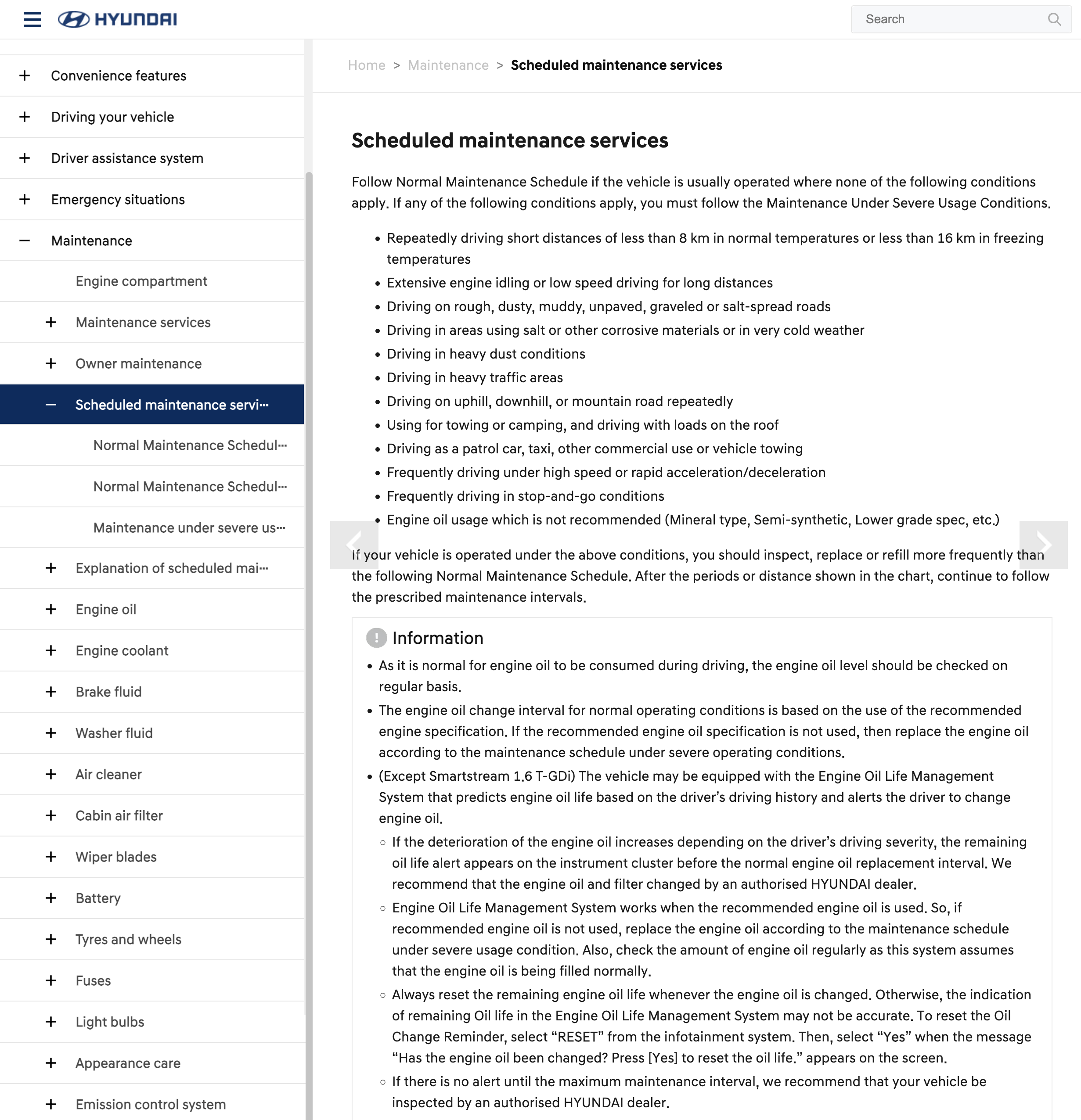
Hyundai, for example, says that if any of certain conditions apply, the vehicle must follow the maintenance schedule for severe usage. Those conditions include repeatedly driving short distances of less than 8 km, extensive engine idling or low-speed driving for long distances, heavy traffic, and repeated uphill or downhill driving.
In other words: suburbia.
Mazda says owners should always follow the recommended service intervals in the owner’s manual, including any additional service requirements the vehicle may need. Mazda also says warranty does not cover repairs required due to inadequate maintenance. Its maintenance guidance includes repeated short-distance driving and frequent uphill/downhill driving among the relevant conditions.
I am not singling Hyundai and Mazda out here as villains. These are typical examples of how modern car ownership works.
So let’s translate all this into plain English.
The school run. Cold starts. Short trips. Peak-hour traffic. Stop-start commuting. Lots of idling. Hills. Maybe some weekend towing.
That may not feel “harsh” to you.
But the manufacturer may classify it that way.
And if you are on the wrong maintenance regime because you never read the caveats, that can matter a lot when the second law of thermodynamics turns up with a baseball bat and your engine loses the argument.
You do not just own the car
That is the real takeaway from this Mercedes case.
Not: “Drive your car every six weeks or lose your rights.”
That would be far too simplistic.
The real takeaway is this:
You do not just own the car.
You own the attached terms and conditions.
Conditions about servicing. Conditions about use. Conditions about non-use. Conditions about what counts as severe operation. Conditions about what you have to do if you want the machine to stay healthy, and if you want your legal position to stay strong when it does not.
That is the hidden trap in your owner’s manual.
Most people have no idea it is there until something expensive breaks and they suddenly discover that the fine print mattered a lot more than they thought.
I save people thousands on new cars and home solar - there’s heaps less stress and no obligation in either case. Just help if you want it. New cars here. Home solar here.
Servicing is cheap
Servicing, by the way, is cheap.
Compared with the potentially catastrophic cost of not servicing appropriately.
Customers are not always right. Carmakers are not always Hannibal Lecter. But the terms and conditions are hard to beat when the laws of physics show up with a certain vengeful gleam in their eye.
And that is why this case matters.
It is not just a story about one Mercedes owner losing one consumer law claim.
It is a broader warning about the hidden compliance burden of car ownership.
If you buy a car, you are not just buying transport.
You are also buying the rule book.
And ignoring that rule book can get very expensive.
I save people thousands on new cars and home solar - there’s heaps less stress and no obligation in either case. Just help if you want it. New cars here. Home solar here.