
This Oil Shock Is Not the 1970s All Over Again - At Least, Not Yet
Read the headlines and you’d think Australia is about five minutes away from empty bowsers, tractors parked for good, and civilisation collapsing in a puff of diesel fumes.
The full Mad Max. Coming soon to a servo near you.
Reality, however, says something rather different.
This Middle East oil shock is real. It is serious. It is inflationary. It is inconvenient. It is certainly expensive. But the Australian economy is still functioning, fuel is still moving, and the widespread consumer nightmare many commentators are implying is simply not happening — at least not yet.
Obvious conclusion, therefore: It’s not a crisis - yet.
That matters, because when politicians and the media start reaching for superlatives, facts tend to get pushed aside.
I save people thousands on new cars and home solar - there’s heaps less stress and no obligation in either case. Just help if you want it. New cars here. Home solar here.
The PM’s “biggest spike in history” claim does not survive contact with reality
The Prime Minister said this conflict had caused the “biggest spike in petrol and diesel prices in history”.
That is not even vaguely defensible.
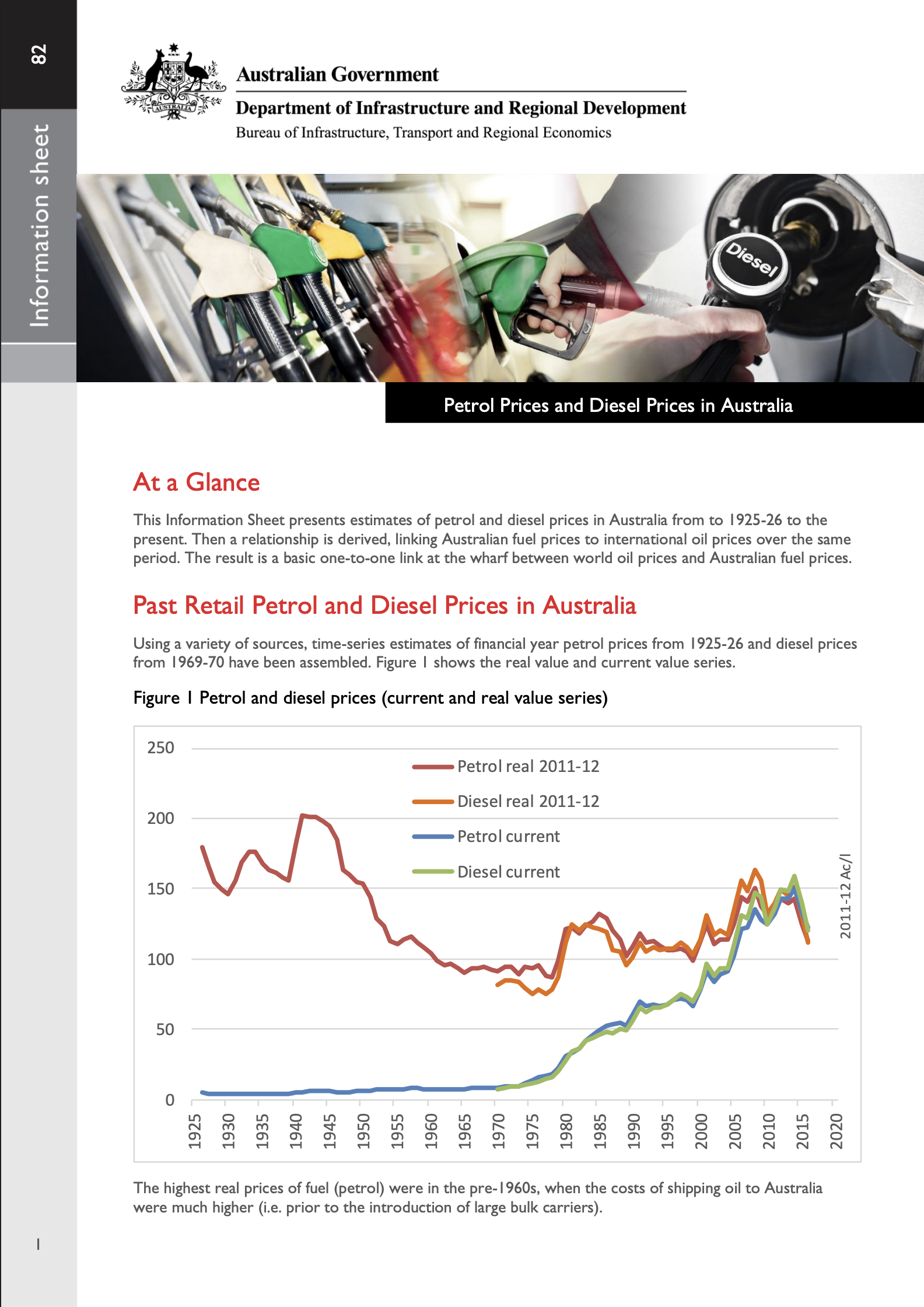
Yes, Australian retail fuel prices have jumped sharply. On ACCC figures, petrol rose by about 47.5 per cent and diesel by about 71.8 per cent over the relevant conflict window. That is a very big increase. Nobody sensible is denying that.
But “biggest in history”? No.
During the second oil shock — broadly, from early 1979 to early 1981 — Australian retail fuel prices rose by about 83.6 per cent for petrol and 107.2 per cent for diesel, using a fair before-and-after comparison from 1978 to 1981.
So unless words no longer mean anything in Canberra, this is not the biggest spike in history.
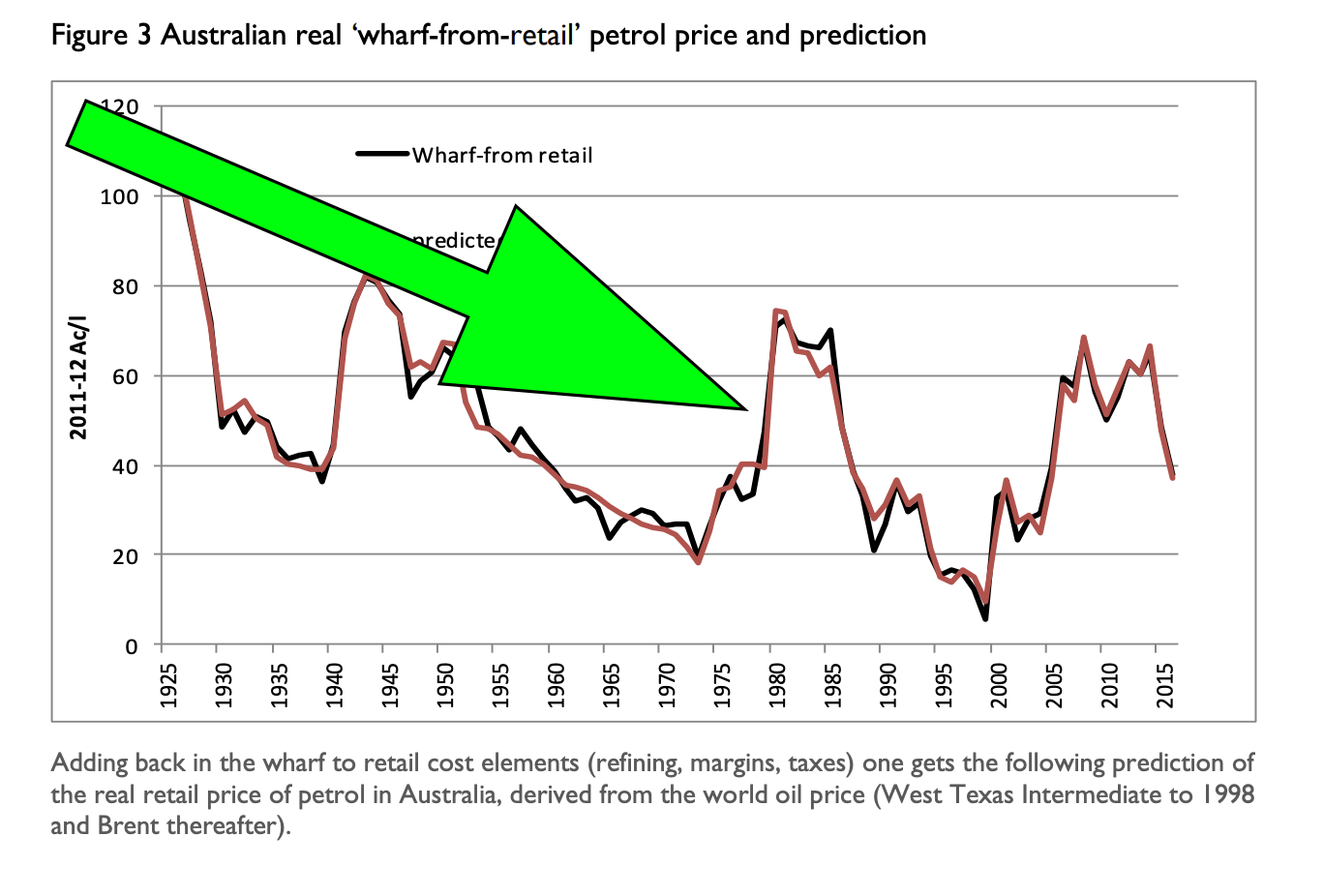
It is a big shock. It is not the biggest one. And when a Prime Minister overstates something that easy to check, it further weakens whatever trust remains between government and the public.
I save people thousands on new cars and home solar - there’s heaps less stress and no obligation in either case. Just help if you want it. New cars here. Home solar here.
This is a real supply shock — not the end of life as we know it
The underlying problem is genuine.
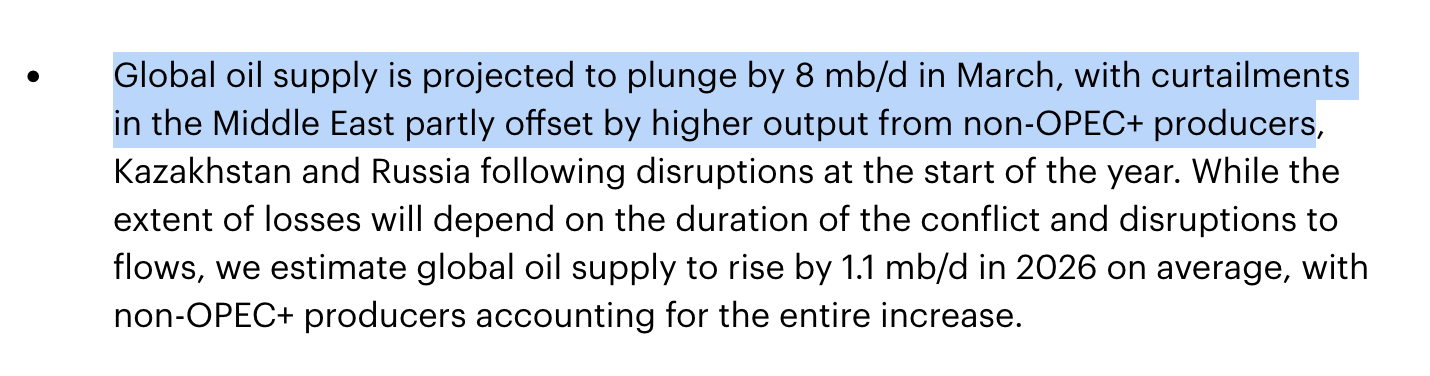
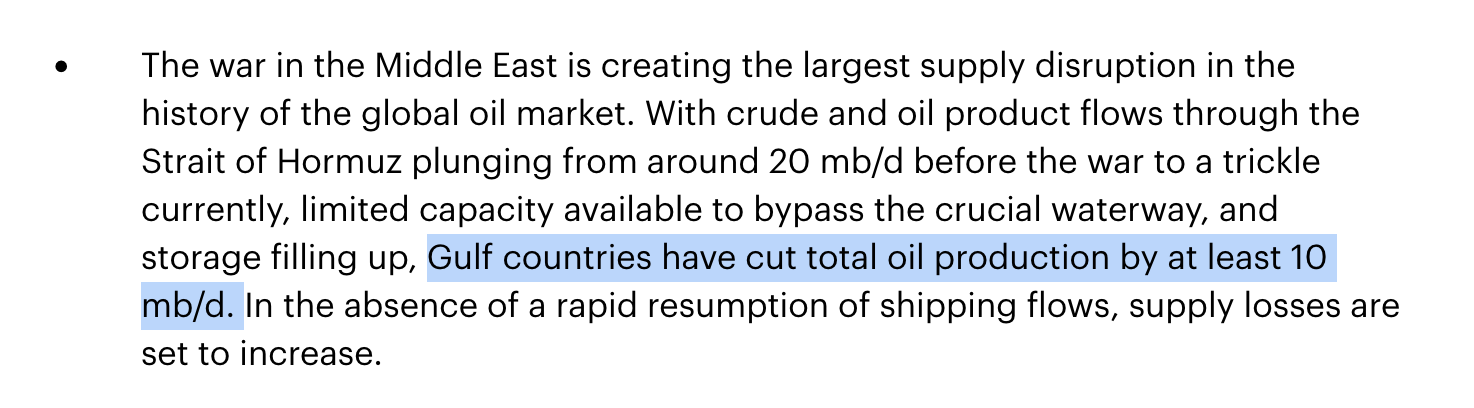
The International Energy Agency says global oil supply has been hit hard, with Persian Gulf producers having cut output by at least 10 million barrels a day. Global oil demand is roughly 105 million barrels a day, so we are talking about a supply hole in the order of 10 per cent.
That is not trivial. It is a big deal.
But it does not mean the world has “run out of oil”. It means the market is under serious pressure. The supply curve shifts, prices rise, some demand is destroyed, and the market searches for a new equilibrium.
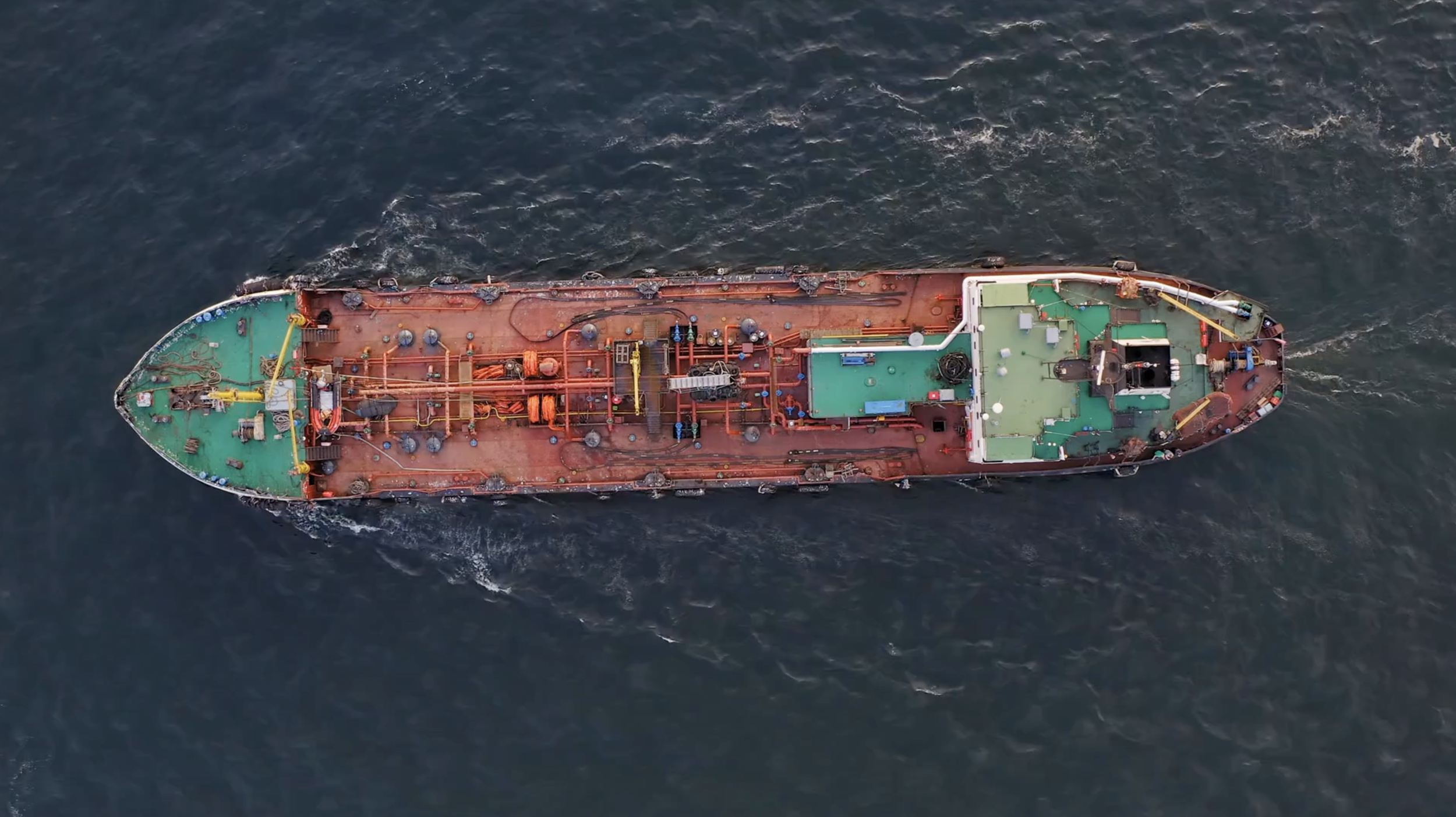
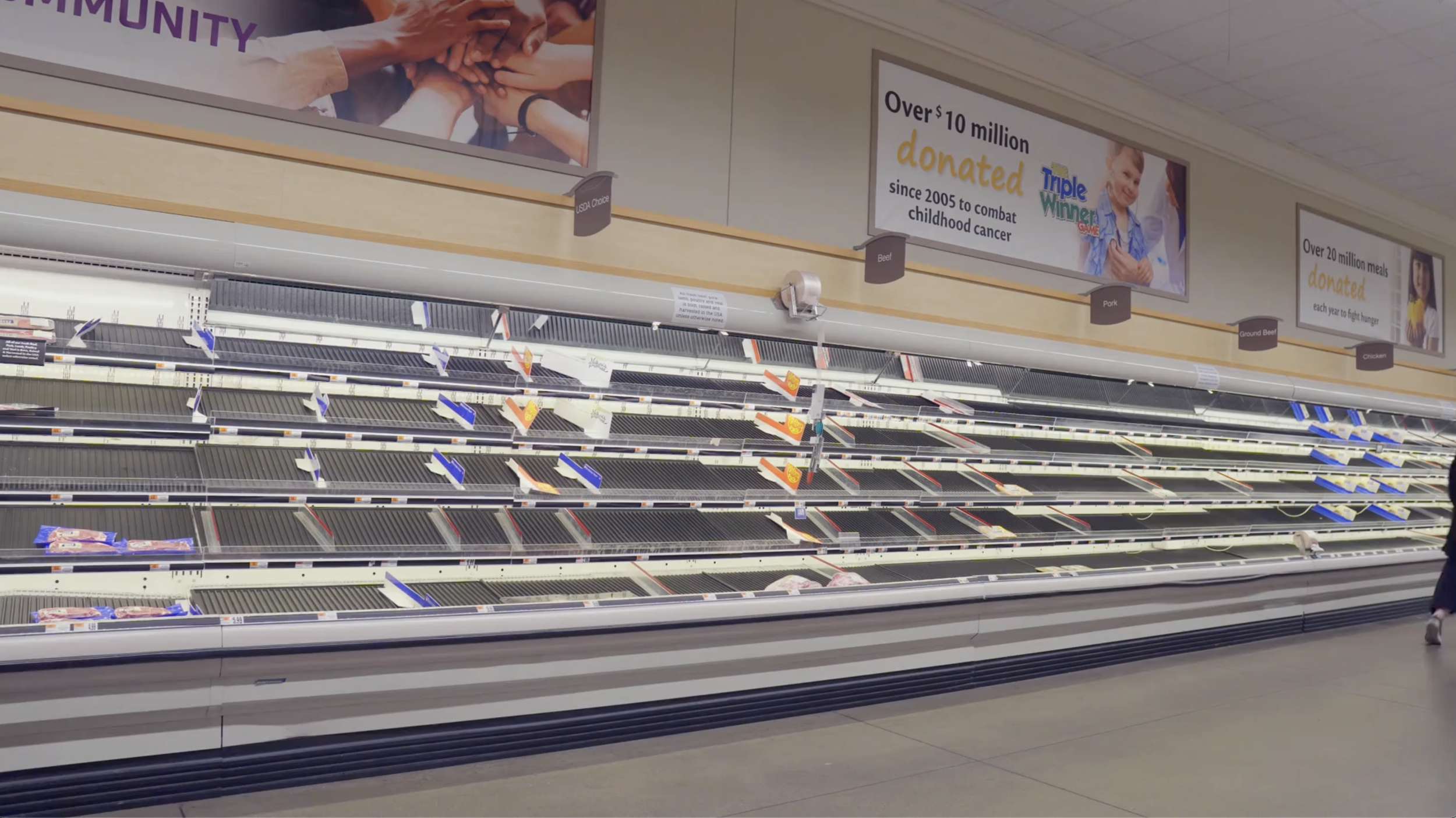


Contrary to popular narrative, 90 per cent of the world’s oil is still flowing, supermarket shelves are not empty (we even have toilet tissue - for now), agriculture is not stalled on the grid. But prices are biting, and 10 per cent of supply is compromised.
That means:
motorists drive less
freight costs more
airlines get squeezed
businesses pass on higher costs
inflation gets worse
That is how this works.
This is a serious shortage inside a functioning oil market — not one bloke with a flamethrower standing between us and the collapse of civilisation.
I save people thousands on new cars and home solar - there’s heaps less stress and no obligation in either case. Just help if you want it. New cars here. Home solar here.
The media is conflating two different things
A lot of coverage — mainstream and social — is collapsing two separate issues into one.
The first is a major global supply shock. That part is real.
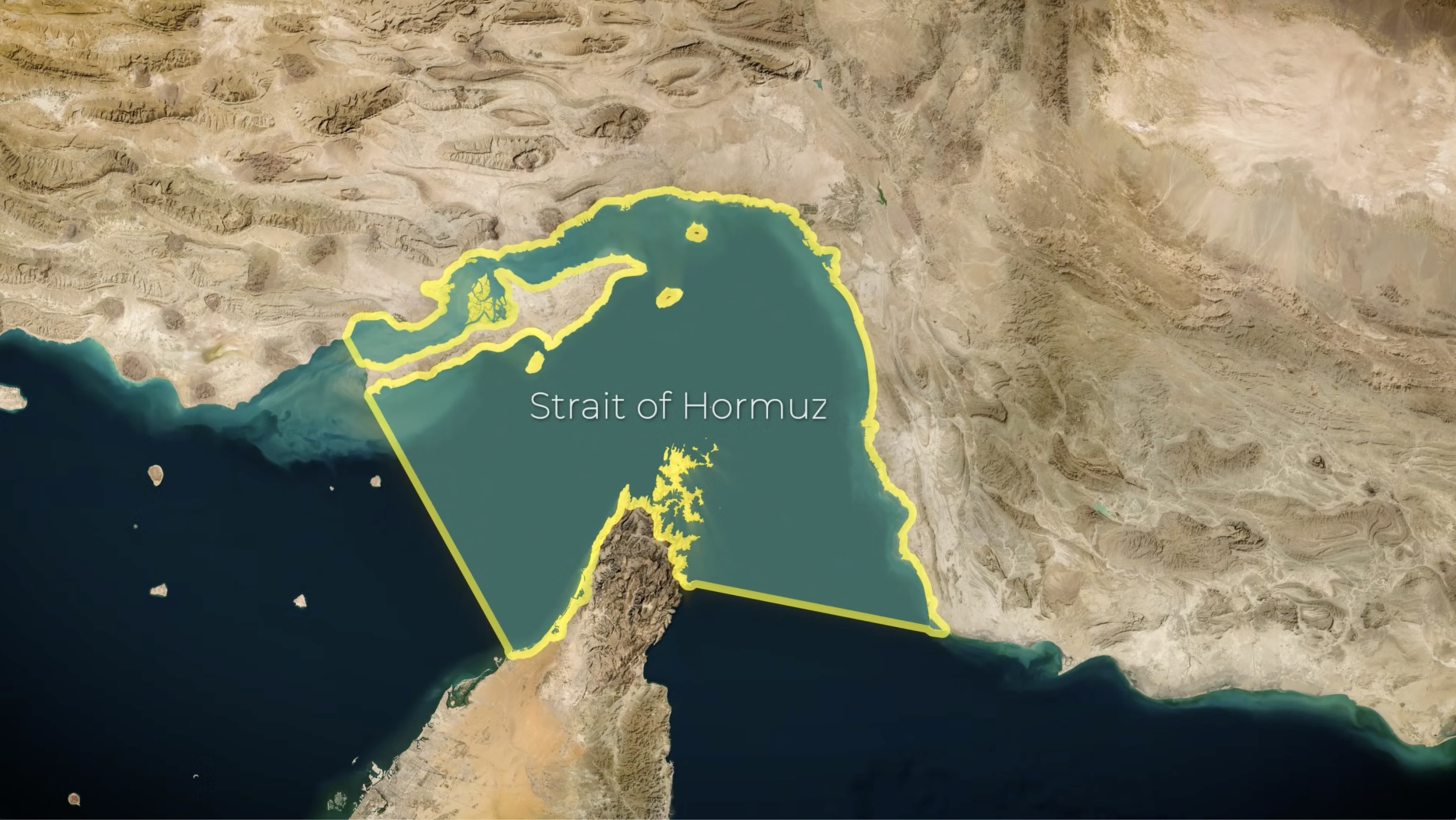
The second is a full-blown consumer fuel crisis, where ordinary Australians cannot reliably buy fuel to live and work. That part, for most people, is mostly imaginary.
Yes, prices are high. Yes, there have been patchy shortages. Yes, regional areas are more exposed, and diesel is tighter than petrol.
But for most consumers, the broad experience right now is still this:
The servo has fuel.
The supermarket has food.
Life goes on.
The pain is mainly the price.
That is not nothing. But it is not the same thing as a genuine lived fuel crisis.
I save people thousands on new cars and home solar - there’s heaps less stress and no obligation in either case. Just help if you want it. New cars here. Home solar here.
A real fuel crisis looks like the 1970s
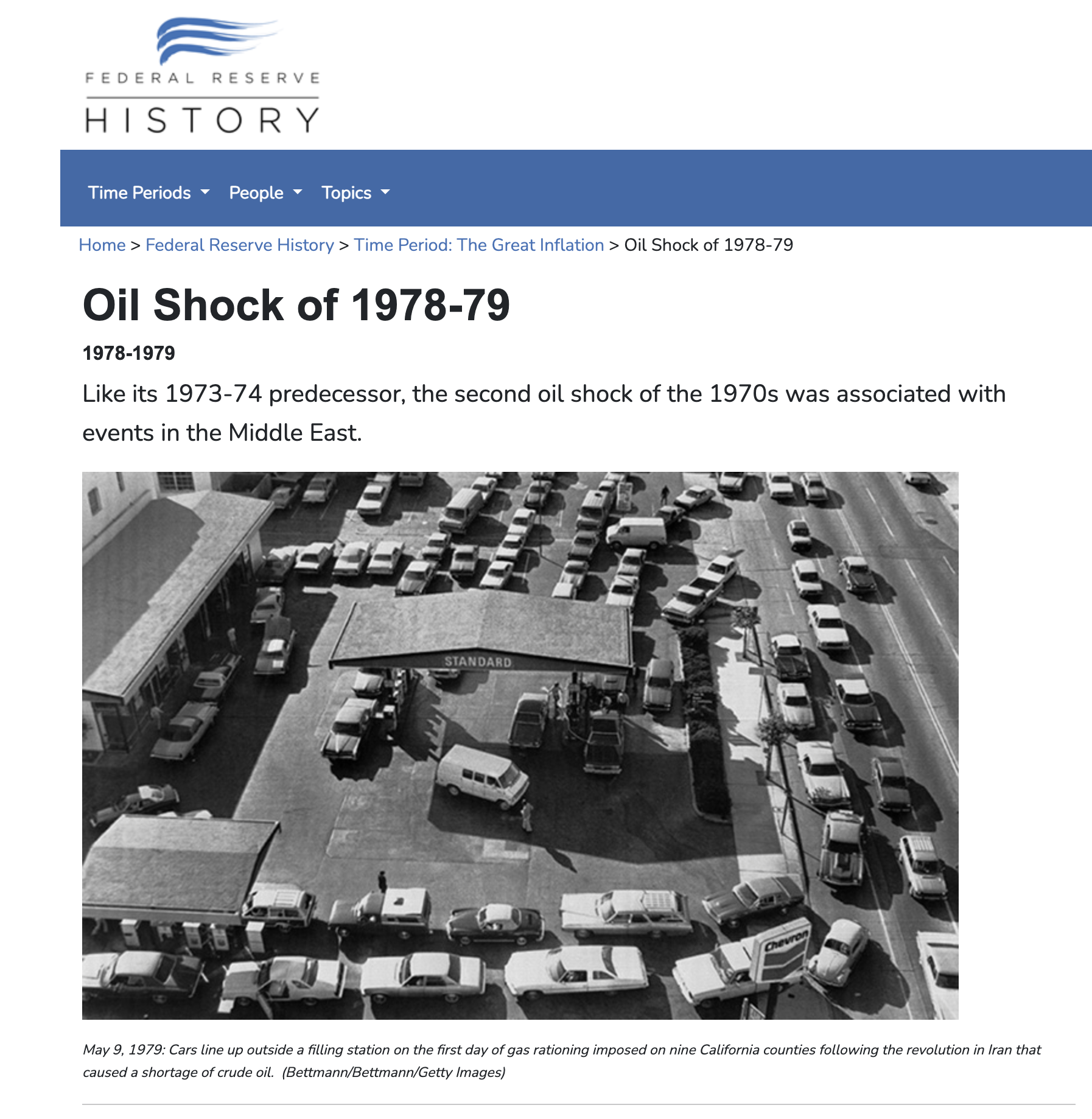
If you lived through the oil shocks of the 1970s and early 1980s, the distinction is obvious.
The first big oil shock — the Arab oil embargo — ran from October 1973 to March 1974. Then came the second major shock around 1979 into 1980.
Those were proper, ugly, consumer-level fuel crises.
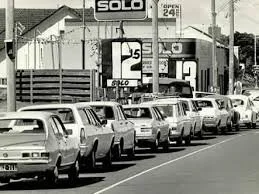
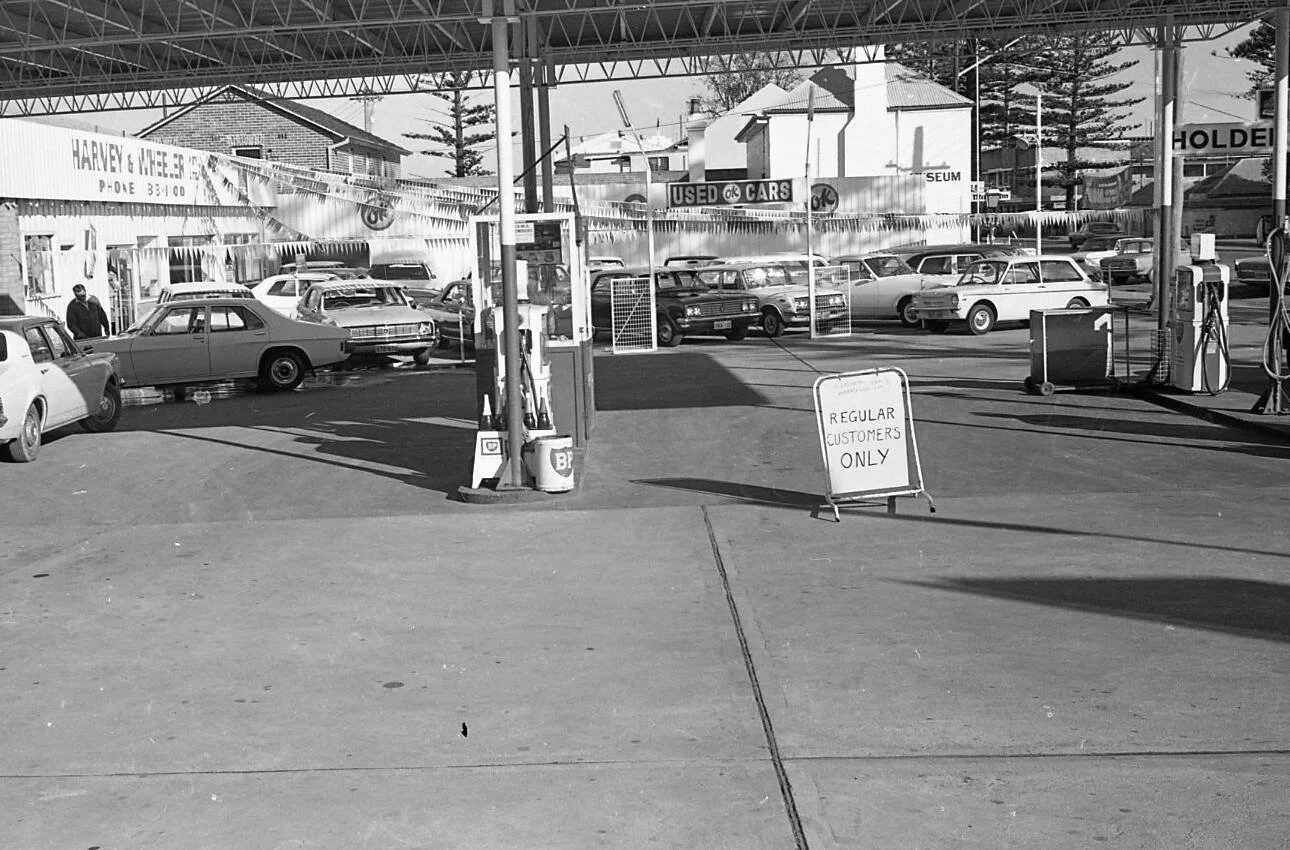
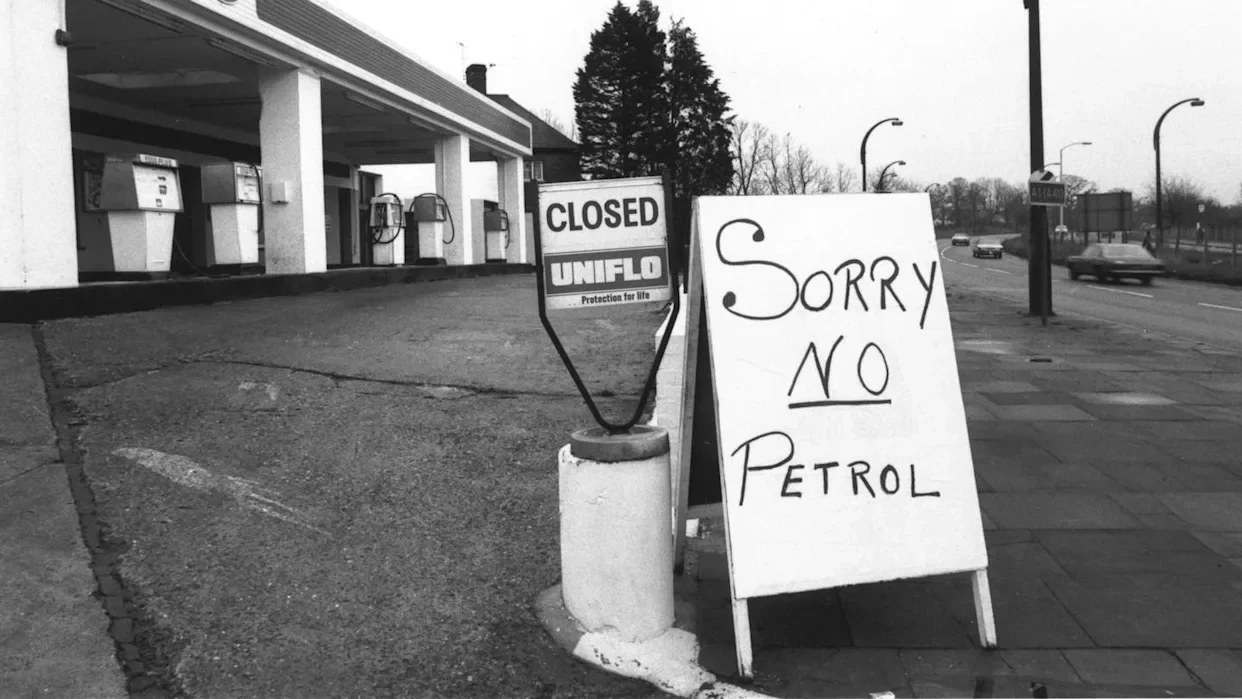
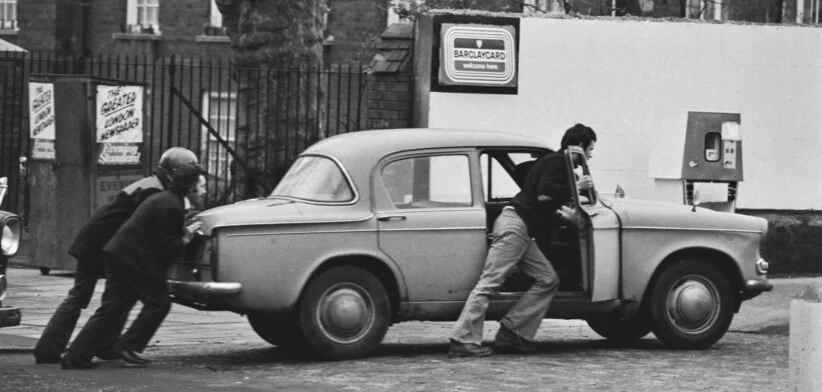
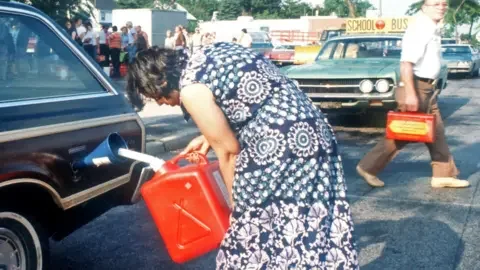
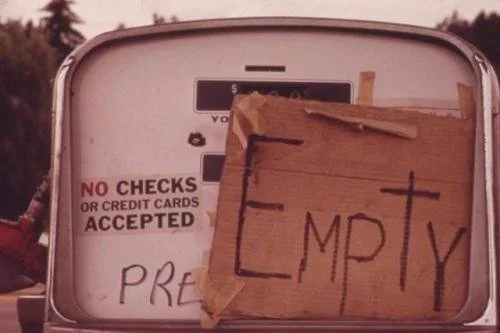
In Australia, motorists faced long queues. There were purchase limits. There were odd-even number plate days. You bought fuel when the government said you could buy fuel, and in the amount the government allowed.
That is what a real, lived fuel crisis looks like.
You line up.
You hope the servo still has fuel when you get to the front.
You buy when the government says you can buy.
And you buy only the ration they allow.
Look around now. That is not happening.
There are no six-hour queues at every servo. There is no universal rationing. There are no odd-even purchase days. Ambulances are not parked because they cannot get fuel. Fire trucks are not standing idle. The country is not grinding to a halt.
Today’s problem is real — but it is not that.
I save people thousands on new cars and home solar - there’s heaps less stress and no obligation in either case. Just help if you want it. New cars here. Home solar here.
Australia has a fuel security problem, not a total supply collapse
The government says Australia currently has about 39 days of petrol and 30 days of diesel and jet fuel.
That is well below what a sensible country would want to have in reserve, and well below international best-practice benchmarks.
Australia plainly has a fuel security problem.
But a weak strategic position is not the same thing as an immediate supply collapse.
Overall fuel supply remains intact, even if it is under stress. Some shipments have been cancelled, but others are still arriving. Temporary fuel specification changes have been made to help smooth supply.
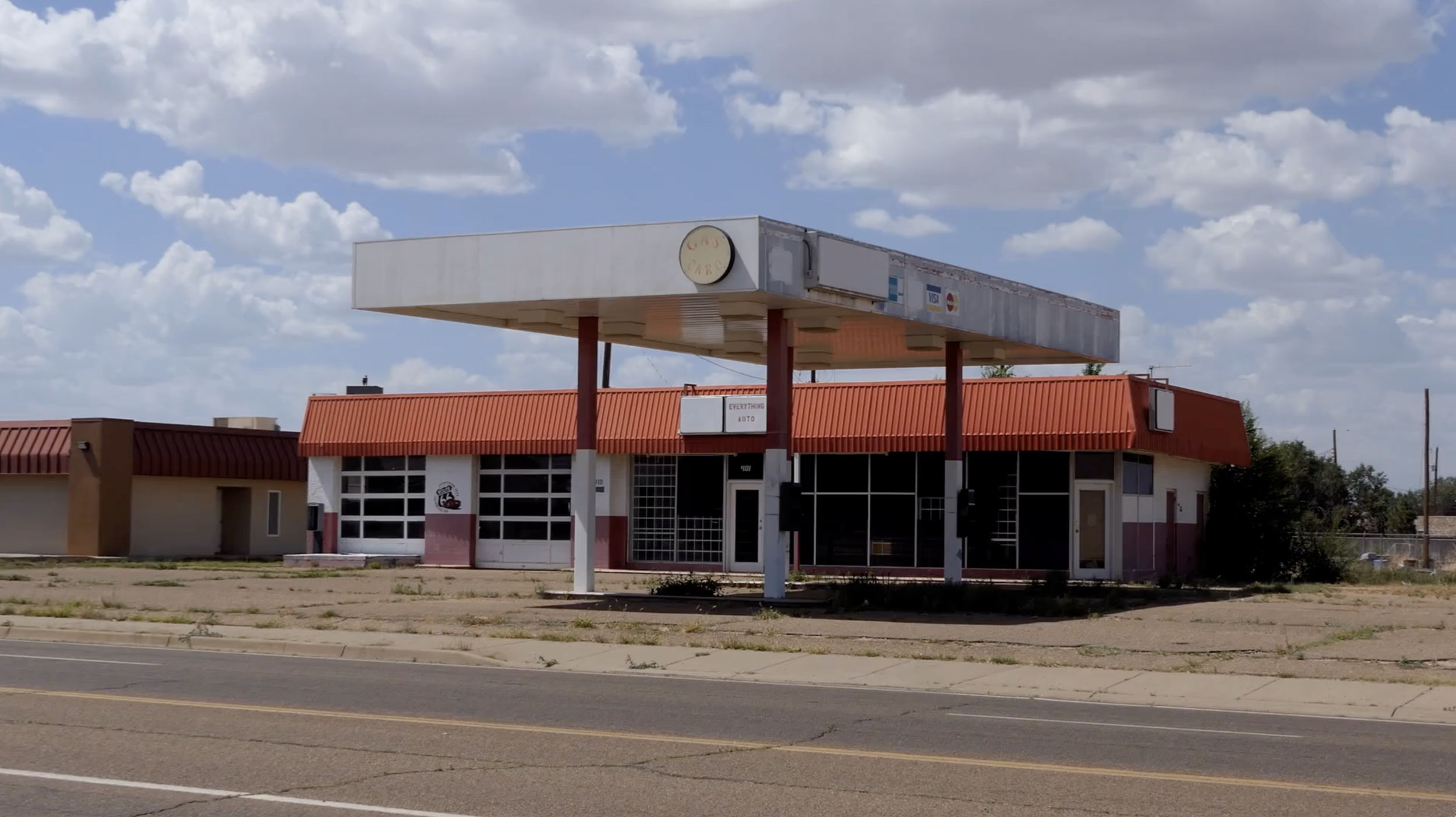
Several hundred stations have reportedly run dry at various points, but alternative supply still exists.
So no, this is not a party.
But nor is it the apocalypse.
What is actually happening
The plain-English version is this:
supply is stressed, but not broken
shortages are patchy, not universal
regional areas are more vulnerable
diesel is tighter than petrol
prices are painfully high
That is the real picture.
Retail petrol prices are around $2.50 a litre, and diesel is above $3.00 a litre in many places. The government has temporarily halved fuel excise for three months, cutting it from 52.6 cents to 26.3 cents a litre.
It will be interesting to see how enthusiastically retailers pass that on.
I save people thousands on new cars and home solar - there’s heaps less stress and no obligation in either case. Just help if you want it. New cars here. Home solar here.
Fuel prices do not track oil one-for-one
Another point missing from a lot of the commentary is that crude oil is not the same thing as retail fuel.
Fuel is a manufactured product. Crude is just one input.
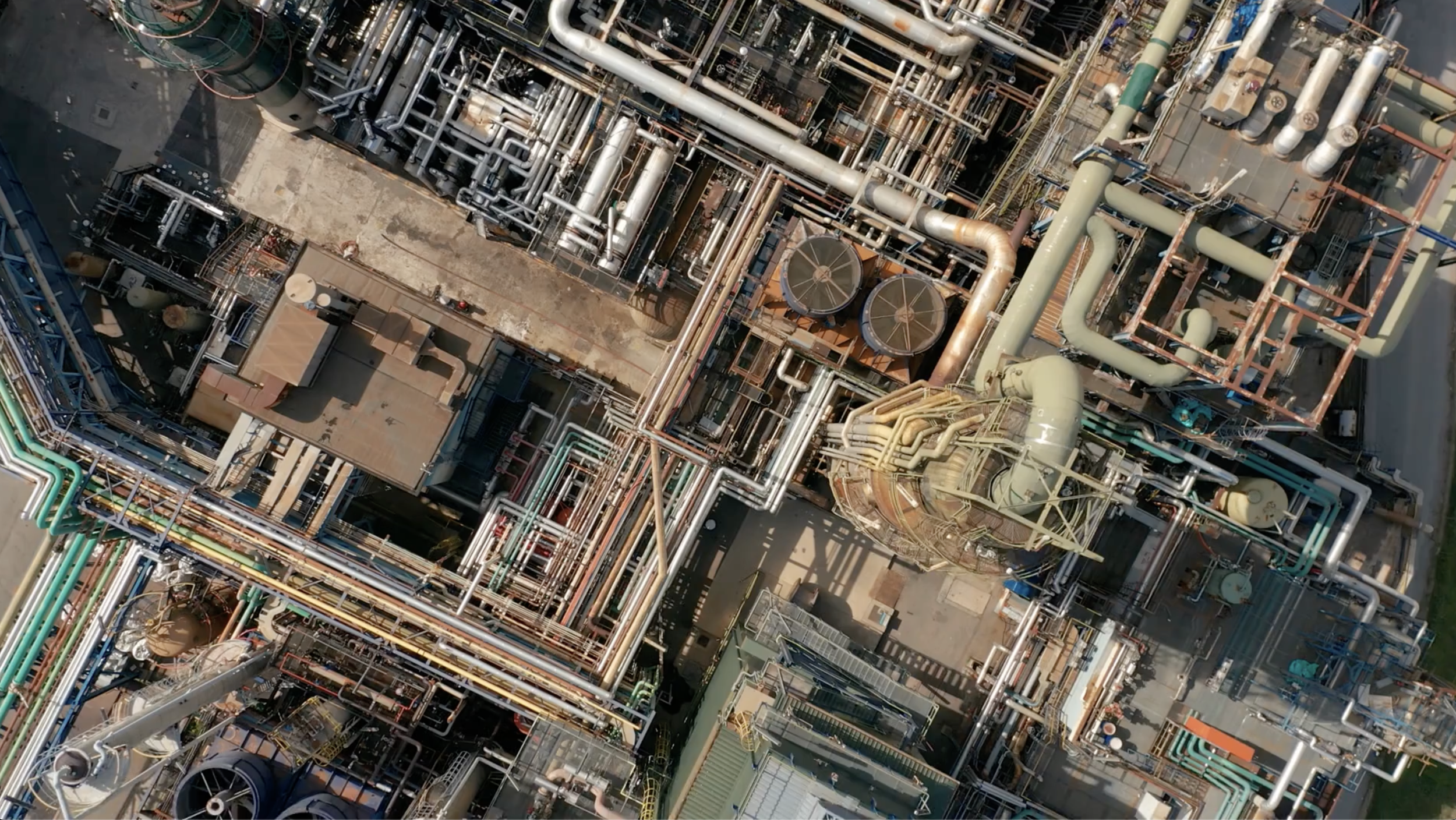
Refining, shipping, storage, distribution, taxes, margins, hedging and all the other moving parts sit between the global oil market and the number on the sign outside your local servo.
So when crude spikes, petrol and diesel usually rise — but not one-for-one, and not always at the same speed.
That is why the current oil shock, while serious, translates into something smaller at the consumer level than the raw crude-price move might suggest.
I save people thousands on new cars and home solar - there’s heaps less stress and no obligation in either case. Just help if you want it. New cars here. Home solar here.
The economy is taking a hit — but it is still working
This shock is real economic pain, especially for households already being smashed by everything else.
It adds to inflation. It raises transport and business costs. It makes life more expensive. It hits confidence.
But a functioning economy under stress is not the same thing as a societal breakdown.
Today’s Australia is dealing with a modern supply shock in a market that still has buffers, reserves, diversified supply pathways, and governments intervening to keep things moving.
That does not mean everything is fine.
It means the correct description is “serious disruption inside a functioning system” — not “the end of the world”.
I save people thousands on new cars and home solar - there’s heaps less stress and no obligation in either case. Just help if you want it. New cars here. Home solar here.
The key distinction
People hear the word “crisis” and imagine a world with no oil.
That is misleading.
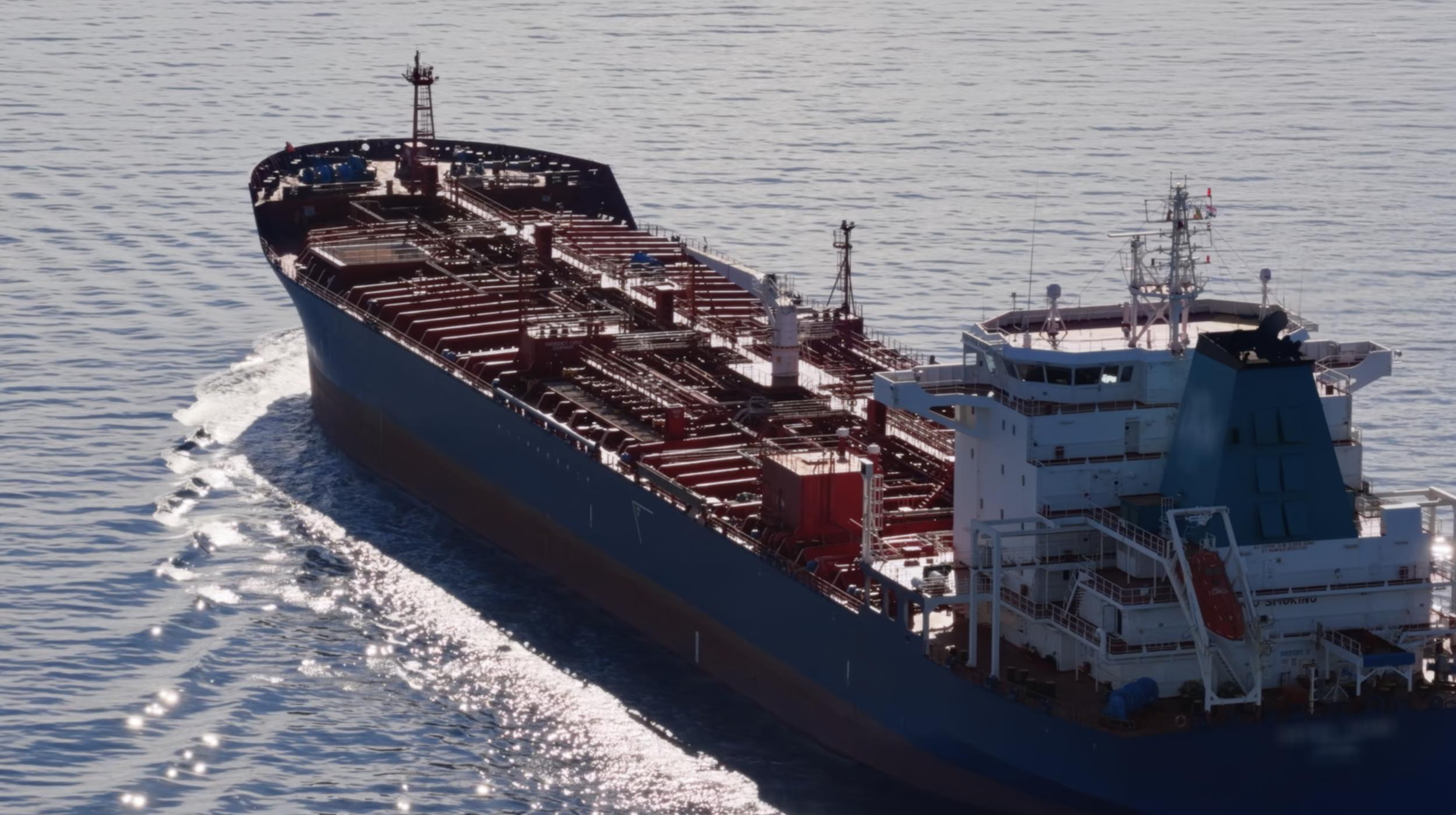
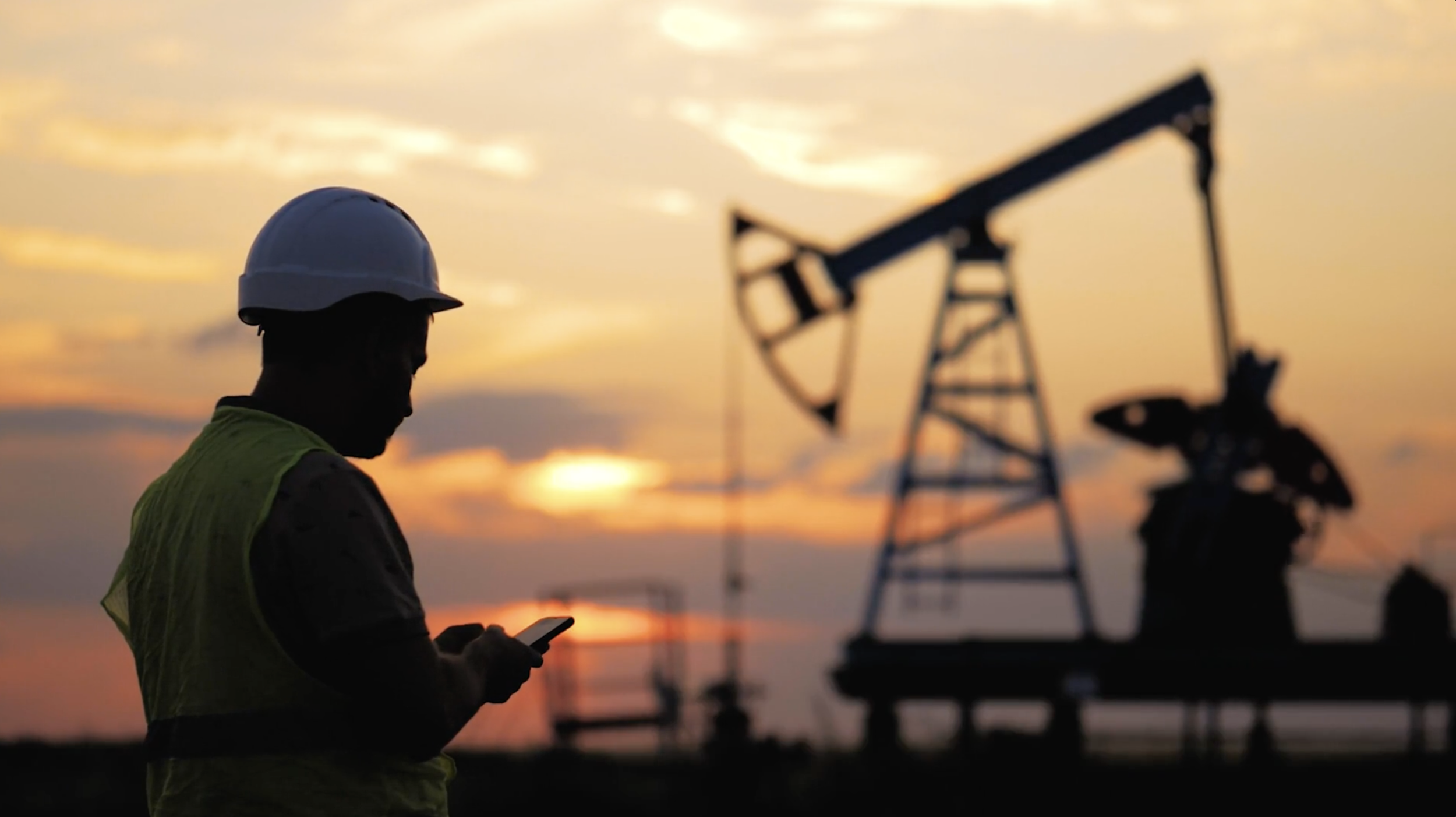
What we are actually looking at - today - is a world with roughly 10 per cent less oil available than usual, at a much higher price.
That is bad enough without the mediagasm implying we are all one jerry can away from cannibalism.
For most Australian consumers, today, this is not yet a full-blown fuel-access crisis like the 1970s. Back then, the pain was more immediate, more visible, more brutal, and more government-controlled.
Today, by contrast, we have a market that is functioning — imperfectly, expensively, inconveniently, and under obvious strain — but functioning.
Fuel is dearer.
Inflation risk is real.
Some shortages are real.
The economy takes a hit.
But this is not yet the kind of street-level consumer fuel crisis Australia has already lived through and survived.
I save people thousands on new cars and home solar - there’s heaps less stress and no obligation in either case. Just help if you want it. New cars here. Home solar here.
“Yet” matters
I keep saying “yet” because the future is unknown.
Anything can happen. The world can turn on a sixpence. This could worsen. Supply could tighten further. Government responses could become more intrusive. More rationing-style interventions are conceivable if the situation deteriorates badly enough.
But right now, if you actually remember the previous oil shocks, the distinction between then and now is obvious.
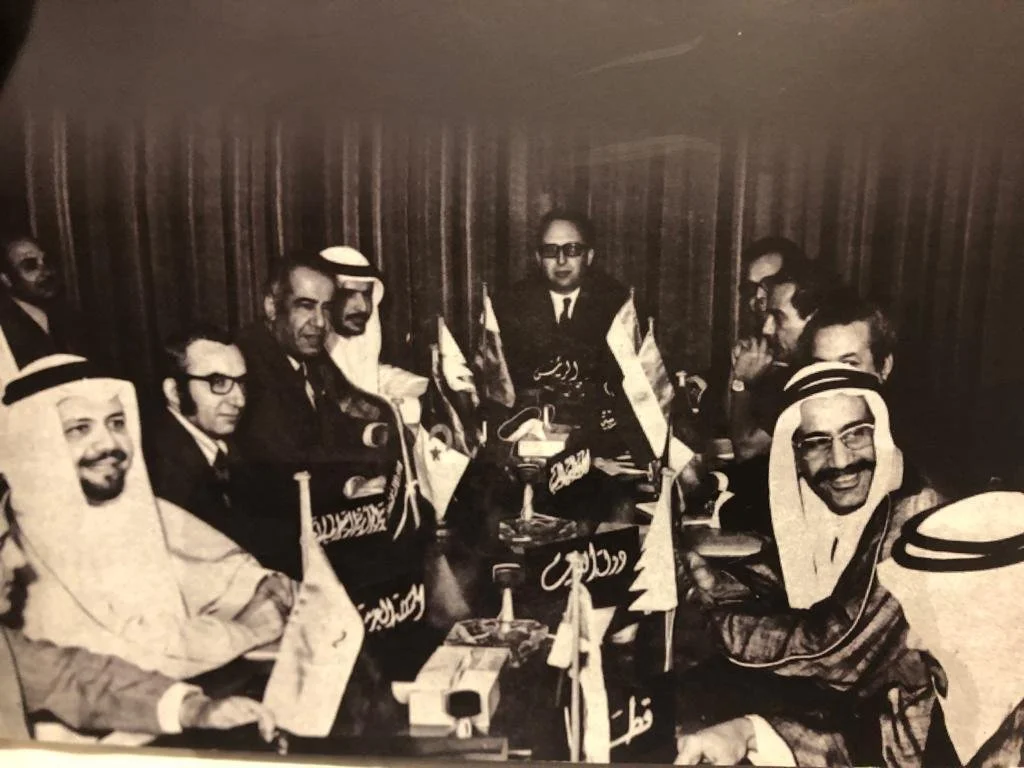
This is a real oil shock.
It is not nothing.
It is not fake.
But it is also not the 1970s all over again.
And if you were hoping for a sermon about the end of civilisation, I’d suggest the mainstream media. They wake up every day praying for another apocalypse.
I save people thousands on new cars and home solar - there’s heaps less stress and no obligation in either case. Just help if you want it. New cars here. Home solar here.