
Australia’s Fuel Panic Is Real. The Diesel Apocalypse Isn’t
There’s a real fuel story unfolding in Australia right now.
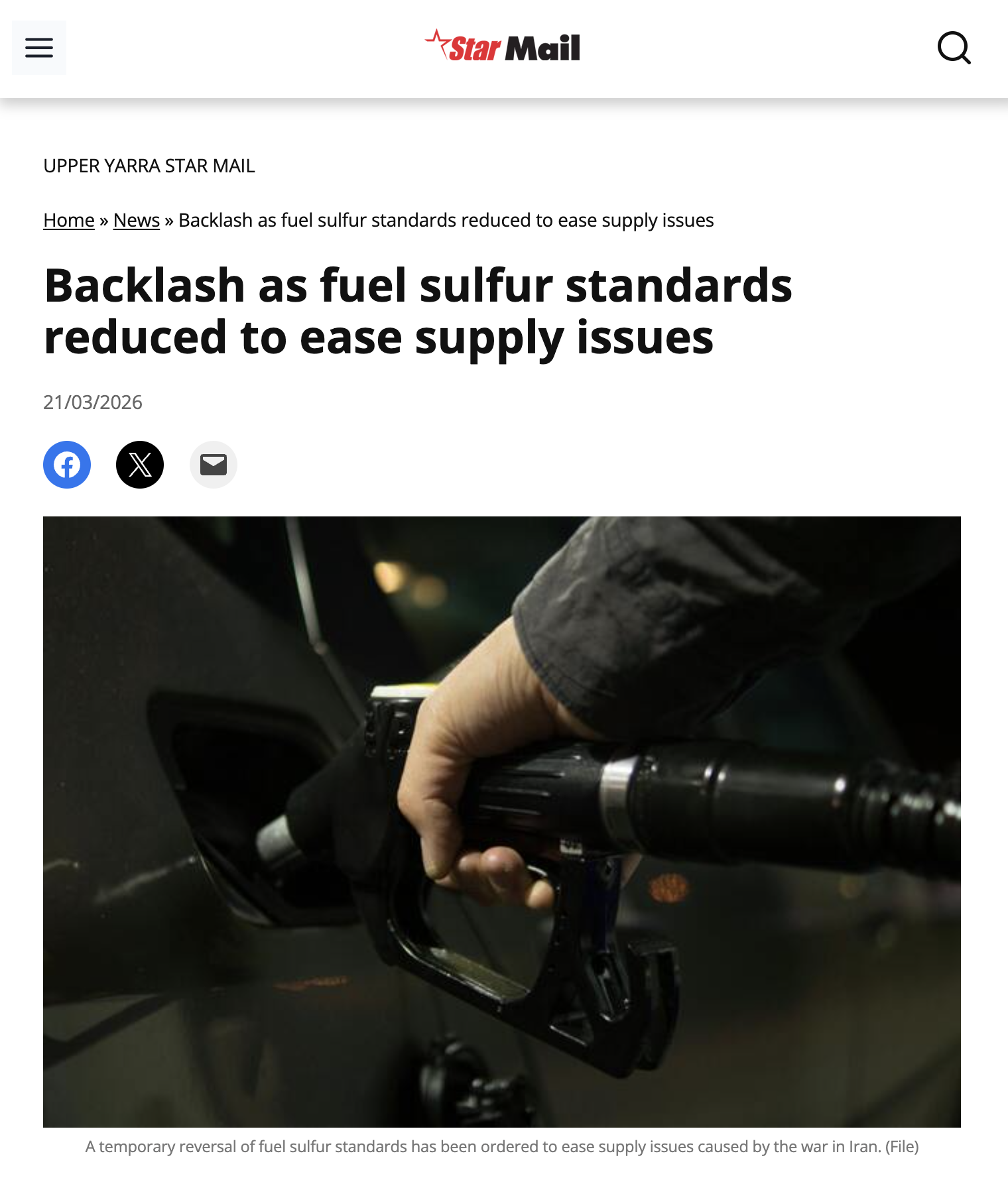
Conflict in the Middle East has put upward pressure on prices, supply has tightened, panic-buying has not helped, and the federal government has responded by temporarily relaxing part of the fuel-quality regulations to free up supply.
Fair enough.
But because every real-world event now has to be passed through the sewer of social media first, a second, much dumber story has emerged:
“Dirty diesel is coming for your car.”
Apparently modern diesels are about to drop dead, AdBlue-equipped vehicles are in mortal danger, and Facebook petrochemical experts have once again risen to the occasion.
None of that is true.
The fuel panic is real.
The diesel apocalypse isn’t.
I save people thousands on new cars and home solar - there’s heaps less stress and no obligation in either case. Just help if you want it. New cars here. Home solar here.

The key misunderstanding
The biggest source of confusion is that two separate fuel stories have been mashed together online.
One is about petrol sulfur.
The other is about diesel.
They are not the same thing.
Australia has temporarily relaxed the sulfur limit for petrol, not diesel.
That matters because a lot of the panic floating around online assumes the government has also relaxed sulfur standards for diesel fuel, and therefore modern diesels — especially vehicles with AdBlue, DPFs and SCR systems — are suddenly at risk.
That is the wrong premise.
I save people thousands on new cars and home solar - there’s heaps less stress and no obligation in either case. Just help if you want it. New cars here. Home solar here.
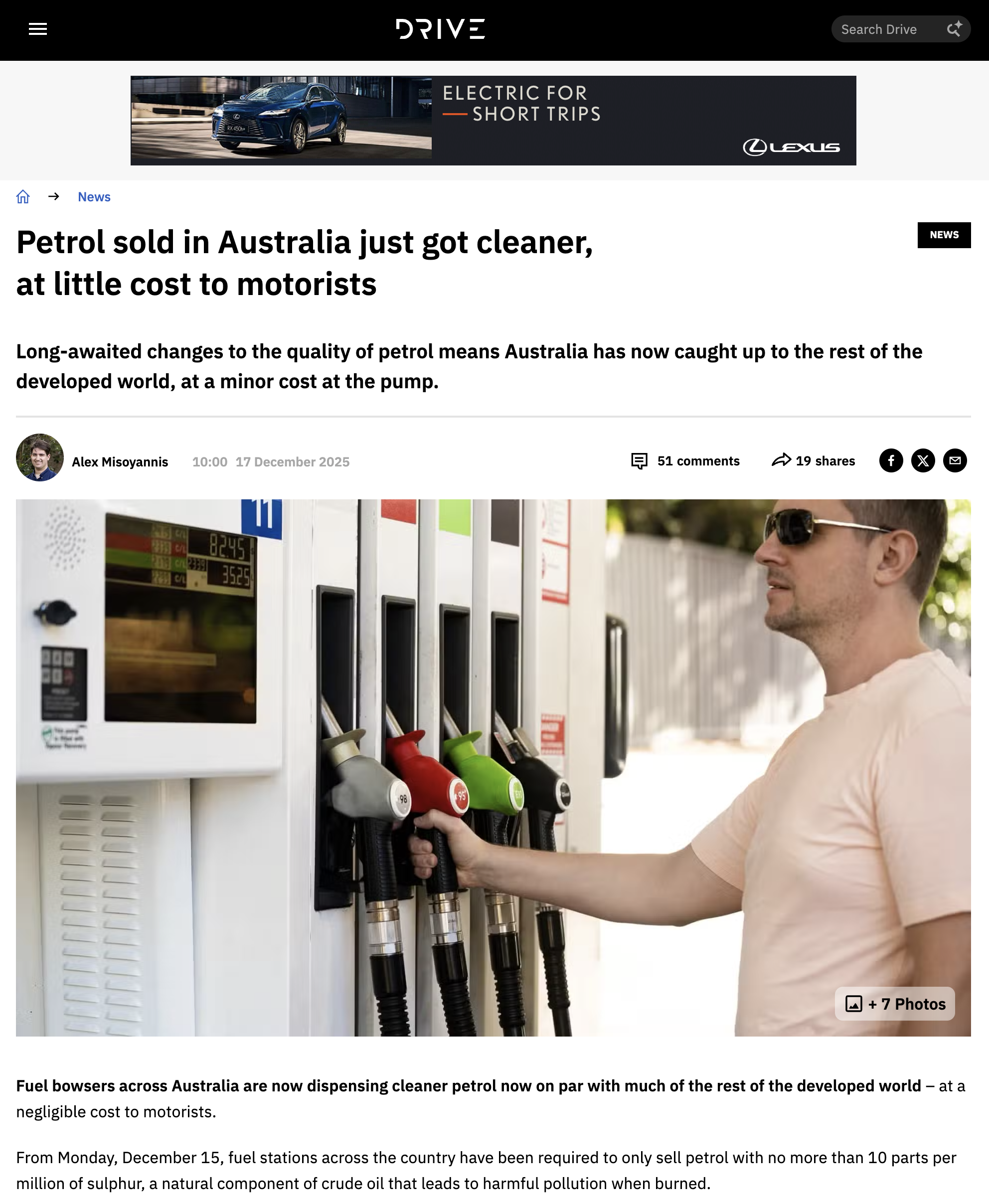
Australian petrol got cleaner just before Christmas. Now, to free up supply, those tighter regs have been relaxed
What has changed for petrol?
Australia moved to 10 ppm sulfur across all petrol grades on 15 December 2025.
Before that, premium petrol grades such as 95 and 98 RON could contain up to 50 ppm sulfur, while regular 91 could be much higher again.
The current temporary measure allows petrol to contain up to 50 ppm sulfur until 31 May 2026, followed by a transition period allowing up to 40 ppm until 31 August 2026, before returning to the 10 ppm standard from 1 September 2026.
So, for premium petrol, this is basically a temporary return to where the market was only a few months ago.
For 91, even the relaxed setting is still tighter than the old standard.
This is not some giant descent into fuel barbarism. It’s a short-term supply measure.
I save people thousands on new cars and home solar - there’s heaps less stress and no obligation in either case. Just help if you want it. New cars here. Home solar here.
So why are people talking about diesel?
Because diesel has also had a temporary standards relaxation.
But not for sulfur.
The diesel-related change is about flash point, not sulfur content.
That is a completely different property.
And it is not some catastrophic engine-killer.
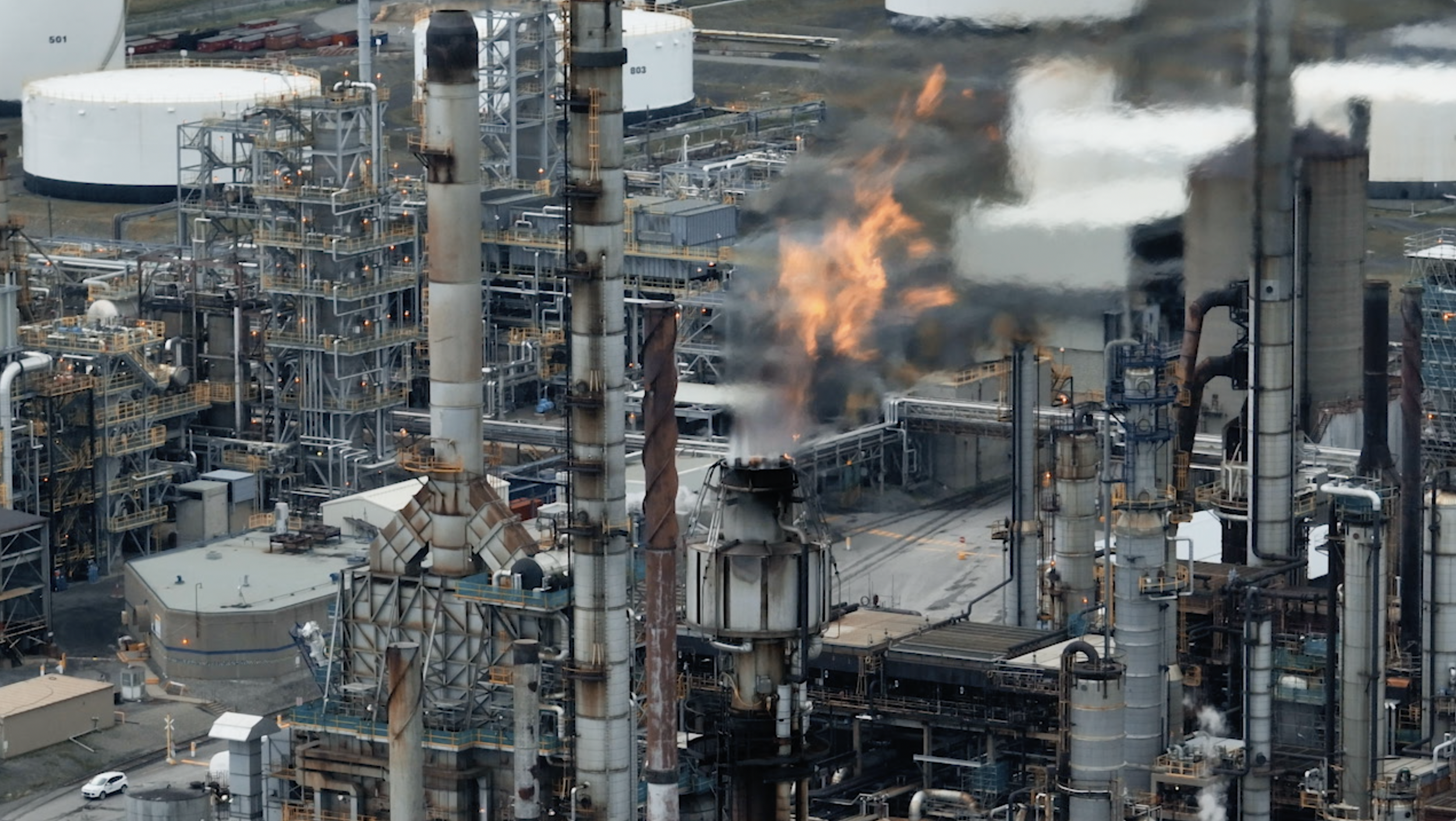
Flashpoint changes to diesel have no practical effect on engine operation
What is flash point?
Flash point is the lowest temperature at which a liquid gives off enough vapour to form an ignitable mixture with air near its surface, so that it will briefly flash if exposed to an ignition source.
That’s the robust definition.
What matters in practical terms is this:
it is mainly a fuel handling and safety property
it is not a direct measure of engine operability
it tells you much more about storage, transport and dangerous-goods classification than whether your modern diesel is about to implode
Before the current temporary change, diesel had a minimum flash point of about 61.5°C.
Right now, temporarily, it is about 60.5°C.
That is a one-degree change.
Petrol, by comparison, has a flash point of roughly minus 40°C.
So diesel and petrol are not even in the same universe on volatility.
This diesel flash-point tweak does not mean engines are suddenly at risk. It means the government has allowed a very small standards adjustment to widen available supply.
I save people thousands on new cars and home solar - there’s heaps less stress and no obligation in either case. Just help if you want it. New cars here. Home solar here.

Flashpoint is more about materials handling and dangerous goods than anything else - and the recent temporary change for diesel is minor
What about AdBlue diesels?
This is where Facebook University really starts handing out doctorates.
AdBlue is not a fuel additive. It is not poured into the diesel tank. It is injected into the exhaust stream as part of the SCR emissions-control system to reduce NOx emissions.
So when people say:
“Vehicles using AdBlue could be affected”
they are vaguely gesturing toward a real engineering principle, but applying it to the wrong current situation.
If sulfur in diesel were actually increased, then yes — over time — that could be bad news for modern diesel aftertreatment systems such as:
DPFs
SCR systems
diesel oxidation catalysts
associated emissions-control hardware
That would be the real concern.
Not instant engine death.
Not your BMW X5 30d detonating on the way to Woolies after one tank.
But higher sulfur diesel could, over time, create trouble for emissions hardware in modern diesels.
The problem for the Facebook experts is that this is not what has happened.
The current sulfur relaxation is for petrol.
Not diesel.
I save people thousands on new cars and home solar - there’s heaps less stress and no obligation in either case. Just help if you want it. New cars here. Home solar here.
If they did increase sulphur in modern diesels, that would be bad, over time - but there’s not suggestion they’re doing this, or considering it.
So are modern diesels at risk right now?
No.
Not on the basis of the current official change.
If you drive a modern diesel — whether it has AdBlue or not — there is no credible evidence that the government has relaxed diesel sulfur standards in a way that should have you panicking.
The temporary diesel change is about flash point.
That does not create some diesel apocalypse for ordinary owners.
Why older diesels are a different discussion
In a hypothetical world where diesel sulfur standards really were relaxed, older diesels would generally be less vulnerable than newer ones, because they have less emissions hardware to poison or degrade.
That is a fair point.
But again: that is a hypothetical engineering discussion, not a description of what is happening in Australia right now.
And that distinction matters.
Because a lot of people online are confusing:
a real fuel-supply issue
a real temporary petrol sulfur change
a real temporary diesel flash-point tweak
and a hypothetical concern about high-sulfur diesel in modern engines
Those are four different things.
The internet has mashed them together and produced one stupid baby.
I save people thousands on new cars and home solar - there’s heaps less stress and no obligation in either case. Just help if you want it. New cars here. Home solar here.
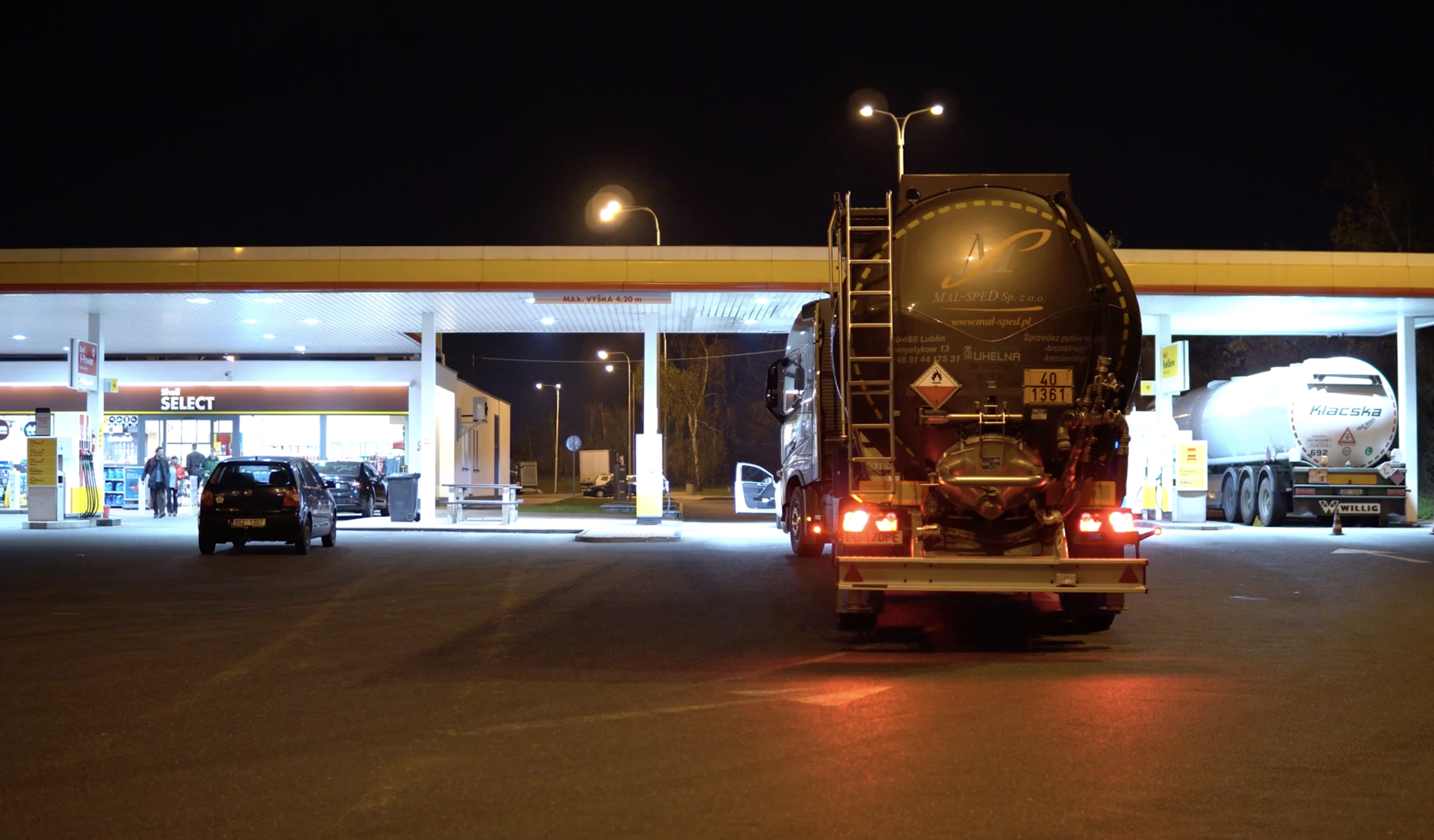
The key takeaway from this report is: Petrochemical and/or public policy advice from Facebook is usually BS
Practical advice for vehicle owners
This is pretty simple.
Don’t panic
There is no credible reason, based on the current official fuel-quality changes, to assume your modern diesel is suddenly under threat.
Buy fuel from mainstream, high-turnover sites
That is good practice any time supply chains are under stress.

There are practical steps you can take during this shortage, but getting advice from Facebook ‘experts’ is not one of them
Stop studying petrochemistry on Facebook
A lot of the public commentary on this topic is just people confidently misunderstanding different fuel properties and blending them into one panic narrative.
If your vehicle throws a fault, diagnose the actual fault
Do not automatically join two fake dots and decide sulfur is to blame.
Modern vehicles can generate faults for a lot of reasons. In this case, the answer is almost certainly not “the government relaxed sulfur in diesel” — because that is not what happened.
Separate hypothetical risk from present reality
Yes, higher-sulfur diesel could potentially be bad for modern diesel emissions systems over time.
No, that is not the current Australian situation.
I save people thousands on new cars and home solar - there’s heaps less stress and no obligation in either case. Just help if you want it. New cars here. Home solar here.

Dealing with the current shortages - step 1: Make sure you get the facts right about exactly what is happening
The bottom line
Australia’s fuel panic is real.
But the “dirty diesel apocalypse” all over social media is not.
The current sulfur relaxation applies to petrol.
The diesel-side change is a tiny temporary adjustment to flash point, which is mainly a handling and safety property, not an engine-durability issue.
So if you own a modern diesel — including one with AdBlue — this is not a reason to lose sleep.
It is mainly another example of real-world complexity getting fed into social media and emerging as nonsense.
And that, regrettably, is about as normal as it gets now.
I save people thousands on new cars and home solar - there’s heaps less stress and no obligation in either case. Just help if you want it. New cars here. Home solar here.