BossCap Collapsed in Australia After Ford Killed The F-150 Lightning in Detroit. This is What Happens When Fantasy and Reality Collide
A Brisbane vehicle remanufacturing company called BossCap has collapsed.
Receivers and administrators were appointed on March 17, and up to 100 jobs now appear to be at risk.
That is bad news for the workers, obviously. Manufacturing and engineering jobs are not exactly abundant in Australia, and the people on the tools deserve sympathy. But when it comes to the senior decision-makers, sympathy is a lot harder to find.
Because BossCap, through its AusEV division, appears to have built far too much of its future on one upstream product: the Ford F-150 Lightning.
And when that product effectively died, so did the business model.
I save people thousands on new cars and home solar - there’s heaps less stress and no obligation in either case. Just help if you want it. New cars here. Home solar here.
What BossCap Actually Did
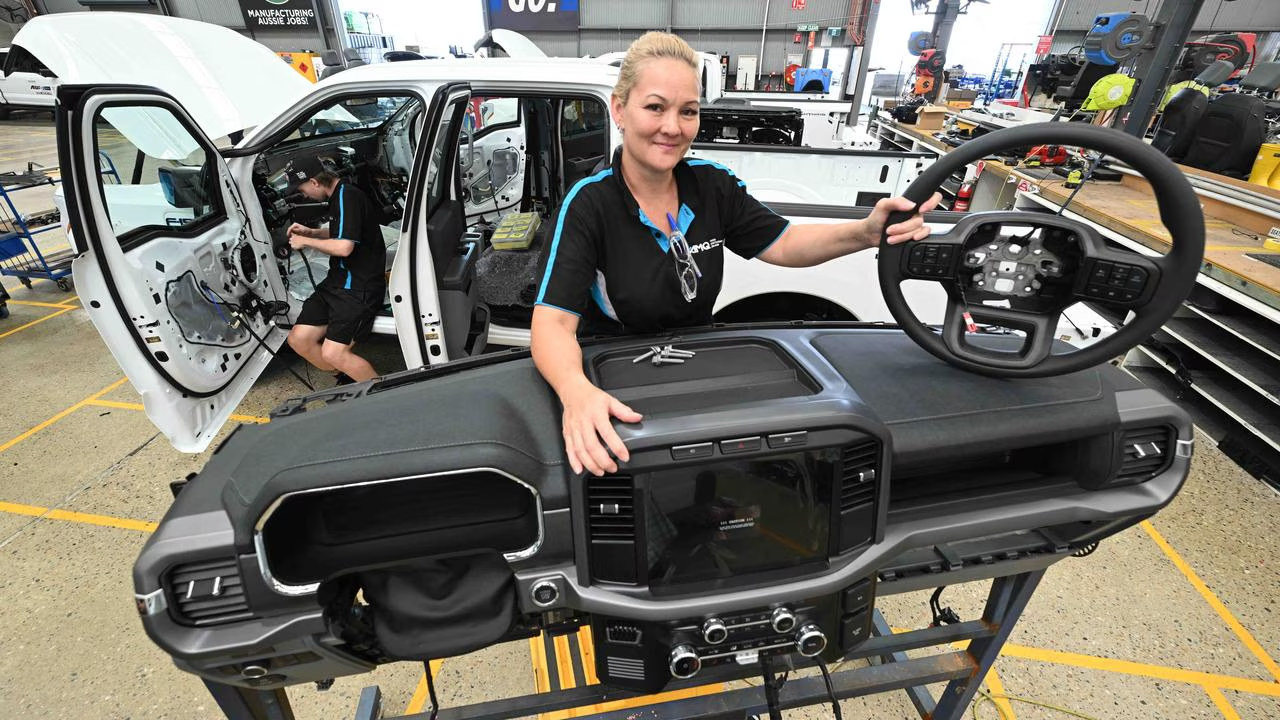
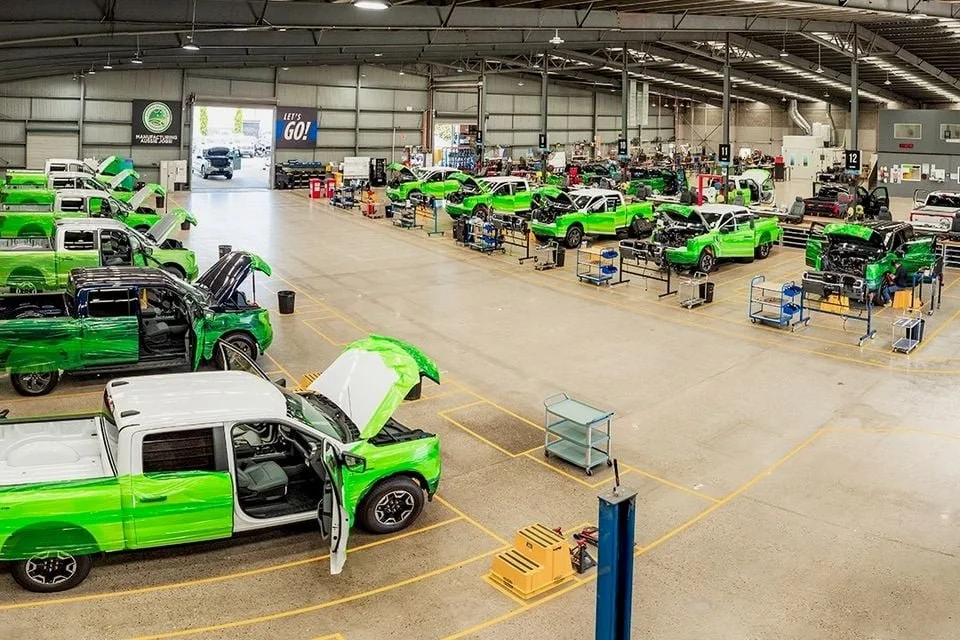
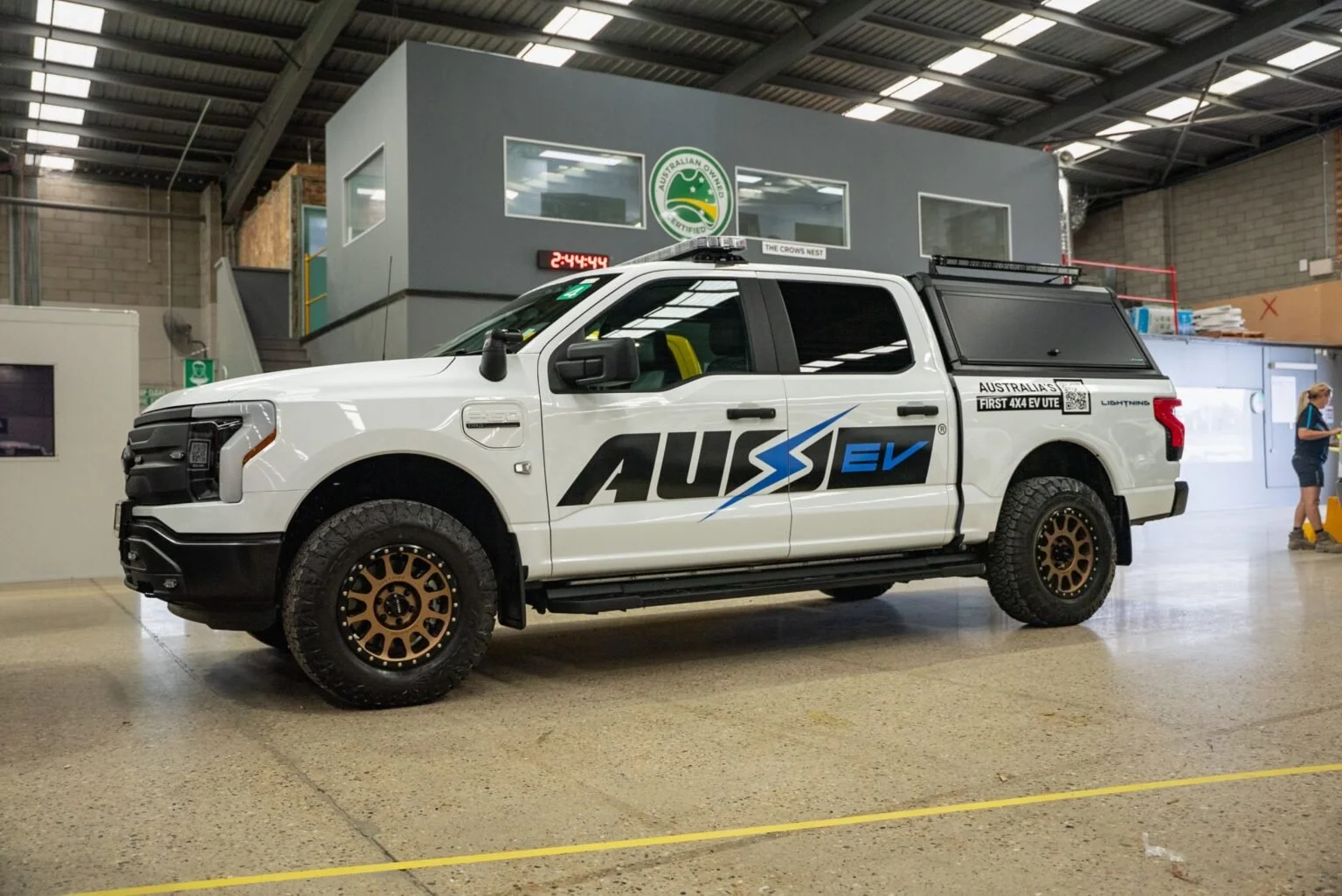
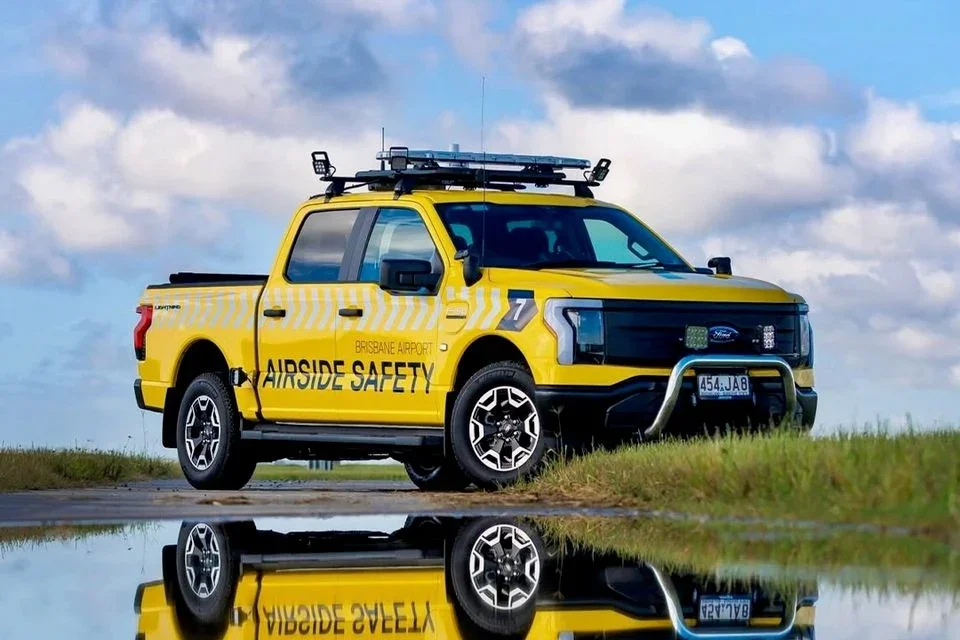
BossCap built a reputation as a serious local engineering and advanced manufacturing operation. Through AusEV, it developed what it said was Australia’s first right-hand-drive electric fleet ute by remanufacturing the Ford F-150 Lightning for this market.
That was the pitch.
Take a high-profile American electric pickup, convert it to right-hand drive, and sell it into a niche local market of fleet buyers and well-heeled EV enthusiasts.
Public reporting suggests AusEV delivered at least around 100 vehicles, with some reports putting total deliveries higher. The exact number is a bit fuzzy, but that does not really change the bigger point.
The whole model depended on a continuing supply of F-150 Lightnings.
That turned out to be a fatal dependency.
The Real Problem: Ford’s EV Truck Dream Never Stacked Up
This is where the green dream turns into a nightmare, because the promises were never really compatible with reality.
The F-150 Lightning was supposed to be proof that EVs could replace internal combustion even in big utes and pickups. It was sold as a breakthrough. A bold industrial experiment. A sign that the future had arrived.
But the real-world findings were much less flattering.
Affordability never really happened. Capability for towing and hard work was compromised compared with conventional internal-combustion alternatives. And the economics, from Ford’s point of view, never stacked up.
Ford launched the Lightning in the United States in 2021 with big talk around a roughly US$40,000 starting point. By 2025, that looked more like US$55,000. And despite the higher price, it was still losing money.
That is not a minor commercial shortcoming. That is a product-level red flag.
Ford itself eventually said the quiet part out loud. Company executive Andrew Frick stated that consumers demanded affordability and that, rather than spending billions more on large EVs with “no path to profitability”, Ford would allocate that money to higher-returning areas.
“No path to profitability” is about as clear as corporate language gets.
I save people thousands on new cars and home solar - there’s heaps less stress and no obligation in either case. Just help if you want it. New cars here. Home solar here.
BossCap Was a Casualty of a Much Bigger Failure
What happened in Brisbane is not really an isolated local business collapse. It is better understood as a small downstream casualty of a much bigger upstream failure.
Ford’s EV strategy has been brutally expensive.
Its EV division, Model e, racked up huge operating losses. Then Ford took a massive EV-related write-down as it reworked its plans and backed away from parts of its earlier battery-electric strategy.
Taken together, the disclosed financial damage runs into the mid-US$30 billions.
That is not a perfect apples-to-apples cash number. Operating losses and write-downs are different accounting categories, and some of that spending may still support future technology or products.
But as a practical measure of how much the EV push has cost Ford so far, it is fair to say the damage has been enormous.
And against that backdrop, the collapse of BossCap is really just a ripple from a much larger industrial splash in America.
I save people thousands on new cars and home solar - there’s heaps less stress and no obligation in either case. Just help if you want it. New cars here. Home solar here.
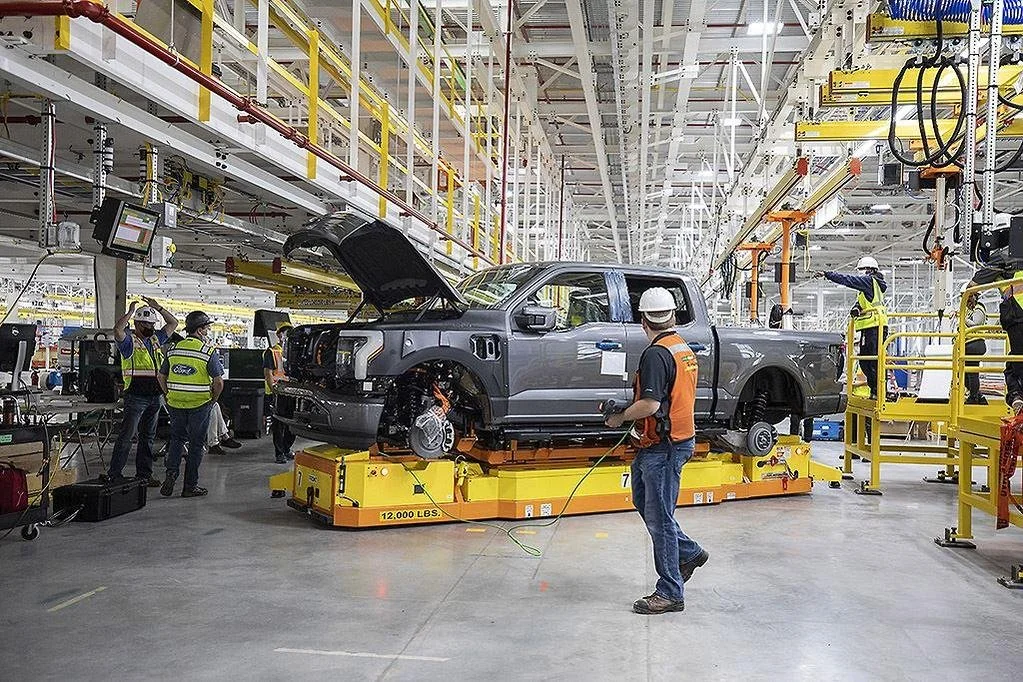
The Risk-Management Failure
Shortly before its collapse, BossCap said Ford’s decision was outside its control and had removed the foundation of future supply, significantly disrupting the company’s pipeline despite strong market interest and growing sales momentum.
Fine. The final decision in Detroit may well have been outside BossCap’s control.
But that is exactly the problem.
If one upstream product decision can wipe out your forward pipeline and bring down the business, then your exposure to that risk was obviously too high.
That is not just bad luck.
That is strategic fragility.
A business can absolutely be unlucky. But if your model depends heavily on a single imported product continuing indefinitely, and that product belongs to a manufacturer already under obvious commercial pressure, then you are taking on a lot more risk than you may be admitting.
Is Ford Really Replacing The Lightning?
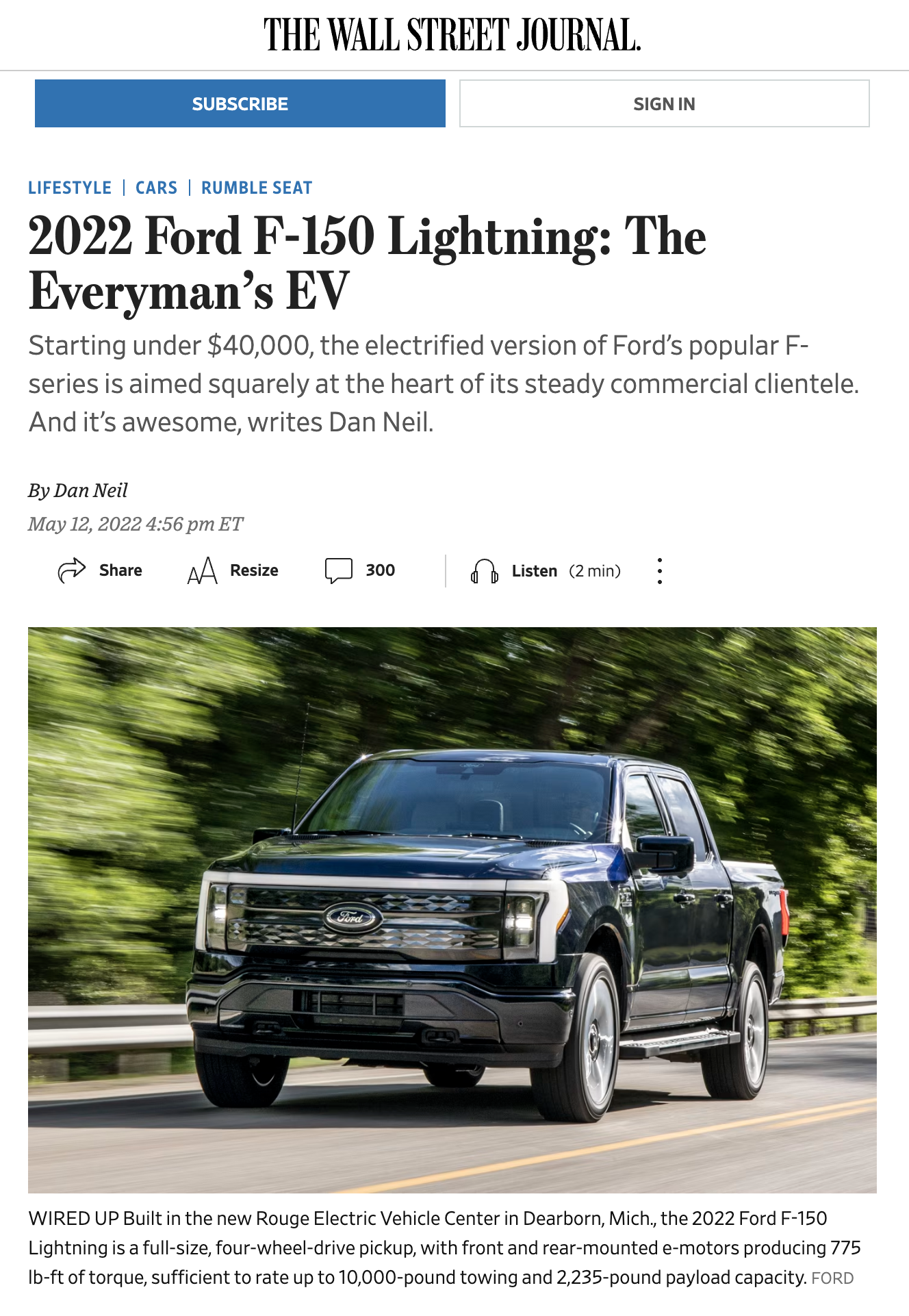
Ford says the next Lightning will be a range-extender.
That is an official statement of intent.
But right now, there is not much steel on the ground.
There is no production-intent prototype in public view. No rollout timeline that would make a sensible operator bet the farm. No hard evidence, at least publicly, that this proposed extended-range replacement is close to market.
In other words, it looks a lot more like a press release than a product.
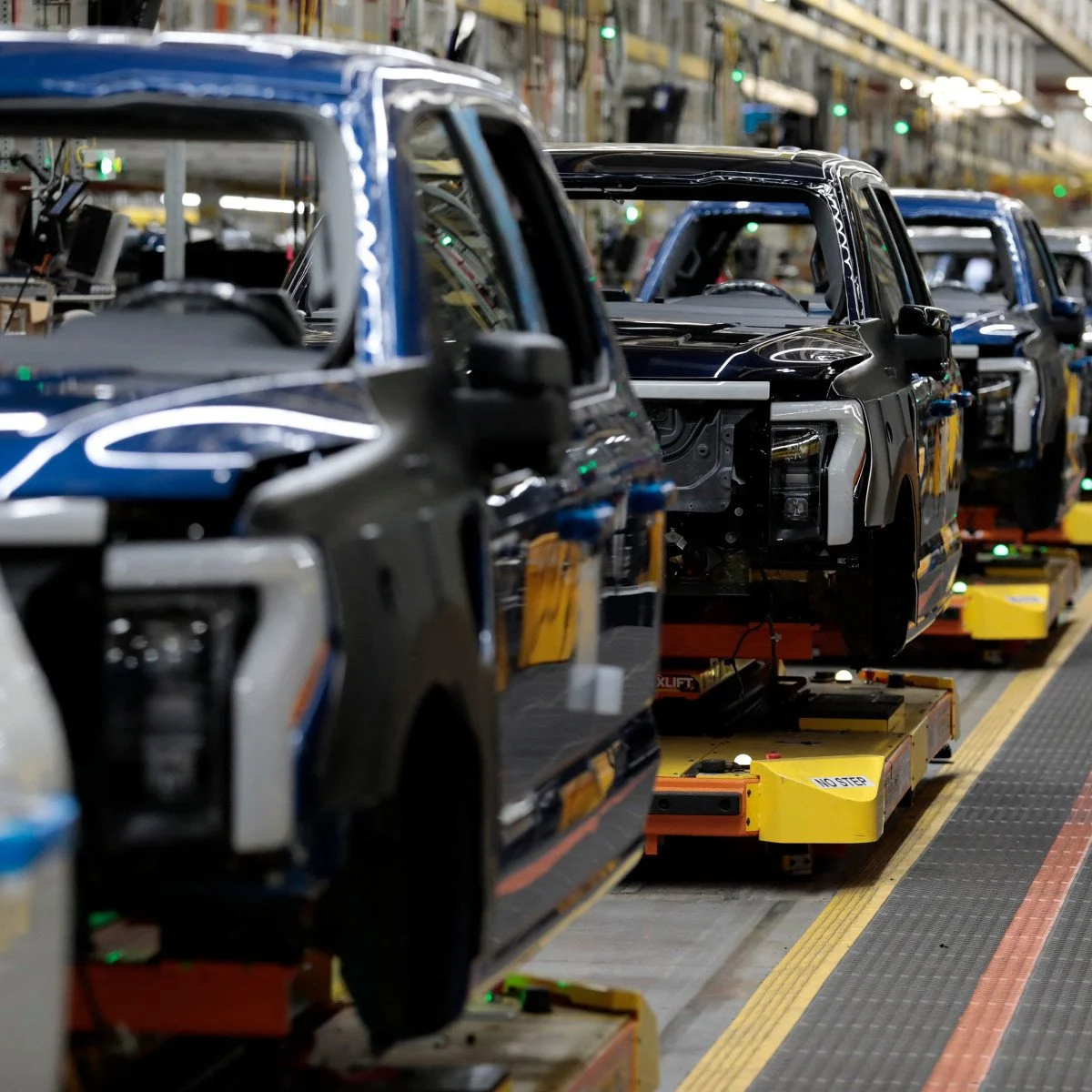
Reuters reported late last year that the successor to the F-150 Lightning had originally been part of Ford’s next-generation EV lineup, to be built at a major new complex in Tennessee. But Ford is now replacing that EV pickup production with new gas-powered trucks starting in 2029 at the Tennessee factory.
That is not the behaviour of a company confidently accelerating into an all-electric truck future.
It is the behaviour of a company backing away from a commercial dead end and trying to save face on the way out.
Maybe the range-extender version happens.
Maybe it does not.
But if you were running a dependent conversion or remanufacturing business in Australia, this is not the kind of “future product” you would want to treat as bedrock.
I save people thousands on new cars and home solar - there’s heaps less stress and no obligation in either case. Just help if you want it. New cars here. Home solar here.
Reality Always Wins
This is the broader problem with Bullshit World.
In Bullshit World, everything runs on slogans, press releases, political signalling and industrial-grade hopium. Engineering becomes secondary. Economics becomes optional. Market reality becomes something to be explained away.
Until it doesn’t.
Sooner or later, reality turns up and bites.
In this case, the bite landed in Brisbane.
BossCap did not collapse in a vacuum. It collapsed because it built around an upstream product that no longer made commercial sense for the company actually building it.
And when the fantasy dies in Detroit, the casualties show up in Australia.
The workers deserve unreserved sympathy.
The decision-makers deserve scrutiny.
I save people thousands on new cars and home solar - there’s heaps less stress and no obligation in either case. Just help if you want it. New cars here. Home solar here.