Chinese cars are taking over Australia — you can use this to get a better deal
Australia’s new-car market is barely growing. But Chinese cars are booming.
Save thousands on any new car
Fill in the form - we’ll get you a great price without the stress
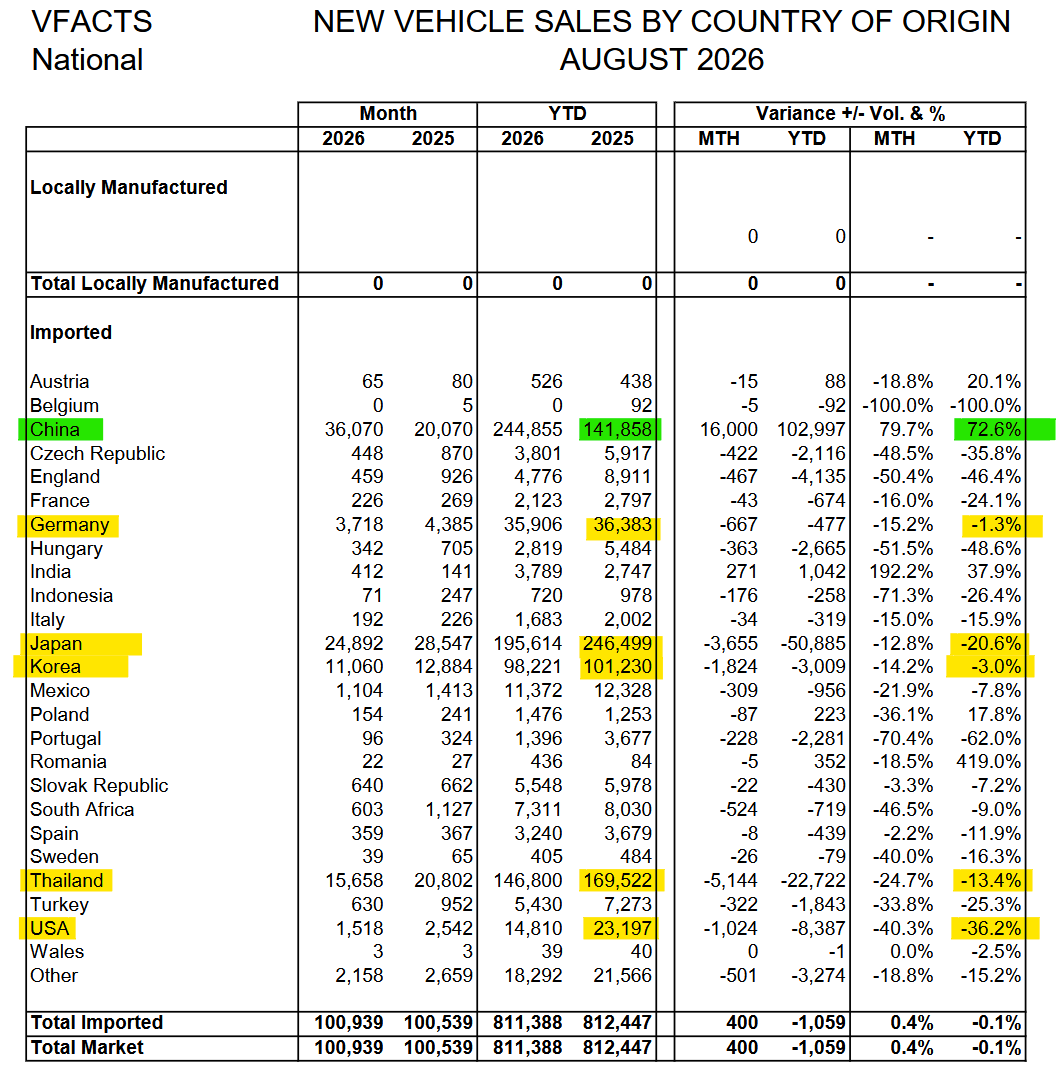
Sales of vehicles built in China are up by almost 90,000 so far in 2026, while many of the brands Australians have traditionally bought — particularly Japanese manufacturers — are losing tens of thousands of sales.
That is not just an interesting market trend.
If you’re buying a new car, you may be able to use it to save serious money.
Because a carmaker losing market share has one overriding problem: it needs sales.
And that gives you leverage.
Chinese car sales are surging in Australia
The overall Australian new-car market is essentially stagnant year-on-year.
But Chinese-built vehicles have gone from roughly 122,000 sales at this point last year to almost 209,000 in 2026 — an increase of about 71 per cent.
China is now comfortably the largest country of origin for new vehicles sold in Australia.
Meanwhile, Japanese-built vehicle sales have fallen from almost 220,000 to around 170,000 — down roughly 22 per cent.
That is an extraordinary shift in less than eight months.
The top-selling brands tell the same story.
Four Chinese brands are now sitting inside the top 10, while only three Japanese brands remain there.
The key point is simple:
The overall market has not grown enough to explain the Chinese gains.
Every extra sale going to BYD, Chery, GWM, MG, Geely or another Chinese manufacturer is, broadly speaking, a sale that somebody else did not get.
The Chinese brands gaining ground
Some of the year-to-date numbers are spectacular.
BYD
BYD sales are up by roughly 115 per cent, from fewer than 30,000 vehicles at this point in 2025 to more than 60,000 in 2026.
That is no longer niche-brand growth.
BYD is now a mainstream-volume player.
Chery
Chery is up around 71 per cent.
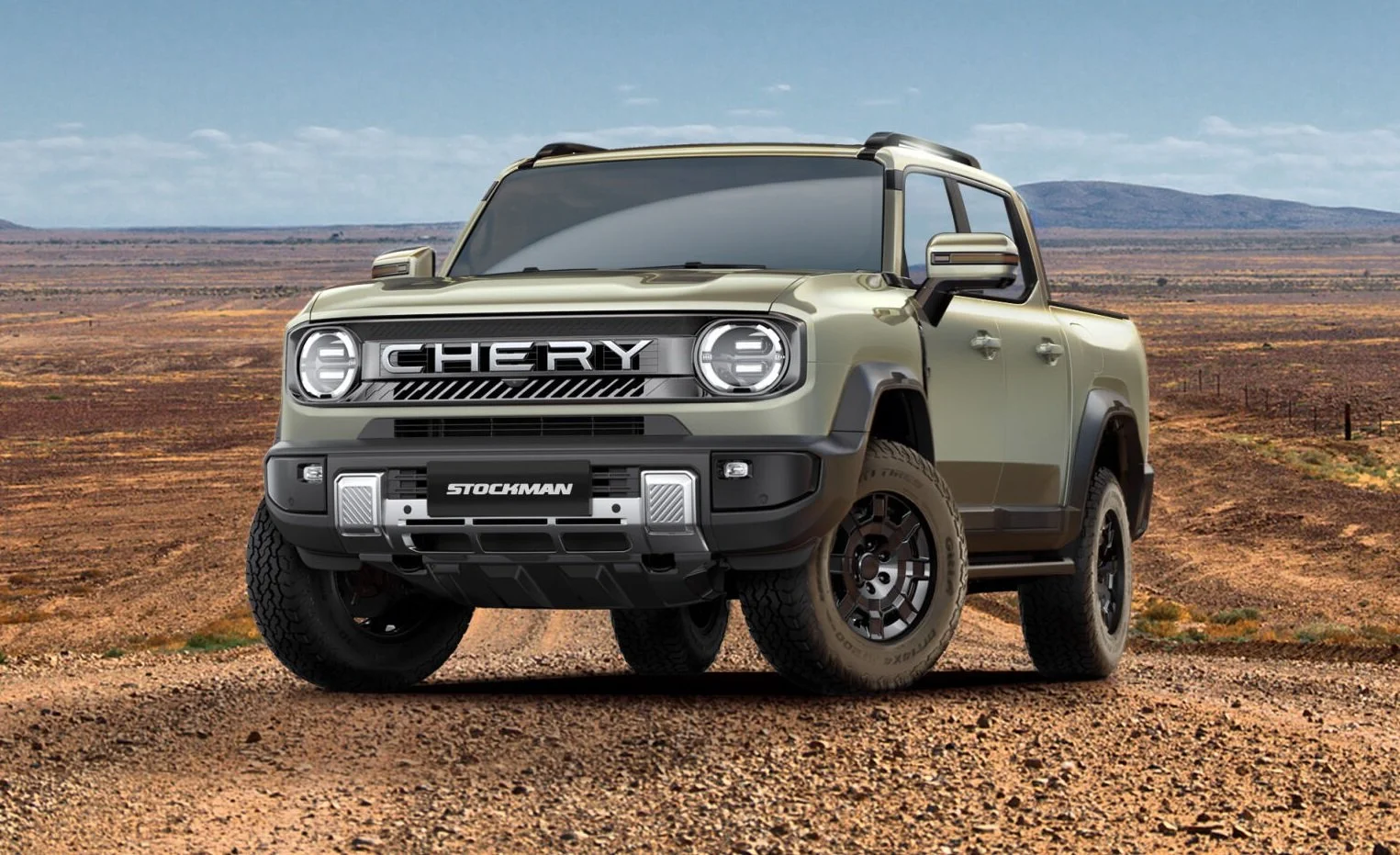
And that is before some potentially significant new products arrive, including its forthcoming plug-in hybrid dual-cab ute.
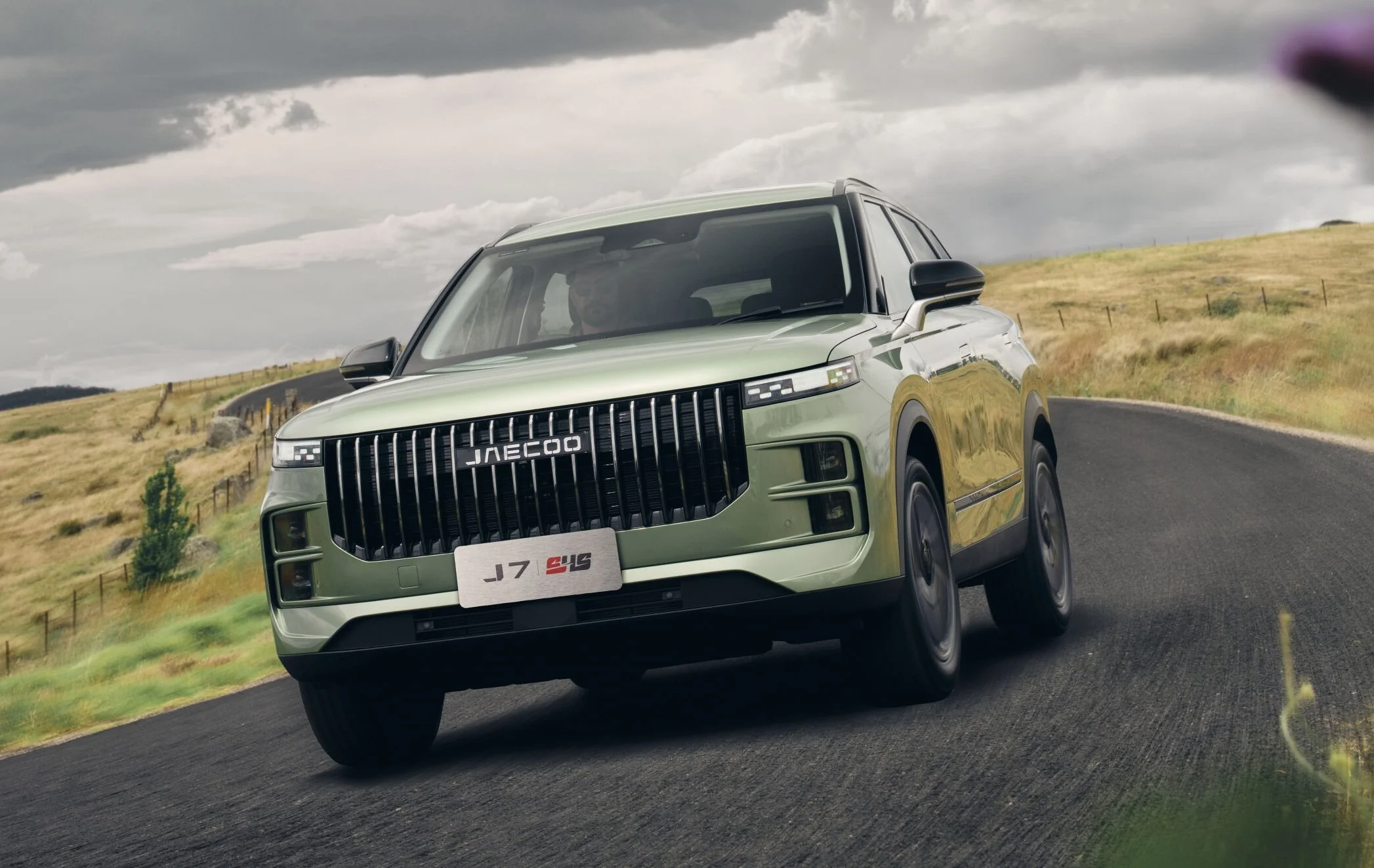
Omoda Jaecoo
Omoda Jaecoo has grown by roughly 900 per cent from a very low base.
Combined with Chery, the broader group has already sold more than 40,000 vehicles in Australia this year.
Geely
Geely is up more than 500 per cent, again from a modest 2025 starting point, to around 15,000 sales.
GWM
GWM is perhaps the most instructive example because it is no longer a newcomer.
After roughly 17 years in Australia, it is still growing — up about 17 per cent, from just under 30,000 vehicles to almost 35,000.
That looks less like novelty and more like sustainable market penetration.
MG
MG is also well established and is up around 11 per cent.
Again, this is not simply a new brand exploding from zero.
It is an established Chinese-owned marque continuing to gain share.
Somebody has to lose those sales
The market itself is not growing substantially.
So all those gains have consequences.
And the list of established brands going backwards is extraordinary.
Ford
Ford is down around 11 per cent, representing almost 6000 fewer vehicles.
Isuzu Ute
Isuzu Ute is down roughly 10 per cent.
That is particularly interesting given the increasing number of Chinese dual-cab alternatives entering the market.
KGM
KGM — formerly SsangYong — is down around 22 per cent.
For a small-volume brand, that raises obvious questions about future volume, market presence and ultimately resale confidence.
Lexus
Lexus is down roughly 15 per cent.
Even the premium Japanese brands are not immune.
Mazda
Mazda is down around 17 per cent, representing roughly 9500 fewer sales.
This is a huge reversal for a brand that has traditionally been one of Australia's strongest performers.
Mitsubishi
Mitsubishi is down around 27 per cent — more than 10,000 vehicles behind last year's pace.
Its ageing product portfolio is increasingly exposed as newer and cheaper competitors arrive.
Nissan
Nissan is down around 34 per cent — roughly 8000 fewer sales.
This compounds the broader problems Nissan has been facing globally.
Subaru
Subaru is down around 26 per cent, or approximately 6000 vehicles.
A brand that once had an unusually strong enthusiast identity is now struggling to maintain momentum.
Suzuki
Suzuki is down roughly 19 per cent.
At that level of Australian sales volume, sustained declines become increasingly uncomfortable.
Toyota
And then there is Toyota.
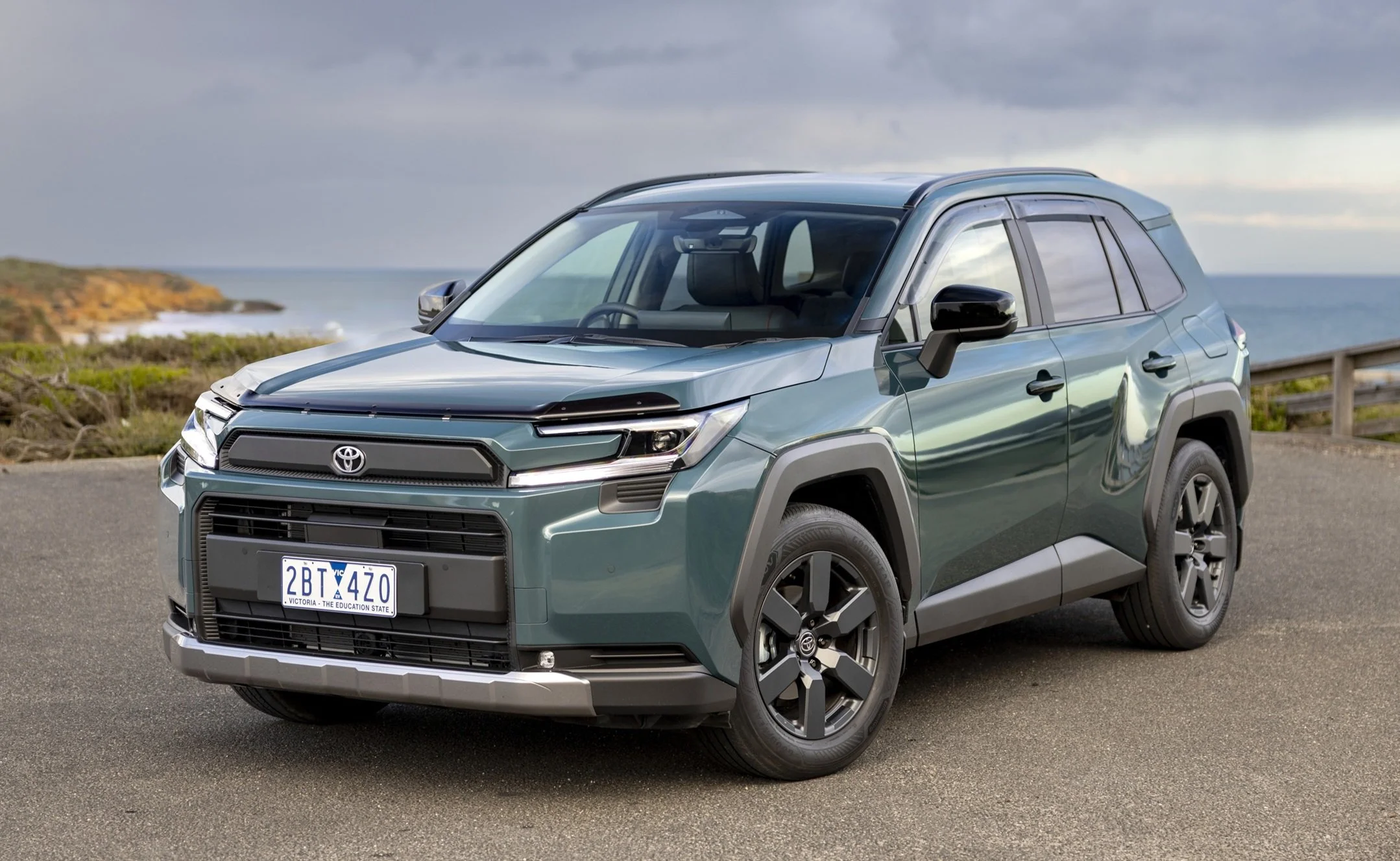
Toyota sales are down roughly 19 per cent — around 27,000 fewer vehicles.
Some of that may relate to model changeovers and supply issues, including the RAV4 transition.
But Toyota is also being directly attacked by increasingly capable Chinese alternatives.
That matters because Toyota has historically occupied an unusually powerful position in Australia.
Its enormous market share has allowed it to charge confidently, discount reluctantly and rely heavily on brand reputation.
China is beginning to alter that equation.
The luxury Germans are struggling too
This is not exclusively a Japanese problem.
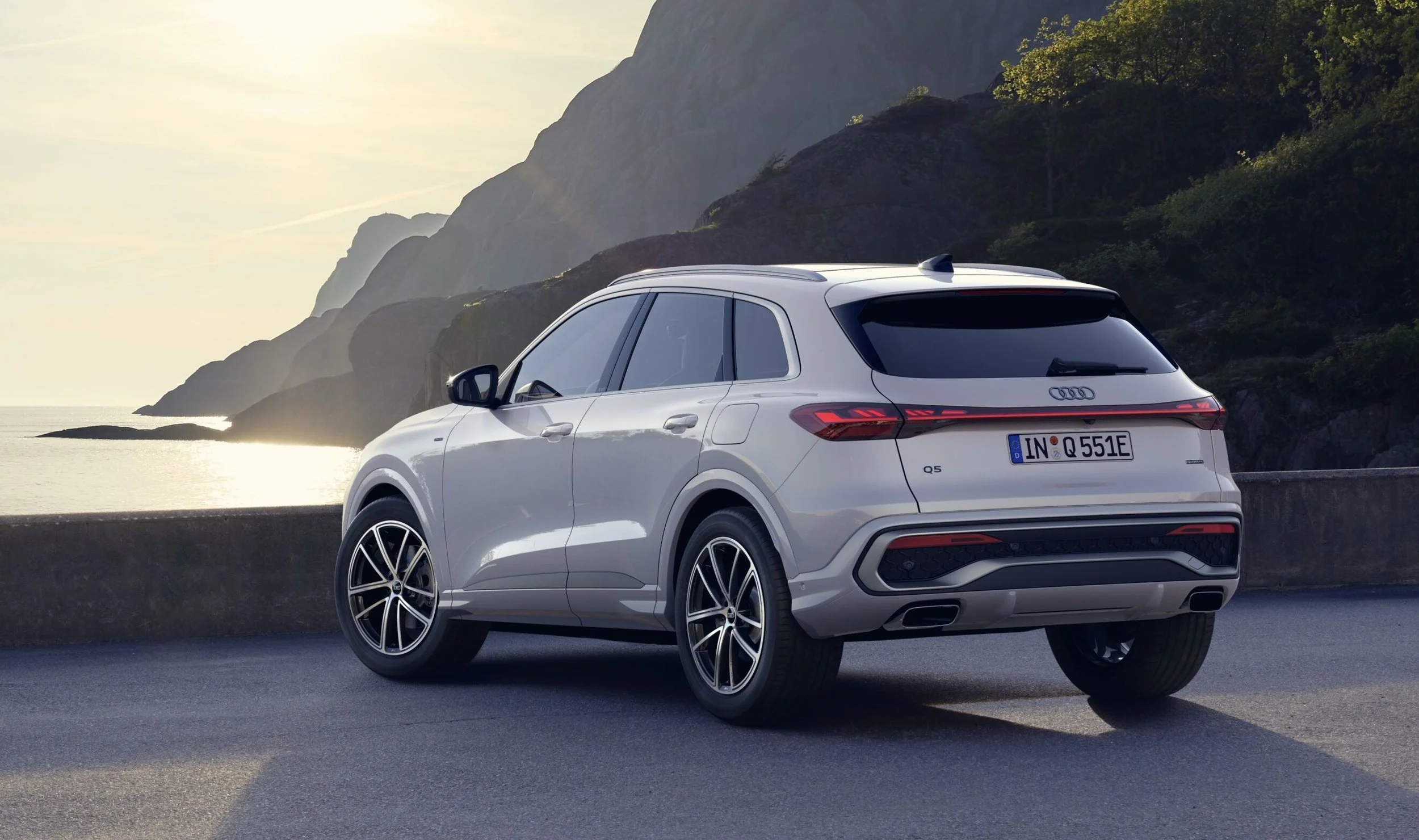
Audi is down heavily.
BMW is substantially weaker.
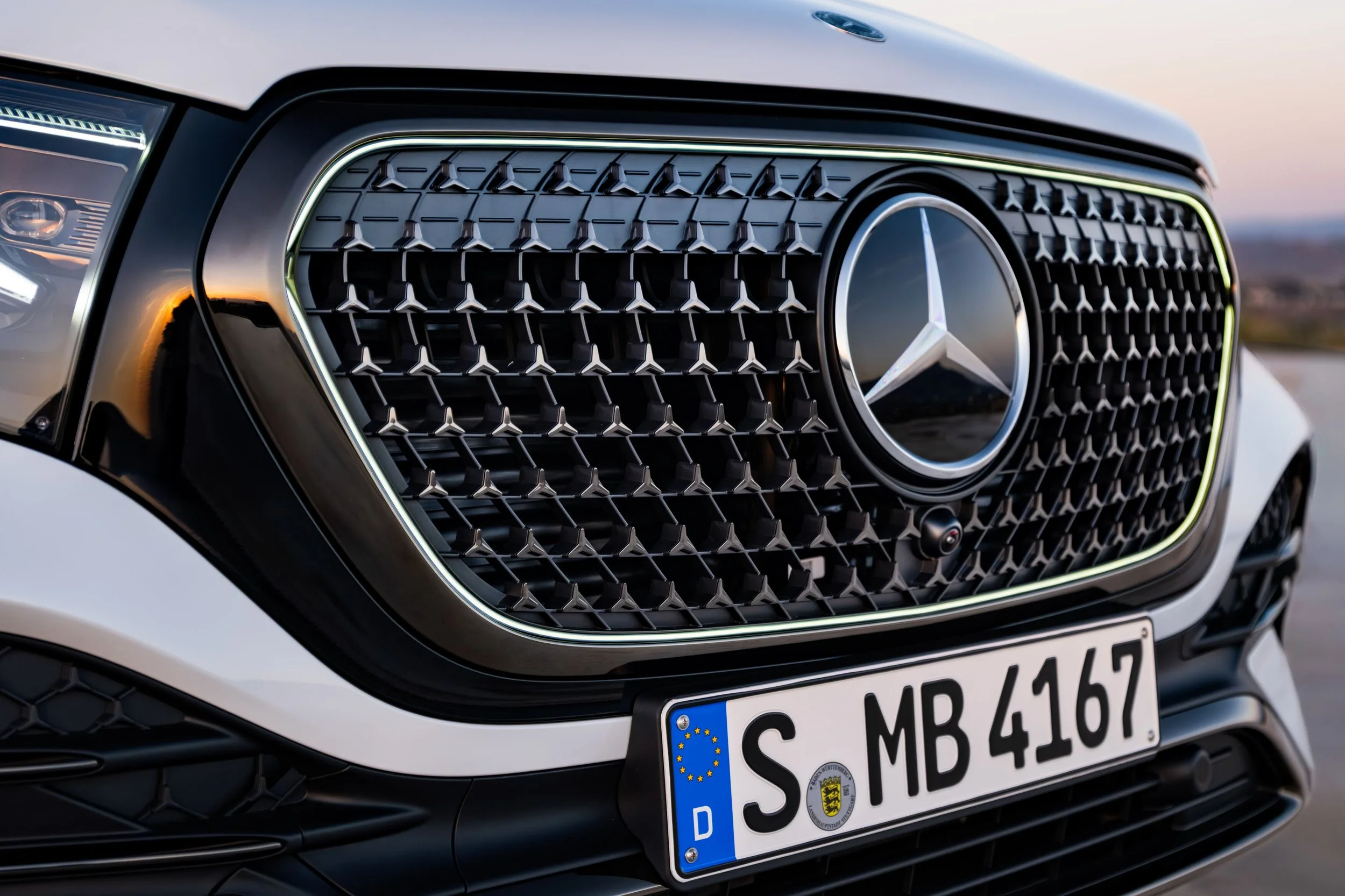
Mercedes-Benz remains below historical Australian volumes after adopting its controversial agency sales model in 2022.
The broader lesson is that established prestige badges are no longer insulated from aggressive competition either.
Consumers now have vastly more choice, and many increasingly appear unwilling to pay enormous premiums merely for an established badge.
Why is this happening?
It is convenient to claim Chinese manufacturers are winning simply because they received government support. The reality is more complicated.
Automotive industries all over the world receive subsidies, incentives, tax concessions, grants and regulatory support.
The more important explanation is much simpler:
Chinese manufacturers have become extremely competitive while many established manufacturers became complacent.
Over the past several years, prices increased dramatically.
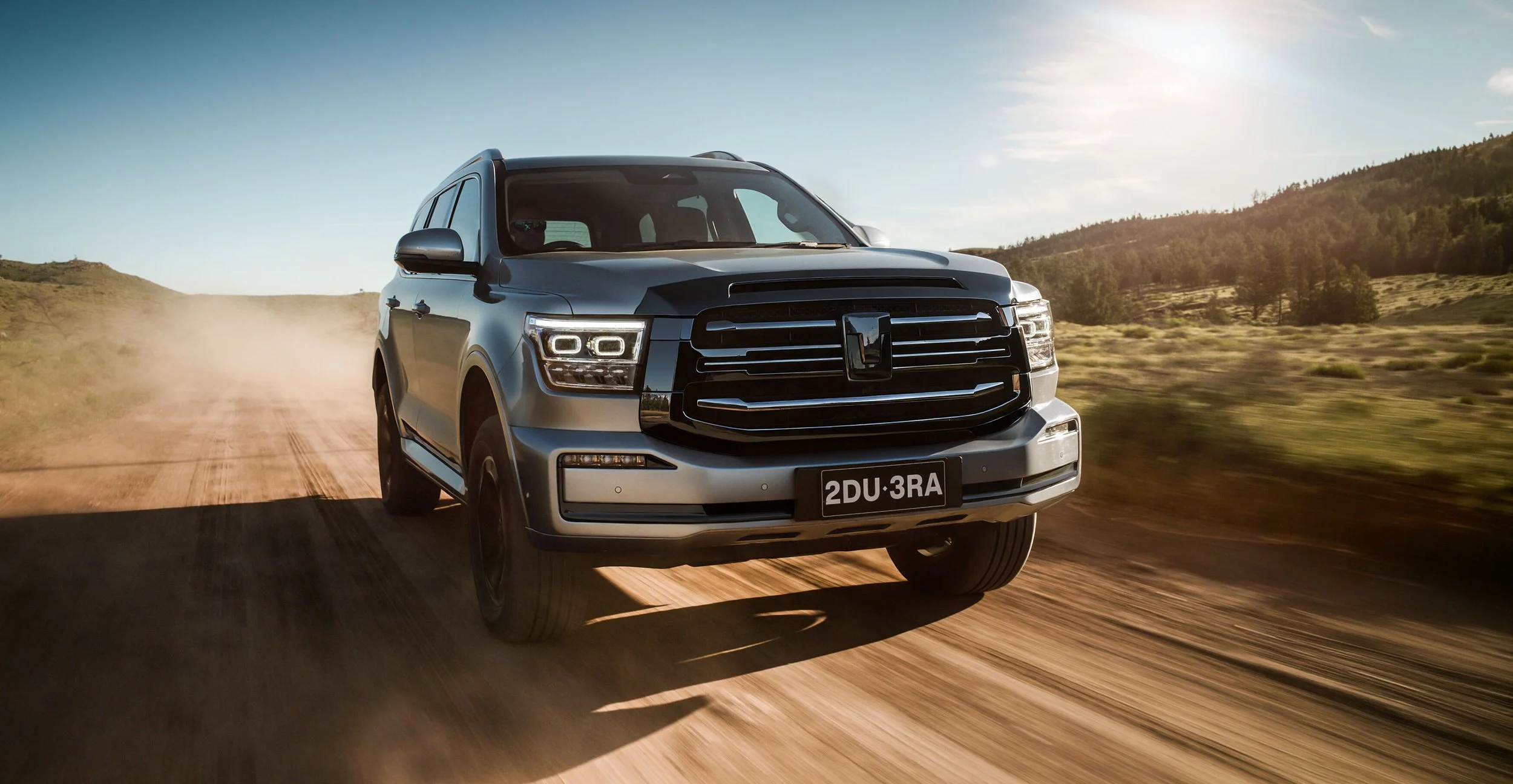
GWM Tank 500 shows buyers you can afford a hardcore 4X4 that is not the Toyota LandCruiser or Nissan Patrol
At the same time, buyers began seeing Chinese vehicles with:
more standard equipment
bigger screens
more powerful drivetrains
equal or longer warranties
sophisticated hybrid and electric systems
increasingly competitive refinement
significantly lower prices
The established manufacturers often responded far too slowly.
Look at the ute market
The Australian ute segment illustrates the problem beautifully.
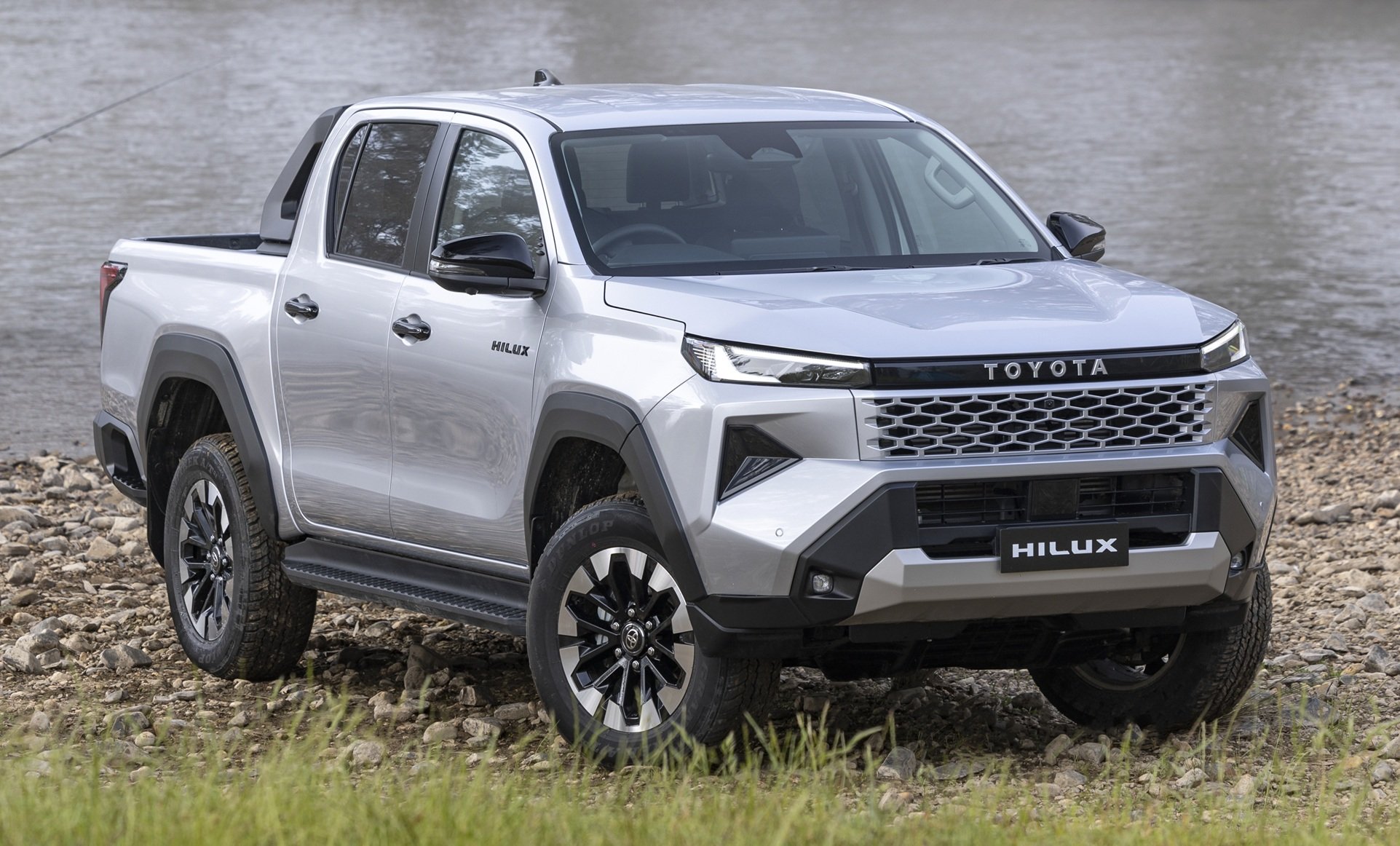
Traditional players have relied heavily on Hilux, Ranger, D-Max and Triton.
Meanwhile, Chinese manufacturers have rapidly introduced products such as:
BYD Shark 6
GWM Cannon Alpha PHEV
forthcoming Chery plug-in hybrid utes
These vehicles are introducing powertrains and features that simply did not exist in the traditional mainstream ute market a few years ago.
Compare that with Ford's Ranger PHEV, which has a relatively modest EV capability, or Toyota's continued dependence on relatively conventional diesel technology.
This is not simply a matter of China copying established manufacturers anymore.
In several important areas, Chinese manufacturers are now forcing the established brands to respond.
How you can use this to get a better new-car deal
This is where the market data becomes useful.
A manufacturer that is losing double-digit market share is under commercial pressure. Dealers and local distributors have monthly targets.
Unsold cars cost money. Falling registrations attract attention from regional headquarters. That does not mean every dealer will automatically slash thousands off every car.
But it means you should negotiate aggressively.
If you still want a Toyota, Mazda, Mitsubishi, Nissan, Subaru, Ford or another declining mainstream brand, you now know the commercial backdrop.
They need your sale more than they did when demand was booming.
Do not negotiate from the sticker price
Decide what the competing Chinese vehicle costs.
Compare equipment, performance, warranty and ownership costs.
Then make the established-brand dealer justify the premium.
If a comparable Chinese SUV is $10,000 cheaper, that gives you an extremely useful negotiating reference point. You do not need to threaten the salesperson or give them a lecture on market economics.
Simply make a serious offer. If they reject it, walk.
There are plenty of dealers and plenty of cars.

The balance of power is shifting
For decades, Australians largely accepted that Japanese brands represented the safe default. That reputation was earned.
But reputation is not an unlimited licence to charge whatever the market will bear. Chinese manufacturers are applying enormous competitive pressure through price, technology and product development.
Australian consumers are responding. And the sales numbers now make that impossible to dismiss.
The established manufacturers can respond with better products, sharper pricing and more value. Or they can continue losing market share.
For buyers, that's excellent news, because competition works for you. And right now, if you still want one of those established Japanese or European brands, their commercial pain could be your negotiating advantage.