


BEST PHEVs
If you’re shopping for a plug-in hybrid among the sea of new arrivals to the Australian car market, we’ve distilled down a shortlist to make this task emphatically easier. With reviews that will help you understand how a PHEV actually works, we’ll also give you straight advice about how well it will work for you…
The short list
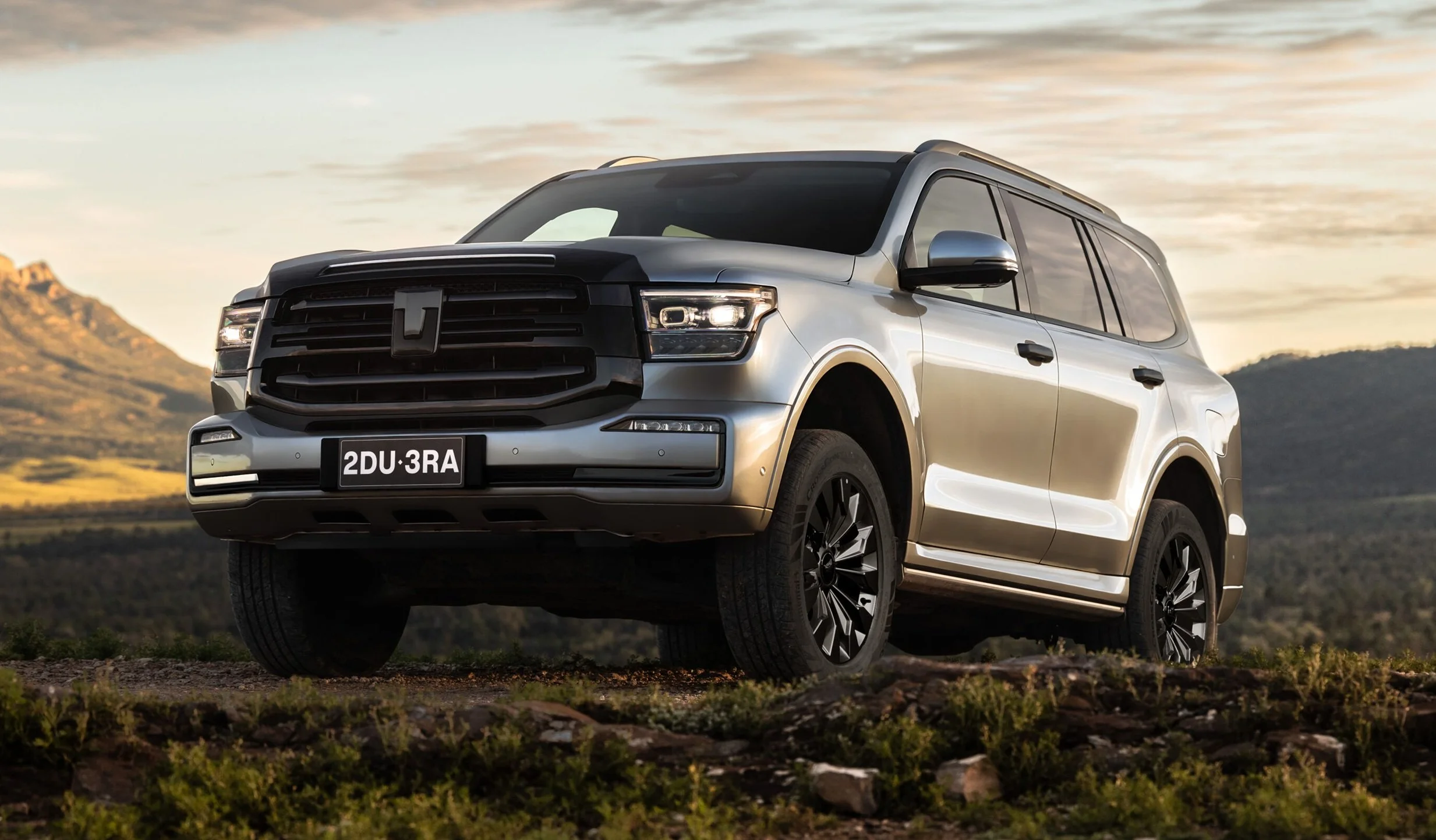
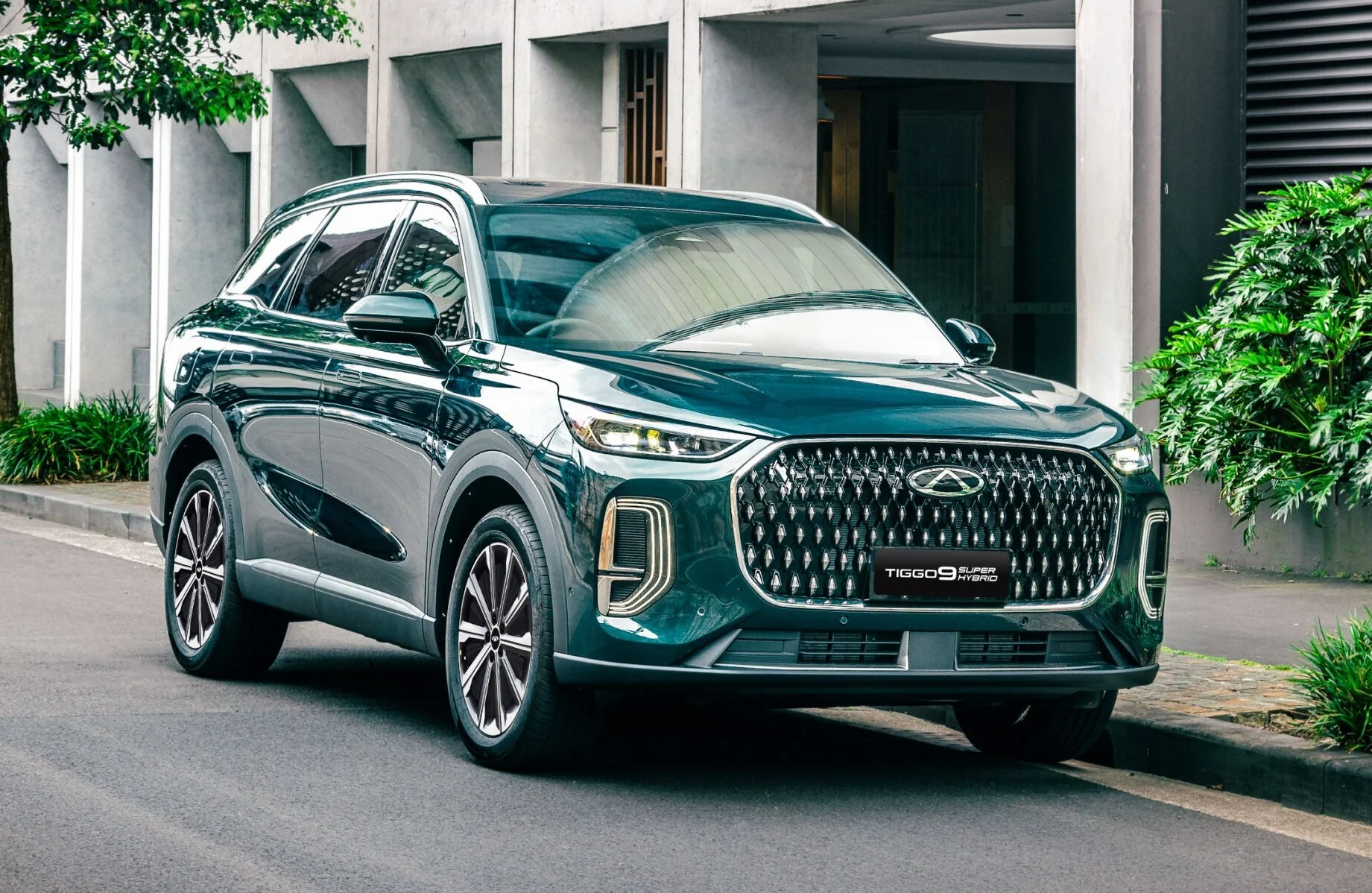
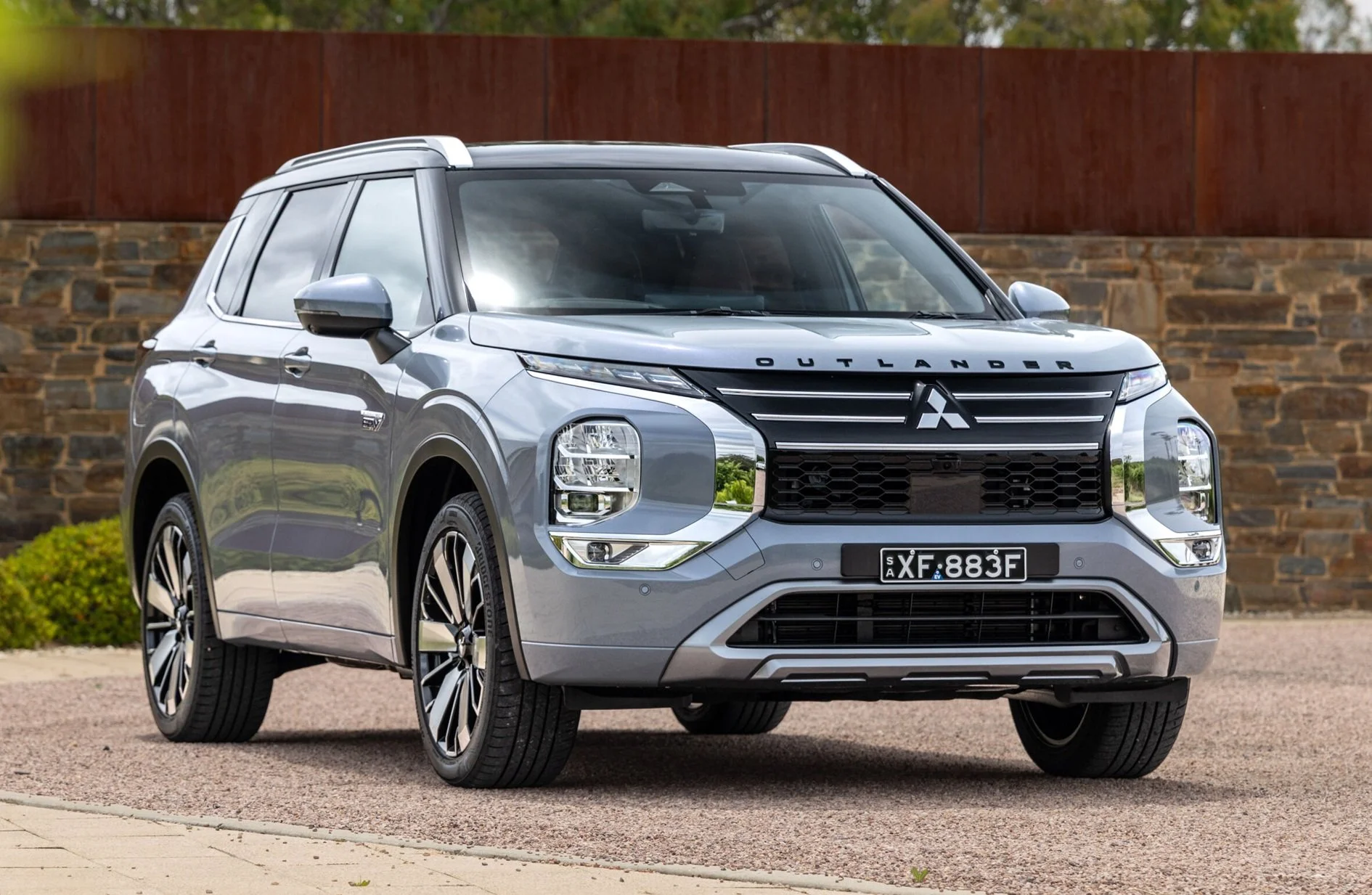
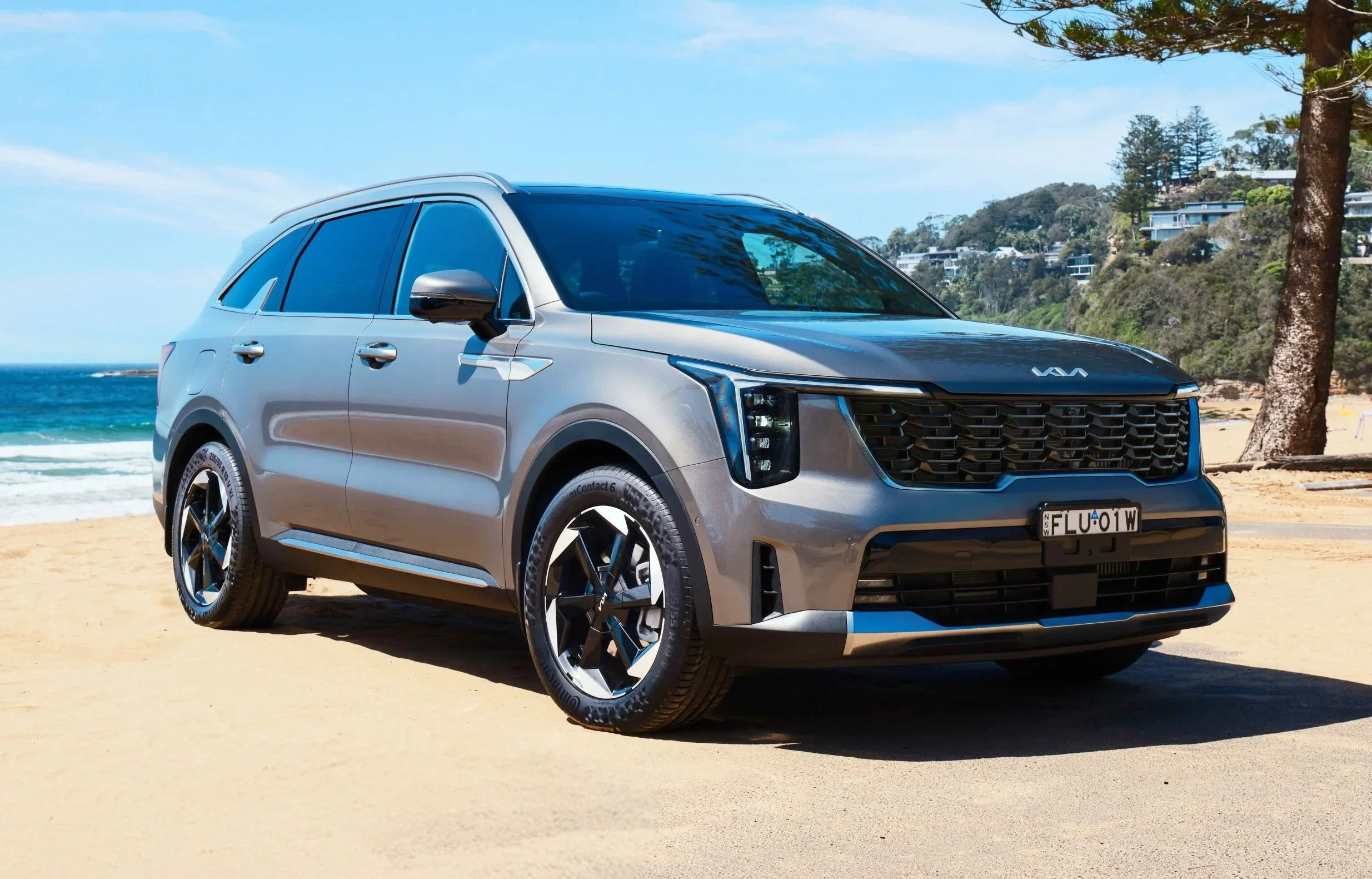

GWM Cannon Alpha PHEV

The GWM Cannon Alpha PHEV might have too many names, but it’s absolutely worthy of your time if you need an extremely good value, functional dual-cab ute with a plug-in hybrid powertrain and which functions as a proper off-roader.
With a firm place in the top 10 carmakers by sales in Australia, GWM has earned its stripes having been selling cars here for 16 years. Sales have increased by 10 times in just the last 5 years alone and there are now over 200,000 vehicles on the road right now proving their reliability. GWM is a powerhouse brand.
You get a capable towing platform, one that can also carry ample kilograms in the tray, or engage on-road AWD in wet conditions, or low-range for hardcore off-roading.
You get plenty of equipment, loads of legroom, good build quality, and an eye-watering value-for-money proposition when you see the price.
Mitsubishi Outlander PHEV
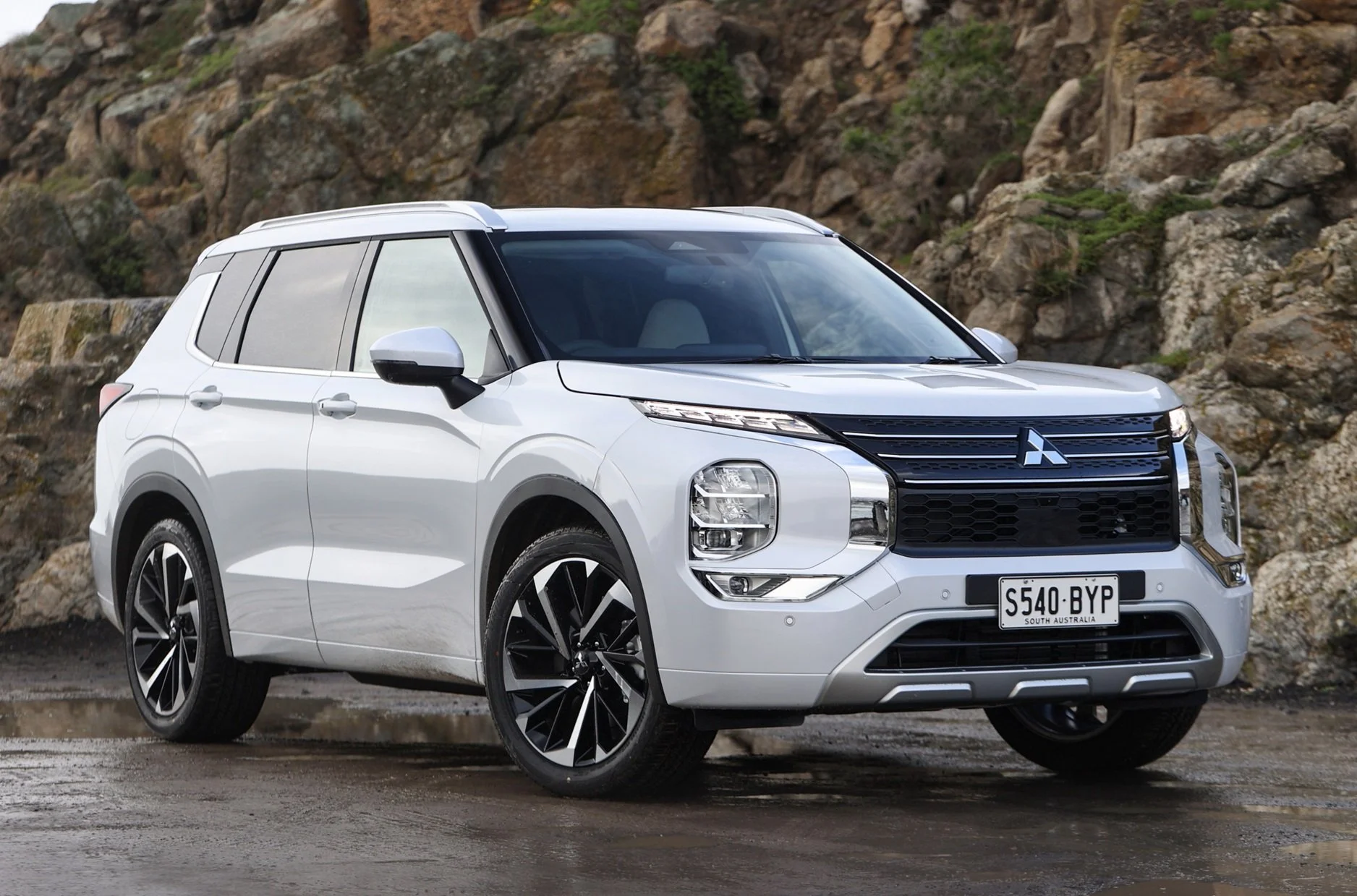
Outlander PHEV offers the best of both: a midsize SUV with proper all-wheel drive, and a plug-in hybrid that runs in EV mode in city traffic. Being from a brand selling cars in Auastralia for decades, and electric/hybrids for longer than almost any other, that’s a bonus.
The 2.5-litre petrol engine is naturally aspirated, and the 38kWh battery+motor combination makes it punchy and frugal as well as smooth and refined to drive in suburban commuter congestion.
Legroom is quite good in the front and second rows, and in the unlikely event you do go off sealed roads, Mitsubishi’s on-demand all-wheel drive system is very competent, handling light mud, wet grassy carparks and steep, slippery driveways or take-offs at the lights with ease.
It’s not a proper 4WD, but it did make it through the Flinders Ranges. (You also get a conditional 10yr warranty.)
Kia Sorento PHEV
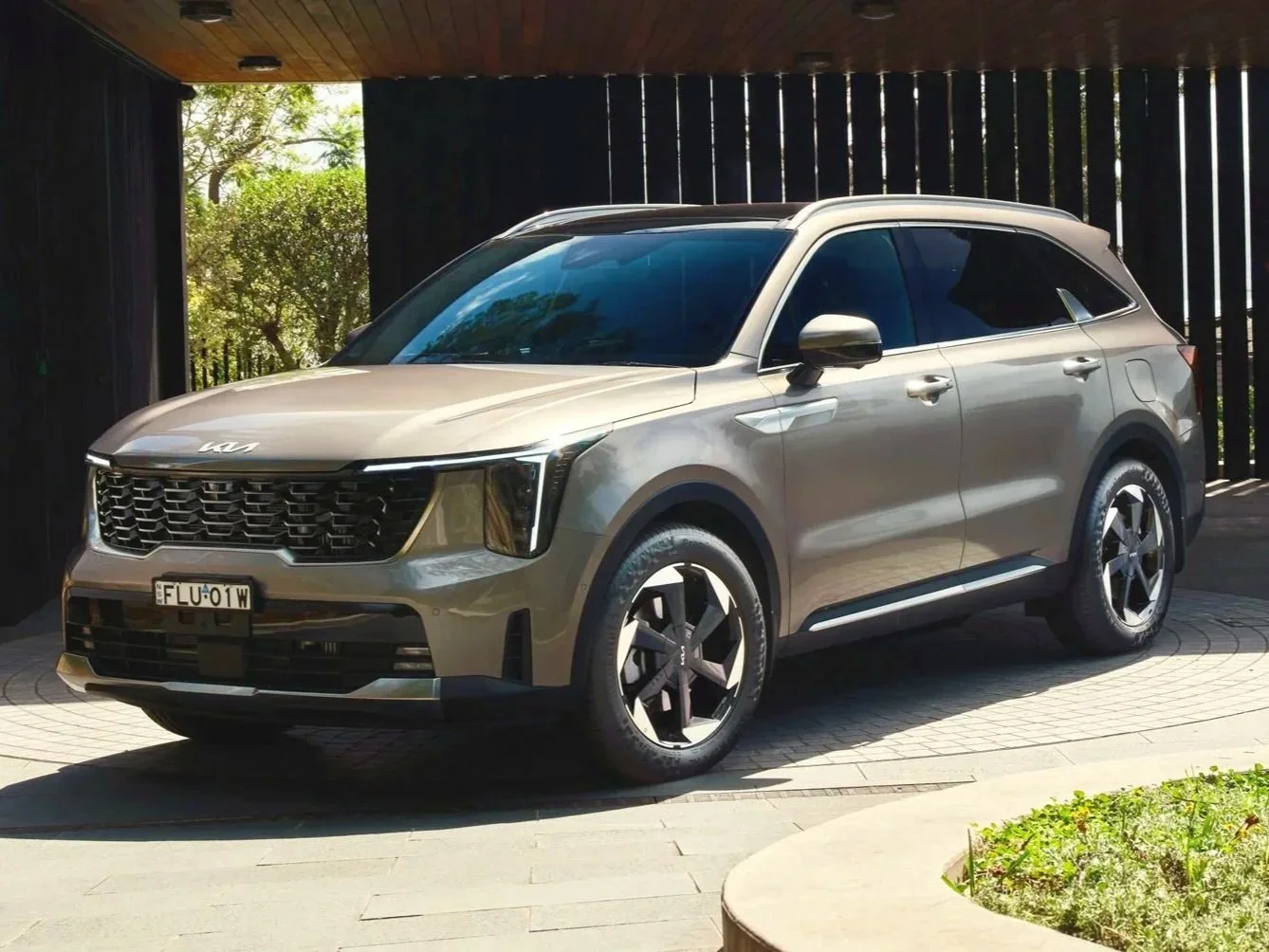
A Kia Sorento with hybrid city-driving capability and long-distance petrol-powered cruising potential. Now that’s and interesting prospect.
Sorento is a big vehicle; a full-sized seven-seat SUV - and yet it comes with 169kW of combined power with the electric motor and comsbution engine put together. What this means is that it’s got a torque EV-only style take-off in operation, before the 1.6-litre turbo-petrol combustion engine kicking in to get up to higher road speeds.
Despite having a smaller battery than some, it’s much more accommodating for bigger families thanks to row-three seating with ISOFix anchors and a full-size spare wheel - which is extremely rare in any hybrid.
Sorento PHEV is a spacious, practical and luxuriously equipped SUV that will do limited commuting in EV-only mode, and will eat highway road trips without making you sweat over the availability or operability of public chargers.
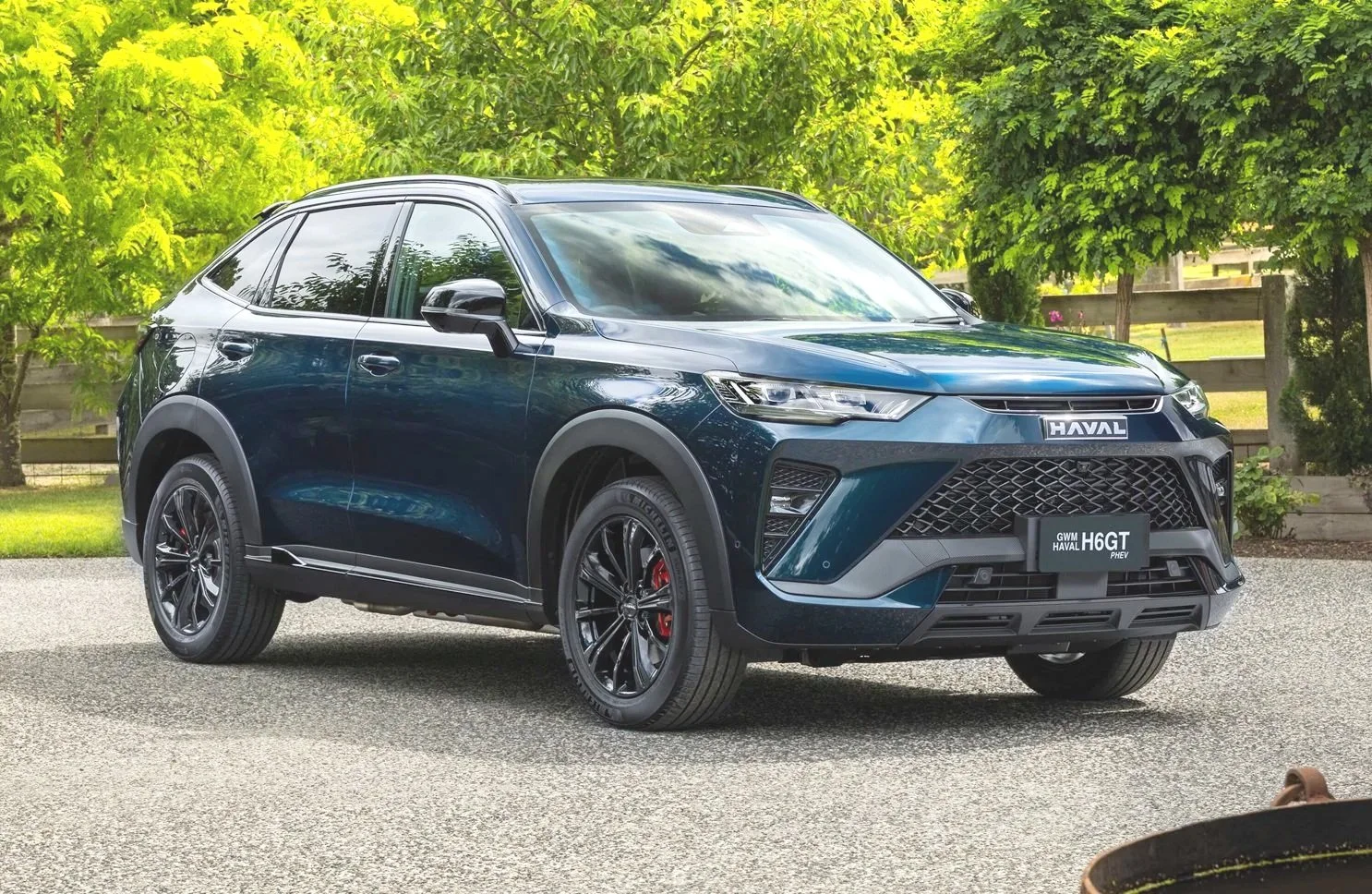
Haval H6 GT PHEV
Haval’s H6 GT PHEV is one of the nicest midsize SUV PHEVs to have to ask the price of. Not only do you get a very slick, minimalist cabin that’s quiet to sit in, but it also goes like stink.
There’s a massive infotainment touchscreen with virtually no buttons (if you’re into that kinda thing), you get heated leather seats and decent driving dynamics that are far from perfect, but good enough for most people.
What it lacks for in refinement and handling, which is substantial, it more than makes up for in straight line performance, mundane daily practicality and value for money.
Haval is also a GWM brand, so you’re going to get good customer support from a now-established brand in the market with skin in the game.
Mazda CX-60 PHEV
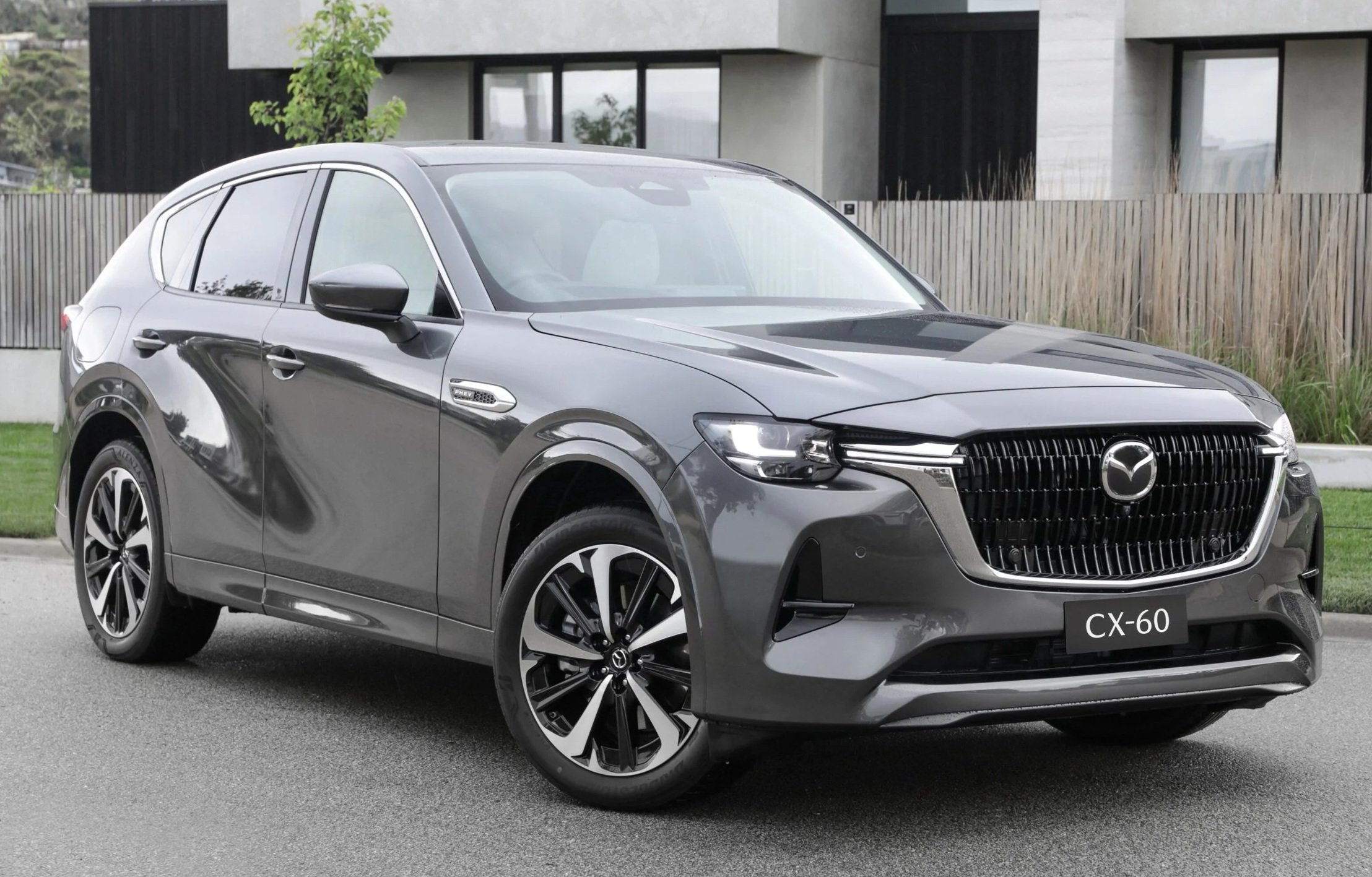
The Mazda CX-60 PHEV offers strong performance, a luxurious interior and even half-decent towing capacity. Ride and handling calibration issues addressed early have turned CX-60 into one of the nicest PHEVs on-sale in Australia.
It combines a 2.5-litre four-cylinder petrol engine with a 100kW electric motor, producing 241kW and 500Nm through an eight-speed automatic and on-demand all-wheel drive. Accelerating from 0–100km/h in 5.9 seconds and towing up to 2500kg make it a formidable purchase.
Its 17.8kWh battery provides plenty of electric-only range, while charging takes about 2.5 hours at its maximum rate, with a claimed 2.1L/100km combined fuel consumption.
The CX-60 PHEV is ideal for commuters who can charge regularly and want to take longer roadtrips with combustion.
Chery Tiggo 9 Super Hybrid
The Chery Tiggo 9 Super Hybrid is a seven-seat large SUV using a 1.5-litre turbo-petrol engine and plug-in hybrid system. The Ultimate AWD produces 315kW and 580Nm, with all-wheel drive and a 1500kg braked towing capacity.
Its 34kWh battery provides a claimed 170km of electric driving range, with a 1.4L/100km combined fuel consumption claimed. It supports 6.6kW AC charging and up to 71kW DC charging, making it unusual among PHEVs.
Priced at , the Tiggo 9 offers a lot of space, power and equipment for the money. The combination of seven seats, long electric range and AWD makes it particularly well suited to families wanting to do most daily driving electrically without giving up petrol-powered long-distance capability.
Jaecoo J7 Super-Hybrid

The Jaecoo J7 might be one of the most recent additions to the long list of Chinese brands entering the Australian market but the J7 offers such compelling value it’s too hard to ignore.
A product of the Chery brand, the Jaecoo J7 offers plenty of tech, good enough ride comfort and an ample amount of legroom and headroom that makes you wonder why an equivalent Mazda, Hyundai or Toyota costs so much more.
The levels of refinement aren’t quite as on-form as the Korean or Japanese brands - yet - but if you’re potentially going to save about $10K over the aforementioned, does it matter that much?
J7 is also available as combustion-only or a plug-in hybrid, as well as the choice of front- or rear-wheel drive.
Toyota RAV4 Prime
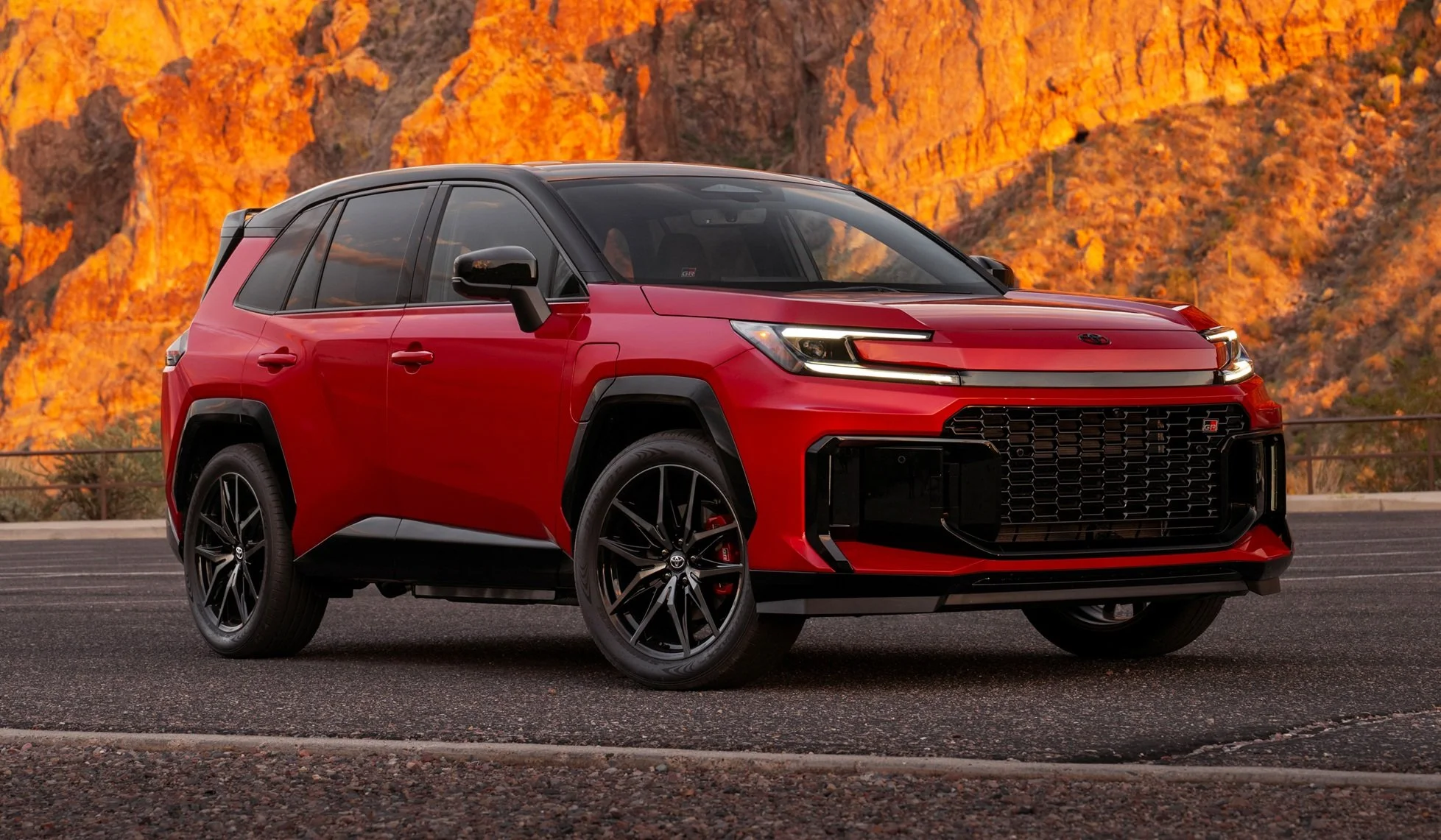
RAV4 is a decent five-seat family vehicle if you’re looking for a general-purpose, straight-forward SUV. A lot of people worship Toyota in Australia: they’re reliable, the dealer network is huge and the resale value is excellent.
The RAV4 is one of those vehicles that does a good job at not offending you with styling or getting in your face with tech or innovation. And that’s okay, because a large portion of buyers don’t care about flashy screens or indulgent styling; they just want an affordable SUV that goes OK. It does.
The boot is a decent size, engines (either atmo petrol or hybrid) are pretty reliable, they’re well built and they drive nicely enough without being anywhere close to ‘performance oriented’. Steering might be considered on the ‘light’ side, so lacking some feel and feedback, the suspension is decent without being uncomfortable, and the range is well priced, if slightly dear.
Popular medium SUVs to avoid
Skoda Karoq/Volkswagen Tiguan: Karoq is just a nastier Tiguan with cheaper plastics and a space-saver spare. Tiguan is a knock-off Audi but without the stylish design. Same car, same criminal parent carmaker that rarely treats customer complaints as legitimate.
Mercedes-Benz GLB: Looks drop-dead gorgeous, but you’ll pay full price because: no negotiating. When you present the dealer with some problem, they’ll find a way to ignore your consumer rights and bill you for poor build quality. Mercedes Australia is well-versed at this gouging tactic.
Nissan X-Trail: Nissan wants you to think its gutless mild-hybrid e-Power X-Trail is a quasi-EV. It’s not. This new generation X-Trail is also very new and the first under Nissan’s alliance with Renault and Mitsubishi, so we don’t really know if it’s any good or reliable, so wait six months at least.
Honda CR-V: Honda is nearly finished in Australia; sales have been down ever year going back almost a decade. Spending $40-$50K on a CR-V is going to be a depreciation disaster in three-to-five years, so don’t get trapped in Honda’s downward sales death-spiral.
Ford Escape: Escape sales are terrible - in a country dominated by medium SUVs. Escape should be selling its socks off for Ford Australia, but it can’t even compete with upstart Chinese brands. Escape is costing Ford, meaning eventually they might stop bothering, which is a resale bomb for you.
Renault Koleos: Koleos is essentially a Nissan X-Trail underneath, but with a bigger pricetag, a more bland interior and weird French steering wheel controls, and a worse local importer. It’s also going to depreciate faster than the rest of the Best Medium SUVs here.
The GWM Cannon Alpha plug-in hybrid is the ute catching every other ute brand napping in the Australian market. It’s innovative, full of clever design and has bucketloads of grunt for towing, load-carrying, touring and off-roading. It’ll leave a turbo-diesel Hilux for dead, and leave you with change, unlike Ford Ranger.