
Toyota Corolla Cross review and buyer's guide
Toyota has raised the Corolla and called it a small SUV, one that offers reliability, practicality and even performance atop the range. Let’s see if there are any redeeming features that can justify the $50K price?
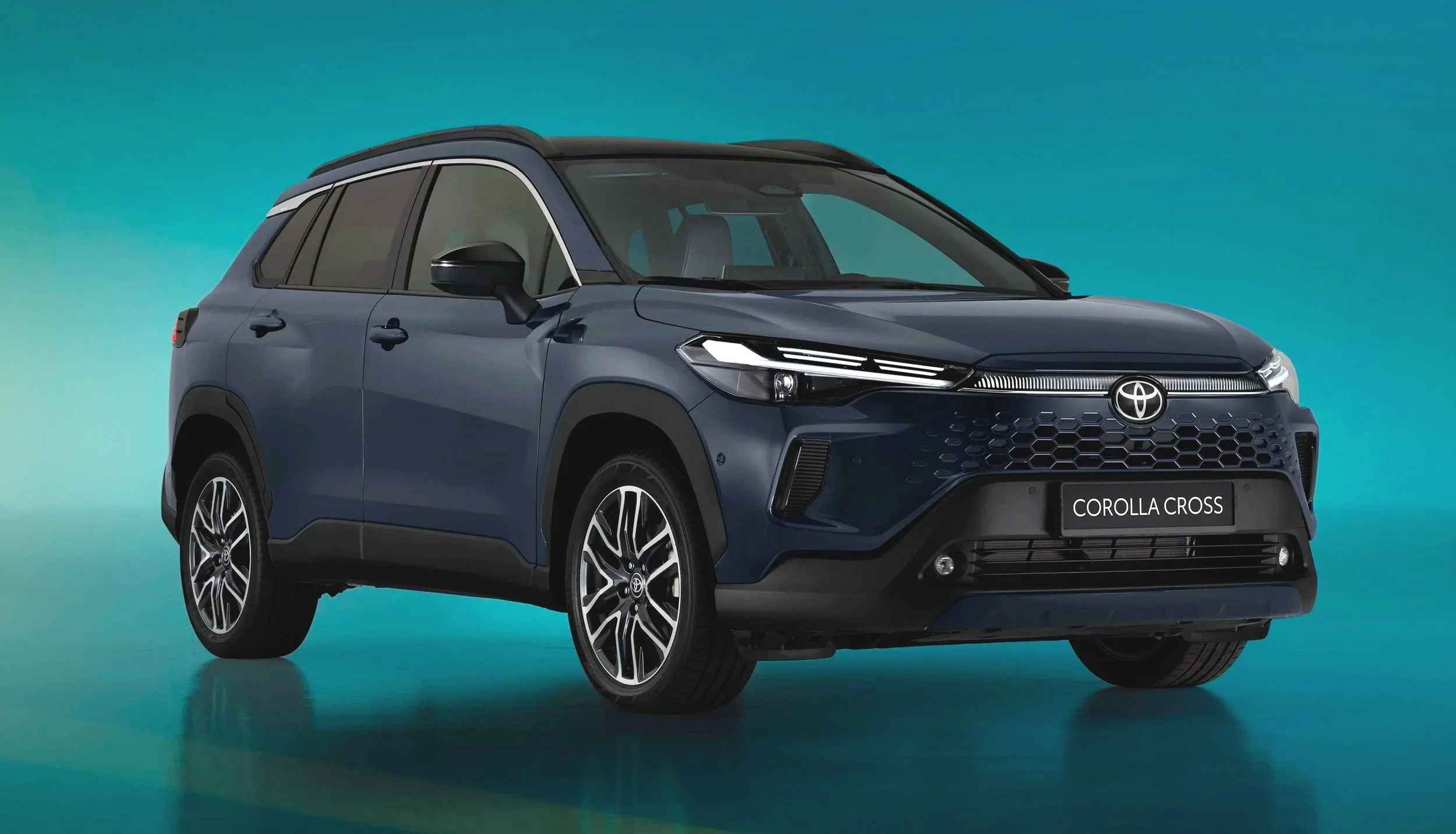
Save thousands on a new Corolla Cross
Fill in the form - we’ll get you a great price without the stress
The Toyota Corolla Cross is the second small SUV from Australia’s most popular car brand.
But whether it is more than just a Corolla with raised suspension, and whether that additional ride height adds anything substantial to the value proposition, remains to be seen.
The Corolla Cross with roughly 13,000 units registered as sold in 2025, is the fifth most popular small SUV, behind the MG ZS, Haval Jolion, the Chery Tiggo 4 Pro and Hyundai Kona. It’s understandable given that the most popular model, the 2WD base bariant Hyundai Kona, starts at approximately $37,000, whereas the Corolla Cross GX starts at $42,000.
What’s interesting about the Hyundai Kona compared with the Corolla Cross is that the latter is only available in a hybrid now, whereas the Kona offers a hybrid, combustion-only, full EV and a performance version.
What this means is that you get a much greater variety of powertrain to choose from depending on your circumstances and personal preferences. But the Corolla Cross makes that choice much more straightforward, because you only get the hybrid. This might in fact be the best option if you do a lot of city commuting.
Lots of people buying a small SUV typically do a lot of running around in major metropolitan cities.
You can download the official Toyota Corolla Cross spect sheet here >
FEATURES & PRICING
Corolla Cross GX | $42,000 approx. driveaway | 2WD hybrid
includes:
Automatic dual-zone air conditioning
LED headlamps
Heated exterior mirrors
Daytime Running Lamps
7-inch colour Multi Information Display (MID)
Auto retractable side door mirrors
Front 12V socket
Smart entry and smart start
USB connection in front console, USB in centre console storage – Type-C
Drive mode select – Normal, Eco and Power
One touch power windows
Cloth seats
Polyurethane steering wheel
Retractable parcel shelf
6x speakers
8-inch colour touchscreen display
Wireless Apple CarPlay®⁶ and Android Auto
Active Cruise Control with curve speed reduction, Lane Departure Alert with steering assist, Lane Change Assist, Pre-Collision Safety system with pedestrian and daytime cyclist detection, Intersection Turn Assistance, Emergency Steering Assist, Road Sign Assist (speed signs only), Automatic High Beam and Emergency Driving Stop System
Blind Spot Monitor with Safe Exit Assist
Rear Cross Traffic Alert
Parking Support Brake – 4 front: 4 rear (objects and pedestrian detection
Corolla Cross GXL | $46,900 approx. driveaway | 2WD hybrid
Corolla Cross GXL | $49,900 approx. driveaway | AWD hybrid
adds:
Automatic rain sensing wipers
Heated front seats
Front fog lamps
Rear privacy glass
Roof rails
USB rear centre console – 2x Type-C
Wireless phone charger⁵
Drive mode select – Normal, Eco, Snow and Power (AWD only)
Leather accented seats
Leather accented steering wheel & transmission shifter
Electrochromatic rear view interior mirror
10.5-inch multimedia system with satellite navigation
Panoramic View Monitor with see-through moving view
Parking Support Brake – 4 front: 4 rear (objects, vehicles and pedestrian detection)
Corolla Cross Atmos | $53,000 approx. driveaway | 2WD hybrid
Corolla Cross Atmos | $56,100 approx. driveaway | AWD hybrid
adds:
Nanoe X air-conditioning system
Rear arm rest
8-way power adjustable driver seat
Ventilated front and passenger seats
Heated steering wheel
Advanced Park Assist
12-inch full digital driver’s display
Power back door with kick sensor
Cup holders – 4x rear
Premium and leather accented interior trim
Illuminated entry system
Panoramic moonroof
9-speaker JBL premium stereo
Corolla Cross GR Sport | $56,900 approx. driveaway | AWD hybrid
adds:
Leather accented GR Sport bucket seats, Brin Naub suede with silver stitching and accents
Smoked silver accented steering wheel
Drive mode select - Normal, Eco, Snow and Sport
Paddle shifters
GR badge on front
GR Sport badge on back door
Red brake calipers – front and rear
Electronic power steering tuning
INTERIOR
Just looking at the dashboard of a Corolla Cross you wouldn’t think there was much to talk about, and that’s mostly because it’s true.
Aside from the specs of red ‘GR Sport’ badging and stitching on the transmission shifter and centre console lid, there isn’t much going on in this cabin that’s any particular styling talking point. The irony here is that it’s probably a good thing for many buyers who just want to buy a new car that works, and not an exercise in minimalist design philosophy.
Toyota’s ability to design a nice looking but inoffensive interior is one few brands can managed in this modern era of excessively over-styled exteriors and under-styled cockpits. But you do get a 10-inch touchscreen fixed atop the dash with an unexpetedly elegant integration with the central air vents and the HVAC controls themselves.
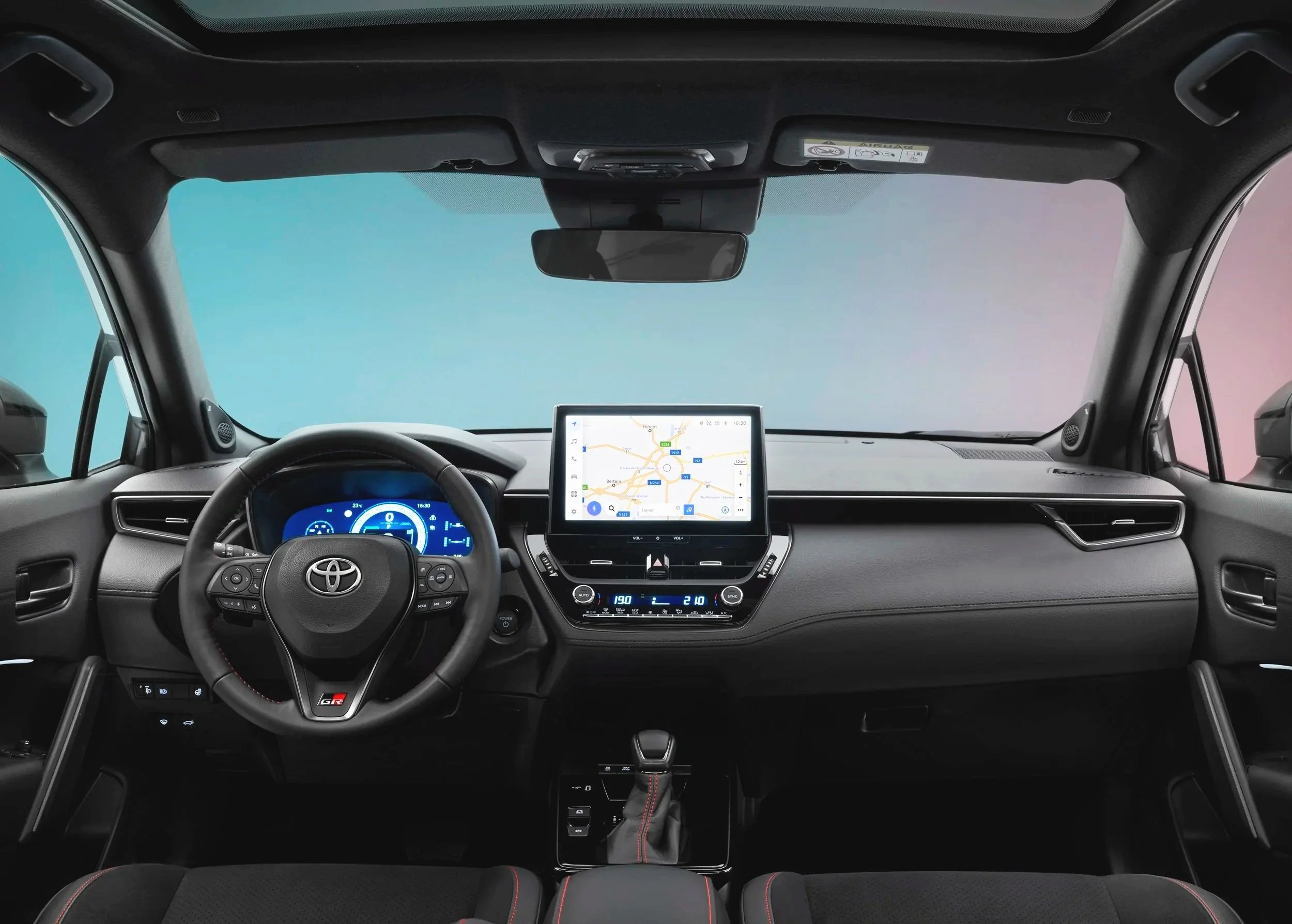
The interior most Corolla Cross owners (or potential owners like yourself) might end up getting, or at least considering, is in the Atmos. Here you’ll find efectively the same interior, the same screen, the same controls and basic cabin layout, only without the little red bits.
What the GR Sport does get over the rest of the range is transmission paddle-shifters. But considering you’re only adjusting a CVT transmission, even on the notionally sporty GR Sport, it’s not going to be anything inspiring ore revelatory in terms of performance driving. CVT’s simply aren’t that good at sporty driving. Not in regular road cars anyway.
So it stands to reason the additional price for the GR Sport is increasingly harder to justify in a rational sense. You don’t even get to swap actual gears. Just ratios on a steel-belted pulley system which is designed to adjust to specific, predetermined points that are the mechanical advantage of the transmission.
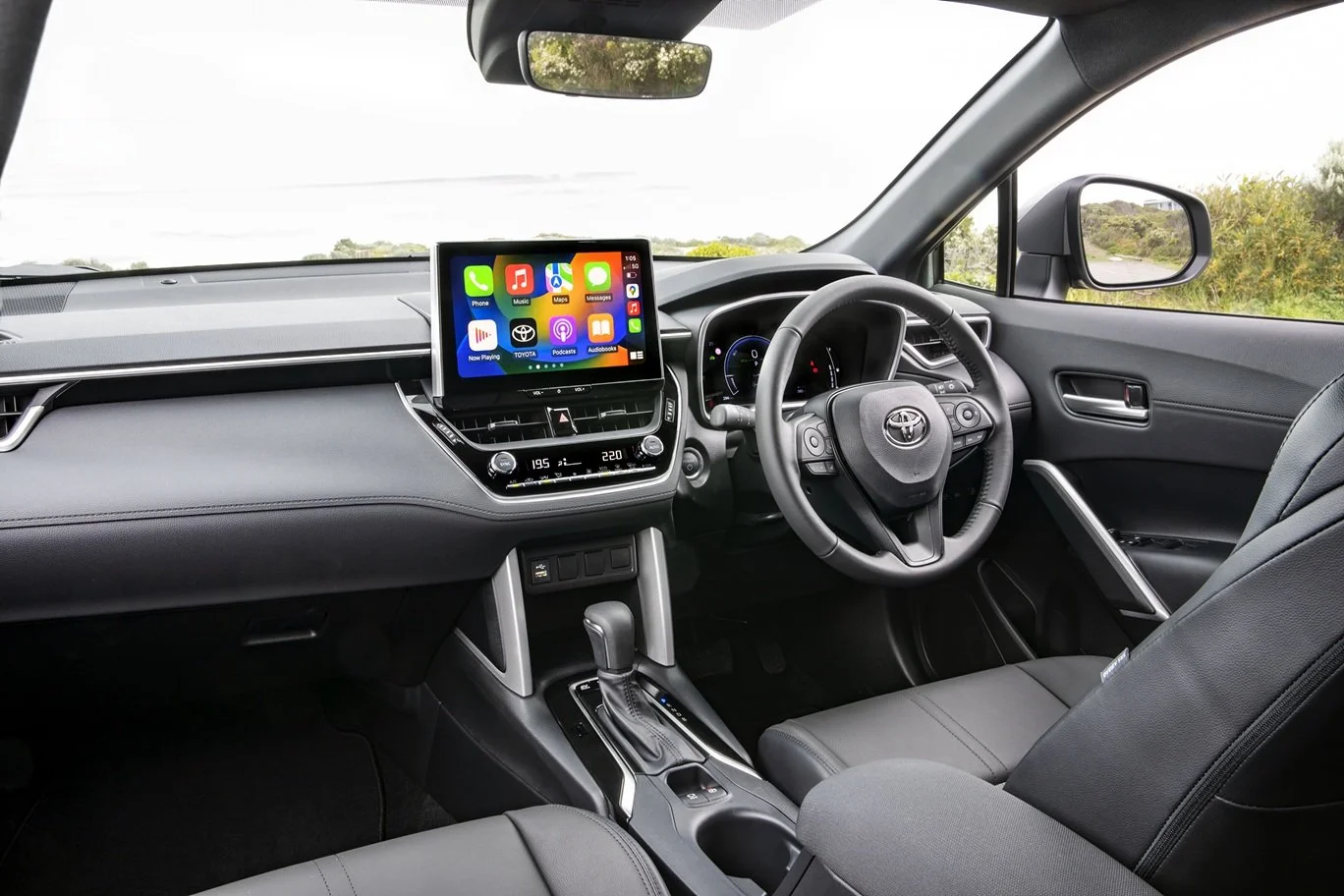
It’s nothing exciting, but that typically suits most Toyota buyers, and that’s okay
As for the rest of the cabin, the back seats are generous enough thanks to a wheelbase of 2.64 metres, which is only 60mm shorter than the wheelbase of the outgoing Mazda CX-5, which sits in the larger medium SUV segment.
It’s this same wheelbase that offers the driver a similarly commodious legroom on long drives. It’s these more sustained driving scenarious where the Corolla Cross is probably going to be more advantageous for most drivers thanks to better, slightly more upright ergonomics for the driver. Any chiropractor will attest to this: sitting upright for long trips is better than sitting flatter like in a Corolla hatch.
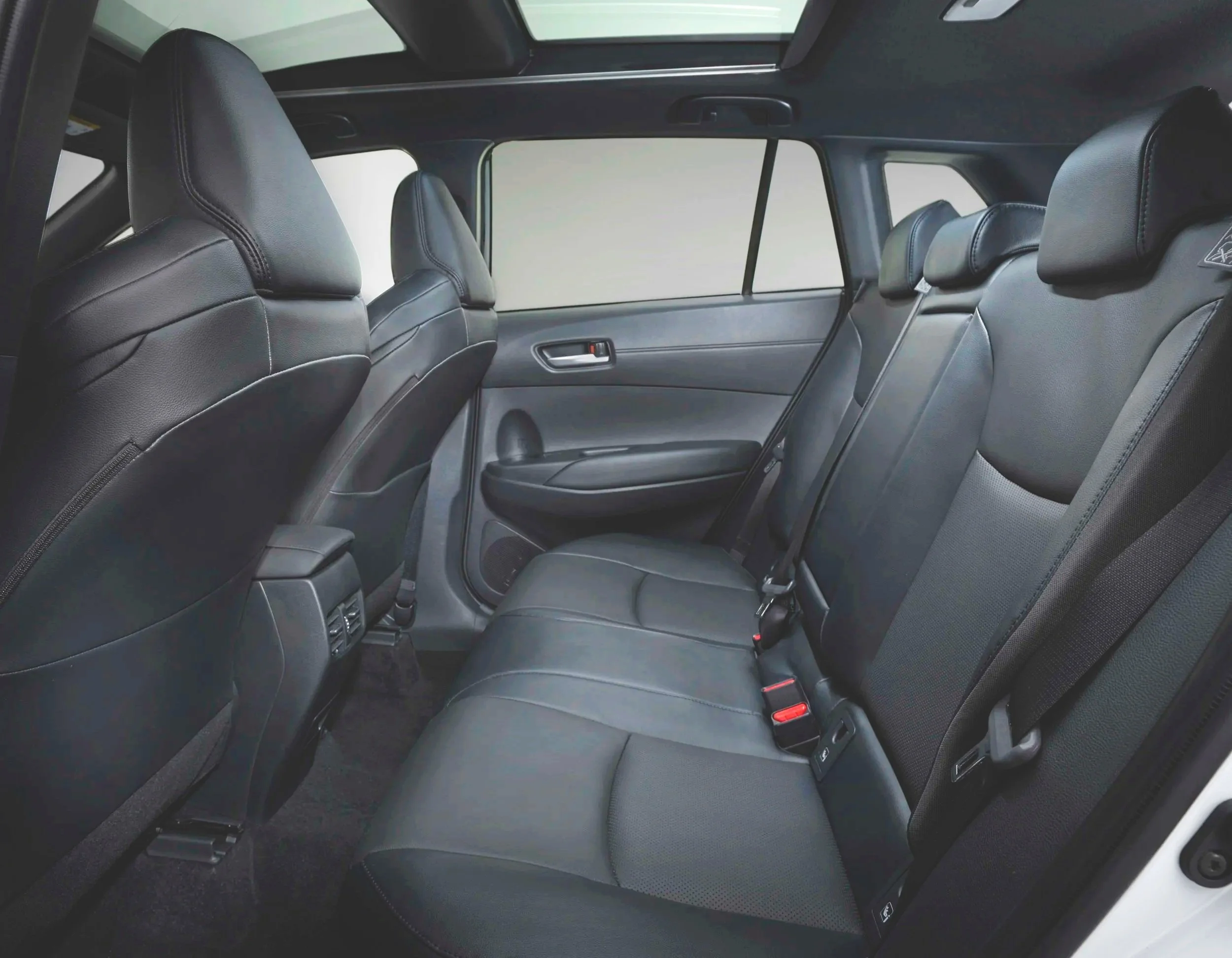
Toyota’s in-house photography doesn’t help you appreciate how light-filled the cabin could be, despite two sunroofs
This aspect will appeal to fleet managers looking to update their governmental or small-to-medium business light vehicle fleets for staff. Novated leasing and private buyers, namely parents with kids in capsules, child restraints and booster seats will appreciate the ride height over a typical sedan or hatch
Elderly people or anybody with minor mobility issues will warm to the idea of climbing in and out with less strain than most hatcbacks and small sedans.
I'll help you save thousands on a Toyota Corolla Cross
Just fill in this form.
No more car dealership rip-offs.
Greater transparency.
Less stress.
ENGINE
If we discount the ZR Sport variant of the Corolla Cross and just focus on the Atmos as the top-of-the-range in terms of what most people are going to buy, the maximum power output is 146kW at 6000 RPM. (It’s actually the same on the ZR Sport, but we’ll put that to one side for now.)
You get 112kW from the 2-litre 4-cylinder petrol engine and 83kW from the front-mounted AC electric motor and 91kWh lithium-ion battery pack. The resulting combined output is 146 kilowatts, which is actually 41 per cent more power than you’re getting in the Corolla hatch hybrid.
This is great from an everyman’s daily-driver performance point of view, and good of Toyota to actually up the power considering it’s also increased the kerb weight in proportionality with the increased ride height over the hatch.
The resulting power-to-weight ratio is 95kW per tonne. The Ascent Sport (top-spec) hatch ratio is 74kW per tonne, a 28 per cent gain.
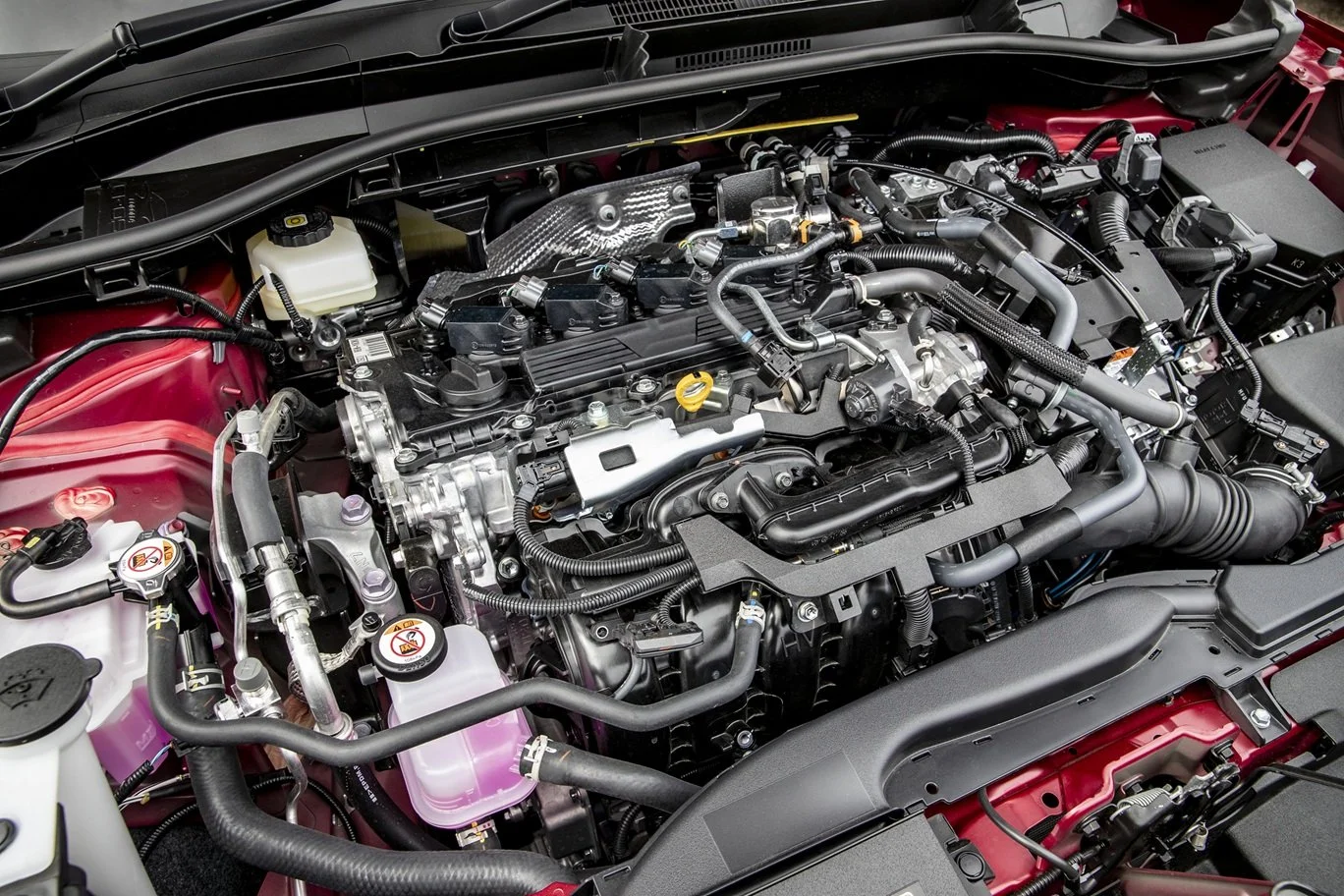
If you’re hoping for a power upgrade to match the increase in kerb weight, you’re going to be pleasantly surprised
Considering Toyota did nothing to up the power on the new 250 Series Prado, it’s impressive to see they’ve actually offered a legitimate performance gain going from the hatch to the Corolla Cross.
What’s actually appealing about this is that the hybrid Kona Premium offers 37 per cent less performance. But if how quickly the thing gets away from the lights before stopping at the next isn’t your cup of tea, the Kona might still be preferable in terms of its design and practicality.
FUNCTIONALITY
Cargo space in the boot is actually pretty good in the Corolla Cross, without being class leading or anything to brag about. But again, that’s okay for most.
The GX and GXL two-wheel-drives have the largest quoted luggage space in the boot at 425 litres. This expands to 390 in the AWD GXL, then 414 litres in the 2WD Atmos.
But once you go to the AWD Atmos and the GR Sport, you drop back to 380 litres. So that’s a 10 per cent difference between the lower-tier variants and the top-tiers in terms of cargo volume in the boot.
For fitting child restraints, there are two pairs of ISOFix anchor points on the outboard seats, with corresponding top tether anchor points on the seatbacks plus one for the centre seat.
You’re going to struggle getting three same-sized restraints in the back seats, but two outboard and a booster in the centre is going to be feasible.
But what is nice to see is that Toyota has put plastic covers and apertures/guides around the ISOFix points which make life much easier for parents fitting those seats. You simply shove the ISOFix clip into the platic hole and it immediately gives you a positive, haptic and audible click upon engagement, rather than trying to push it through the break between seat base and seat back, hoping that it’s connected.
Fuel tank capacity is interesting with the Corolla Cross because it starts out at a thimble-like 36 litres on the GX, GXL and Atmos two-wheel drive variants, and goes up to 43 litres on the AWD variants of GXL and Atmos.
This suggests that the fuel tank on the front-drive variants could’ve been that 19 per cent bigger, but that probably would’ve made it more economical (in terms of fuel consumption) to buy the combustion-only version and skip the hybrid.
But obviously, Toyota wants you to buy the hybrid, because: profit margin.
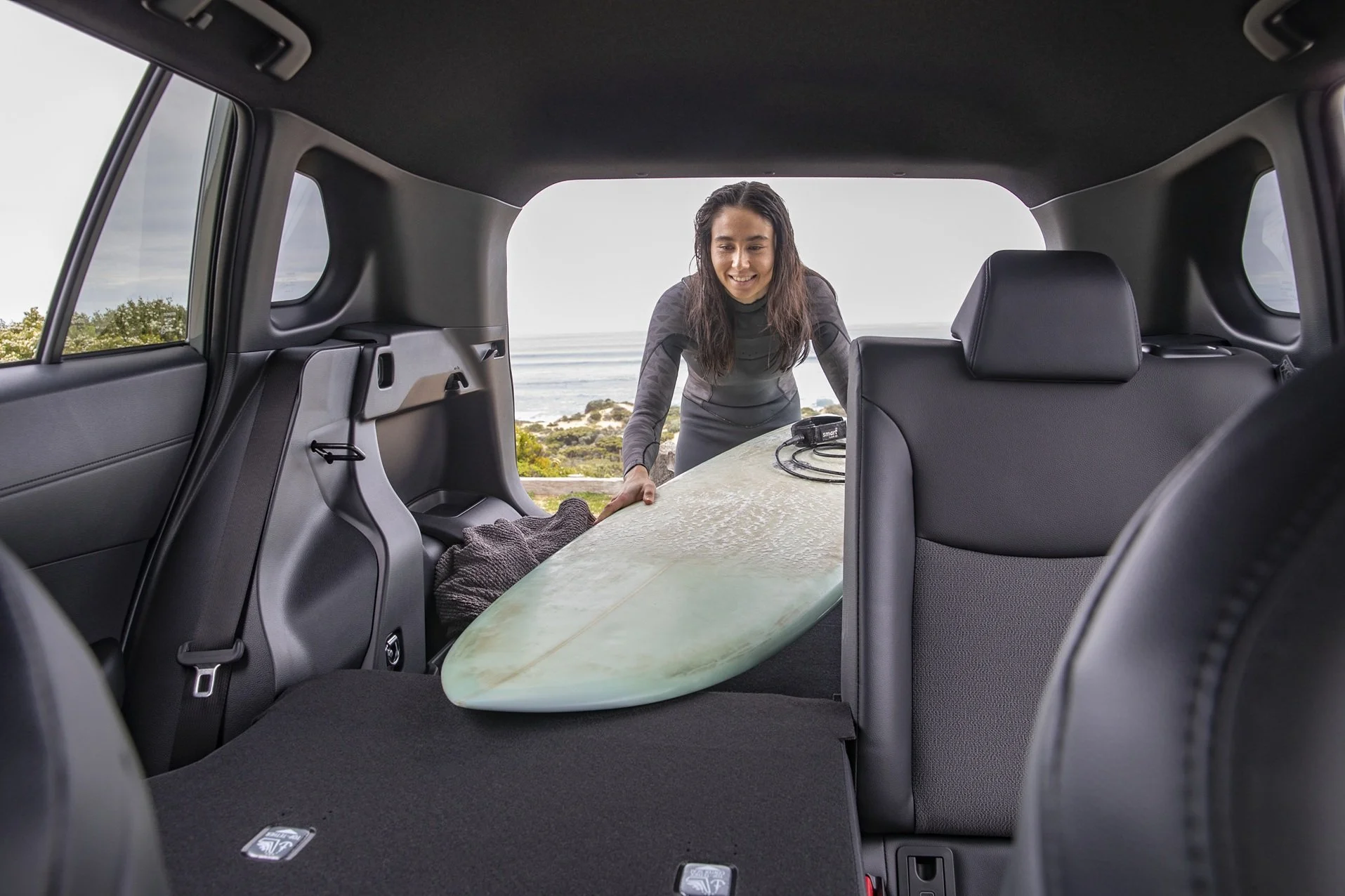
Don’t let that surfboard fool you: a Hyundai Kona has about the same amount of space
The ability to actually stow stuff on top of the wheelarches is a nice touch for anybody who lightly or moderately packs for holidays and long weekends away.
Historically, wheelarches have been angled and smooth, meaning you lose available space to stow things on top or beside, so carmakers have incrimentally been making those surfaces more useful and less aesthetically pleasing. This is a win for the Tetris enthusiasts among you.
Under the boot floor is either a ‘tyre repair kit’ (AKA a jar of compressed goop) if you get the hybrid, or a space-saver spare wheel if you get a combustion-only two-wheel drivevariant.
This is an issue we’ll get into next.
DRAWBACKS
Getting a puncture in a Corolla Cross is more than problematic, it’s actually potentially dangerous, and always soul destroying. You have two options: a tyre repair kit (compressed sealant in a can) if you get the hybrid, or a space-saver spare in the petrol-only versions
If you don’t know, the tyre repair kit is a container of compressed tyre sealant gel that you connect to the tyre valve and which sprays out into the tyre to seal it from the inside in the event of a puncture.
The problem is this simply doesn’t work if you get a puncture on the sidewall of the tyre (the rubber you actually see facing you when you look at the wheel directly from the outside). This is because centrifugal force sends the goop to the tread-face of the tyre (but on the inside, obviously). The sealant cannot reach the sidewalls.
Now, Toyota Australia knows this, and they also know what the driving conditions are like here. We have long distances between major towns, lots of people live in regional areas, and even in metro cities like Melbourne or Sydney, the nearest tyre shop can be a long way from where you might be stranded - and they’re always shut in the evenings and on Sundays. So you’re probbaly going to be calling a tow truck.
We also have a lot of rubbish on our roads, lots of tradies, rocks and nails and screws and debris on the roads, on the roadside shoulders (because every time there’s a crash, lots of plastic and junk just gets swept to the emergency lane), and so on. Having a can of compressed sludge that may not work is an inferior option for getting you mobile again - especially on hot days with elderly passengers or kids in the back.
For this reason, the hybrid is functionally insane to buy if you live in regional or rural areas. If you’re in a bushfire zone and leaving early is something actually have to think about, calling a towtruck in these scenarios might be impractical in the literal heat of the moment.
Especially if you live outside a major metro area, the two-wheel drive Corolla Cross might be the go, having a temporary space-saver spare that at the very least guarantees you can actually get going again and replace the flat as soon as possible.
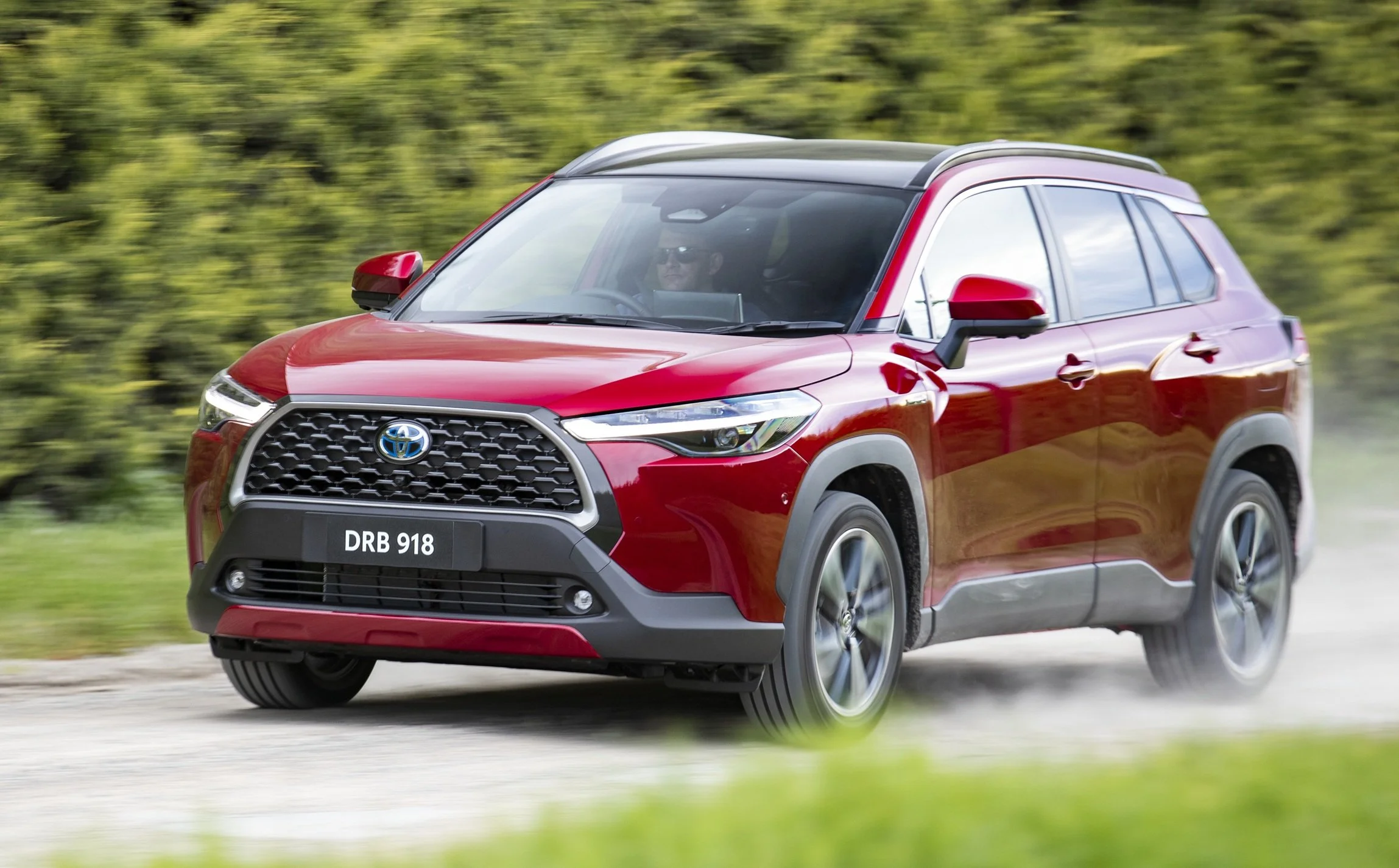
If you value safety, mobility and reliability, Corolla Cross hybrid could leave you stranded in the event of a tyre sidewall puncture; for this reason, buy the 2WD with a space-saver spare
There isn’t really much else to pick on with the Corolla Cross, apart from lacking some inspiration and some kind of aspiration for the GR Sport variant.
Aside from the kick-arse stereo, the more-leathery seats and the pretty stitching, and maybe the ventilated seats, there isn’t much you’re getting for the additional $3900 over the 2WD Atmos.
And speaking of 2WD versus AWD, don’t get the wrong idea about the all-wheel drive system here. It’s not a Subaru Crosstrek in terms of driving all four wheels at all times for ultimate, smooth cornering dynamics and road-holding - or any of that jargon.
Toyota’s AWD system on the Corolla Cross is a reactive, on-demand system that waits until it detects some significant wheelslip before ordering drive from the rear electric motor. (There’s no driveshaft connecting the rear motor to the front, it’s all electronic). So the typical Corolla Cross driving around in the traffic or around some gentle twisty road in the mountains ir going to be in front-wheel drive for 95 per cent of its life.
And that remaining 5 per cent is not going to be some life-saving moment where the system intervenes to stop you or them going off an embankment. It’s far more likely going to be turning into a corner in the wet with a little bit too much speed, or coming out of some steep driveway or street in the pouring rain. Mundane driving, in other words.
The point here is, ultimately, you would be paying an additional $3000 for a system you’re rarely going to derive any benefit from. Just get the 2WD Atmos and save the money.
To this same point, you also don’t get any improvement in towing capacity between the 2WD and the so-called AWD. All versions of Corolla Cross, both hybrid or combustion-only, gets just 750kg of maximum towing capacity. By the time you put a typical light 6x4 trailer on the back, weighing, roughly, 250kg, you’re already a third of the way to your capacity.
If you have only the lightest things to move from place to place, like some odd furniture and boxes for moving house, maybe a bunch of garden clippings or some very select loads from the garden centre like mulch (typically quite light), these are the kinds of things you can expect to do with a Corolla Cross if you have a towbar fitted.
MAIN COMPETITORS
HYUNDAI KONA
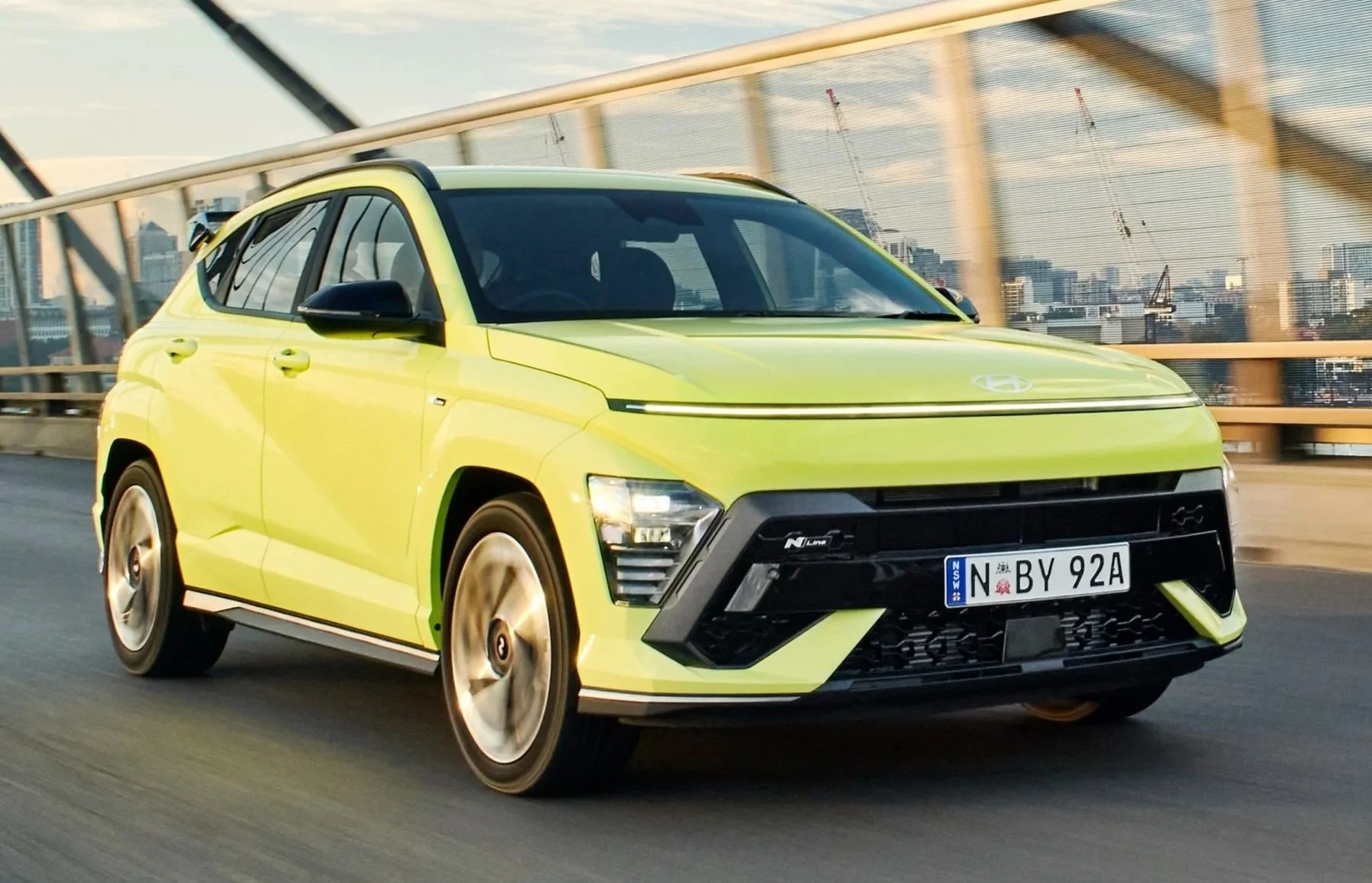
The Hyundai Kona is a funky, modernised hatchback SUV. Useful ground clearance makes tall kerbs and shoddy suburban driveways less scary than they would be in a low-slung conventional car.
Hyundai is up there with the best customer service operations in Australia, and the Kona is a compelling value proposition for a small family or those about to start one. The previous generation of Kona enjoyed a solid six years of in-service reliability, across all powertrains and variants. The new version (pictured, yet to arrive in dealerships) should continue this trend.
You’ll appreciate excellent build quality, a stylish but functional interior, generous luggage space, plus a wide model range including a performance version and the all-electric Kona.
Click here for more on Hyundai Kona ›
KIA SELTOS

Kia Seltos shares its platform with the Hyundai Kona, but the model range is more streamlined, comprising just two powertrains. Which one you choose is really just about performance, equipment level and budget.
There’s a fuel-efficient 2.0-litre Atkinson cycle four-cylinder driving the front wheels only via a CVT, or a hotter 1.6 turbo engine with AWD.
Another bonus is generous luggage space, despite the city-friendly overall dimensions. It’s good for parking in tight spots without being too small to take a young family on a driving holiday.
There’s a well equipped interior, the latest tech, and a strong suite of standard safety features.
Click here for more on Kia Seltos ›
MG ZS

A much more mature product has made measurable improvements over the old model, and much to the dismay of Japanese and South Korean brands, the ZS remains excellent value from a brand that continues to gain traction in terms of development and capability.
The design is modern, the ride is good enough without being sublime, and the features on offer represent good value. However, there are areas that leave room for improvement, such as the interior quality, driving dynamics, and the need for increased performance in the base ZS.
For the budget-conscious consumer who prioritises value for money, the ZS and ZST could be seen as compelling options; the base ZS is very attractive because of its price. But be warned, the powertrain lacks the refinement and performance that many competitors offer, even in base form.
Click here for more on the MG ZS >
HAVAL JOLION
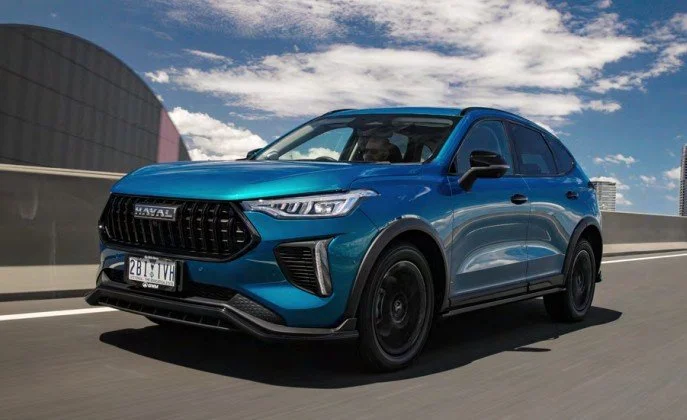
A very appealing small SUV in the Australian car market, and the sales suggest it’s growing in popularity.
This is due to several factors, but most likely it’s the outrageously good value it represents to middle-class Australians who need to replace their aging Japanese or Korean (or even Australian-made) cars of yesteryear.
The styling is appealing on the outside, with a very inoffensive interior for the majority of people who want something clean and new without being striking or quirky, and two powertrains that offers good performance.
Jolion isn’t the greatest of the small SUVs for ride and handling thanks to its international steering and suspension tune suited to smooth Chinese freeways, but with GWM Australia’s new tuning program set to be unleashed in future model updates (including Havals), this is one crinkle destined for the iron.
Click here for more on Haval Jolion >
MAZDA CX-30
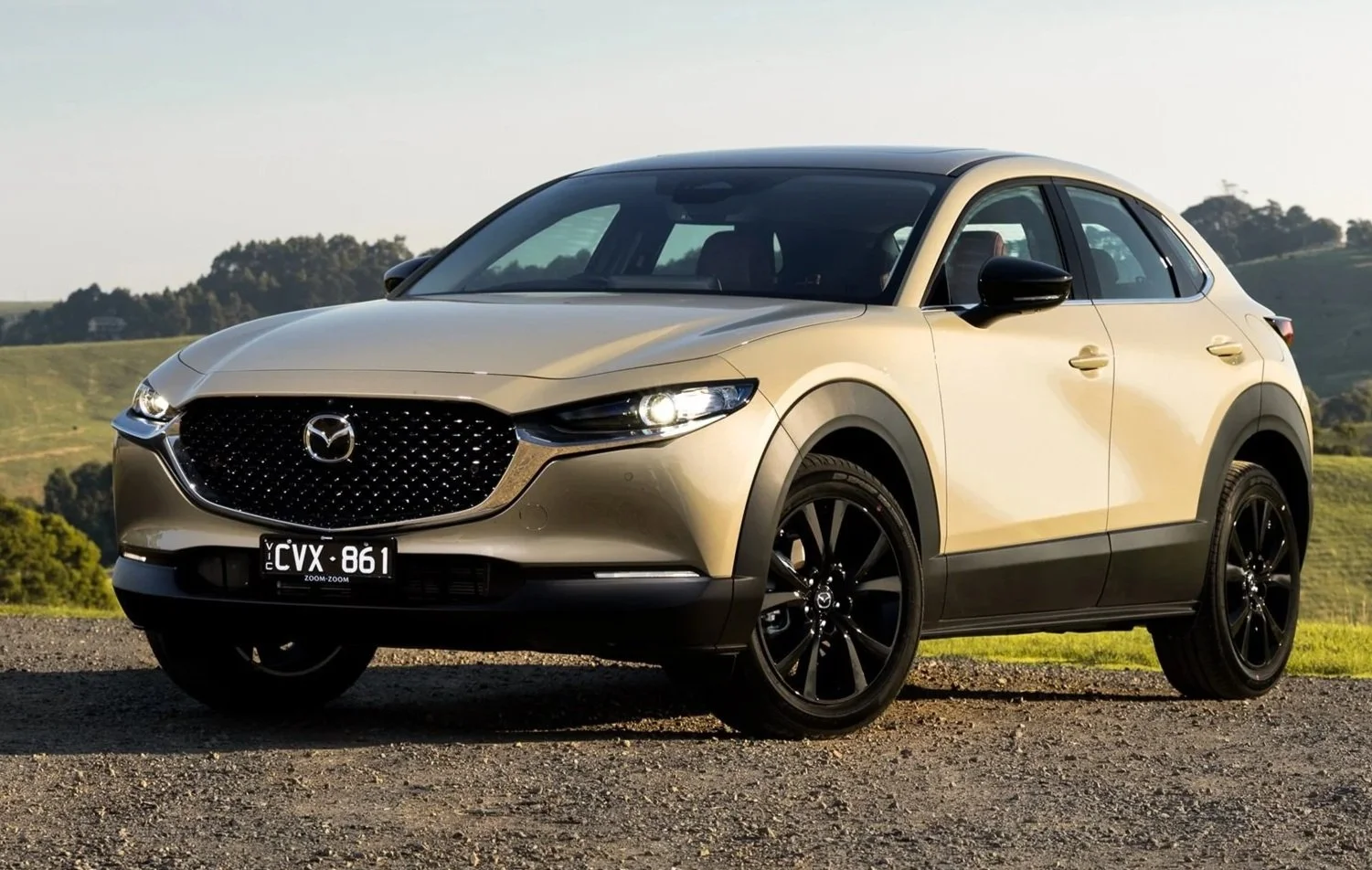
The CX-30 might look like a Mazda3 hatchback with raised suspension (because it is) but that doesn’t entirely diminish what is a more practical family SUV with loads of features and a very nice interior - the kind you might enjoy commuting to work in every day.
What you lack in the CX-3 due to its Mazda2-based platform you gain back with the CX-30, with slightly better ground clearance, better legroom and the broad appeal of an SUV - even if it does have the same 5-seat capacity and engines.
Thanks to the Mazda3 underpinnings, we also know the CX-30 is reliable, fairly frugal on fuel and safe. It’s also comfortable for longer drives than its hatchback derivative, helped in part by very comfy seats, better forward vision and good general driving dynamics.
Click here for more on Mazda CX-30 ›
SUBARU CROSSTREK

The Subaru Crosstrek is essentially a raised Subaru Impreza hatch, including the robust AWD system Subaru is renowned for.
It has a compact profile ideal for a suburban runabout, plus the light-duty soft-roading abilities young drivers, small families and regionally-based elderly drivers would appreciate.
Crosstrek features Subaru’s flat-configuration Boxer engine that offers a reduced centre of gravity compared with its rivals. It offers a mild-hybrid powertrain option, plus software-based terrain response called X-Mode that makes it good in soggy or loose terrain like campgrounds, dirt roads and heavy rain.
It’s this combination plus its high level of standard safety equipment that makes Crosstrek a very capable small SUV.
Click here for more on Subaru Crosstrek ›
CONCLUSION
Toyota Corolla Cross is an affordable, reliable and effective small SUV if you intend to use it for general city commuting and family travel.
But you’ll want to consider something a bit bigger or more purposeful if you intend to use it outside of big cities on a regular basis where, particularly the hybrid, could leave you high and dry in the case of a puncture.
Aside from this, the hybrid offers good fuel economy, the luggage capacity is good without being excellent, and it’s going to be a dependable family conveyance at least as far as it being an appliance is concerned.
Sure, the interior is mediocre and the performance is average, but even still, it remains simple, functional and tidy.
If you’re looking for a good quality first car or something to upgrade to from a 10-year-old car, the Toyota Corolla Cross adds a little bit more ergonomic entry and exit to what is already a globally popular vehicle.
For the majority of driving you’re going to need it to do, it will be adequate.
More reports


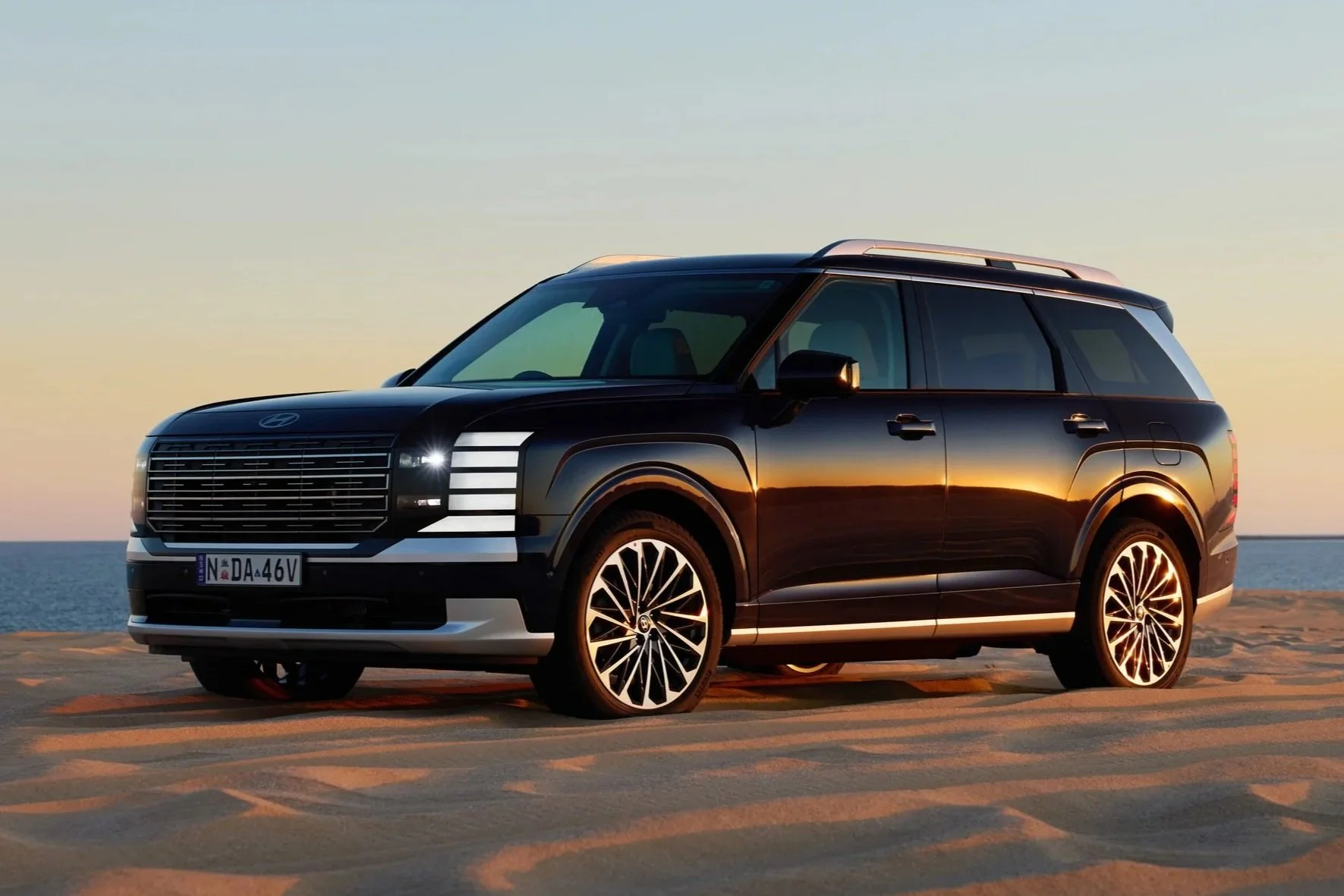
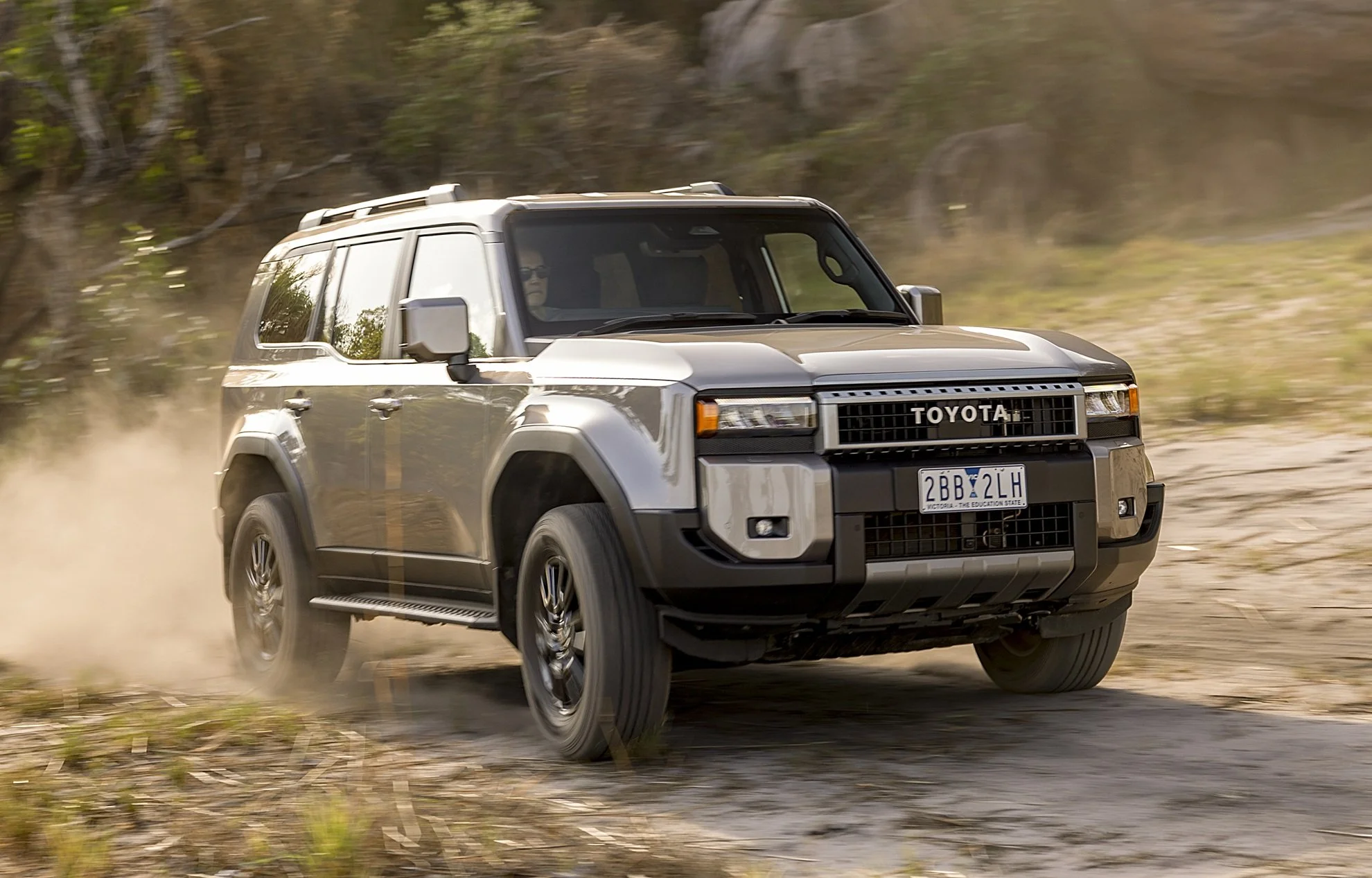

Pajero Sport is an excellent value off-roader if you need a cheap, new 4WD with a reliable diesel engine, good fuel economy and plenty of towing power. This outgoing 7-seater is a wise choice for adventurous families, but act fast before it’s gone.