
The Kia K4 is a newer, bigger replacement for the old Cerato, but promises more. It offers value over an SUV, saving you thousands while offering extra space, features, reliability and comfort. But there is a fundamental problem with the K4…

Save thousands on a new K4
Fill in the form - we’ll get you a great price without the stress
The Kia K4 is a small-to-medium sedan and hatch which should definitely be on your shortlist if you need an affordable, well-equipped and safe but also practical family car, but there is a catch with this Cerato replacement.
Against a K4 you should also compare it with Hyundai i30 sedan, the Toyota Corolla sedan, a Mazda 3 sedan and the last remaining Mazda 6 sedans (before they’re all gone).
Or, if you’re shopping for a hatch, you can still find all those above models in their respective hatch form, as well as the Subaru Impreza.
Download the official Kia K4 brochure/spec sheet here >>
Before we write off sedans as being made obsolete by SUVs, let’s be clear by illustrating that a conventional sedan still has redeeming features that make them advantageous compared with shopping for a small SUV like Hyundai Kona, Kia Seltos, Subaru Crosstrek, a Mitsubishi ASX or a Mazda CX-3. You might want to simply save some money buy getting a K4 which is strong on value by comparison, because it does the same job but costs from roughly $37,000 to about $47,000.
Most small SUVs nowadays command the same amount of money but are inherently deficient in space and practicality because: they’re small SUVs - more compact than sedans, but only marginally higher off the ground, without the legroom or luggage space.
If you need maximum car for minimal spend, then it’s hard to go past the conventional small car. Except that’s not really what the K4 represents anymore. It’s grown, in every measurable way, and so has the price.
In fact, the K4 has outgrown what the Kia Cerato used to be to the point where the K4 is basically the same as the now-defunct Optima medium sedan that was deleted from Kia’s range in 2019 due to poor sales and the popularity of SUVs. Makes sense, right?
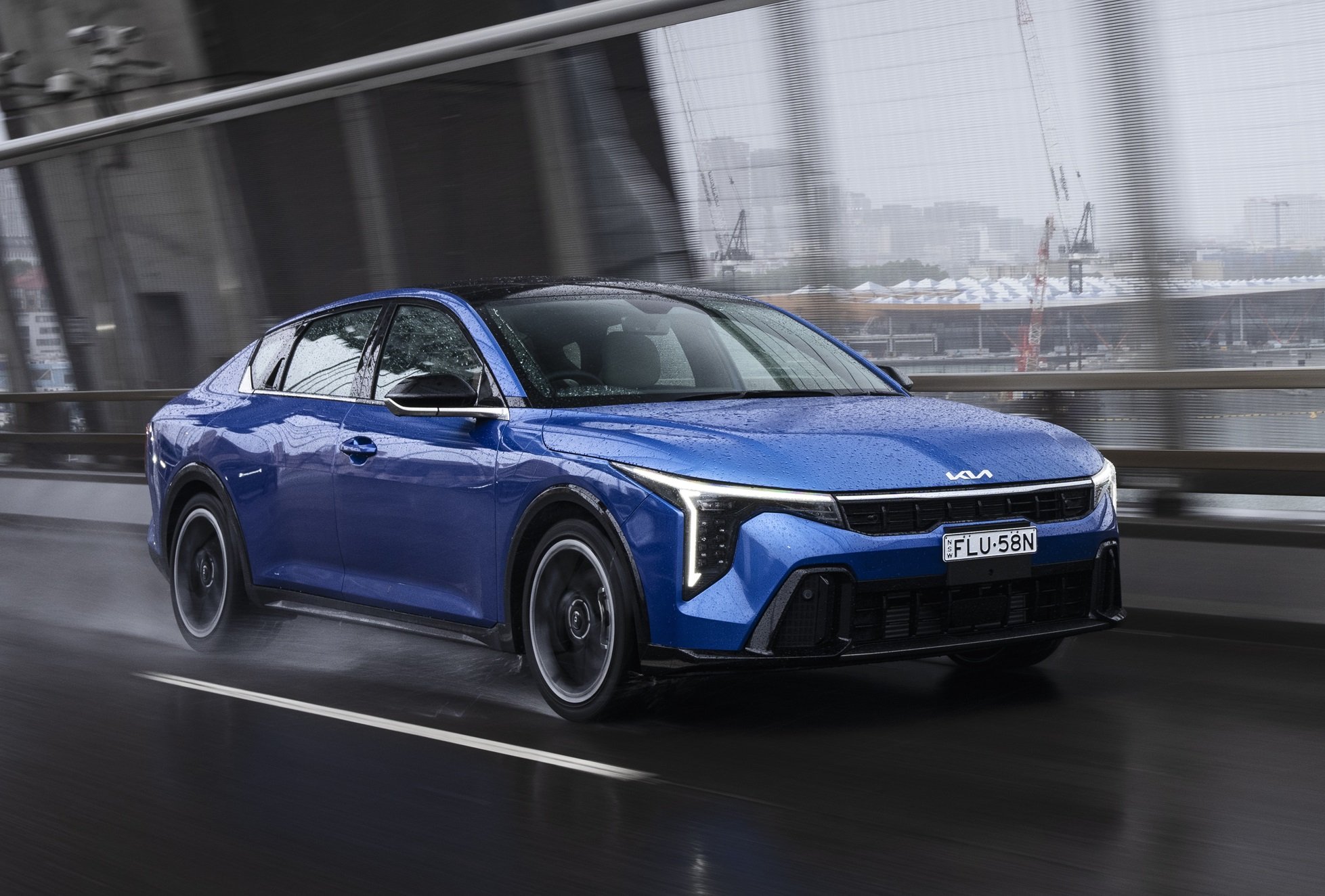
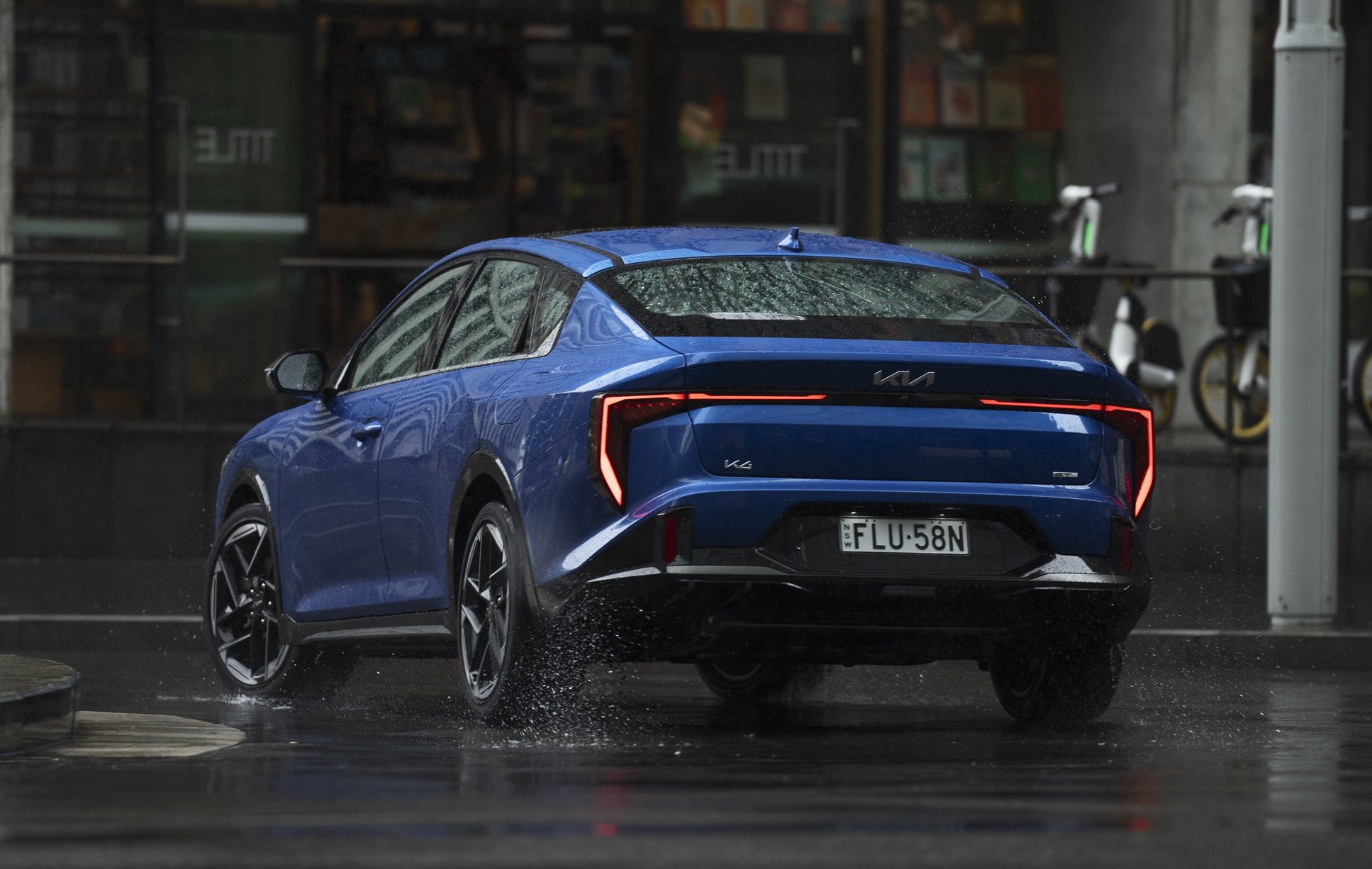
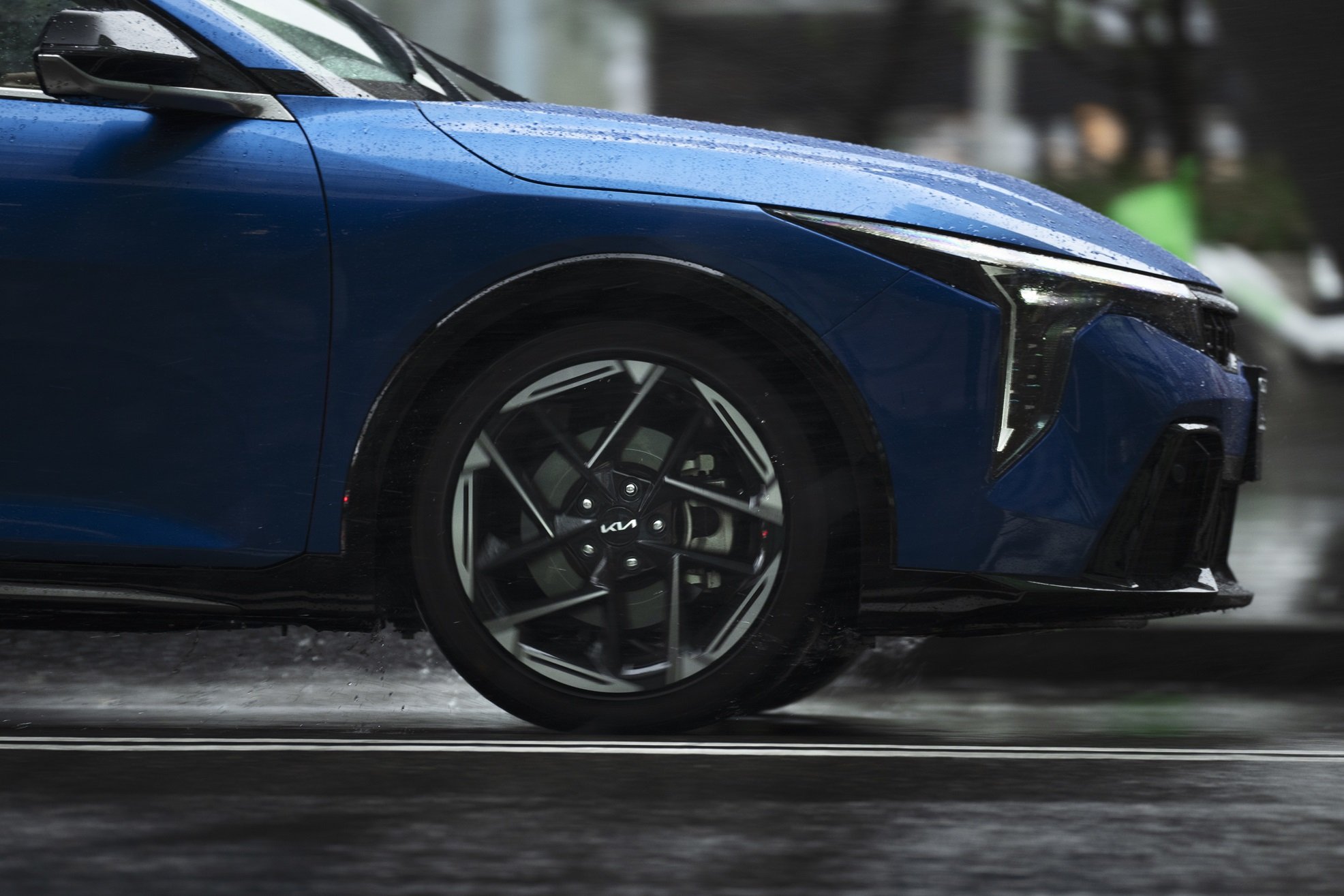
Of course, with the increase in length to 4710mm that puts it just 145mm (14.5cm) shorter than the Optima, which is also just 10mm wider and 40mm taller than the K4. But the K4 is also within 85mm of the wheelbase the old Optima had. So why did Kia stop bothering with the Optima at all just to reintroduce a new vehicle that’s going to be imperceptibly similar?
You know what made the Cerato GT such a wicked little car? The fact it weighed just 1407kg dripping wet and with the 1.6 turbocharge petrol 4-cylinder, it had a power-to-weight ratio of 109kW per tonne. That’s more than the magical 100 needed to be considered a decent performance car. But it wasn’t some stripped out boy racer. It was comfortable, affordable to buy and maintain, pretty cheap to run (because it’s a Kia, not a Golf GTi).
But now, with the K4, we’ve got a bigger, heavier vehicle with the same engine which can only mean one thing. It’s going to be slower.
What all this means is you’re getting less practicality than the old Optima, which was a brilliantly designed vehicle with loads of features, extremely good value, surprisingly nice to drive with sporty pretensions, and a massive boot, let’s not forget.
And you lose the performance offered by the Cerato GT, as well as the value that car offered by being just big enough to be practical, without being too much and therefore making it impractical from an economic standpoint.
The K4 sedan might have those coupe-like rear quarter lines that hark back to the Stinger GT performance icon, but the worst part about it is the negligible gain in luggage space - just 508 litres compared to the 502 litres in the old Cerato sedan - despite being longer and wider. How did they manage to have more car but less boot?


What made the Cerato such a great car was the fact it did offer 5 seats, a smidge over 500 litres of luggage space and slid in under the $40,000 mark, while being dimensionally the same as most small SUVs.
This notionally ‘small car’ offers you none of the advantages of actually being small. But it now has a slightly higher price tag, and that’s a bit of a shame.
If, however, you’re not fussed about all this retrospective technical analysis and nor are you interested in driving dynamics or performance, then the majority of the K4 range does still have some key redeeming features and against something as mundane as a Toyota Camry, the K4 range offers bucketloads of character. And hacving an interesting car is absolutely allowed. The price is still a good proposition, too, if you’re shopping for a small-medium sedan.
As for the hatch situation, Kia Australia says the K4 hatch is coming later in 2025.
Until then, if you want ultimate bang-for-your-buck, snap up one of the last 2024 Cerato GTs while you still can. The overarching benefit to you in buying either the outgoing Cerato or the new K4 is that they can do just as much running around and medium-sized family tasks, but for less money than a Seltos or Sportage. The only notable compromise you’re making is in the ride height - which is all small SUVs are - a raised hatchback, more or less.
At this point, we have to acknowledge the next hurdle with regard to the price. A K4 GT-Line, a small-medium sedan in the midst of Australia’s boom for medium SUVs remember, is a $47,000. That’s on the verge of being outrageous. A $7000 increase from the old Cerato GT to the K5 GT-Line.
That’s about as uninviting a pricetag as the $47,000 Honda wants for the Civic.
One might’ve thought Kia would want to avoid stepping up into the $40,000+ bracket which puts it up closer to its small-medium SUV offerings and bigger, less relevant conventional cars, but this is not the case.
Instead of spending $47,000 on a K4 with none of the advantages of a medium SUV like ground clearance, ease of access for elderly parents and increased visibility generally, you could have a Toyota RAV4 GXL (in front-wheel drive), Hyundai Tucson Elite (FWD), Kia Sportage SX+ (FWD), a Subaru Forester Sport (AWD) or Mitsubishi Outlander Black Edition (FWD).
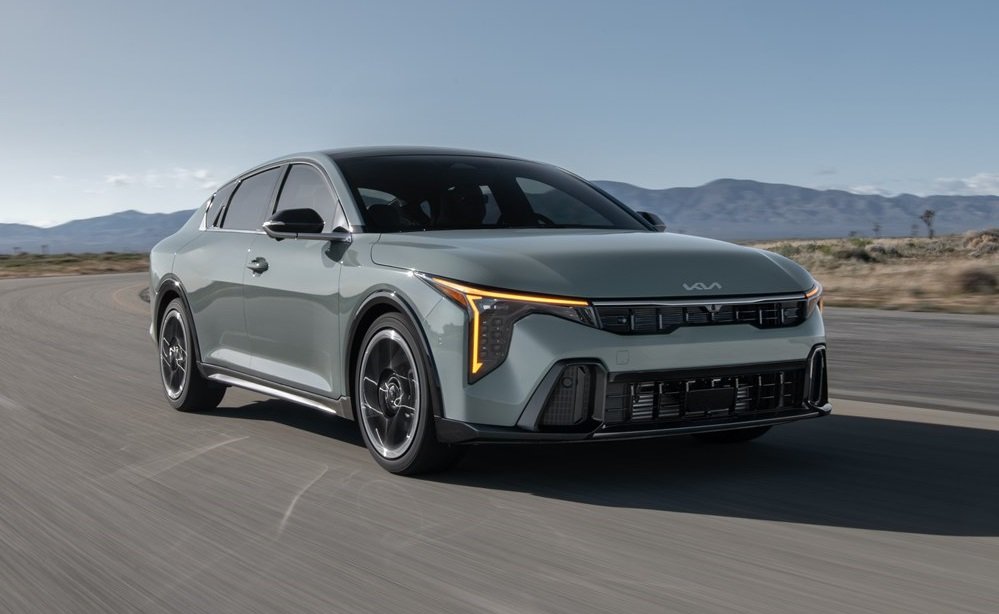
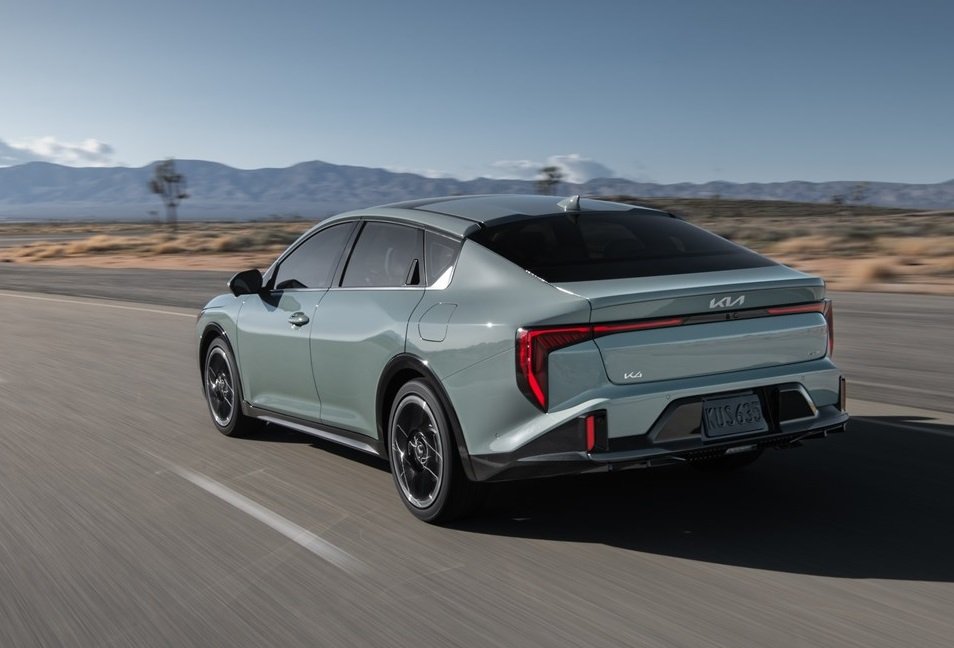
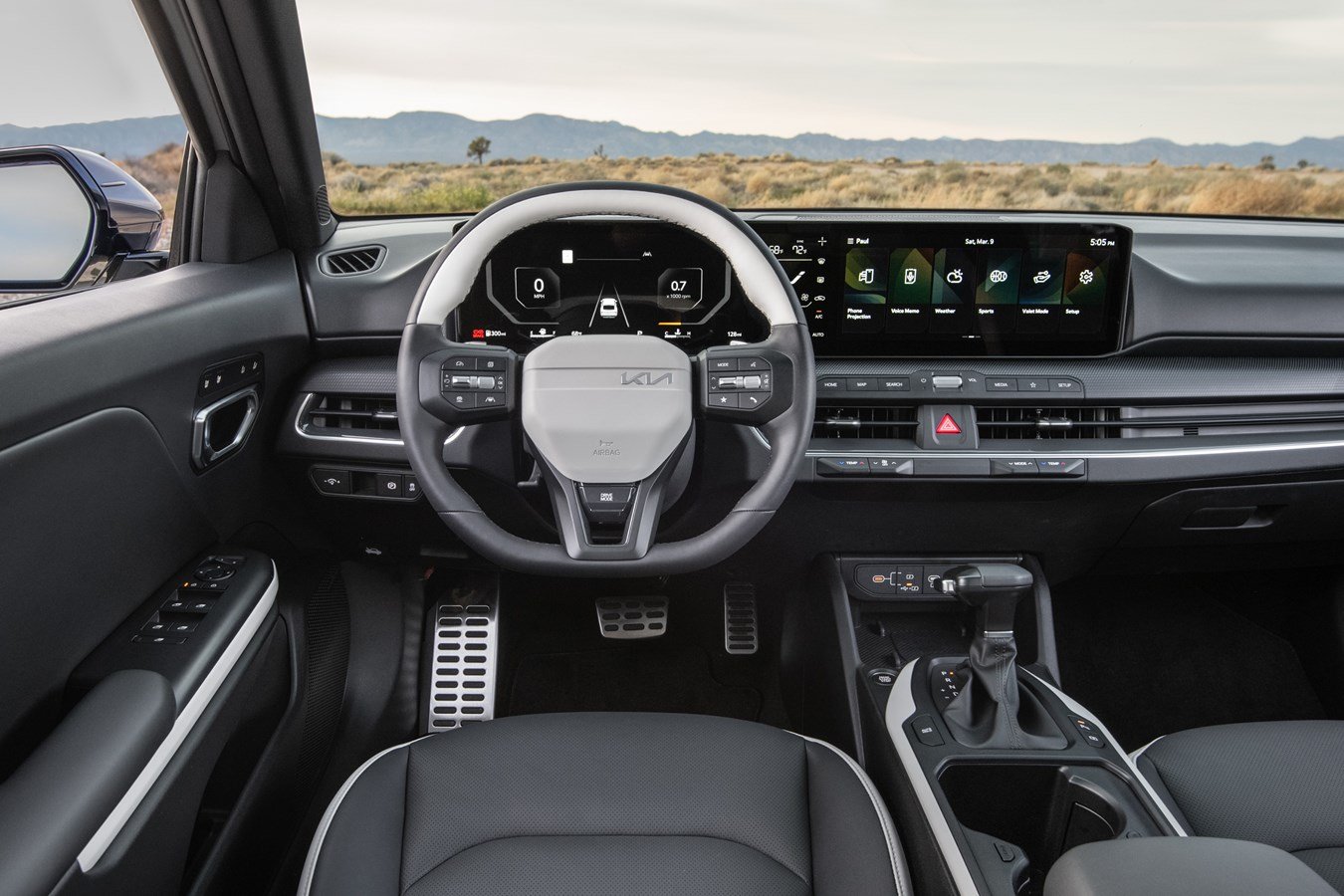
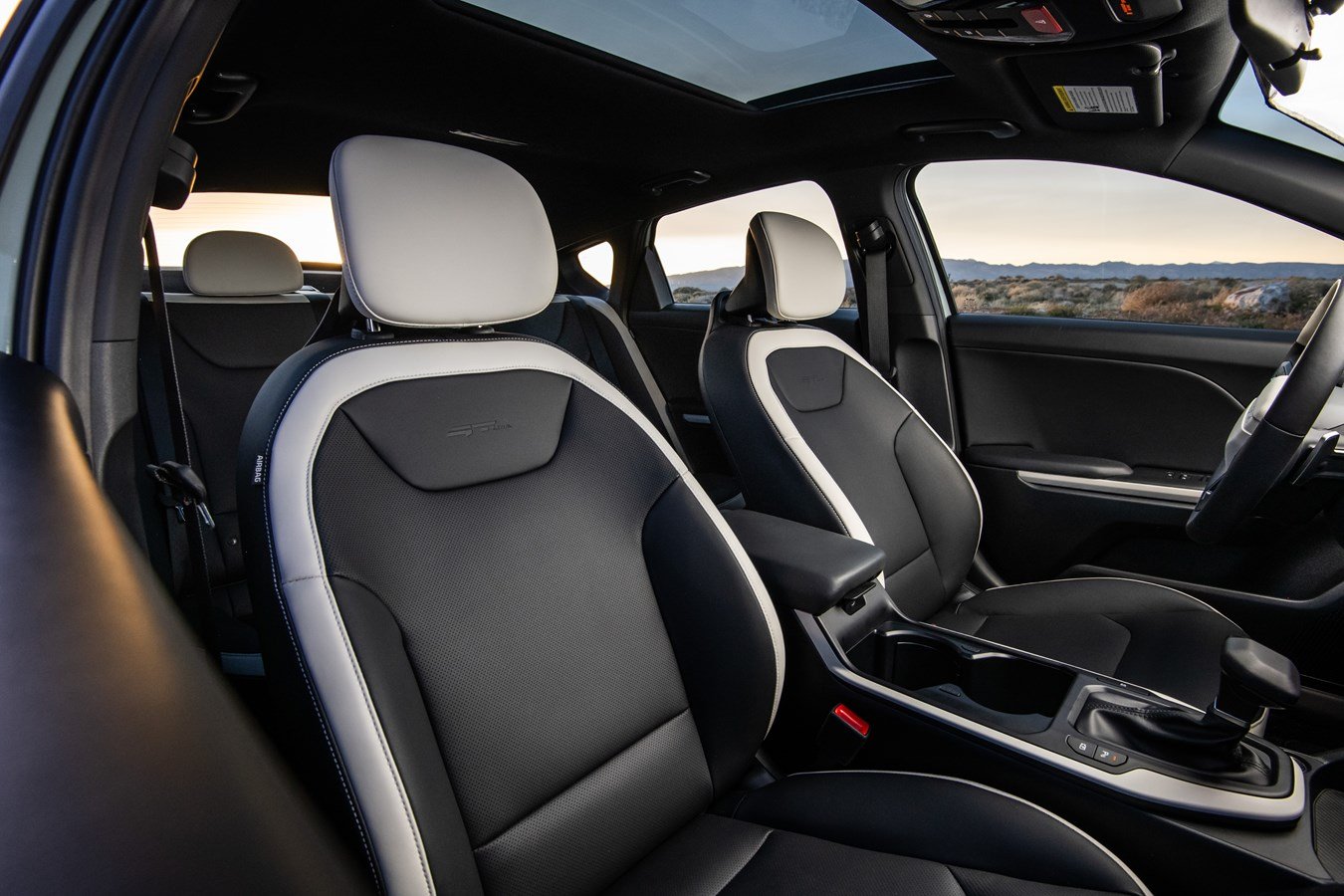
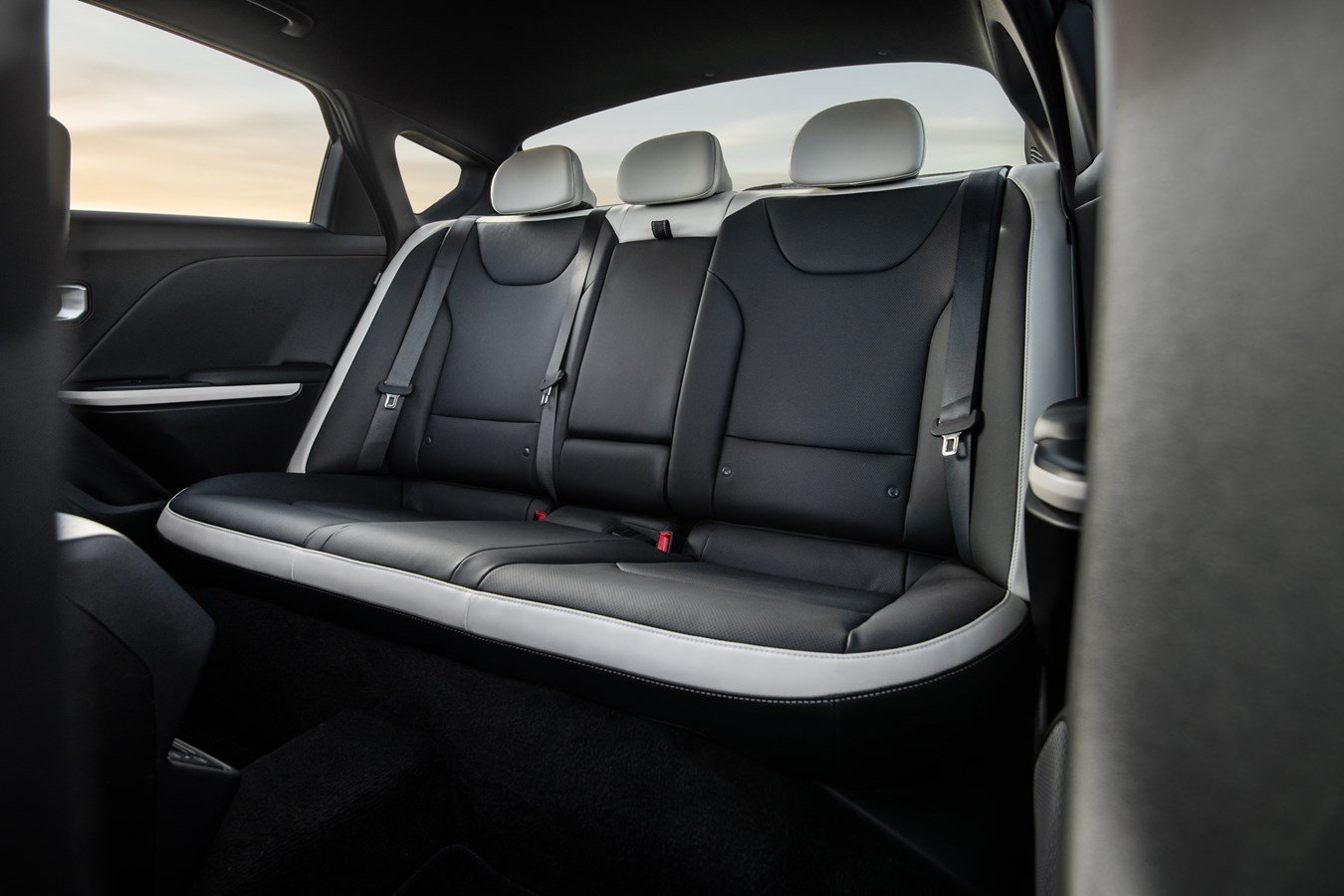
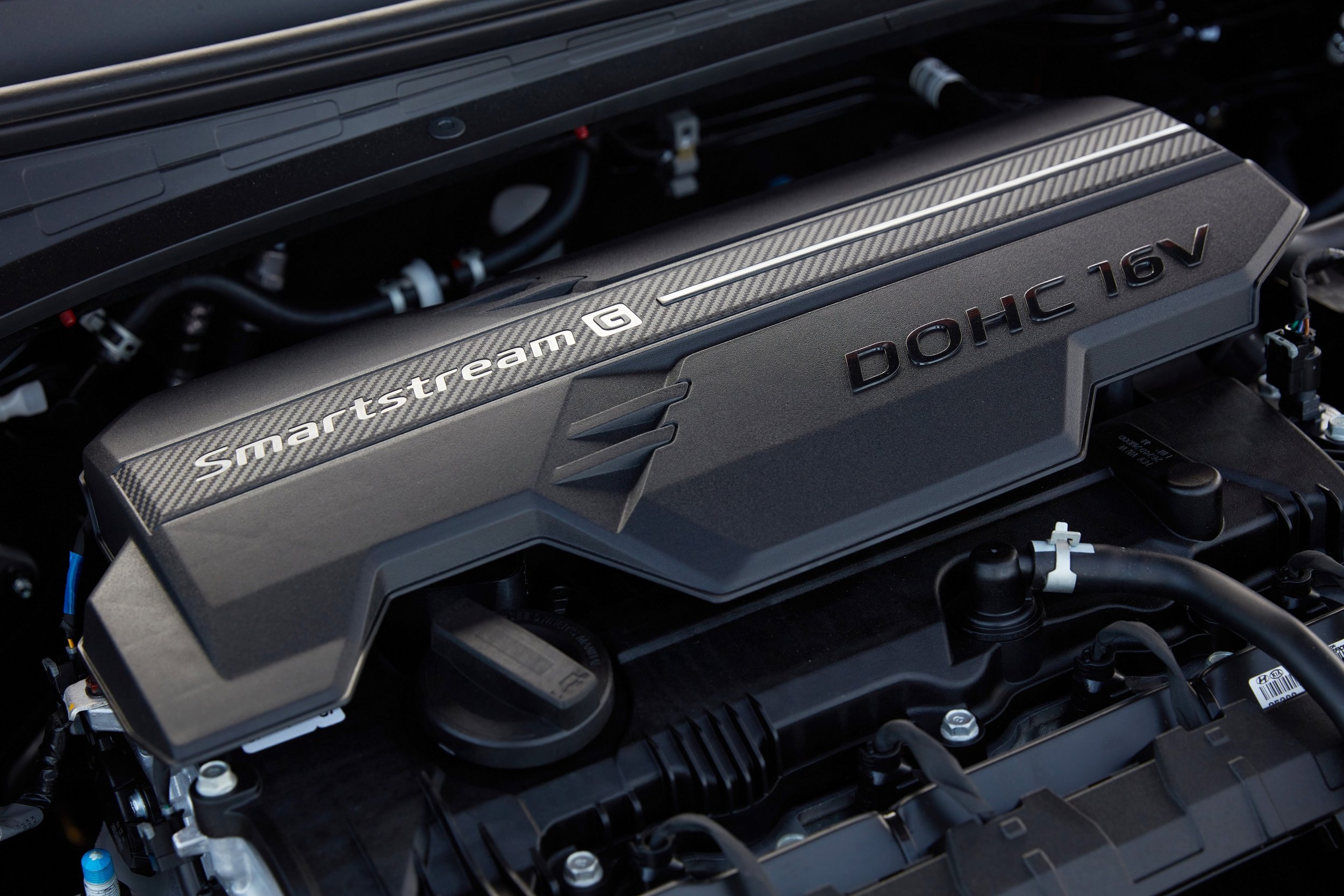
With the increase in size you should expect a minor increase in overall kerb weight. The K4 will continue to get the 1.6 turbocharged petrol engine we’ve seen the Hyundai/Kia auto-giant use in some form in almost every model for years now - including the big, two-tonne hybrid Santa Fe.
There will also be the choice of the GT available with the 2-litre engine, which using multi-point injection and the Atkinson cycle for fuel economy instead of direct injection in the turbocharged version, tuned for performance. Except there’s a small problem for the turbo 1.6.
It’s now making 141kW (@6000 revs) and 264 Newton-metres of torque (@1700 - 4500 revs). That’s a 6 per cent decrease in power - yet the kerb weight has gone up, because the size has increased. Cerato GT-Line Turbo is now 1489kg. That’s 81kg it’s stacked on, or 5 per cent. If it was making more power, it wouldn’t matter, but increasing the weight while losing power - that’s not performance. This is most likely the result of tightening emissions regulations.
The 2-litre 4-cylinder naturally aspirated engine also continues, for those not overly concerned about it making just 109kW and 178 Nm while using a CVT continuously variable transmission.
Kia has also dropped the sporty dual-clutch transmission and gone back to an epicyclic auto.
There will be more pseudo-safety features and a better driver stalking camera, but so too will there be a 360-degree camera and bigger touchscreens. Ditto sexy new LED headlights, snazzy rear end styling, cool 18-inch alloys and that all-important sunroof.
Clearly the Cerato is no longer about affordable performance driving, which is a bit of a shame. But it might be the encouragement you need to indulge on the current GT-Line before it’s gone.
FEATURES & PRICING
The Kia K4 range spans from the S, Sport, Sport+ to the range-topping GT-Line just like the rest of the conventional Kia range. Let’s take a walk through these to discover which variant is best for your needs and budget.
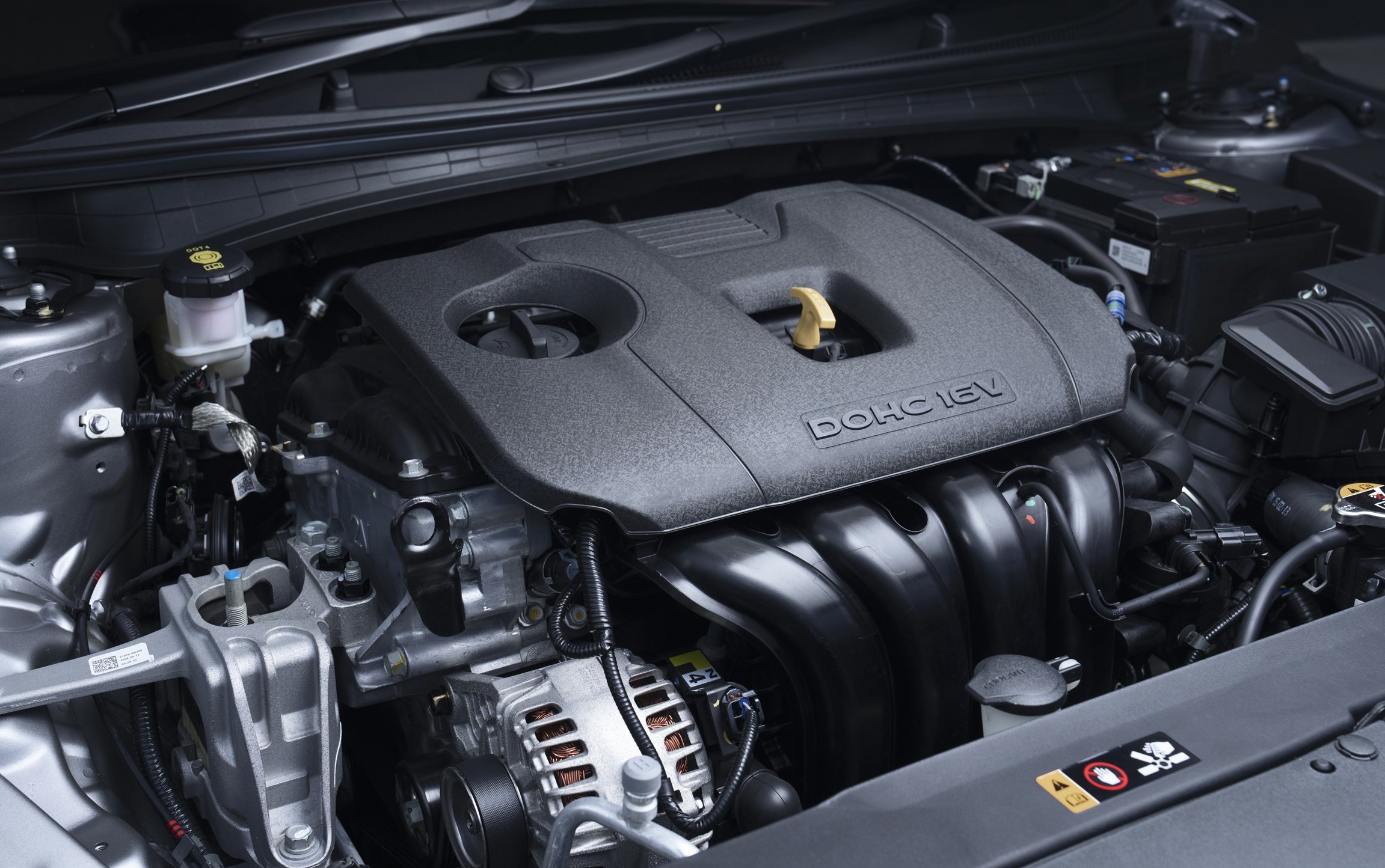
There are two powertrains: the 2-litre naturally-aspirated 4-cylinder with multi-point injection (for fuel economy), and the 1.6-litre turbocharged 4-cylinder petrol engine with direct injection (for performance).
The 2-litre engine makes just 112kW and claims a combined average fuel economy figure of 7.4 litres per 100km in official testing, which is exactly the same figure on the old base Cerato. And the fuel economy on the Cerato GT drops from 6.9 litres to 6.7 - that’s negligible difference, but you’re paying $7000 more. Shrinkflation is real.
K4 ‘S’ $33,000 driveaway (approx.) | K4 ‘S’ w/ Safety Pack (+$2000) $35,000 d/away (approx.)
Engine: 2L atmo petrol 4-cylinder | Power: 112kW | Transmission: 6-speed epicyclic auto | Front-wheel drive
INTERIOR
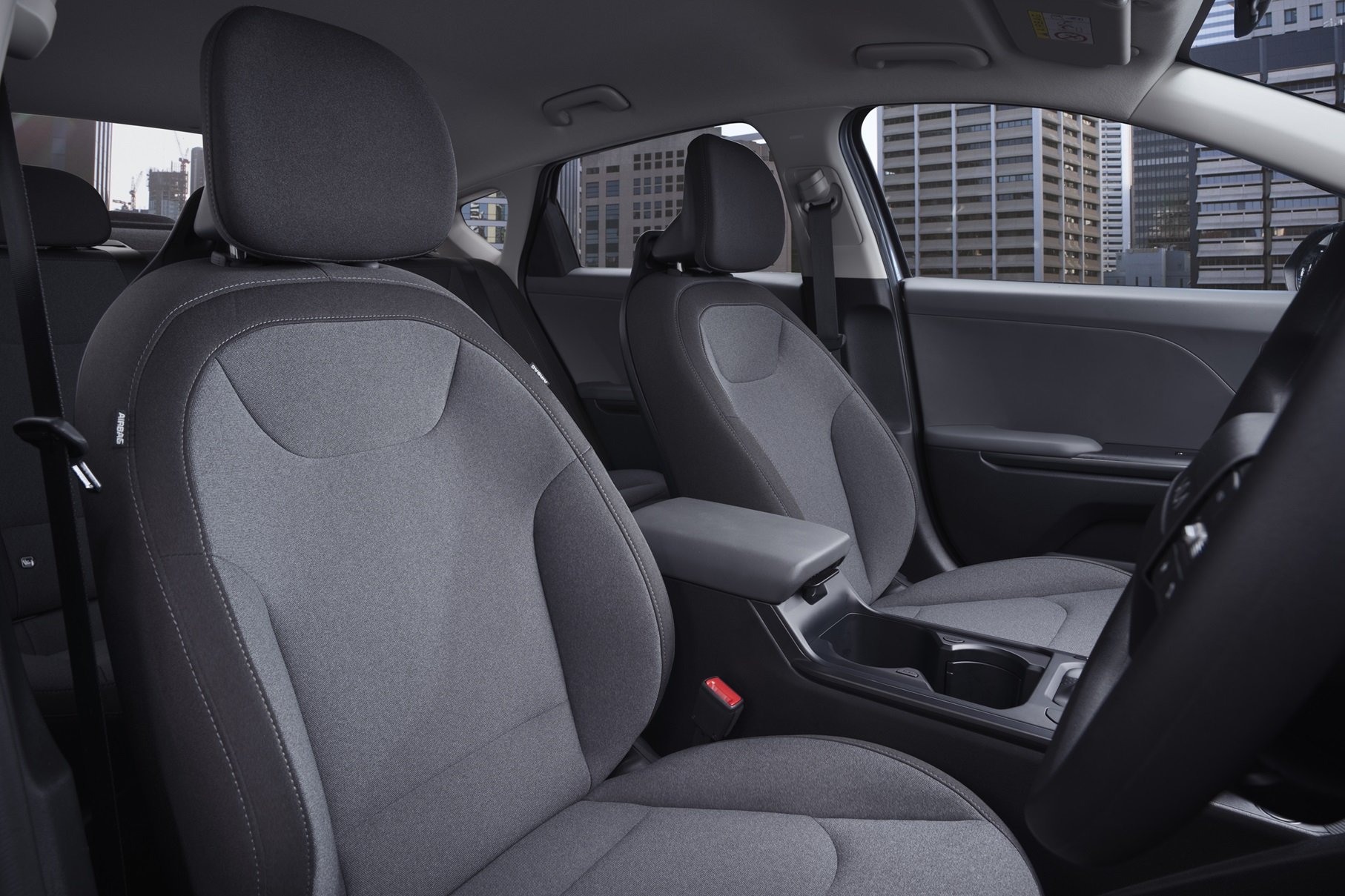
Cloth Trim Seats
6-way electric driver & passenger seat adjustment
Driver’s auto up/down electric window
LED interior lights
4 x USB-C charging ports (2 x front & 2 x row 2 centre console)
Basic sunvisors (no sliding/extension function)
DAB digital radio, wireless Android Auto & Apple CarPlay, 6-speaker sound system,
Dual Bluetooth connectivity
Manual air-conditioning, row 2 air vents
EXTERIOR
Electrically adjustable, heated, auto-folding door mirrors
16-inch alloy wheels (space-saver spare)
DRIVING
Tyre pressure monitoring
Front & Rear Parking Sensors
Rear View Camera with Dynamic Parking Guidelines
Rear View Mirror (Day & Night)
LED (auto) headlights, daytime running lights, taillights (halogen brake & indicators)
High beam assist
Adaptive cruise control
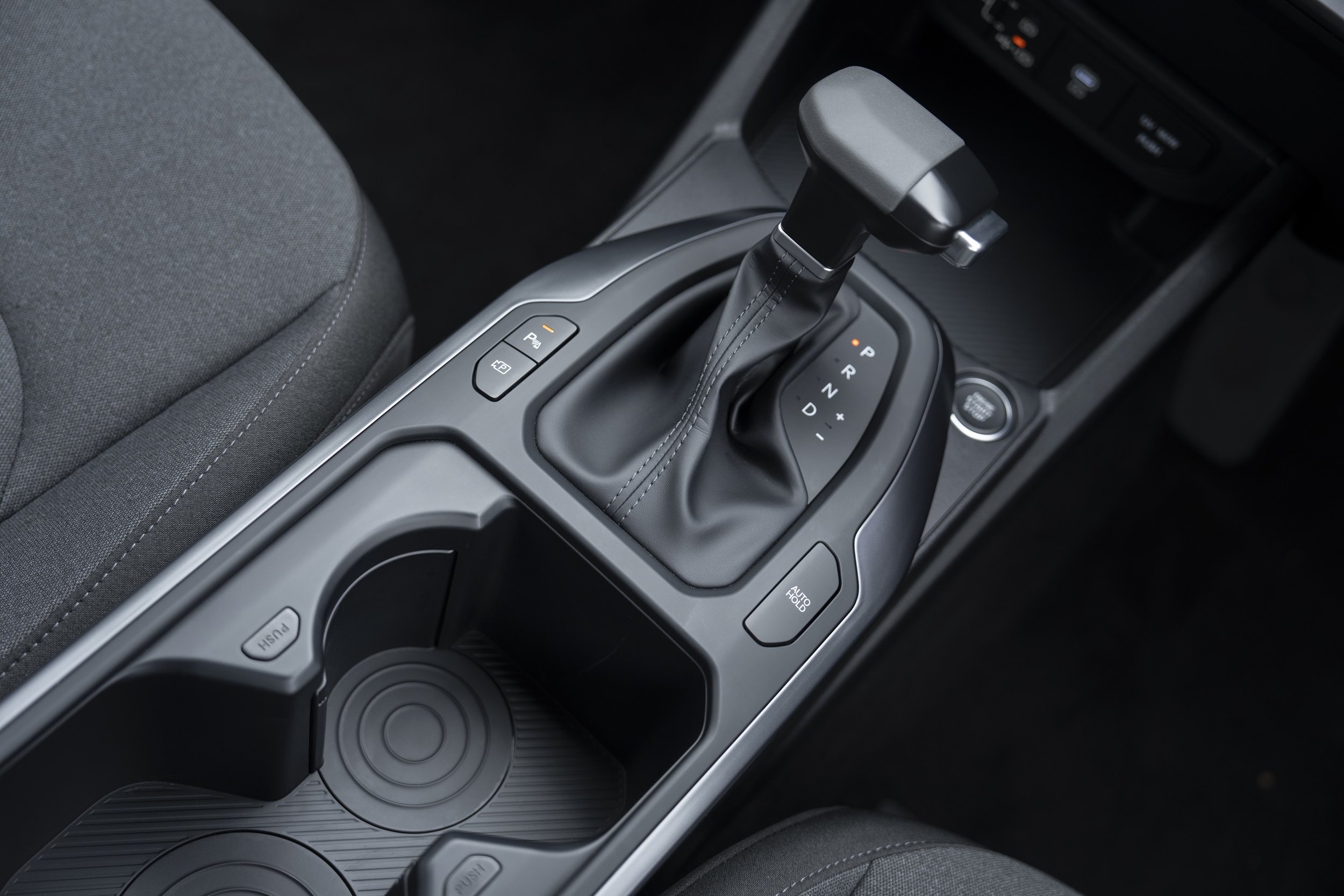
T-bar transmission selector
Analogue driver’s gauges w/ 4-inch LCD display screen
Smart key with push-button start and remote ignition
TECH
Safe exit warning & Rear occupant alert
Autonomous Emergency Braking (incl. pedestrian, cyclist, junction assist)
Blindspot monitoring & collision avoidance
Rear cross-traffic collision avoidance
Lane keeping & following
Driver monitoring camera
K4 ‘Sport’ $38,000 driveaway (approx.)
Engine: 2L atmo petrol 4-cylinder | Power: 112kW | Transmission: 6-speed epicyclic auto | Front-wheel drive
Adds these features:
17-inch alloy wheels (space-saver spare)
Dual-zone climate control
Satellite nav
Dual panoramic screens: 12.3-inch digital driver’s display + 12.3-inch Infotainment touchscreen (incl. 5-inch climate monitor screen)
Junction crossing & direct/oncoming lane change detection
K4 ‘Sport+’ $41,000 driveaway (approx.)
Engine: 2L atmo petrol 4-cylinder | Power: 112kW | Transmission: 6-speed epicyclic auto | Front-wheel drive
Adds these features:
Heated front seats
Aero blade front wiper blades
Electrochromic auto-dimming rearview mirror
Artificial leather seats
Solar windscreen glass treatment
Rain-sensing front wiper
Soft-touch door trim
Extendable driver & passenger sunvisors with lit vanity mirrors
Glovebox lighting
Passenger row 2 rear seatback pocket
K4 ‘GT’ $47,000 driveaway (approx.)
Engine: 1.6L turbo-petrol 4-cylinder | Power: 142kW | Transmission: 8-speed epicyclic auto | Power/weight ratio: 99kW/t | Front-wheel drive
Additional key features:
Ventilated (cooled) front seats
8-speaker premium Harman/Kardon sound system w/ amplifier
Wireless phone charging
Paddle shifters
Dual exhaust tailpipes
“Wide” sunroof
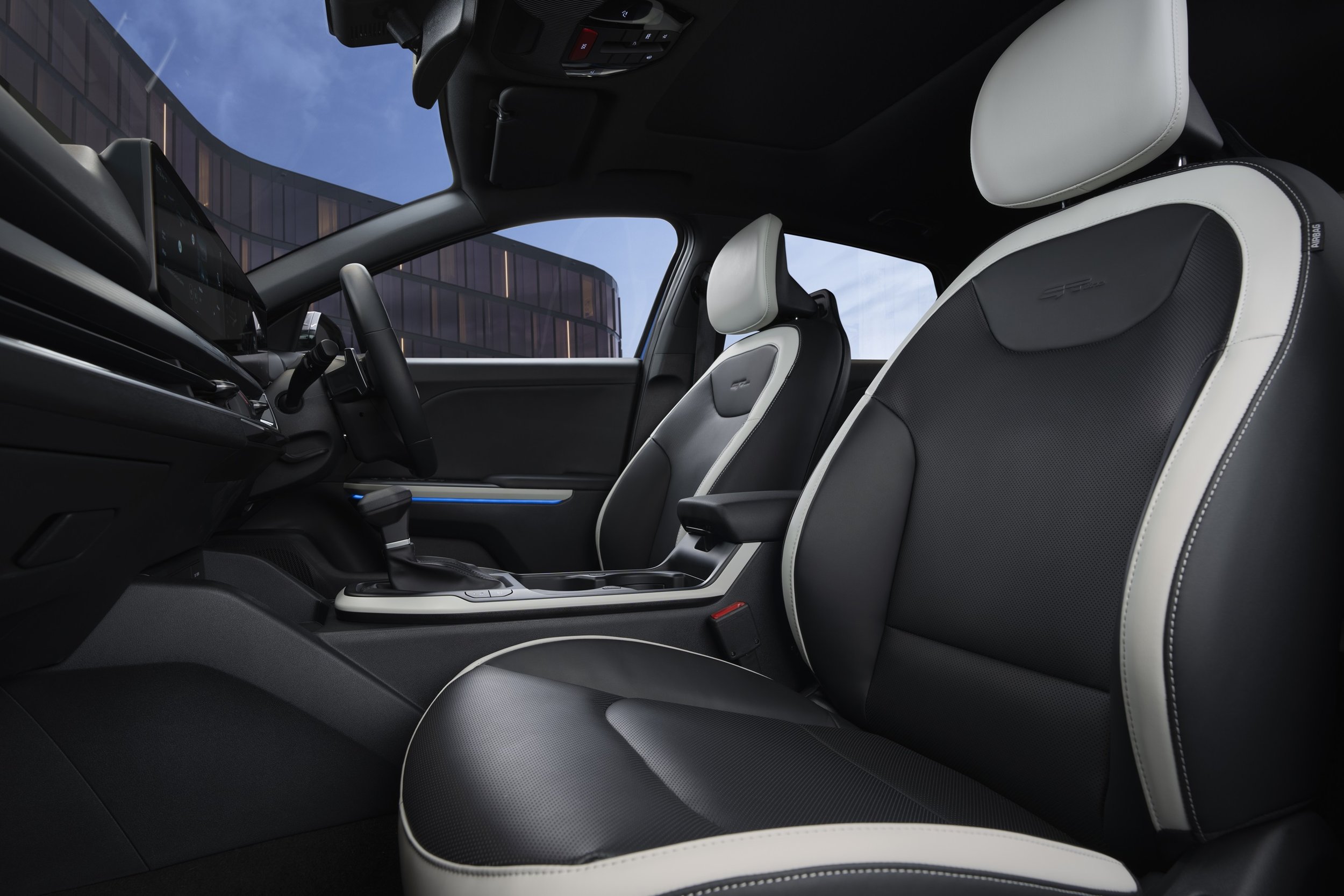
Sports leather appointed seats w/ GT-Line design
8-way electric driver's seat with 2 position memory pre-sets
LED projector headlights, combination taillights, foglamps (incl. rear foglamp)
18-inch alloy wheels with tyres: 225/40Z R18 Michelin Pilot Sport 4
Sports Australian-tuned suspension & steering
305mm ventilated front brake discs / 284mm solid rear brake discs
Multi-link rear suspension
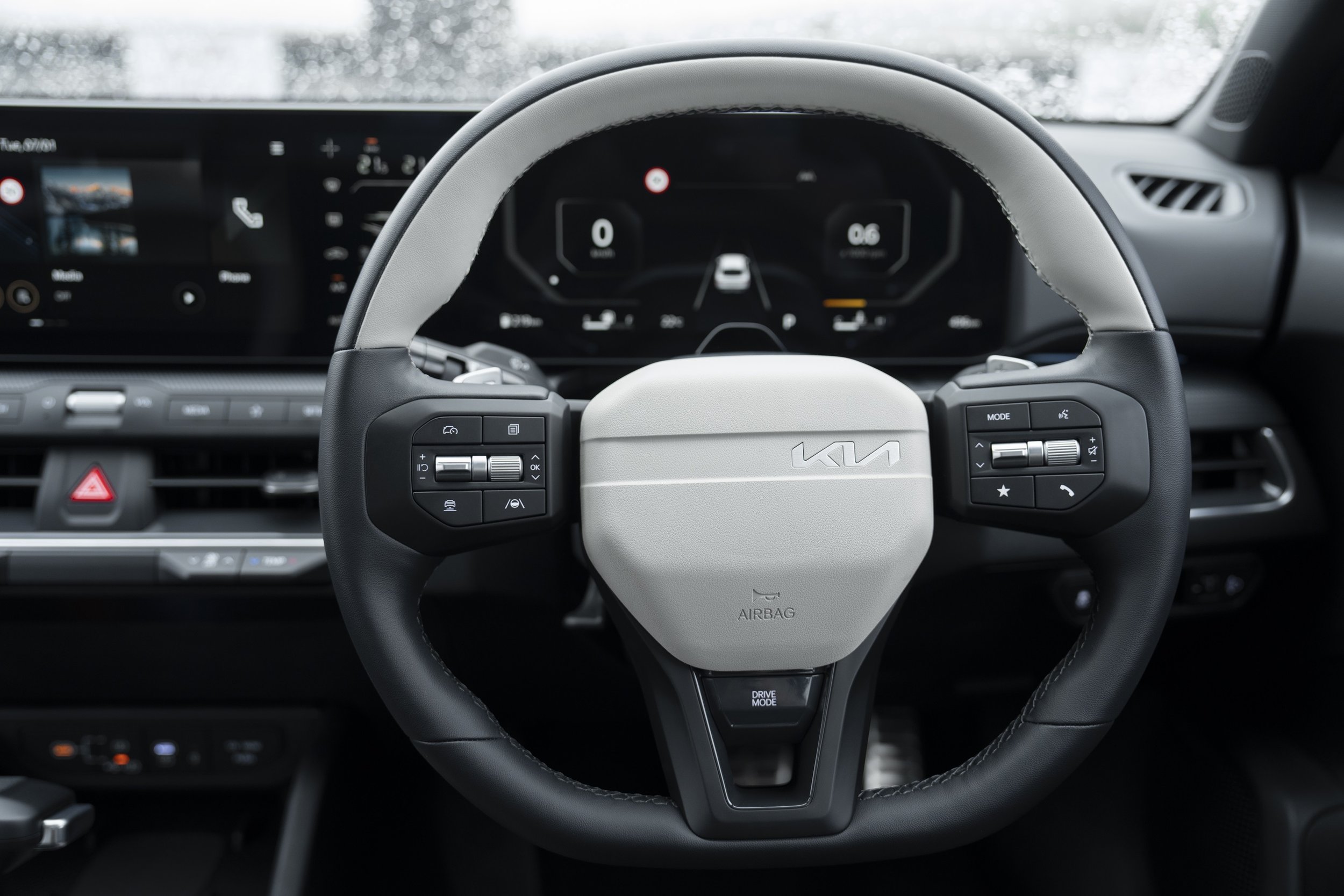
Heated, 3-spoke two-tone sports steering wheel
Alloy sports pedals
Ambient mood lighting
Gloss black body kit: grille, door mirrors, wheel arches and window trims, skirts | GT-Line front & rear bumpers
Specifications and price may change at any time: always check before signing any contract or paying a deposit.
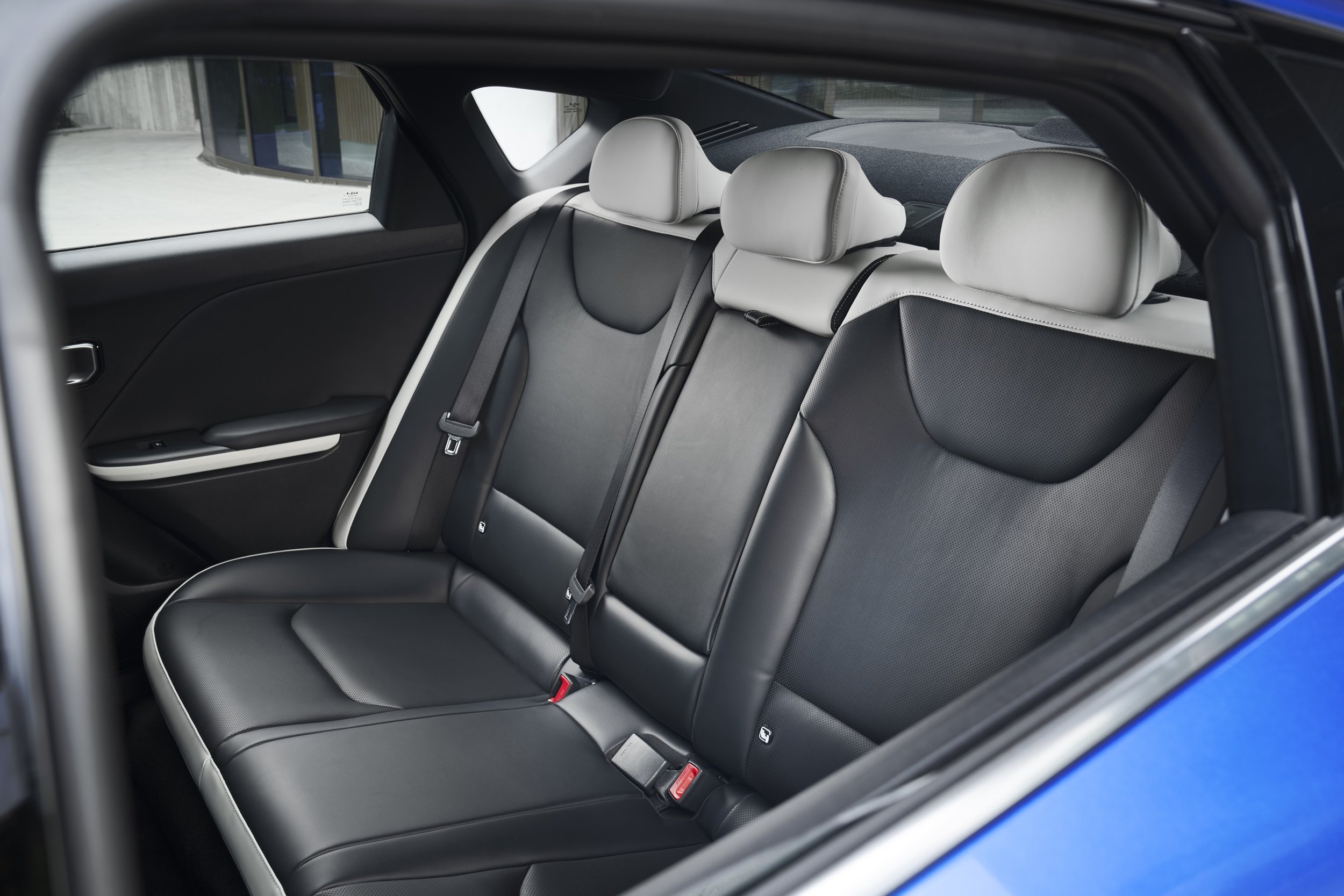
INTERIOR
Kia offers a sedan for the majority of 2025 until the hatchback arrives later in the year, but really the hatch is probably going to be the one to go for because you’ll get all the same equipment and benefits of the size and proportions, without the elongated rear end with a conventional bootlid.
Having said that, at least with the sedan you don’t have to contend with storing the hatch’s parcel shelf when you need to drop the seats and expand the stowage area for some bulky item.
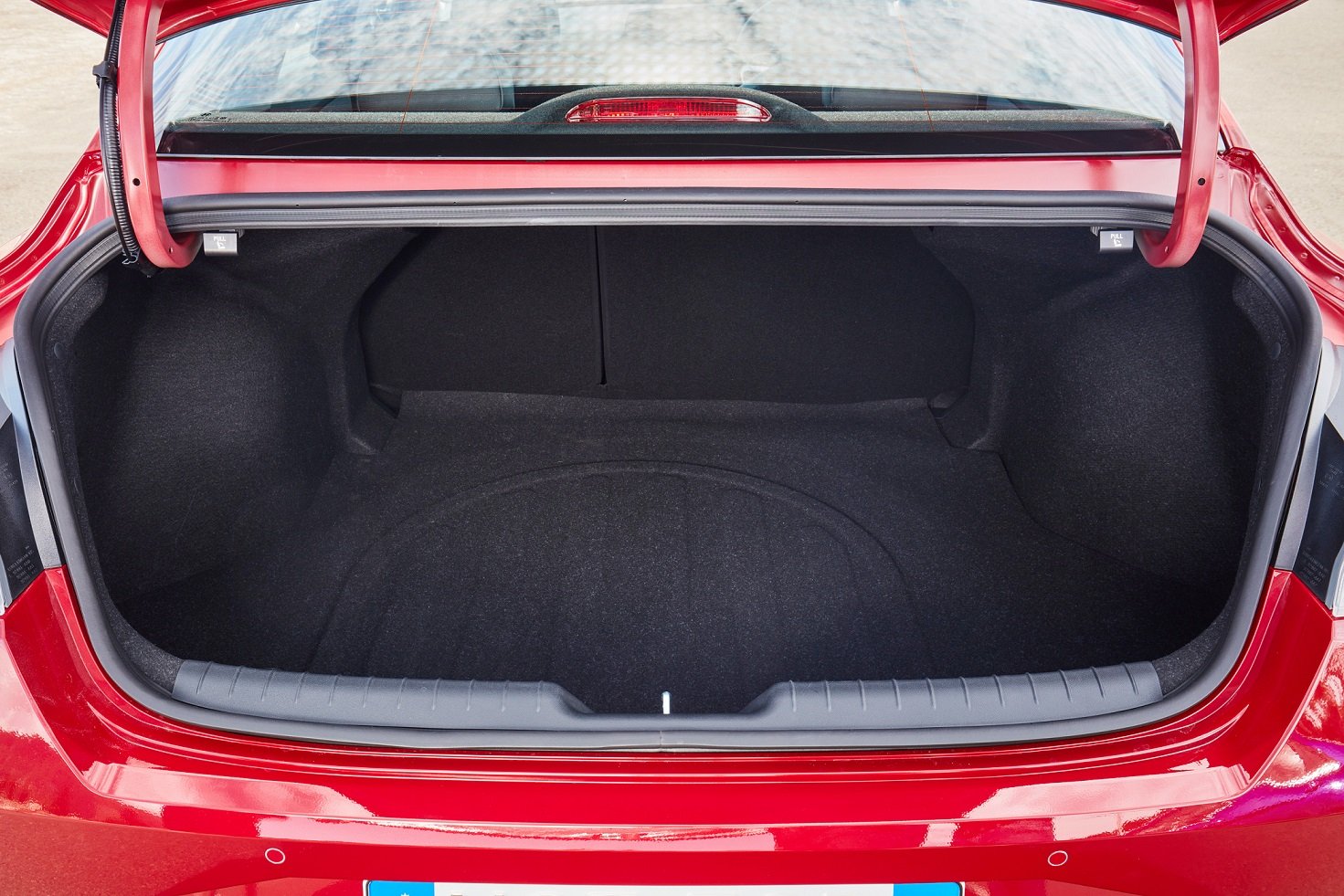
Luggage space measures in at 508 litres for the sedan, which will be better than what you’ll get in the hatch. But the bigger boot aperture offered in the hatch is what makes it much more convenient than the sedan, which, generally speaking, usually have a limited aperture thanks to having to incorporate taillights into the rear corners of the body (where as hatches usually incorporate them into the tailgate to save space).
In the sedan you have to bend down and reach in awkwardly to retrieve distant items, but at least everything is locked away where prying eyes can’t see.
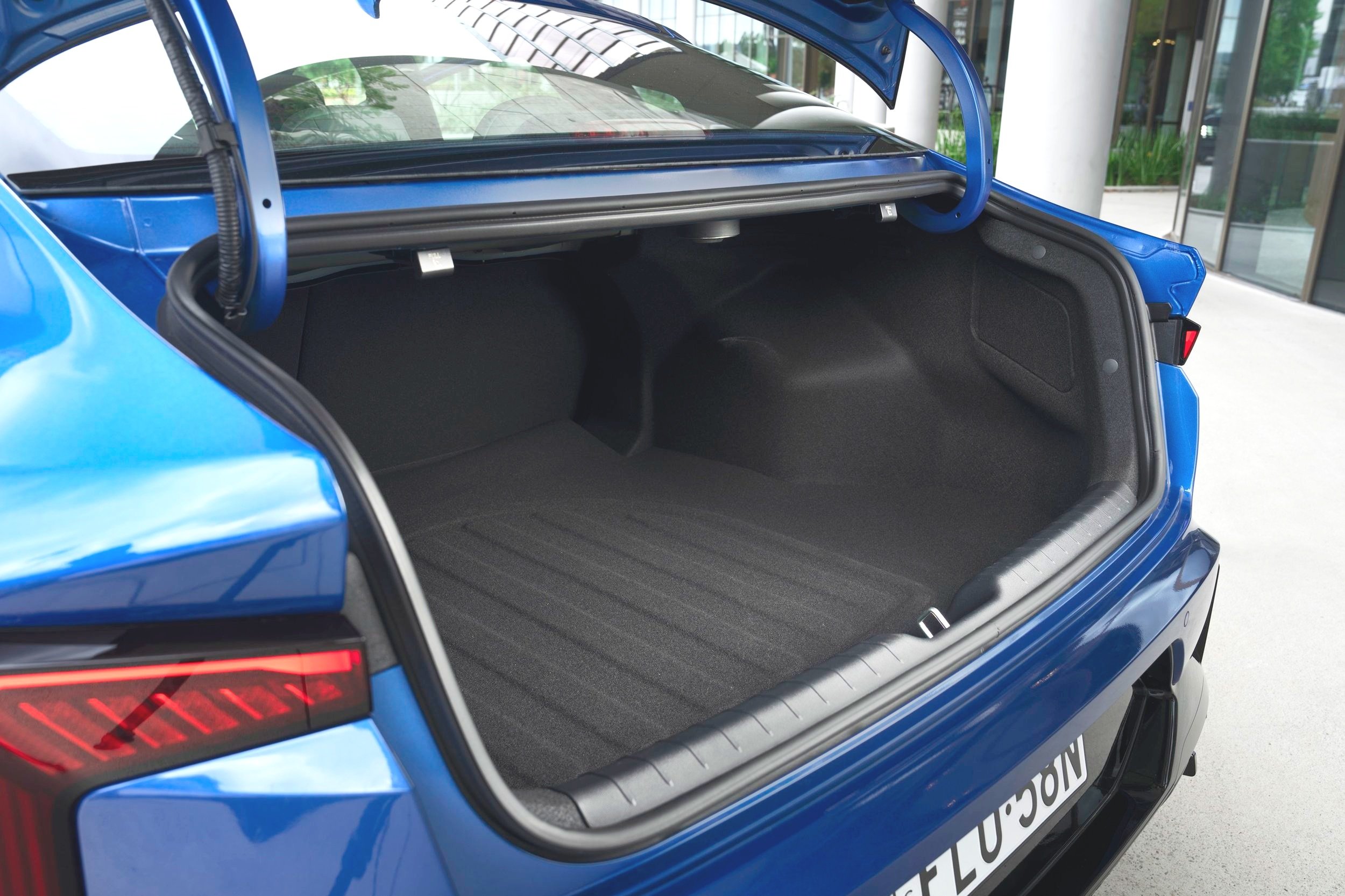
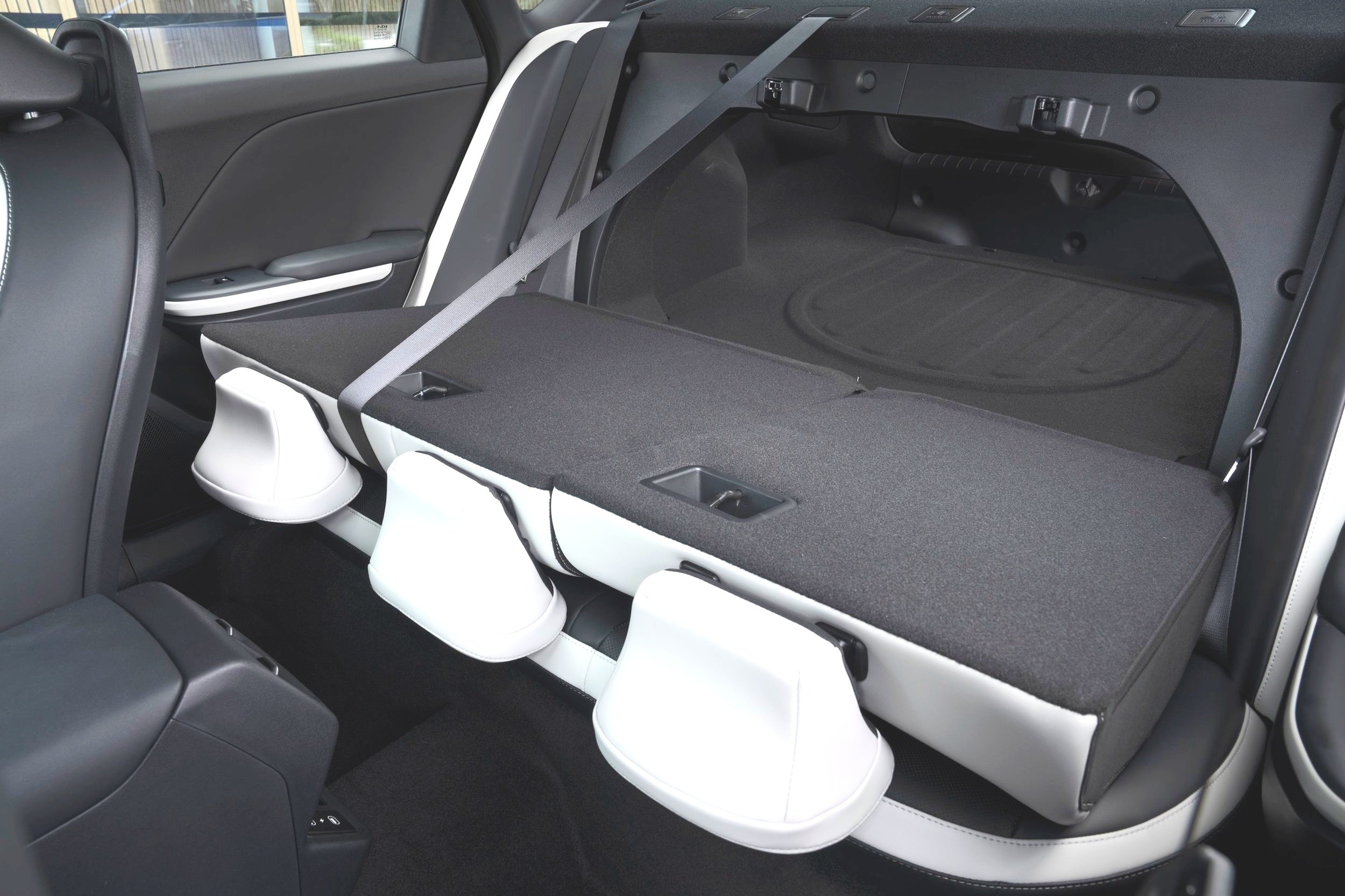
The other factor here is for the cost of a K4 sedan or hatch, versus the Mazda CX-30 at the same price, the latter is a small-to-midsize SUV which has less luggage space - just 317 litres - that’s 60 per cent less luggage space. It’s even worse if you compare the Subaru Crosstrek’s 291 litres to the K4 sedan: 74 per cent less luggage space in the Subaru.
It’s the same case for Seltos which has 433 litres, but is still 17 per cent less practical than the K4 sedan. You’ll pay more for an additional 30mm (3cm) of ground clearance and the same engine, but worse performance because Seltos GT-Line gets the same sluggish 2-litre economy engine as the K4 ‘S’ and ‘Sport’. (The irony of calling the slower model grades ‘Sport’ shouldn’t be missed here.)
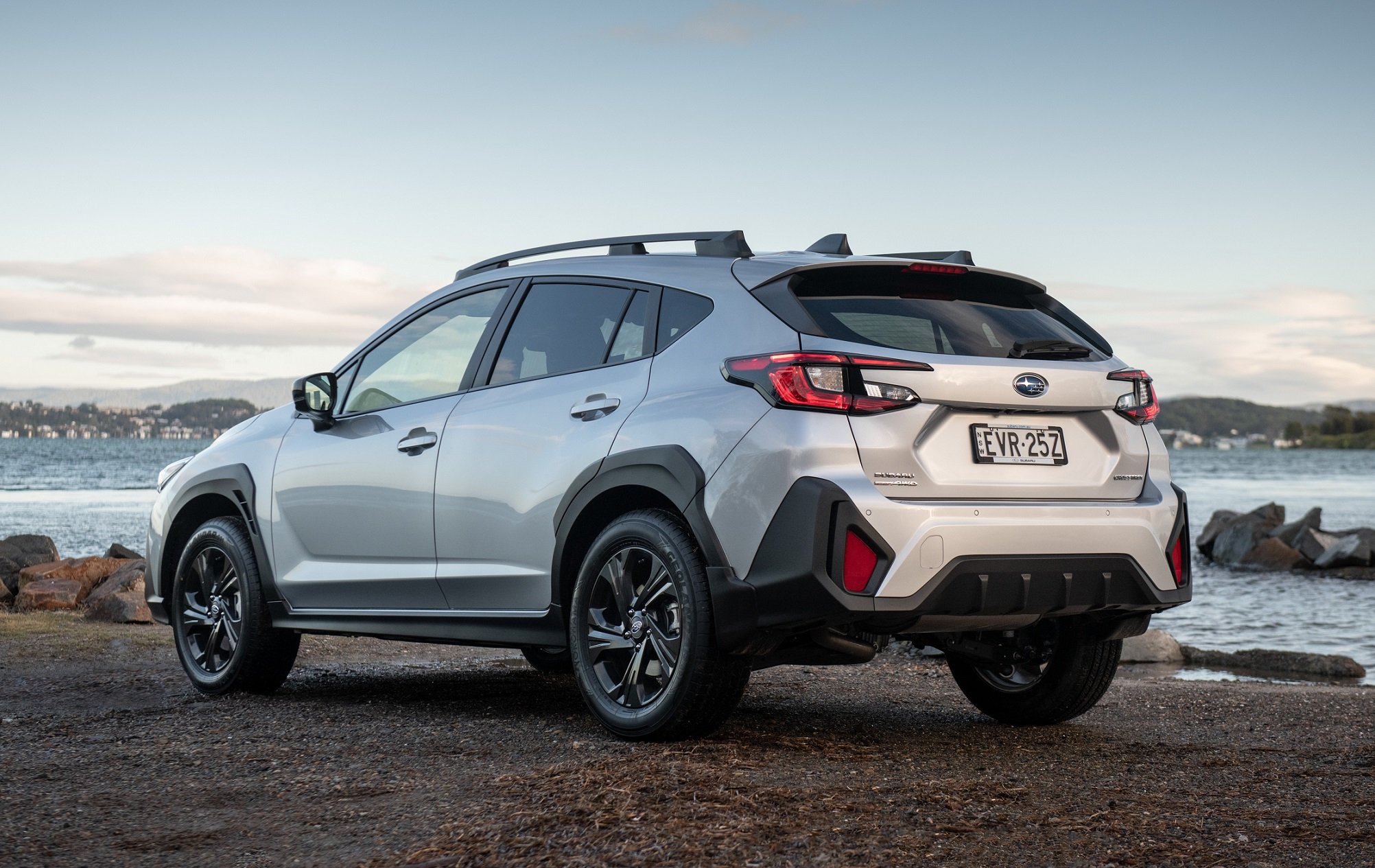
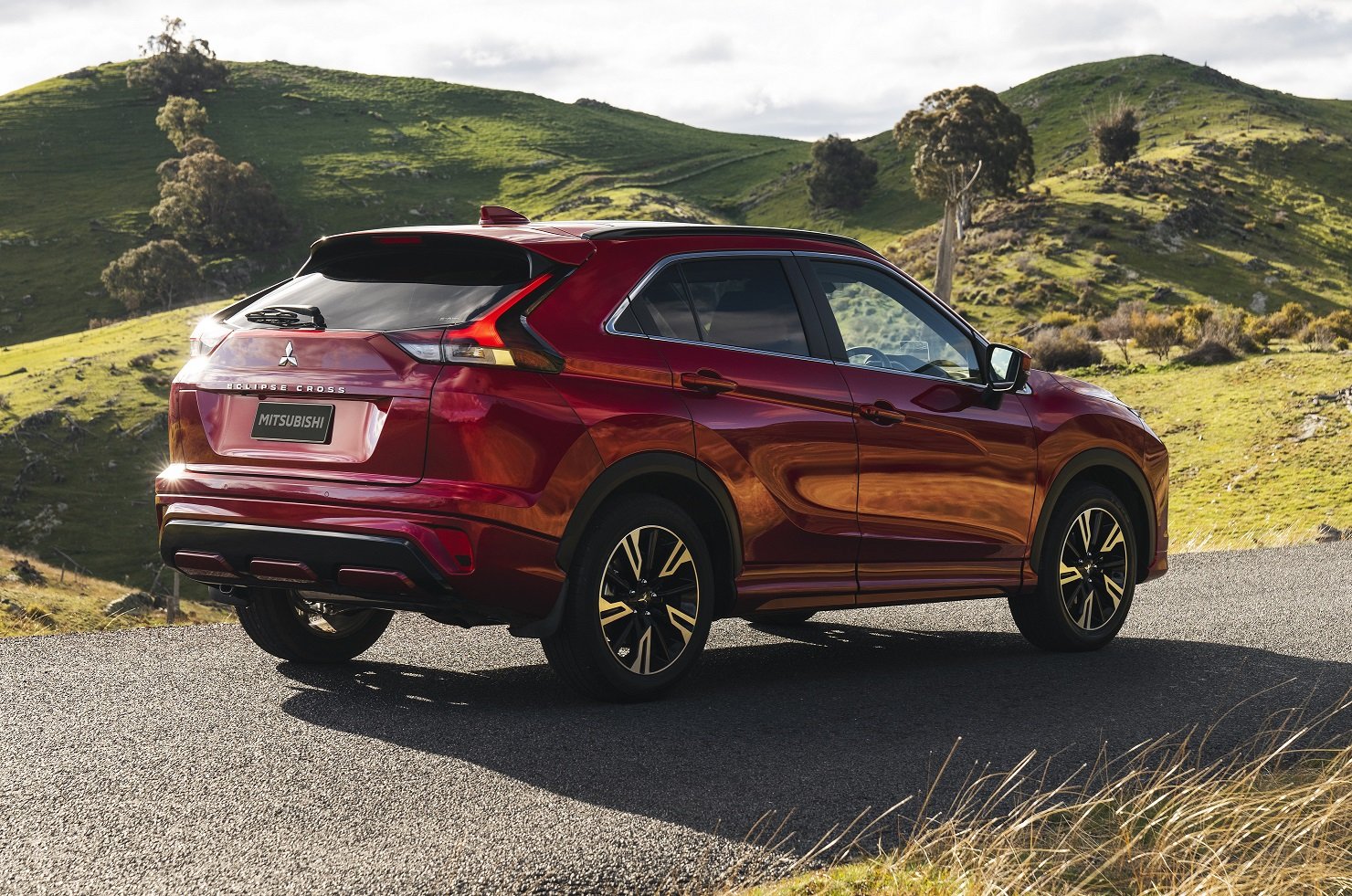
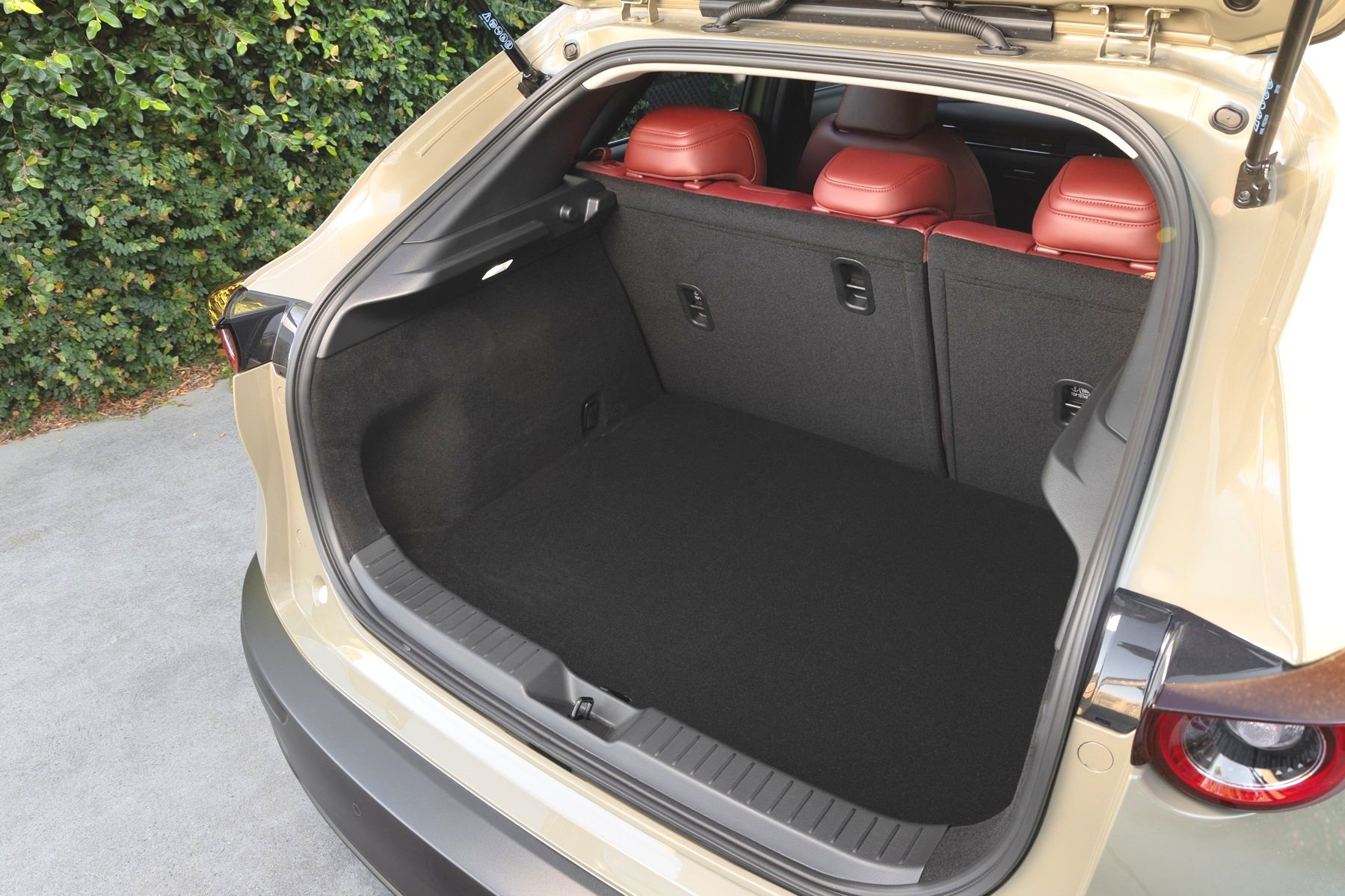

The Mitsubishi Eclipse Cross is pretty much the same price as a K4 GT-Line at roughly $48,000 driveaway. But it has an asthmatic 1.5-litre turbocharged petrol engine that can barely make 110kW - that’s less than the economy-tuned 2-litre engine in the K4’s base model. And the Mitsubishi has 100 litres less luggage space, and the K4 has more legroom thanks to its longer wheelbase.
Against notionally ‘better’ small-medium SUVs, the K4 is extraordinary value, in spite of its price increase.
Say what you want about notionally small cars being out of vogue, but they still absolutely smash small SUVs on value and family practicality. And is 3cm of ground clearance really going to make a difference to getting things in and out of the boot, or getting your backside in and out of the front seat?
Certainly there’s a case for elderly drivers in small or midsize SUVs getting in an out with much less strain on their hips, legs and lower backs, but that’s about as far as they go against the practicality edge of the humble hatch or the steadfast sedan.
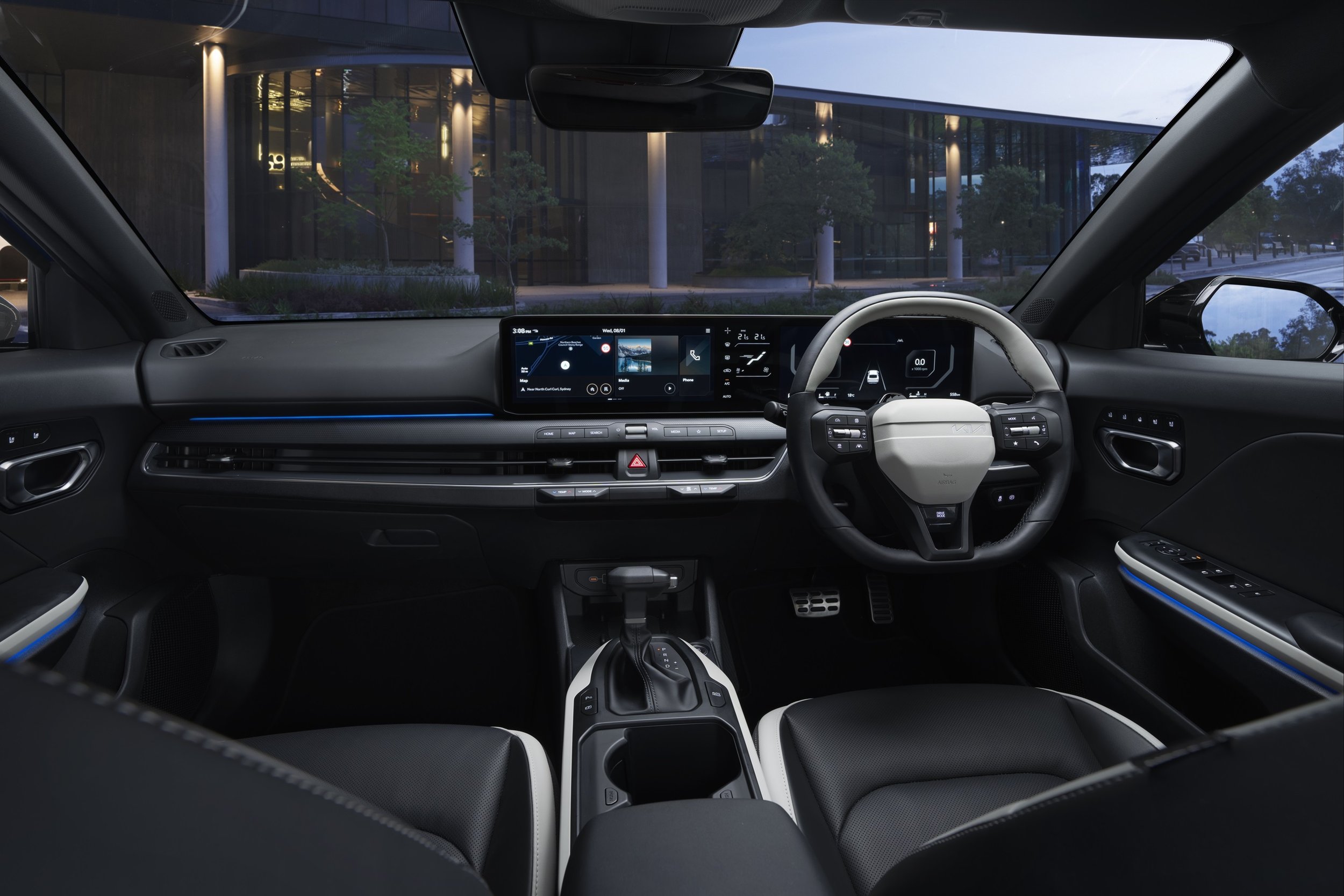
Kia interiors are always well-arranged with plenty of convenient storage areas and logical positions for controls and buttons. Everything is where you’d expect it to be; it’s very intuitive. The GT comes with leather trim and racy red stitching for the doors and seats, and there’s a sports steering wheel which is a nice size and it looks appealing.
The GT is neatly dressed in sporty attire on the outside as well, donning a subtle aero kit with skirting around the body and some red pinstripes to help it stand out. It also rides on a set of unique 18-inch alloy wheels that wear very grippy (but expensive) Michelin Pilot Sport 4 tyres. More on the GT below.
But the Sport+ is probably where most buyers are going to land because for a few grand less you get all the necessary equipment, a bunch of nicer, more premium-feeling features, without going all the way toward the sportier ride and more flamboyant red stitching trims and highlights.
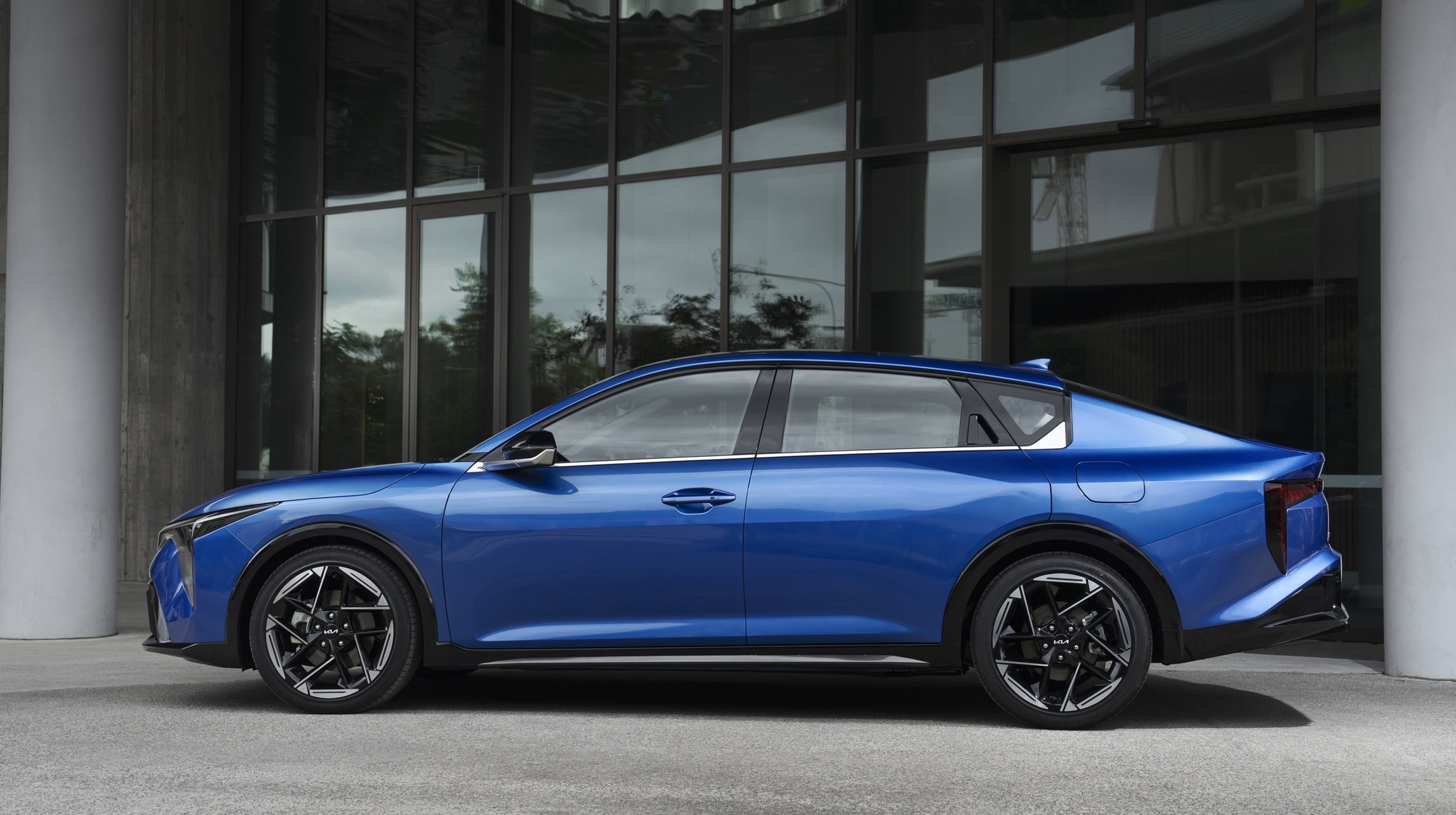
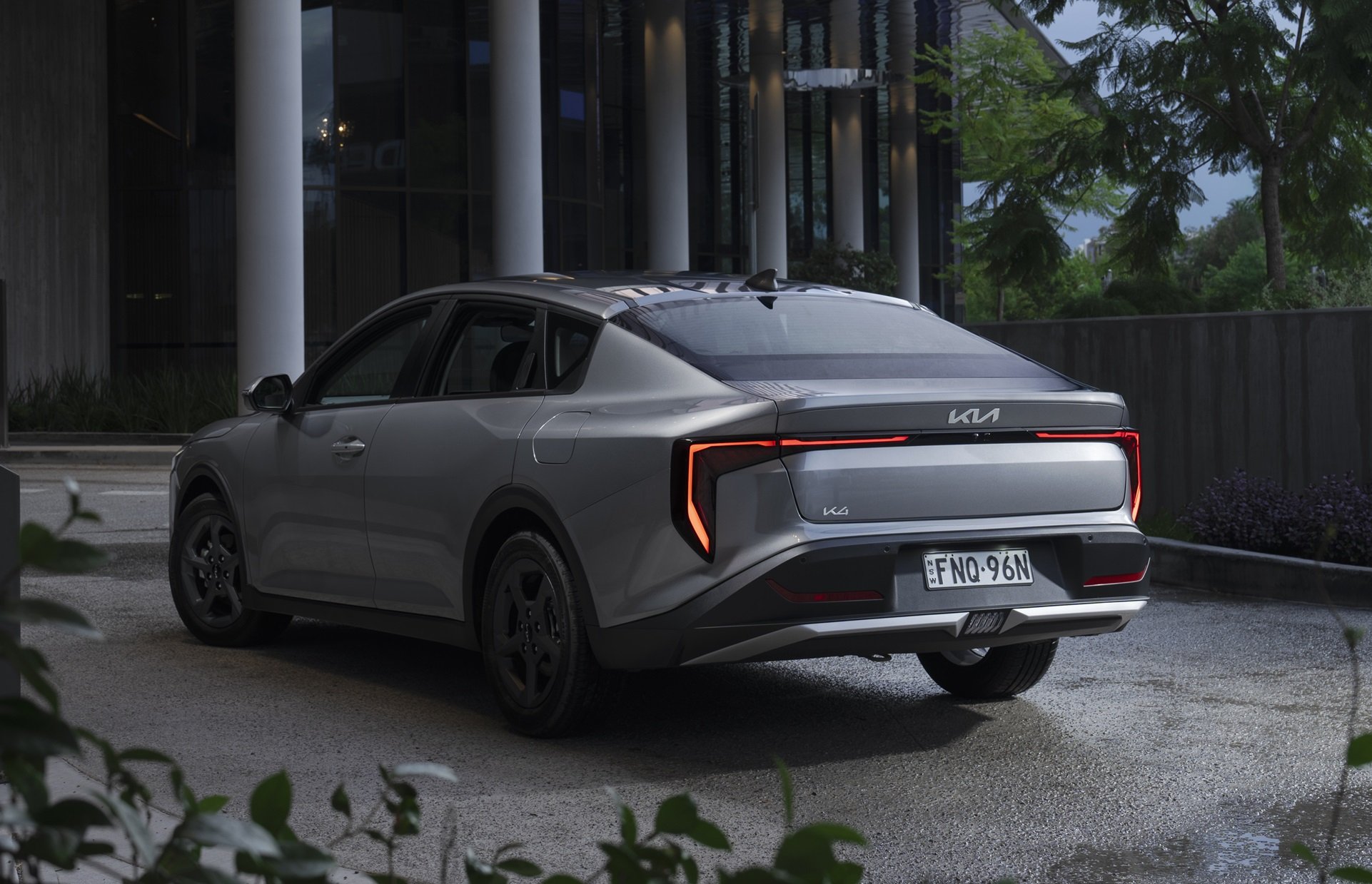
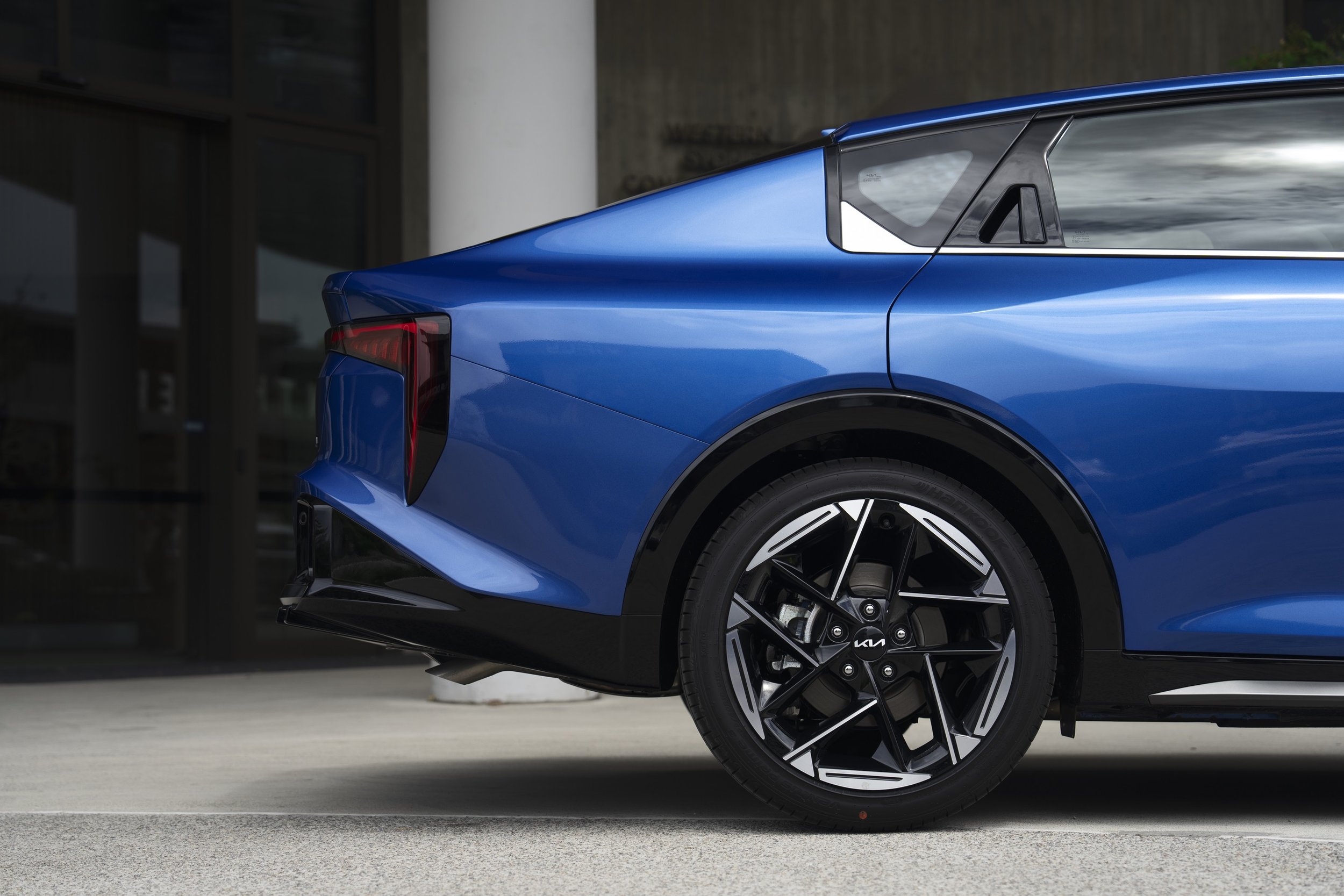
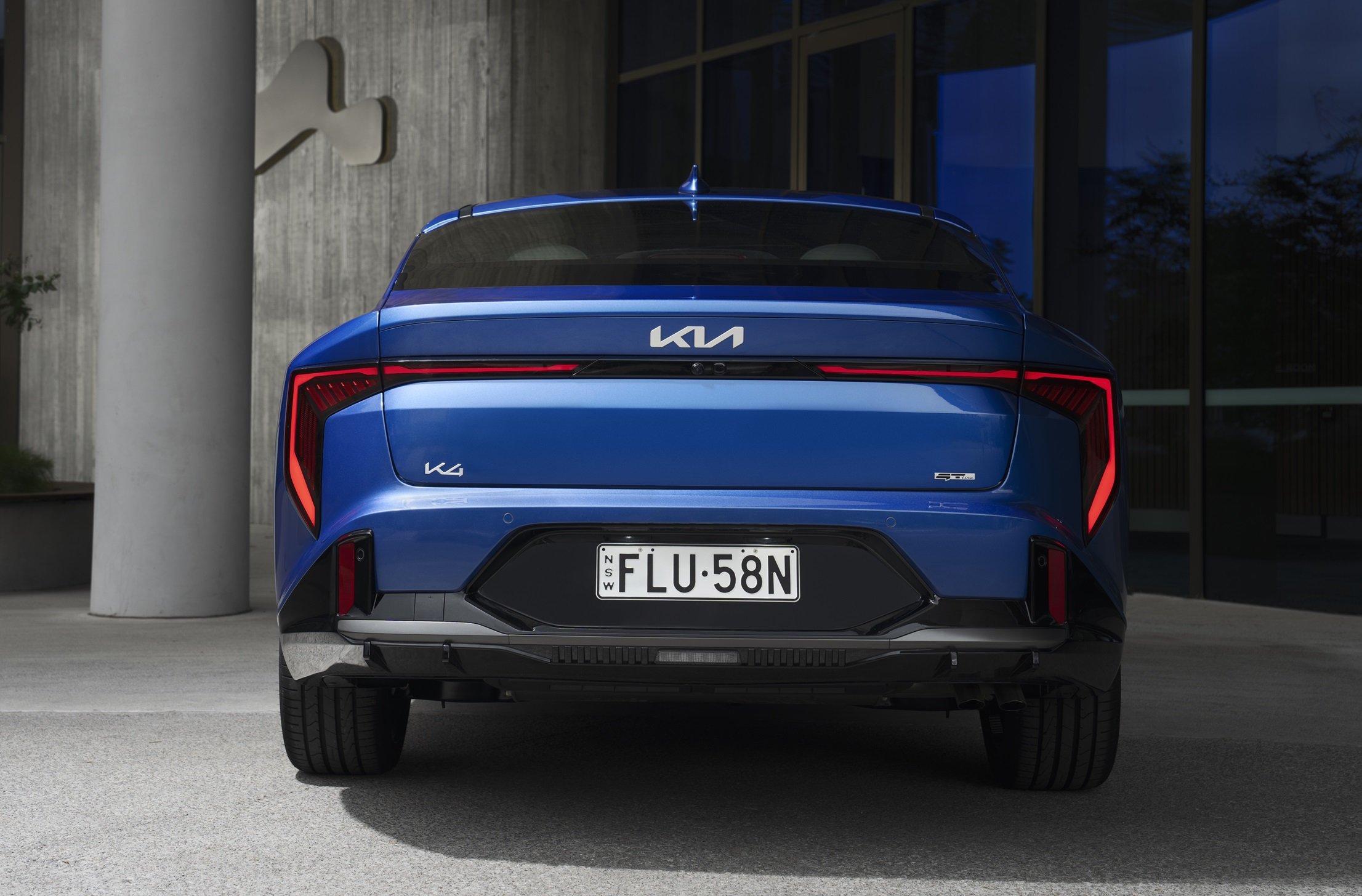
Overall, the K4 is 4709mm long, 1849mm wide and, according to Kia in North America, “class leading 38 inches of leg room”, which converts to 965mm. That’s 1 per cent longer, and 2 per cent wider than the current Cerato sedan. This also suggests the hatch will be roughly the same size as the current one, only slightly shorter than the K4 sedan based on its hatch body.
It’s hard to say exactly how they’ve measured that legroom figure (just shy of 1 metre), but presumably it refers to the driver’s seat (which typically has the greatest amount of longitudinal adjustment. That extra wide will be more accommodating for taller drivers with bigger shoulders.
And of course, this is all predetermined by - and suggests an increase of - how long the wheelbase is. Wheelbase being the general rule for determining how much interior cabin space and legroom is available - because the occupants sit between the front and rear axles.
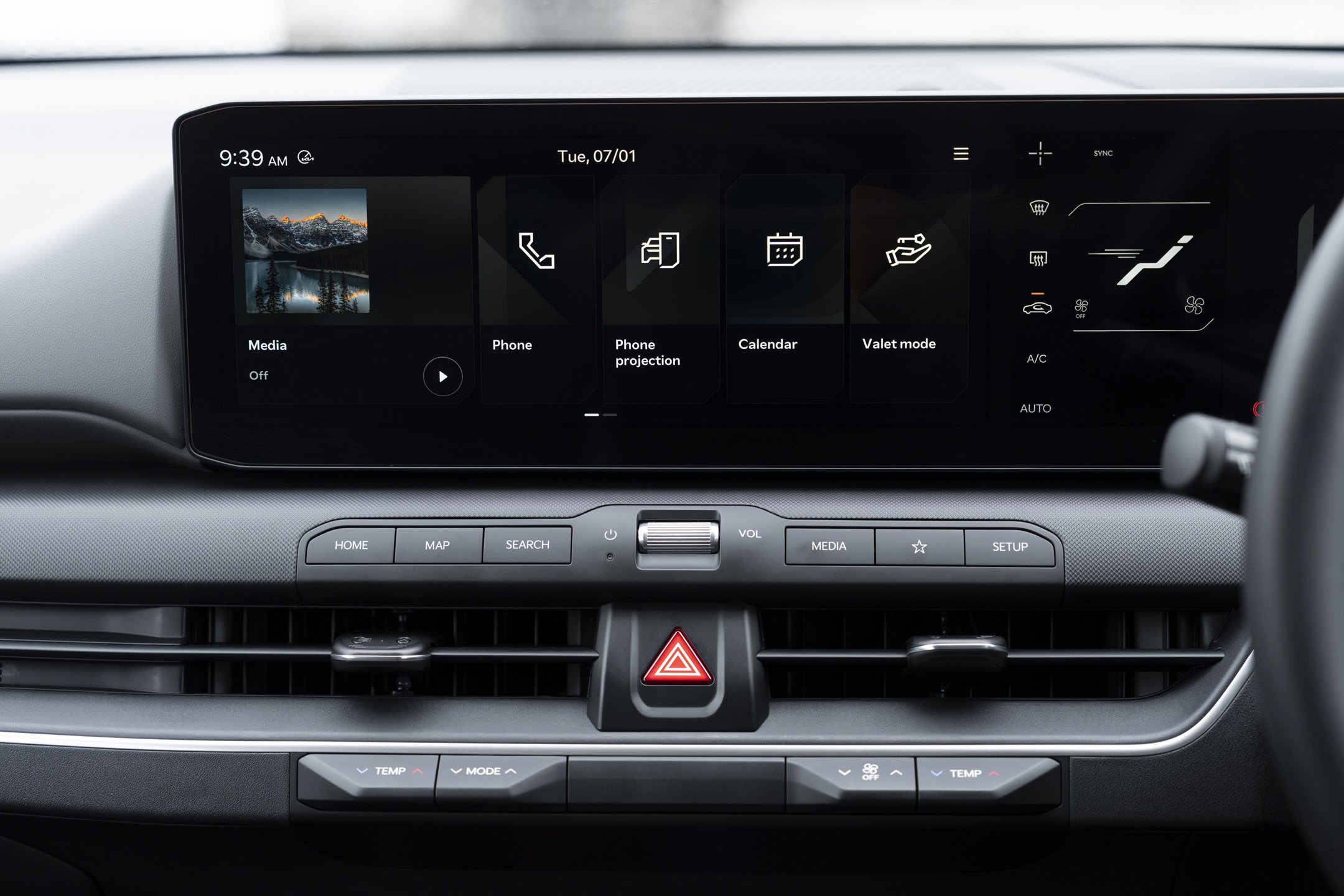
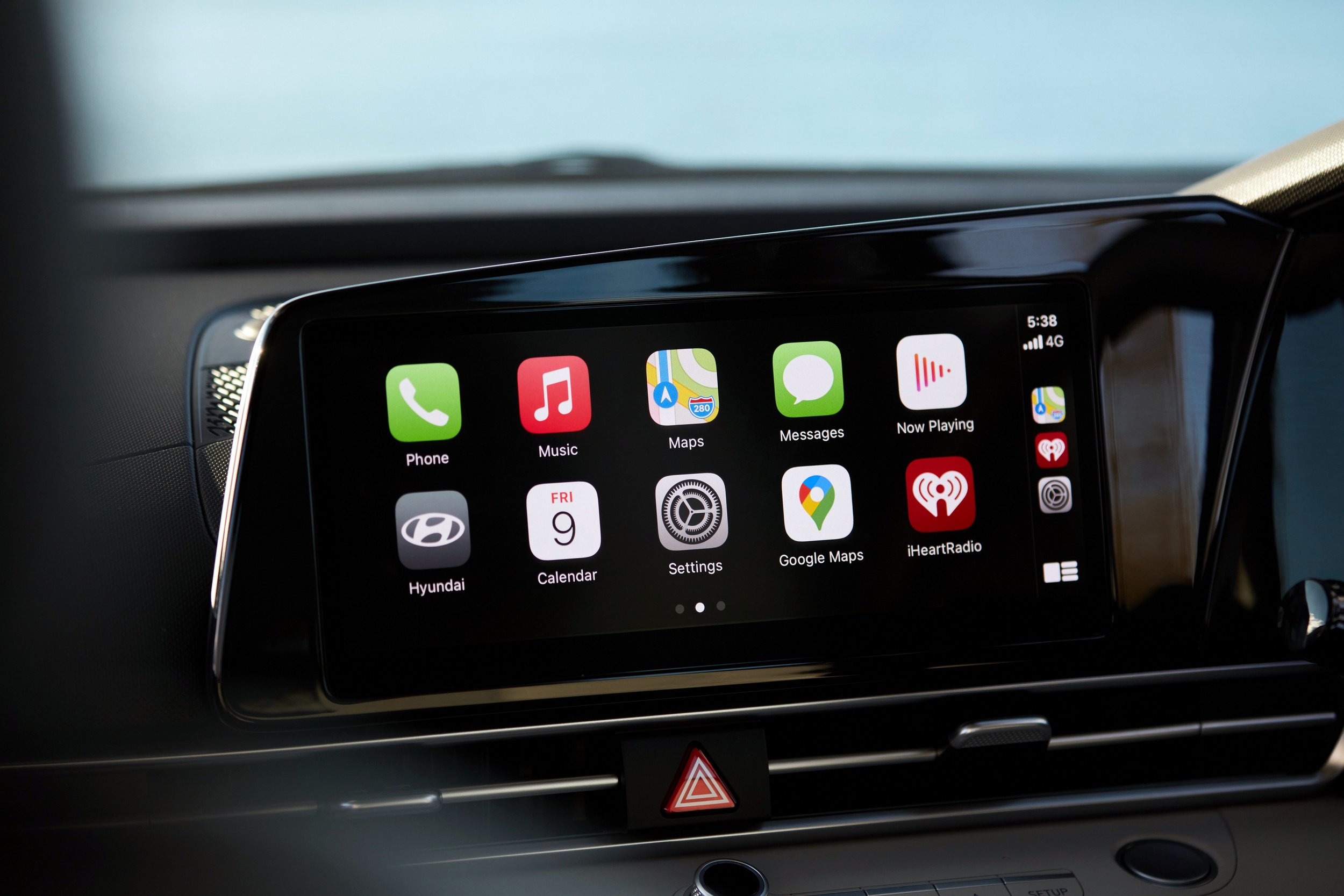
Front passengers are greeted with the large 10.25-inch touchscreen reserved for the Sport, Sport+ and GT. The entry S uses an 8.0-inch unit but you can option the bigger dual panoramic screens which include a mini vertical screen to independently tell you the weather. So that’s nice.
Happily, both the 8.0-inch and 10-inch screens are capable of connecting to Apple CarPlay and Android Auto wirelessly, unlike the USB cord needed for the Cerato’s upper model grades (but not for the lower).
The sound system is GT-Line now comes with and eight-speaker sound system with amplifier, sourced from Harmon Kardon, and from the Sport model upwards you get in-built sat-nav in the event you don’t have your phone connected or within range of a cell tower for reception.
Dual-zone climate control is standard on the Sport+, with rear air vents for all models, fortunately, and heated front seats are on the GT only. Sport+ doesn’t get the sporty seats like the GT but they are leather-trimmed, which is great if you’re constantly wiping up messy kids.
What about the Sport? Well, now you’re moving into a company-car type of vehicle. The second-tier K4 is surprisingly well-appointed for a lower-end model, featuring that bigger touch-screen inside with digital radio and sat-nav. But, really, that’s the only motivation to step up to the Sport over the S. That and the bigger wheels.
The Sport does look decent on the outside with its 17-inch alloy wheels, compared with the 16-inch rims on the base S. Aside from that, the Sport is essentially the same specification as the S - but there’s nothing about its interior that should leave you feeling stooged on quality or comfort. Even the cloth seats in the S feel comfortable, and a couple of hours on the highway are going to be bearable as they generally as in any Kia product these days. The seats are more comfortable than the simplistic cabin design would have you believe.
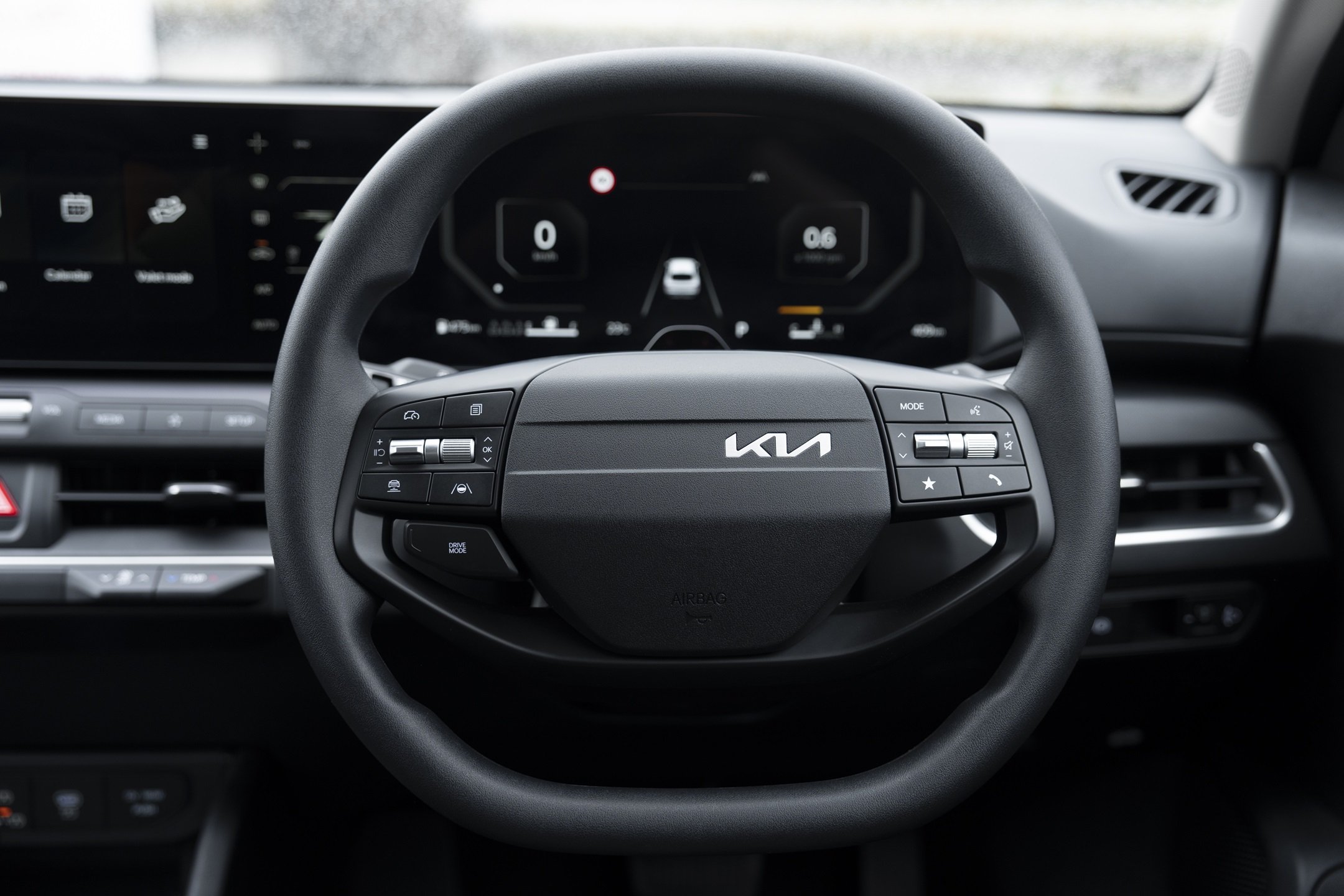
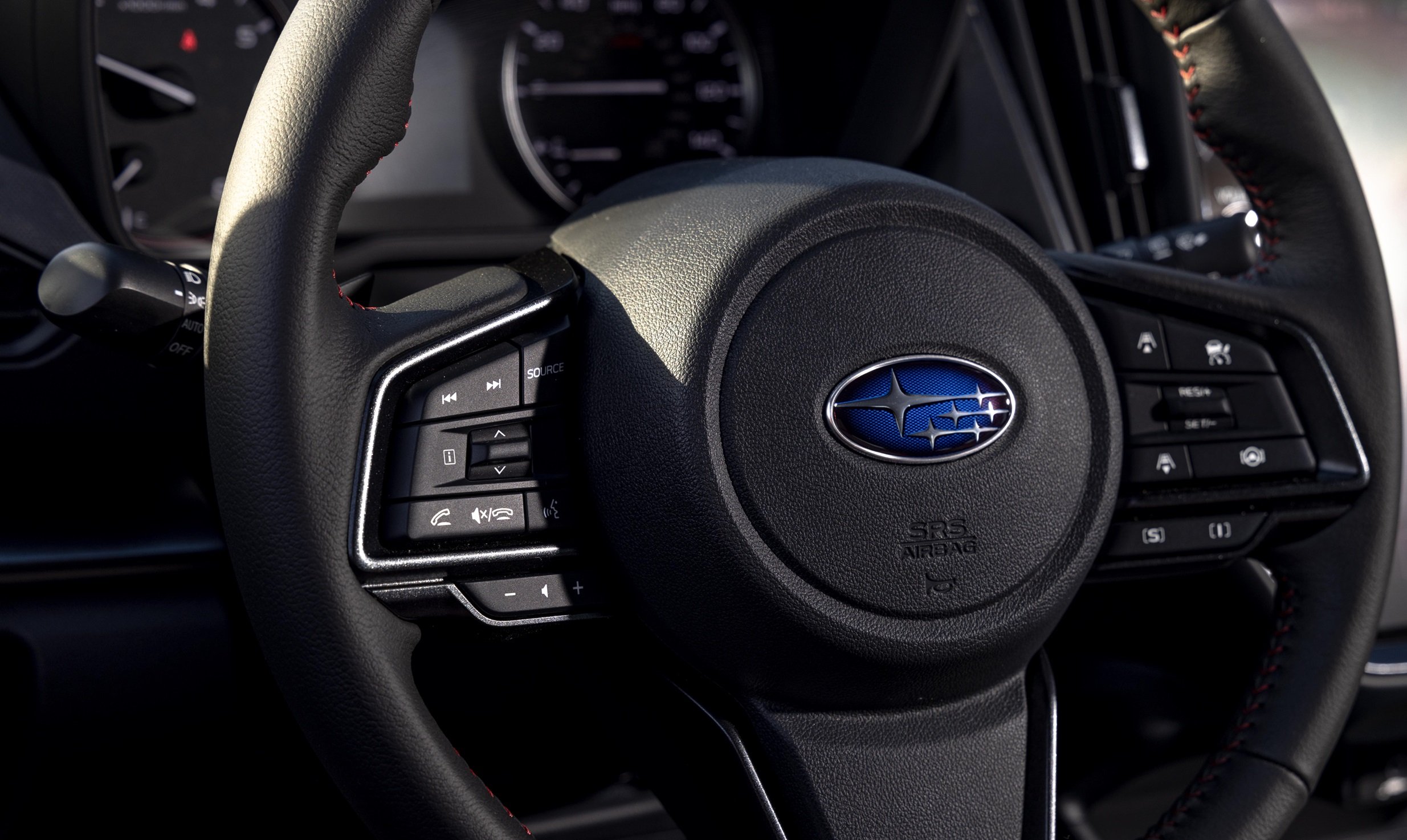
Putting to one side the litany of plastic trims (that you’d expect on a notionally affordable small car) everything is where it should be, although the minimalistic-looking steering wheel somehow makes it look a bit busy, possibly cluttered, it needs to be said. It’s not quite Subaru, but it’s mostly a subjective thing against the sweeping, open-space design of everything else that has this affect.
In any case, the Sport is the pick if you’re on a tight budget but you can’t live with the small touchscreen and its apps. If you don’t care about alloy wheels and bells-and-whistles, then the entry-level S is excellent value for money.
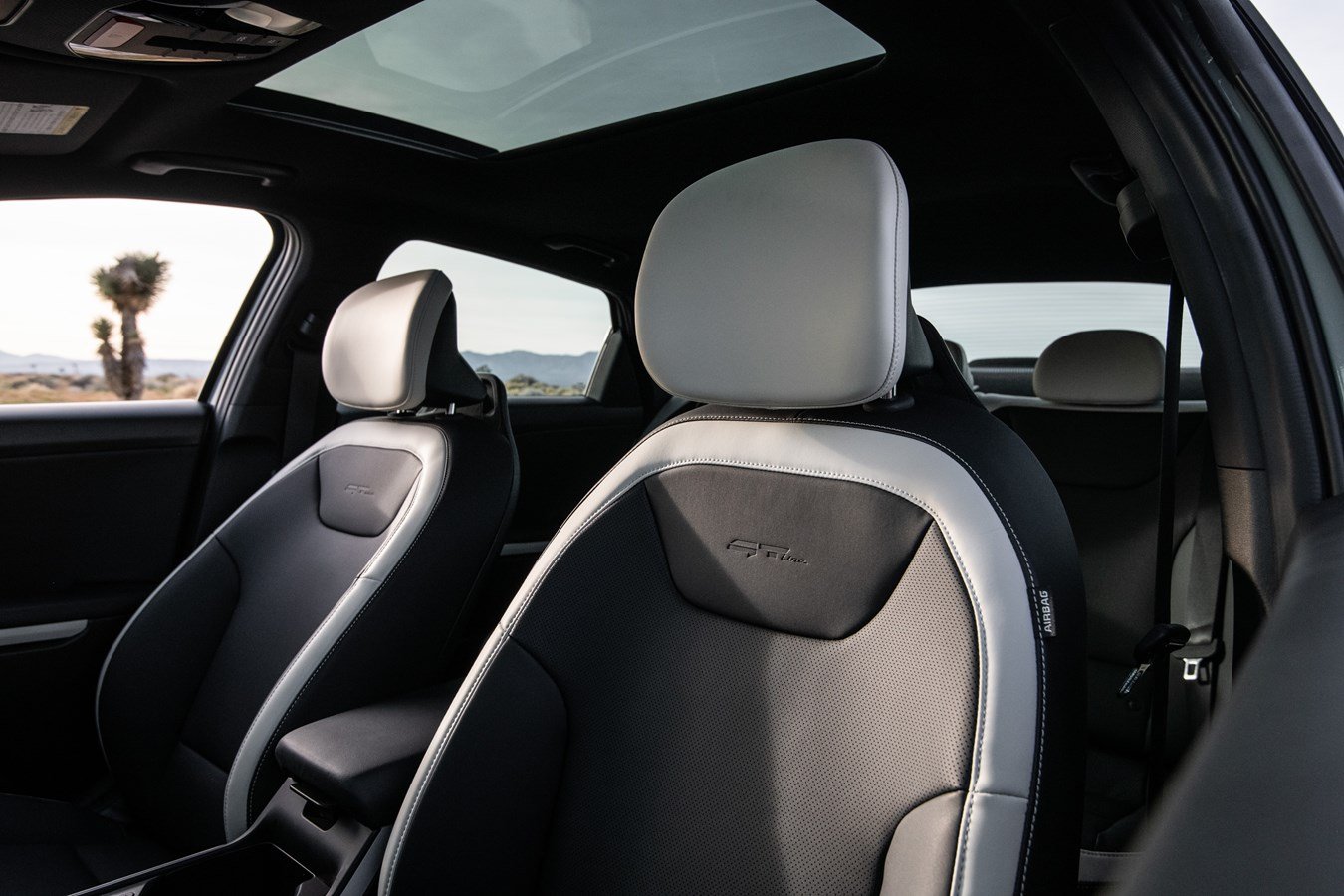
The GT-Line is hard to make a rational economical argument for, unfortunately. It’s just too expensive compared with medium SUVs in the current climate, these challenging financial times and certainly the interior isn’t nearly as special as the now defunct Mazda 6 or even a Mazda 3 it needs to be said.
Sure the Mazda’s interiors are older, and the K4 is newer, therefore your mind might be drawn to think it’s nicer. But Mazda’s interiors are hands-down the best in the mainstream brands. Unfortunately, you cannot have a new Mazda 6 anymore, so the K4 wins by the fact it exists in 2025.
Some quick criticisms of the K4. The weather mini-screen is mostly obscured by the steering wheel, and the entire dual panoramic screen is stuck into the front of the dashboard but without any kind of binnacle or shroud to protect it from glare and reflections.

You’re also going to struggle reaching the buttons and icons on the far left of that enormous screen, primarily because it continues to be oriented for the North American market and not reverse to suit out right-hand drive market. So the ‘Home’ icon is, yet again - all these years later- still on the left-hand side, not the right.
I'll help you save thousands on a new Kia K4 here
Just fill in this form.
No more car dealership rip-offs
Greater transparency
Less stress
DRIVING
Is the K4 a proper hot drive around corners anymore? Not really. It’s zippy, perhaps, but it certainly isn’t going to give you that wow factor in the manner of the Hyundai i30 N-Line or like the old Cerato GT, but nor will it be on quite the same level as a VW Golf GTI or Subaru WRX. This is a shame if you want good-value performance. However…
That’s a good thing if you don’t actually have any performance driving intentions whatsoever. If you plan to use a K4 for city commuting, sedate regional driving and suburban running around - it’s absolutely perfect. This is where the changes to the old Cerato are going to be most advantageous - for ordinary drivers. (Ordinary doesn’t mean ‘boring’ or ‘abnormal’ in this context either.)
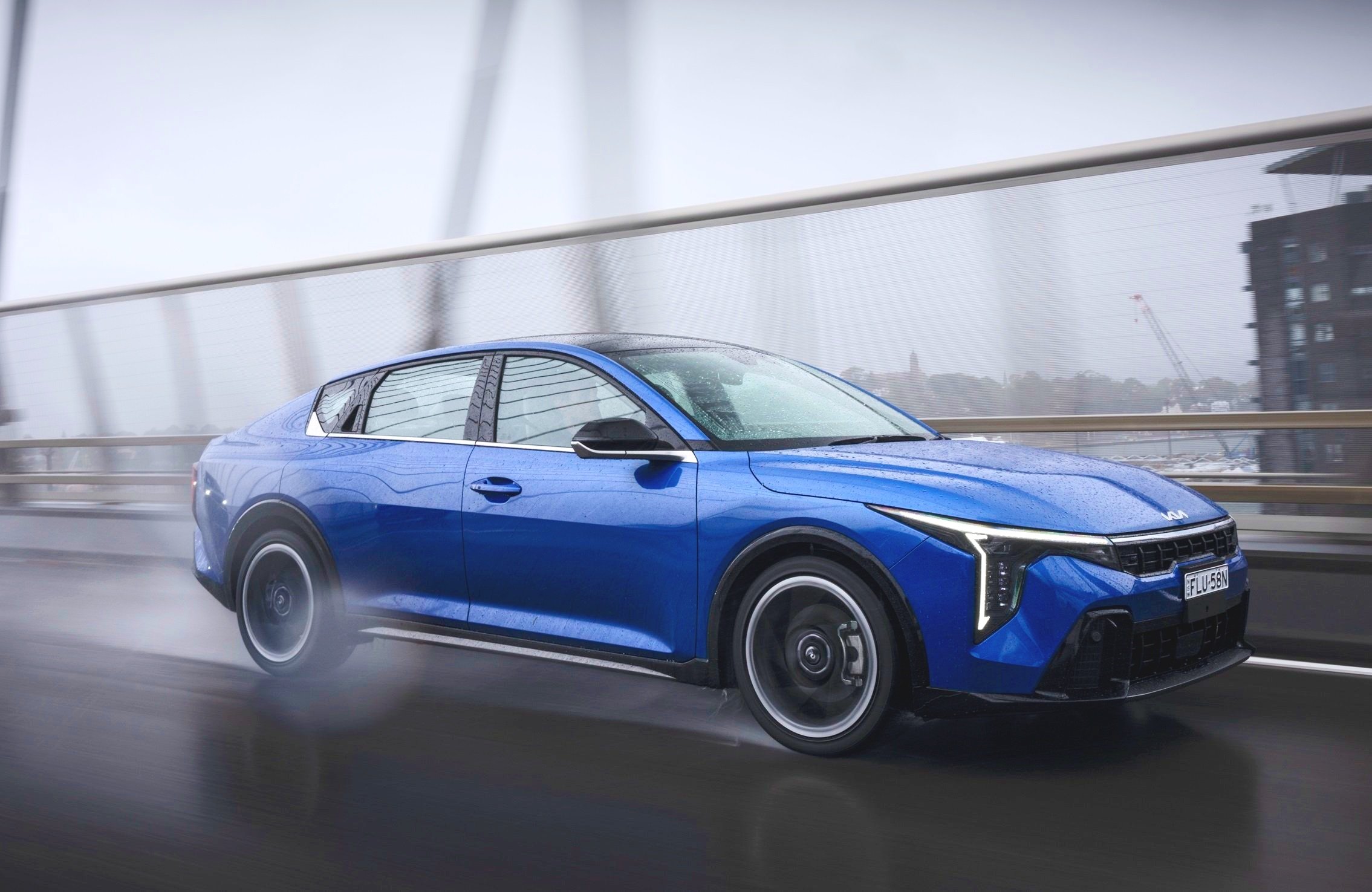
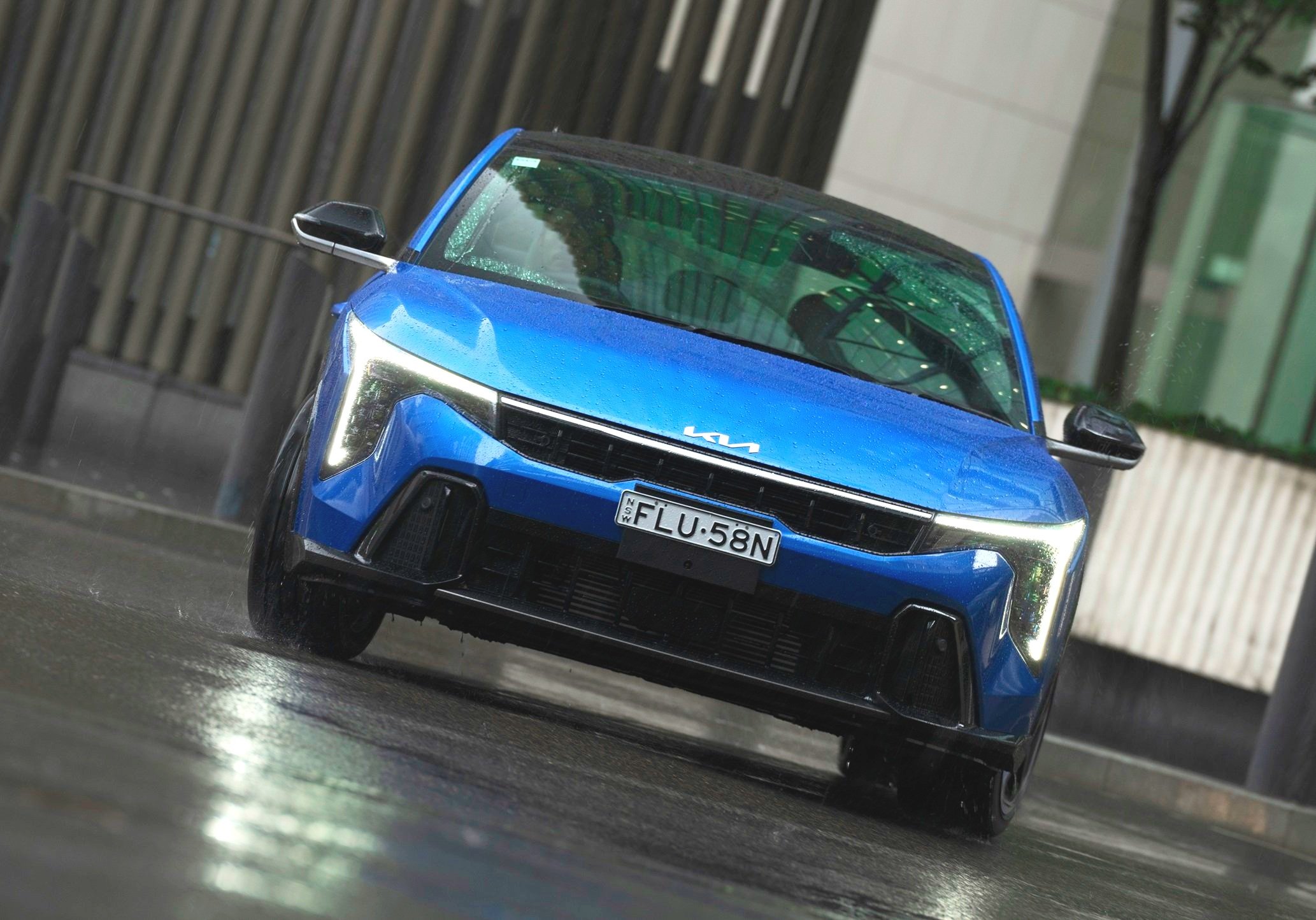
Yes, the K4’s body remains fairly low, flat and composed, as is the case with any sedan. Especially if you jump out of a medium SUV into the K4 you’ll instantly feel a much sportier cornering dynamic thanks to the innately low centre of gravity. This is an enjoyable car to drive at regular speeds and it’s equally as comfortable to sit in for long hours. And best yet, you don’t need to be going at breakneck speeds to induce smiles.
Kia Australia rarely lets a poorly-handling vehicle enter our local market, thanks in large part to their dedicated ride and handling engineering skunkworks based in Sydney.
K4 is the recipient of an extensive ride and handling development program which tailors its driving characteristics to Australia’s unique road network
This means a K4 is relatively comfortable to drive normally. The suspension doesn’t pulverise you on potholes and in shopping centre carparks at speed humps, and nor does highway driving leave you deaf from the roar of pretentiously big alloy wheels running low-profile tyres.
Sticking to 17-inch alloys on the middle-tier grades and stopping at 19-inch alloys for the ‘sporty’ GT-Line means it doesn’t crash and thump on our notoriously poor roads. In many regards, dialling back the sportiness is probably what makes the K4 more appealing thanks to a much more civilised drive to and from work.
It is capable of some weekend regional touring, especially in the ‘Sport’ or ‘Sport'+’ variants with the 17-inch tyres which are generally the sweet spot.
The ride is firmer on the GT-Line than the rest of the K4 range due to a bespoke sports tune for the suspension system.
It can be jittery and choppy on poorly-maintained country roads, for example. But everywhere else it copes just fine for a sporty hatch/sedan. The GT also uses the more comprehensive multi-link independent rear suspension system over the torsion-beam arrangement fitted on all other variants.
“It does a great job absorbing bumps around town and controls its body well on challenging country roads, while offering decent feedback.”
- Graeme Gambold, Kia Australia chief ride and handling engineer
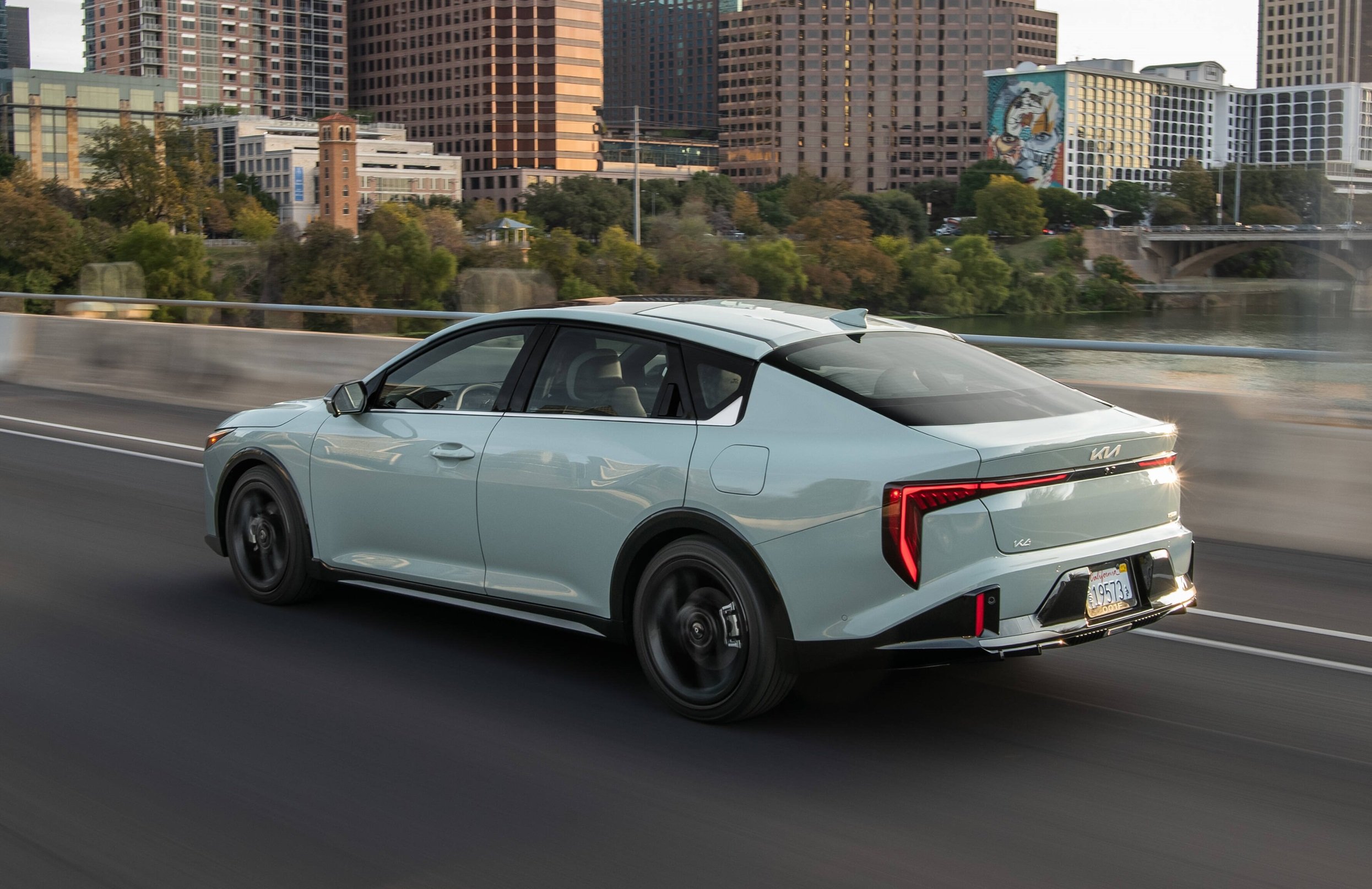
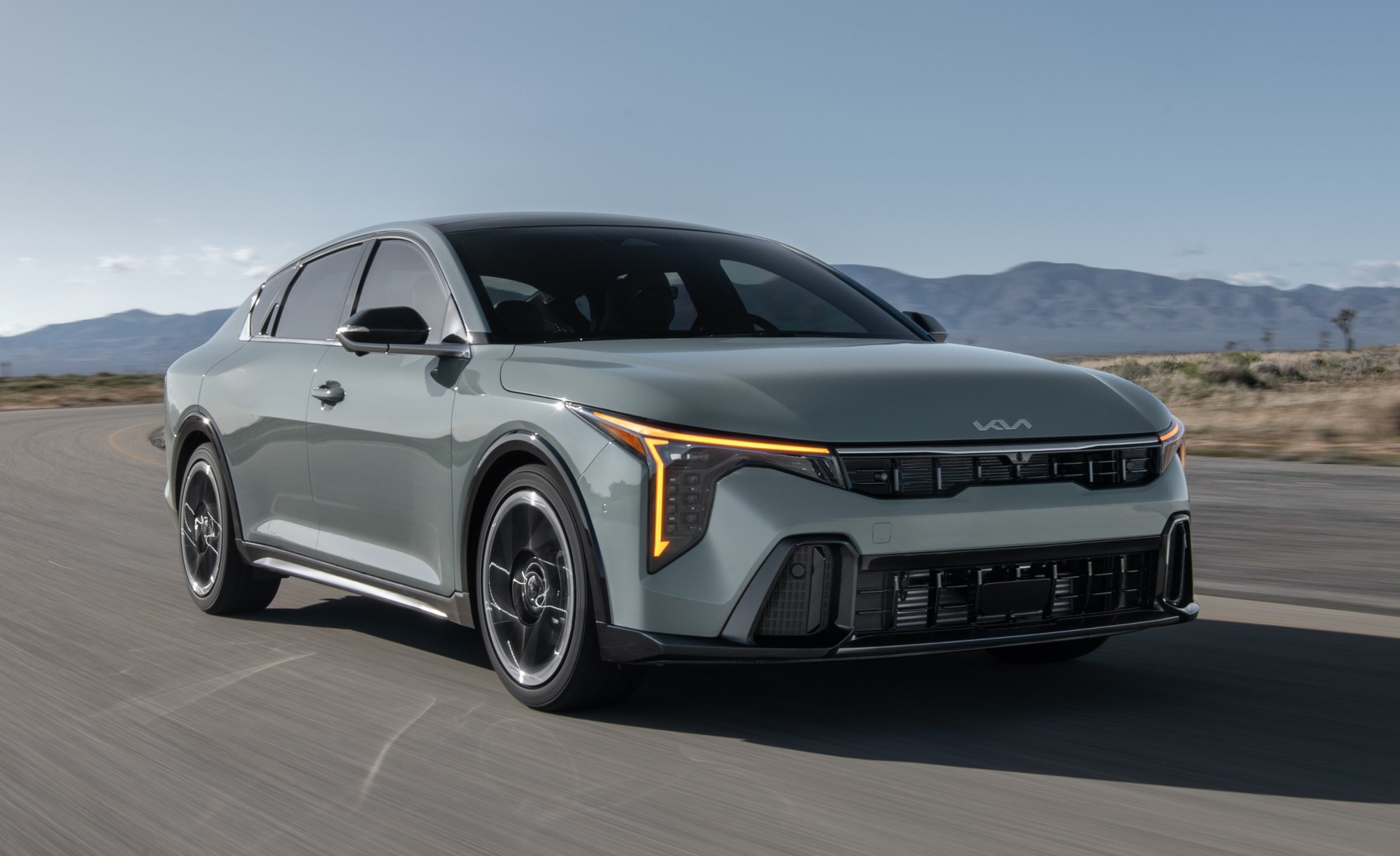
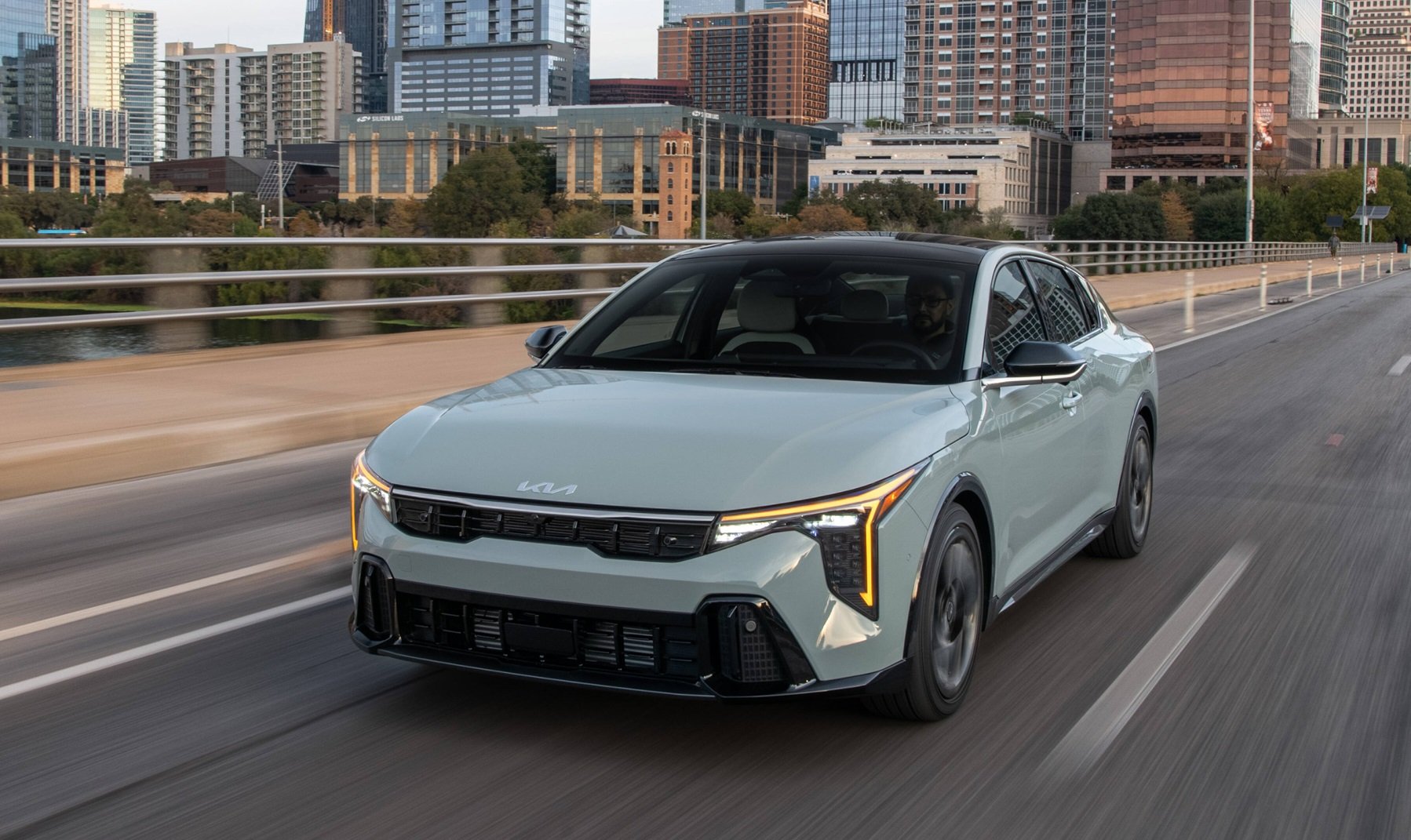
One aspect that will divide opinion and potentially make or break your buying decision is the gearbox. The K4 GT-Line now uses a conventional epicyclic automatic transmission with a torque converter.
Gone is the dual-clutch automatic we’d become used to with Hyundai and Kia which offered snappy gearchanges for driving enthusiasts on twisty mountain roads and taking off from the lights. DCTs are great for providing millisecond gear shifts when driving at higher tempos, but in regular conditions they tend to allow some roll-back on hills, and they can be a bit jerky when moving about in tight car parks, when you’re shifting from reverse to drive and vice-versa.
This is no longer the case with the K4 GT-Line that has now reverted back to a torque converter auto that is probably going to be much nicer to drive in heavy traffic and will behave more like a conventional Mazda transmission revving to a designated RPM as determined by your throttle input and road speed, before disconnecting the gear via the clutch, to a new ratio, and re-engaging the clutch.
Except it’s not a much nicer drive. In fact, the K4 has an infuriating case of turbo lag or gear-change anxiety (or something going on) whenever you put your foot down. You can count on one hand how many seconds it can sometimes take, for it to figure out what gear to be in and how much power to put down.
And then, once it has made its mind up, the acceleration is just not that brisk. It feels like it’s slingshotting you into another postcode, because you get pulled back in the seat, but the number’s on the speedo in front of you aren’t really doing much.
But hey, because it’s no longer a DCT, you’ll now be able to creep forward in slow traffic without adding premature wear to the clutch. This wasn’t a fault or criticism, it’s just the nuance of that previous DCT transmission.
The loss of the inherent performance and efficiency in the DCT means fuel consumption would have increased had Kia not de-tuned the engine for less performance and therefore less fuel consumption. In fact, the GT-Line offers an official consumption average of 6.7L/100km in the sedan, which is dismal improvement over the old Cerato GT’s 6.9 and 6.8L/100km in the hatch.
Compared with the 7.4L/100km rating of the old Cerato’s 2.0-litre non-turbo engine and six-speed auto, the K4 is exactly the same. Perhaps that was the aim - keep the emissions the same now that the K4 weighs more than Cerato did using the same engines.
So, let’s just recap. The K4 GT-Line is the most powerful yet the most fuel efficient of the K4 model range, but offers less performance, less power and weighs more than the old Cerato GT, and it can be frustratingly dim-witted when you do give it a squirt. Where’s the engineering magic of turbochargers, weigh reduction and a dual-clutch transmission? It just feels disappointing because old Cerato GT was a properly hot little hatch - at a great price.
What about the rest of the range? Moving down, the Sport+ is perhaps the best all-rounder. It doesn’t come with the turbo engine and gets the 7-speed auto, but it looks very similar inside and out.
The alloy wheels are downsized from 18 to 17 inches, but it’ll still get plenty of trimmings and plenty of features, while driving quite nicely through the city for your daily commute.
Admittedly, the S, Sport and Sport+ don’t get the larger brakes you get in the GT-Line, but the latter weighs an extra 78 kilos.
The fuel tank is 47 litres on all model grades, which is 3 litre less than in the old Cerato. So yet again, the old car will go further between fill-ups purely thanks to the basic physics of a heavier vehicle with the same engines making the same or less power and less fuel to burn.
ENGINE
The K4 gets a standard 2.0-liter engine that makes 147 horsepower and 132 lb.-ft. of torque, connected to a continuously variable transmission - this is in the convention of the old Cerato with the 2-litre in the bottom three model grades.
In the top model grade, the K4 GT gets the 1.6-litre turbocharged petrol engine we know from the rest of the Hyundai/Kia stables. It makes 190 horsepower and 195 lb.-ft. of torque, sent though an 8-speed automatic transmission (epicyclic with torque converter). It seems Hyundai and Kia’s era of dual-clutch transmissions has come to an end in its smaller vehicles.

The K4’s engine is familiar, punchy and reliable, but the vehicle it’s moving is not the same…
K4’s use of two engines, the 2-litre (non-turbo) petrol 4-cylinder (112kW of peak power) in the ‘S’, ‘Sport’ and ‘Sport+’ model grades gives you limited choice (which can be good for some people where ‘less is more’). It’s front-wheel drive only across the entire range.
The second engine, the 1.6-turbo petrol engine that makes 142 kilowatts (26 per cent more than the 2-litre) is actually 8kW down on the 150kW in the Cerato GT.
The 1.6 is the same engine powering the Kona, i30 (and its ‘N’ performance derivatives), the Kia Seltos, and it’s the combustion engine connected to the electric side of the hybrid systems in Sorento, Sportage and Santa Fe.
So at least you’re getting reliability, because we know the 1.6 is a widely used engine with plenty of parts and clearly has the R&D to be used across virtually the entire range of two massive sister car companies.
Despite being de-tuned compared with the old Cerato, the K4 GT-Line is still going to be a decent drive if you like mild performance. Try to think of the old Cerato GT as giving us more than we deserved; it really was an excellent value performance car. Maybe we were just spoiled and now times have changed. Today, the K4 is more like ‘very good’ value.
If performance is just not your thing. The K4 has a solution. The 2-litre engine in S, Sport and Sport+.
The Sport+ is very highly equipped, and certainly isn’t stripped of much, for potential buyers who need more of a suburban runabout for commuting, dropping the kids at school and getting the shopping done - but you also just want a modest vehicle that looks respectable, modern, and not some hotted up boy-racer.
And what’s great about choosing either engine in the K4. You’ll consume less fuel than the equivalent Kia Seltos, Kona, Mazda CX-30 or Subaru Crosstrek. Why? Elementary.
Because in its heaviest configuration the K4 only weighs about 1468kg, and returns a fuel economy combined cycle figure of 6.7 litres per 100km - not 7.4 like Seltos. That’s almost 10 per cent better fuel economy, to carry the same 5 passengers, and with the same size boot, and costing about the same.
Mitsubishi Eclipse Cross weighs 1600kg and claims 7.7 litres per 100km. Subaru Crosstrek weighs 1540kg and returns 7.2 litres per 100km. Mazda CX-30 weighs 1546kg and gets exactly the same fuel economy at 6.8L/100km.
Even the Toyota Corolla Cross (a $50,000 small-medium SUV) weighs nearly 1600kg and claims 4.4 litres per 100km is not going to win an economy argument against a K4 because that’s $3000 more than the Kia, which buys you roughly 33 tanks of 91 RON petrol - enough to fill up once a week for at least 8 months. The Corolla Cross hybrid offers just 380 litres of luggage space in its boot, too - and only 20mm (2cm) of additional ground clearance over a K4 sedan. It’s not even an SUV.
SAFETY
The S gets a heap of safety technologies including the blind-spot warning and assist, rear cross-traffic alert, autonomous emergency braking with cyclist detection, and adaptive cruise control. You can get the ‘Safety Pack’ with the S if you want the Junction Assist feature which claims to stop the K4 if it detects a vehicle is about to cross your path in the middle of an intersection and hits the brakes.
That same Safety Pack adds the auto window defogging system, which is included in the dual-zone climate control which also come in the pack. For some reason, the Safety Pack also includes the big panoramic screens which is a bit bizarre considering how distracting they can be. Especially if you want to turn off Kia’s incessant and overbearing speed alert system, you have to dive into the menus (taking your attention OFF driving) in order to deactivate it - every single time you restart the vehicle, because it defaults ON.
You can blame ANCAP for these systems.
All variants come with a rear-view camera with guidelines, front parking sensors, and lane-keep assist, collision avoidance, rear-cross traffic alert and blind-spot assist systems. Expect only the S, Sport and Sport+ to get the full five-star ANCAP safety rating due to the GT-Line having a different powertrain.
The K4 is quite a new model on a new platform which has been crash tested by the Insurance Institute for Highway Safety (IIHS) in late 2024. It was subjected to a series of tests including the small overlap test on both the right- and left-hand sides. For context, small overlap tests are especially harsh because they concentrate the inertial loads of the vehicle on a very small frontal cross section.

Kia K5 shown here tested by the IIHS for illustrative purposes… Click here » for K4 crash test results.
The K4 tests found all ‘Good’ results in all areas of the dummy, on both sides. Full green boxes across the board, which is a far better result than what the North American K5 (Optima) scored last year in the same tests. The full-green score also was earned by the K4 in the moderate overlap frontal test.
As for the side impact test at the IIHS, the results were slightly below perfect but still within a safe and acceptable range and an overall evaluation of ‘Good’.
The crash avoidance systems worked quite well in all conditions, avoiding the lower-speed collisions, and significantly reducing the 40km/h crashes to just 16km/h in the child crossing (day) test, and 14km/h in the adult crossing (night) test. Despite these collisions, the evaluation given was a ‘Good’ result overall aided by the credit for the effective High Beam Assist feature, and the successful avoidance in the other headlight-based pedestrian crash avoidance tests.
The headlights themselves were also rated as ‘Acceptable’ and were noted for their good projection with allowable amounts of glare. But they weren’t perfect, and their low-beam limitations were highlighted: “On curves, visibility was fair on both right curves and inadequate on both left curves.” That about as bad as the scalding gets from the IIHS.
Unfortunately, it appears that Australian Kia K4s do not get reverse emergency braking where as it does in the US market where the IIHS points out “Standard rear automatic braking” under the ‘Other available safety features’ sub-head.

It’s not entirely unreasonable (or unexpected) for most people to perceive smaller cars as less safe than bigger cars when it comes to safety - and that’s kind of true. In the scenario of a physical crash, where the vehicle hits another one, or an object, it is safer for the occupants to be in a bigger vehicle rather than a smaller one, primarily because there’s more vehicle to distribute the load and ‘take the impact’, so to speak.
But there is also a viable argument for smaller cars being better at avoiding crashes thanks to their lighter weight, making them quicker to slow down at comparative speeds, carrying less kinetic energy to do damage to other vehicles, pedestrians and motorcyclicsts.
Smaller vehicles also having a lower centre of gravity makes them better at emergency swerve type manoeuvres. You could argue the merits of each aspect all day, mostly because they’re based in fundamental physics.
But in order to look at how a K4 crashes, we’ll have to wait until the official ANCAP crash test is releeased.
DRAWBACKS
Because there isn’t such a thing as the perfect vehicle, here are the primary drawbacks to consider with the all-new generation of Kia Cerato which we now know as the K4:
Less grunt: the loss of 8kW from the old Cerato GT to the new K4 GT-Line is disappointing because this has reduced the power-to-weight ratio and makes it less of a performance bargain and more of a warm family commuter (which isn’t necessarily a bad thing to all people).
It’s also hard to ignore the distinct delay in throttle response, the turbo lag, the torque steer when you floor it, and the eternity you have to wait (on occasion) for it to figure out which gear to be in when you do give it a heavy throttle. It feels underdone in this regard, and there are no driving modes to change its personality to ‘sport’ and sharpen these response times up.
Marginally increased luggage space: Considering the whole car is bigger in every proportion, it would’ve been nice to see a bit more cargo capacity in the boot of the sedan, especially considering it’s a smidge away from being the same dimensions as the long-defunct Optima which offered almost the same volume (510 litres). At 508 litres it’s only 6 litres more than old Cerato sedan.
Temporary space-saver spare: This is typical for pretty much all small SUVs and hatch/sedans to have space-saver spares these days, unless you’re looking at a WRX. A space-saver isn’t necessarily a bad thing, but it is a compromise on road-holding and you’re speed restricted to 80km/h until you find a tyre shop, which you’ll want to do pronto if you want to keep up with traffic in a safe manner.
Rear headroom: despite being 10mm taller than the old Cerato, the K4 doesn’t offer an abundance of headroom in the rear seats for taller passengers. It’s not a Fiat 500 in there, but those swooping rear hind quarters which make it a pretty gorgeous thing from the rear three-quarter angle actually encroach on potential noggin comfort.
The price. $47,000 driveaway including on-road costs is a $7000 jump from the insanely good value Cerato GT, which went like stink. Given the inevitable price increases that will happen, surely, in the next few years when the give K4 a mid-life update, we’re going to be looking at nearly $50K for a notionally small Kia sedan. In what universe is that a rational financial argument for a vehicle category that is losing sales relevance year after year?
On balance here, AutoExpert is not trying to disproportionately ‘hate on’ or ‘throw shade’ over the new K4. This report might feel like it’s been quite critical of the K4, but this is the good-problem-to-have situation Kia has made for itself by making the old Cerato GT such a brilliant vehicle. Everything Kia was going to do next would be held up next to the previous Cerato.
This is the mission of motoring journalism, ultimately. (The legitimate ones anyway). The K4 is a consumer product commanding up to $47,000 and consumers need to make an informed choice. You need to take the positives - of which the K4 has plenty - and balance them against the negatives which you have to learn to accept.
Pointing out K4’s flaws only helps to legitimise the many, many benefits to K4 ownership.
MAIN COMPETITORS
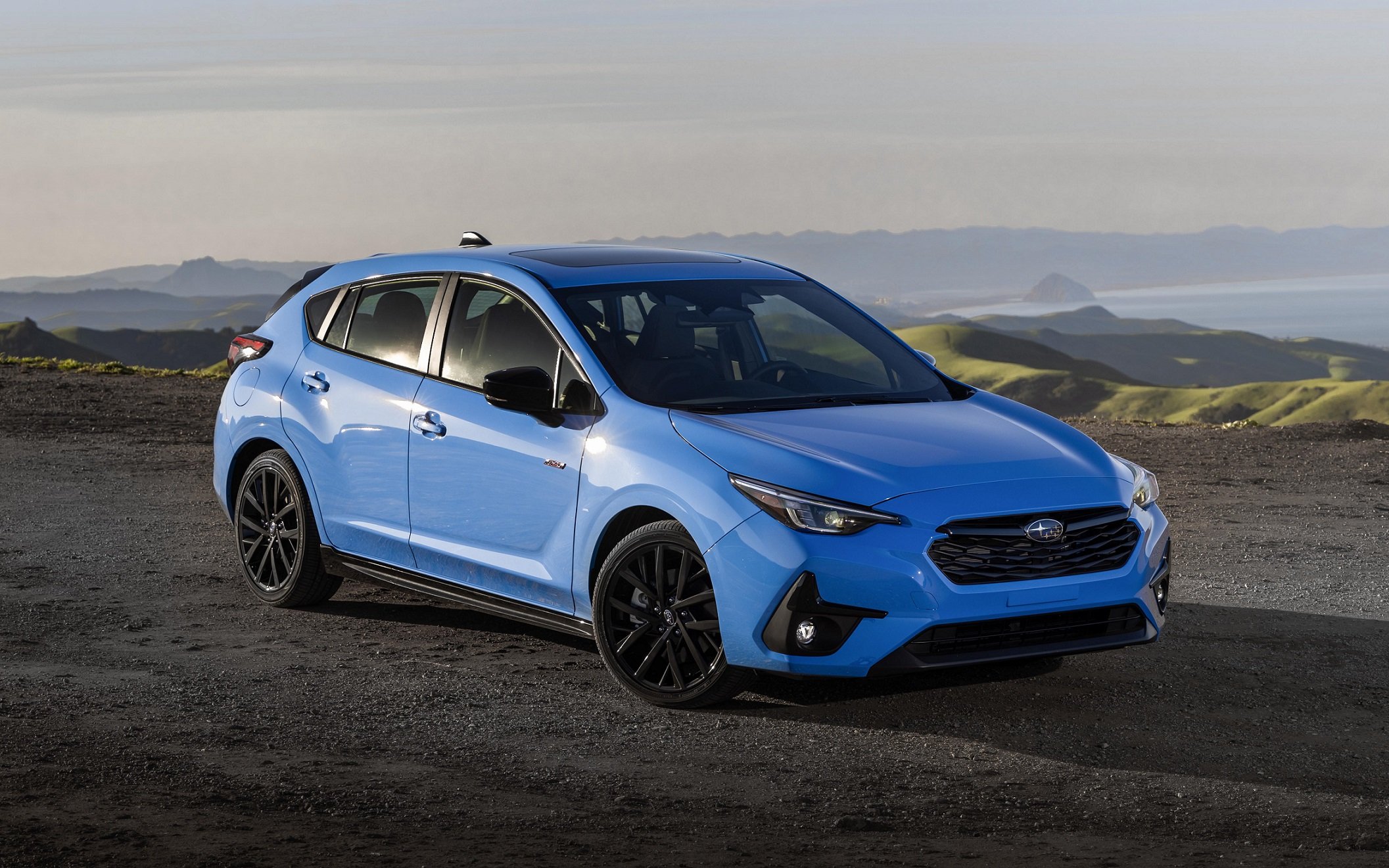
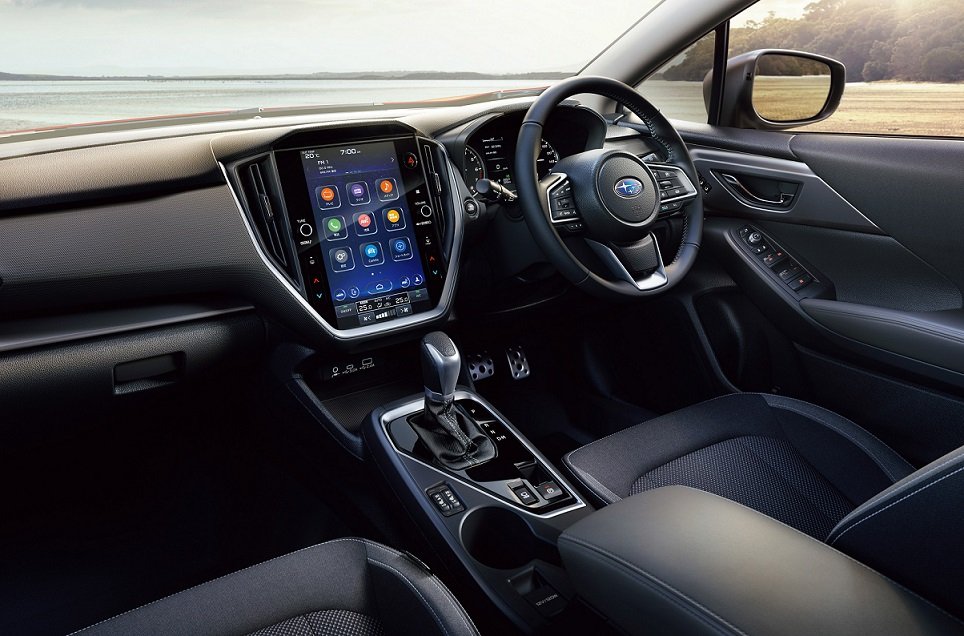
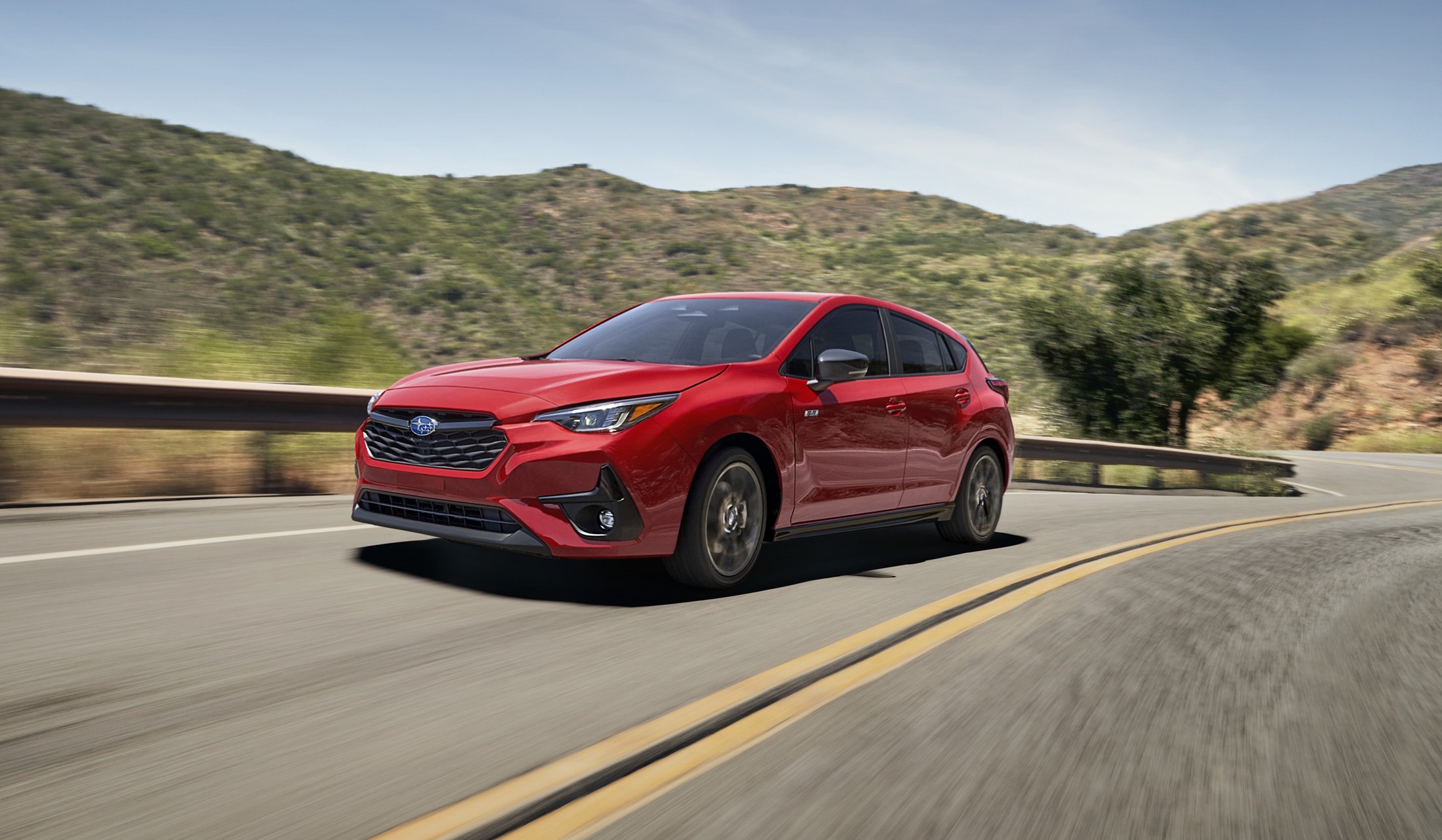
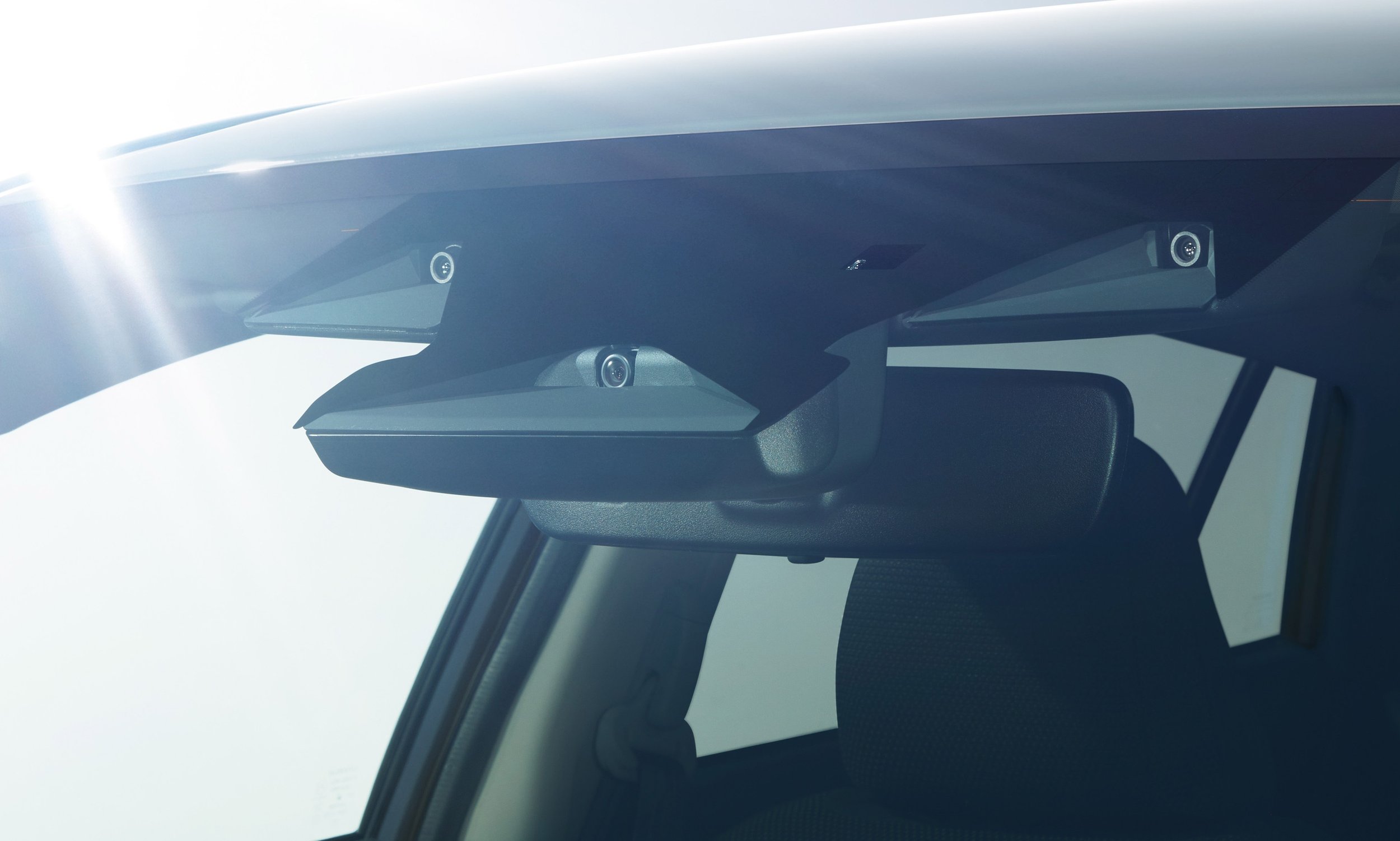
Subaru Impreza 2.0-S (hatch only): $43,000 driveaway approx.
The only small hatchback you can have with all-wheel drive, great for anybody with steep and potentially slippery driveways, who visits or lives in regional areas with dirt roads or mountainous areas with snow or ‘black ice’ on corners.
Even just taking off from the lights in the pouring rain, and cornering on wet roads, it’s a significantly safer undertaking with AWD compared with a front-wheel drive. CVT saves fuel, Boxer engine offers low centre of gravity.
The Impreza is $3000 cheaper and has the superior all-weather drivetrain that will offer better grip in dodgy driving conditions than the K4, but does have a tiny boot. A problem solved with roof racks and a pod.
Boot size: 291 litre (back seats up), 883L (back seats down)
Ground clearance: 130mm
Wheelbase: 2.67m
Transmission: Continuously variable transmission, 8-speed
Engine: 2-litre Boxer | Fuel: 91 RON petrol (Tank: 50 litres)
Power: 115kW @ 6000 revs | Weight: 1472kg | Power-weight ratio: 80.1 kW/t
Economy: claimed combined fuel 7.5L per 100km
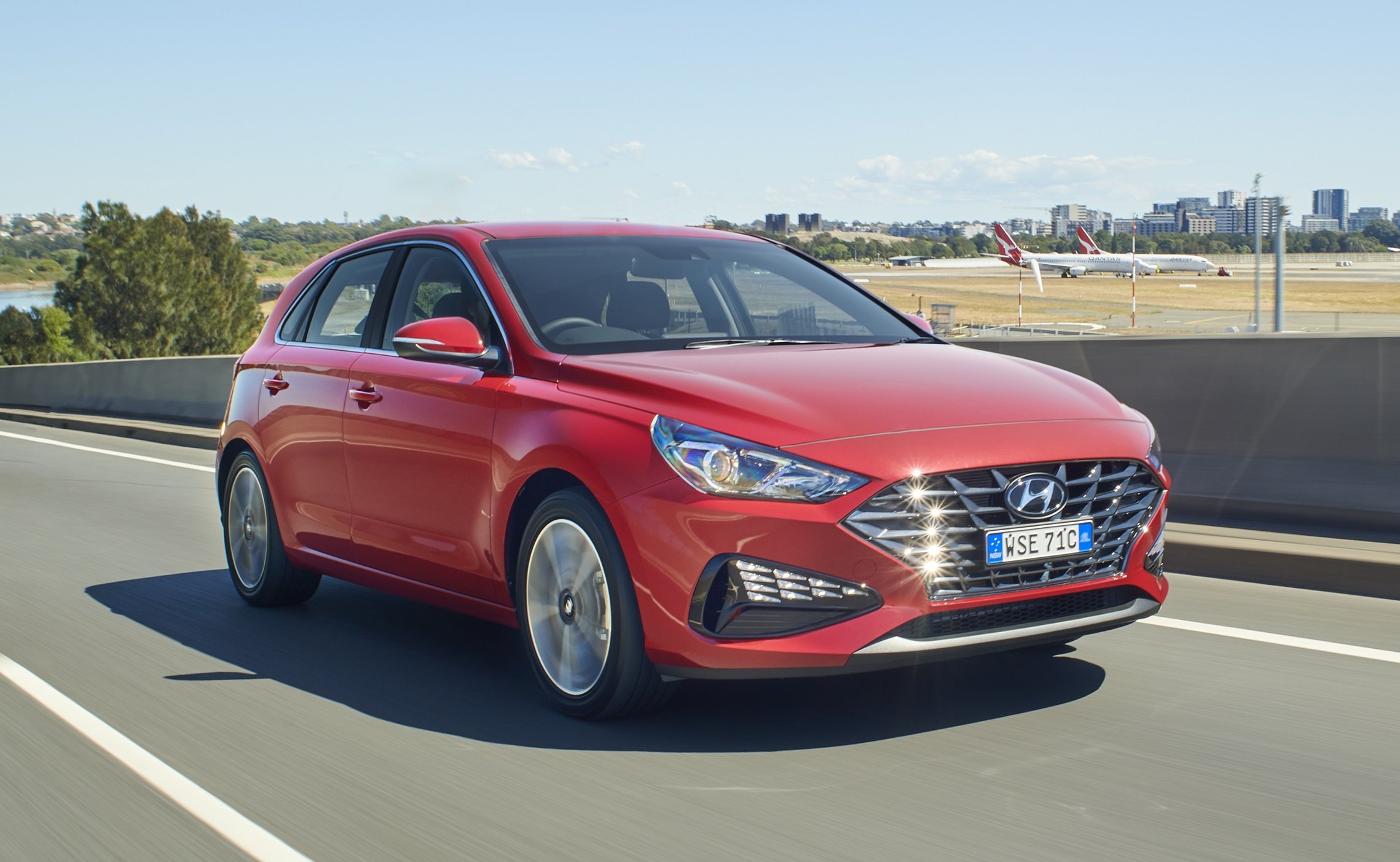
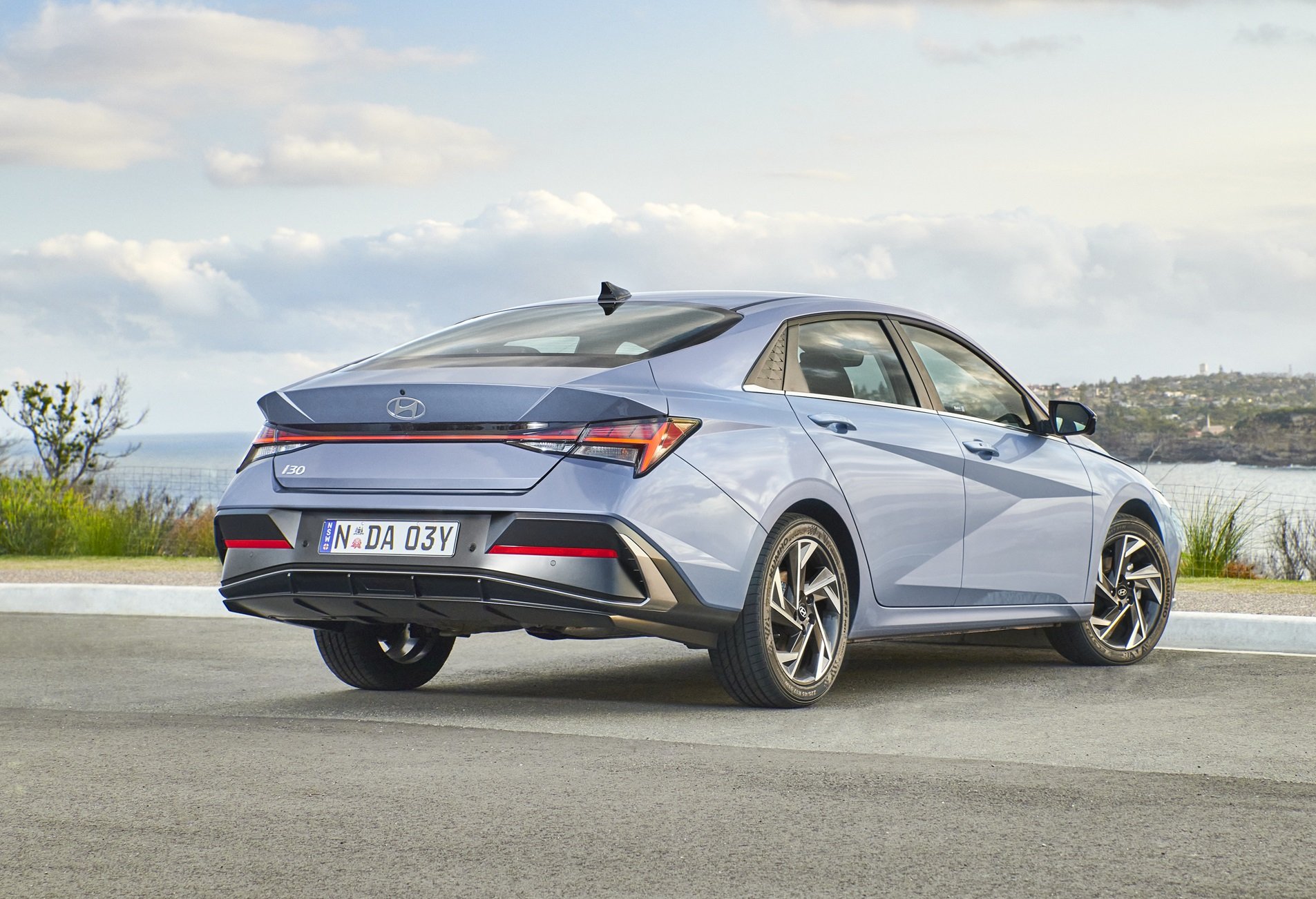
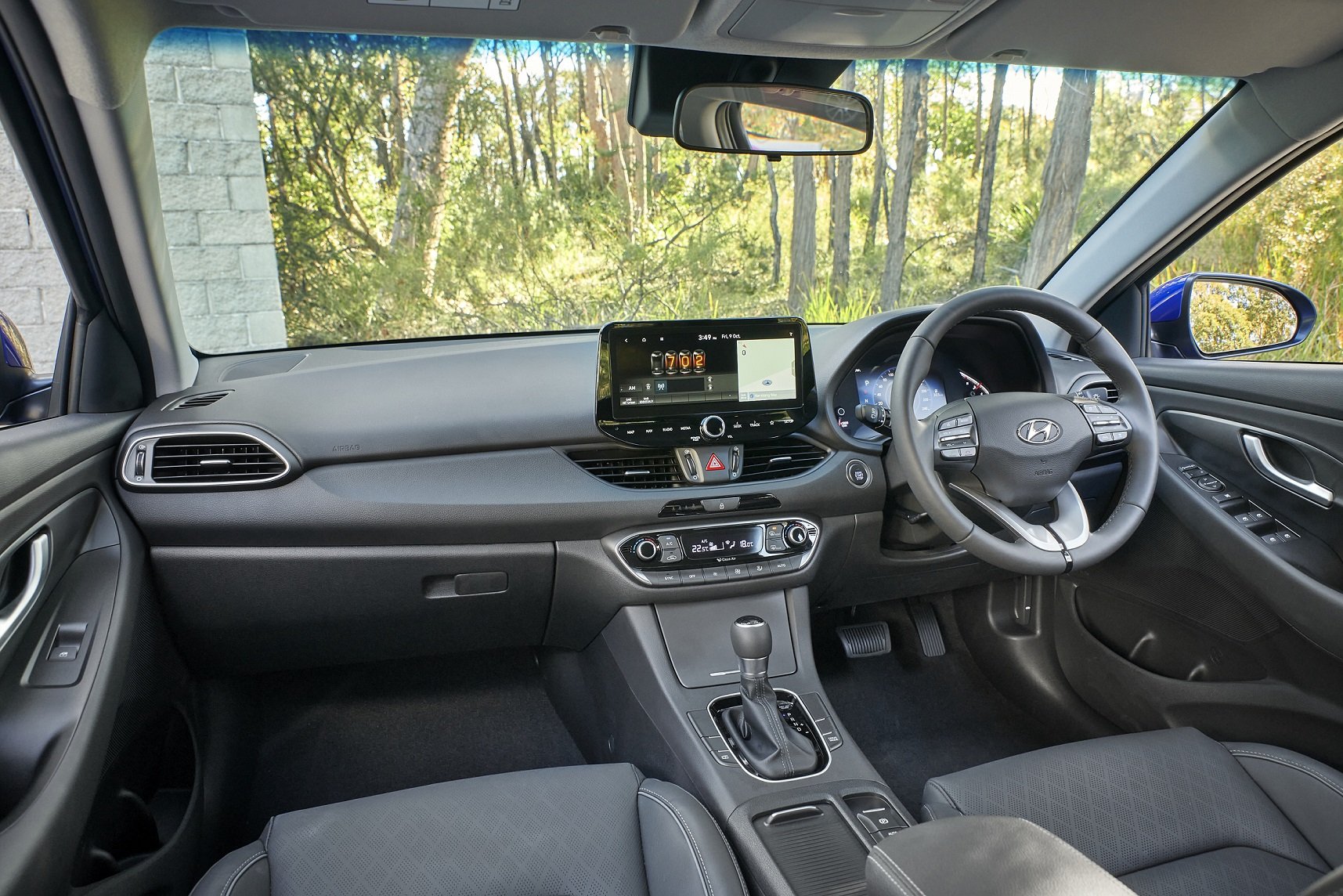
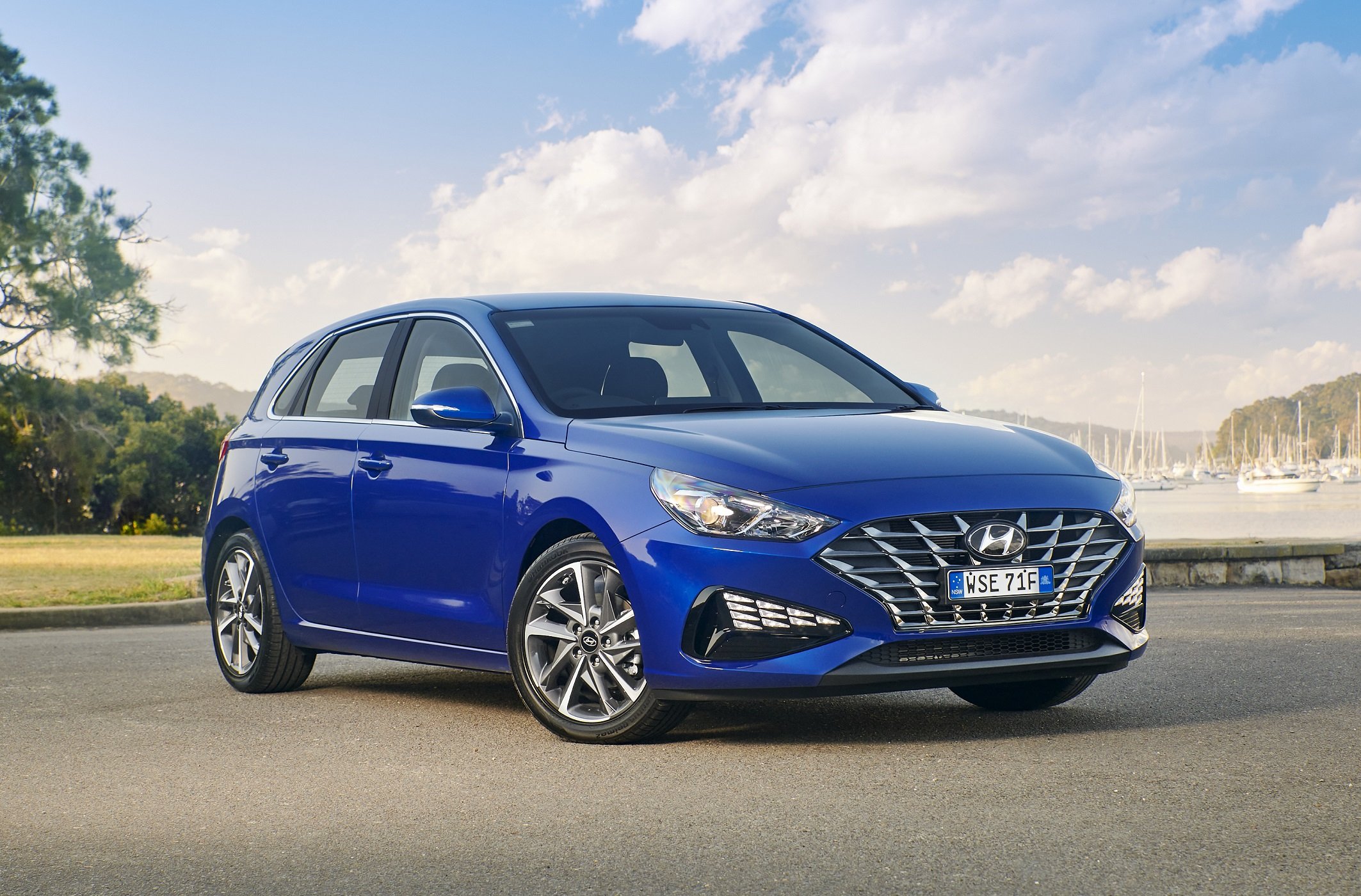
Hyundai i30 N-Line Premium (hatch/sedan): $46,000 driveaway approx.
Good value with a generous boot, the choice of either a turbo-petrol 1.6 performance engine, hybrid, or low-spec economical 2-litre engine. Hybrid specs not cited below.
Dual-clutch transmission is ideal for sportier driving while the regular 6-speed epicyclic auto will favour more modest daily-commuter stop-start driving. But either can do a decent job of the other driving scenario. Sedan i30’s styling might be a bit aggressive for some aesthetic tastes.
The i30 N-Line has a better power-weight ratio than the K4, but has a much older interior in the hatch. It also shares the same platform as the K4, and costs slightly less.
Boot size: 395 litres (back seats up), 1301L (back seats down)
Ground clearance: 135-140mm
Wheelbase: 2.65m
Transmission: Auto 6-speed OR dual-clutch 7-speed
Engine: 2-litre 4-cyl OR 1.6L turbo 4-cyl
Fuel: 91 RON petrol (Tank: 51 litres)
Power: 120kW @ 6000 revs OR 150kW @ 6000 revs | Weight: 1382kg (auto), 1472kg (DCT)
Power-weight ratio: 88 kW/t (Elite 2L auto) OR 109 kW/t (N-Line hatch)
Economy: claimed combined fuel 7.1L (DCT), 7.4L (auto) per 100km
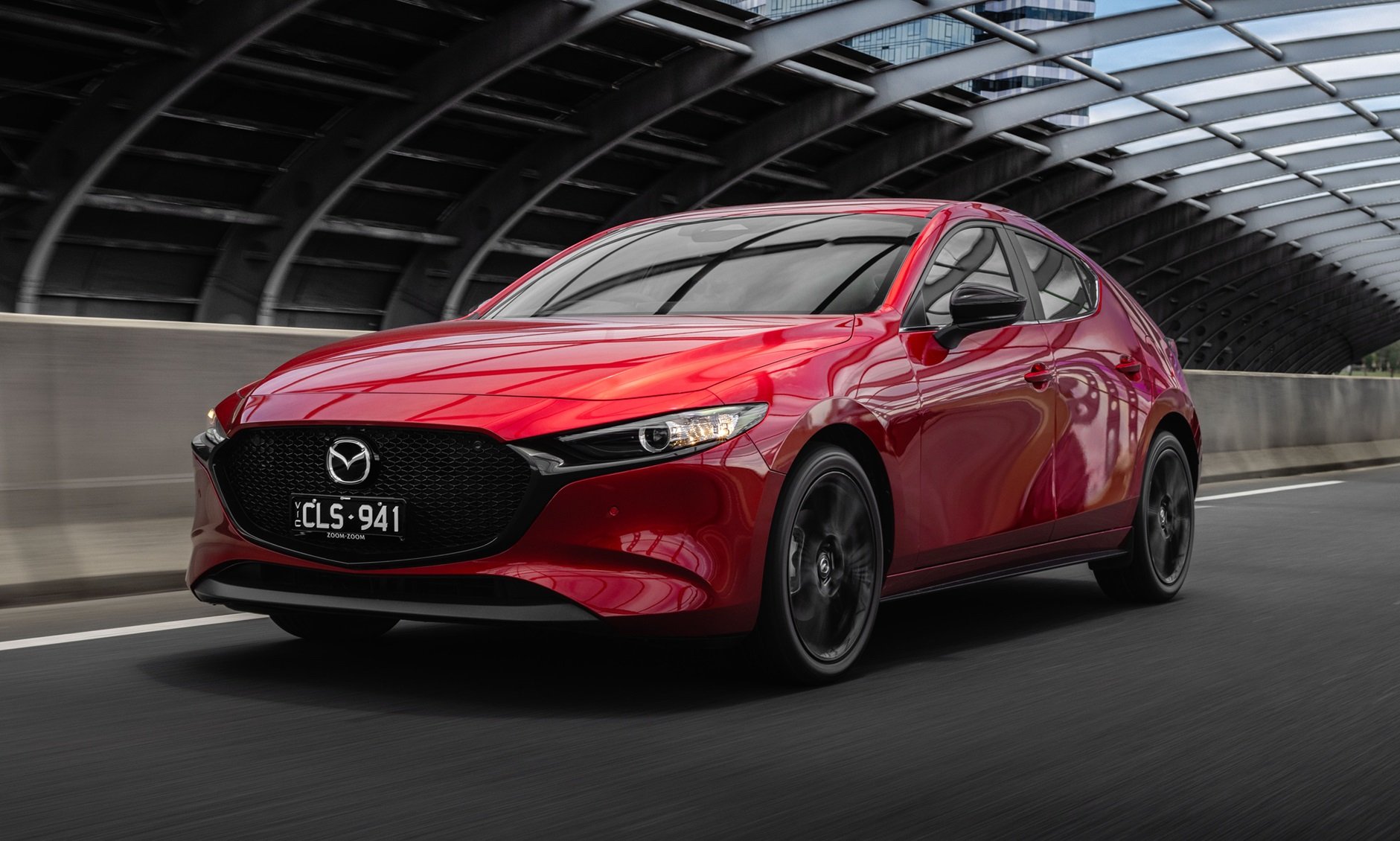
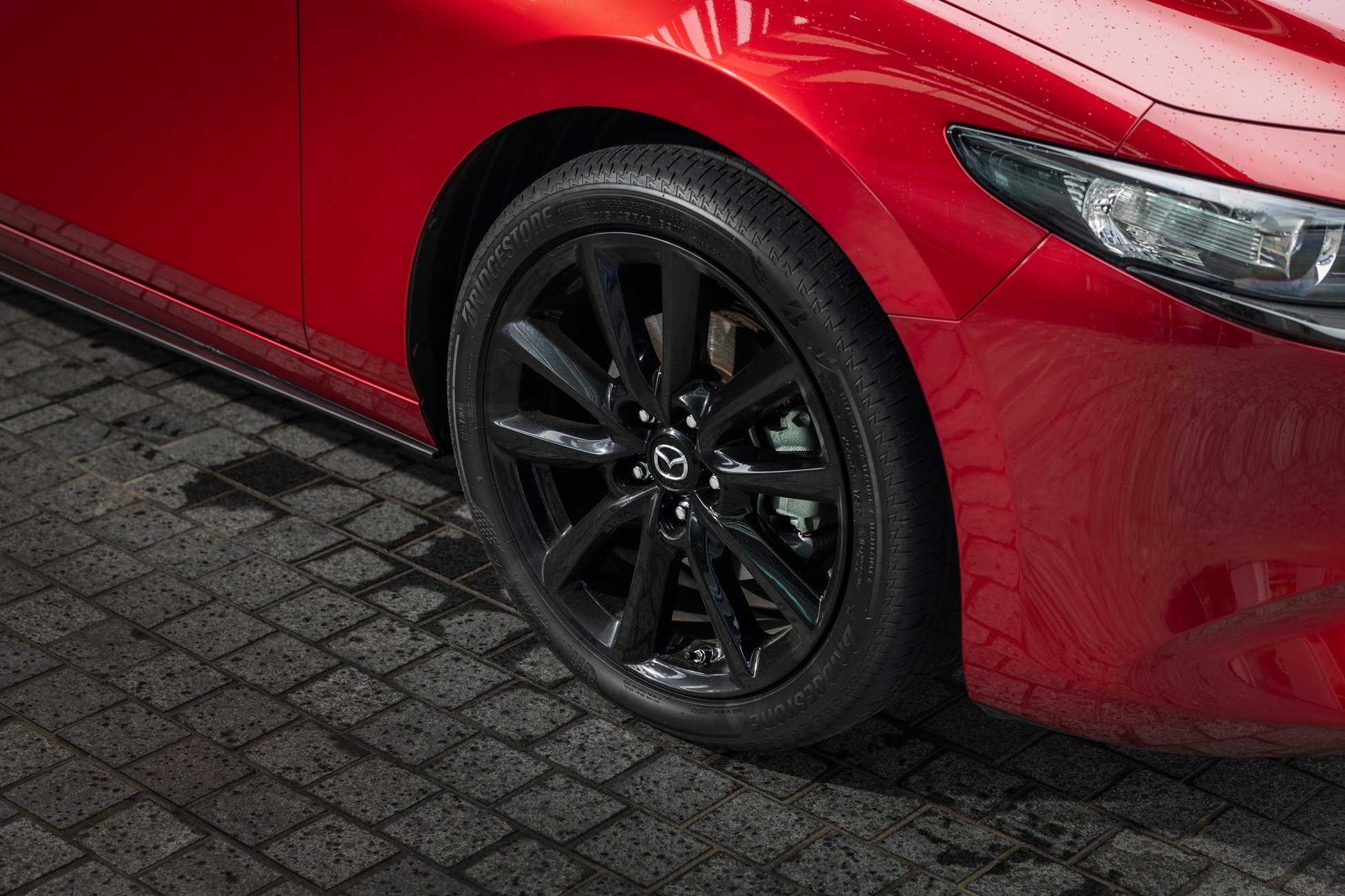
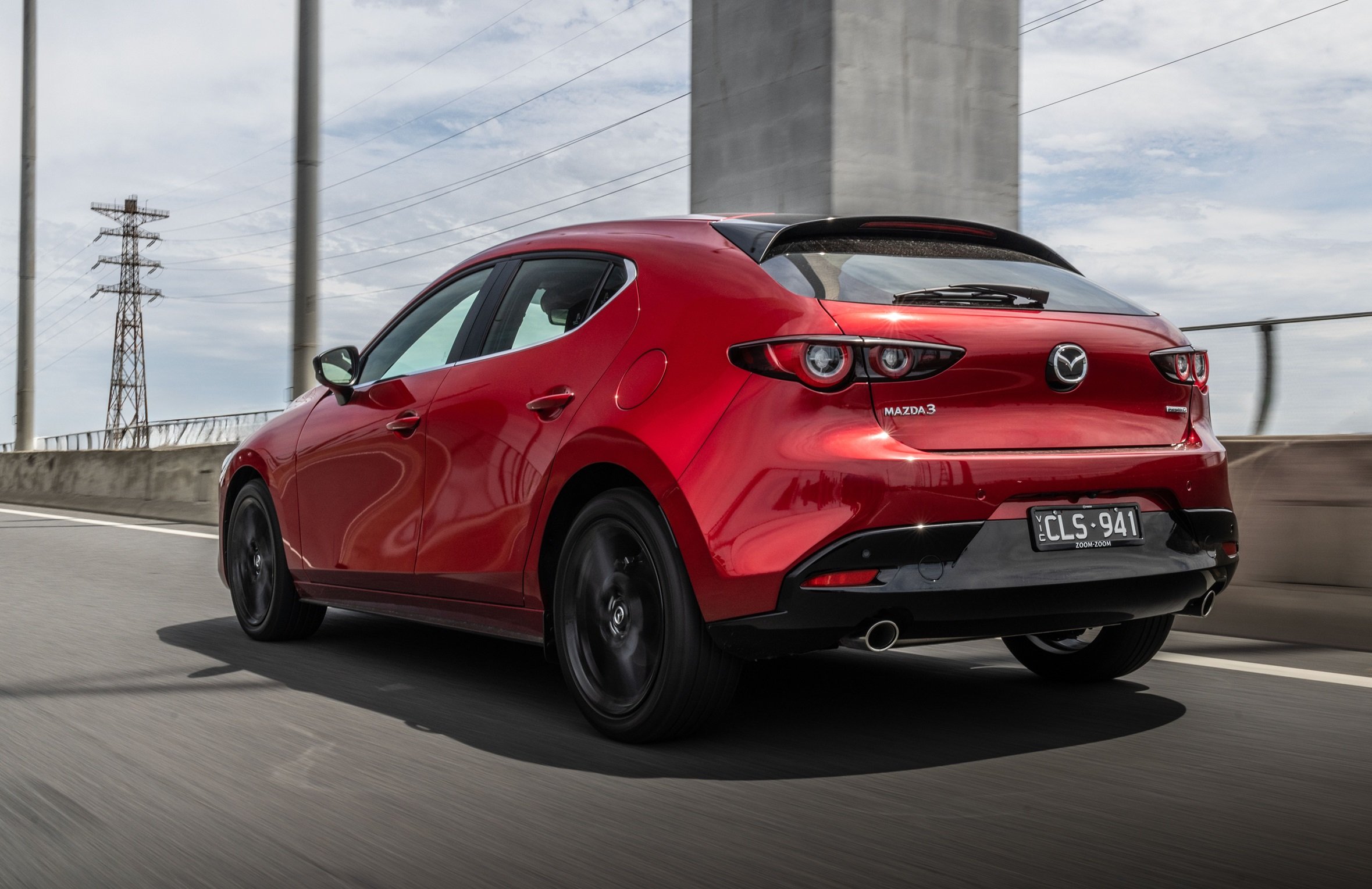
Mazda 3 G25 Astina (hatch/sedan): $47,700 driveaway approx.
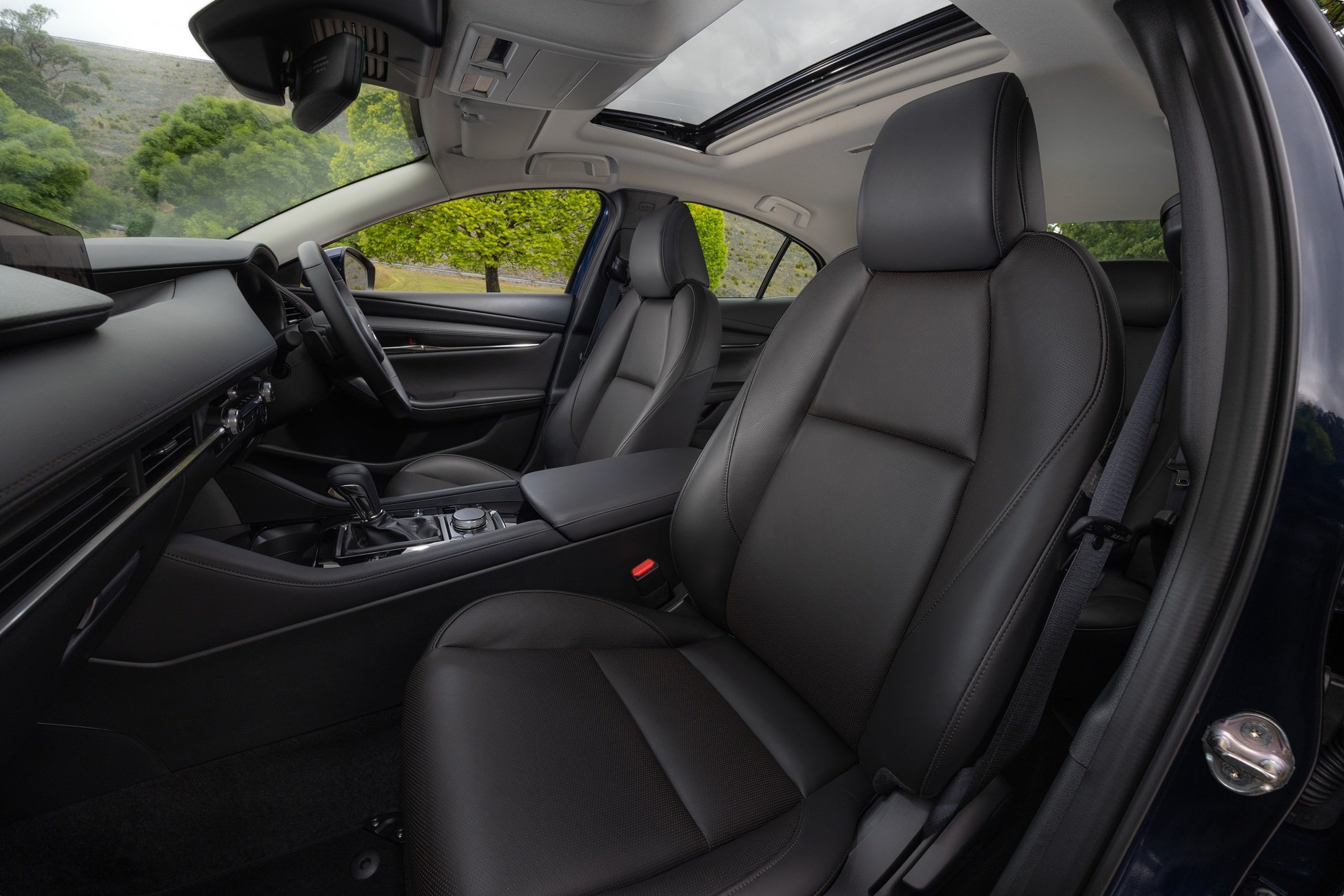
Certainly the most attractive vehicle of the bunch with the nicest interior to sit in. Lovely cabin layout, premium-feeling materials (especially on Astina) and styling that Alfa Romeo should be reverse engineering because the Mazda 3 looks timeless, borderline classic even.
Moderately sporty 2.5 SkyActiv engine is naturally aspirated and a peach to drive if you want something much more exciting than the Corolla and Impreza without going as aggressive as the turbo 1.6 engine in the i30 N-line. But either engine, with the same transmission, is going to make daily driving in mundane traffic and weather a much nicer routine.
Mazda 3 Astina has a better power to weight ratio than the K4 GT-Line, but a much smaller boot (even the sedan).
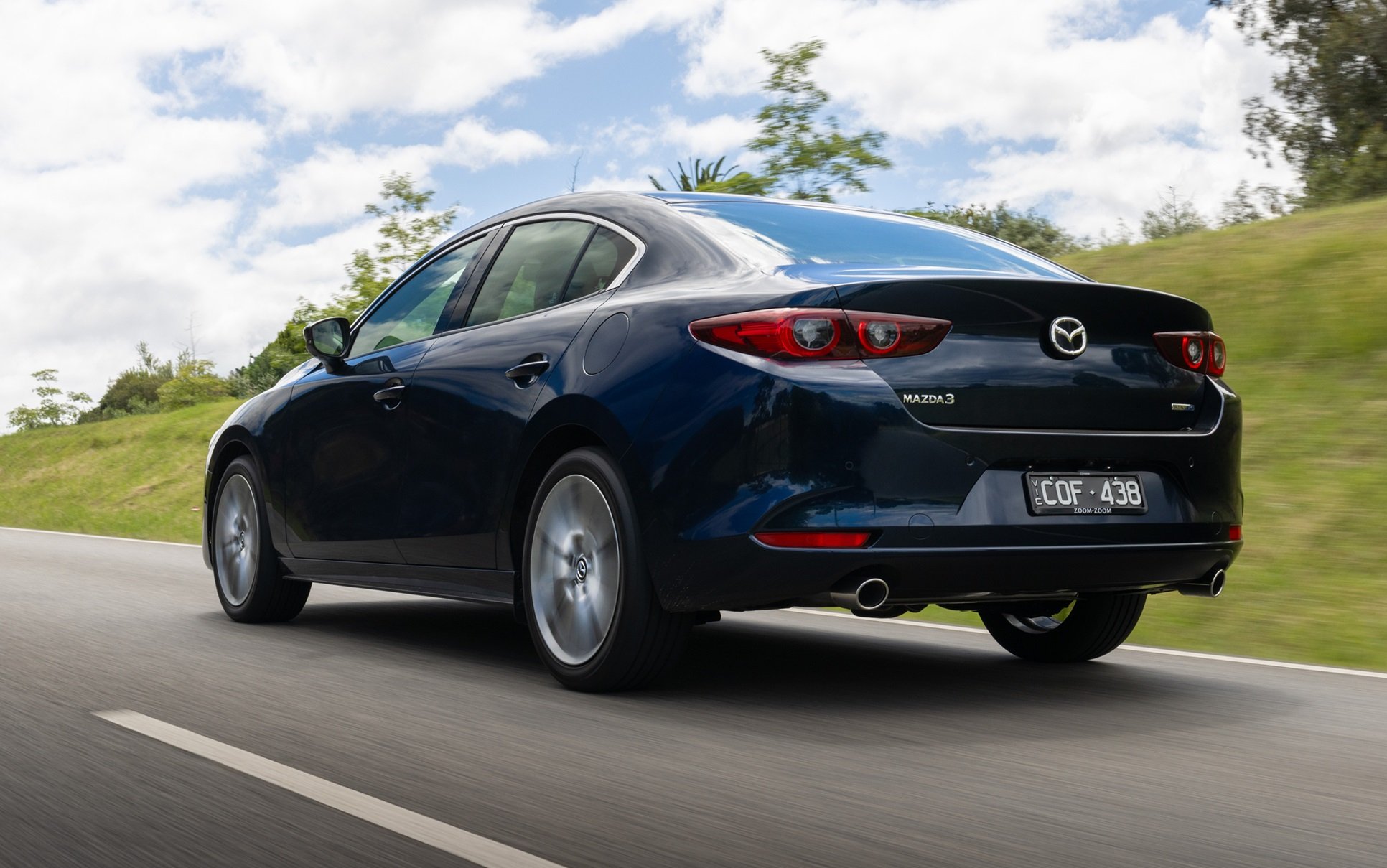
Boot size: 295 litres (back seats up)/ 444L (sedan)
Ground clearance: 150mm
Wheelbase: 2.72m
Transmission: Epicyclic auto 6-speed
Engine: 2.0L aspirated 4-cyl OR 2.5L 4-cyl turbo | Fuel: 91 RON (Tank: 51 litres)
Power: 114kW @ 6200 revs OR 139kW @ 6000 revs | Weight: 1383kg (G25 Astina hatch)
Power-weight ratio: 103 kW/t (G25 Astina hatch)
Economy: claimed combined fuel 6.6L (2.5L), 5.9L (2L) per 100km
Toyota Corolla ZR hybrid (hatch/sedan): $44,900 driveaway approx.
The hatch or sedan you buy if you don’t want to think too hard about which one to buy - that’s not a criticism. Corolla is a very good little car and has more than proven its chops.
The multi-point engine (prioritises fuel economy) and CVT transmission aren’t particularly exciting to drive, and that’s okay because not everybody wants an interesting car; some just want a tool for the task. Offered in front-wheel drive only, it goes and steers okay, but is a bit numb and the cabin is bit boring, but again - that’s okay.
Corolla hybrid has taken the hybrid concept to a wider consumer audience and while it will struggle to save you money on fuel long-term due to the higher overall retail cost, it does reduce emissions during take-off by using the kinetic energy captured during braking and coasting that would’ve otherwise been wasted.
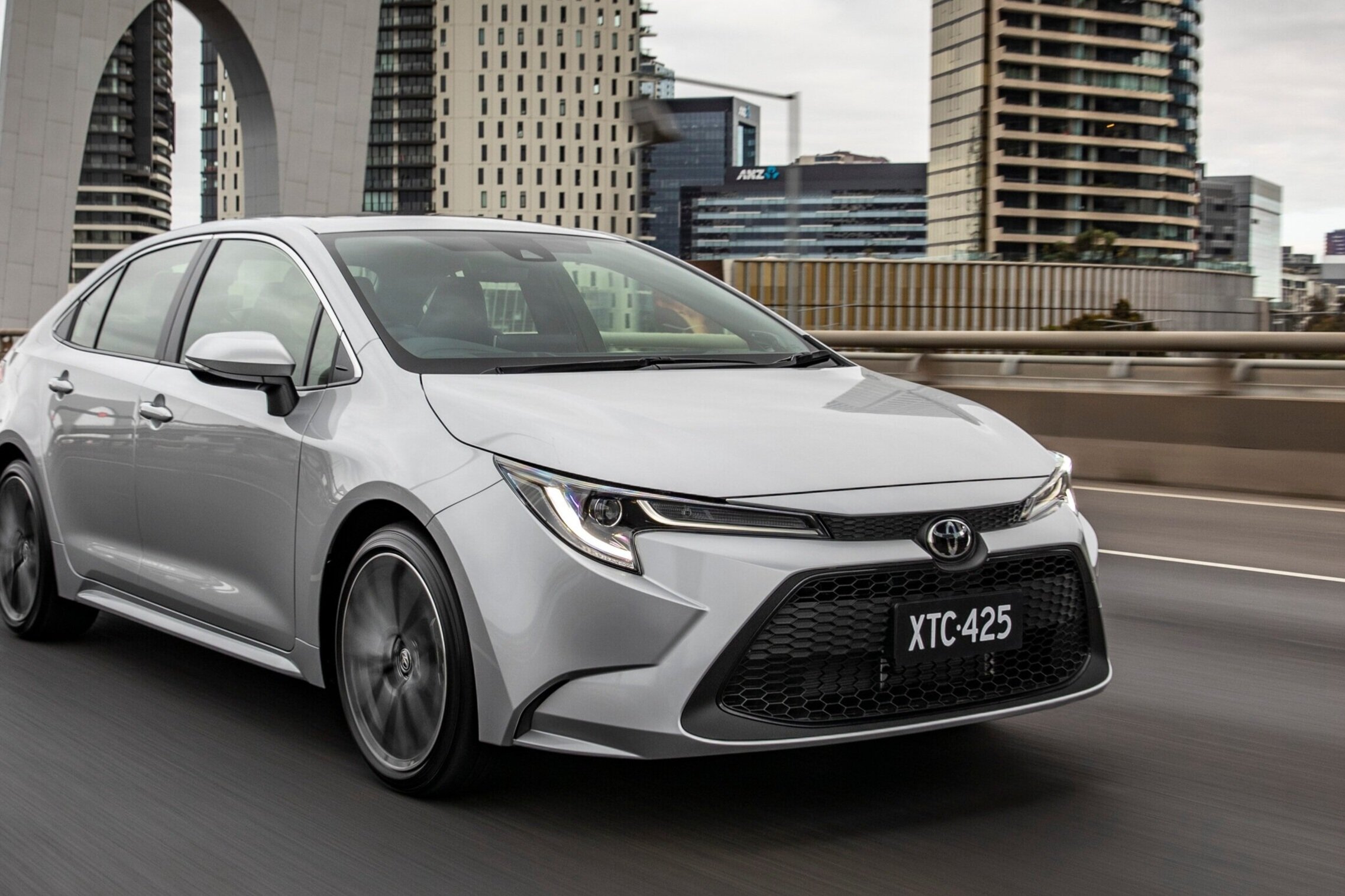
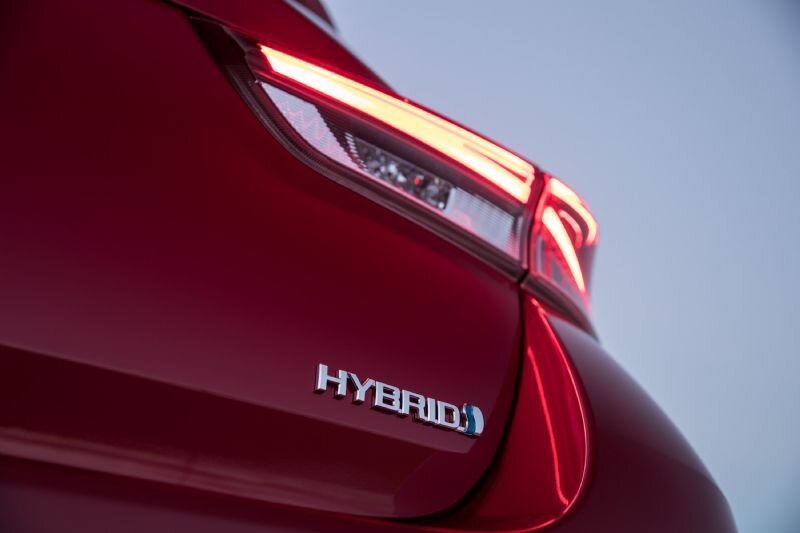
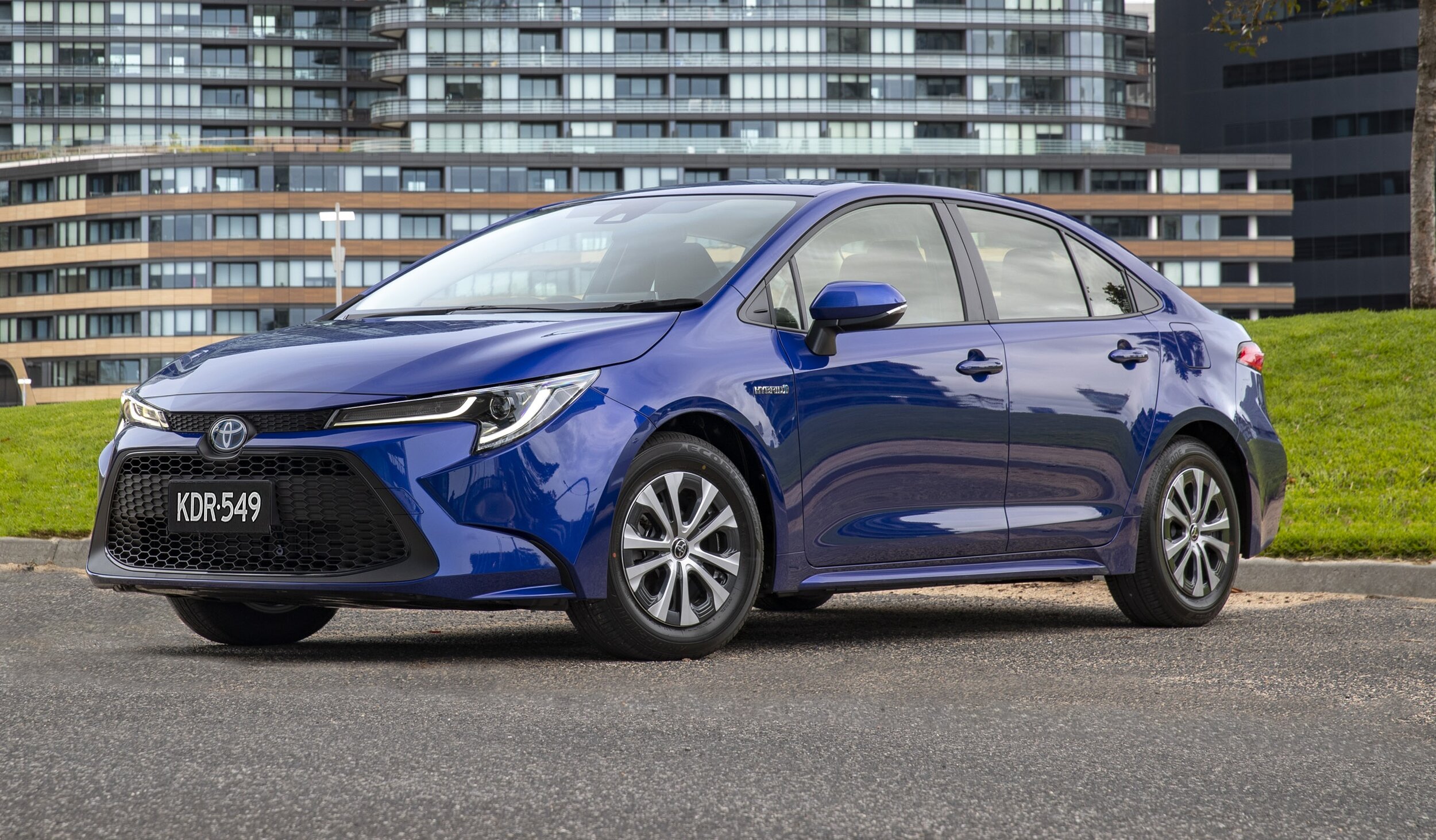
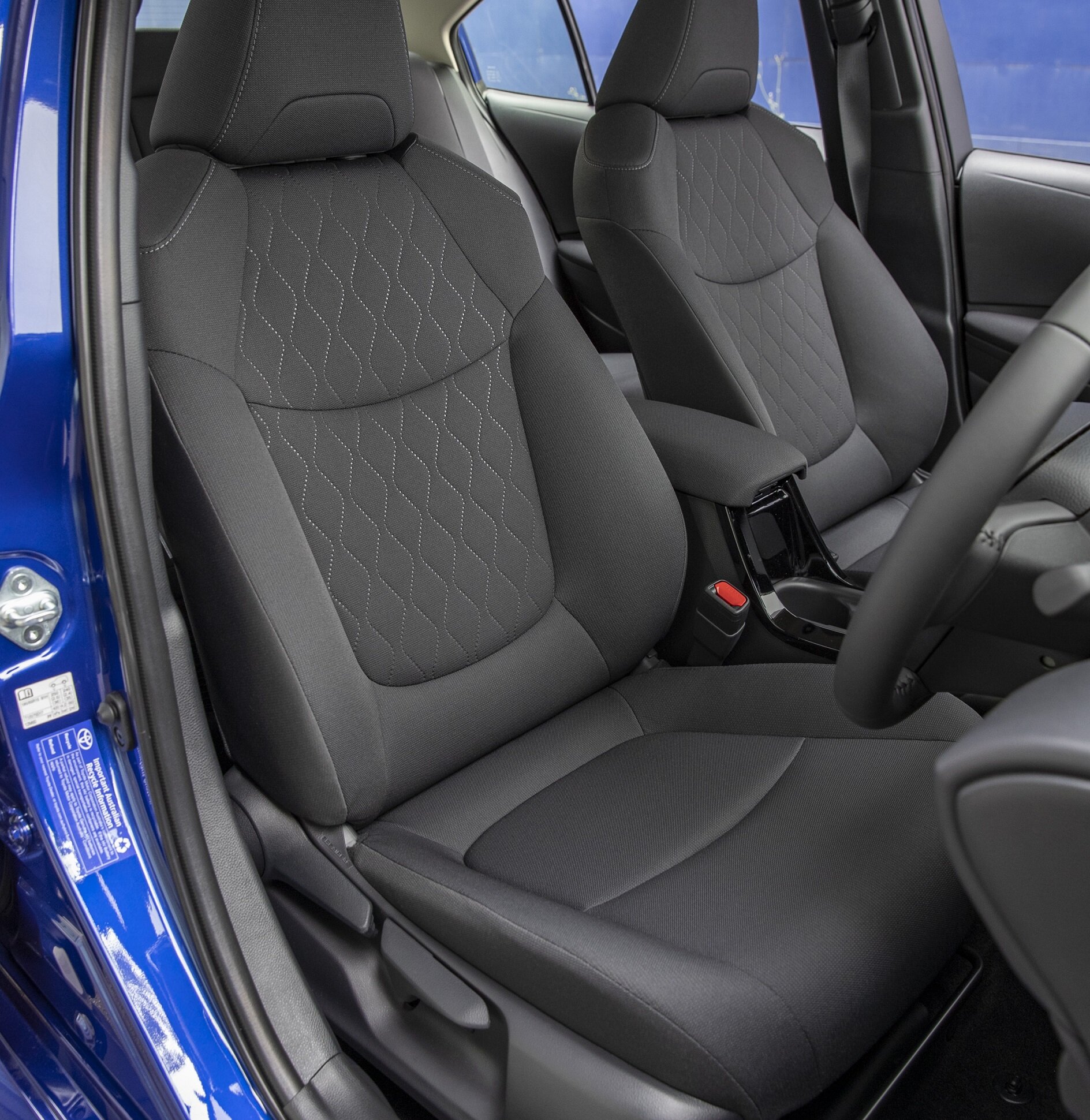
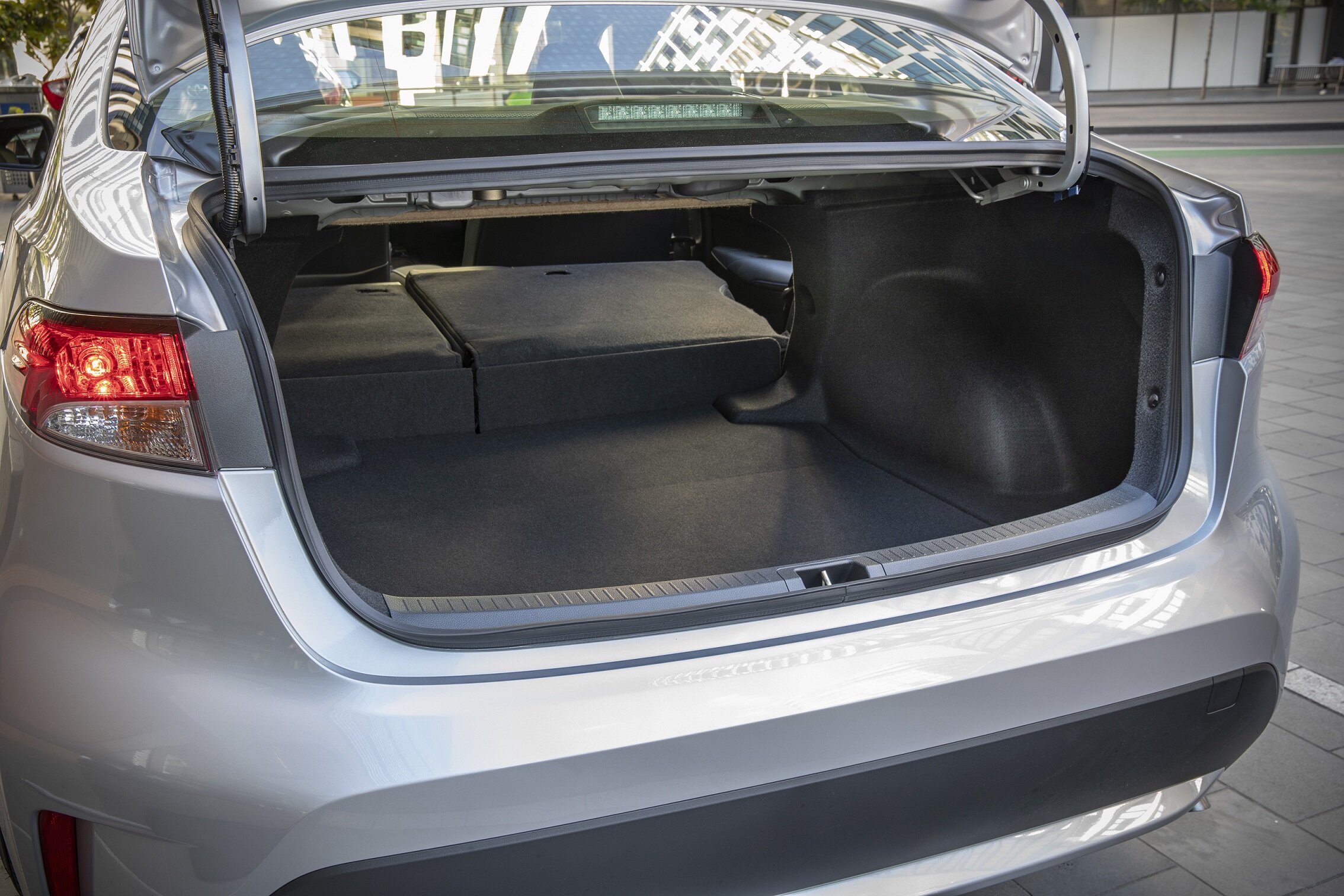
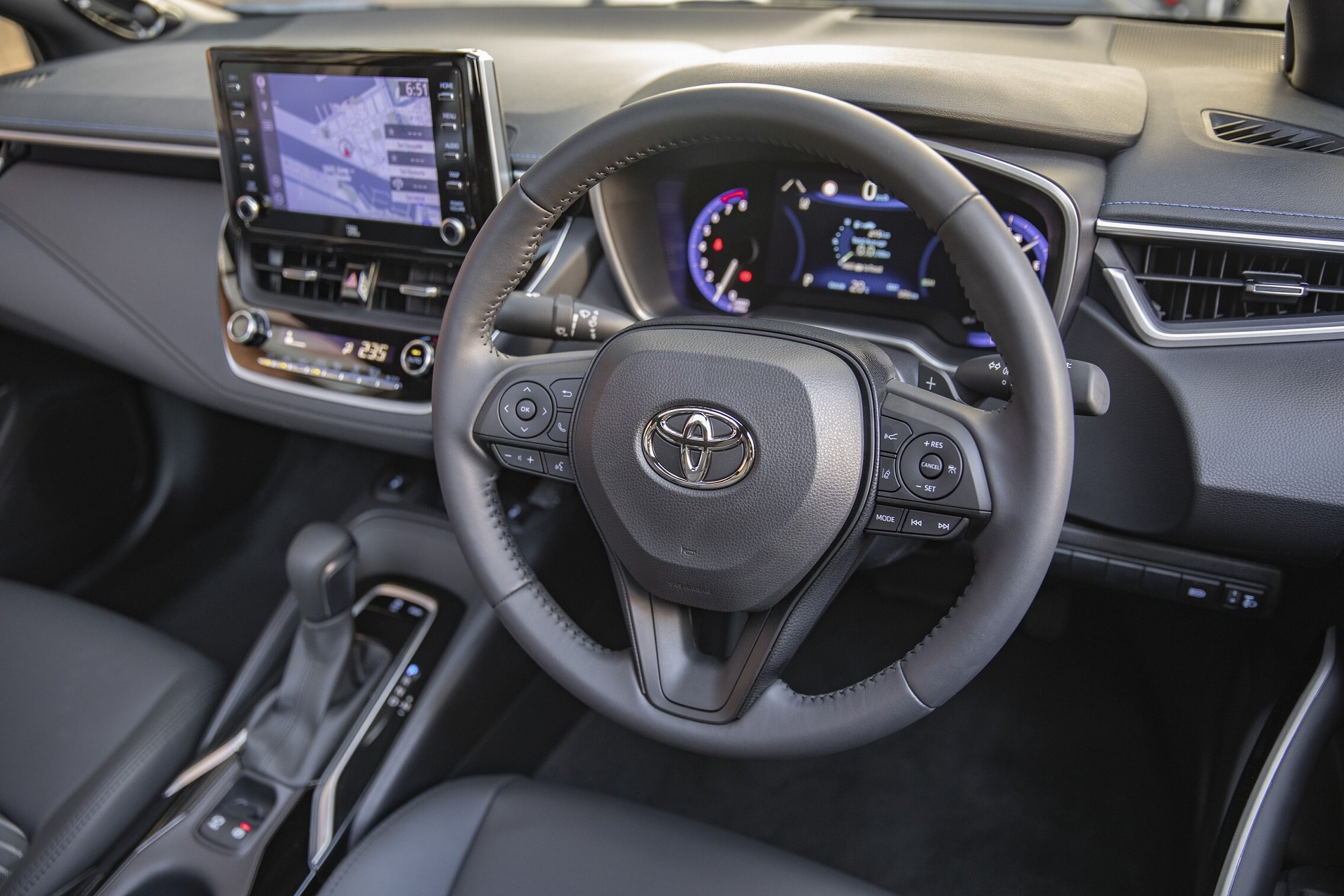
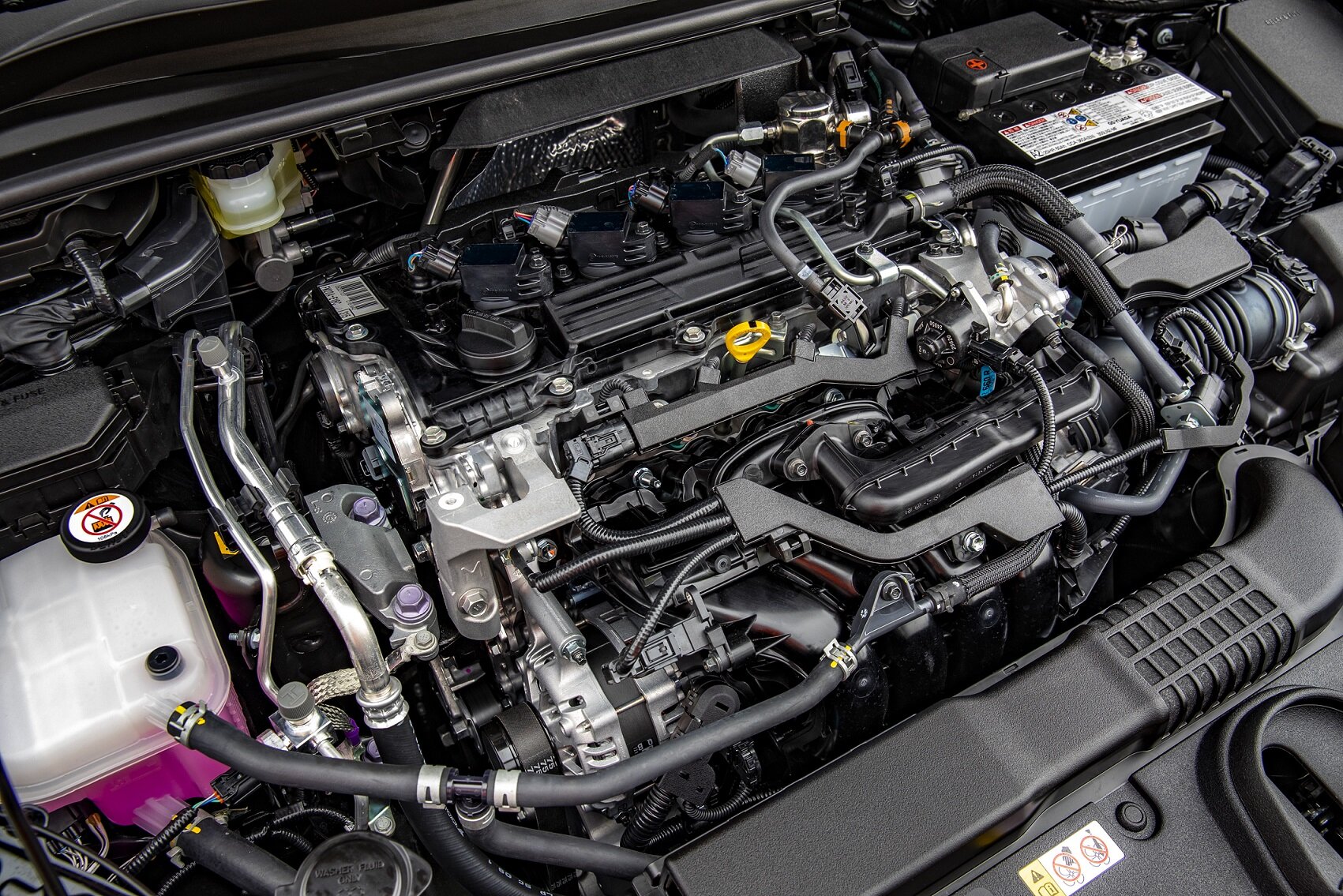
Boot size: 333 litres (back seats up)/ 470L (sedan)
Ground clearance: 130mm
Wheelbase: 2.64m
Transmission: Epicyclic auto 6-speed
Engine: 1.8L hybrid 4-cyl OR 2.0L 4-cyl | Fuel: 91 RON (Tank: 43L (hybrid), 50 litres (combustion-only))
Power: 103kW OR 126kW | Weight: 1430kg (hybrid), 1410kg (combustion)
Power-weight ratio: 75 kW/t (ZR hybrid hatch), 72 kW/t (ZR hybrid hatch)
Economy: claimed combined fuel 3.9L (hybrid), 5.9L (combustion) per 100km
CONCLUSION
Overall, the Kia K4 offers one of the biggest cabins of its class, very good driving dynamics for its size, you do get Kia’s class-leading seven-year / unlimited kilometre warranty.
If you never visit a single dirt road and spend close to zero per cent of your life camping or touring the regions, then a front-wheel drive Kia K4 is absolutely going to fit the bill as a modest family car that sips fuel, takes a bunch of stuff in the boot and happily handles a couple of child restraints in the back with a pair of grown-ups in the front.

For what is an initially confronting pricetag of 47 grand for the GT-Line, you can have all the benefits of a modern, affordable and practical SUV, with all the modesty of a hatchback or sedan. It’s just a pity you have to spend silly Honda Civic money for the full potential of what the K4 can do.
The good thing here is that at least the K4 takes the styling forward from the previous Cerato whereas the Civic is a fair bet at boring you.
It’s just a shame the Cerato GT isn’t still around to wake you up and make you feel alive again, because the K4 probably isn’t going to do that for you anymore.
But if you just want a modern, comfortable and practical five-seat family sedan or hatch that feels effortless in the city and doesn’t drink as much fuel as an SUV while also carrying more stuff, the Kia K4 is a winner.

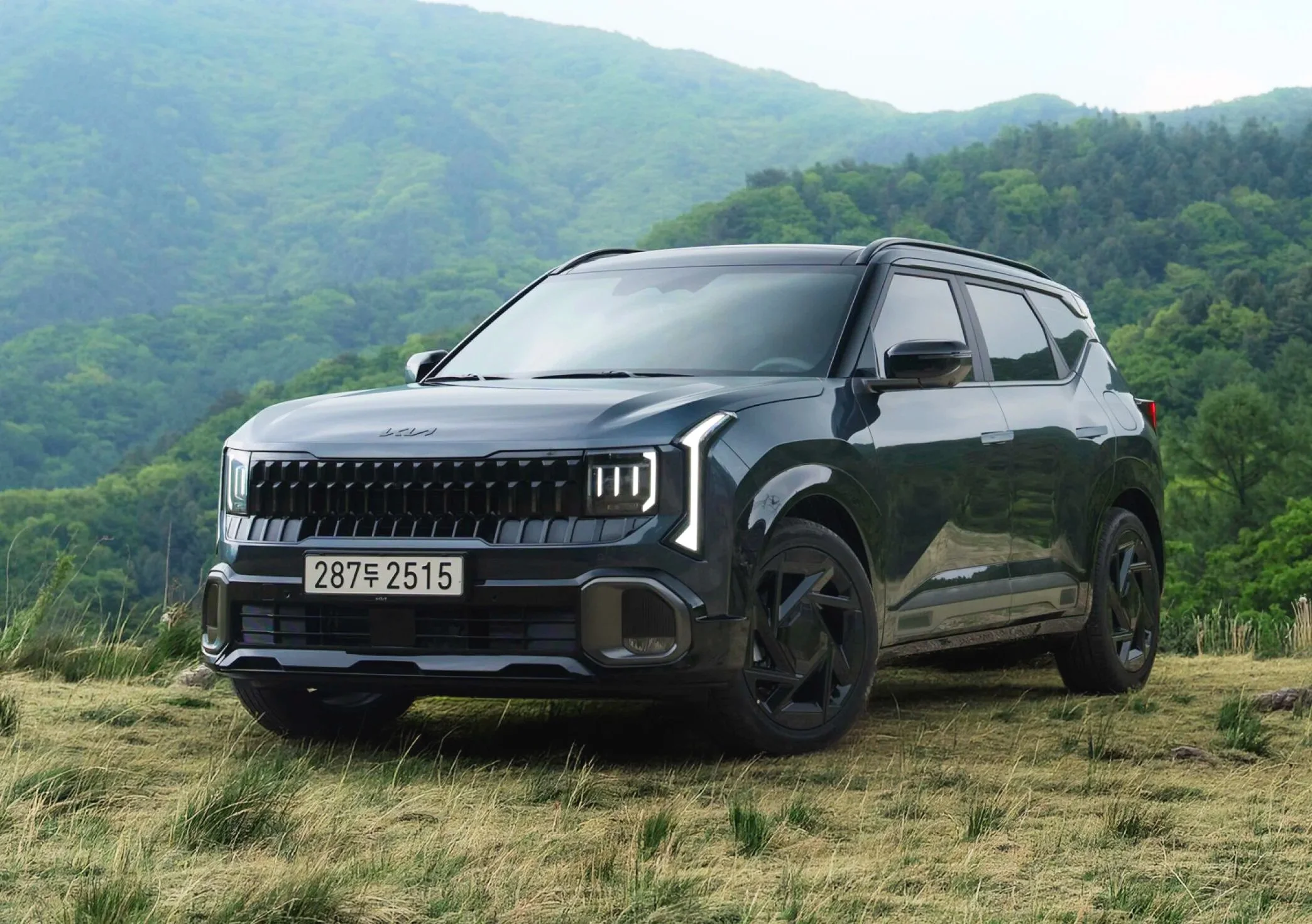




Hyundai Tucson looks futuristic and drives very nicely on Australian roads. It offers grunty, reliable engines, plenty of features and 5-seat practicality at a modest price that makes it an ideal, safe family SUV.