
Chery KP31 diesel PHEV ute: Toyota should have built this vehicle years ago
Chery has officially released the KP31 ute concept. It’s a 2.5-litre turbo-diesel plug-in hybrid (PHEV), which Chery is positioning as a world-first in the dual-cab ute class. The company is also claiming 47 per cent thermal efficiency, along with 1000kg payload and 3500kg towing capacity.
That is not a minor announcement. It’s proper market disruption.
And in a market where so many “new” utes are just recycled thinking with different badges, this is one of the most compelling powertrain ideas in a long time. It’s going on sale in Q4 of this year (2026).
The big questions are:
Should you wait for it?
Is it a big enough knife to slip into Hilux and Ranger’s guts?
On what we know so far: maybe yes to both.
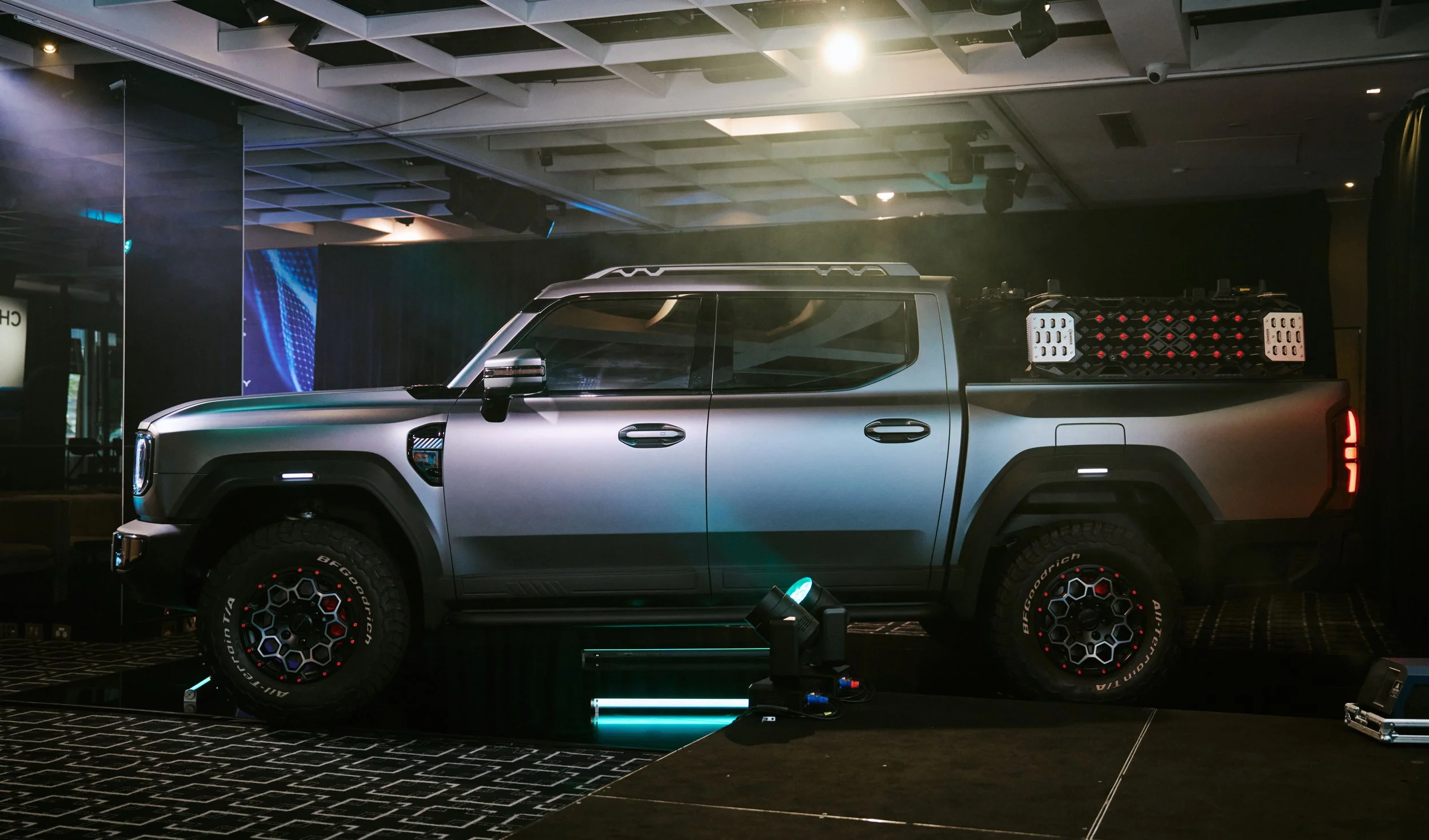
KP31 PHEV will be on sale in Q4 of 2026 with class-leading thermal efficiency from 2.5-litre turbodiesel
Why the KP31 matters
The dual-cab 4x4 ute market in Australia is enormous, and it remains one of the most important battlegrounds in the industry.
More importantly, the market is now clearly open to disruption.
BYD went from zero pedigree in utes to a massive result with Shark 6. GWM’s Cannon Alpha also lifted sharply, and the increase in Cannon Alpha sales from 2024 to 2025 is roughly the same as reported Cannon Alpha PHEV volume in 2025. In plain English: the PHEV appears to be doing the heavy lifting in the growth.
That matters, because it proves the market is willing to move when a brand offers the right combination of novelty, capability and value.
Chery appears to have noticed.
This probably won’t be a Shark 6-style powertrain
This is the key point.
My team saves new car buyers like you thousands on their next new car. There’s no stress and no obligation. Details here
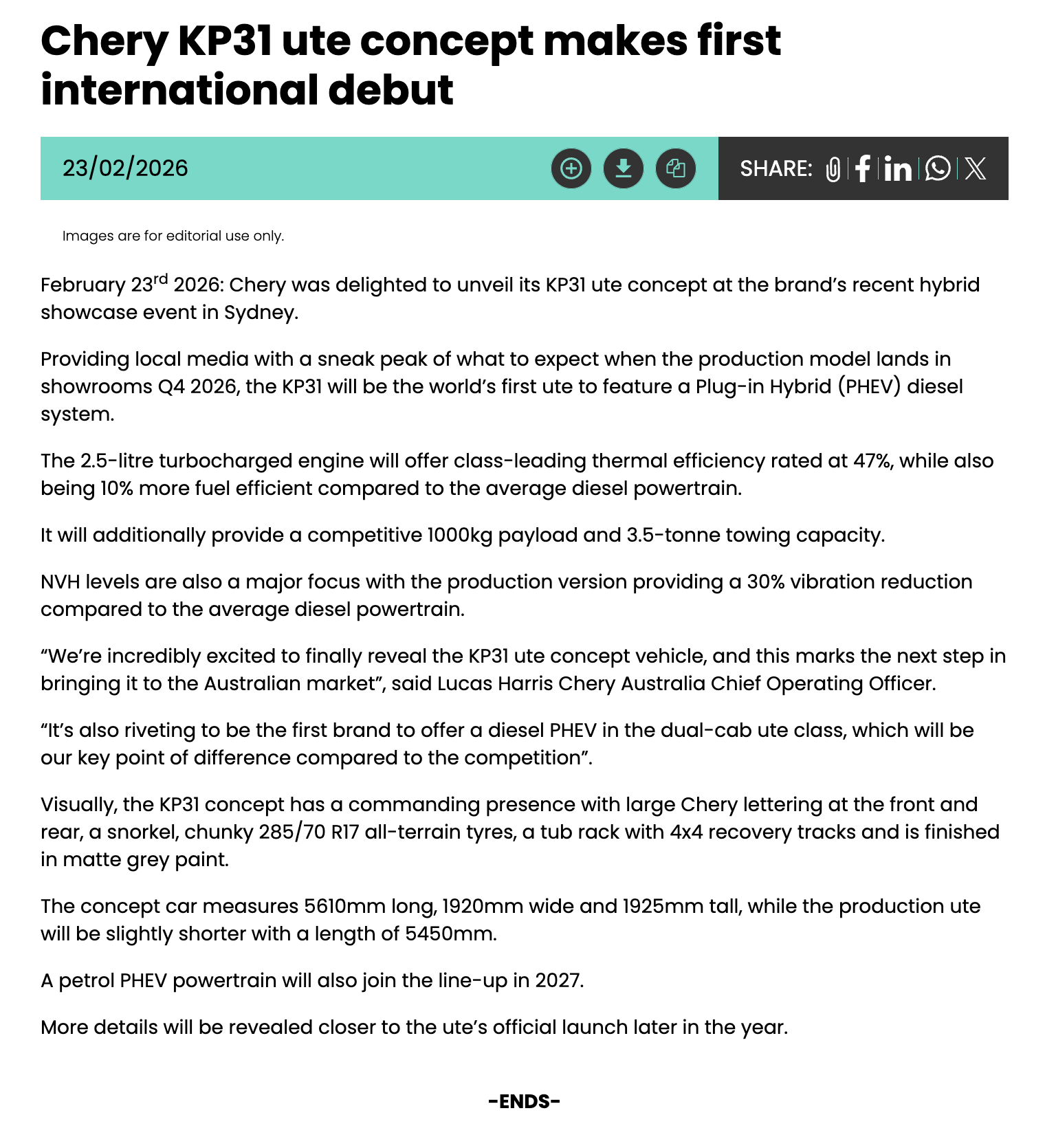
Chery Australia’s official announcement
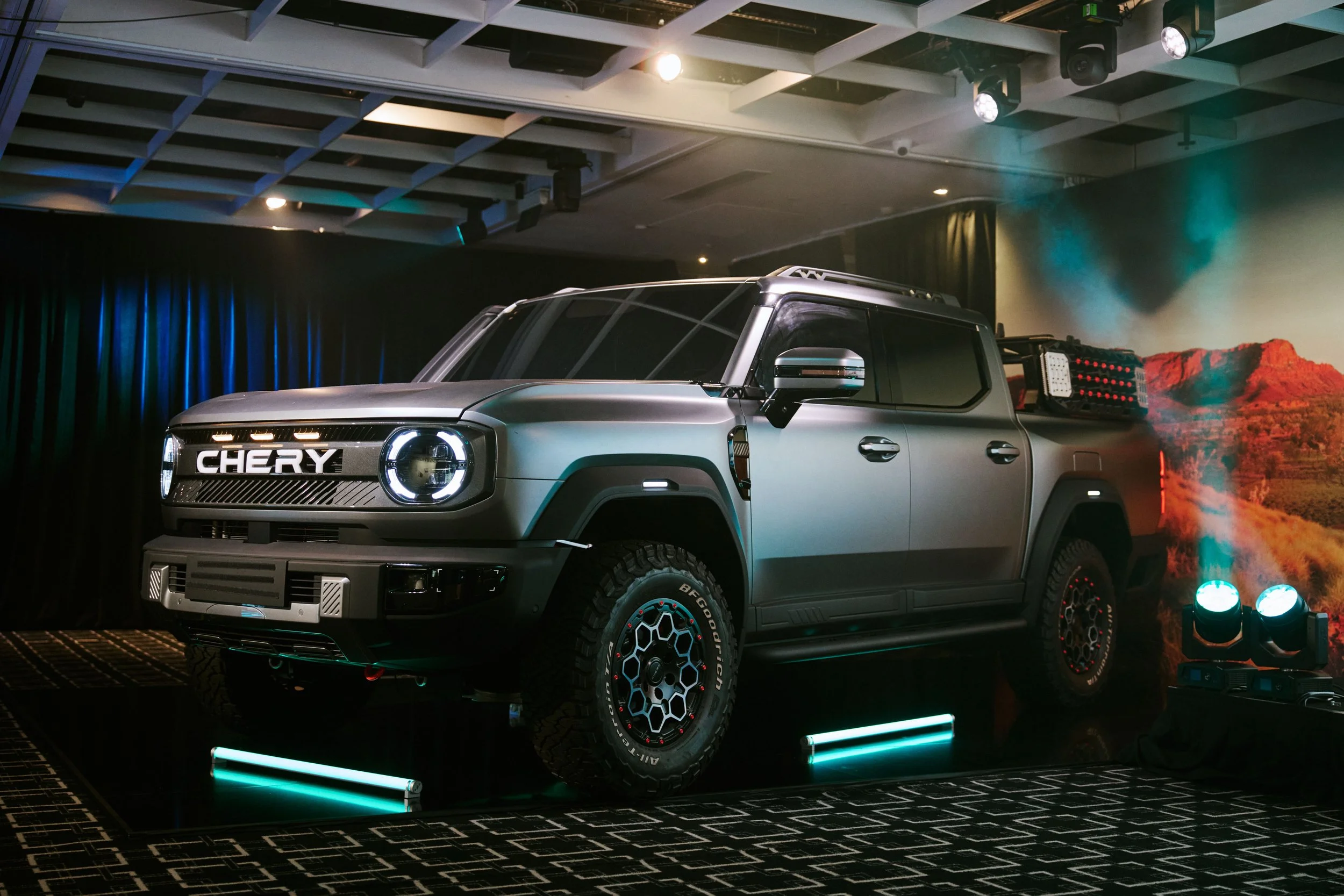
No news yet on peak system power, battery capacity or electric vehicle range
Underlying engineering
The KP31 is almost certainly being engineered more like a diesel-led hybrid (think more Cannon Alpha PHEV in concept) than a Shark 6-style execution.
Why?
Because Chery is clearly spruiking the diesel. Hard.
The headline is not “big EV power” or “sports-car acceleration” or “range-extender brilliance.” The headline is a 2.5-litre turbo-diesel, plus a very aggressive thermal-efficiency claim.
That suggests the diesel is the primary propulsion source, not a token engine existing mainly to support the battery and motors.
And frankly, a 2.5-litre turbodiesel would be overkill if this were basically a Shark 6 architecture.
A big diesel in a ute usually means the vehicle is being designed to do actual ute things:
tow heavy loads
haul weight
sit on the highway under sustained load
deliver strong mid-range torque
survive hard use
In that context, the hybrid system is more likely there to provide:
torque fill
launch assist
low-speed EV running
regeneration
better urban efficiency
In other words:
If it’s got a 2.5-litre turbo-diesel, Chery is almost certainly building a diesel ute with hybrid assist — not an electric ute with a token engine.
My team saves new car buyers like you thousands on their next new car. There’s no stress and no obligation. Details here
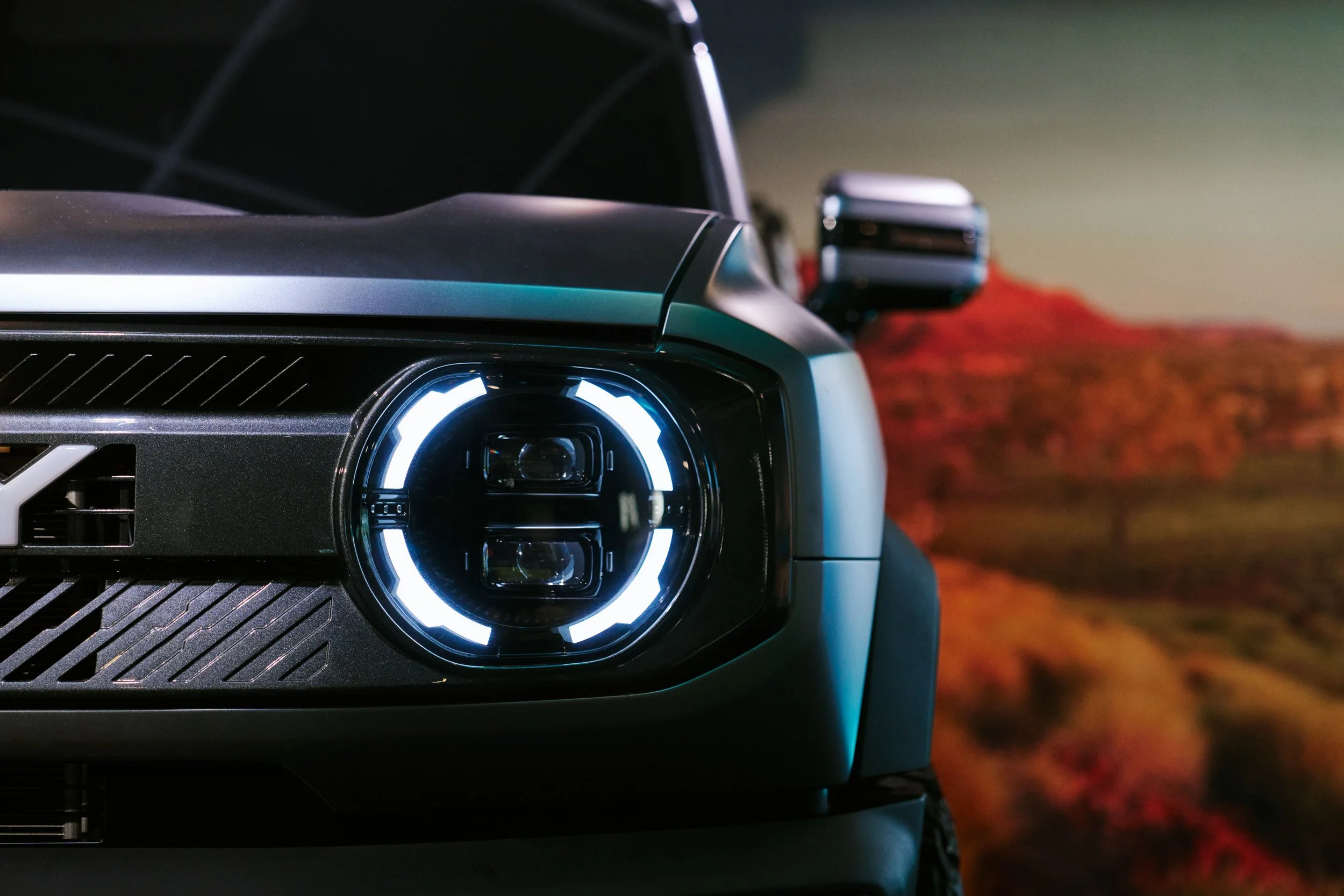
Amazing that the market’s first diesel PHEV ute is coming from China and not Japan or South Korea…
Probable KP31 powertrain layout (speculation)
This part is still speculation, but it is informed speculation.
The most likely layout is:
conventional ladder-frame 4x4 ute platform
diesel engine driving the wheels directly
proper transfer case / low-range type hardware
one electric motor integrated into the transmission (or equivalent) for assist and regeneration
That would be the simplest and most logical way to preserve proper towing and off-road capability while adding PHEV functionality.
The alternative — a more electric-led, e-motor-dominant setup — makes much less sense with a 2.5 diesel and this kind of marketing pitch.
Likely outputs? Still unknown. But a reasonable production guess would be:
ICE: roughly 150–200kW and 500–600Nm
electric side: roughly 100kW
That would make it competitive on paper with the current crop of electrified utes, while leaning into diesel’s strengths in the real world.
My team saves new car buyers like you thousands on their next new car. There’s no stress and no obligation. Details here
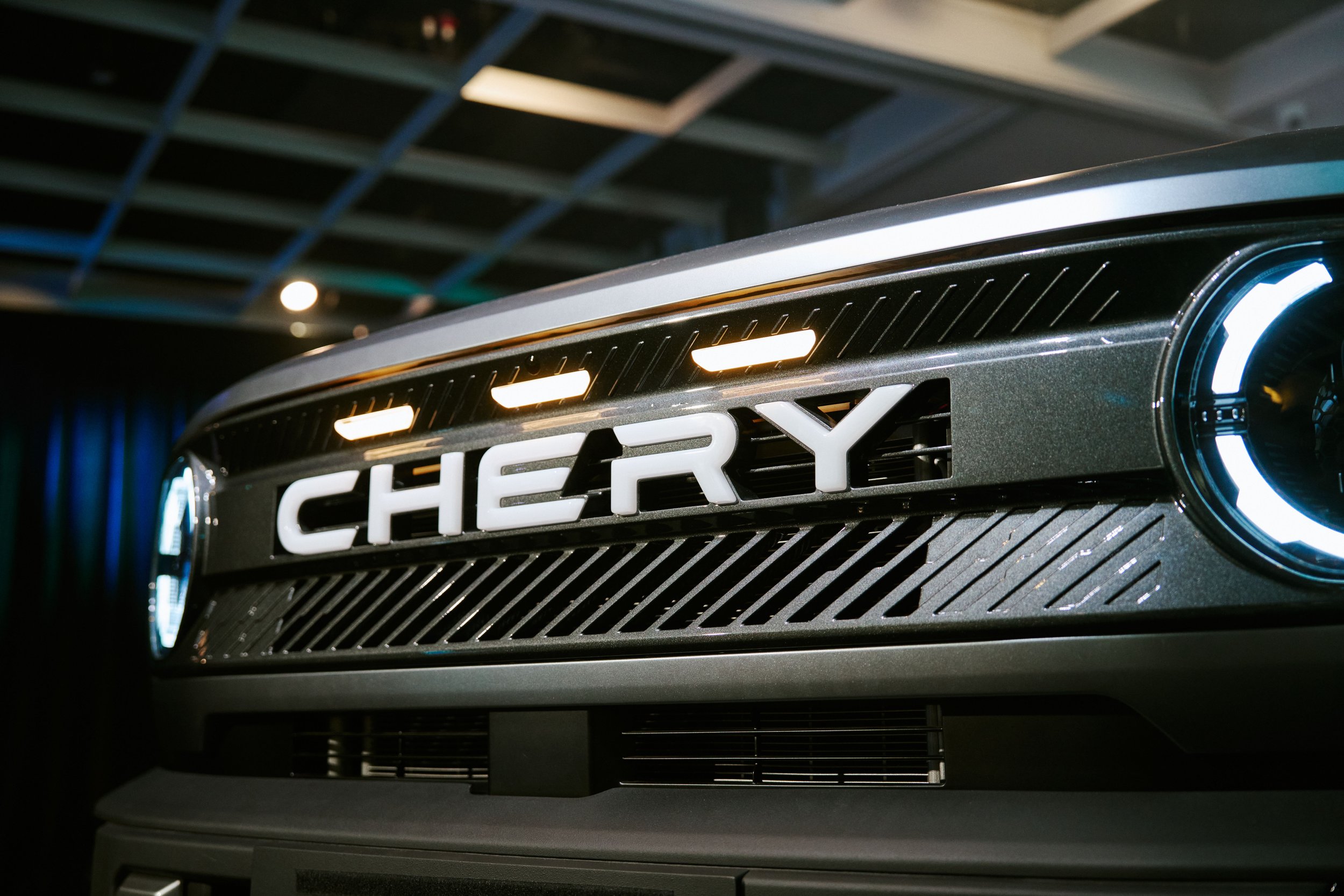
Towing capacity for the Chery KP31 will be 3500kg max, and payload peaks at 1000kg
About the 47 per cent thermal-efficiency claim
This is where people get confused, so let’s be precise.
First: 47 per cent thermal efficiency is theoretically possible for a modern diesel at a specific operating point. It is a big number, but it is not physically impossible.
Second: it will almost certainly be a peak figure measured under ideal conditions — not what the engine delivers all day, every day, with your caravan on the back and a headwind in Dubbo.
So this is best understood as:
an engineering/marketing headline
at a particular load and rpm
useful as a signal of technical ambition
not a direct proxy for your real-world fuel consumption
Also important: this thermal-efficiency claim is not the same thing as the PHEV system contribution. The hybrid system will improve overall vehicle efficiency in use, but “47% thermal efficiency” is almost certainly referring to the diesel engine/powertrain’s peak thermodynamic performance, not the combined hybrid system in everyday driving.
Finally, the number of turbos is still unknown. A twin-turbo setup is plausible, but the 47% claim does not prove it. Turbo count is more about torque delivery, response and packaging than it is about thermal-efficiency headlines.
My team saves new car buyers like you thousands on their next new car. There’s no stress and no obligation. Details here
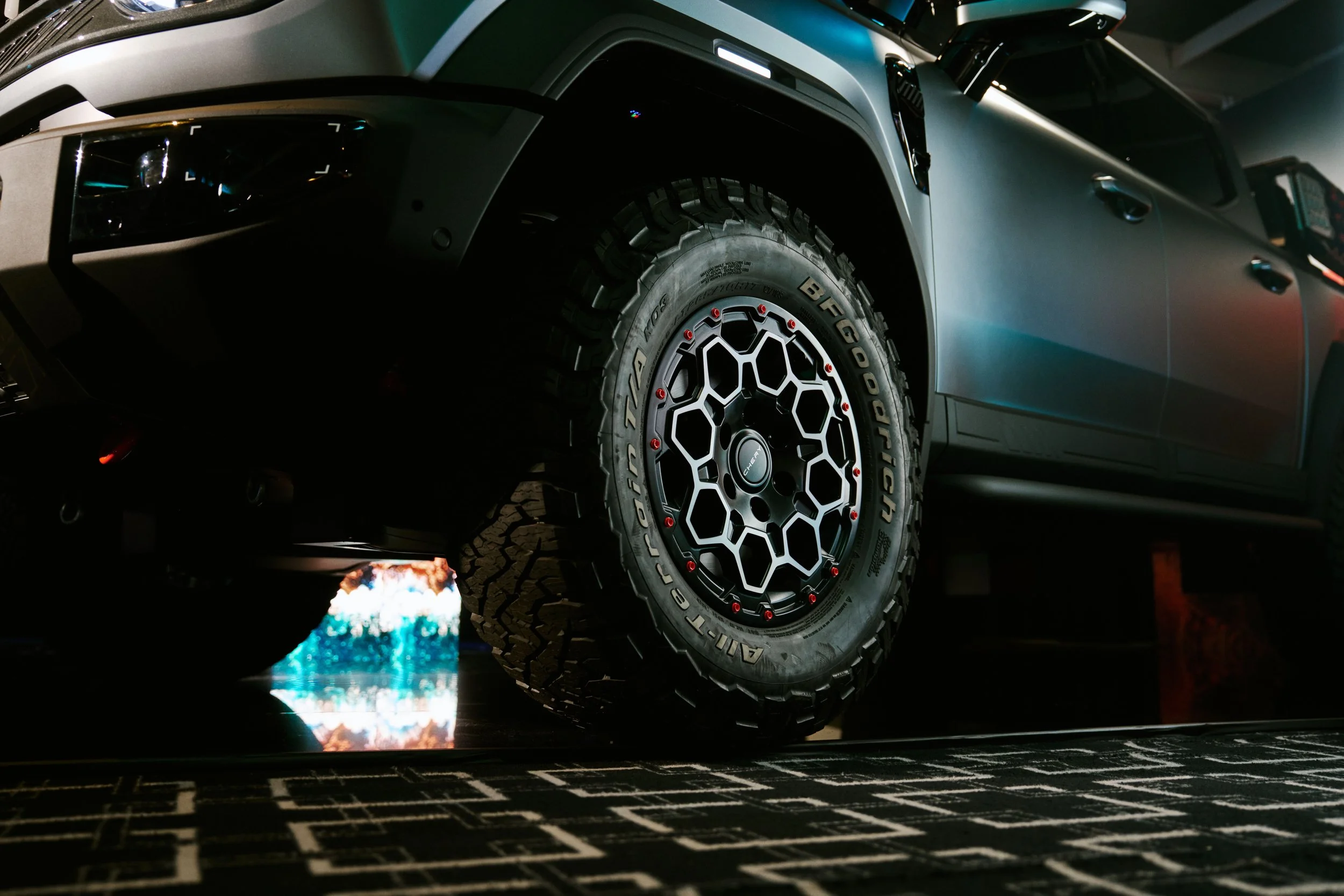
Powertrain configuration is yet to be revealed - but the form factor and statements so far strongly suggest ‘diesel first’ with ‘hybrid assist’ design intent
Why this ute could be commercially successful in Australia
A new ute does not need to be perfect to win in Australia.
It just has to avoid screwing up the three big things.
1) Styling
It cannot look like a captain’s call gone wrong (ie - Tasman). The KP31 concept, at least visually, looks tough, modern and intentional. If the production version stays close, that’s a big tick.
2) Powertrain
You cannot launch a “new” ute with a mediocre drivetrain and expect the market not to notice (Tasman). Chery’s diesel PHEV pitch is the opposite of mediocre. It is differentiated, and if the execution is competent, it will attract attention immediately.
3) Price
You cannot be over-priced (Tasman). The ute market is primed for disruption because ute pricing is getting out of hand. Chery’s broader pricing in Australia suggests it understands value positioning, and if KP31 lands aggressively, established players will have a problem.
That’s the opening.
And right now, Chery looks more willing to attack that opening than some of the legacy brands look willing to defend it.
My team saves new car buyers like you thousands on their next new car. There’s no stress and no obligation. Details here
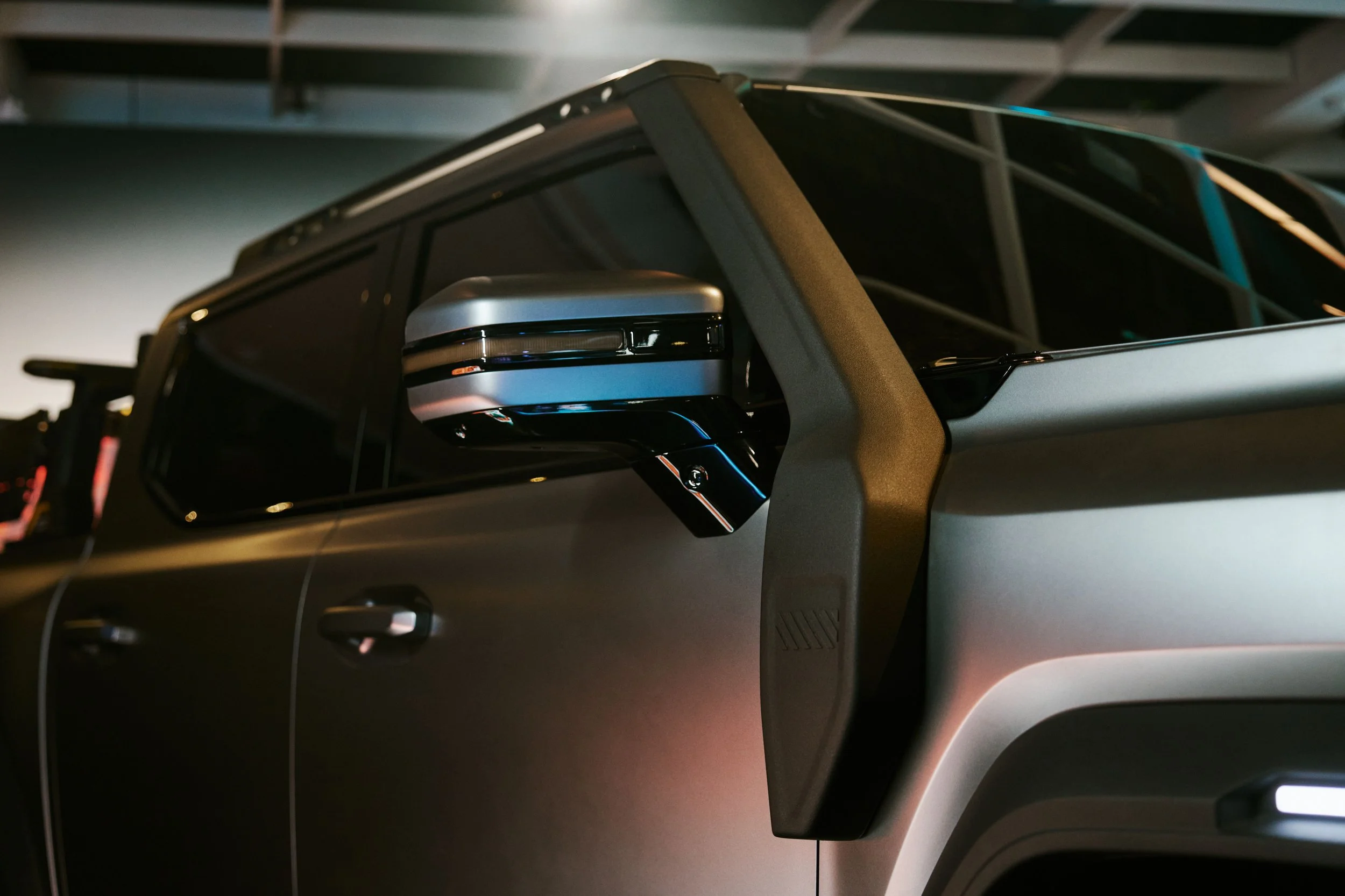
Chery appears poised to be a real threat to Hilux, Ranger, D-MAX and Triton … provided the company sidesteps making Kia’s blunders with Tasman
Should you wait for the KP31 to land?
If you are in the market for a dual-cab and you care about:
proper towing and payload capability
diesel torque
reduced urban fuel burn
some EV capability around town
and you are not desperate to buy tomorrow
…then yes, this is absolutely a vehicle worth waiting to assess.
But “worth waiting for” is not the same as “guaranteed winner.”
There are still major unknowns:
exact power and torque outputs
battery size
EV-only range and the test standard used
driveline layout details
pricing
refinement
real-world towing behaviour
long-term durability
At the moment, the KP31 is a very promising concept backed by a very smart headline.
The production details will decide whether it is a disruptor or just another interesting idea.
My team saves new car buyers like you thousands on their next new car. There’s no stress and no obligation. Details here
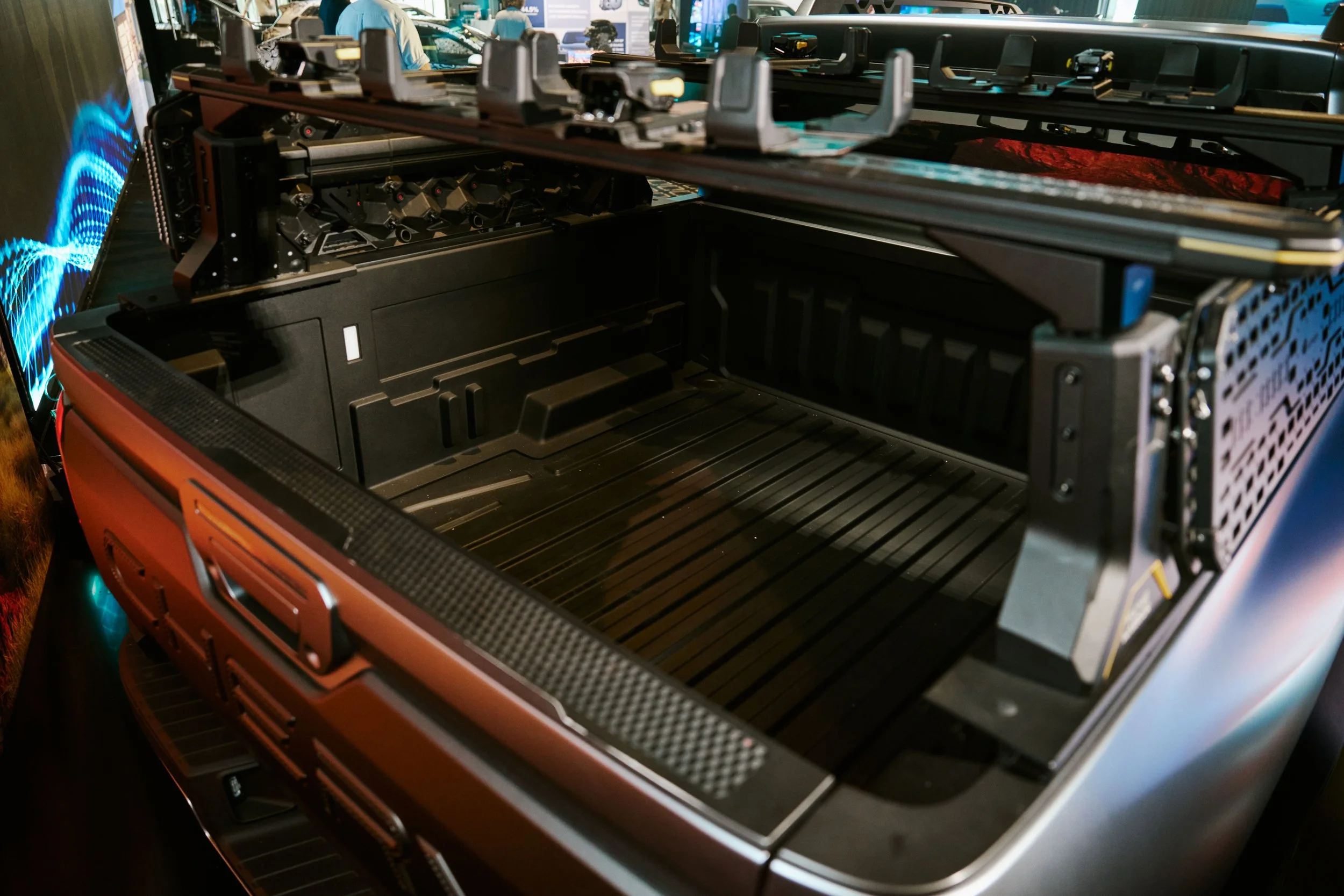
This is a concept car at this stage, clearly, but even if they dial it back a bit for production, the KP31 looks like a serious ute, not a pretender
Bottom line
Chery appears to have identified something obvious that too many established brands have ignored:
A lot of dual-cab buyers still want diesel capability — but they would happily take hybrid assistance if it improves efficiency, drivability and urban usability without gutting towing or off-road credibility.
That is the KP31 pitch in one sentence.
If Chery delivers this in production form, with sharp pricing and no obvious compromises, KP31 could be one of the most important ute launches in Australia in years.
And if they pull it off, the incumbents won’t be able to dismiss it as a gimmick.
My team saves new car buyers like you thousands on their next new car. There’s no stress and no obligation. Details here