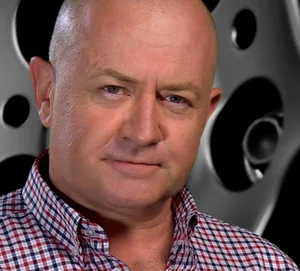
The Best Spanners You Probably Don’t Own
There are some tools you buy because you need them. And there are others you buy because, once you understand what they actually do, you start wondering why nobody told you about them sooner.
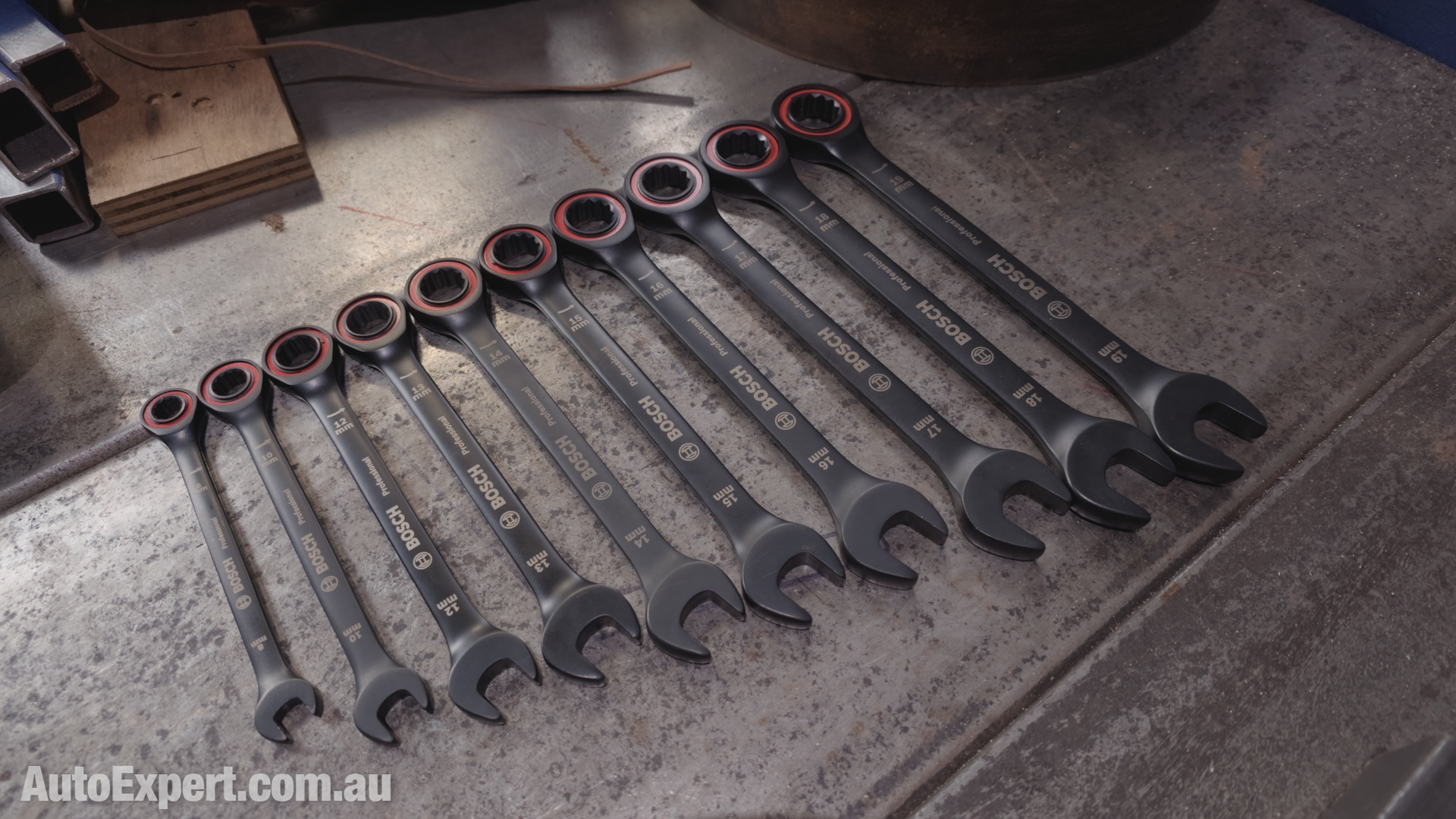
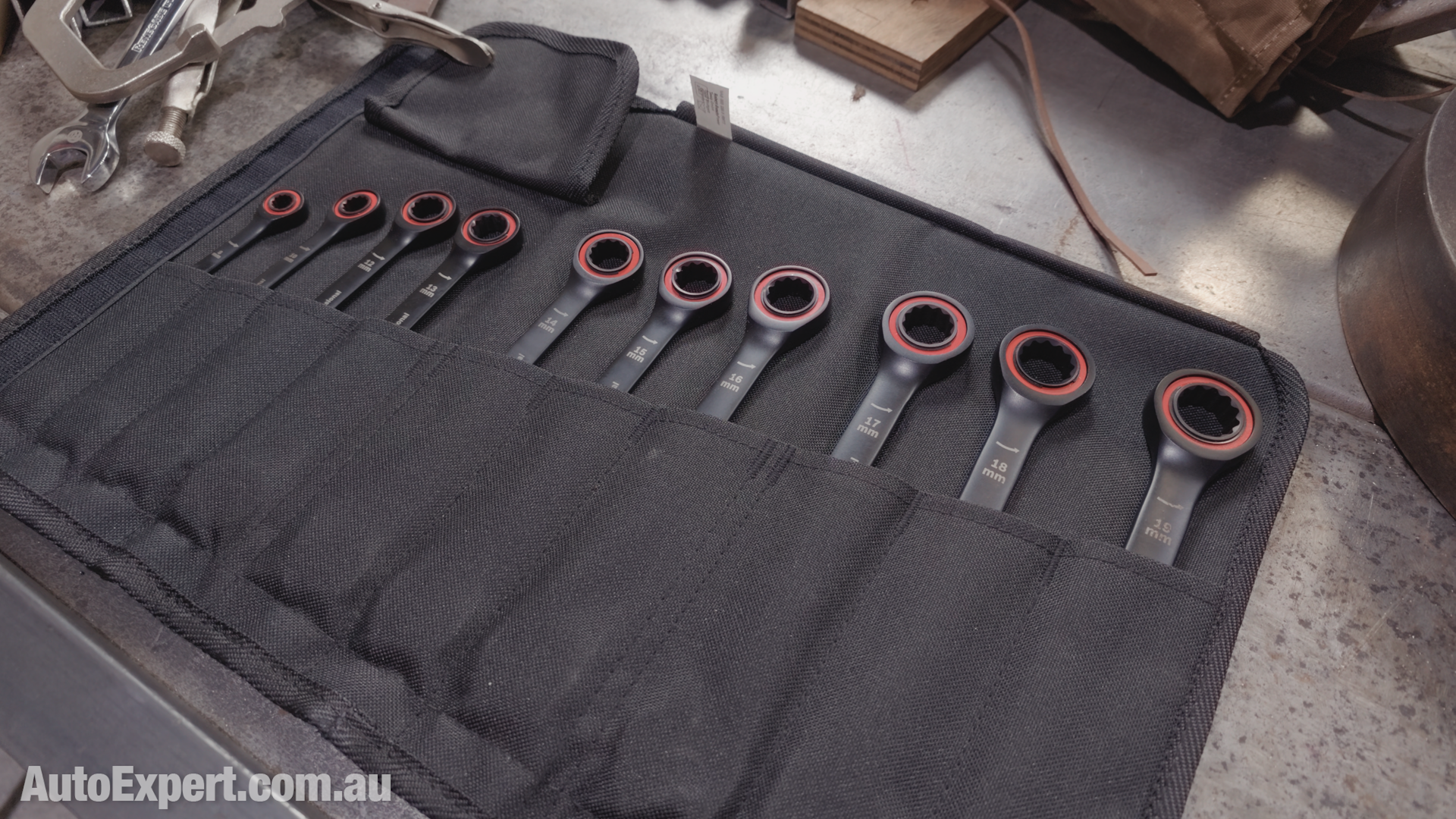
These Bosch gearless ratcheting spanners fall very much into the second category. In fact, Bosch’s marketing of them is so understated that these things might as well be a state secret.
Get them here
FEATURED PRODUCTS
Bosch 'ratchet' wrench set (black): https://link.amazon/B06MD9Nnr
Bosch 'ratchet' wrench set (chrome): https://link.amazon/B07YjybUv
Basic ring/open-end set: https://link.amazon/B00ZG9NHD
Ironcube ratchet ring spanner set: https://link.amazon/B00dU4NWg
Brass hammer (900g): https://link.amazon/B05mxPZSH
Plastic faced soft hammer: https://link.amazon/B0duGoQaN
What makes them different?
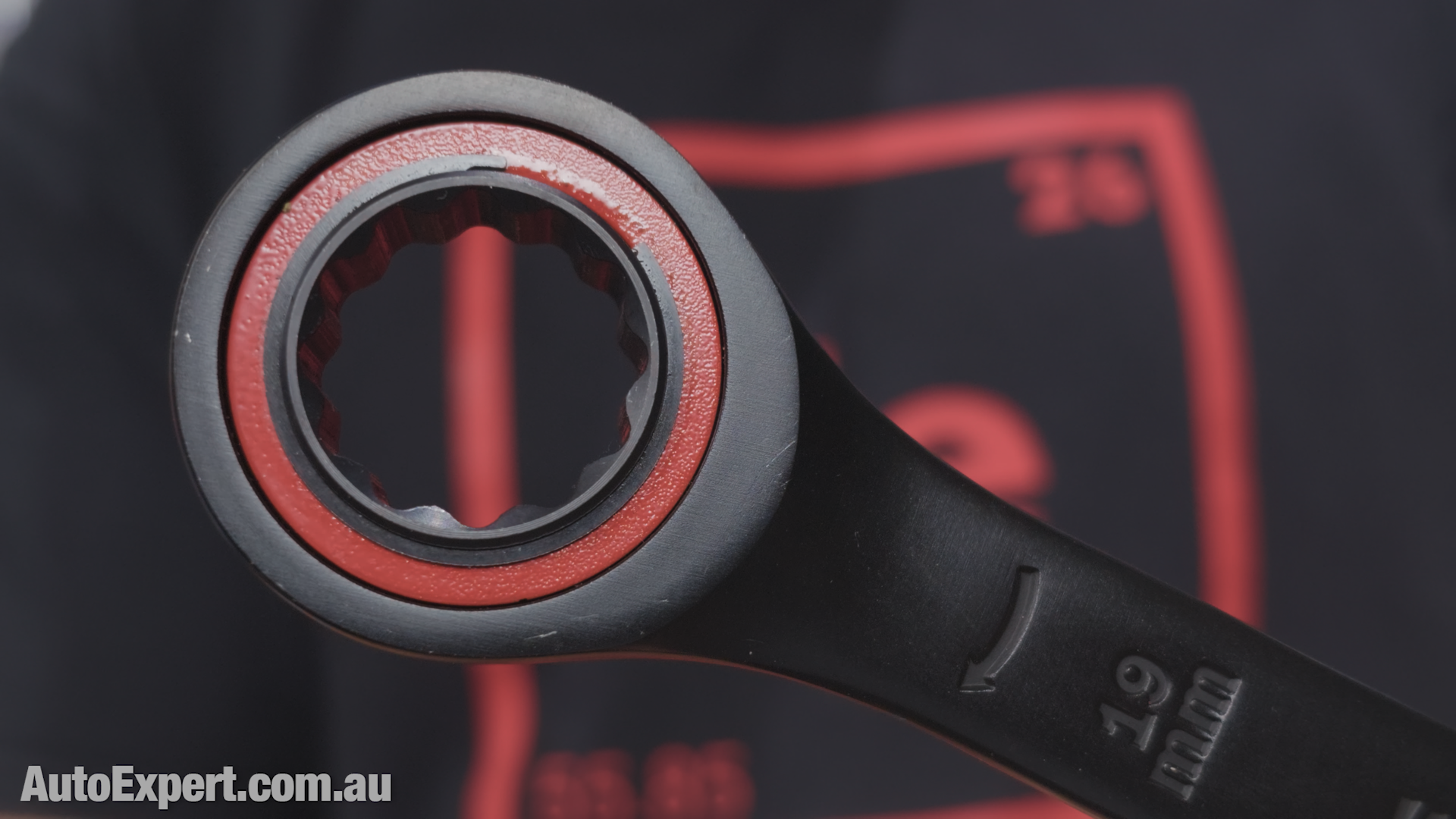
A conventional ratcheting ring spanner uses teeth and a pawl. That means the handle has to rotate through a certain angle before the ratchet can engage the next tooth.
Usually that’s not a problem.
Until you’re working somewhere horrible.
Think engine bays, cramped brackets, machinery, awkward fasteners close to a firewall or anything else where you’ve only got a few degrees of available swing.
That’s where these Bosch spanners become seriously useful.
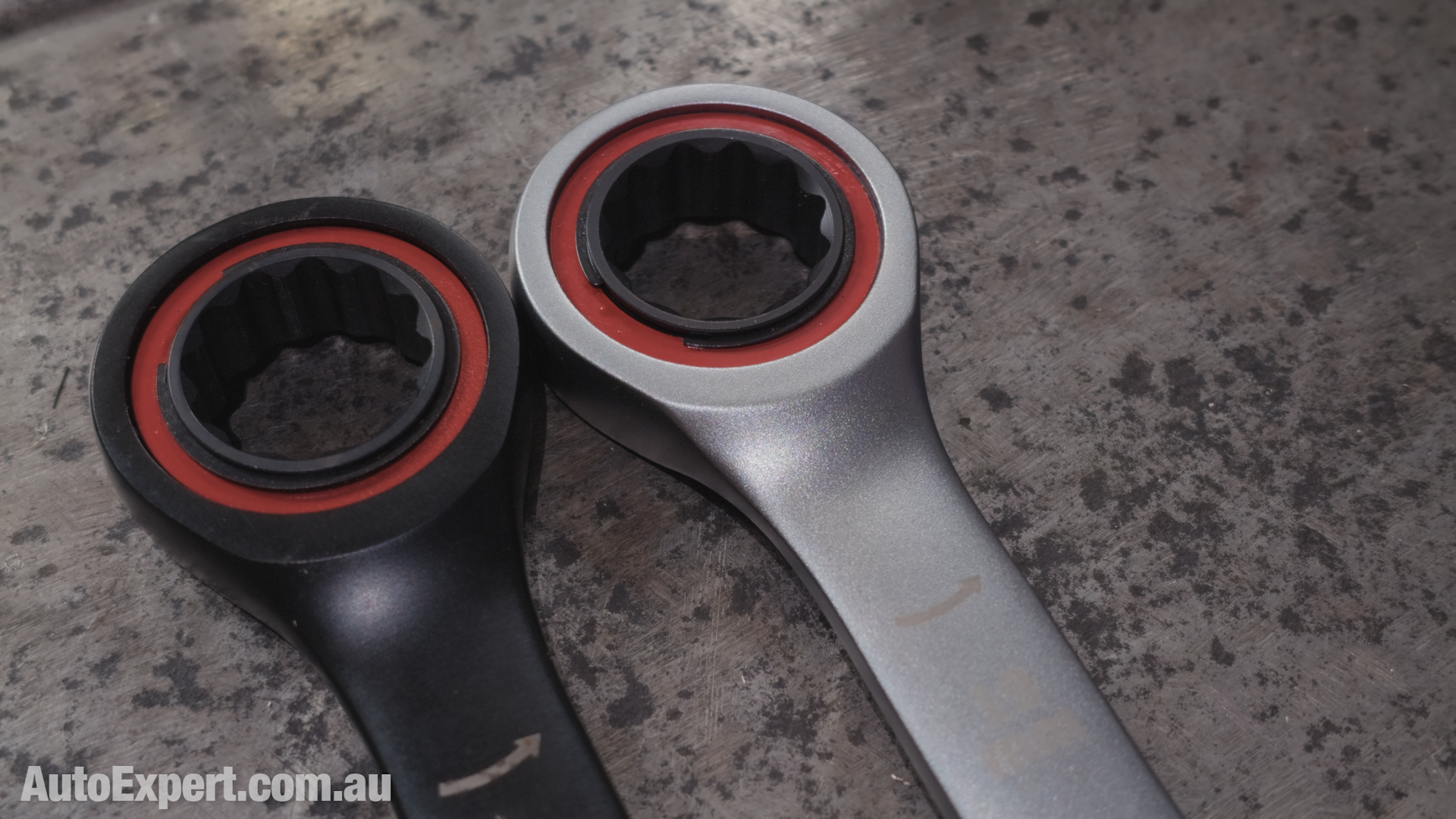
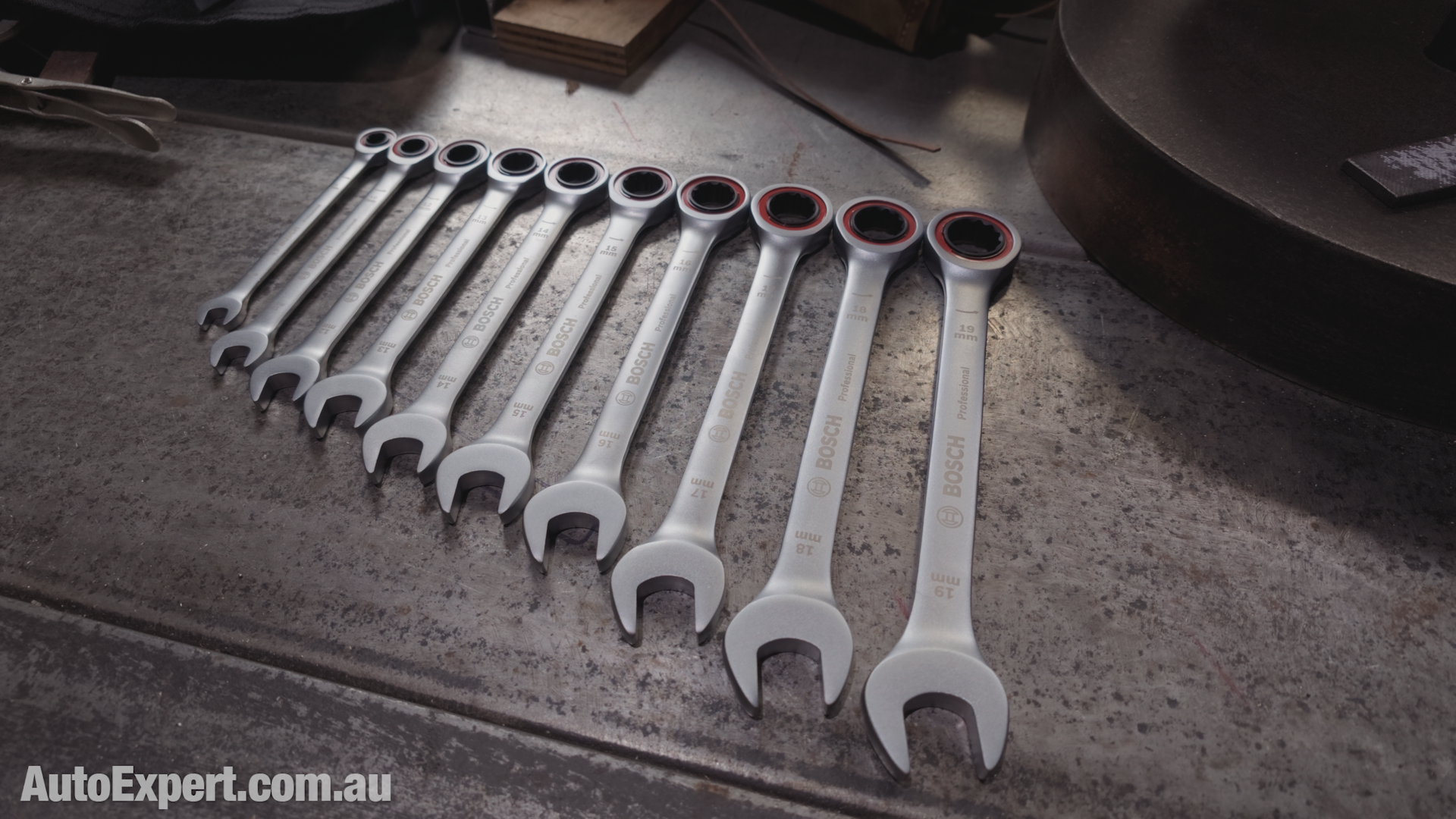
Instead of a conventional toothed ratchet, the ring end uses a gearless clutch mechanism. Bosch claims a backswing angle of less than one degree.
That is tiny.
For perspective, even a very good conventional ratcheting spanner requiring three degrees of reset needs the end of the handle to move about 5.2 per cent of the wrench length before it can take another bite.
On a 200mm spanner, that is about 10.5mm of angular movement.
In a confined space, this is the difference between being able to turn the fastener and merely swearing at it.
Exceptionally nice to use
The other thing that doesn’t come across particularly well in Bosch’s promotional material is just how pleasant these things feel.
The action is exceptionally smooth.
There’s none of the click-click-click of a conventional ratchet. Engagement feels immediate, and you can make ridiculously small movements while continuing to rotate the fastener.
Once a nut or bolt is moving freely, the Bosch spanner is extremely quick and satisfying to use.
That, in my view, is their real purpose.
They’re not primarily about brute force.
They’re about access, speed and finesse.
I would not use them for everything
This is also where some common sense is required.
A gearless clutch mechanism is more mechanically sophisticated than a lump of forged steel.
So I would not personally reach for one of these when confronted with a seriously stubborn fastener that needs to be belted, jumped on, extended with a pipe or otherwise subjected to workshop violence.
That is what conventional spanners and appropriate impact tools are for.
My preferred workflow is simple.
If a fastener is tight, crack it loose first with an ordinary fixed ring spanner.
Once it is moving, switch to the Bosch gearless spanner and run it out quickly.
Installation is the reverse: use the Bosch to run the fastener into place, then switch to the appropriate conventional wrench or torque wrench for final tightening.
Used that way, the Bosch set becomes a brilliant companion to conventional spanners rather than a replacement for them.
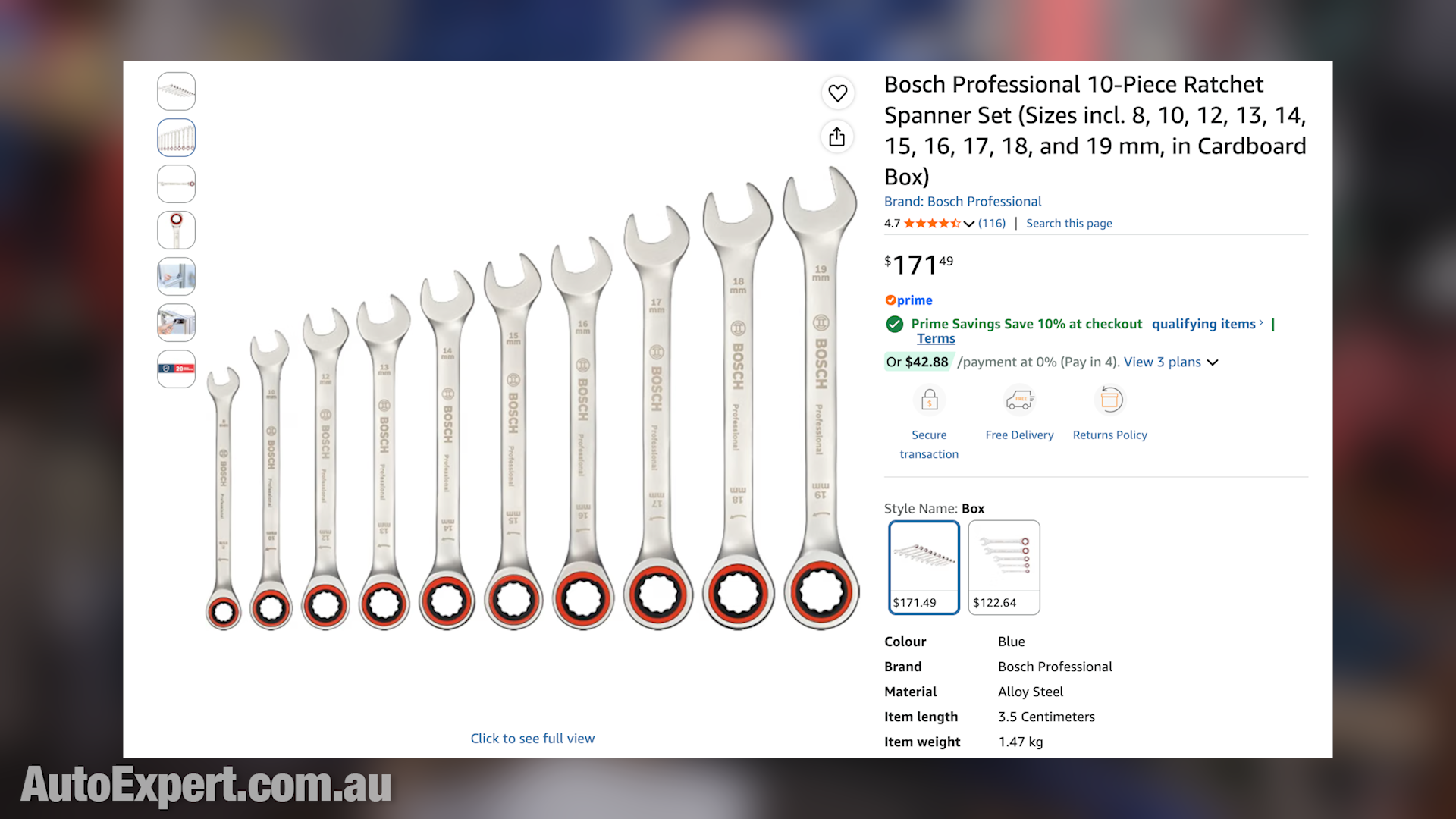
Black versus chrome
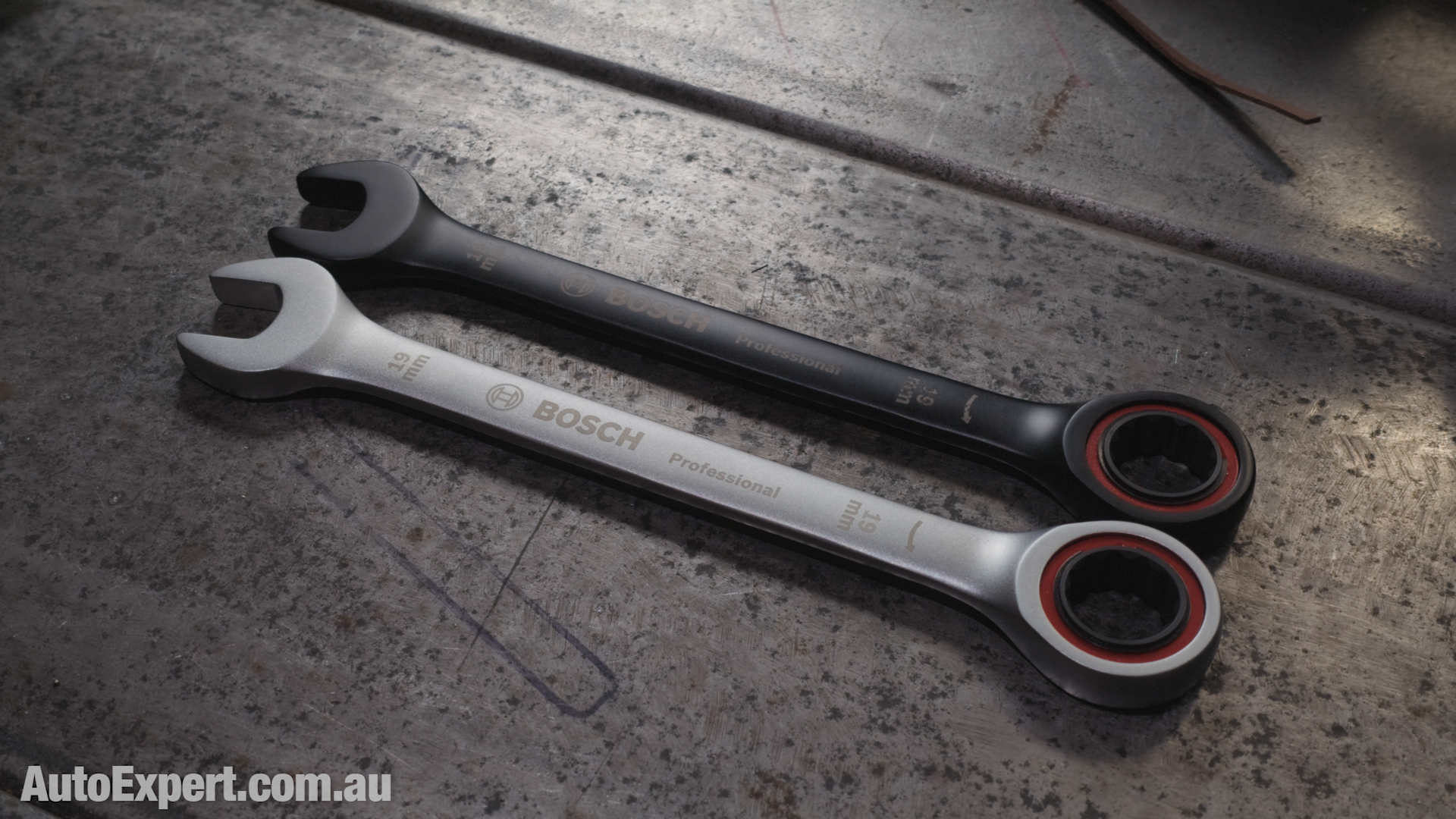
I bought both versions.
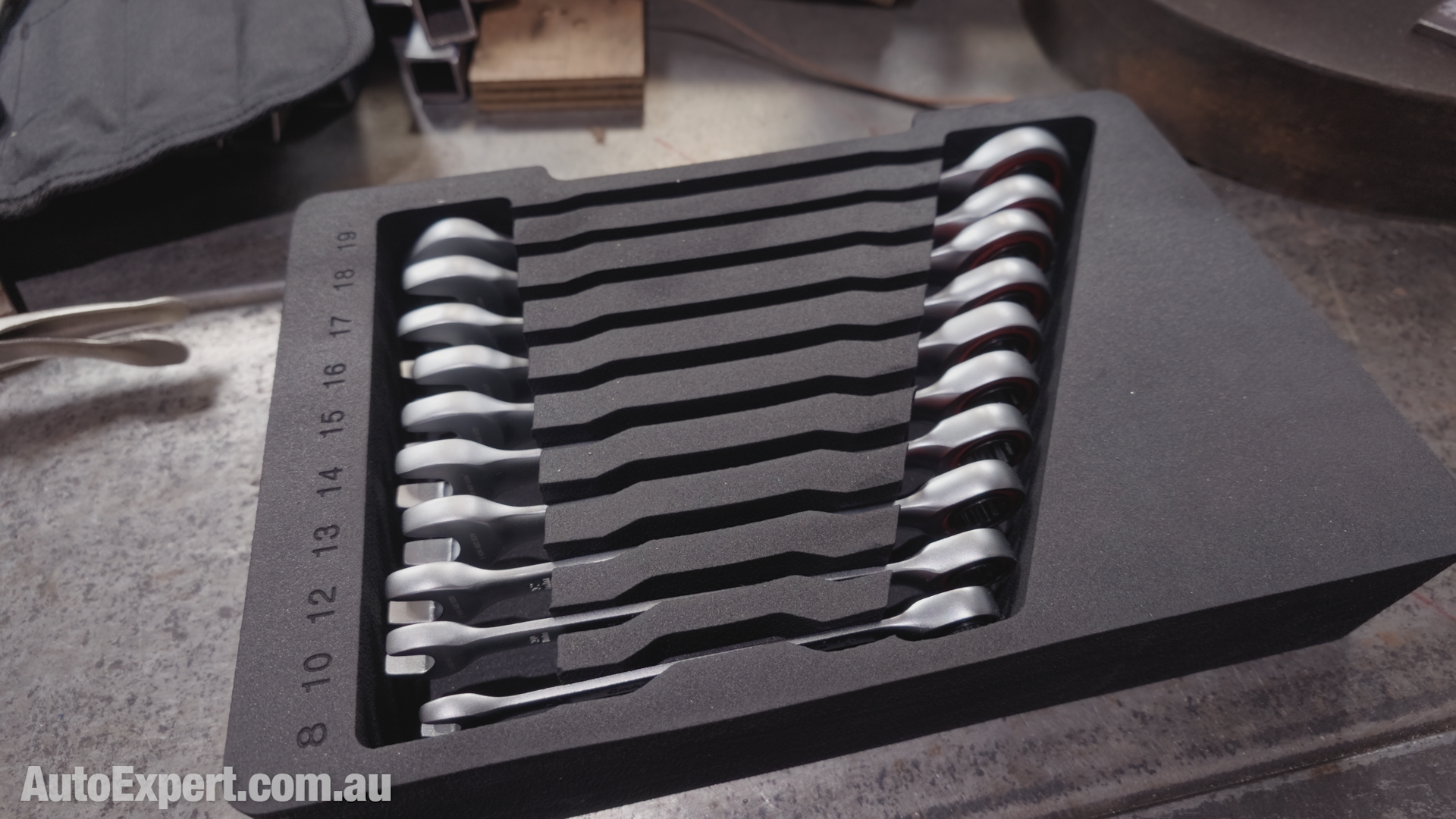
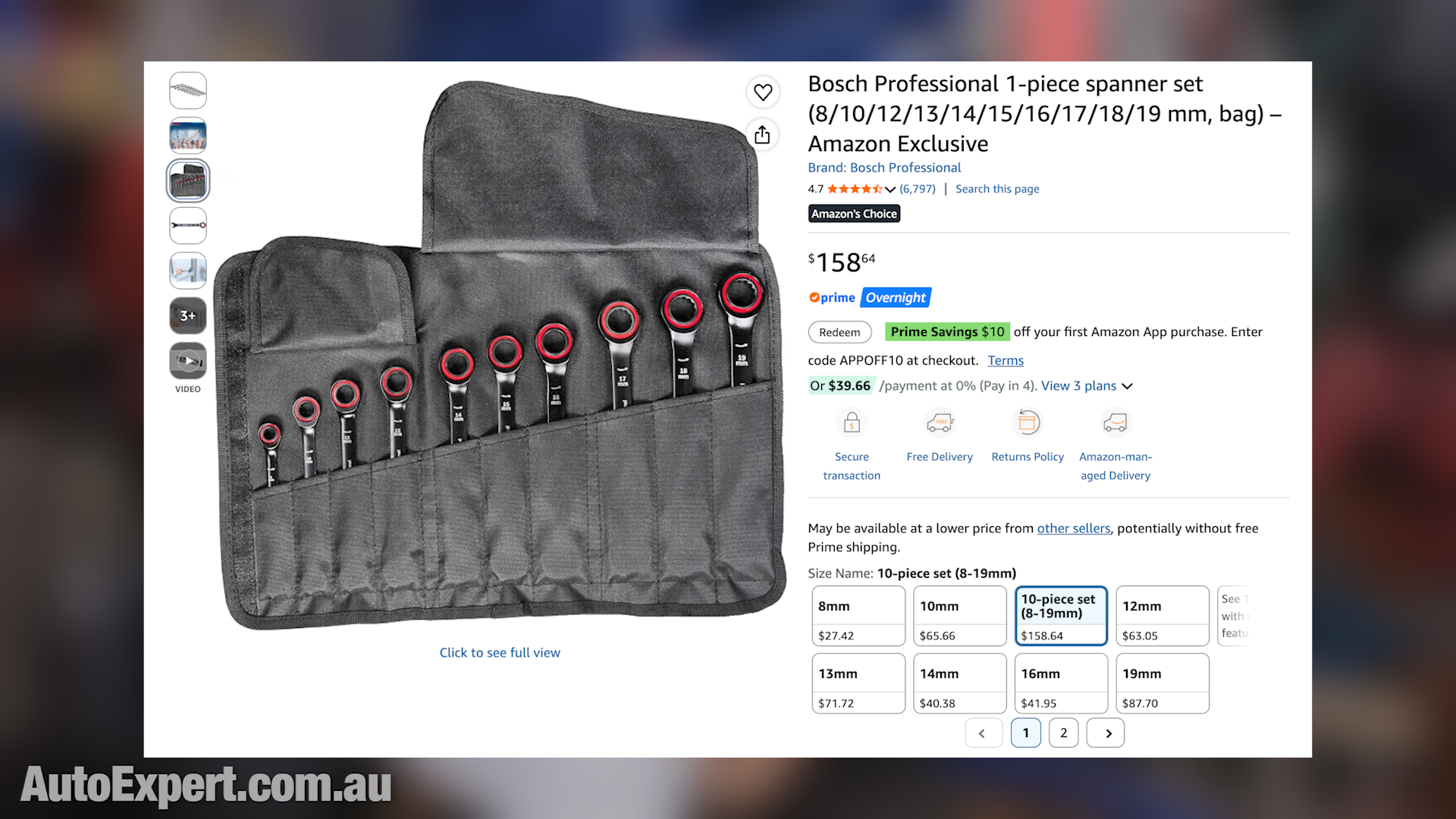
There is a black-finished set supplied in a high-quality fabric pouch, and a more expensive chrome-finished version supplied in a foam cutout tray.
As far as I can determine from using and comparing them, the actual spanners appear mechanically identical.
Same concept. Same dimensions. Same operation.
The principal differences appear to be finish, presentation and price.
Personally, I think the black set is the smarter buy.
The pouch is actually very good, it takes up less workshop space, and you’re getting what appears to be fundamentally the same working tool for less money.
If you like immaculate foam trays and polished chrome tools, the silver set certainly looks the part.
But I struggle to identify a functional reason to pay extra for it.
Why doesn’t Bosch explain these better?
This is perhaps the strangest part.
Bosch clearly knows it has an unusual product. It talks about the toothless mechanism and the tiny backswing angle.
But it doesn’t really explain why any normal person should care.
The key benefit is not “less than one degree”.
The key benefit is this:
You can work a fastener in places where a conventional ratcheting spanner may not have enough room to operate properly.
That is the whole story.
Once you demonstrate that physically, the appeal is immediately obvious.
Who should buy them?
I wouldn’t tell somebody building their first toolbox to buy these instead of conventional spanners.
You still need ordinary spanners.
But if you already have a decent basic set and regularly work on cars, machinery or equipment where access is restricted, these Bosch gearless spanners are genuinely useful.
They solve a real problem.
They’re exceptionally pleasant to use.
And they occupy a niche that most people probably don’t even realise exists.
Which is why, after using them, I keep coming back to the same conclusion:
These might just be the best set of spanners you probably don’t own.
Get them here
FEATURED PRODUCTS
Bosch 'ratchet' wrench set (black): https://link.amazon/B06MD9Nnr
Bosch 'ratchet' wrench set (chrome): https://link.amazon/B07YjybUv
Basic ring/open-end set: https://link.amazon/B00ZG9NHD
Ironcube ratchet ring spanner set: https://link.amazon/B00dU4NWg
Brass hammer (900g): https://link.amazon/B05mxPZSH
Plastic faced soft hammer: https://link.amazon/B0duGoQaN
Disclosure
Some links on this page may be affiliate links. If you buy something through them, I may receive a small commission at no additional cost to you.
This article reflects my own experience and opinions. Tool selection, loading and safe use remain your responsibility. Always use the correct tool for the fastener and application, and follow the manufacturer’s instructions and specified torque procedures.