


BEST MEDIUM SUVs
If you’re starting a family, or just (literally) stepping up from a conventional car, these vehicles combine car-like refinement, features and safety with greater capacity for weekend and holiday adventures
The short list



Hyundai Tucson
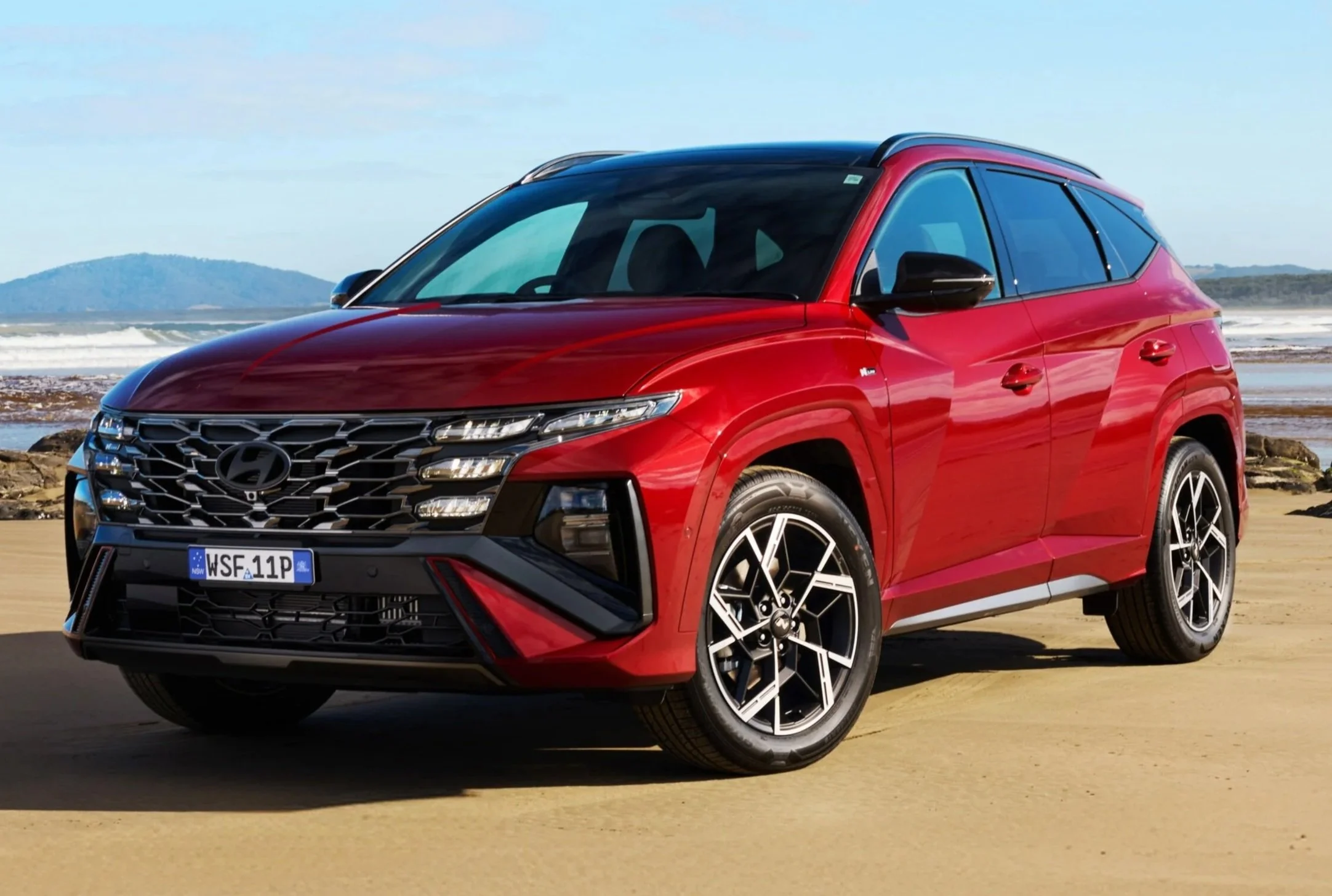
Tucson is Kia Sportage’s twin beneath the skin; same SUV bones, but different design and execution. Tucson focuses more on affordable, accessible performance and practicality over more prestige undertones.
It’s important you try both models to figure out which one suits you. You might prefer Hyundai’s centre console layout and where they put things, as well as how easily you can do a particular task like adjust the air-con or access the stereo functions.
A base Tucson has a heap of standard equipment: heated power mirrors, rear parking sensors, wireless phone charging, leather steering wheel, LED indicators and daytime running lights, auto-headlights, dual row-two USB ports and A/C vents. The ‘poverty-pack’ is anything but.
Tucson has a big boot, full-size spare and the choice of hybrid powertrain.
Kia Sportage
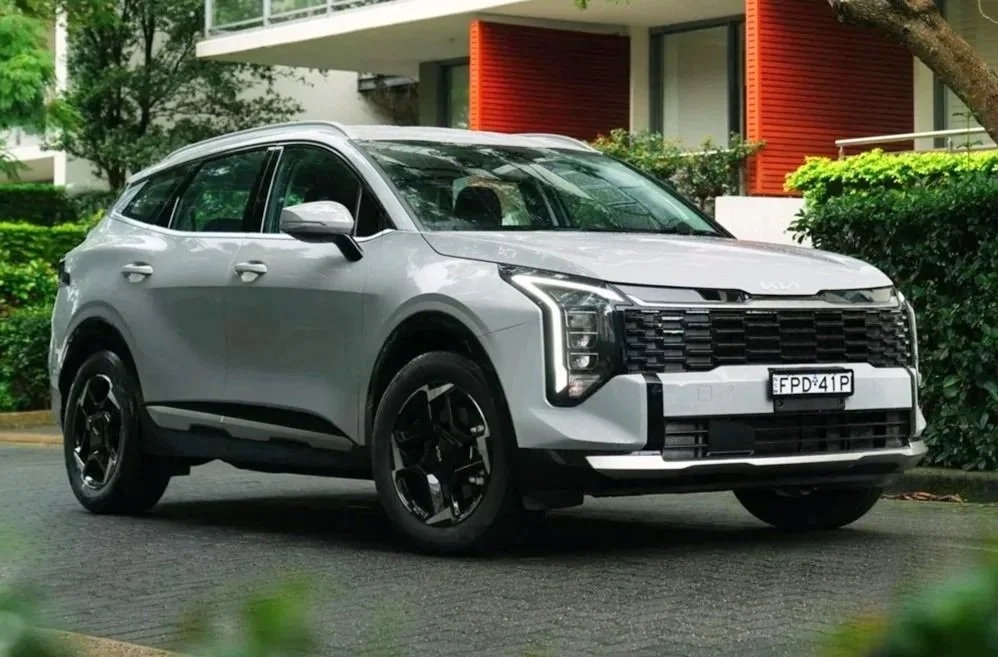
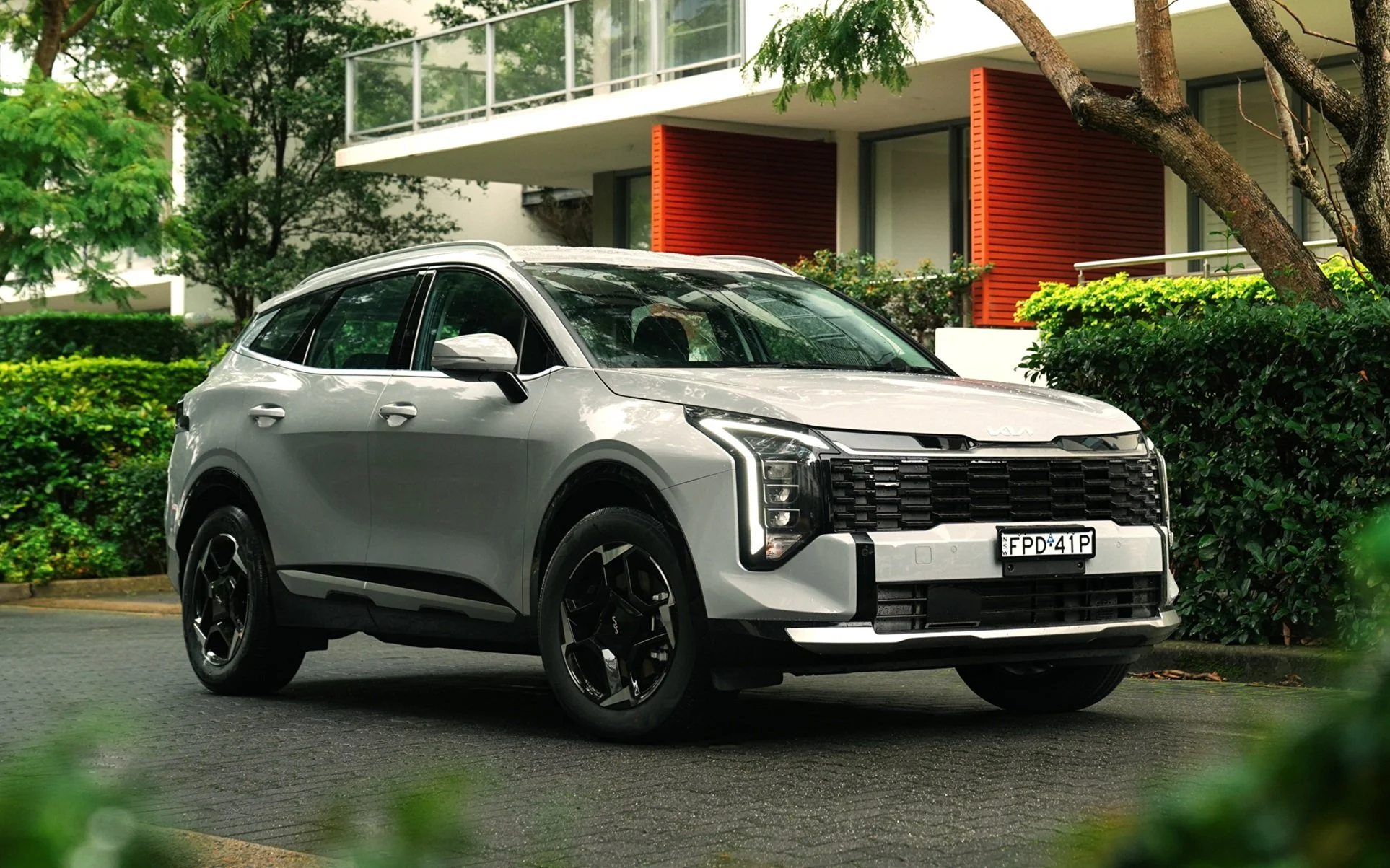
Sportage is ideal for families that do a bit of everything, but not all at once, such as occasional camping, frequent regional trips, commuting or perhaps doing long-distance consultancy or client-related travels on a weekly basis.
If you need a generous luggage space, a full-size spare to keep you fully mobile and ample legroom for growing kids still in booster seats, Sportage is a great balance between practicality, space, comfort, affordability and frugality.
Moderate towing is also possible thanks to a torquey 2.0-litre turbo-diesel and 1900kg braked towing capacity, but like Tucson you can also have a hybrid.
Not only is the payload up to 460kg for suburban-friendly supermarket runs, and weekends away, it’ll also function as a comfortable long-distance cruiser. Consider a Hyundai Tucson if there’s a design you don’t like here.
Mazda CX-5

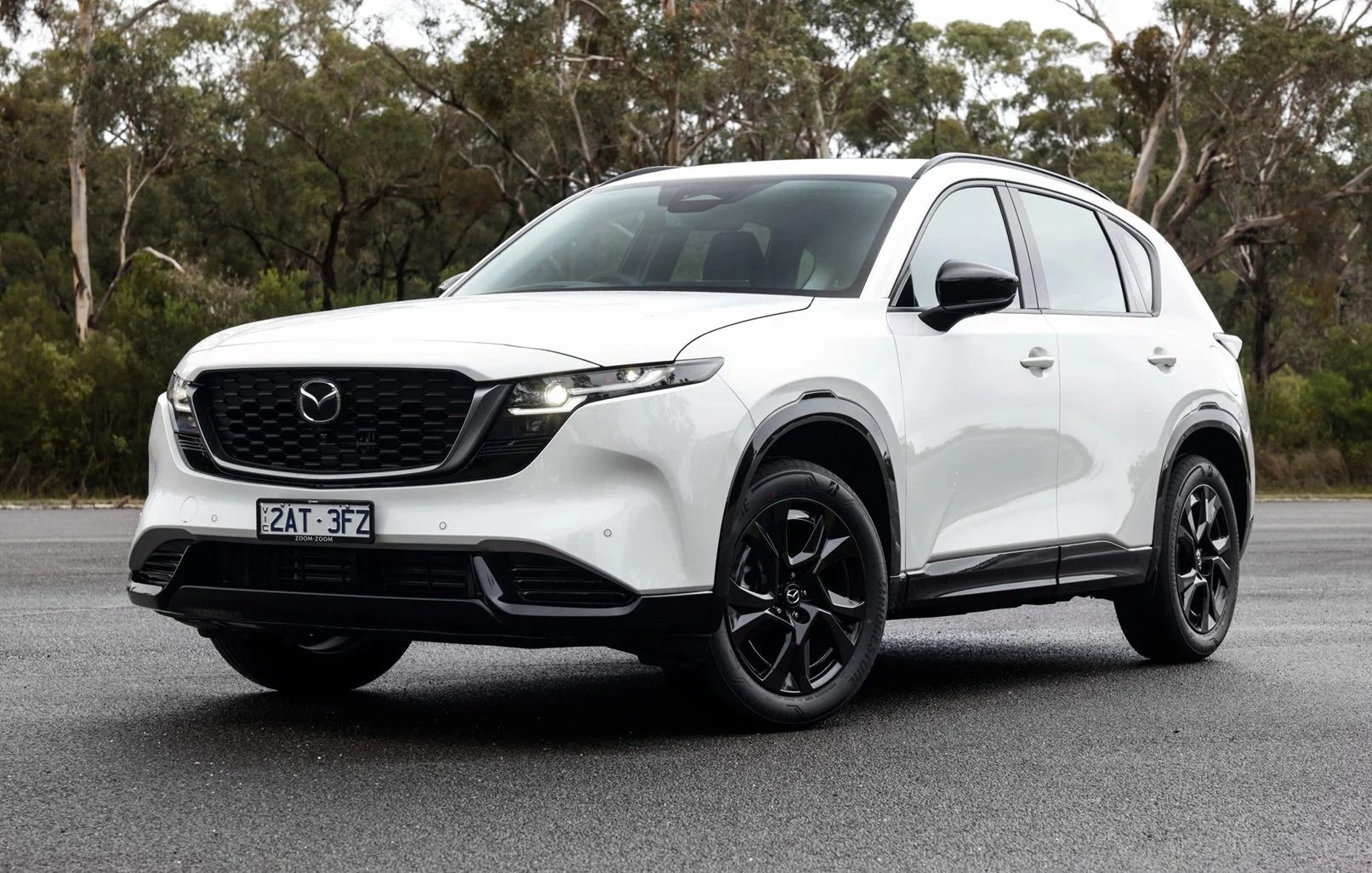
CX-5 is one of the nicest midsize SUVs to drive thanks to a smooth 2.5-litre petrol engine, a beautiful cabin that’s quiet to sit in and seats five with good legroom ahead of a surprisingly large luggage space.
There’s a functional infotainment touchscreen, leather and excellent driving dynamics. CX-5 is very popular, meaning you’ll get good resale value at the end of your tenure, and a top-spec CX-5 Akera makes ‘prestige’ German SUVs look absurd.
Most models offer okay towing potential, but be aware of the space-saver spare if you’re a regional driver. Mazda customer service is OK and they’ve generally got good stock levels, so delays shouldn’t be long.
Mitsubishi Outlander
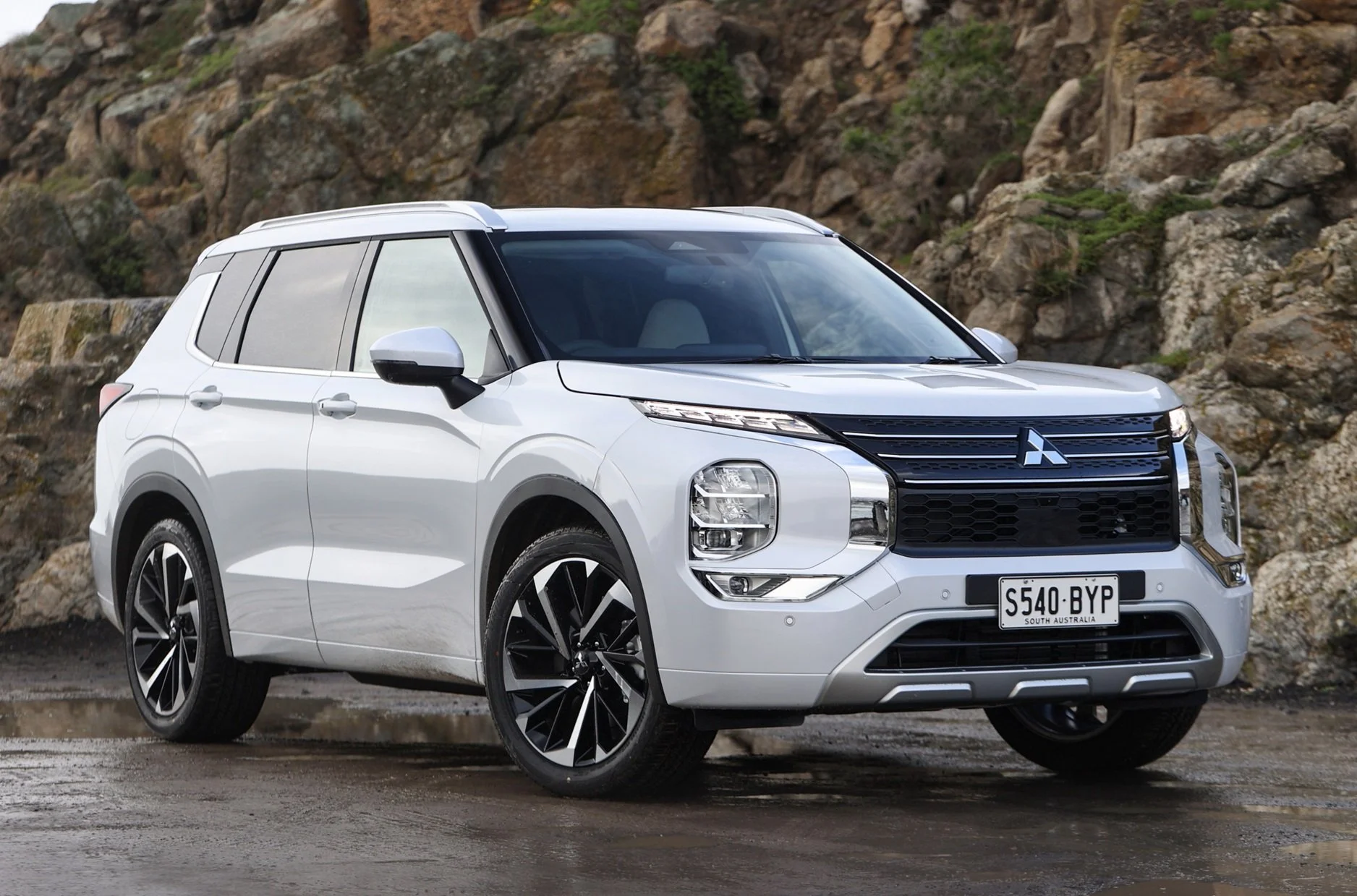
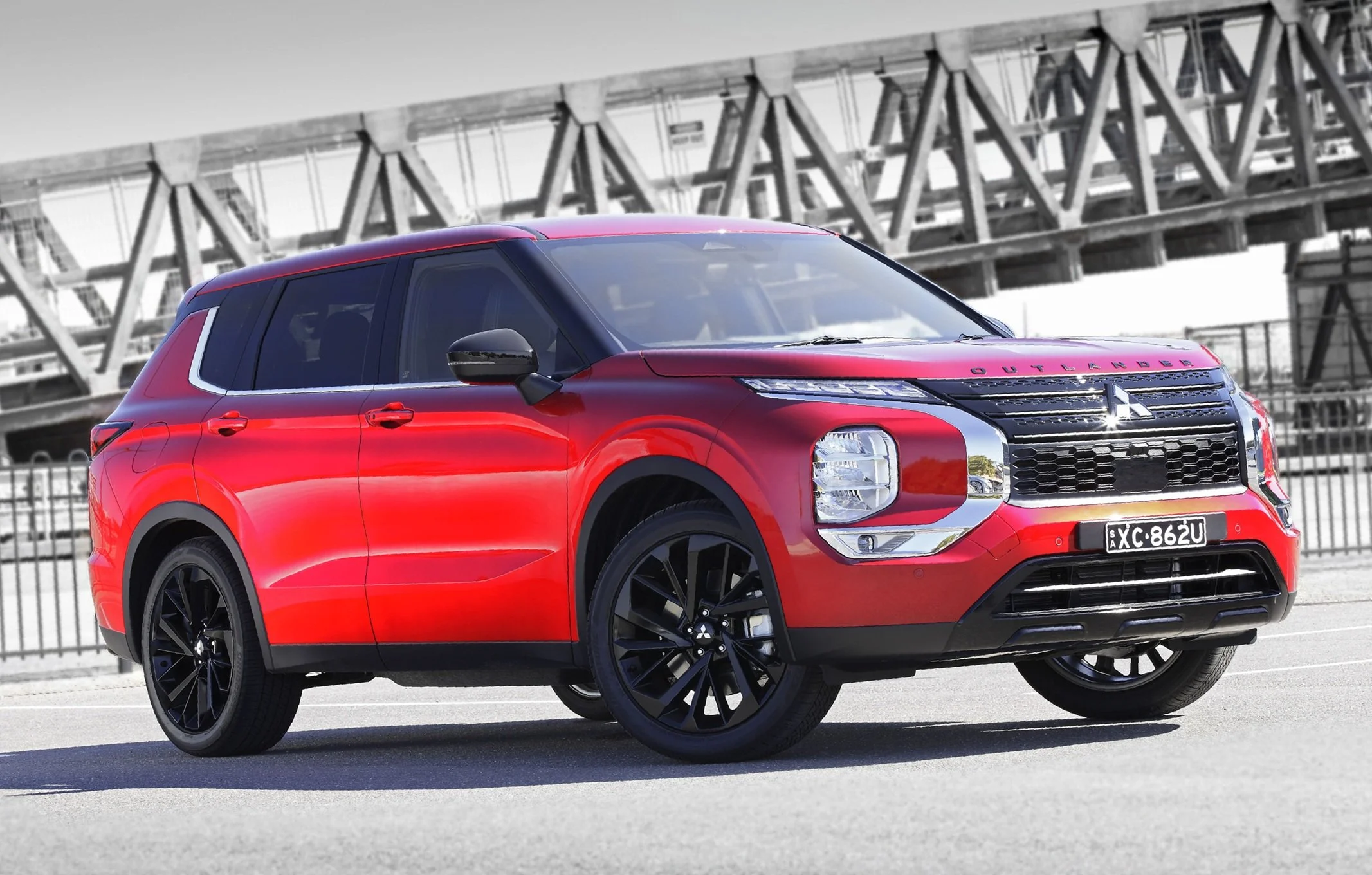
Outlander offers the best of both the large and midsize SUVs. If you need a seven-seater on a tight budget, it offers three rows but in modest profile, without a soaring pricetag.
The 2.5-litre petrol engine is naturally aspirated, so it’s good enough without being punchy, and frugal enough without being ultra-conservative on the fuel-consumption front.
Legroom is OK in the front and second rows, but it’s kids-only in row three (but no child restraints for row three, so older kids only up the back.
If you’re unlikely to go far off sealed roads, the on-demand all-wheel drive system of Mitsubishi’s is decent enough to get you through most light mud, wet grassy carparks and steep, slippery driveways or take-offs at the lights. The brochure talks a big adventure game, but it’s not a proper 4WD. Mitsubishi also offers a conditional 10-year warranty.
Subaru Forester
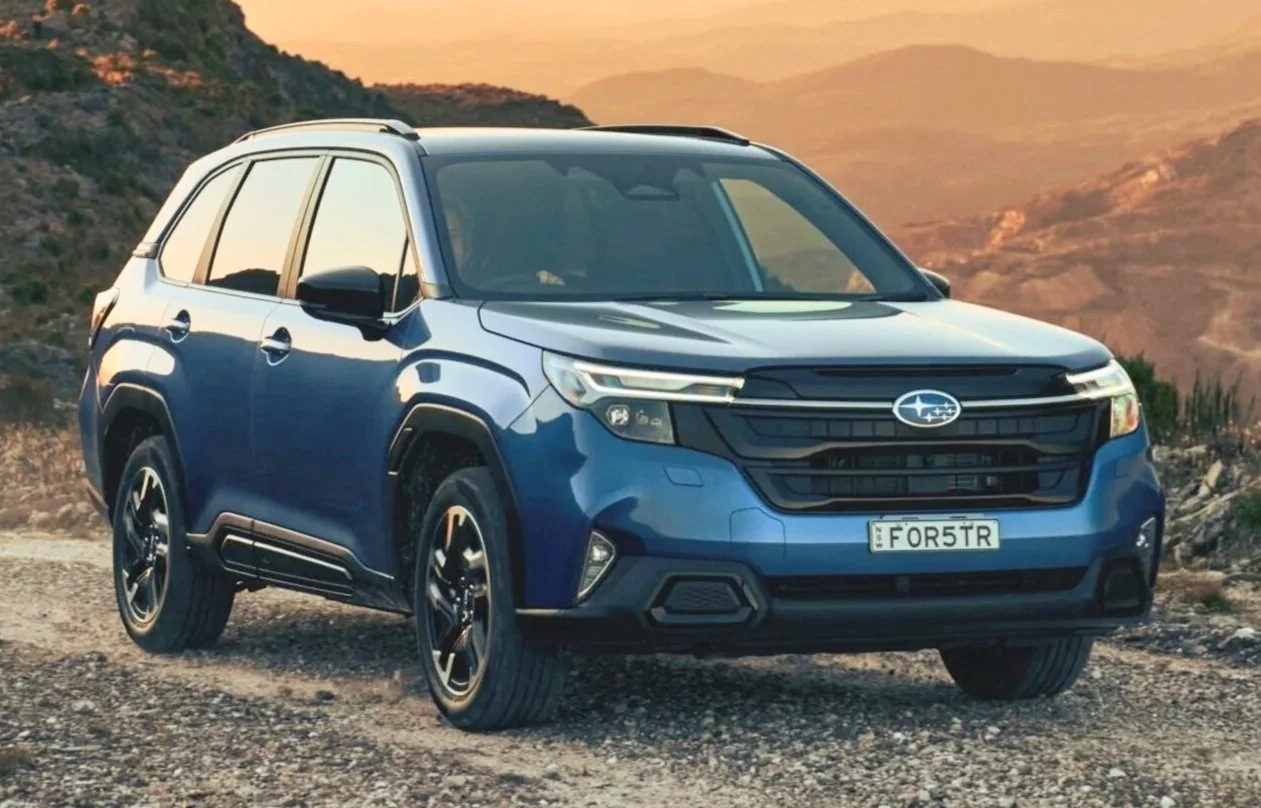
Forester is a soft-roading champ that offers wheelspin-free driving to ensure you get out of soggy campsites, steep driveways and sketchy gravel tracks where grip is compromised.
It now offers the choice of conventional combustion or a punchy hybrid powertrain that makes this the only proper full-time all-wheel drive hybrid SUV in Australia. Unlike competitors’ on-demand AWD systems, all four of Foresters wheels are working at all times; power is split evenly between each, so available grip is never exceeded.
The CVT transmission is continuously improved over previous models, with minimal drone and smoother response to changing driving conditions.
Plus you get a deep, wide luggage space, a nice tall cabin roof which is great for very tall people, and a full-size spare in regular combustions variants. Good build quality, great customer service from Subaru, and a long list of safety features as standard.
Haval H6
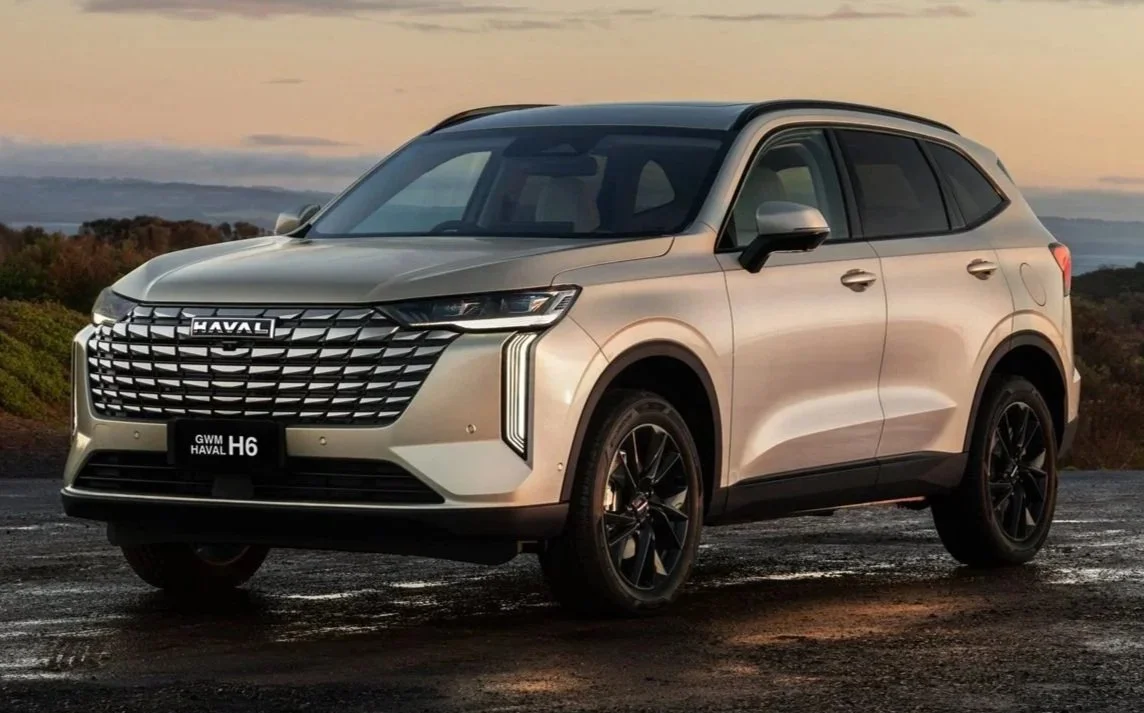
Haval H6 is all about value, which in this case focuses on price. You certainly get what you pay for in most cases, but what you’re willing to accept might change when you see how much equipment you actually get.
As a value-focused mid-size SUV that has become one of Australia's best-selling Chinese SUVs, it offers a roomy cabin with decent legroom, good practicality thanks to a competitive luggage space, and multiple powertrain options.
The choice between petrol, hybrid or plug-in hybrid power makes it a compelling alternative to established rivals like the Toyota RAV4, Mitsubishi Outlander or Mazda CX-5. These rivals remain nicer to drive, with similar safety equipment comprehensive across the range, but the H6 price is hard to deny.
Mazda CX-60 & CX-70
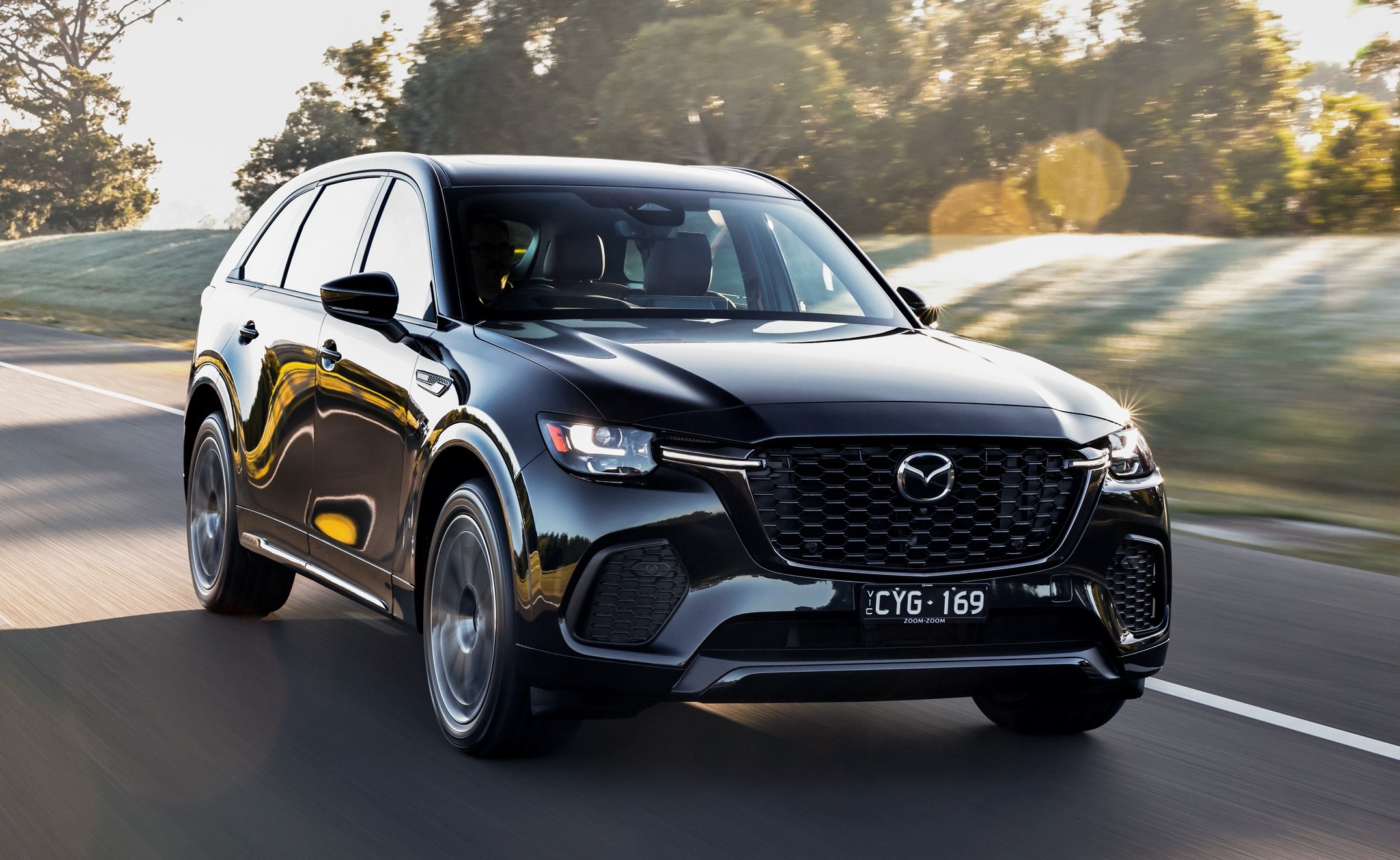
Mazda’s CX-60 and CX- 70 are five-seat SUVs with generous legroom, loads of equipment and a supremely comfortable ride. They’re the medium-SUV half of four new additions to Mazda’s prestige models, but for a fraction the price of a premium German SUV.
CX-60 shares a chassis with the bigger, stretched CX-80 which offers 7 seats. The CX-70 shares its chassis with CX-90, also with 7 seats.
The CX-60 and -70 both get the same 3.-litre petrol or diesel inline 6-cylinder engine option, or there’s a plug-in hybrid alternative. A Mazda CX-70 is slightly wider in the body than the CX-60, but importantly, only has 5 seats but that bigger boot means greater flexibility for holiday packing.
Mazda’s interiors are among the best of mainstream brands for luxury and these vehicles are great examples. If you need 7 seats, consider CX-80.
MG HS
If you want to spend an additional $15,000 on the equivalent Toyota, Subaru, Mazda or Kia medium SUV, then go right ahead. But you won’t get the same level of razor sharp value that MG has crammed into the HS.
If you want what is effectively a brand-spanking new 10-year-old previous generation Sportage, RAV4 or CX-5, (because having the latest and greatest isn’t your top priority in favour of maximising your budget), then you’ll want to check out the staggering appeal the HS has to offer.
The HS is what mainstream brands should be terrified of in terms of price point. But that low price does come with drawbacks. You won’t find a full-size spare, a 91 RON fuel engine tune, or a particularly refined driving experience, because MG just hasn’t spent the big bucks making HS drive like the others. Or consume our cheapest fuel.
The terms ‘cheap’ and ‘Chinese’ are separated now because of this vehicle. It’s a win-win for consumers who need bang-for-buck.
Toyota RAV4

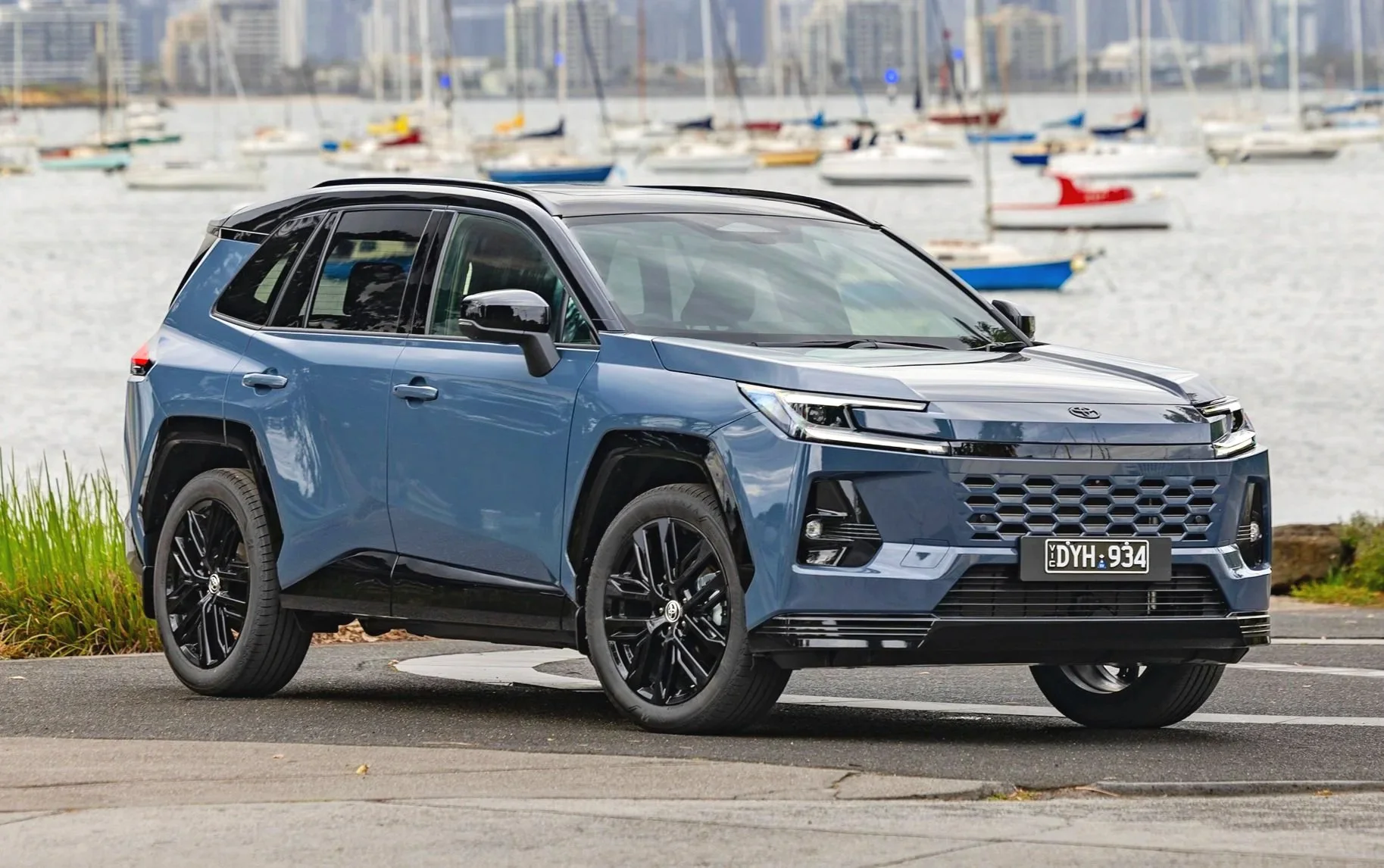
RAV4 is a decent five-seat family vehicle if you’re looking for a general-purpose, straight-forward SUV. A lot of people worship Toyota in Australia: they’re reliable, the dealer network is huge and the resale value is excellent.
The RAV4 is one of those vehicles that does a good job at not offending you with styling or getting in your face with tech or innovation. And that’s okay, because a large portion of buyers don’t care about flashy screens or indulgent styling; they just want an affordable SUV that goes OK. It does.
The boot is a decent size, engines (either atmo petrol or hybrid) are pretty reliable, they’re well built and they drive nicely enough without being anywhere close to ‘performance oriented’. Steering might be considered on the ‘light’ side, so lacking some feel and feedback, the suspension is decent without being uncomfortable, and the range is well priced, if slightly dear.
Popular medium SUVs to avoid
Skoda Karoq/Volkswagen Tiguan: Karoq is just a nastier Tiguan with cheaper plastics and a space-saver spare. Tiguan is a knock-off Audi but without the stylish design. Same car, same criminal parent carmaker that rarely treats customer complaints as legitimate.
Mercedes-Benz GLB: Looks drop-dead gorgeous, but you’ll pay full price because: no negotiating. When you present the dealer with some problem, they’ll find a way to ignore your consumer rights and bill you for poor build quality. Mercedes Australia is well-versed at this gouging tactic.
Nissan X-Trail: Nissan wants you to think its gutless mild-hybrid e-Power X-Trail is a quasi-EV. It’s not. This new generation X-Trail is also very new and the first under Nissan’s alliance with Renault and Mitsubishi, so we don’t really know if it’s any good or reliable, so wait six months at least.
Honda CR-V: Honda is nearly finished in Australia; sales have been down ever year going back almost a decade. Spending $40-$50K on a CR-V is going to be a depreciation disaster in three-to-five years, so don’t get trapped in Honda’s downward sales death-spiral.
Ford Escape: Escape sales are terrible - in a country dominated by medium SUVs. Escape should be selling its socks off for Ford Australia, but it can’t even compete with upstart Chinese brands. Escape is costing Ford, meaning eventually they might stop bothering, which is a resale bomb for you.
Renault Koleos: Koleos is essentially a Nissan X-Trail underneath, but with a bigger pricetag, a more bland interior and weird French steering wheel controls, and a worse local importer. It’s also going to depreciate faster than the rest of the Best Medium SUVs here.
Hyundai Tucson looks futuristic and drives very nicely on Australian roads. It offers grunty, reliable engines, plenty of features and 5-seat practicality at a modest price that makes it an ideal, safe family SUV.