Inside Hyundai’s China R&D Centre And Factory
To understand the Hyundai Elexio properly, you need to see where it was engineered and where it’s built.
That means going to Hyundai’s R&D centre in Yantai and the factory where the vehicle is produced.
What I saw there challenges a lot of assumptions Australians still have about Chinese manufacturing.
Watch the full factory tour below.
This is Part 2 of a two-part series on Hyundai’s Chinese engineering and manufacturing operations. If you missed it, you can read Part 1 here, where I explain what the Hyundai Elexio is and why it matters for Australia.
You can also watch this video on YouTube
Hyundai’s Engineering And Manufacturing Operations In China
Hyundai operates a major automotive research and development centre in Yantai, China. The facility includes vehicle design, engineering, crash testing and durability validation capabilities.
Vehicles such as the Hyundai Elexio are manufactured at Beijing Hyundai’s production facility using advanced automated manufacturing processes including robotic welding, digital dimensional verification and automated paint systems.
To understand the Hyundai Elexio properly, you need to see where it was developed and where it’s built.
That means going to China.
Specifically, to Yantai, a coastal city on China’s eastern seaboard with a population of around seven million — which by Chinese standards counts as a relatively small city.
Hyundai operates a full research and development centre there.
And by “full R&D”, I mean exactly that.
I can save you thousands on any new car - it’s quick and painless. Click here.
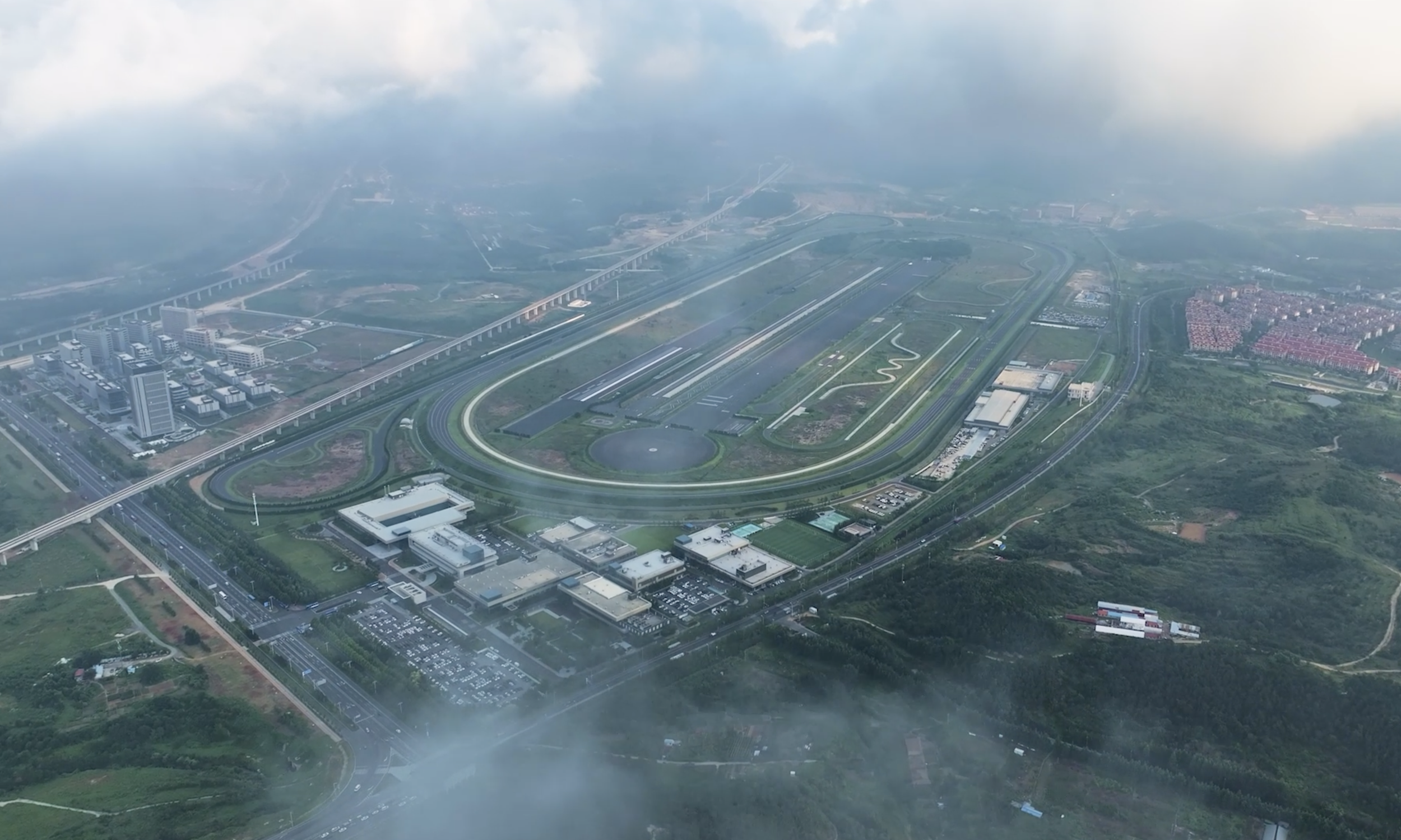
Hyundai’s R&D centre in Yantai, China, has 35km of test tracks, and five football fields of buildings
A Massive Automotive R&D Facility
The Hyundai R&D centre in Yantai is enormous.
It includes 35 kilometres of test track with 17 different road surfaces, allowing engineers to simulate everything from low-friction conditions to high-speed durability testing.
There’s also a five-kilometre banked oval, climate chambers capable of freezing vehicles or baking them in extreme heat, and complete in-house design and engineering capability.
In other words: this is not a satellite office doing minor adaptation work.
This is a full automotive engineering centre capable of designing, developing, and validating complete vehicles.
Inside, the place is packed with engineers, designers, and specialists working across multiple disciplines. It’s the kind of facility that simply doesn’t exist in Australia.
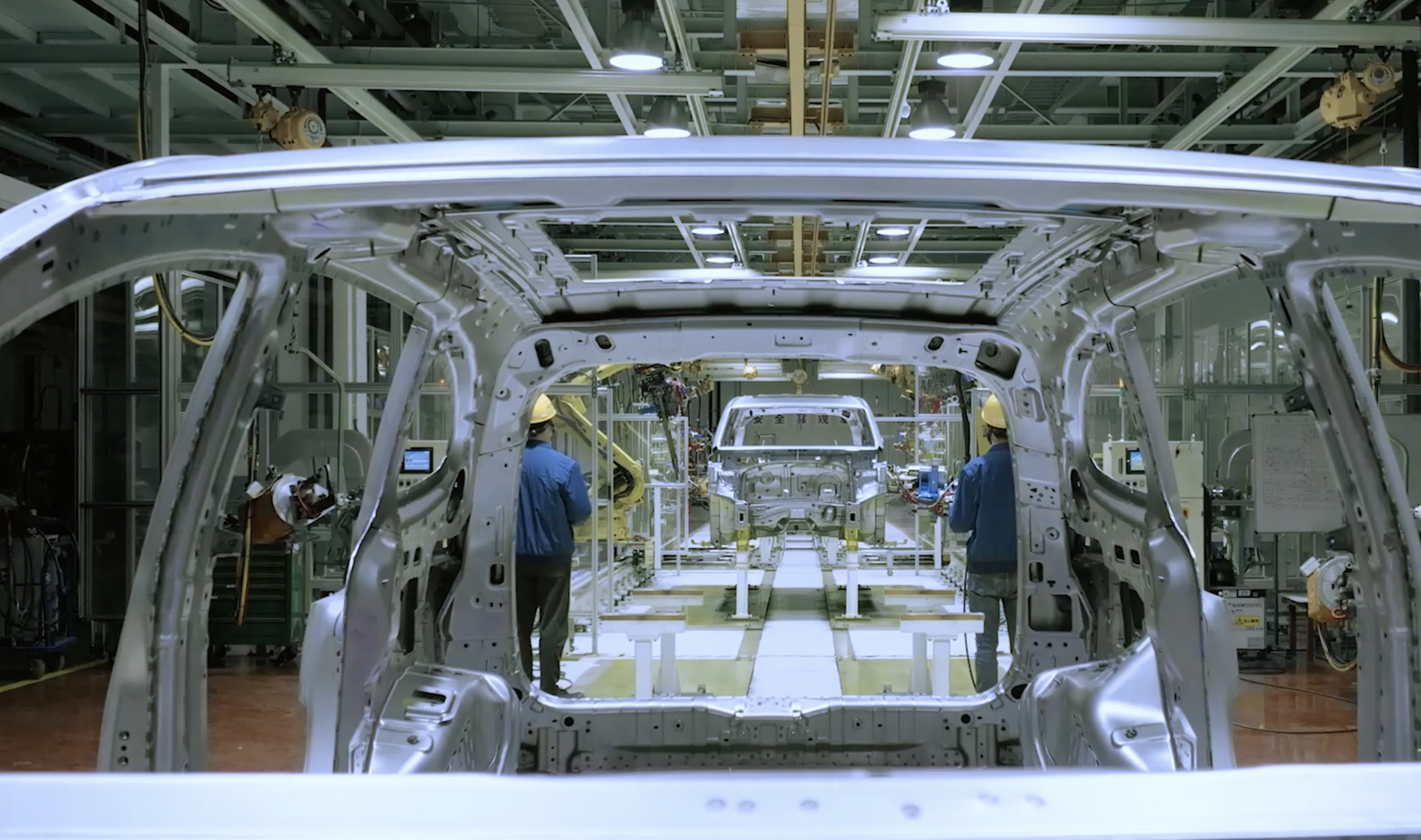
Hyundai’s Yantai R&D centre has full prototype production capability
The Crash Test Centre
One of the most impressive parts of the facility is the crash test centre.
This operation conducts around 500 crash tests every year, covering multiple global standards including Euro NCAP, Chinese NCAP, and other regulatory compliance requirements.
About 100 of those tests are rollover scenarios — an area of safety testing that doesn’t receive much attention in some rating systems despite being relevant to real-world crashes.
Preparing for these tests requires teams of engineers and technicians continuously calibrating dummies, preparing vehicles, and configuring instrumentation to extremely precise standards.
Crash test dummies themselves are sophisticated measurement devices designed to replicate human biomechanics under extreme conditions.
They’re calibrated constantly to ensure the data they produce is accurate and repeatable.
I can save you thousands on any new car - it’s quick and painless. Click here.
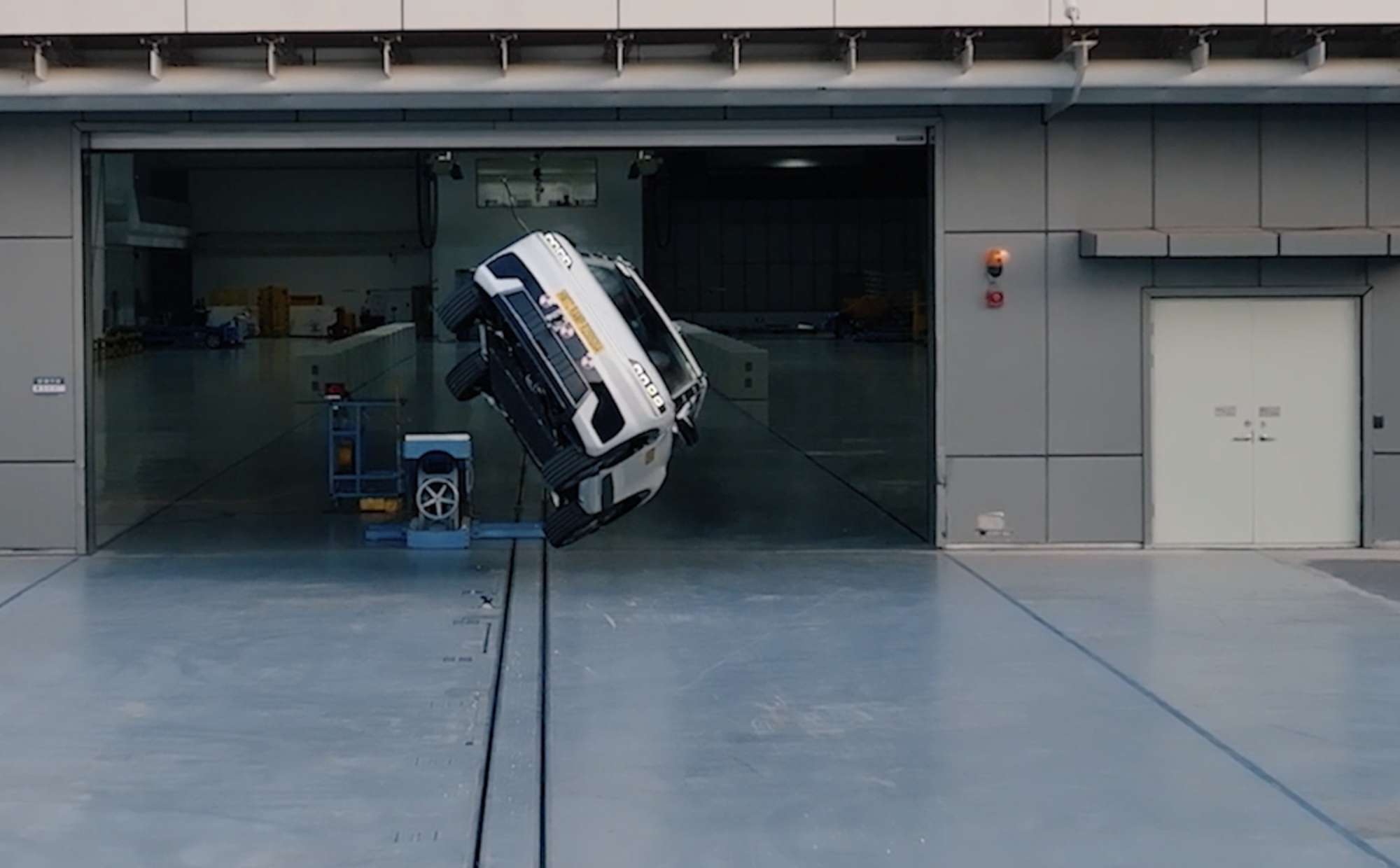
Hyundai’s Yantai crash lab conducts 500 crash tests annually - 100 of them are rollovers
The Factory
The vehicles developed at Yantai are built at Beijing Hyundai’s manufacturing facility, a joint venture between Hyundai and BAIC.
This particular plant is one of Hyundai’s most modern production facilities.
It’s essentially a smaller, updated version of Hyundai’s massive Ulsan complex in South Korea, which is the largest integrated automobile factory in the world.
The production process starts in the press shop, where huge coils of high-strength steel are cut into blanks and then stamped into body panels by massive precision presses.
Those panels move to the body shop, where hundreds of robots perform the welding and structural assembly.
The process is almost completely automated, with digital verification systems checking dimensional accuracy down to tens of microns.
The paint shop is also fully robotic.
Throughout the production process the plant performs continuous quality checks — verifying dimensions, torque specifications, sealing integrity, and electronic system calibration.
Every vehicle is even subjected to a water-jet test to ensure it is fully waterproof before leaving the factory.
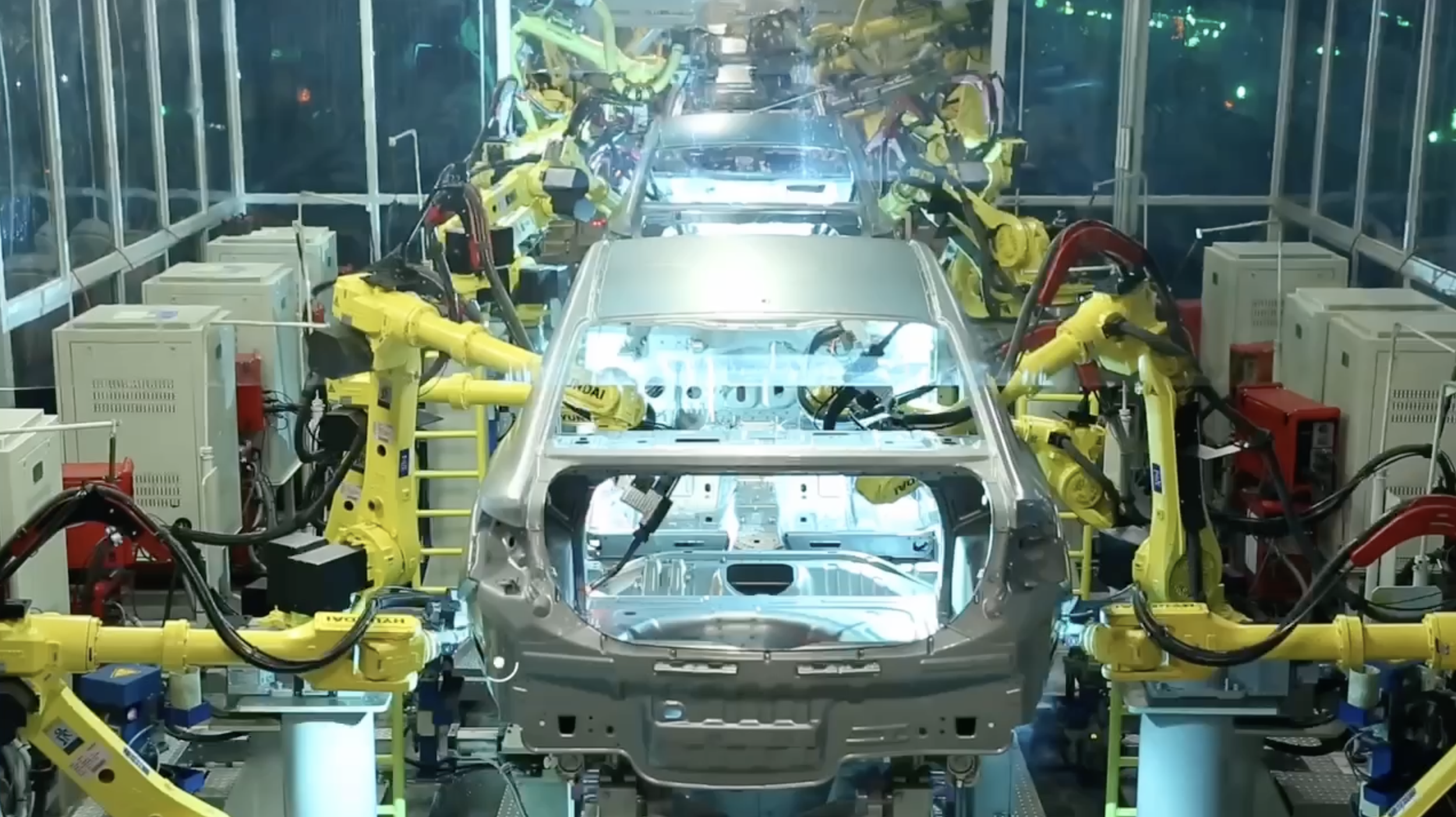
Beijing Hyundai factory (where Elexio is built) has 380 robots in the assembly shop
Robots And Engineers
A factory like this doesn’t eliminate people.
It changes the type of work people do.
Beijing Hyundai employs roughly 5000 staff, but with extensive automation the workforce is heavily weighted toward engineers and technical specialists rather than manual labour.
In other words, the factory is full of brainpower.
I can save you thousands on any new car - it’s quick and painless. Click here.
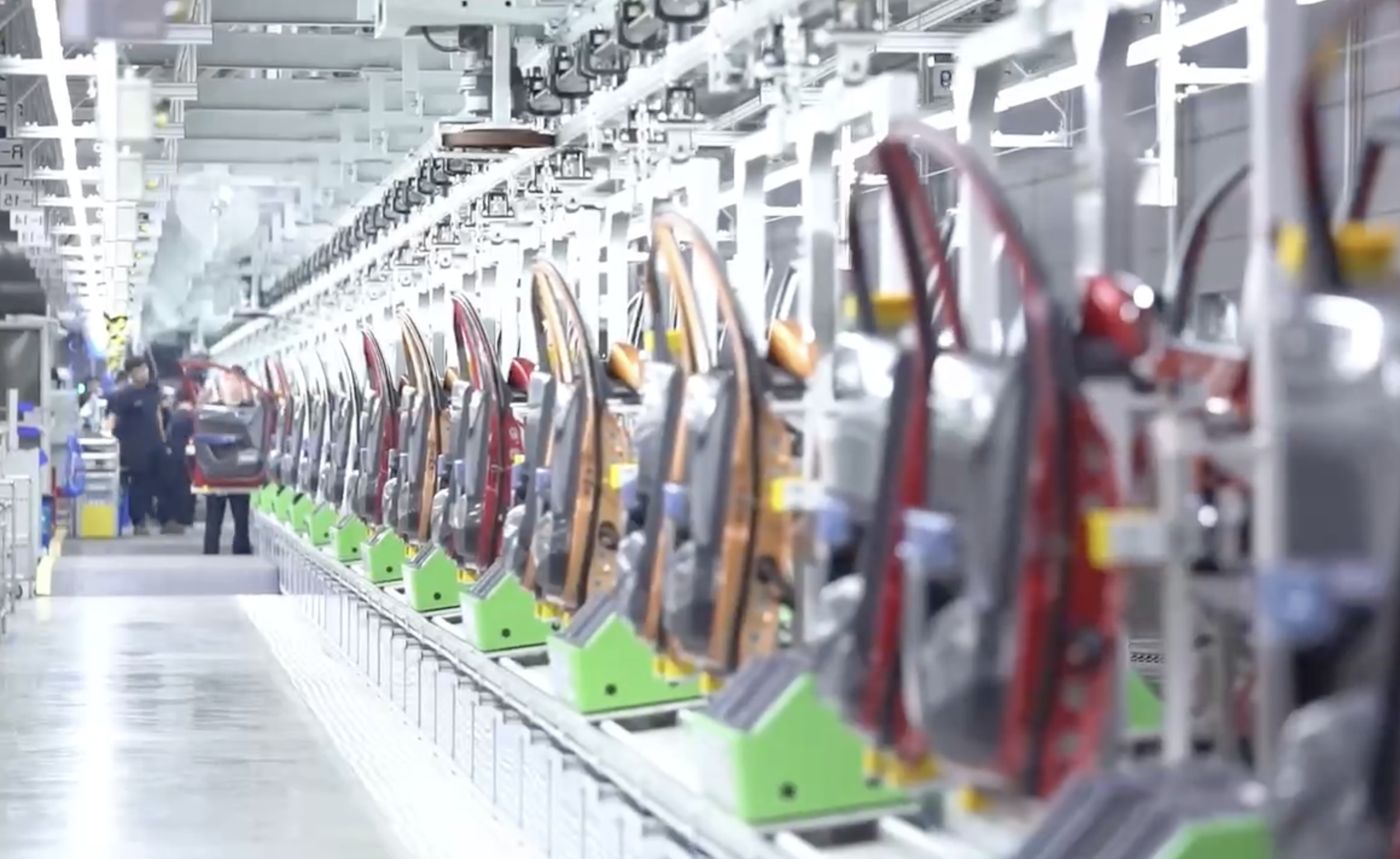
Beijing Hyundai is the most modern Hyundai factory in the world
Changing Perceptions
For many Australians, the perception of Chinese manufacturing is still shaped by outdated stereotypes.
Walking through facilities like Hyundai’s R&D centre and factory makes it clear how far those perceptions are from reality.
China has spent the past decade building extraordinary engineering and manufacturing capability.
From what I saw firsthand, there’s no evidence that a Hyundai engineered and built in China is inferior to one developed anywhere else.
In fact, quite the opposite.
Did you miss Part 1 of this report? Click here.
I can save you thousands on any new car - it’s quick and painless. Click here.