How do you remove a stripped or damaged screw? I tested Vessel impact screwdrivers and Engineer extraction pliers on damaged fasteners.
There are few things more frustrating in the workshop than a simple screw that refuses to budge. Overdoing the effort to get it out can make the problem worse.ed
SIX TOOLS — Complete Shopping List
These are the 6 tools selected to get you out of a damaged screw situation
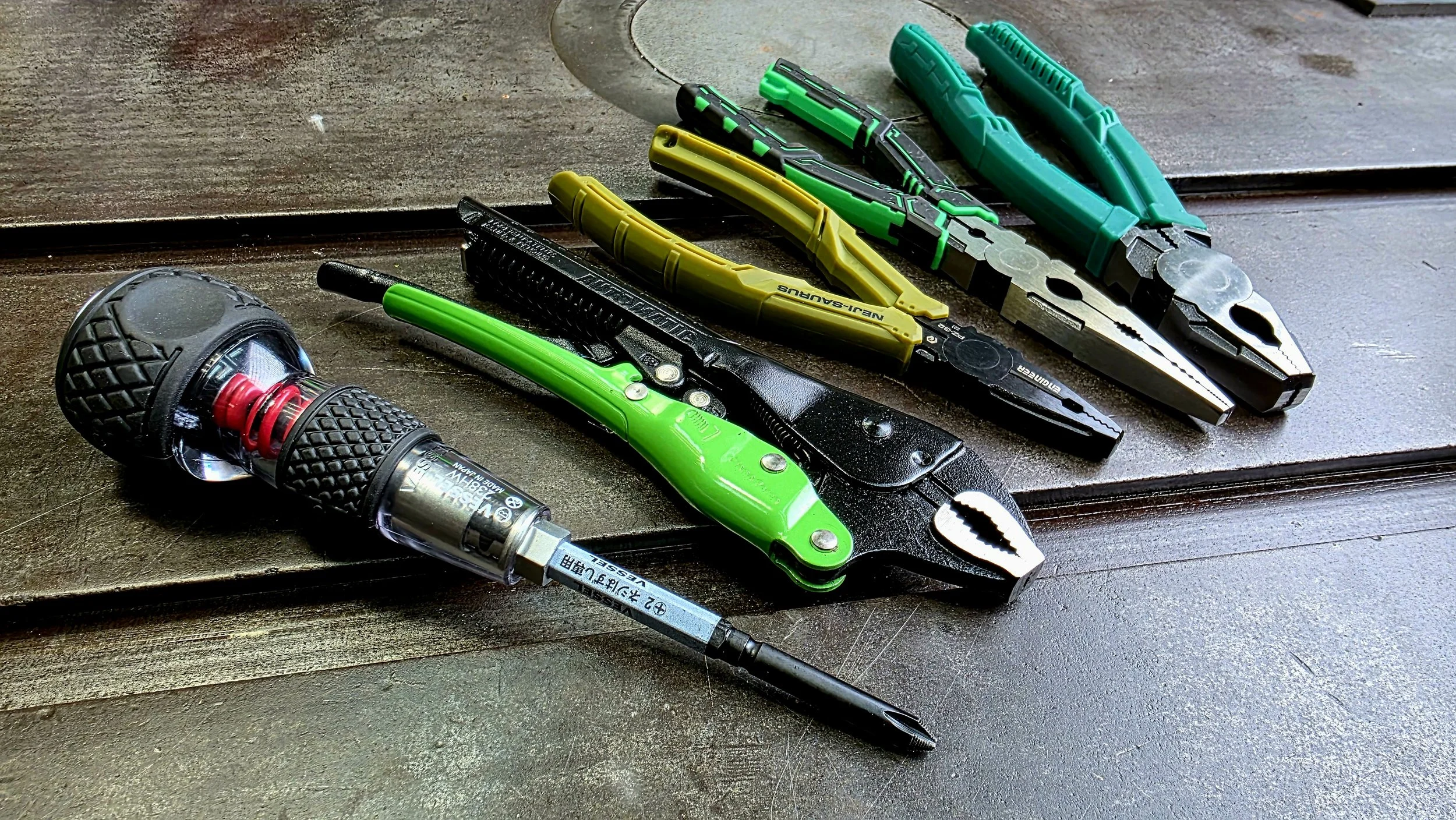
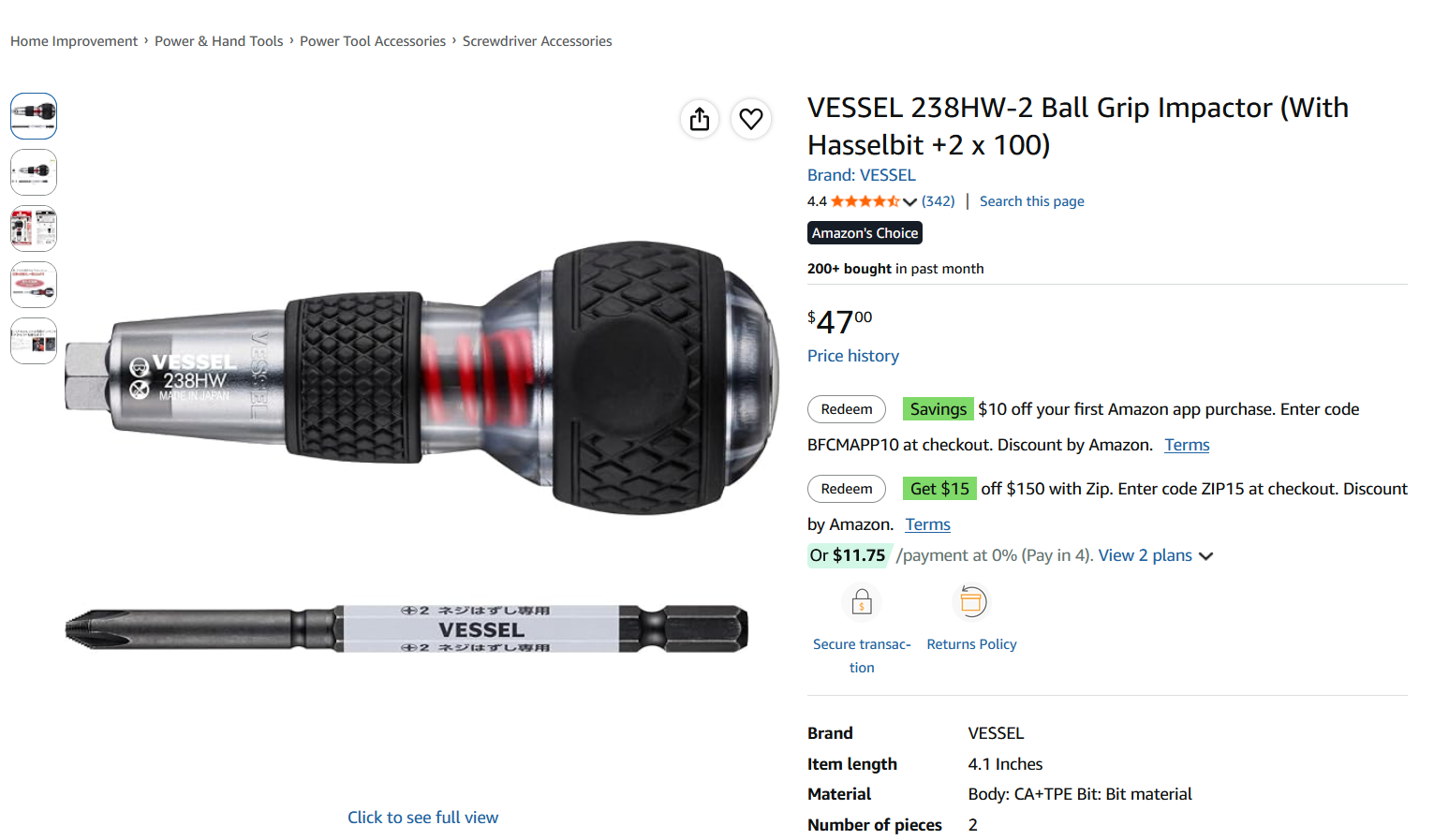
Vessel 238HW-2 Ball Grip Impactor:
Vessel Impact & Out seven-bit kit:
Engineer PZ-67 — Automatic locking extraction pliers:
Engineer PZ-61 — Screw Removal Pliers Z Plus:
Engineer PZ-59 — Heavy-Duty Screw Removal Pliers:
Engineer PZ-32 — Screw Removal Needle-Nose Pliers:
You might be halfway through a repair when a screw head rounds out, the screwdriver starts slipping, and suddenly a straightforward job becomes an absolute nightmare.
The temptation is to reach for a drill, but drilling out a damaged screw isn't always easy, and it carries the risk of damaging the surrounding component or threads.
Fortunately, there are some rather clever Japanese tools designed specifically to solve this problem.
I recently put a selection of them to the test, including specialised screw-extraction pliers from Engineer and impact screwdrivers from Vessel.
The results were impressive.
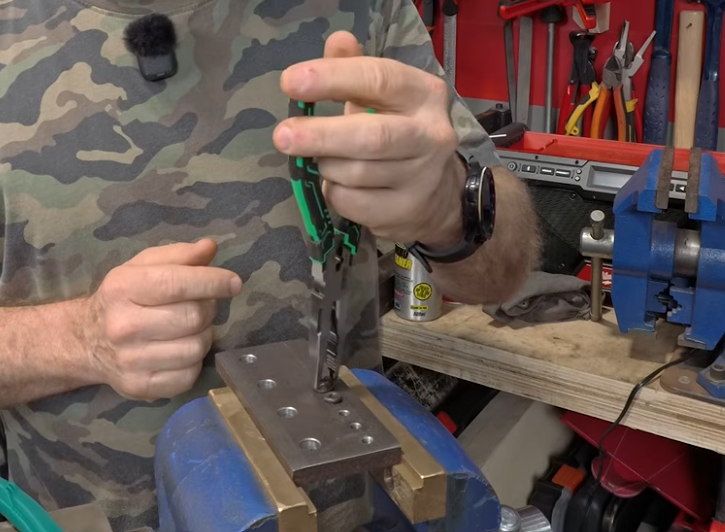
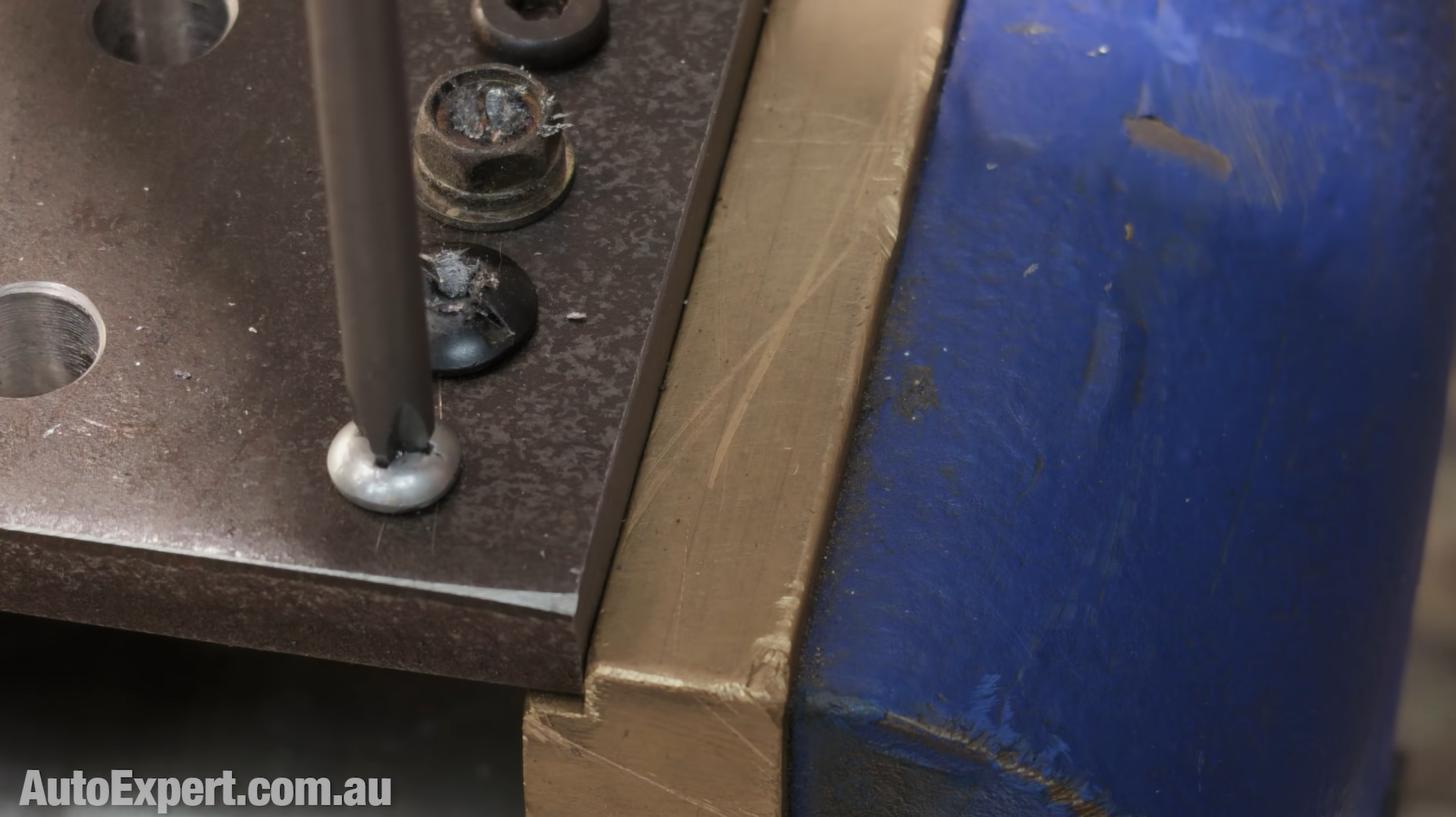
Rather than simply demonstrating these tools on the workbench, I made a test fixture from 12mm steel plate, drilled and tapped M6 × 1.0 holes, and deliberately damaged the screw heads.
The objective was straightforward: see whether these tools could actually extract damaged fasteners under realistic workshop conditions.
And, as you'll see in the video, they worked remarkably well.
1. Vessel 238HW-2GBK Ball Grip Impactor
Not every screw-removal problem requires a specialist extraction tool.
A decent set of conventional screwdrivers is an essential part of any workshop, and the Vessel Ball Grip range offers comfortable handles and practical everyday usability.
I also included an inexpensive Vessel Ball Grip screwdriver kit in the video, because good general-purpose tools deserve a place alongside the specialist equipment.
It's a relatively accessible addition to a toolkit that packs a punch.
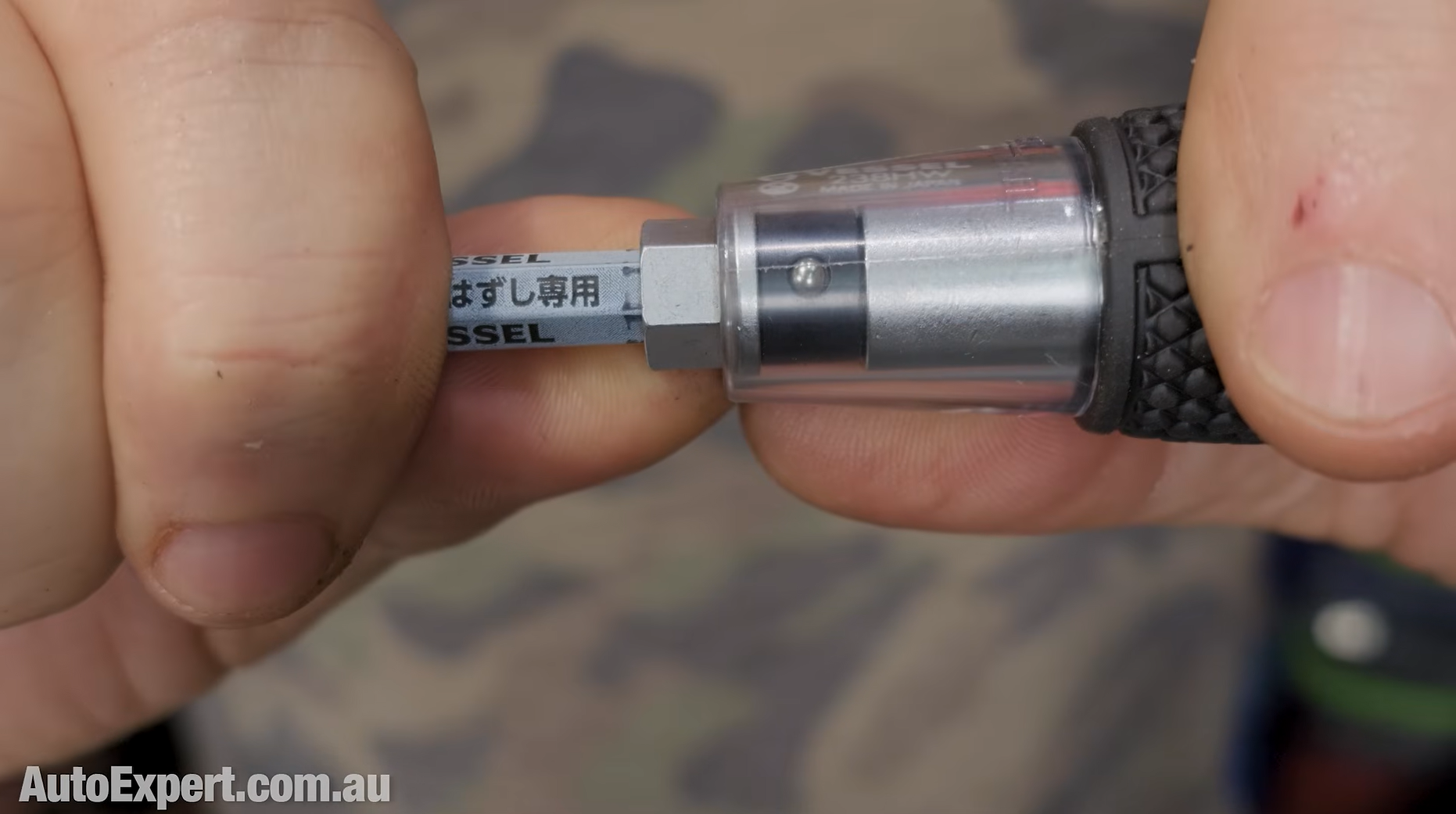
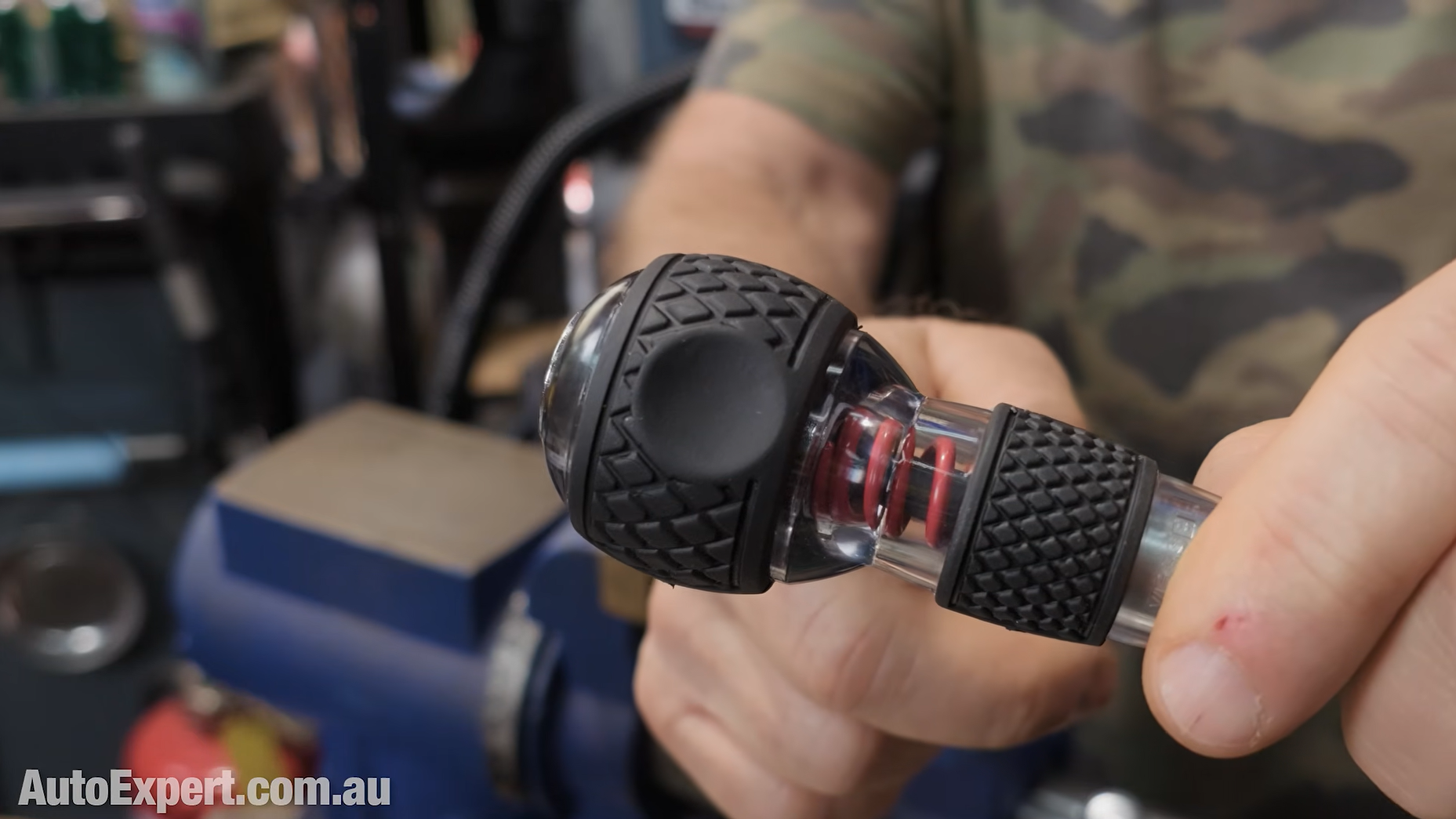
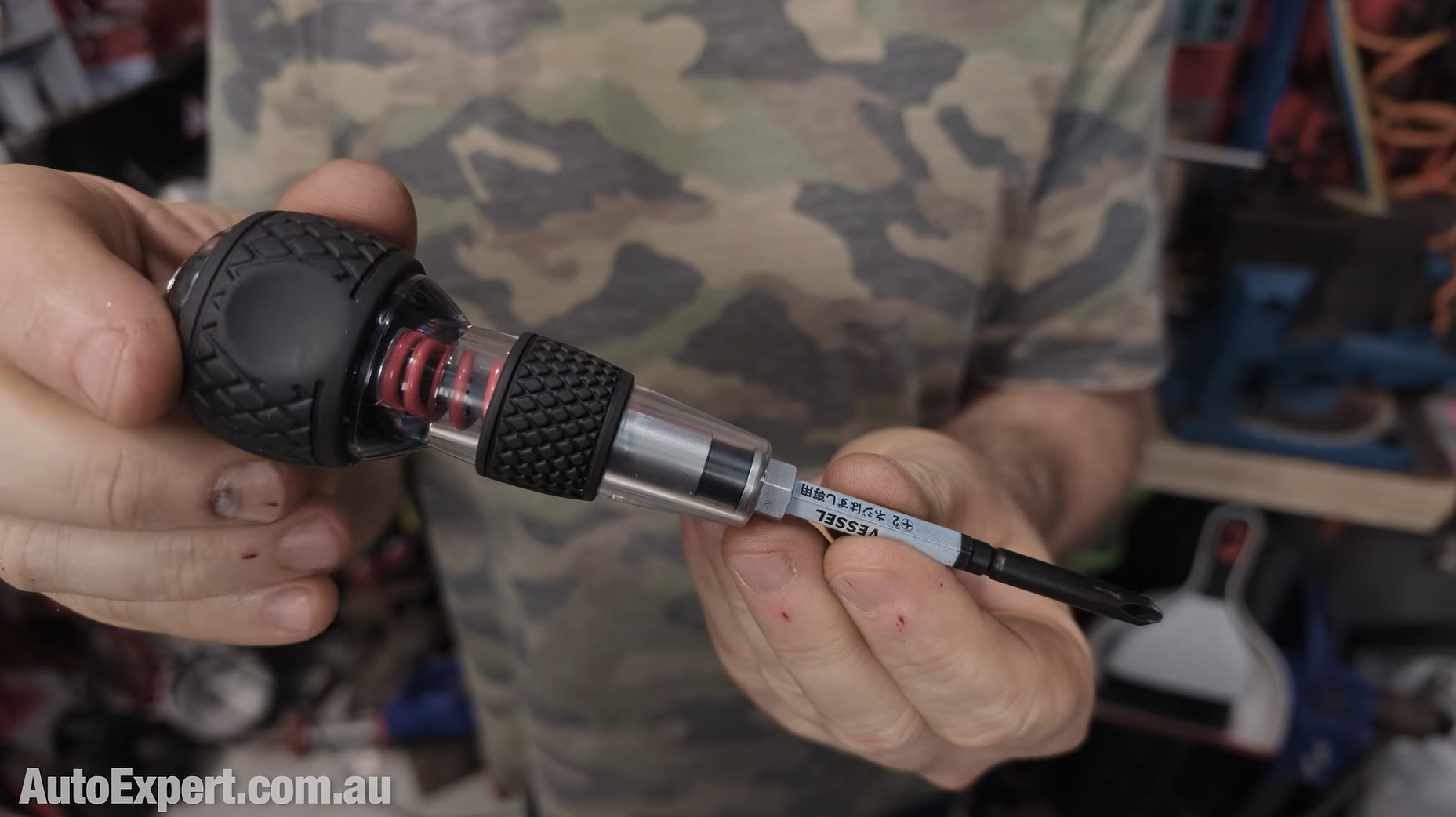
The Vessel Ball Grip Impactor looks rather like a conventional screwdriver, but it has a clever trick up its sleeve.
When you strike the end with a hammer, an internal mechanism delivers a small amount of rotational movement to help loosen a stubborn screw.
This combines the axial impact of the hammer with a rotational loosening action - something extremely difficult to do effectively with hands alone on a regular screwdriver.
It's particularly useful when a conventional screwdriver simply won't shift the fastener, provided the bit can even still engage the screw head.
Vessel has taken a familiar workshop tool and added a genuinely useful and robust mechanical advantage.
Get it here >
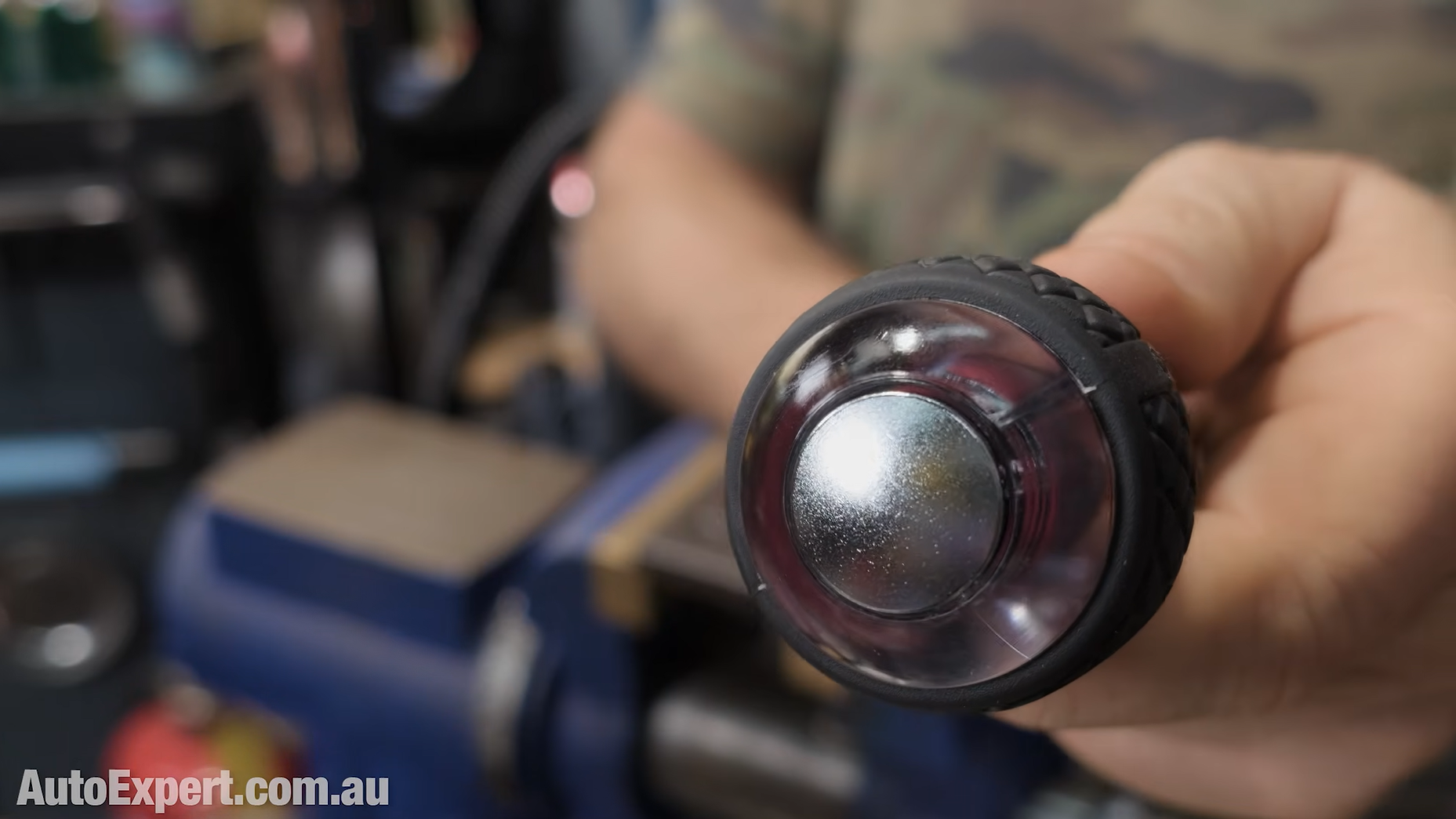
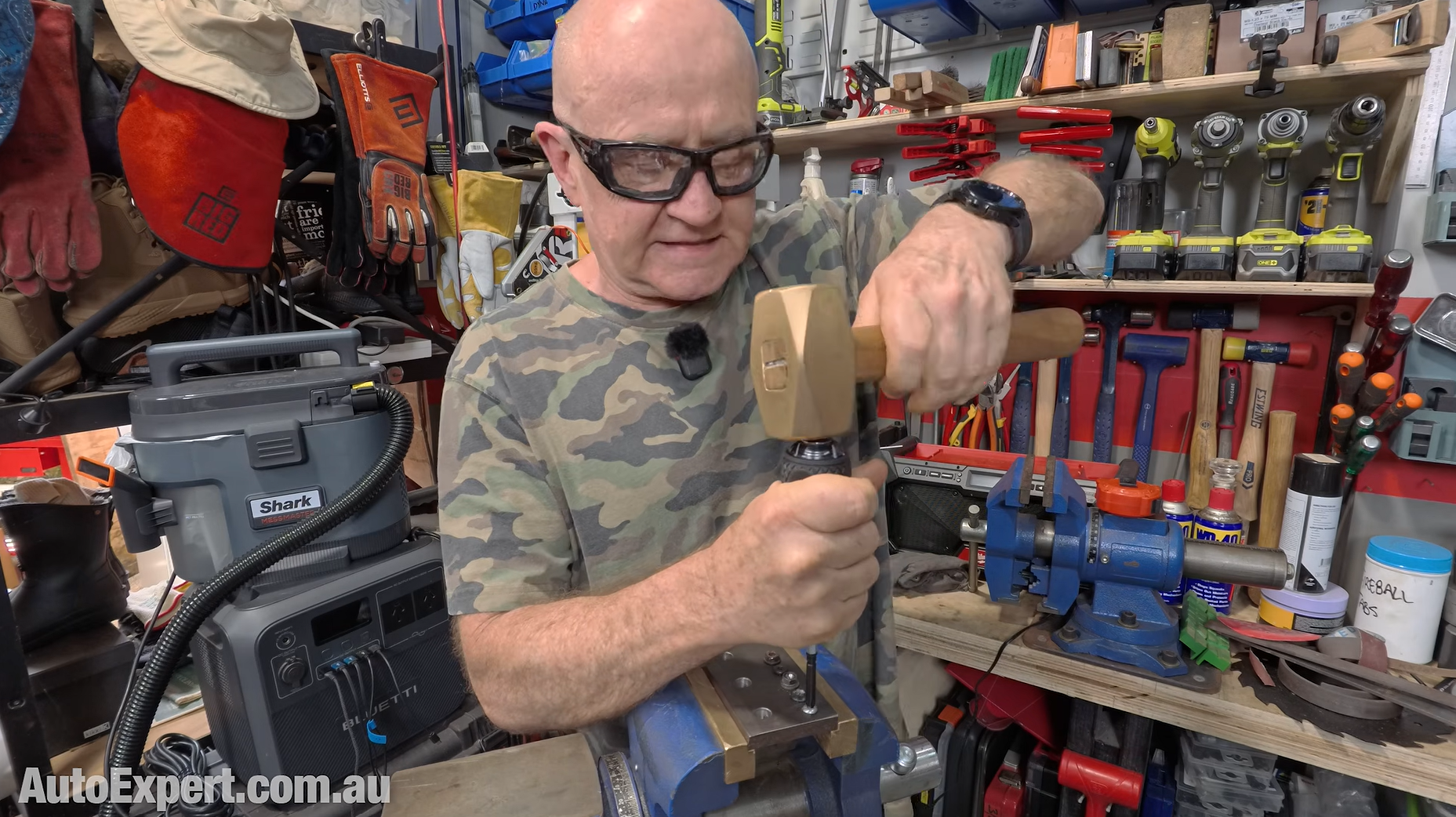
Hitting conventional screwdrivers like this only butchers the screwhead further, shatters the handle and blunts your Phillipshead - ALWAYS wear safety specs
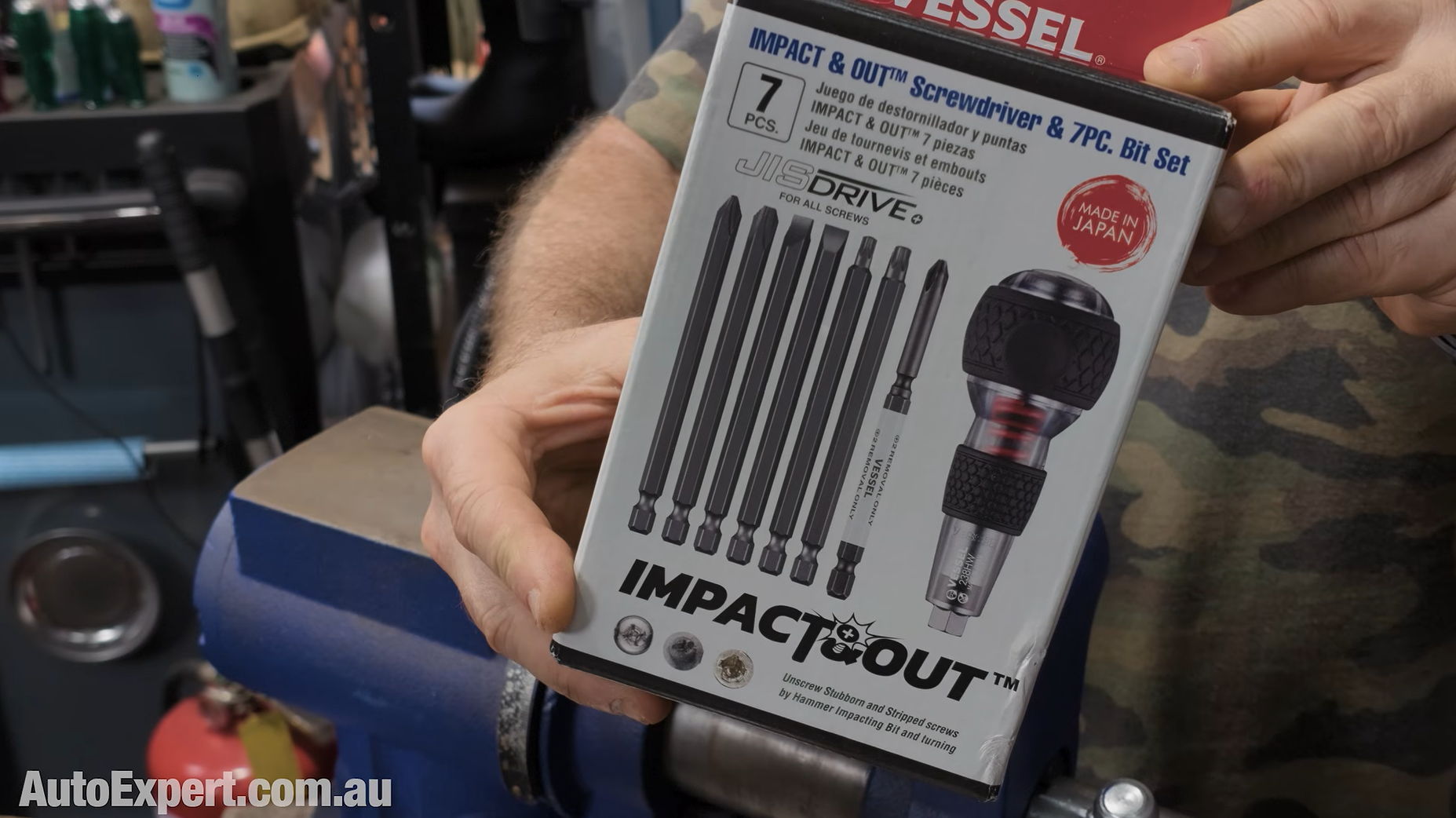
2. Vessel ‘Impact & Out’ kit
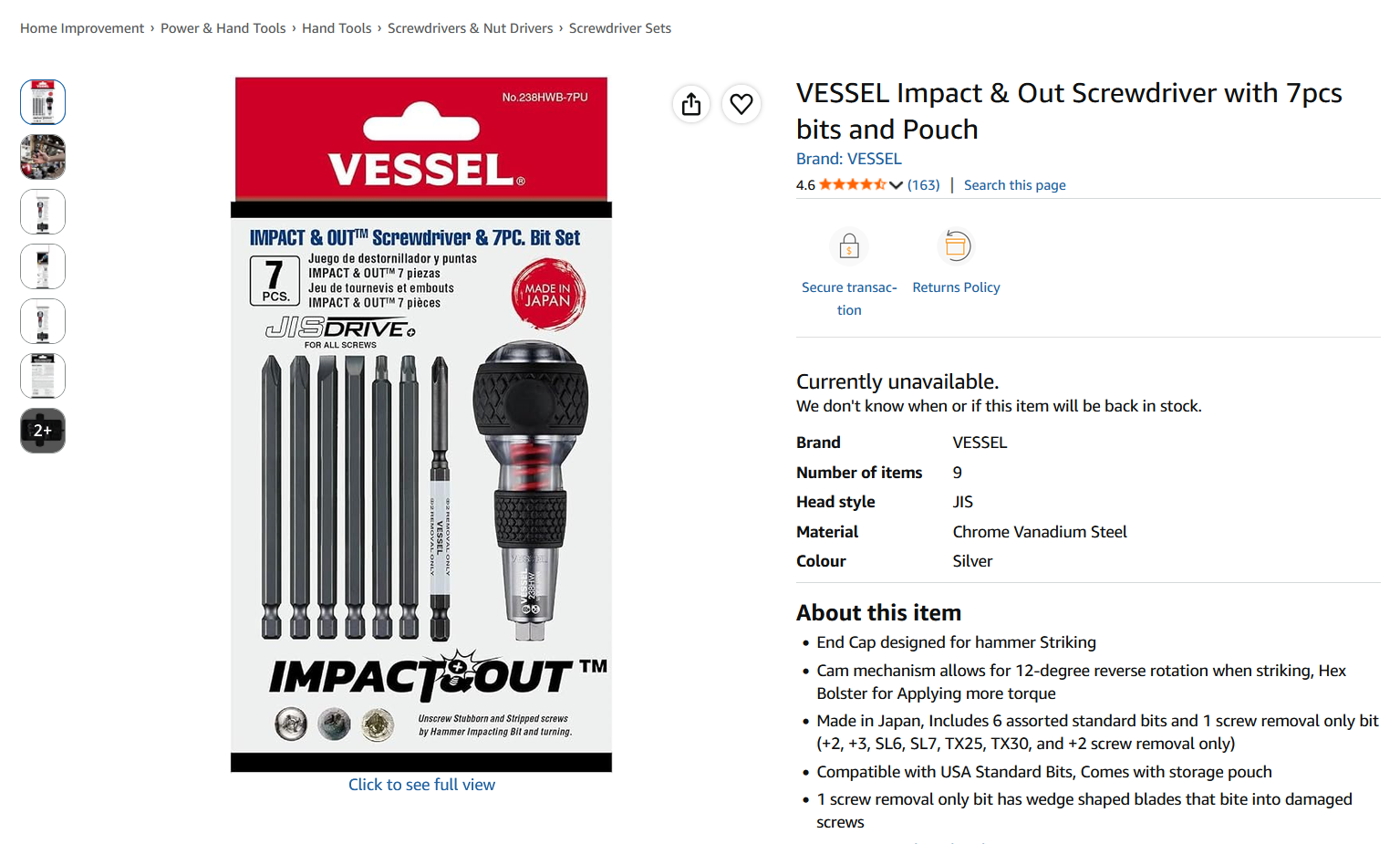
Sometimes the problem isn't simply that a screw is tight. The drive recess itself has been damaged, and an ordinary screwdriver can no longer transmit sufficient torque.
That's where specialised extraction bits become useful.
The Vessel Impact & Out kit provides 7 bits intended for dealing with stubborn or damaged screws of various types. Bits include: +2, +3, SL6, SL7, TX25, TX30, and +2 screw removal-only.
Being Japanese Industrial Standard they fit PERFECTLY into the handle and are compatible with US standard bits.
These are worth considering before resorting to more destructive removal methods, especially where the screw head is recessed and inaccessible to pliers.
Get it here >
Engineer Screw Extraction Pliers — A different approach
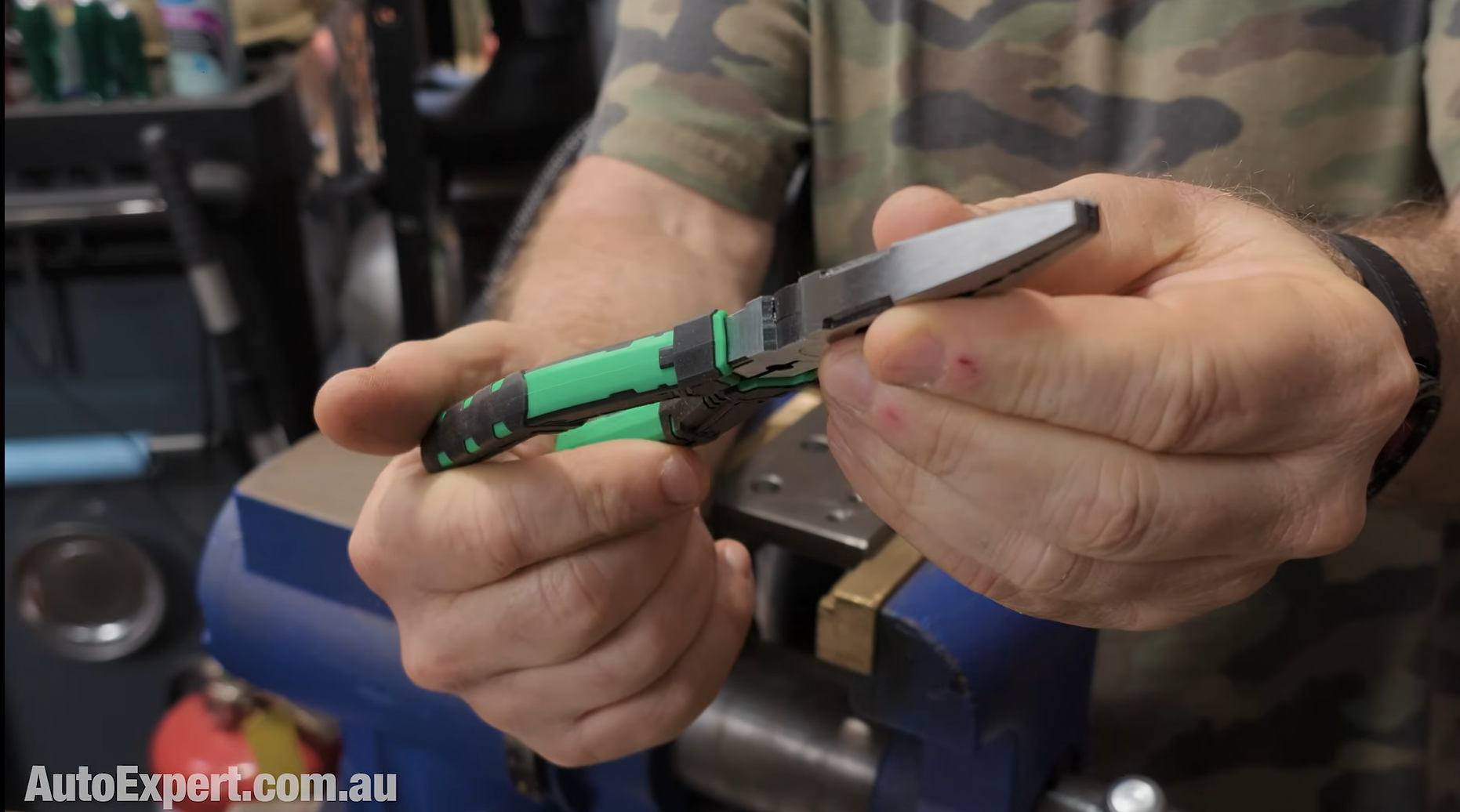
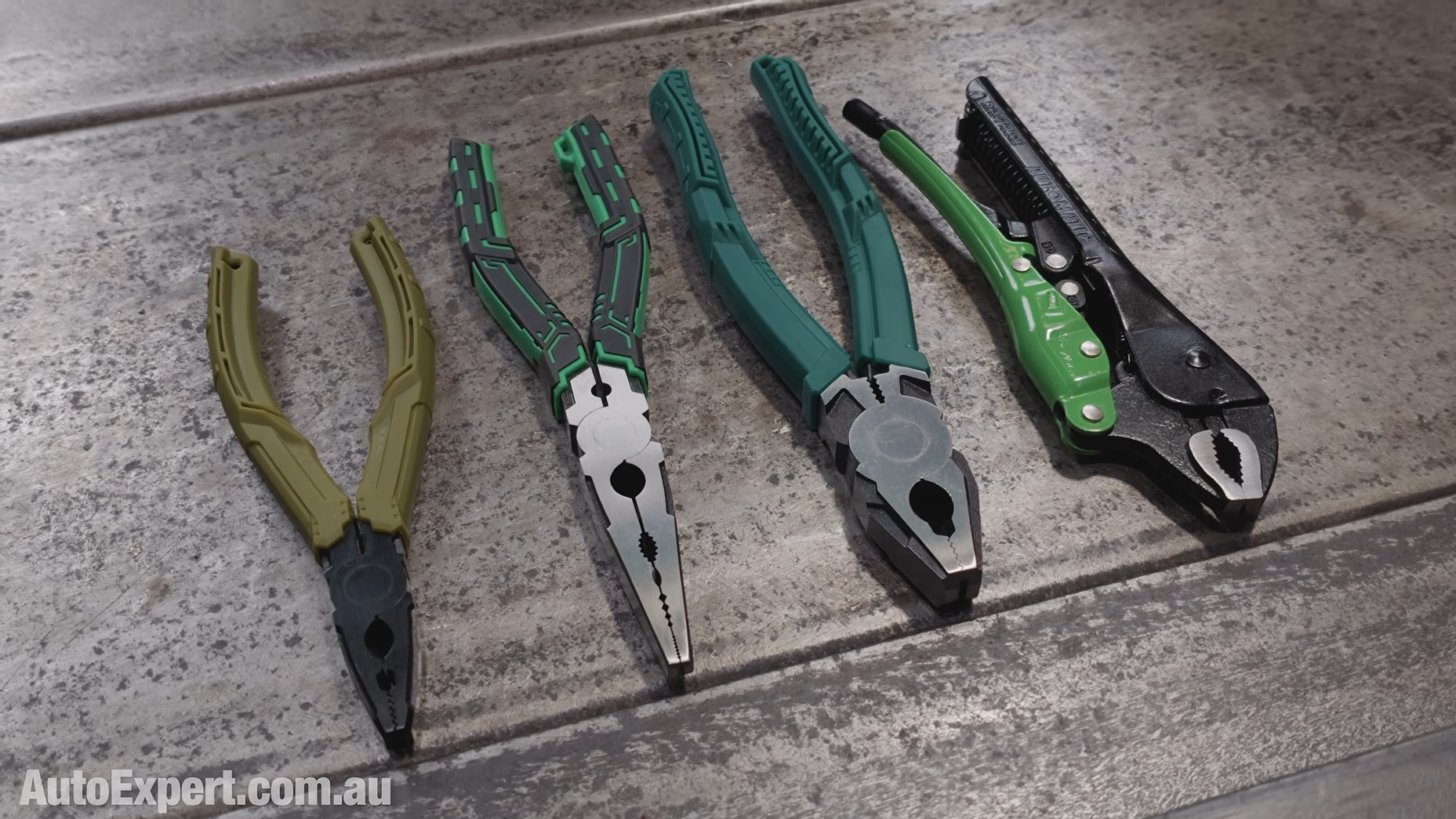
L-R: PZ-32 (khaki grips), PZ-61 (green/black needle-nose), PZ-59 (dark green grips), PZ-67 (1 green/1 black grip)
One of the cleverest approaches to removing a damaged screw is to stop relying on its damaged drive recess altogether.
If enough of the screw head is accessible, specially designed pliers can grip its outside diameter and apply the torque required to loosen it.
Engineer makes an extensive range of these tools, with specialised jaw geometry designed to bite into the screw head rather than simply slide off.
I tested four different models.
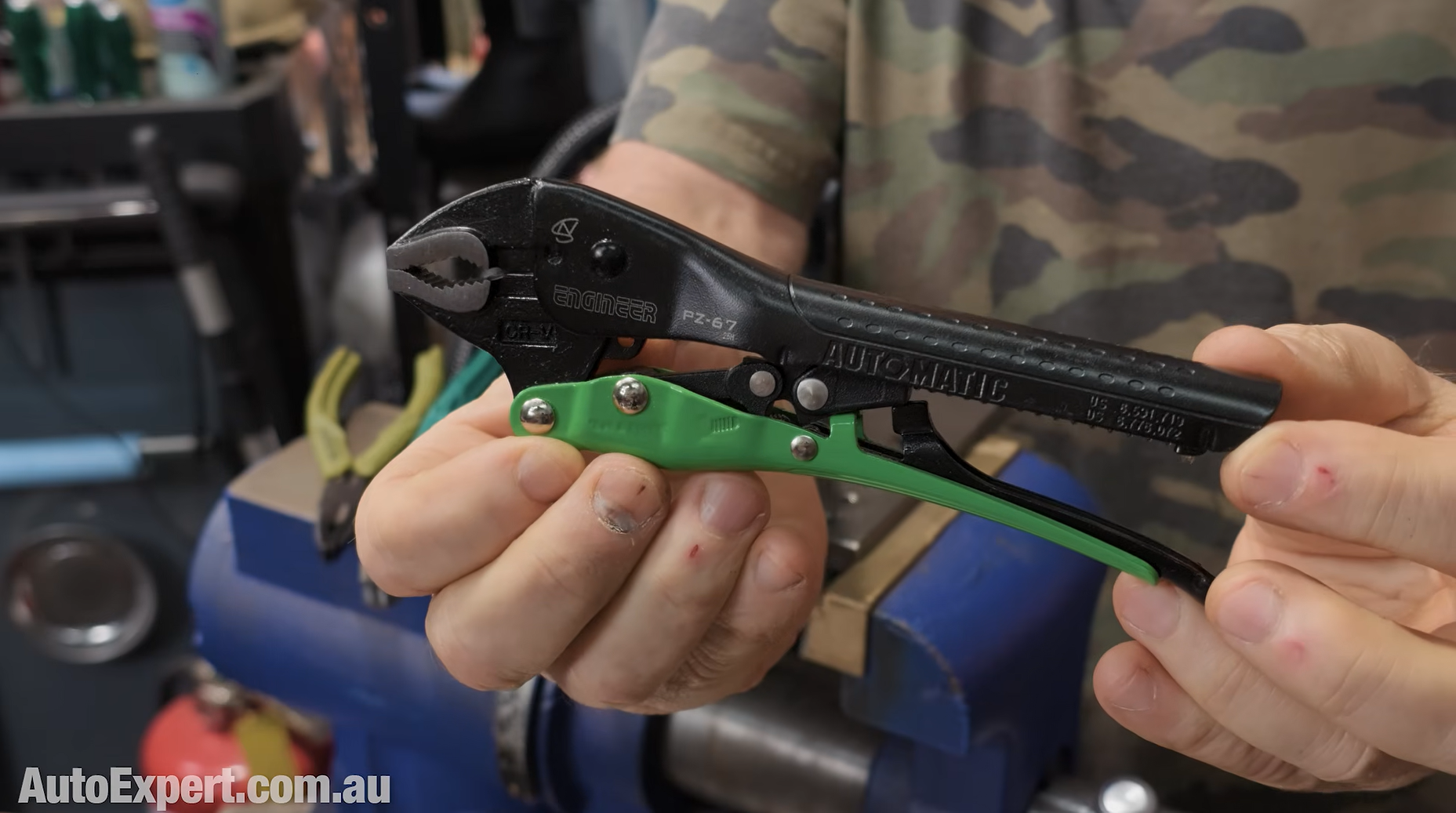
3. Engineer PZ-67 auto-locking extraction pliers
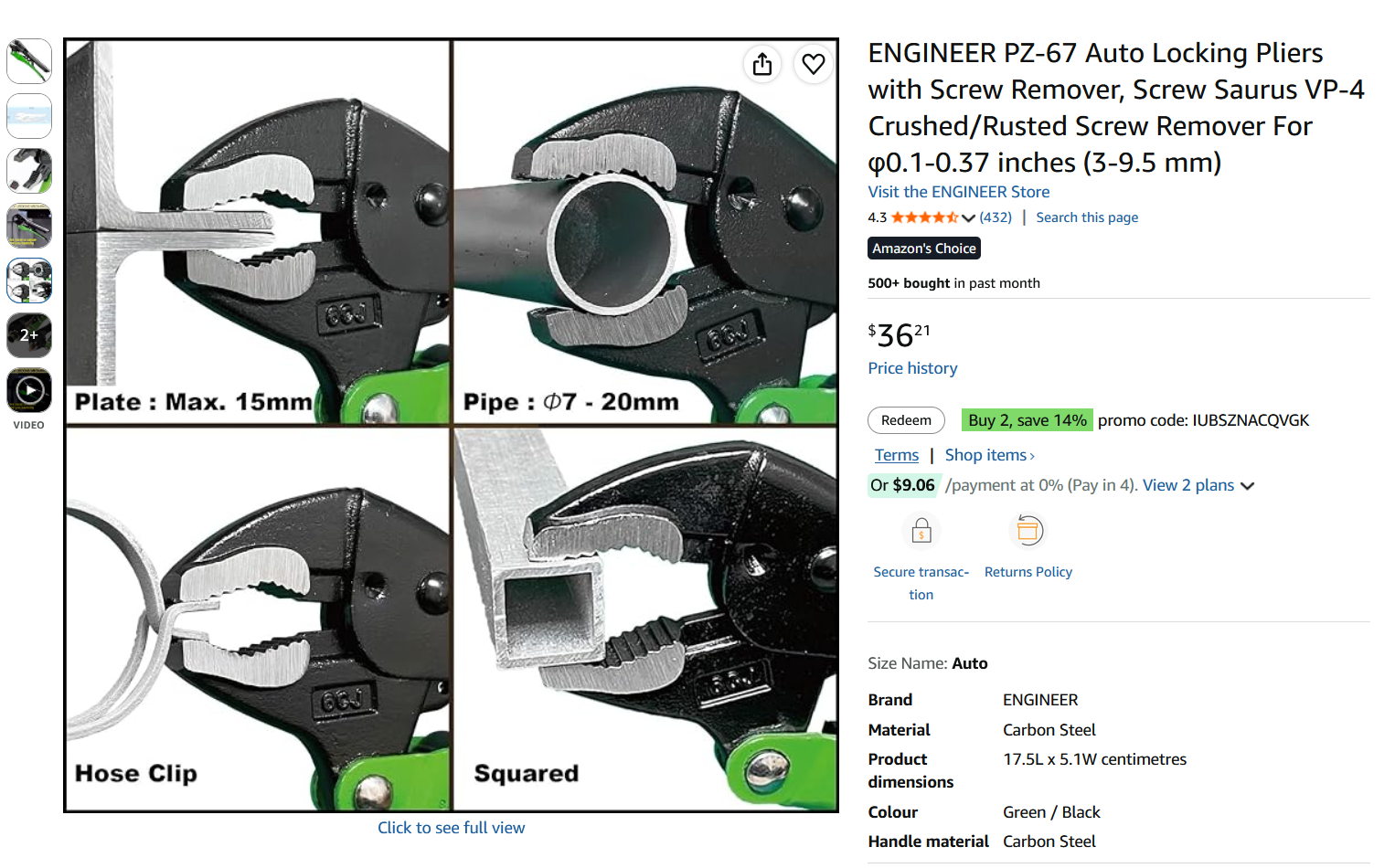
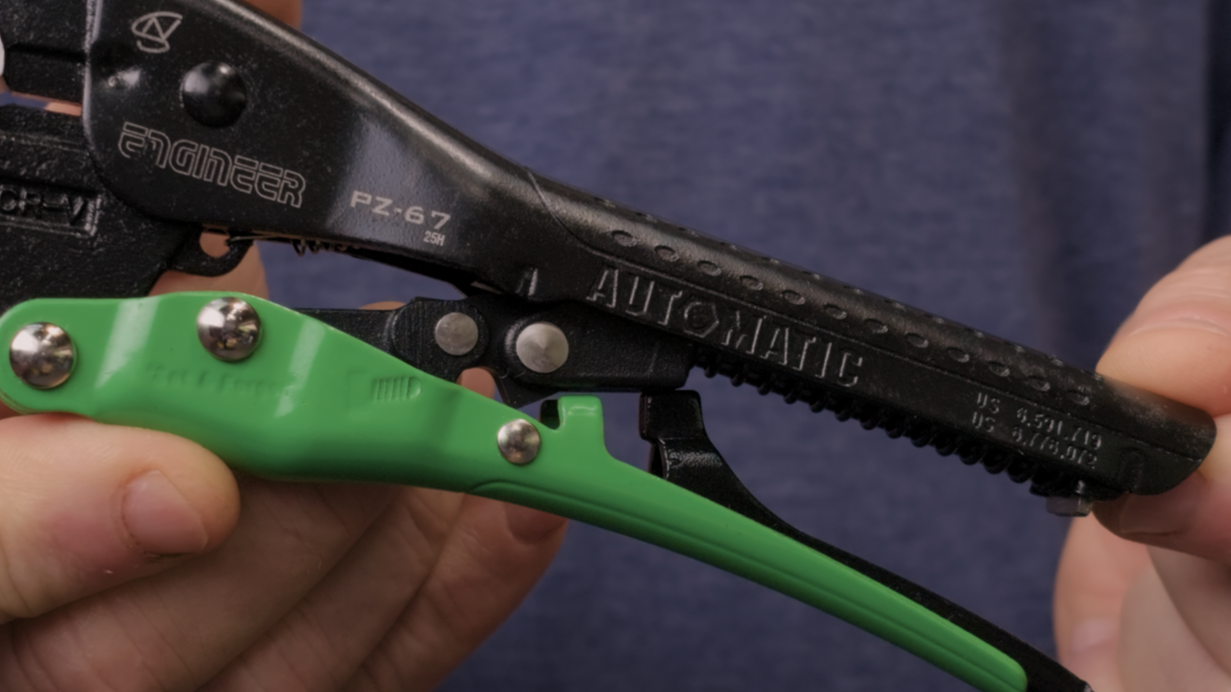
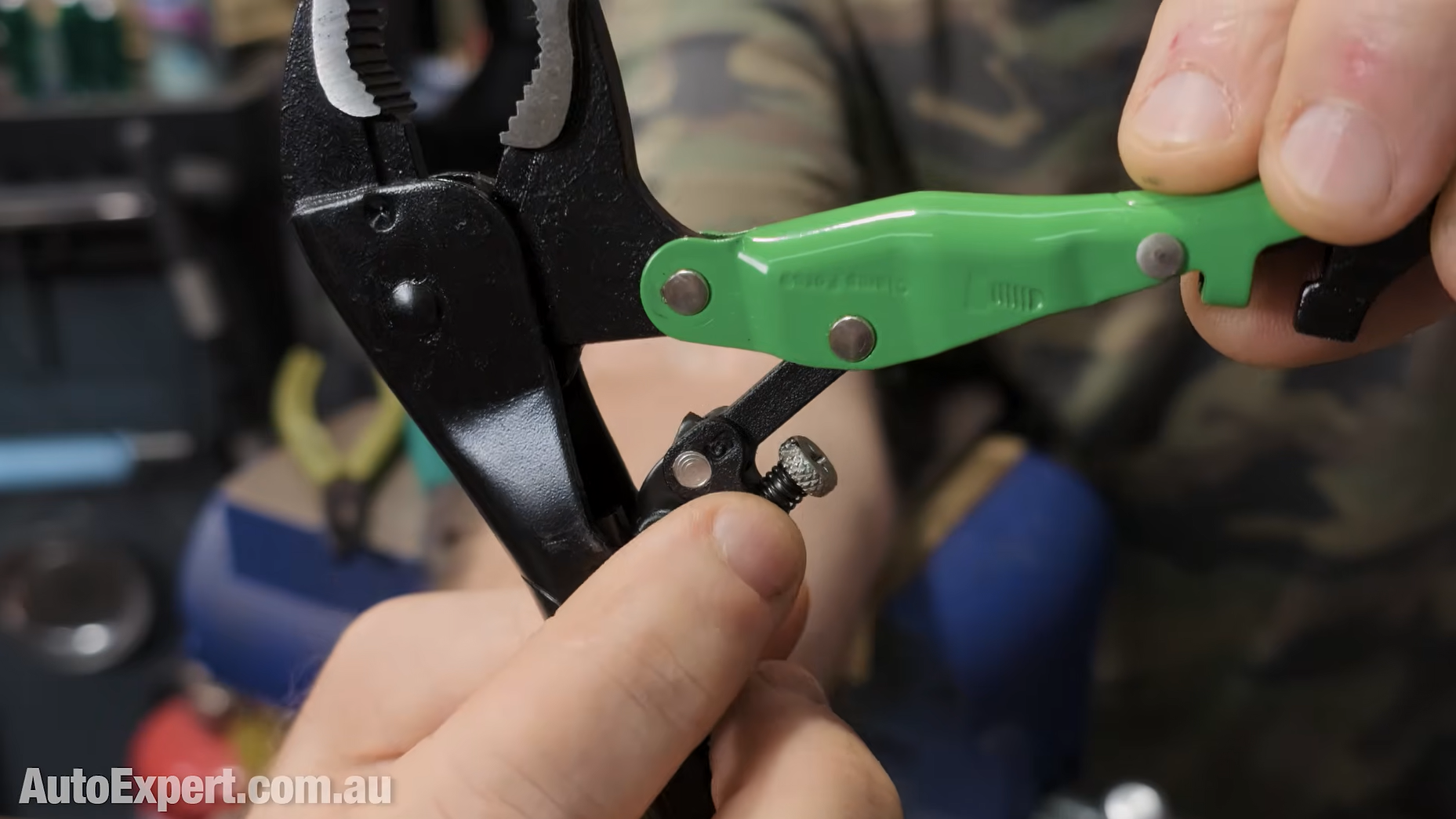
The PZ67 uses an automatic locking mechanism and specialised gripping jaws to secure a damaged screw head.
This is particularly useful when you want to establish a firm grip on a stubborn fastener before attempting to turn it.
These surpass the conventional, crude multi-grips in their utility and discretion with the various work you might encounter.
Get it here>
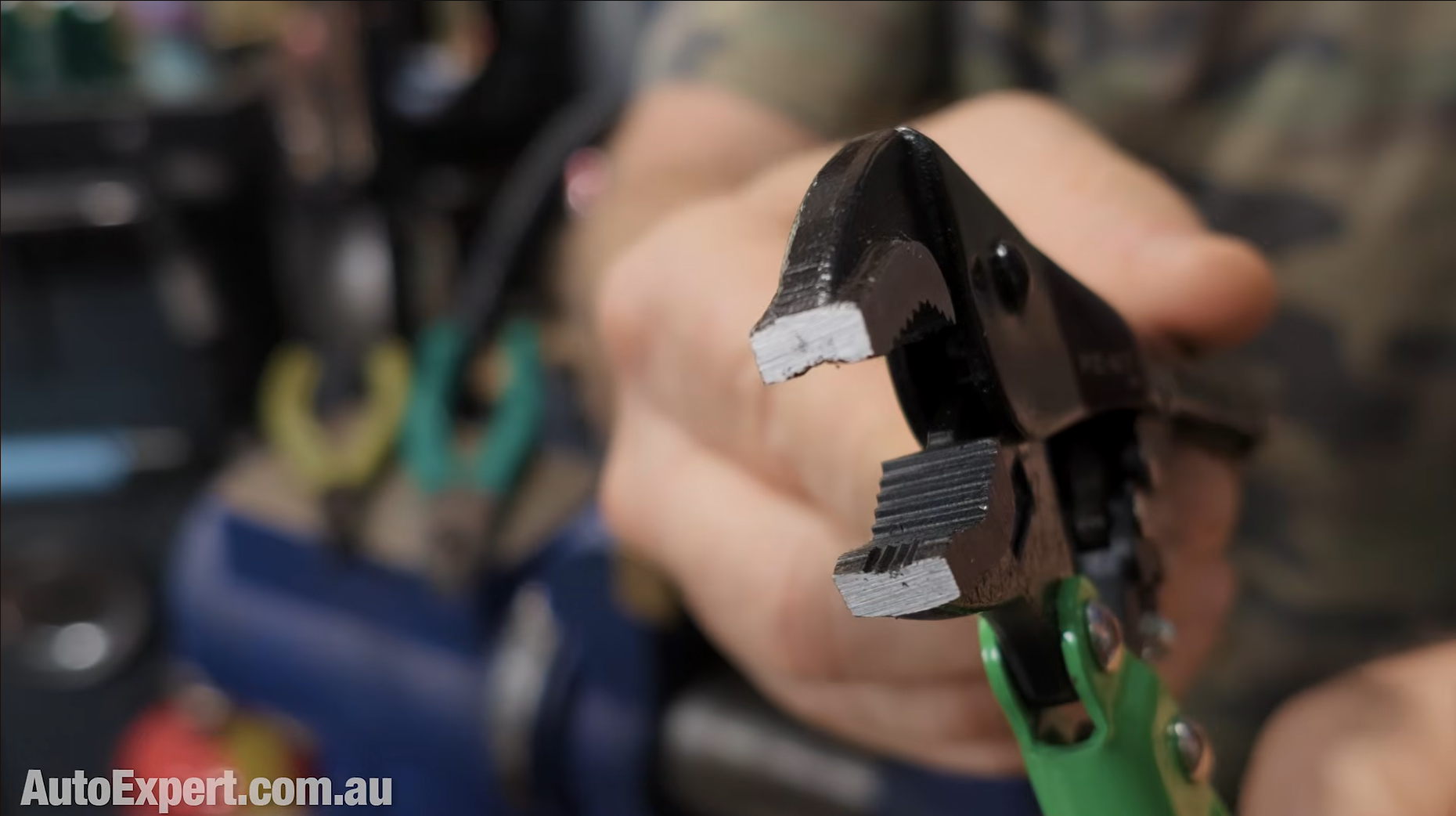
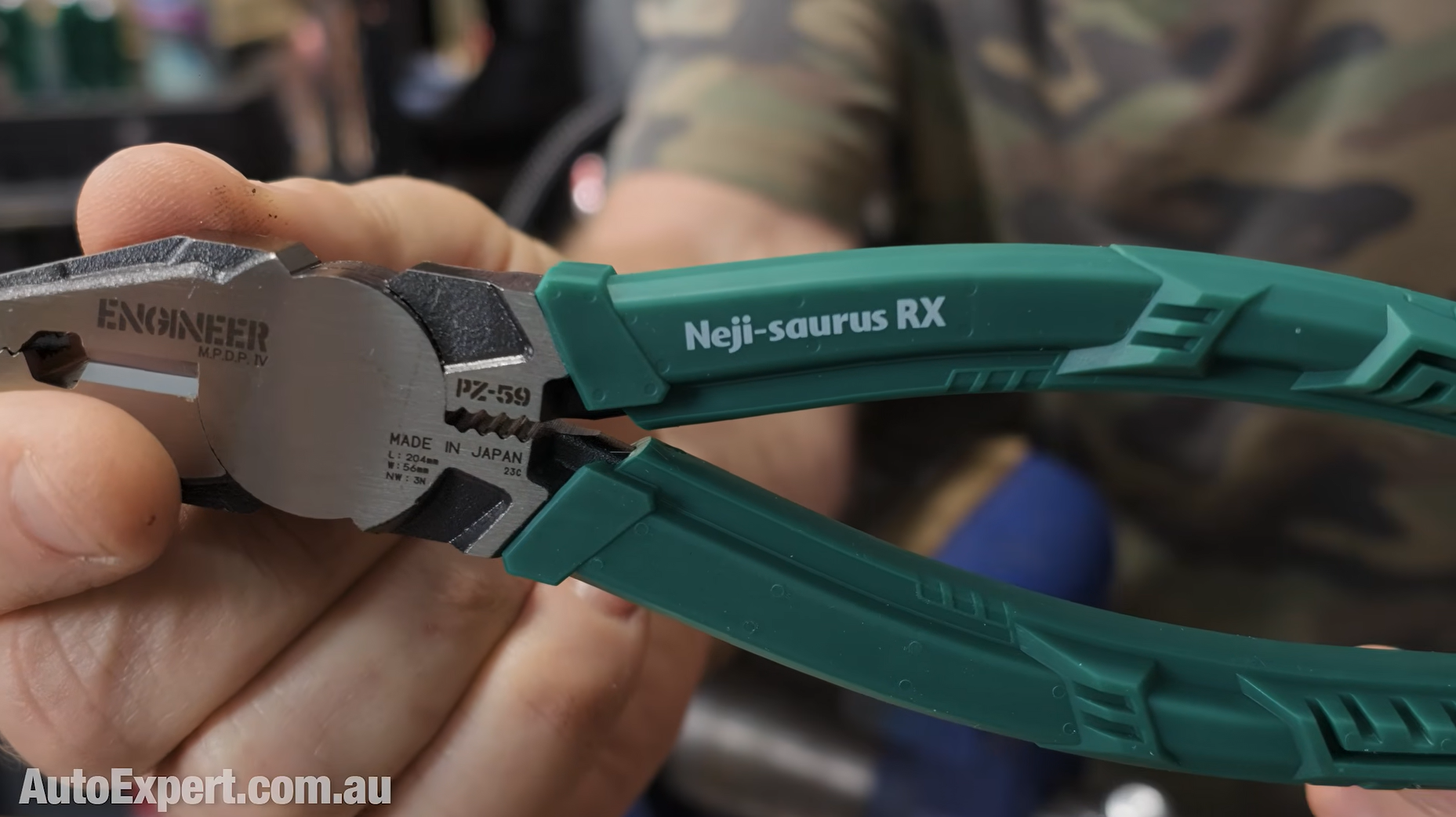
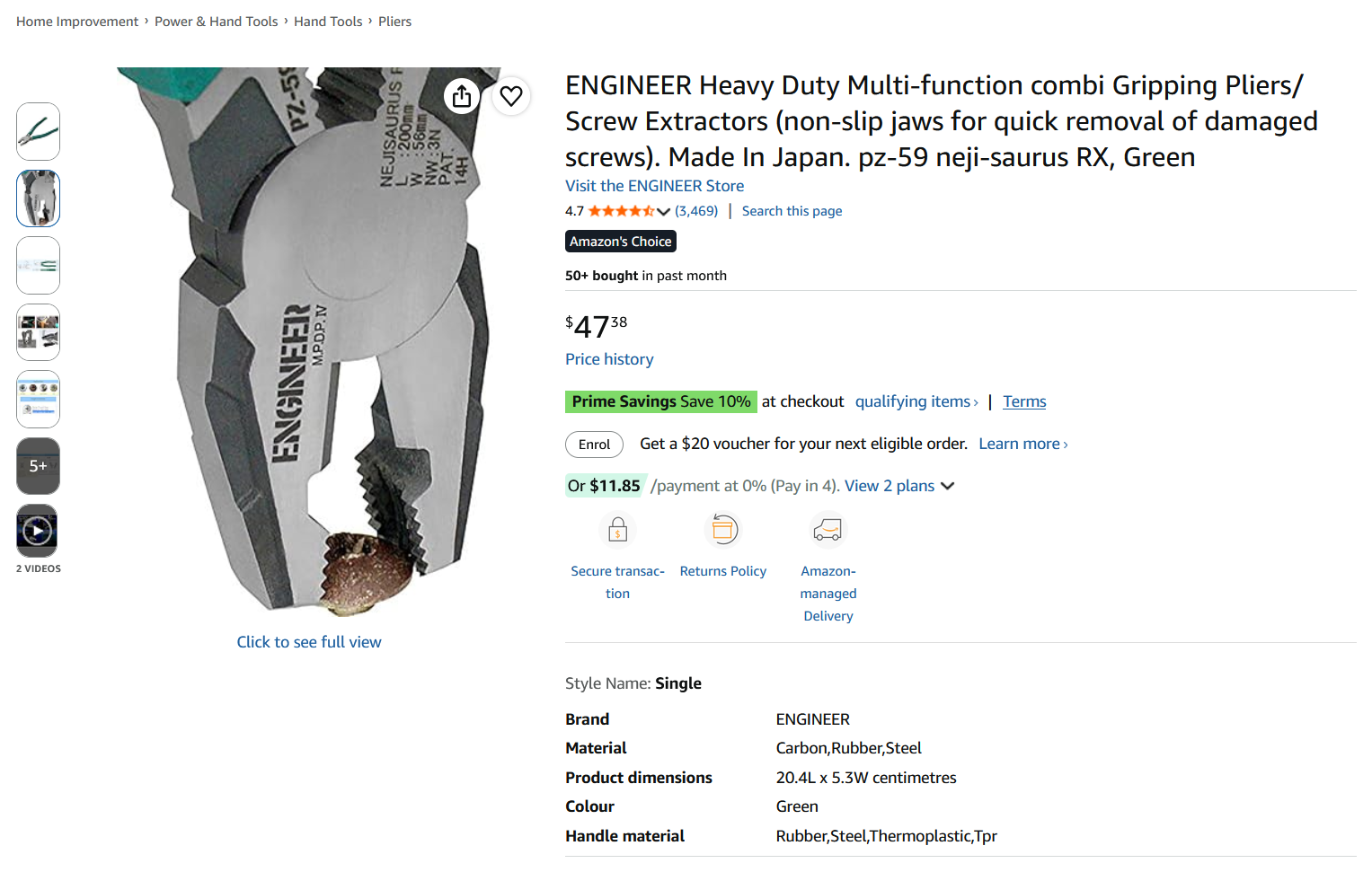
4. Engineer PZ-59 combination extraction pliers
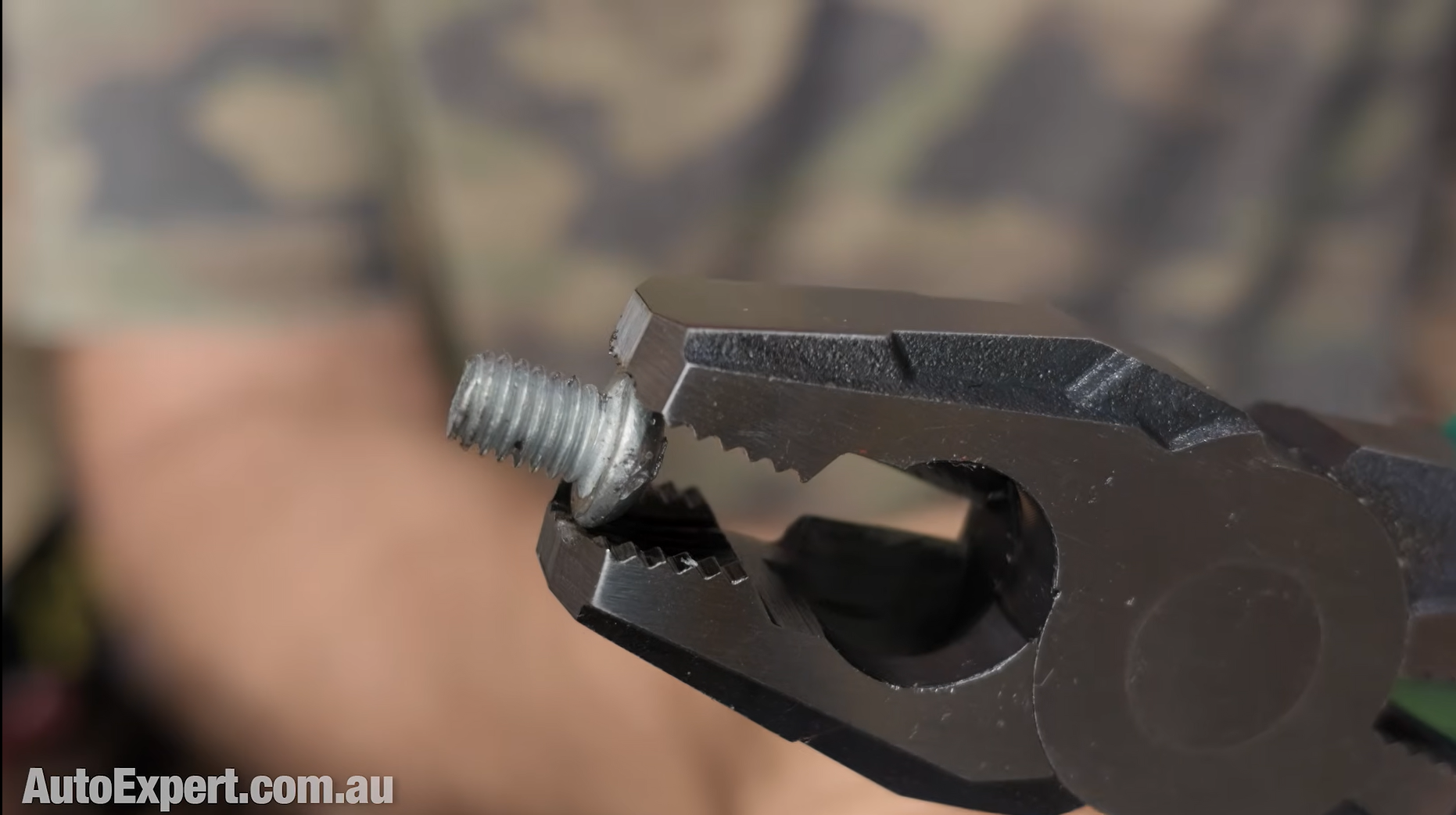
The PZ59 is a heavier-duty option for screw extraction, with a robust construction and gripping jaws intended to transmit substantial turning force.
A useful option when the job calls for something more substantial.
Get it here >
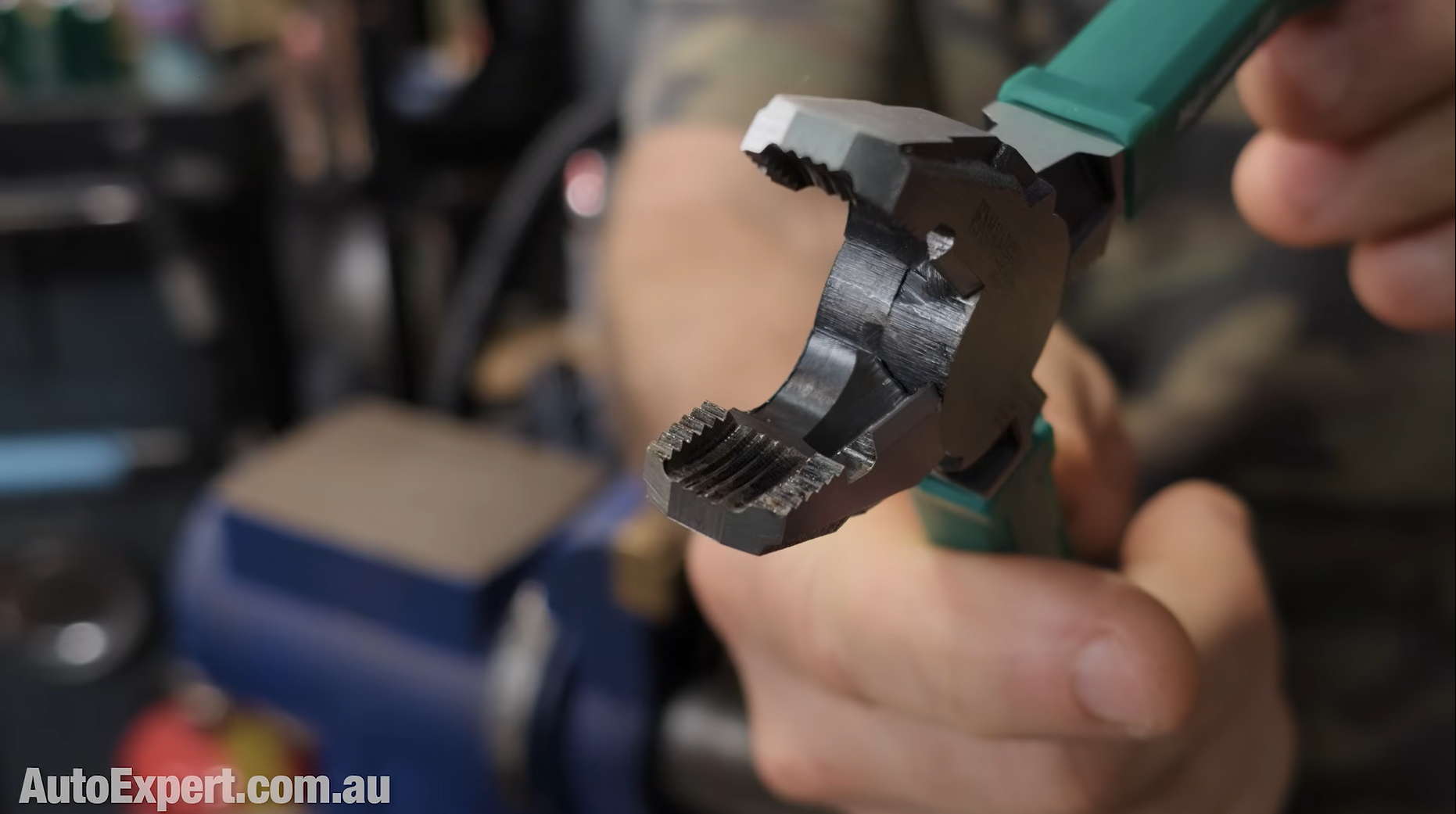
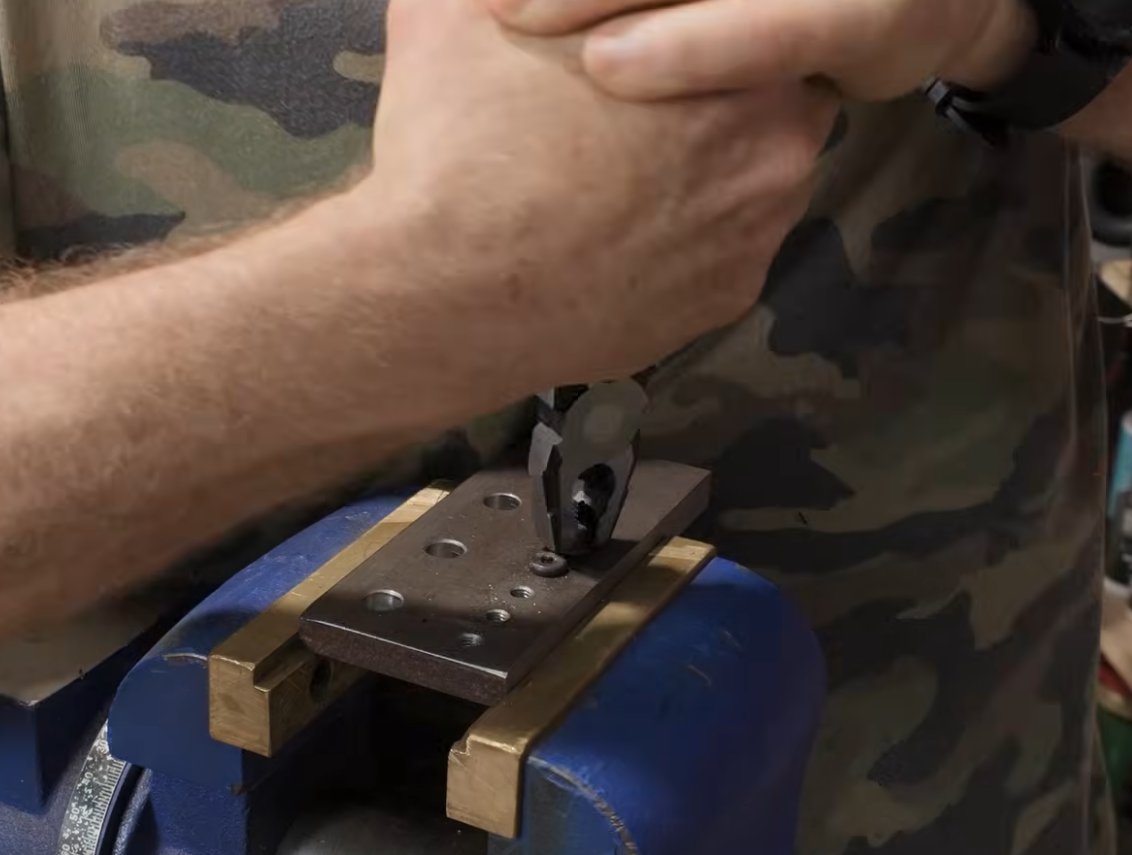
5. Engineer PZ-61 — Screw Removal Pliers Z Plus
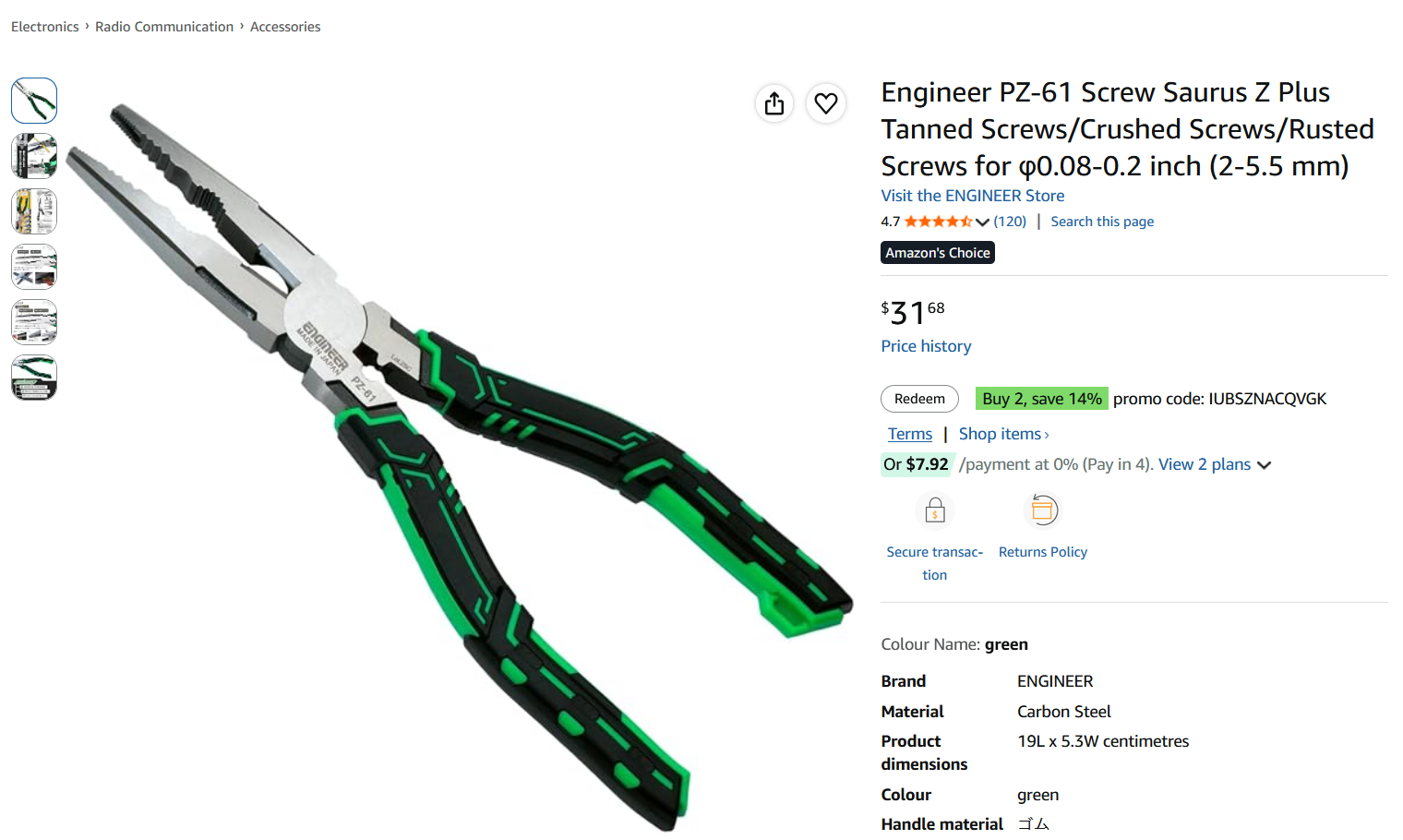
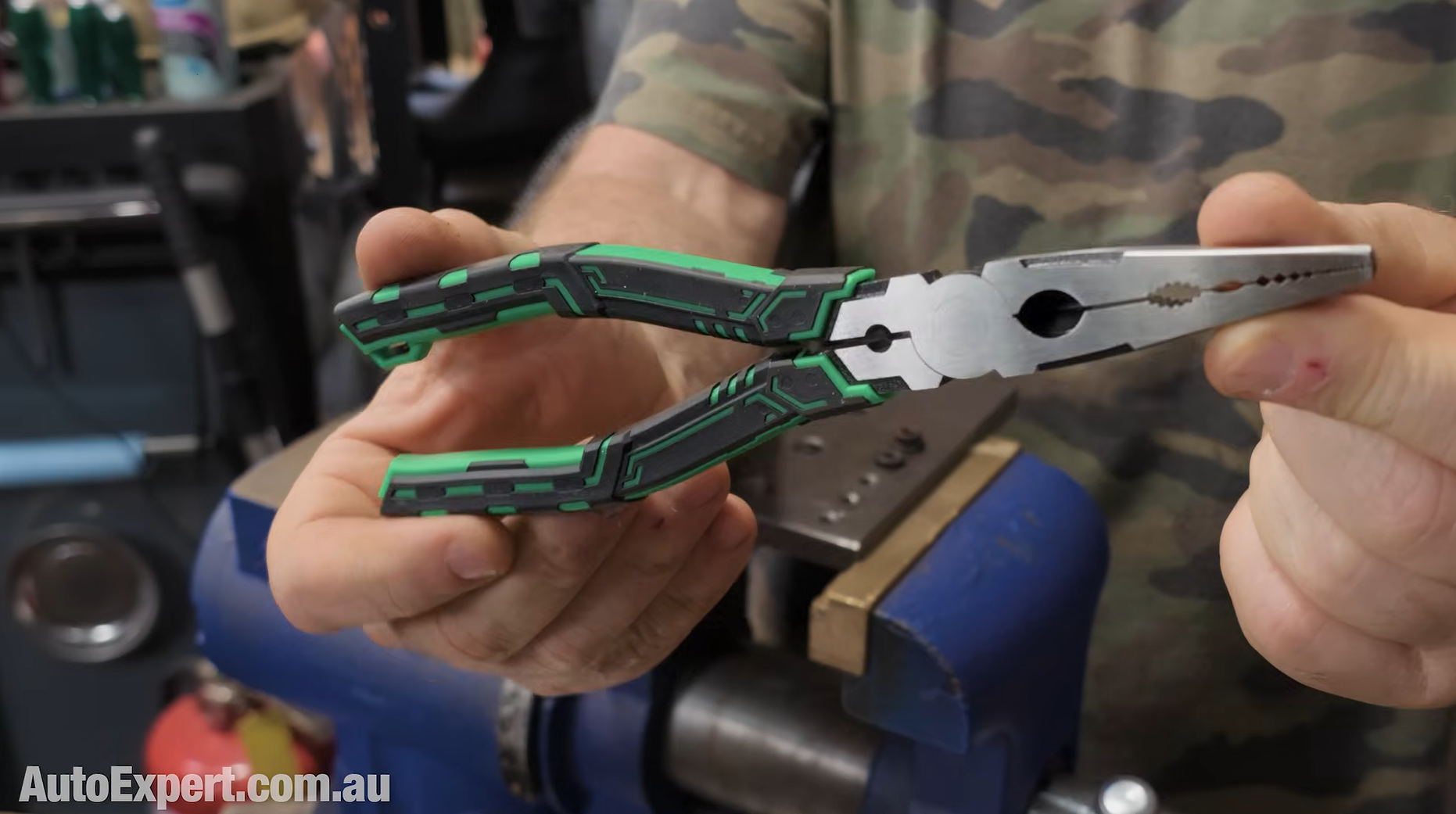
The PZ61 offers another approach to gripping damaged fasteners, combining screw-extraction jaws with the versatility of conventional pliers.
It's an appealing workshop tool because it isn't limited to one specialised task, but it can absolutely do that specialised task of reaching into narrow pathways to retrieve, hold, clamp and undo.
The Matrix-style circuit board handle design makes it easy to spot in your kit and the texturing offers good grip and haptic feedback with wet, cold hands or while wearing gloves.
Get it here >
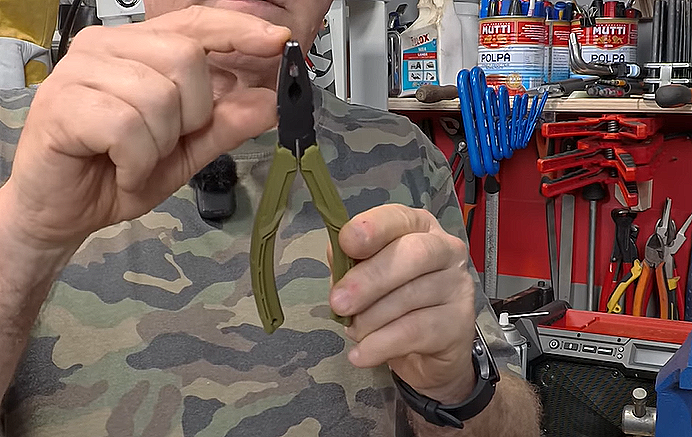
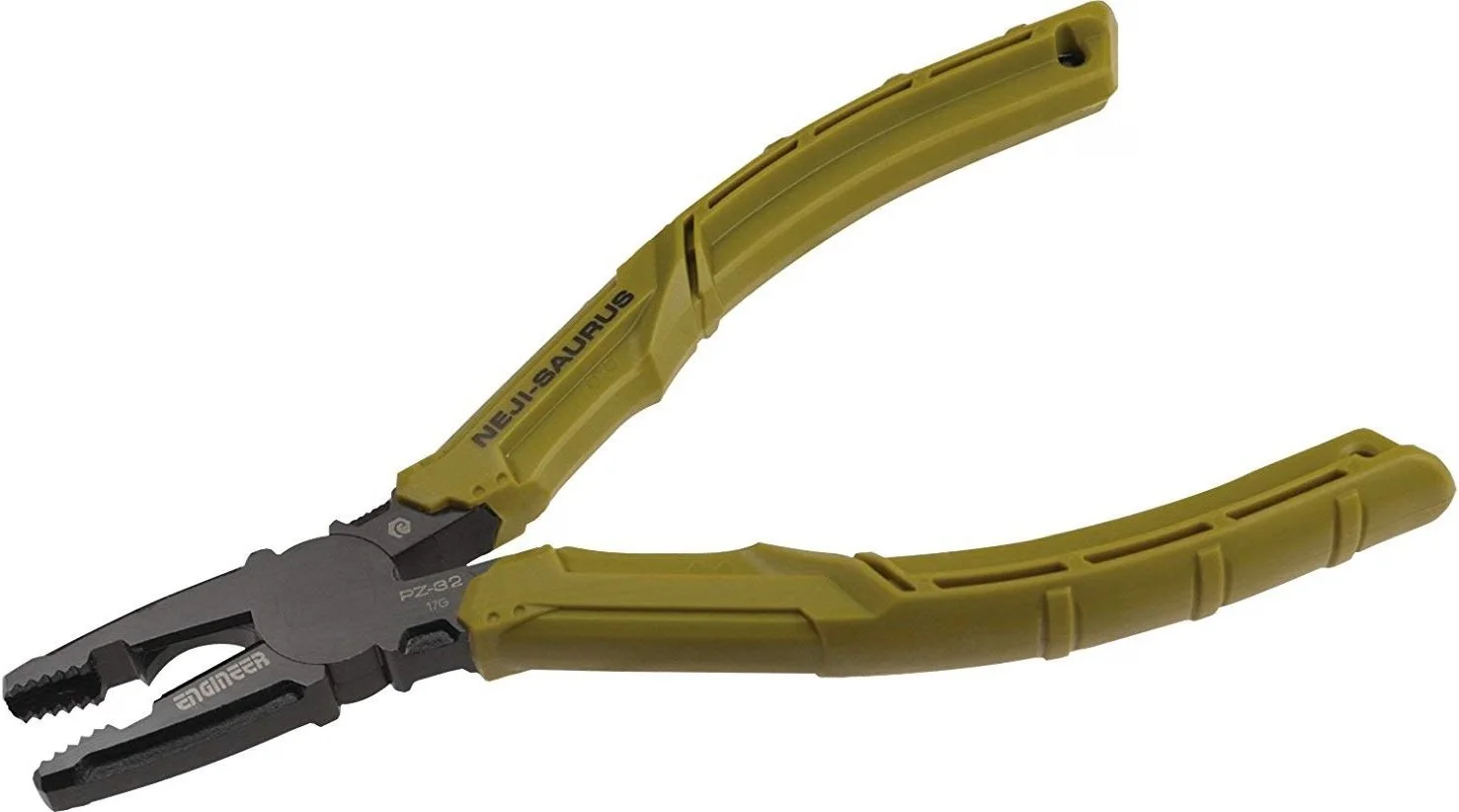
6. Engineer PZ-32 extraction pliers
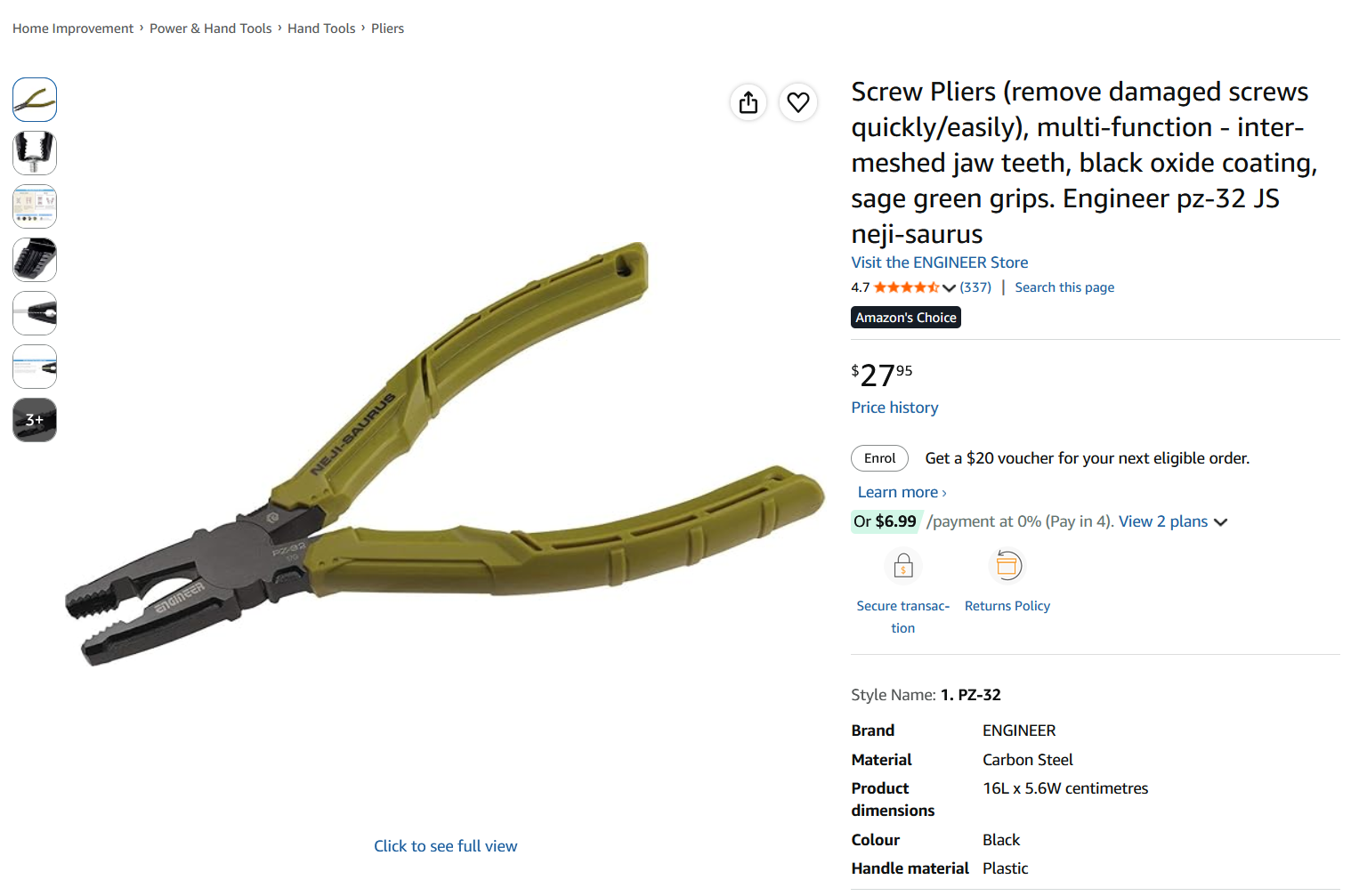
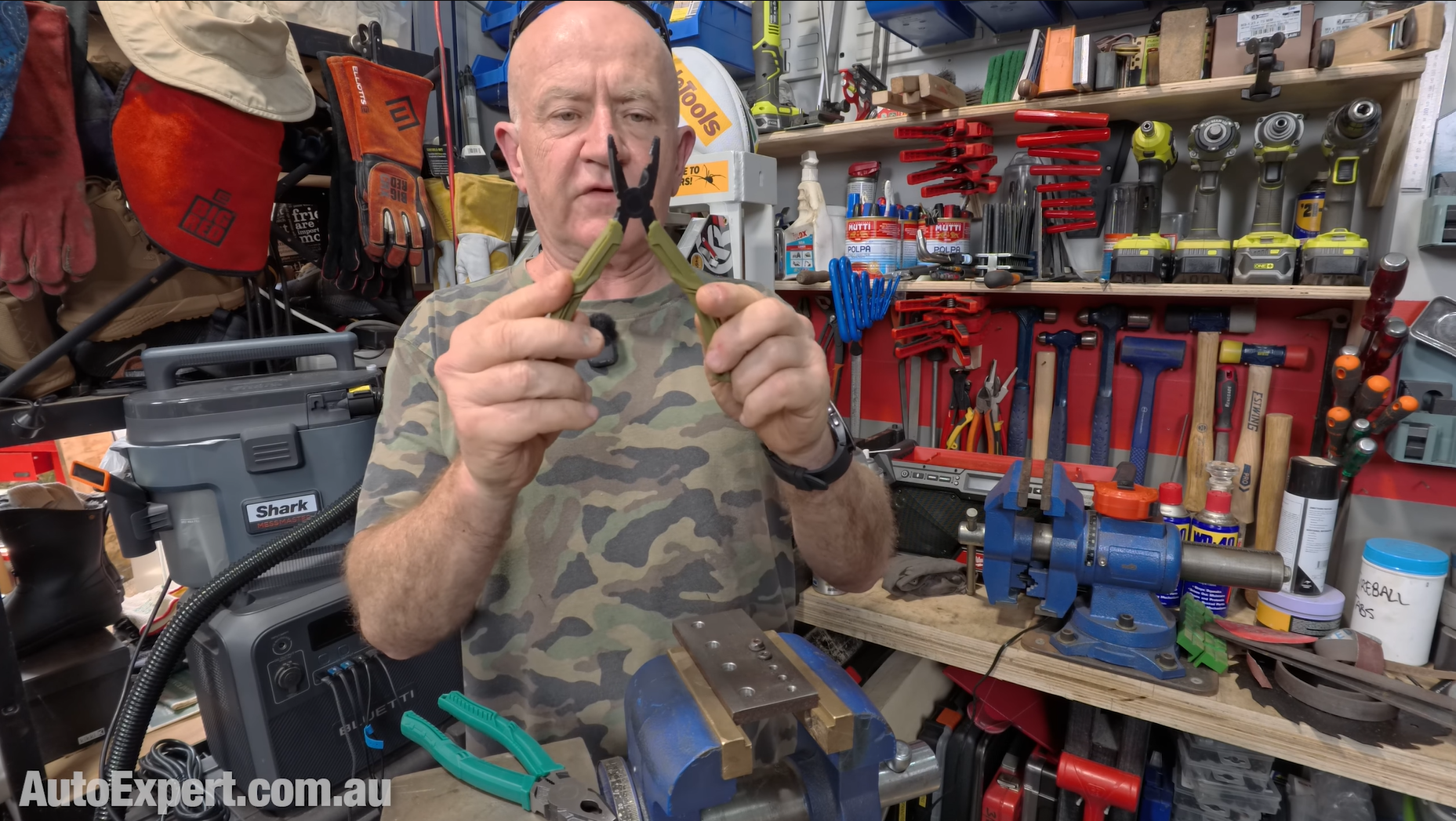
The PZ32 takes the same general screw-gripping principle and packages it into a straightforward pair of extraction pliers.
For anyone regularly dealing with damaged fasteners, having this type of jaw geometry available can make a considerable difference while also doubling as robust, lightweight general-purpose pliers.
When size matters, these compact, narrow (but not needle-nosed) pliers can get you out of trouble quickly - especially if you’re working in confined spaces or with delicate equipment.
Get it here>
Which screw removal tool should you choose?
It largely depends on the nature of the damage and how accessible the screw head is.
If the drive recess is intact but the fastener is stubborn, an impact screwdriver may be the best starting point.
If the recess has been damaged but you can still engage it with a specialised extraction bit, something like the Vessel Impact & Out kit might solve the problem.
If the head protrudes sufficiently to grip its outside diameter, the Engineer extraction pliers offer another effective option.
There's no single magic tool that removes every damaged screw. The trick is having a few different approaches available before the job goes completely pear-shaped.
The best repair is one you can actually finish
It's also worth remembering that removing a damaged screw is only part of the job.
You still need to repair or replace the fastener and reassemble whatever you've taken apart.
That's why I prefer practical, non-destructive extraction methods wherever possible. The objective isn't simply to get the offending screw out. It's to finish the repair without creating another problem.
These Japanese tools are worth considering for a home workshop, professional toolbox or properly equipped roadside repair kit.
Watch the video above to see how they performed in my actual workshop test.
If busted screw heads are a common problem in your life, then this list of tools are your best bet against this plight
Additional Tools Worth Considering
If you want to improve the capabilities of your roadside toolkit, these are some excellent tools worth investigating to build a simple, effective and affordable go-bag for your work or family vehicle to get you out of trouble and back on the road - or indeed someone else you stop to assist.
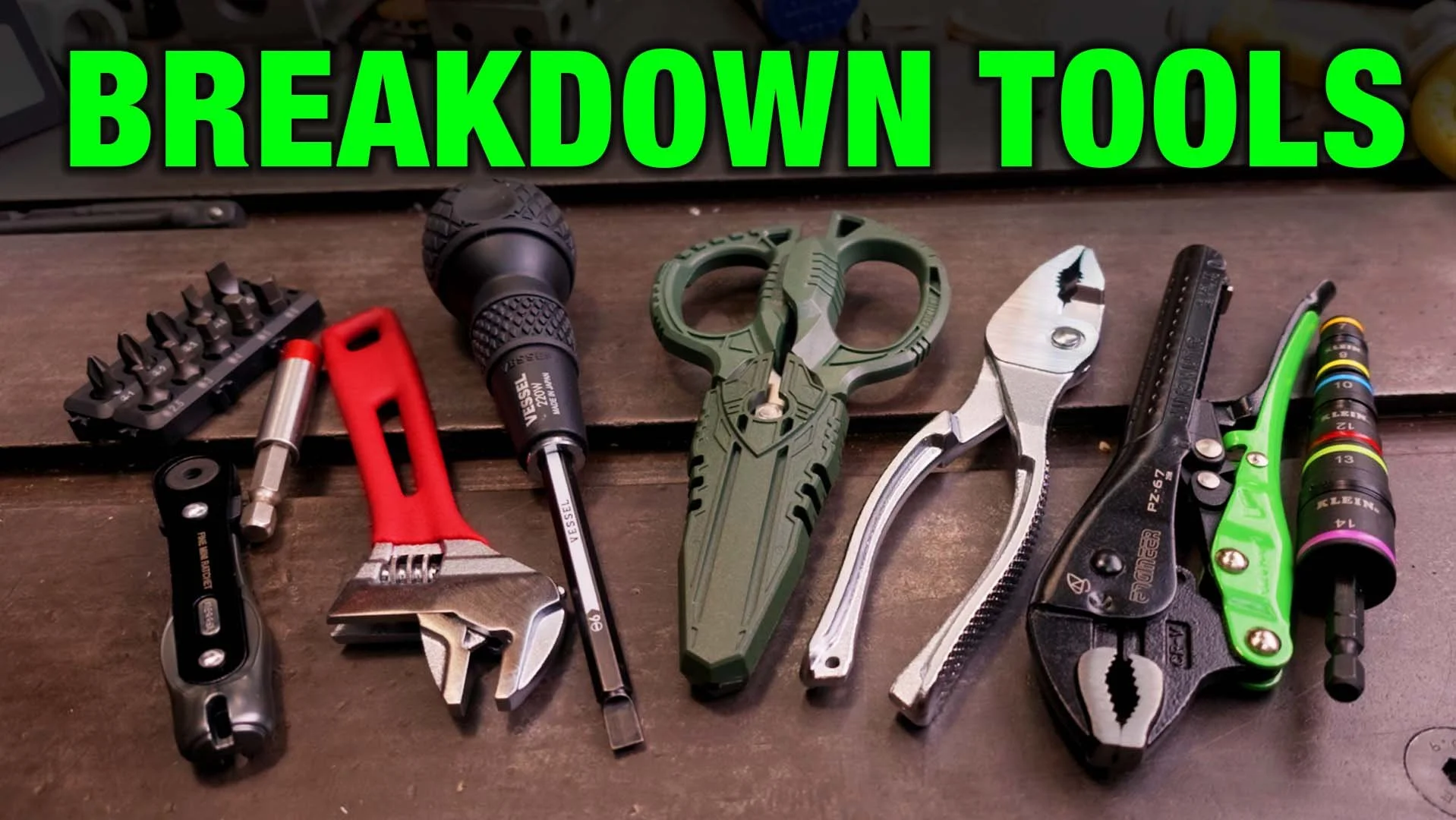
Need a roadside repair kit that actually works better than a multitool? Find out more here>
Tsunoda PLC-150U — Slip-joint pliers:
Engineer PZ-67 — Auto-locking pliers:
Engineer PH-55 — 160mm multi-function scissors:
Vessel 220W-3 — Ball-grip interchangeable screwdriver set:
Vessel TD-25 — Ultra-thin ratcheting screwdriver with 10 bits:
Klein Tools 6-in-1 — Metric impact-rated flip socket set, 7–14mm:
Lobtex UM24XD — Hybrid Monkey adjustable spanner:
Disclosure
As an Amazon Associate, I earn from qualifying purchases.
This article contains Amazon affiliate links. If you purchase qualifying products through these links, I may receive a commission at no additional cost to you. Affiliate commissions help support the independent research, testing and production of AutoExpert content.
Product specifications, prices and availability are subject to change. Always confirm the product model and suitability for your intended application before purchasing.